Chania to Falasarna takes around an hour by car and makes an easy day trip for travellers wanting to combine a scenic drive with one of western Crete’s standout beaches. Clear water, a broad coastline and impressive evening light make Falasarna equally appealing for swimming, photography or staying until sunset.
Getting there is part of the day rather than dead travel time. Mountain stretches gradually give way to coastal views as you head west from Chania.
There is little need to arrive with a complicated itinerary. Falasarna works particularly well when you give the beach most of the day and let the return journey wait.
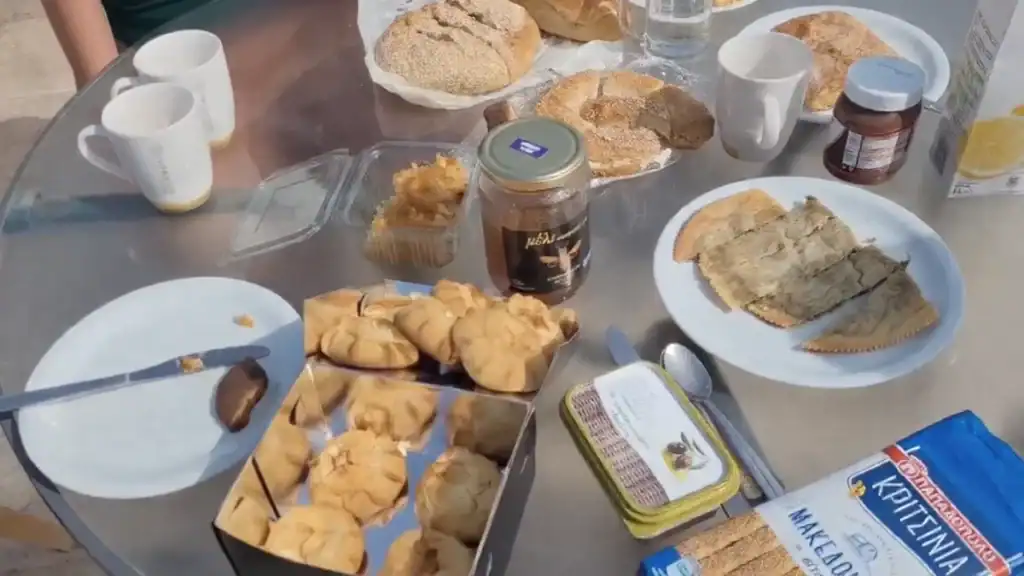
🚗 The Drive West from Chania to Falasarna
The journey is one of the highlights of travelling from Chania to Falasarna.
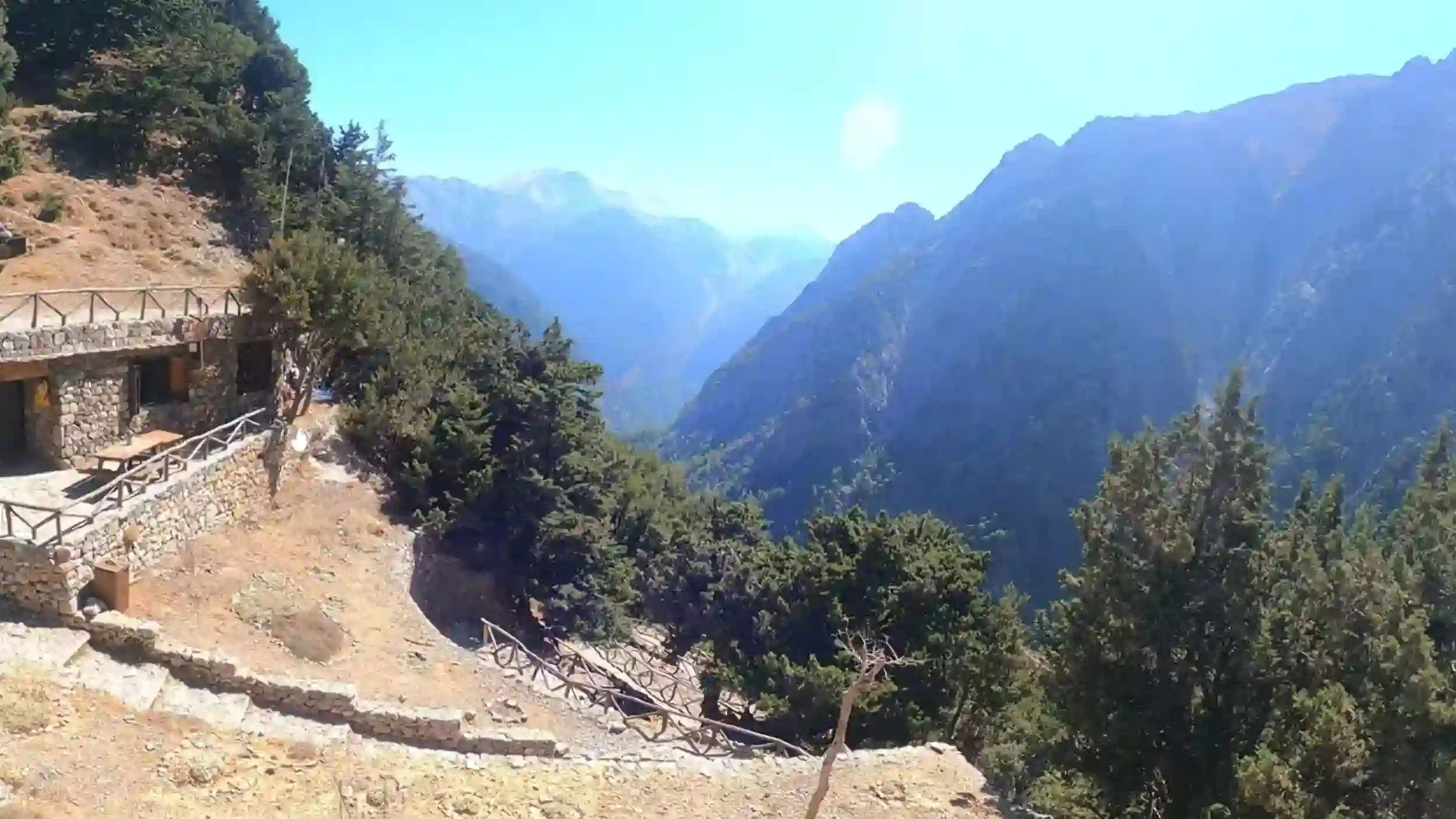
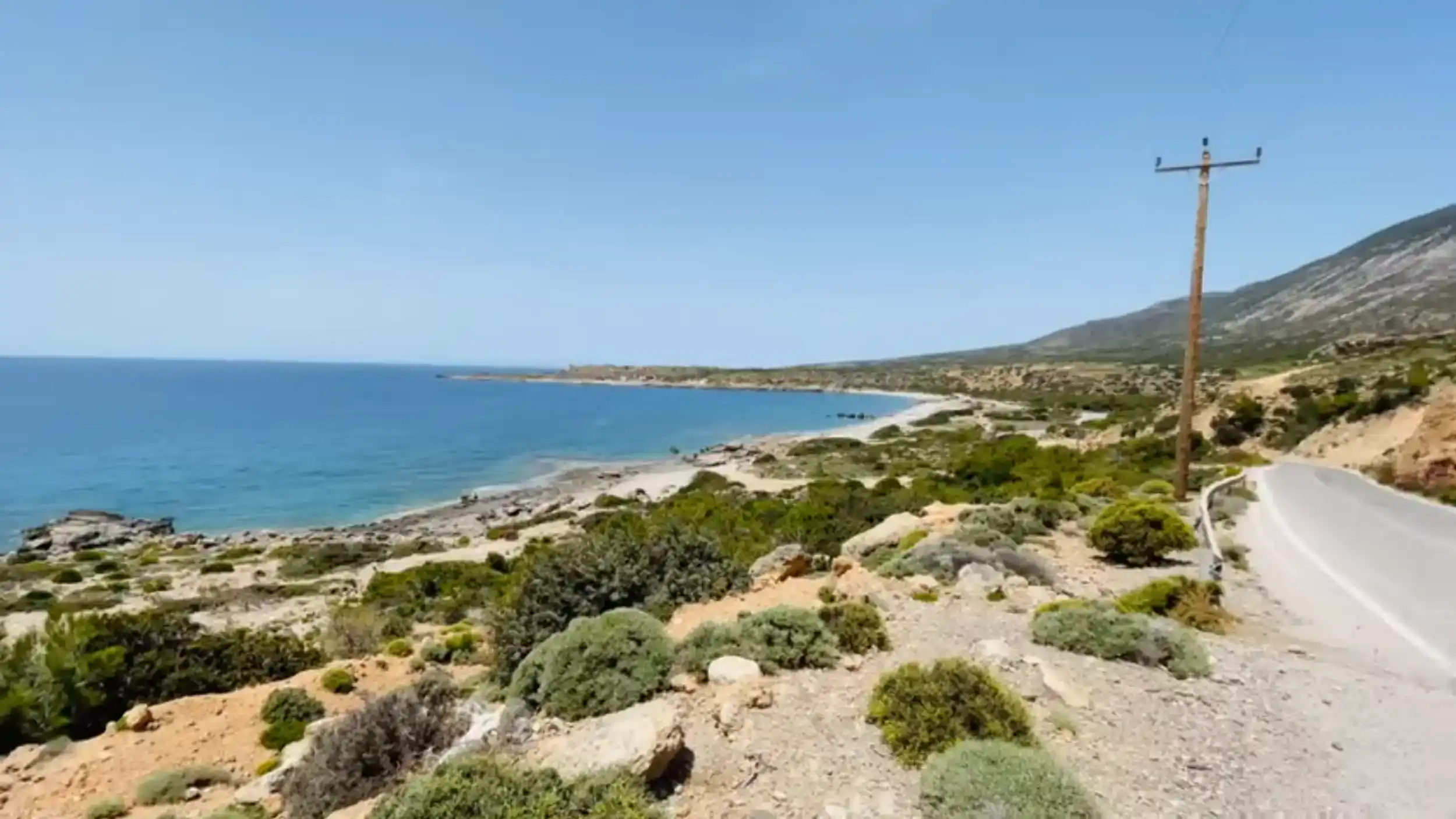
Leaving the city behind, the road follows the north-west coast before winding through olive groves, small villages and rolling hills. Rather than simply connecting two destinations, the drive gradually reveals a quieter side of western Crete that many visitors would otherwise miss.
Chania to Falasarna by Car
Driving gives you the greatest flexibility.
| Journey | What to expect |
|---|---|
| 🚗 Distance | Around 60 km from Chania |
| ⏱️ Driving time | Approximately 1 hour |
| 🅿️ Parking | Large parking area close to the beach |
| 📸 Scenic stops | Coastal viewpoints and traditional villages |
Travelling from Chania to Falasarna by car allows you to stop wherever the scenery catches your eye. Olive groves stretch across the hillsides, roadside tavernas appear unexpectedly and several viewpoints provide sweeping views of the coastline before the final descent towards the sea.
Visitors who prefer not to drive can also join organised excursions, many of which combine the beach with nearby attractions such as Balos Lagoon: Finding the Best Route for the Experience.
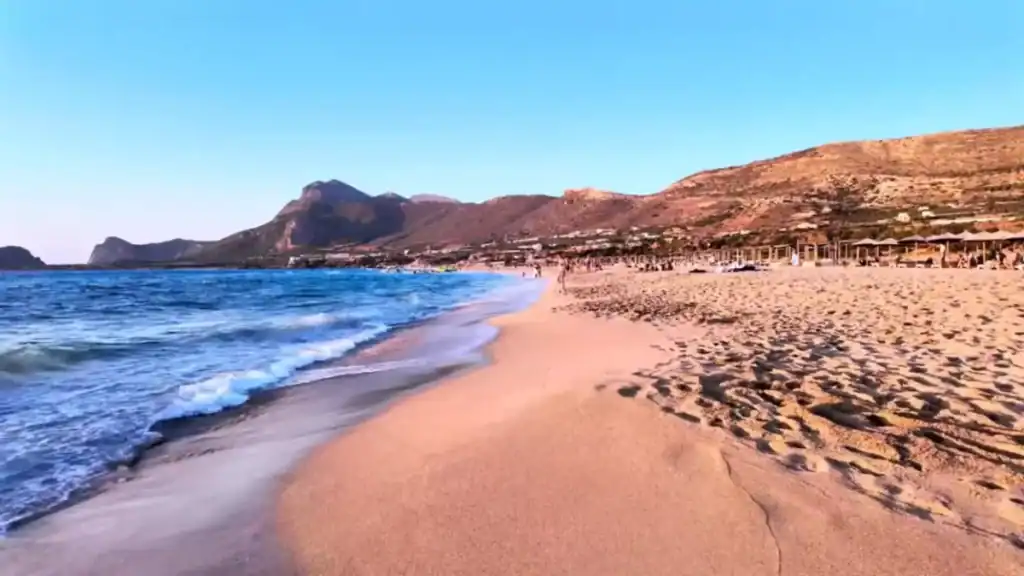
🏖️ Chania to Falasarna: The Beach and the Water
The first impression is usually the colour.
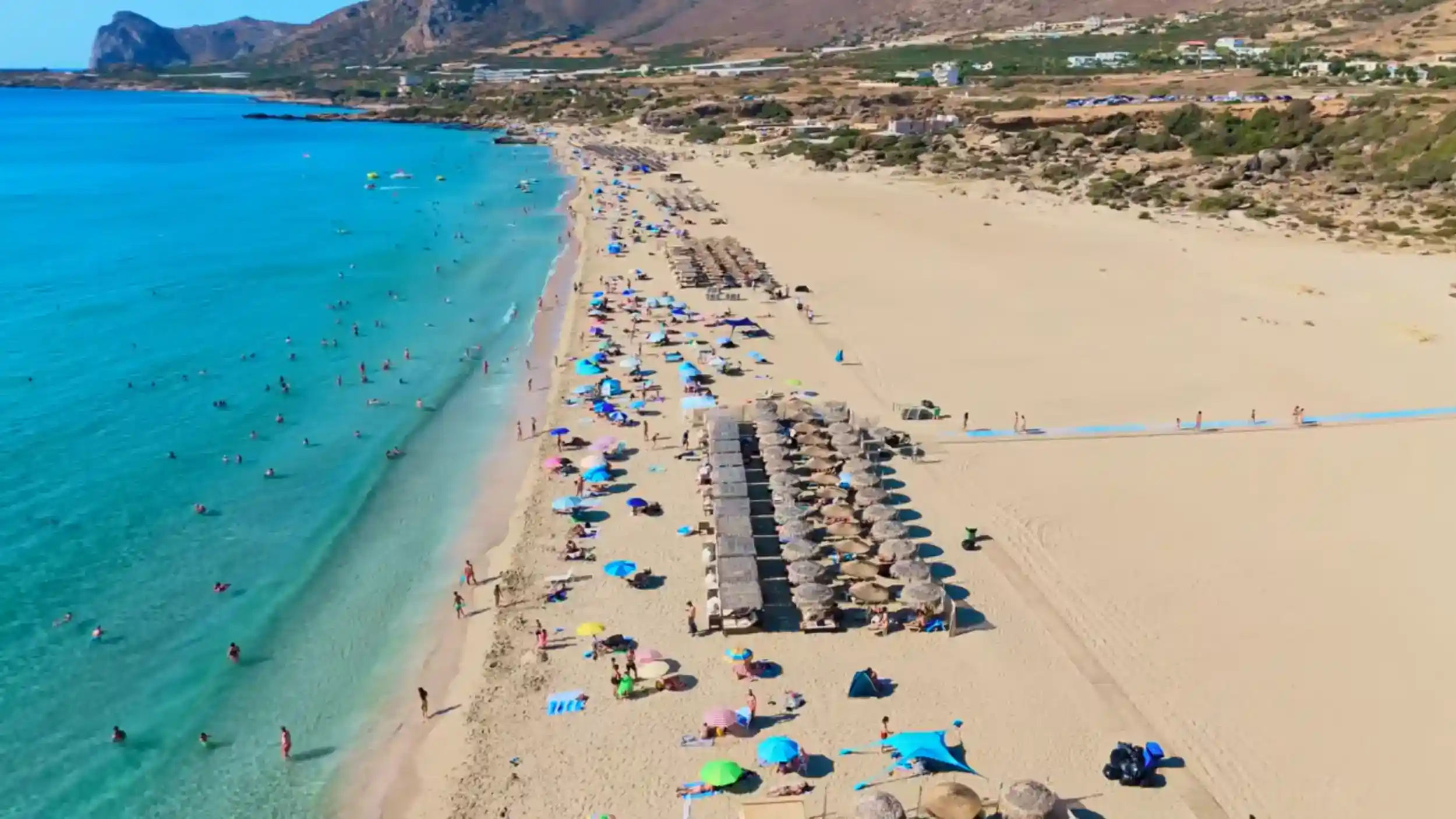
Arriving from Chania to Falasarna, the broad sweep of pale sand and remarkably clear turquoise water immediately explains why the beach is considered one of the finest in Crete. The bay feels open and spacious, with enough room that even busy summer days rarely feel overcrowded.
What the Beach Itself Offers
The beach suits far more than sunbathing.
| Beach feature | What to expect |
|---|---|
| 🌊 Crystal-clear water | Excellent for swimming and snorkelling |
| 🏖️ Wide sandy beach | Plenty of space, even in summer |
| ☀️ Sunbeds and umbrellas | Available across the main beach |
| 🌬️ Afternoon breeze | Often welcome during hotter months |
One characteristic of Chania to Falasarna that surprises many visitors is the wind. Breezy afternoons are common, particularly in summer, but they also create cooler conditions when much of Crete is at its hottest. The northern end of the beach is usually quieter, while families tend to gather closer to the main facilities where the sand shelves gently into the sea.
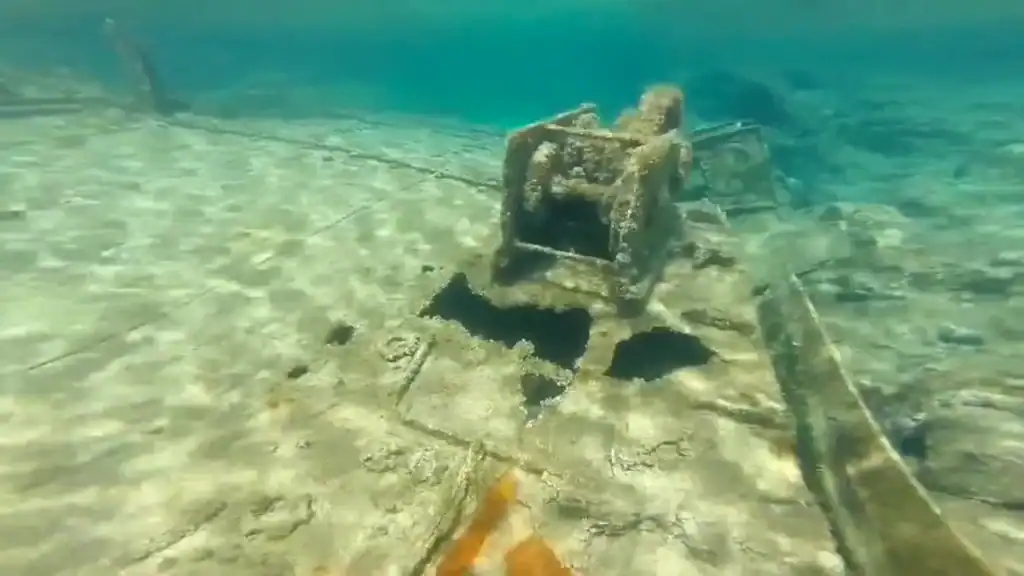
Just offshore, the remains of a shipwreck rest beneath shallow water, making snorkelling one of the more unusual activities at Falasarna. The wreck is easily reached in calm conditions and adds another reason to spend longer here than many visitors originally intend.
🌅 Ruins and Sunsets
Falasarna offers far more than a beautiful beach.
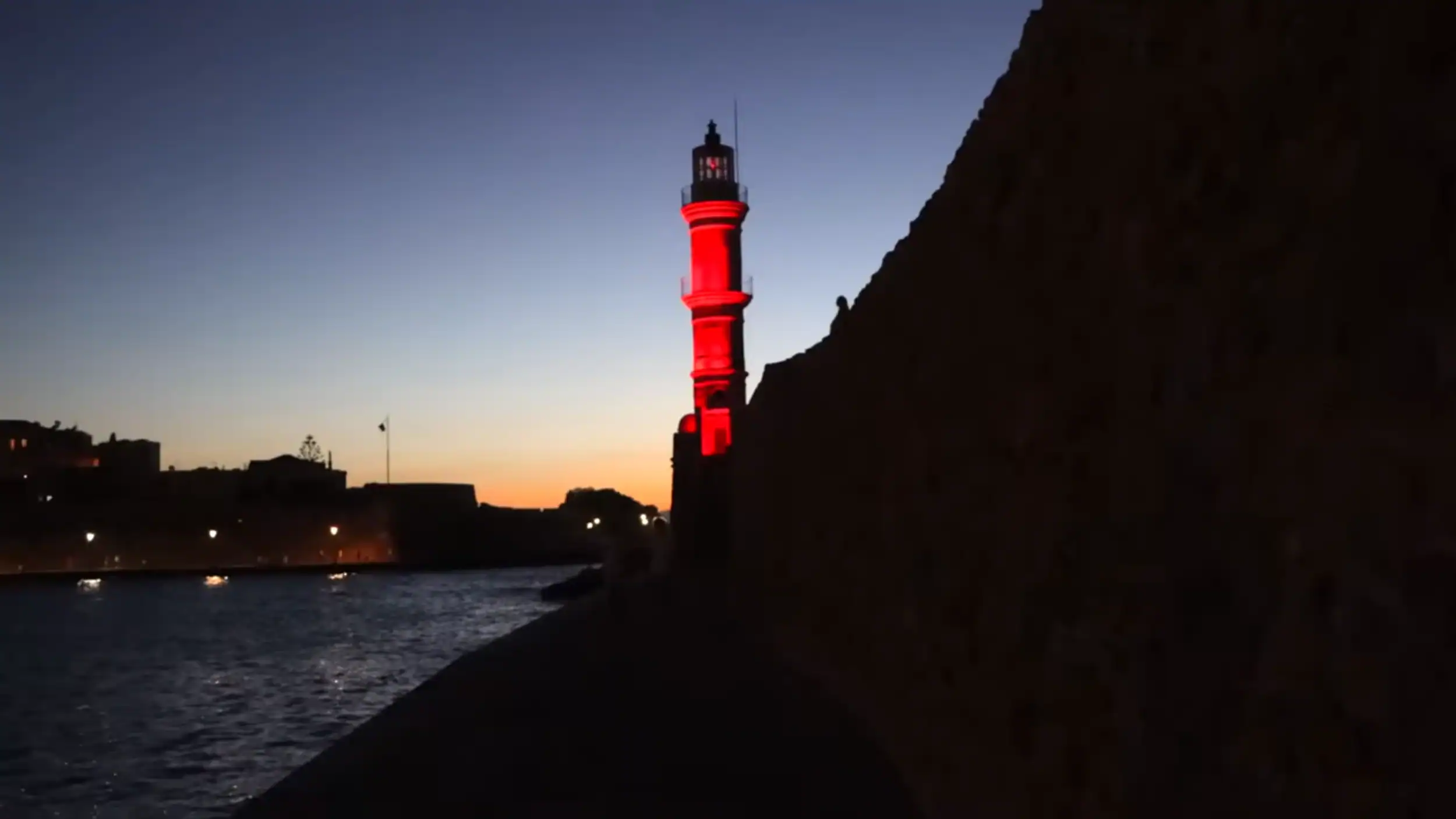
Above the shoreline, the remains of the ancient city overlook the bay, while each evening the west-facing coastline becomes one of the best places in Crete to watch the sun disappear into the Mediterranean. Many visitors who make the journey from Chania to Falasarna arrive for the beach but stay for the changing light.
Why the Sunset Here Is Different
The beach faces directly west.
| Sunset feature | What to expect |
|---|---|
| 🌅 West-facing beach | Uninterrupted views of the setting sun |
| 🏛️ Ancient Falasarna | Archaeological remains above the coastline |
| 📷 Golden hour | Warm light across the sand and sea |
| 🚶 Evening strolls | Plenty of space along the shoreline |
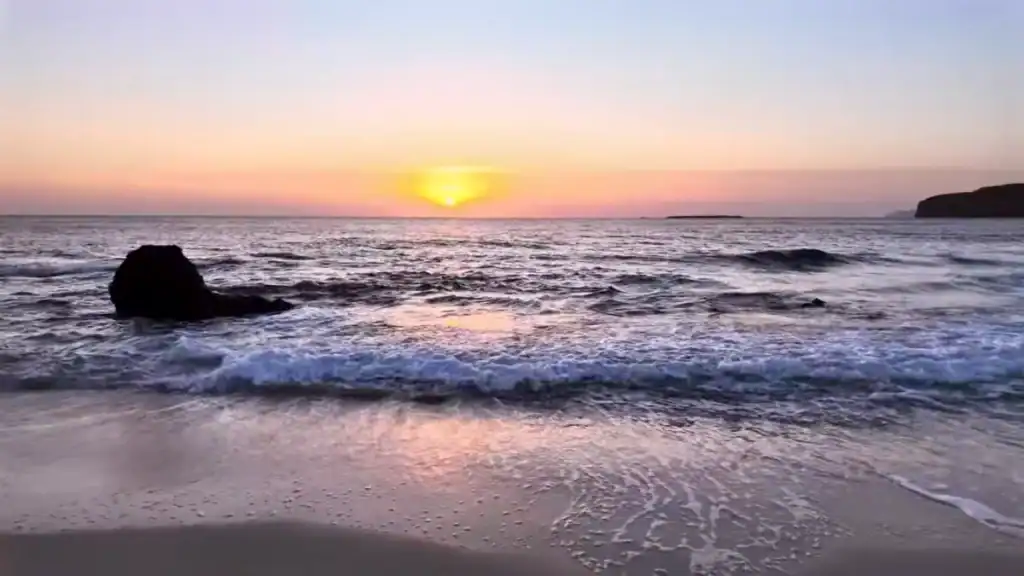
The archaeological site adds another dimension to the visit, revealing that Falasarna was once an important harbour long before the modern beach became famous. As the afternoon fades, the colours across the bay become warmer and the atmosphere noticeably calmer.
Visitors planning their day often delay the return journey simply to experience the sunset before driving back to Chania, making Chania to Falasarna just as memorable at the end of the day as it is on arrival.
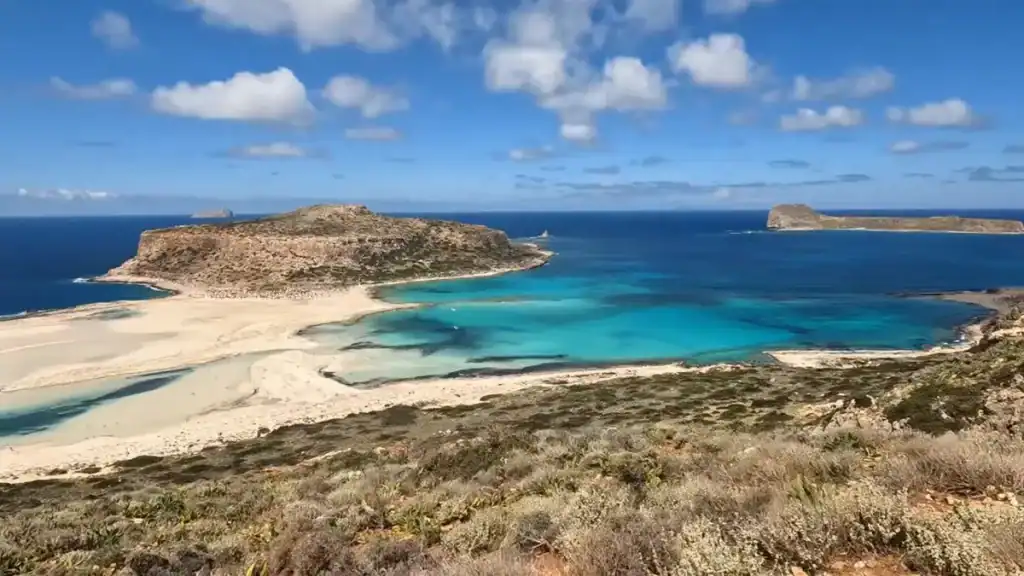
🌊 Beyond Falasarna: Balos Beach and the Western Coastline
A journey from Chania to Falasarna often becomes an introduction to western Crete rather than a single beach visit.
The coastline continues north towards Balos and south towards Elafonisi, with each destination offering a completely different landscape despite their close proximity. Many travellers return to this part of the island several times because one day is rarely enough to experience everything.
| Western Crete destination | Why visit |
|---|---|
| 🩵 Balos Lagoon | Famous lagoon with shallow turquoise water |
| 🏖️ Elafonisi | Pink-tinged sand and broad lagoons |
| 🌅 Falasarna | Wide sandy beach and spectacular sunsets |
| 🚗 Scenic coastline | Mountain roads linking each destination |
Many visitors combine Chania to Falasarna with another trip to the north-west coast rather than trying to see everything in one day. Balos Lagoon: Finding the Best Route for the Experience explains the different ways to reach Balos, while Elafonisi From Chania: Scenic Drive and Coastal Insights explores another of Crete’s iconic beaches further south.
Separating these journeys allows you to appreciate the unique character of each destination instead of rushing between them.