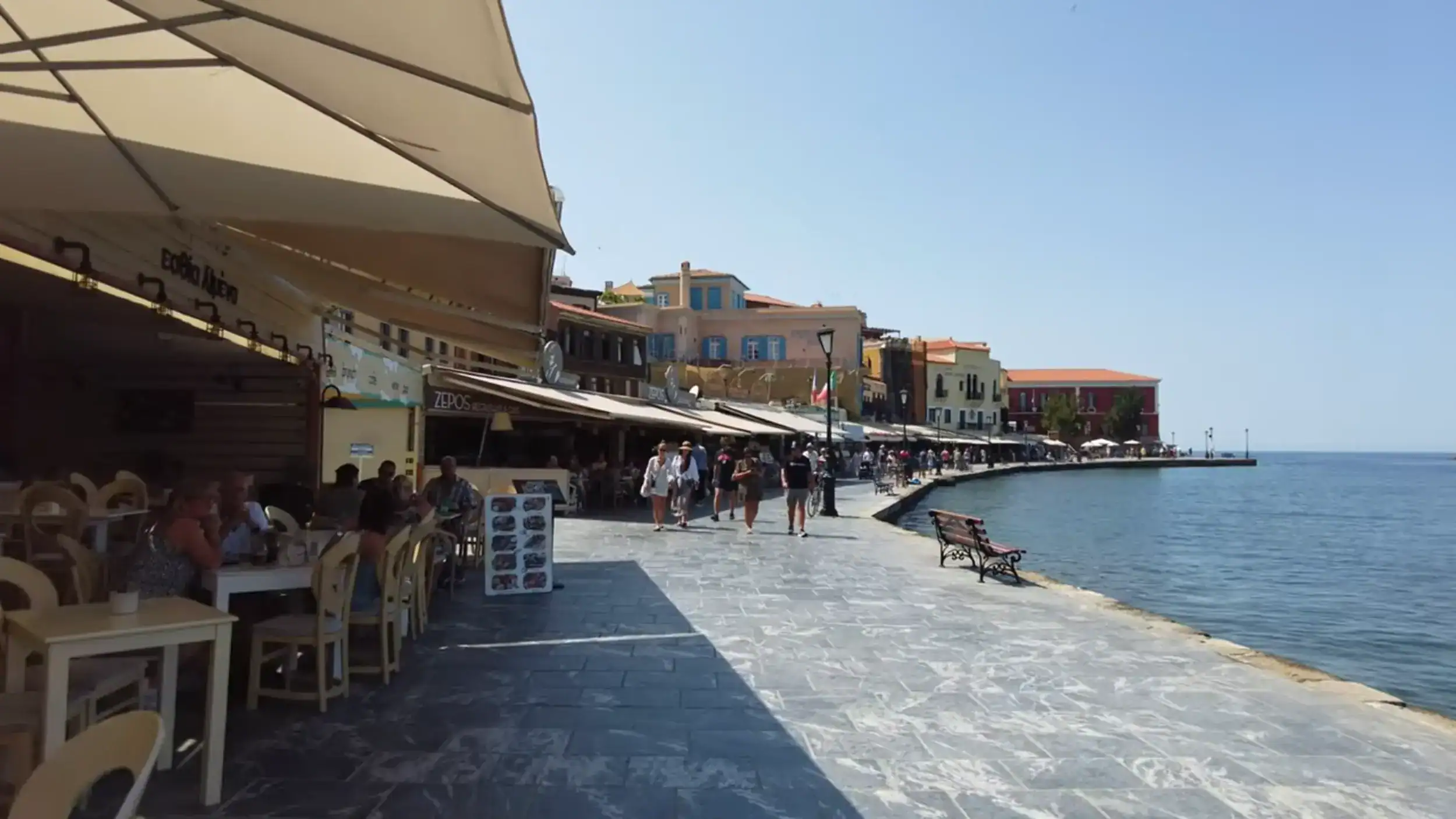
Solo travel in Chania worked extremely well for us as independent travellers. The compact Old Town was easy to understand on foot, eating and wandering alone never felt unusual, and we could reach beaches, historic sites and western Crete day trips without needing a complicated itinerary.
What I liked most was the balance: enough going on that being alone never felt isolating, but none of the pressure of having to organise each day around other people. For a first solo trip, I think that makes Chania particularly easy to settle into.
🛡️ Did We Feel Safe Travelling Solo in Chania?
Safety is one of the first things I would consider before recommending any destination for solo travel.
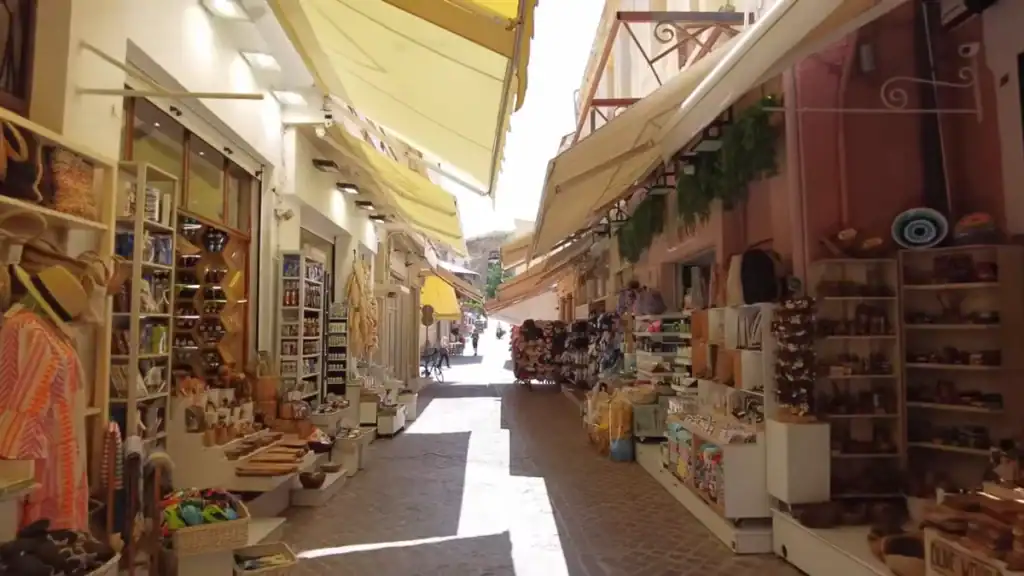
Our experience of solo travel in Chania was relaxed rather than intimidating. I would consider Chania a good choice for solo travel, while still using the normal precautions I would use in any unfamiliar city. The Old Town stayed lively into the evening, independent travellers did not stand out and we were rarely far from cafés, restaurants or other people. That mattered more to me than simply describing the city as “safe”.
What Should Women Travelling Alone Consider?
I would also consider Chania a strong destination for a solo female traveller. Women travelling alone still need the same sensible awareness they would use elsewhere, but the compact centre, busy evening streets, cafés and restaurants make independent travel feel relatively straightforward. I would still avoid poorly lit, isolated places late at night and use a taxi whenever a walk did not feel comfortable.
| 🛡️ Safety consideration | 📌 What to expect |
|---|---|
| 🚶 Walking at night | Busy, well-lit streets around the Old Town and harbour |
| 👥 Local atmosphere | Friendly without feeling intrusive |
| 🍽️ Dining alone | Completely normal throughout the city |
| 🎒 Common precautions | The same sensible awareness you’d use in any destination |
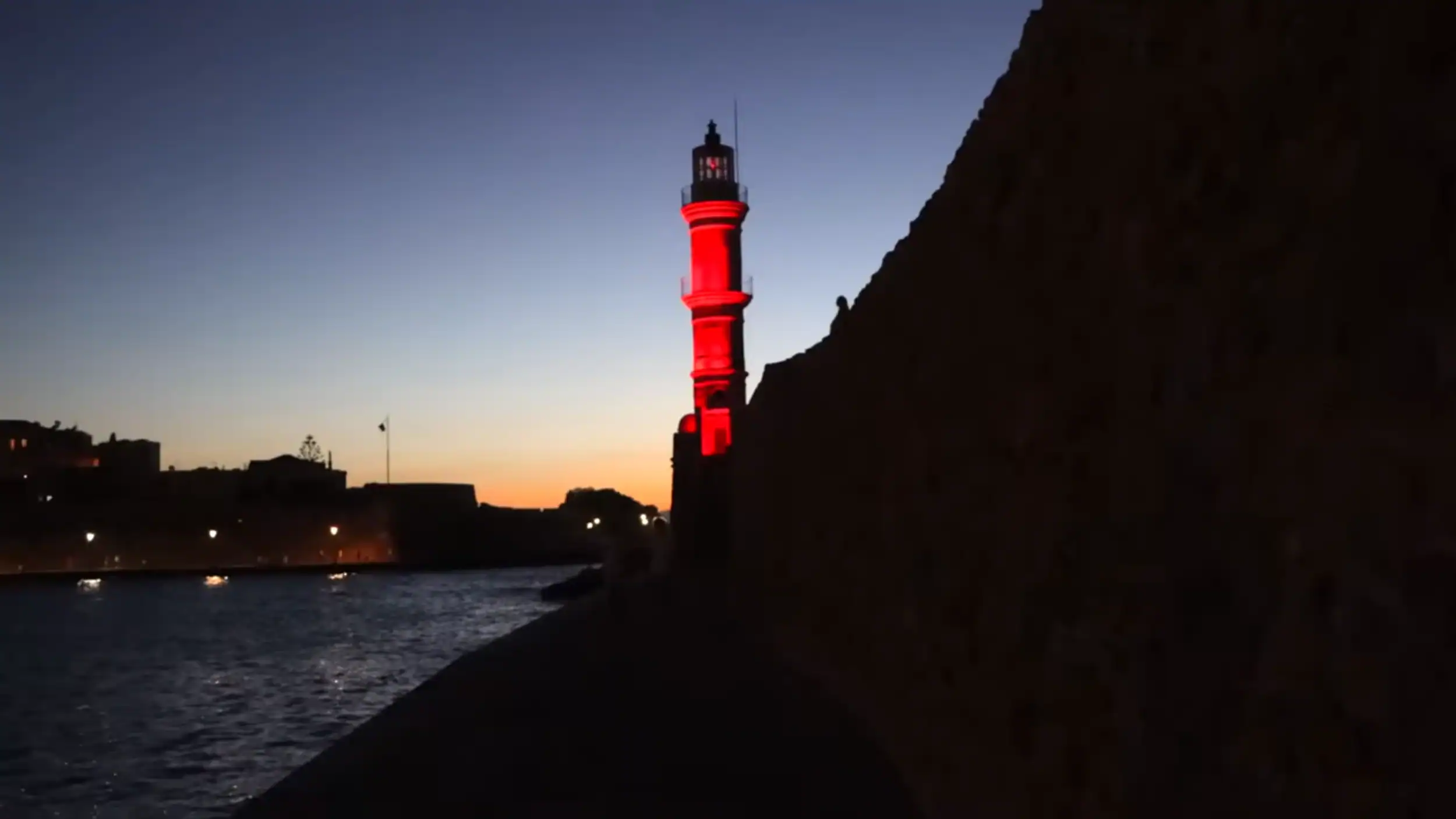
One thing we noticed was that the centre did not empty of local life once the sightseeing day ended. Families, students and residents continued using cafés, restaurants and squares, so the streets felt lived-in rather than like a tourist zone operating only for visitors.
Once we understood the basic layout, we became much more comfortable wandering without checking a map constantly. Our guide to wandering Chania Old Town explains why getting pleasantly lost among the narrow streets became part of the experience rather than something to avoid.
Where Would I Stay in Chania When Travelling Solo?
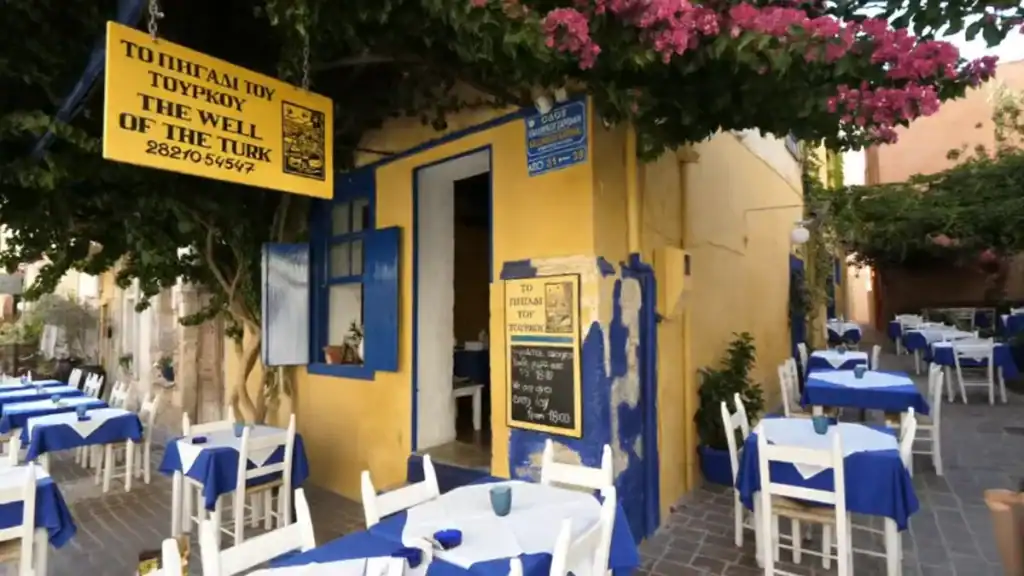
For a first solo trip, I would stay in or immediately around the Old Town, preferably within an easy walk of the harbour and central bus station. That keeps restaurants, evening walks, sightseeing and transport close enough that I would not need to organise a taxi or hire car for ordinary days.
I would not describe Chania as having a particular central neighbourhood that solo travellers need to avoid altogether. My decision would be more specific: I would avoid accommodation on isolated roads, poorly lit outskirts or somewhere that requires a long walk home alone after dinner. A cheaper room is less attractive to me if its location makes every evening less convenient.
🏛️ Why Chania Old Town Worked So Well for Us Alone
One of the biggest strengths we found with solo travel in Chania was how naturally the Old Town suited independent exploration.
We quickly became familiar with the main streets, harbour and neighbourhood squares. Once that happened, I stopped thinking so much about navigation and started following whichever lane, courtyard or waterfront stretch looked interesting.
What Did Travelling at Our Own Pace Change?
The freedom to change direction without discussing it with anyone else was one of the pleasures of exploring alone.
| Old Town experience | Why it works for solo travellers |
|---|---|
| 🚶 Walkable streets | Most highlights are within easy walking distance |
| ☕ Independent cafés | Comfortable places to pause without feeling rushed |
| 🍽️ Dining alone | Widely accepted and completely unremarkable |
| 🌅 Evening walks | Safe, lively atmosphere around the harbour |
Some of the places I remember best were not things we had planned to find: a quiet courtyard, a taverna down a side street or a narrow lane that looked worth following. Our guide to Chania beyond the Old Town looks at what we found once we moved away from the busiest streets.
Was It Easy to Meet Other Travellers?
I think Chania gives solo travellers plenty of opportunities to be sociable without forcing it. Hostels and sociable guesthouses make meeting people easiest, while walking tours, boat trips, cooking experiences and organised excursions create natural situations where conversation starts without needing to approach strangers in a bar. I would choose one or two shared activities if meeting people mattered to me, then keep the rest of the trip independent.
What Would I Do Alone in Chania?
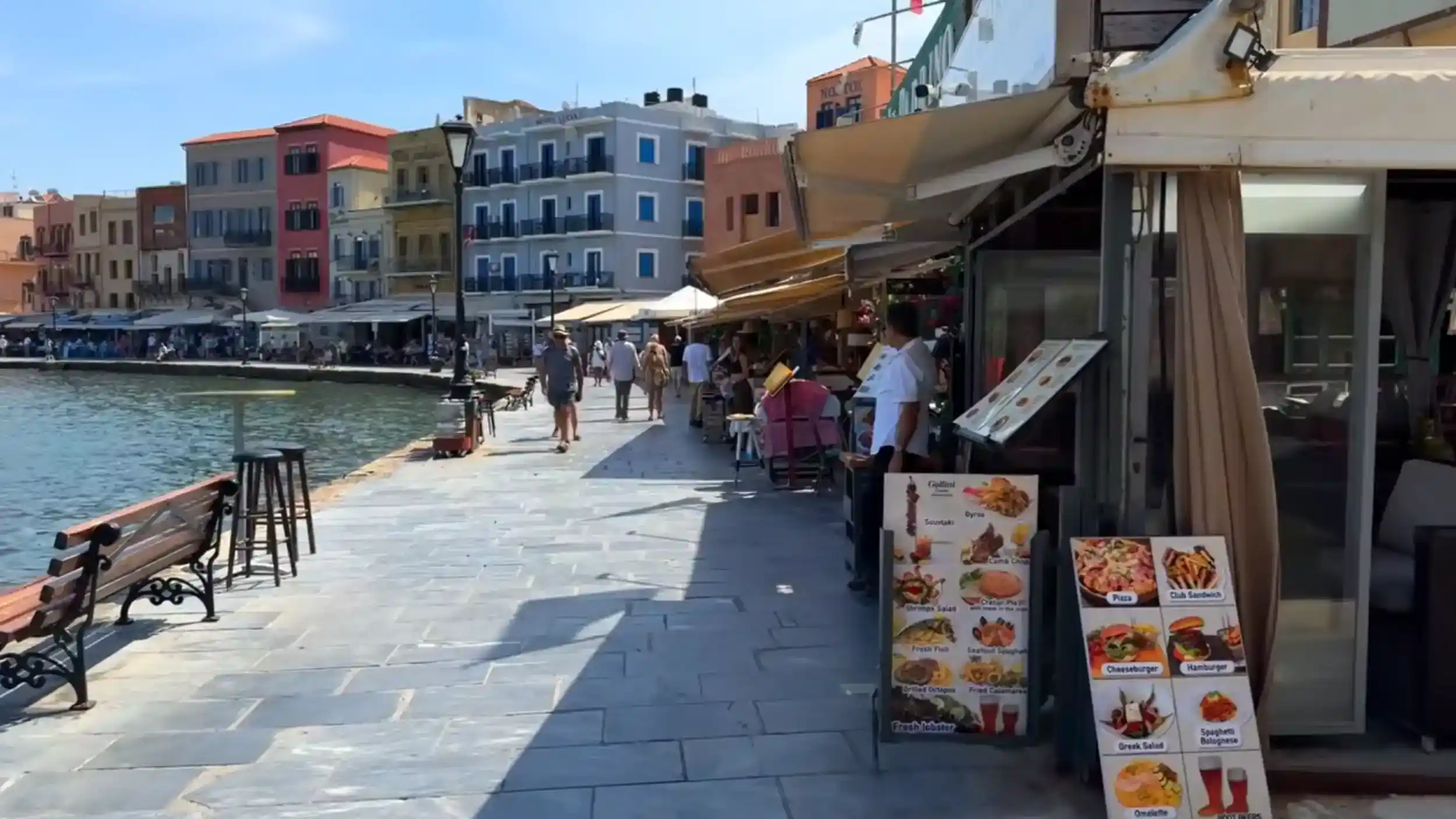
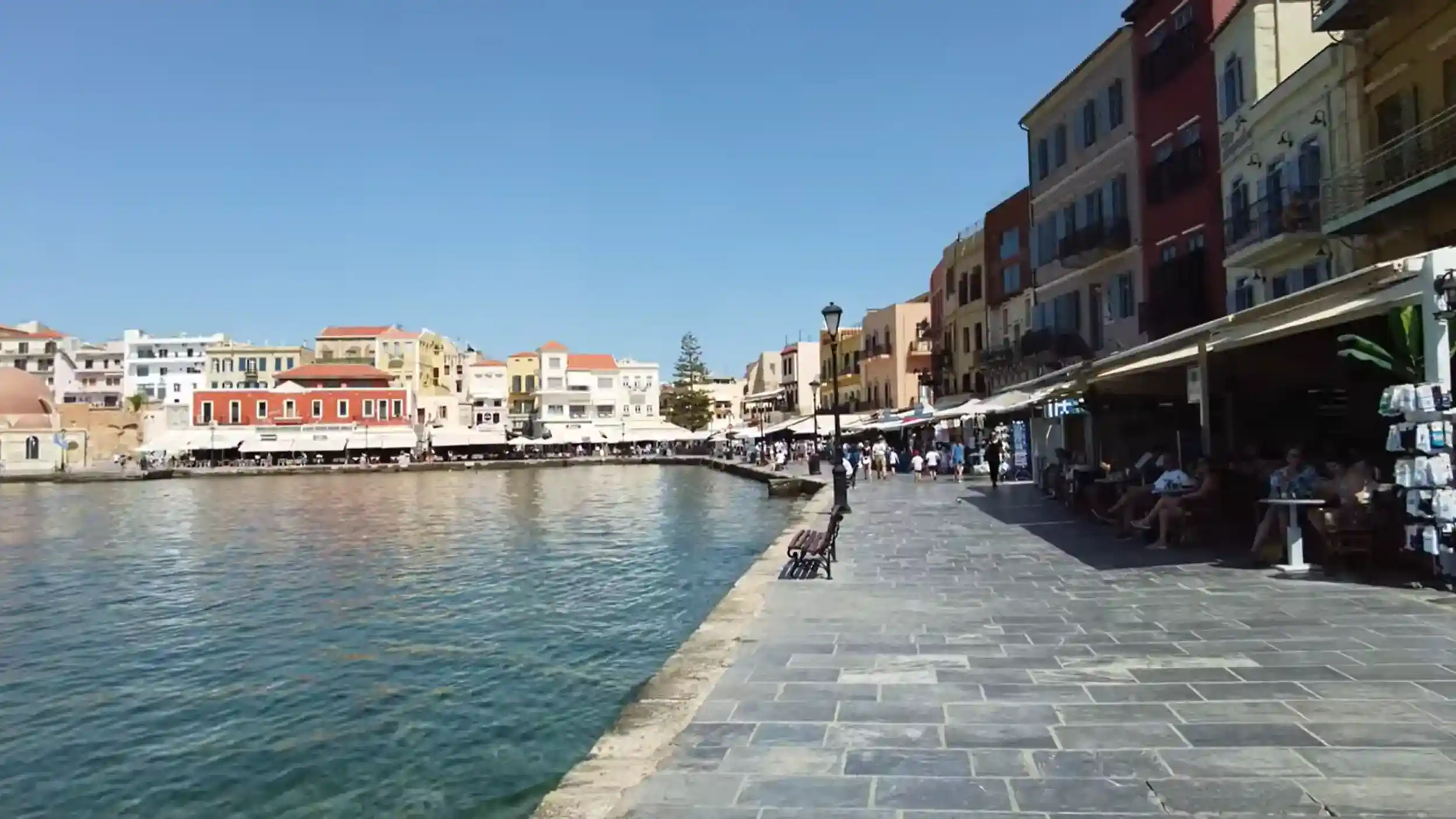
I would start with the Old Town and Venetian Harbour because both reward wandering without a fixed plan. I would also walk the waterfront, visit the Maritime Museum or Archaeological Museum, stop at cafés, spend time at Nea Chora beach and use Chania as a base for one or two western Crete day trips. None of those experiences needs a companion to feel worthwhile.
We also kept returning to the harbour at different times. Early mornings were peaceful, afternoons livelier and evenings had a completely different atmosphere. That repeated experience is why our guide to why Chania Harbour is worth multiple visits treats it as somewhere to revisit rather than tick off once.
🚗 Did We Need a Car for Solo Travel in Chania?
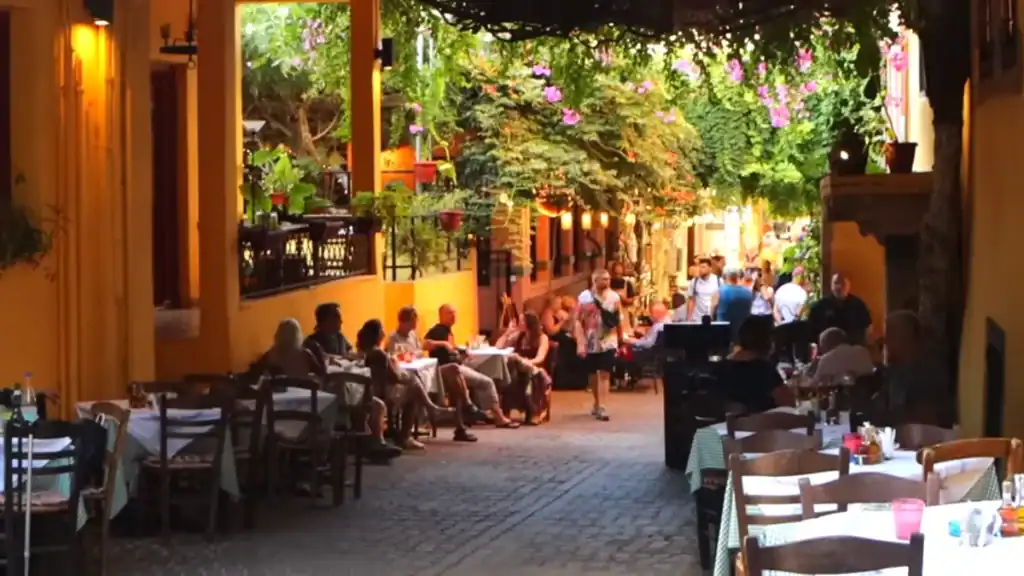
We did not think a hire car was necessary simply for solo travel in Chania.
For the Old Town, harbour, nearby beaches and restaurants, we were happier walking or using buses. I would only pay for a hire car when the plan changes from exploring Chania to exploring western Crete on your own timetable.
How Easy Was Chania Without a Car?
For a first solo stay centred on Chania, I would start without one.
Chania is particularly walkable for a solo traveller staying centrally. We could cover the Old Town, harbour, shopping streets, restaurants and much of the nearby waterfront on foot. The narrow historic lanes are actually easier without a car, and I liked being able to leave the accommodation without planning transport first.
We also found the public-bus system straightforward enough for independent travel. The central bus station is easy to reach from the centre, and buses connect Chania with beaches and towns across western Crete. I would still check the current timetable before a day trip, particularly outside summer, because frequency matters more than the basic difficulty of using the bus.
| 🧭 Transport option | 🎯 Best for |
|---|---|
| 🚶 Walking | Exploring the Old Town and harbour |
| 🚌 Public buses | Beaches, nearby towns and organised day trips |
| 🚖 Taxis | Evening journeys and short transfers |
| 🚗 Hire car | Flexible exploration across western Crete |
The central bus station made travelling without a car much more realistic than I had expected. Services towards places such as Kissamos, together with beach connections and organised Samaria Gorge transfers, meant we could plan independent days out without automatically taking on the cost and responsibility of driving.
If you are still weighing up the cost against the freedom, our guide to whether you need a car in Chania compares buses, taxis and car hire in more detail. If you arrive by ferry, Souda Bay to Chania explains the short transfer from the port into the city.
💶 What Would a Week of Solo Travel in Chania Cost Me?
I would budget by travel style rather than pretend there is one reliable weekly figure. Accommodation is the biggest variable, followed by how often I eat in restaurants and whether I add paid excursions or a hire car.
| 💶 Solo travel style | 📅 Rough weekly budget | What I would expect |
|---|---|---|
| 🎒 Budget | €500–€750 | Hostel/simple room, buses, inexpensive meals and mostly free sightseeing |
| 🧳 Mid-range | €850–€1,300 | Private central room, restaurants, buses/taxis and one or two paid activities |
| ✨ Comfortable | €1,400+ | Better hotel, frequent dining out, taxis and several excursions |
I would treat those as planning ranges rather than fixed prices. Summer accommodation can push the total much higher, while November and other quieter periods can reduce it considerably. Flights to Crete are not included because the starting point changes that figure too much.
🌄 Which Chania Day Trips Would We Do Alone?
One reason we rate solo travel in Chania so highly is that staying alone in the city does not restrict you to city sightseeing.
Beaches, mountain scenery and historic sites can all be reached by some combination of bus, organised excursion or hire car. We liked being able to choose the transport that suited the day rather than joining one fixed itinerary for the whole trip.
Which Trips Were Simplest to Organise Independently?
We found spontaneous day trips surprisingly easy to organise from Chania.
| Day trip | Why it’s ideal for solo travellers |
|---|---|
| 🥾 Samaria Gorge | Well-organised transfers and clearly marked trails |
| 🩵 Balos Lagoon | Boat or driving options with spectacular scenery |
| 🏖️ Elafonisi | One of Crete’s most famous beaches |
| 🏛️ Aptera | Ancient ruins with far fewer crowds than major sites |
For beach days, we would look first at Balos Lagoon or Elafonisi from Chania. For a more active day, our guide to the Samaria Gorge hike explains the challenge more realistically. The important point for a solo traveller is that none requires finding a travel companion before you can go.
If I had several days, I would alternate city time with one or two excursions rather than leave Chania every morning. Returning to the same familiar base each evening gave us the variety of western Crete without constantly packing, moving accommodation or learning a new place.
⭐ Why We Would Choose Chania Over Heraklion for Solo Travel
For solo travel, the base matters because every awkward journey, long transfer or difficult evening plan is yours to solve alone.
We would choose Chania over Heraklion for a relaxed solo base. Chania is smaller, easier to understand on foot and keeps many of its strongest experiences within walking distance, which reduced how often we had to think about transport simply to enjoy an evening or explore the centre.
| Why choose Chania? | Benefit for solo travellers |
|---|---|
| 🚶 Compact Old Town | Easy to explore on foot |
| 🌅 Walkable harbour | Safe and enjoyable throughout the day |
| 🚌 Excellent day trips | Beaches, gorges and villages within easy reach |
| ☕ Relaxed atmosphere | Comfortable for dining and sightseeing alone |
I would choose Heraklion instead if Knossos, the Archaeological Museum or eastern Crete were the priorities. For a slower trip built around waterfront walks, wandering and day trips across western Crete, Chania was the better fit for us.
The experience changes again outside peak season. Our guide to Chania in November shows how much quieter the city becomes, while Chania beyond the Old Town covers the neighbourhoods and coastal walks that gave us reasons to stay for several days. For independent travellers who value that combination of familiarity and freedom, solo travel in Chania is a particularly strong base for western Crete.
❓ Solo Travel in Chania: Quick Questions
Do Solo Travellers Need to Avoid Any Chania Neighbourhoods?
I would not blacklist a specific central neighbourhood. I would choose accommodation based on the exact street and journey home instead, avoiding isolated or poorly lit locations that leave me with an uncomfortable walk at night. Staying around the Old Town, harbour or nearby central districts keeps the practical side of solo travel much easier.
Can I Explore Chania Without a Car When Travelling Alone?
Yes. I would actively avoid hiring one for a city-focused solo stay. Chania’s centre is walkable, buses cover useful regional routes and organised excursions solve many of the harder day trips. I would only hire a car if exploring remote parts of western Crete on my own timetable became a major part of the trip.