
One day in Chania is enough to experience the city’s highlights if you plan your time carefully. You can explore the Venetian harbour, wander through the Old Town, enjoy Cretan food and get a genuine feel for what makes Chania such a popular destination.
With limited time, focus on the experiences that define Chania rather than trying to cover every attraction. Save beaches, museums and trips beyond the city for a longer stay.
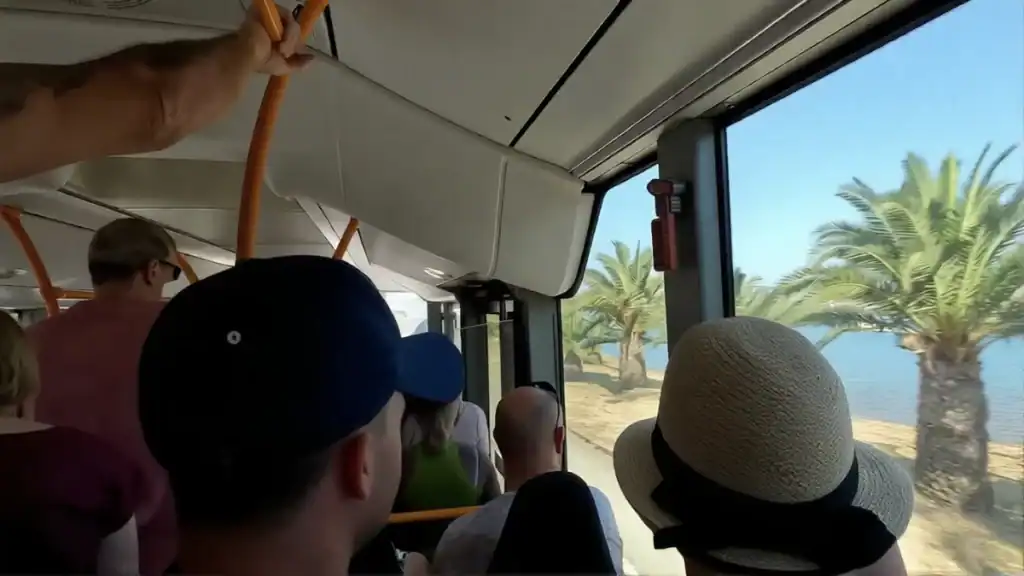
🚍 How to Get to Chania and How Long It Actually Takes
The amount you can see in one day in Chania depends as much on your arrival time as your itinerary.
Visitors usually arrive from Souda Bay, Chania Airport or another resort elsewhere in Crete. While the journey itself is straightforward, every hour spent travelling is an hour lost from exploring the Old Town and harbour.
One Day in Chania from Souda Bay
Cruise passengers have the advantage of a short transfer.
| Starting point | Typical journey |
|---|---|
| ⛴️ Souda Bay | Around 20 to 25 minutes by bus or taxi |
| ✈️ Chania Airport | Approximately 20 minutes by taxi |
| 🚗 Western Crete resorts | Usually 30 to 60 minutes by car |
| 🚌 Heraklion | Around 2 hours by intercity bus |
If you’re arriving by cruise ship, Souda Bay to Chania: Getting to the Old Town explains the quickest transport options and how to avoid wasting valuable sightseeing time.
Once you arrive, one day in Chania becomes surprisingly easy to manage without a car. The harbour, lighthouse, Old Town and surrounding streets are all within comfortable walking distance, allowing you to spend more time exploring and less time travelling between attractions.
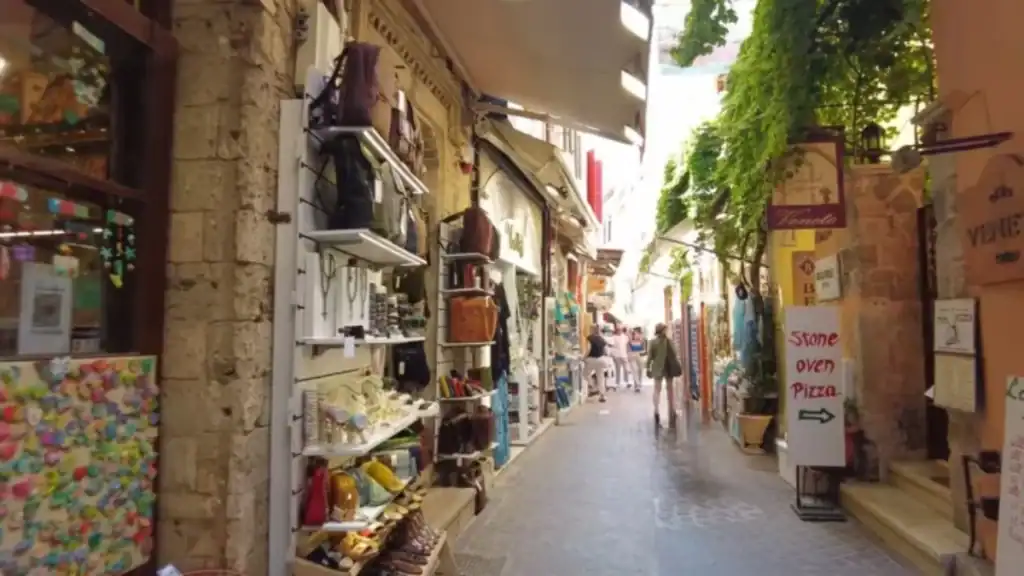
🗺️ What to Prioritise When Time Is Short
Trying to fit everything into one day in Chania usually leads to rushing through the places that matter most.
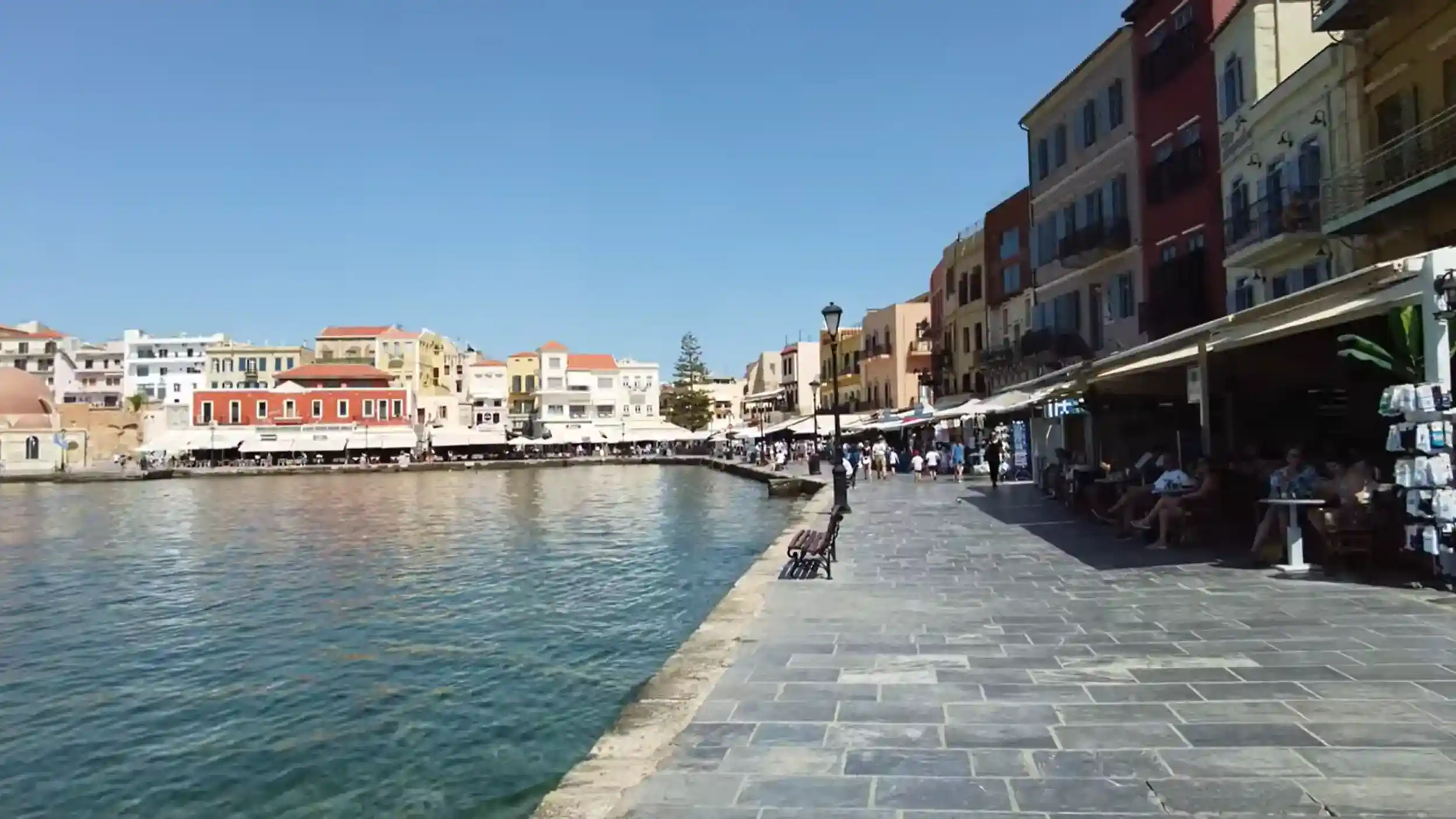
Instead, focus on the experiences that define the city. The Venetian harbour, the Old Town and a relaxed Cretan lunch together provide a much stronger impression than trying to squeeze in museums, beaches and distant attractions.
One Day in Chania Walking Route
A simple walking route covers almost everything.
| Priority | Why it’s worth your time |
|---|---|
| ⚓ Venetian Harbour | The city’s most recognisable landmark |
| 🚶 Old Town | Historic lanes, hidden squares and local shops |
| 🏛️ Splantzia | A quieter neighbourhood with authentic character |
| 🍽️ Traditional lunch | An essential part of the Chania experience |
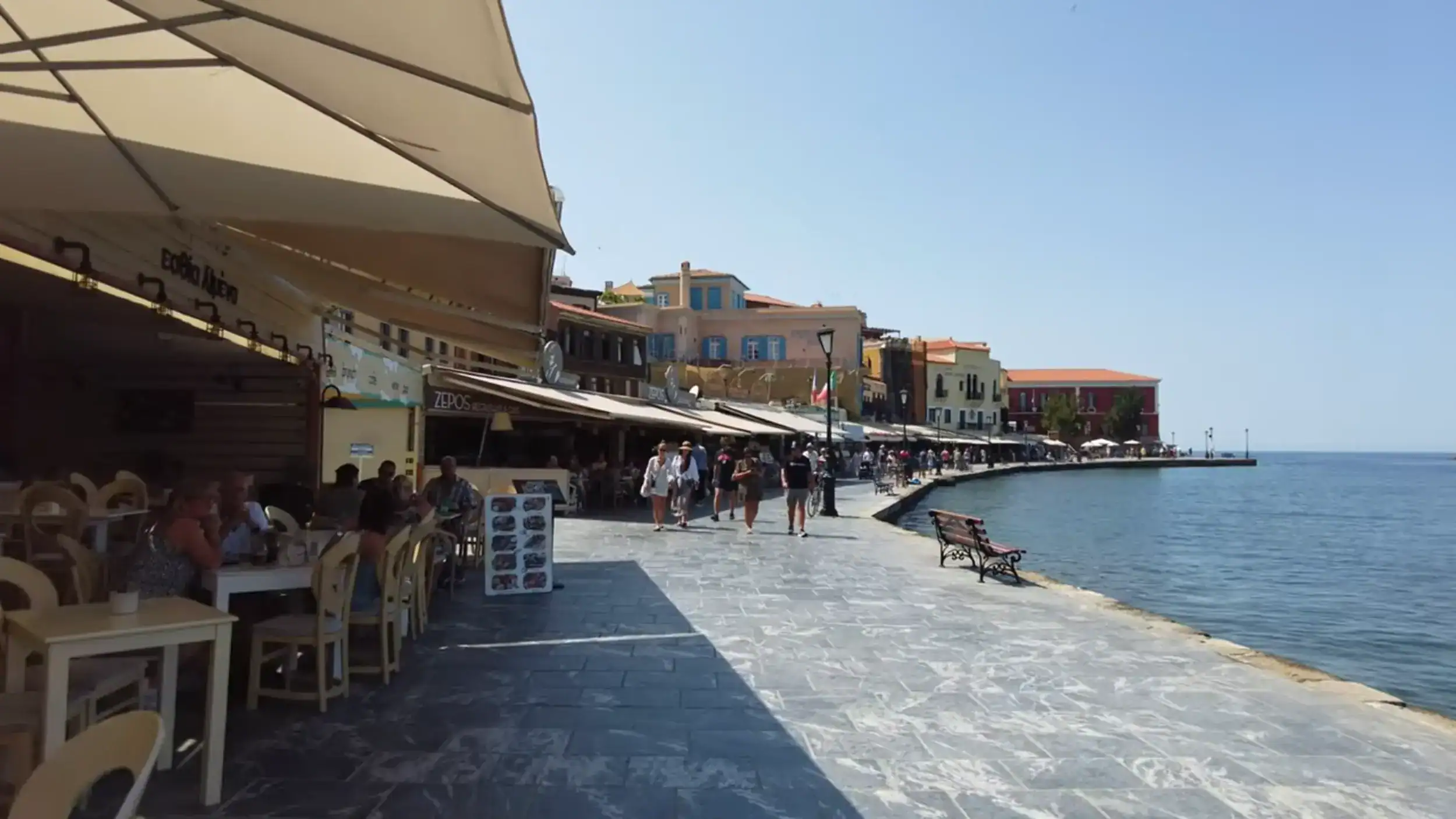
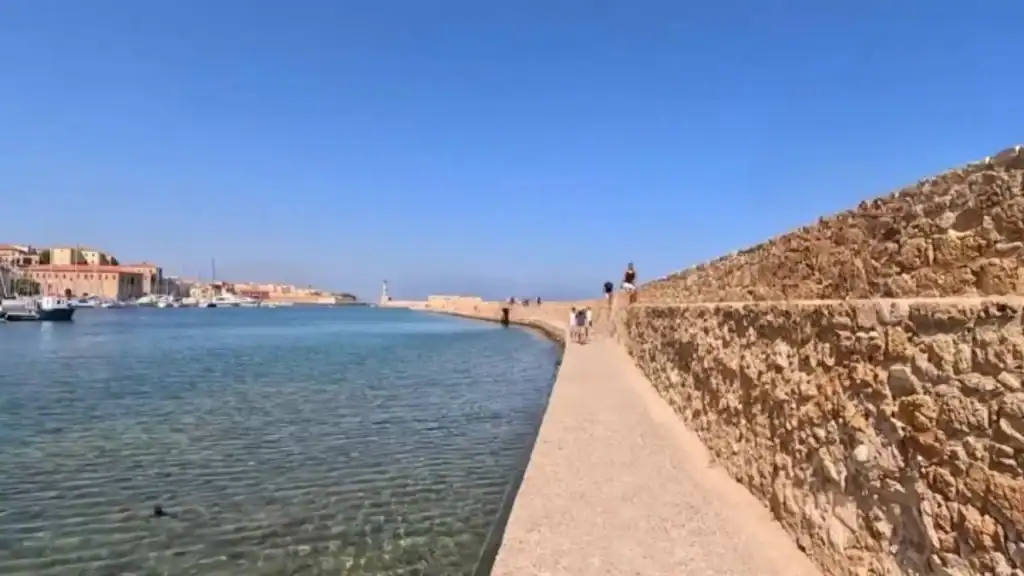
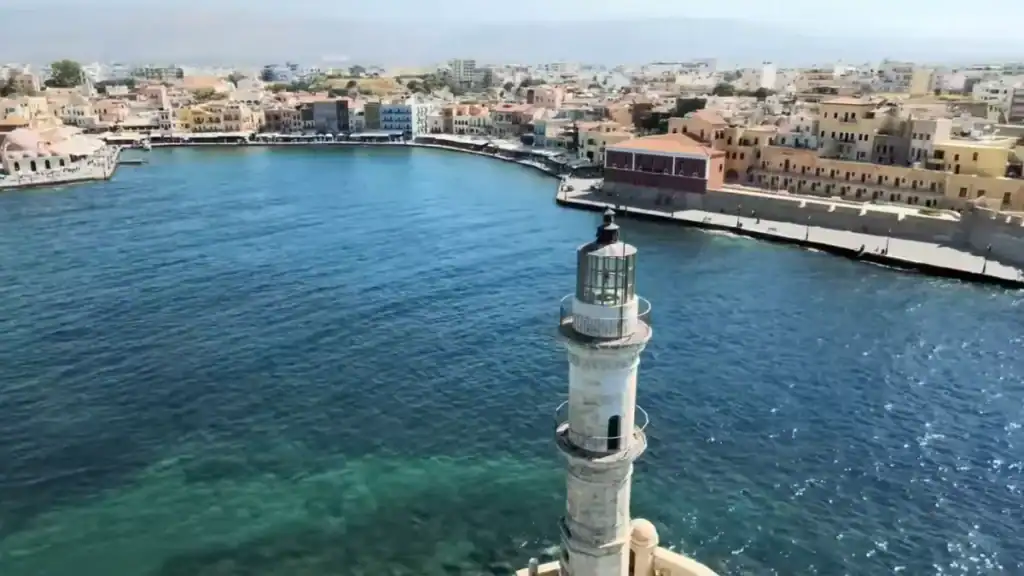
The harbour deserves longer than many visitors expect. Beyond its colourful waterfront, it’s the changing atmosphere, Venetian architecture and lighthouse that make it memorable. What Makes Chania’s Harbour Worth Multiple Visits explains why this relatively small area rewards far more than a quick photo stop.
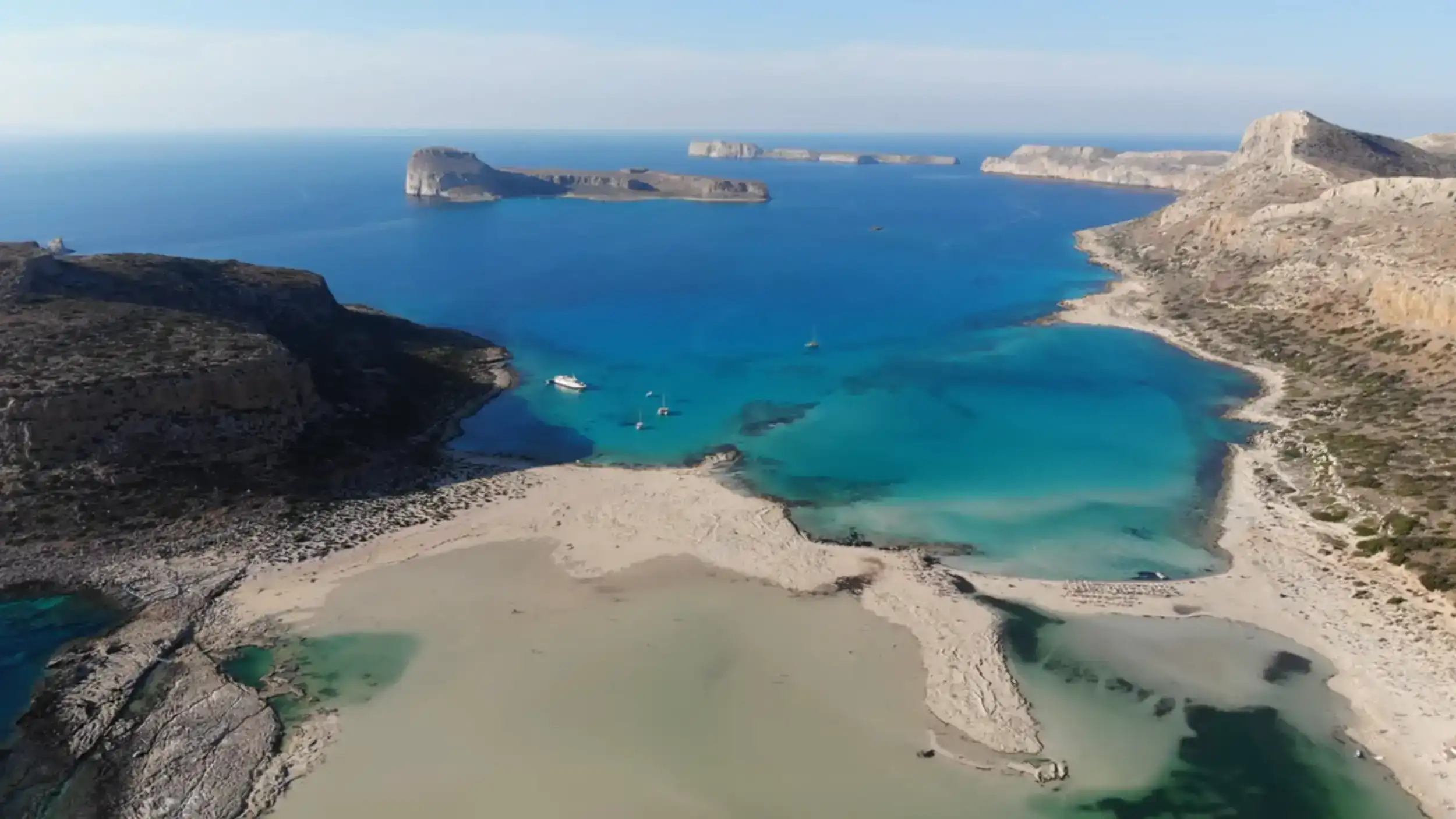
Resist the temptation to add Balos or Elafonisi to the same itinerary. One day in Chania works best when you stay within the city itself, giving yourself enough time to wander without constantly watching the clock.
⏰ How Timing Changes the Experience
The same itinerary can feel completely different depending on when you arrive.
One day in Chania is far more rewarding if you reach the Old Town early. Before the busiest tour groups arrive, the harbour feels calmer, the narrow streets are easier to explore and you’ll have far more freedom to stop wherever something catches your attention.
One Day in Chania: Start Early
An early start makes a noticeable difference.
| Time of day | What to expect |
|---|---|
| 🌅 Early morning | Quiet harbour, cooler temperatures and softer light |
| ☀️ Late morning | Busier streets as day visitors arrive |
| 🍽️ Midday | Ideal time for a long Cretan lunch |
| 🌇 Late afternoon | Warmer light and a more relaxed atmosphere |
Early arrivals from Souda benefit most, giving themselves several uninterrupted hours before the harbour becomes noticeably busier. During the hottest months, it’s also worth slowing the pace around lunchtime before heading back out later in the afternoon.
Many visitors finish their day at the waterfront, but if you still have time after the harbour circuit, Chania Beyond the Old Town: Discovering Hidden Corners highlights nearby neighbourhoods that reveal a quieter side of the city without adding significant travelling time.
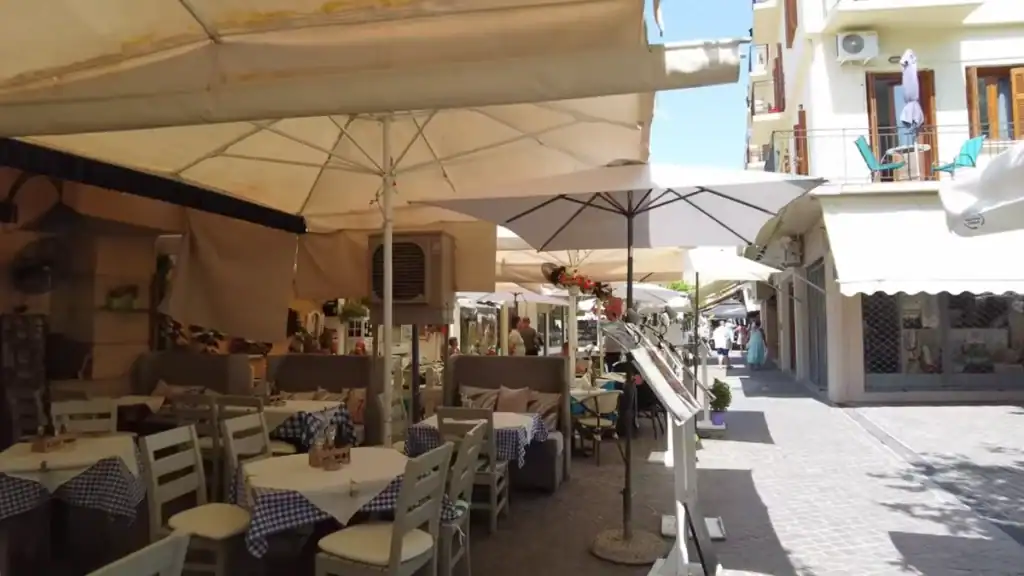
🍽️ Eating Well Without Losing Time
Good food should be part of one day in Chania, not something squeezed in between attractions.
The best meals are usually found a few streets back from the waterfront, where traditional tavernas replace the busiest tourist restaurants. Allowing an hour for lunch creates a welcome break from sightseeing and gives you the chance to experience another side of the city.
Where to Eat During One Day in Chania
Choosing the right location saves both time and money.
| Dining option | Why it works |
|---|---|
| 🍴 Harbour restaurants | Convenient but often the busiest |
| 🏘️ Old Town tavernas | Better atmosphere and authentic Cretan dishes |
| ☕ Traditional cafés | Ideal for breakfast or an afternoon break |
| 🥗 Local specialities | Fresh seafood, dakos and seasonal ingredients |
Rather than eating at the first restaurant with a sea view, spend a few minutes exploring the lanes behind the harbour. Many of Chania’s best tavernas are tucked into quieter courtyards where the pace is slower and lingering over lunch feels like part of the day rather than an interruption.
A relaxed meal also creates a natural pause before returning to the harbour for the afternoon, when the changing light gives the waterfront a different character from the morning.
⏳ Is One Day Actually Enough?
The honest answer is yes, provided your expectations match the time available.
One day in Chania is enough to experience the harbour, explore the Old Town, enjoy excellent Cretan food and understand why so many visitors return. What it isn’t enough for is combining the city with western Crete’s famous beaches or trying to experience every museum, neighbourhood and attraction.
| With one day in Chania | Best approach |
|---|---|
| ⚓ Harbour and lighthouse | Allow plenty of time to explore |
| 🏛️ Old Town | Wander without rushing between landmarks |
| 🍽️ Long lunch | Treat it as part of the experience |
| 🌊 Balos or Elafonisi | Save for a separate day |
If you’re tempted to include a beach excursion, remember that destinations such as Balos and Elafonisi are rewarding enough to justify a full day of their own rather than being squeezed into an already busy itinerary.
Visitors who leave wanting more usually discover that’s exactly what makes the city memorable. Why Wandering Chania Old Town Feels Unlike Anywhere Else explores how the streets reveal something different every time you return, while one day in Chania provides just enough time to spark that desire for a longer visit.