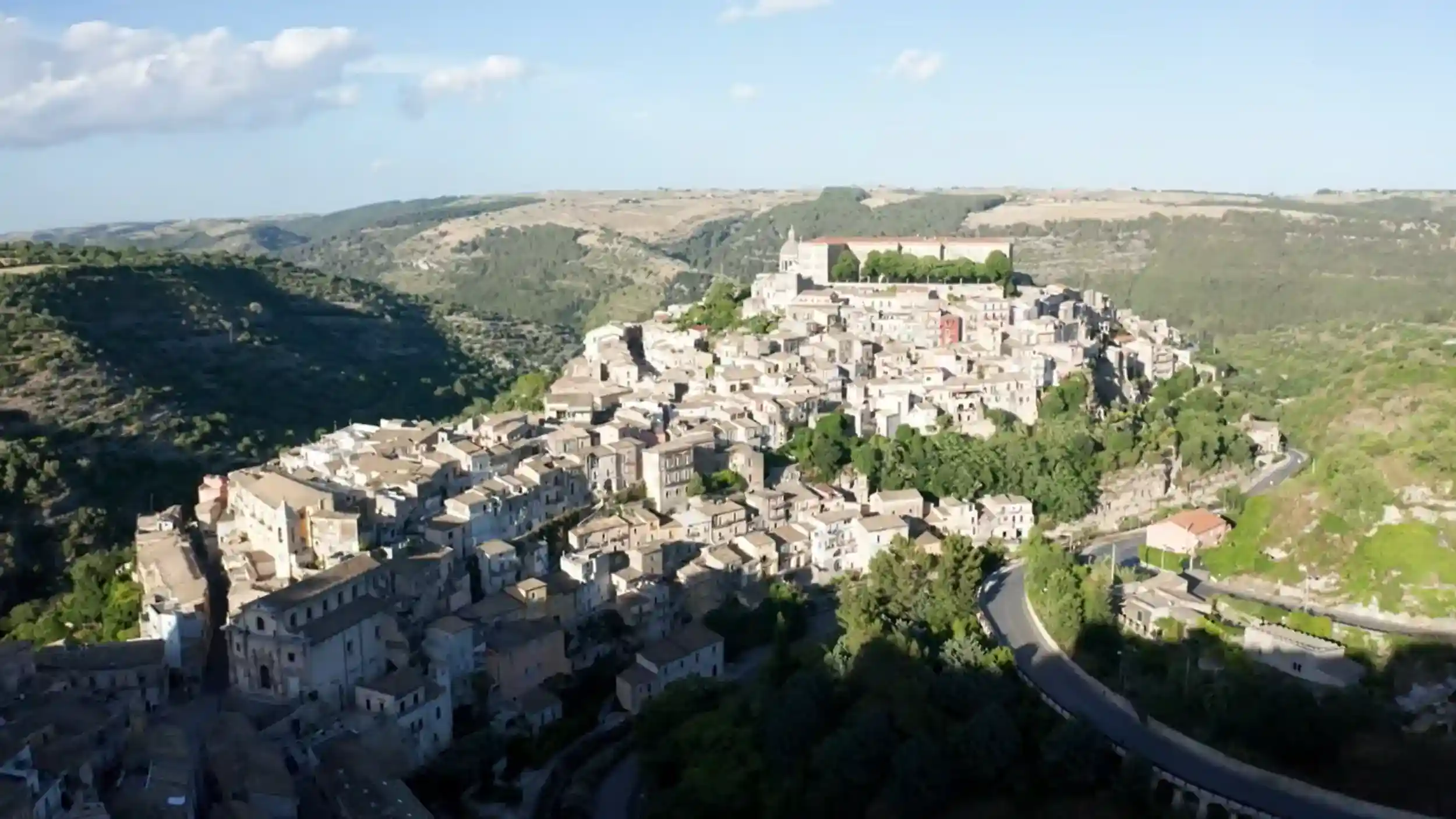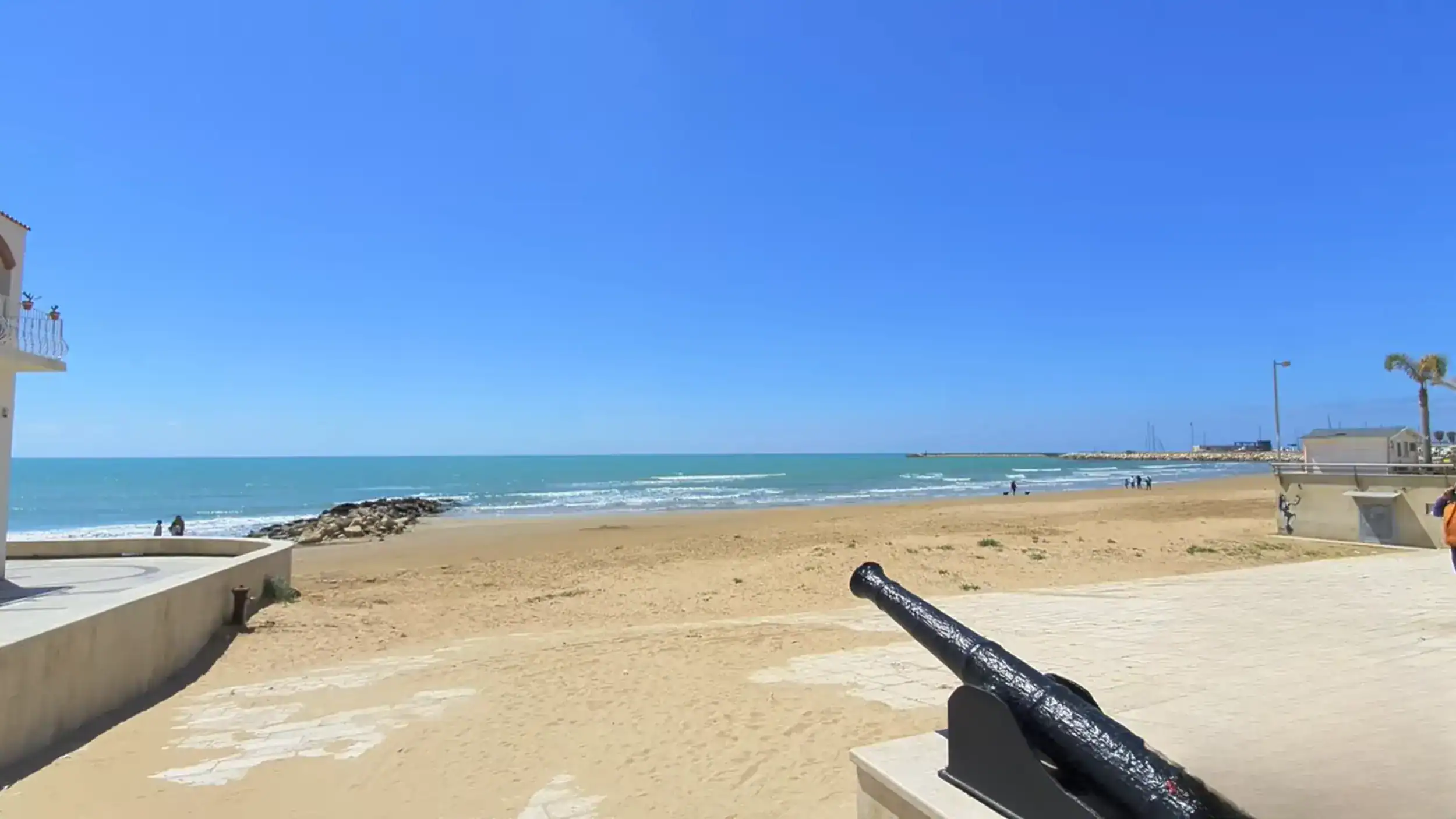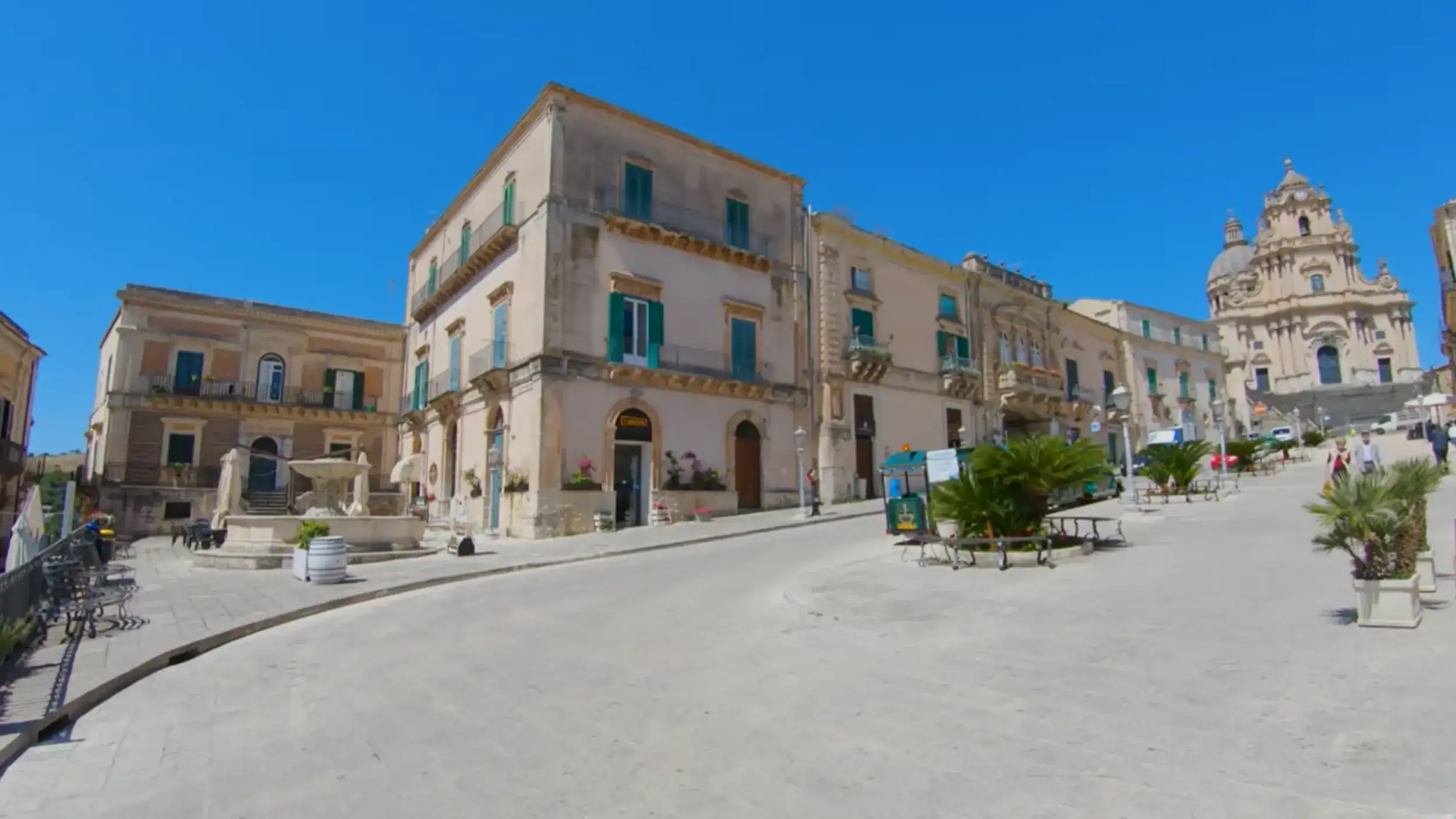
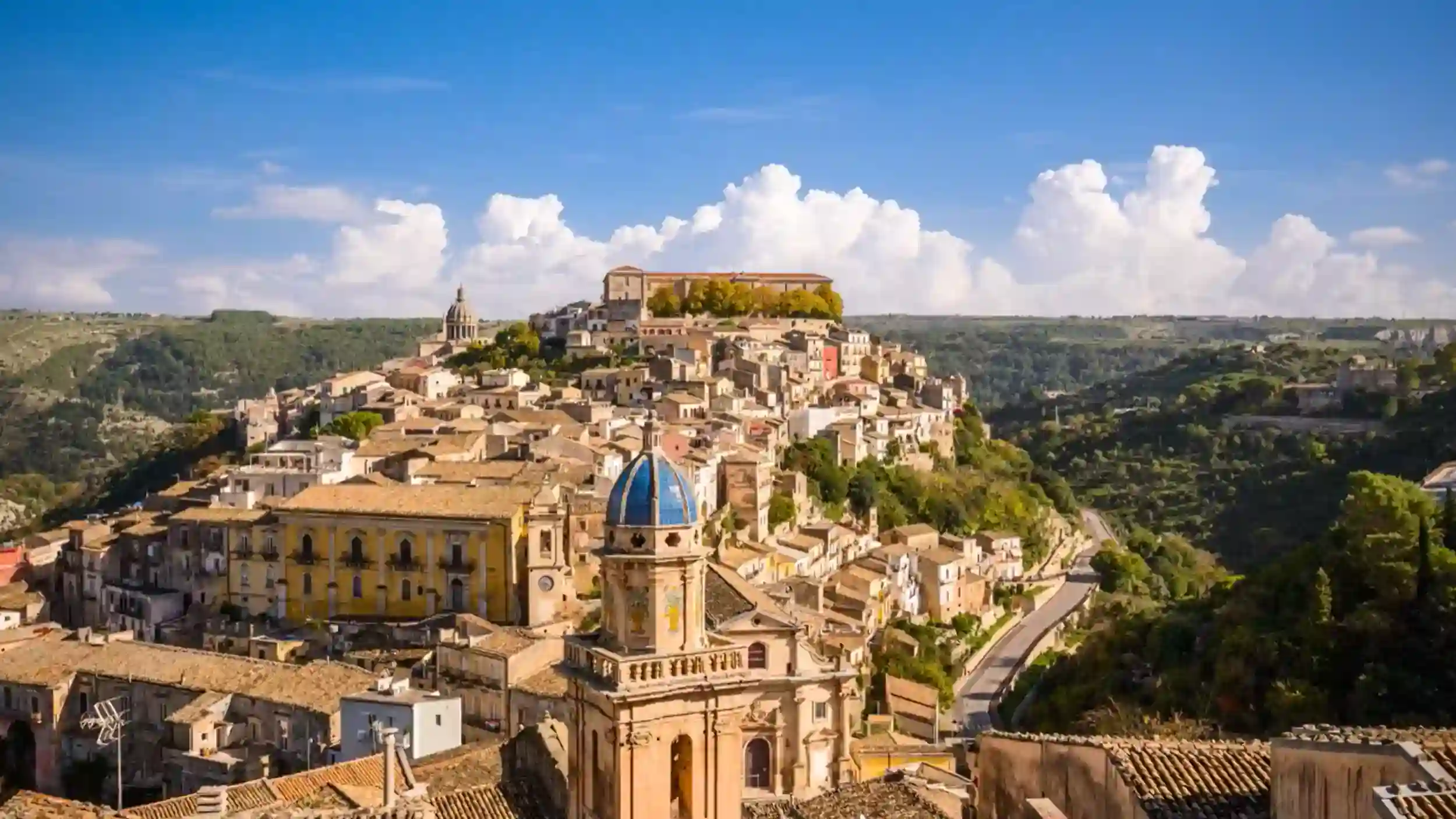
Ragusa is worth visiting in December if you want its Baroque streets, food and everyday atmosphere without summer crowds. We found the cooler weather better for walking, and the quieter city gave us more time to notice façades, piazzas and valley views rather than simply move between sights.
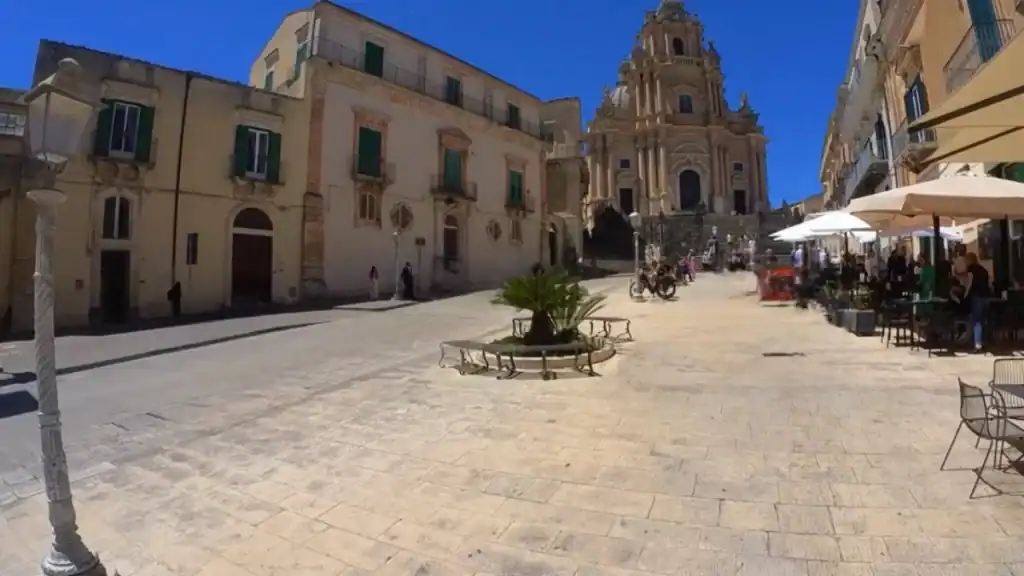
What we noticed most was the space. Piazza del Duomo could feel remarkably peaceful, and without a constant flow of visitors we found ourselves stopping for architectural details we might easily have walked past in summer.
🌤️ What December Weather in Ragusa Was Like for Us
December in Ragusa felt much milder than the idea of a winter city break might suggest. During the day, a light jacket was often enough while we were walking, although evenings were noticeably cooler and made lingering over dinner rather more appealing.
The weather did not stop us spending most of our days outside.
Was it cold? Not in the way we would describe a harsh winter destination. Daytime walking often felt mild; after dark, the temperature drop was much more noticeable.
I would pack layers rather than one heavy winter outfit: a light-to-warm jacket for evenings, comfortable shoes for Ibla’s slopes and something waterproof for changeable days. That combination would have been more useful to us than dressing for deep winter.
Walking Was Easier Without the Summer Heat
Daytime temperatures are typically around 13 to 17°C, which suited the steep streets and stairways of Ragusa Ibla far better than intense summer heat would have done for us. Rain is possible, so we would still pack for changeable conditions, but winter does not automatically mean days spent indoors.
| 🌤️ December Weather | |
|---|---|
| 🌡️ Daytime | Around 13 to 17°C |
| 🌙 Evenings | Cooler but comfortable |
| ☔ Rain | Possible, but rarely continuous |
| 🚶 Sightseeing | Excellent conditions for walking |
Low Winter Sun Changed the Limestone
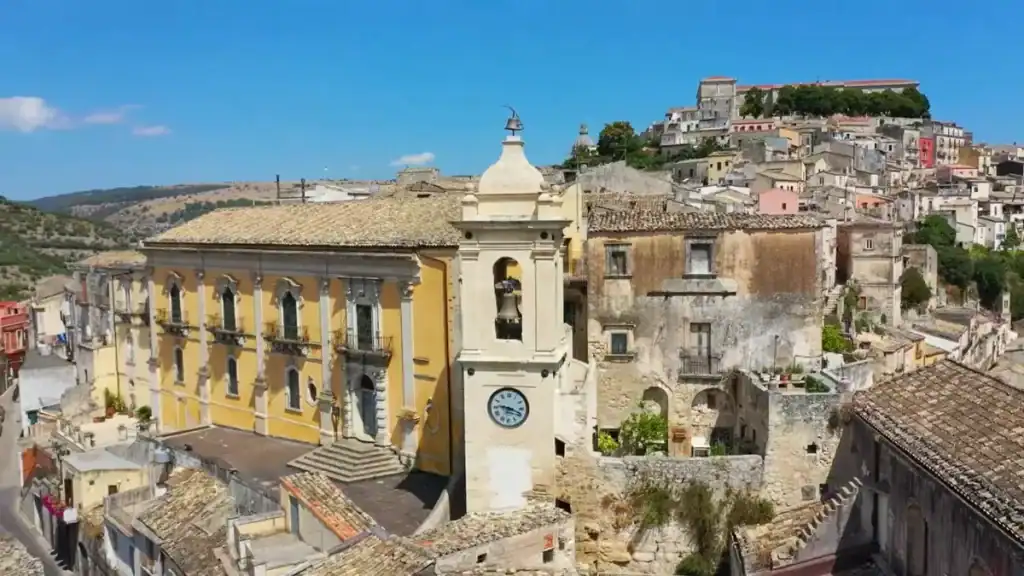
One of our favourite surprises was the winter light. The lower sun created softer shadows across Ragusa’s pale limestone façades, bringing out carvings and surface details without the harsher glare of midsummer. We found ourselves photographing buildings we might otherwise have treated simply as part of the street.
🏛️ How Ragusa Felt After the Main Season Had Ended
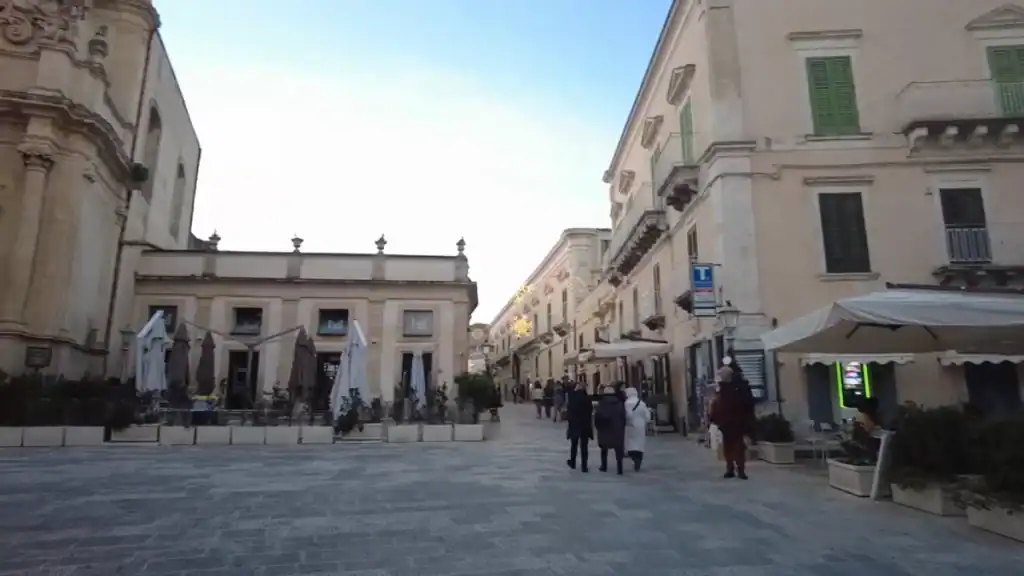
By December, the busy sightseeing season had faded and Ragusa felt noticeably calmer. We could stop in the middle of a quiet street to look at a balcony, linger around Piazza Duomo or wander through Ibla without constantly adjusting our pace around other visitors.
Crucially, the city felt quieter rather than closed. Restaurants and cafés still gave us places to eat and stop, although some businesses aimed mainly at visitors reduce their winter hours.
Empty Space Became Part of the Experience
We appreciated having room around the major sights. Photographing an alley or church façade rarely required waiting for a gap in the crowds, and parking felt less pressured than we would expect in peak season. Some tourist-focused businesses reduce their hours, but everyday cafés and restaurants still serve the people who live here year-round.
Everyday Ragusa Was Easier to Notice
With fewer visitors around, ordinary life became more visible to us. Cafés, residents crossing the piazzas and quieter evening streets stopped being background details.
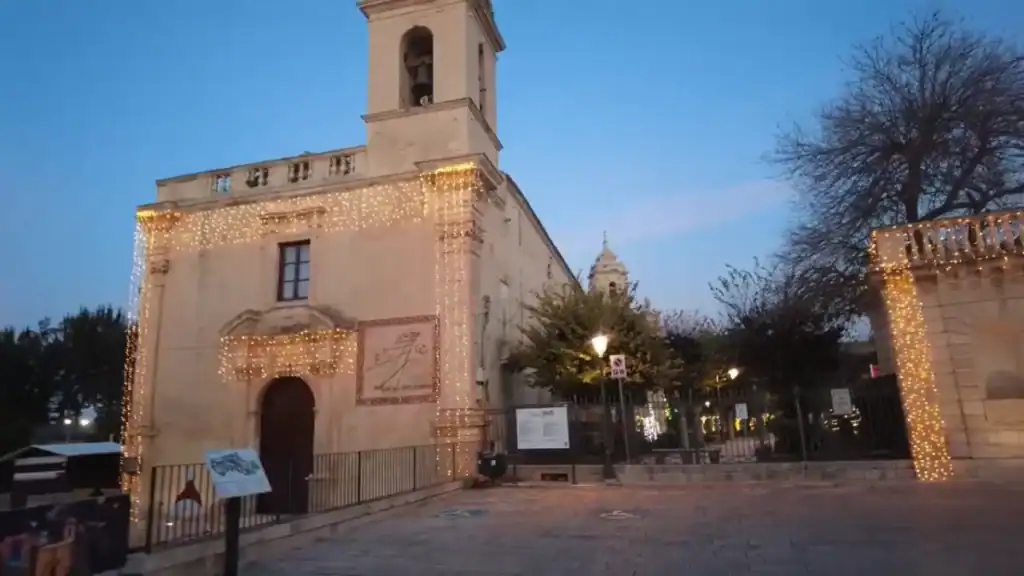
December also made Ragusa Ibla worth seeing after dark. Seasonal lights, illuminated Baroque buildings and streets that were already quiet gave the evening a different character from daytime. We would simply dress for the cooler temperature and take more care on the stone steps and slopes.
If you want to see what happens once daylight disappears, our guide to Ragusa Ibla after dark explores the peaceful evening atmosphere we found especially rewarding.
🎄 What We Enjoyed Doing in Ragusa in December
The biggest advantage for us was being able to enjoy Ragusa’s main sights without feeling hurried. The famous stairways, churches and viewpoints do not depend on summer weather, while cooler temperatures actually made long stretches of walking more appealing.
December encouraged us to see less quickly and notice more.
Quiet Mornings Suited Ragusa Ibla
We would use the morning for Ragusa Ibla, when the streets and Duomo di San Giorgio can feel particularly peaceful. Seasonal decorations added colour to the historic centre.
I would not plan the trip around a guaranteed Christmas market. Festive events and markets can form part of December, but this article does not establish a fixed market schedule for every year. I would treat anything running on our dates as a bonus and check the current programme before travelling.
| 🎄 December Highlights | |
|---|---|
| 🚶 Walk Ragusa Ibla | Comfortable temperatures for exploring |
| ⛪ Visit the Duomo | Fewer visitors and quieter mornings |
| 🎁 Festive events | Check the current December programme |
| ☕ Relax in cafés | Enjoy the slower winter atmosphere |
Café Stops Felt Like Part of the Day
We did not feel the need to fill every hour with landmarks. Stopping for coffee and watching the city between walks suited the season. Our guide to Ragusa’s history, food and Sicilian character gives more context if you want to spend longer understanding the city rather than simply covering its main sights.
🏙️ Why Ragusa Superiore Deserves Time in December
Ragusa Ibla naturally drew much of our attention, but Superiore made more sense to us once we saw it in winter. Local shops, cafés and ordinary city life continued regardless of the tourist season, so the upper town felt lived-in at a time when some visitor-focused areas elsewhere can feel subdued.
We liked that it was simply getting on with everyday life.
Corso Italia Still Had a Local Pulse
Corso Italia and Piazza San Giovanni remained useful places for us to see Ragusa operating as a real city rather than a historic attraction. Christmas lights softened the streets in the evening, while cafés, shops and Villa Margherita gave us reasons to spend time above Ibla rather than treating Superiore only as somewhere to park or sleep.
Don’t Treat the Upper Town as an Afterthought
We would give Superiore proper time on a December visit. Ibla has the more immediately dramatic Baroque setting, but the upper town showed us another side of Ragusa: less dependent on tourism, busier with residents and particularly pleasant when seasonal lights appeared as daylight faded.
✅ Would We Choose Ragusa in December Again?
Yes, for the kind of trip we wanted.
December trades beach weather and peak-season activity for easier walking, quieter streets and a more local rhythm. I would choose another month if reliable warmth were the priority. For architecture, food, photography and unhurried time in Ibla, the trade felt worthwhile to us.