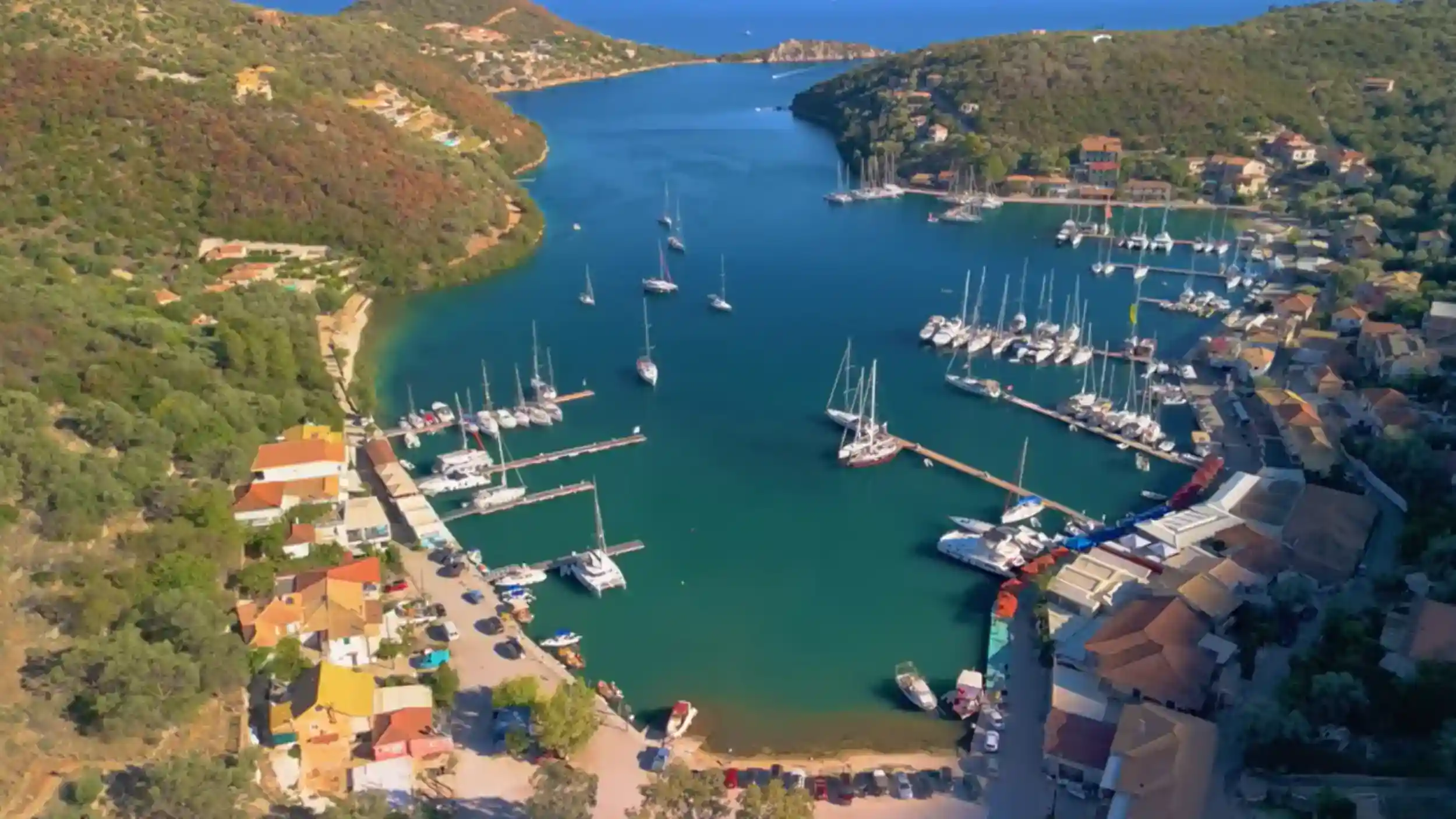
Sivota Lefkada is a quiet harbour village on the island’s southern coast, best known for its naturally sheltered bay, waterfront tavernas and relaxed atmosphere. It isn’t a classic beach resort, but for travellers seeking peaceful evenings, sailing culture and an authentic Ionian village, Sivota often becomes one of Lefkada’s most memorable stops.
🛥️ Why Sivota Lefkada Feels So Sheltered
Sivota’s greatest asset isn’t immediately obvious.
It’s the shape of the bay.
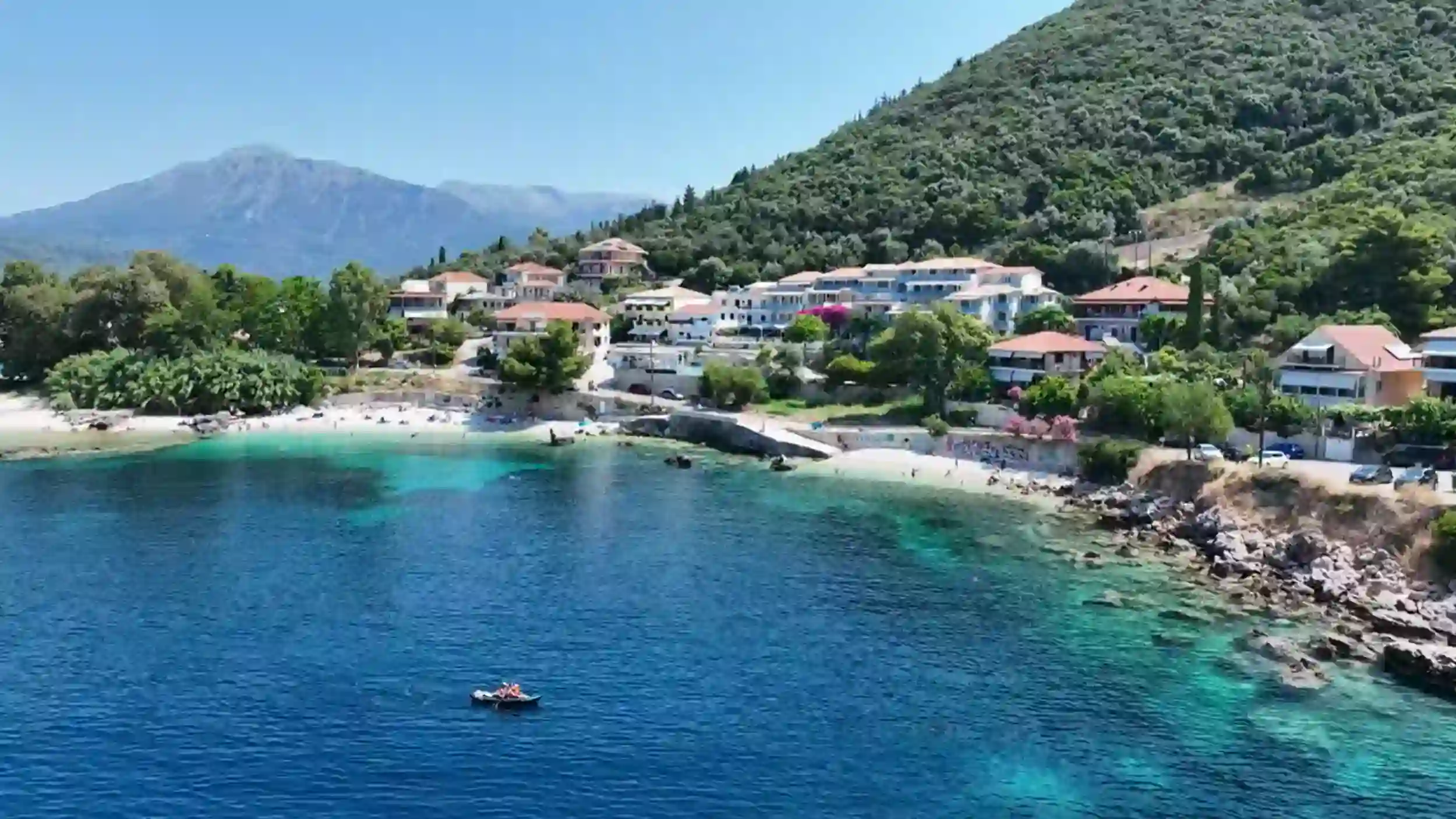
From the open Ionian Sea, the entrance appears surprisingly narrow. Once inside, steep hills wrap around the water on almost every side, creating one of the best natural harbours on Lefkada and protecting the village from the stronger afternoon winds.
The bay at Sivota Lefkada
The geography explains why the village developed here in the first place.
The water remains noticeably calmer than the open coastline, making the bay equally attractive to sailors, swimmers and visitors simply enjoying the waterfront.
| Natural feature | Why it matters |
|---|---|
| ⛰️ Steep surrounding hills | Shelter from prevailing winds |
| 🌊 Narrow bay entrance | Reduces wave action inside the harbour |
| ⚓ Deep protected anchorage | Safe mooring for sailing yachts |
| 🚶 Compact waterfront | Everything centres around the bay |
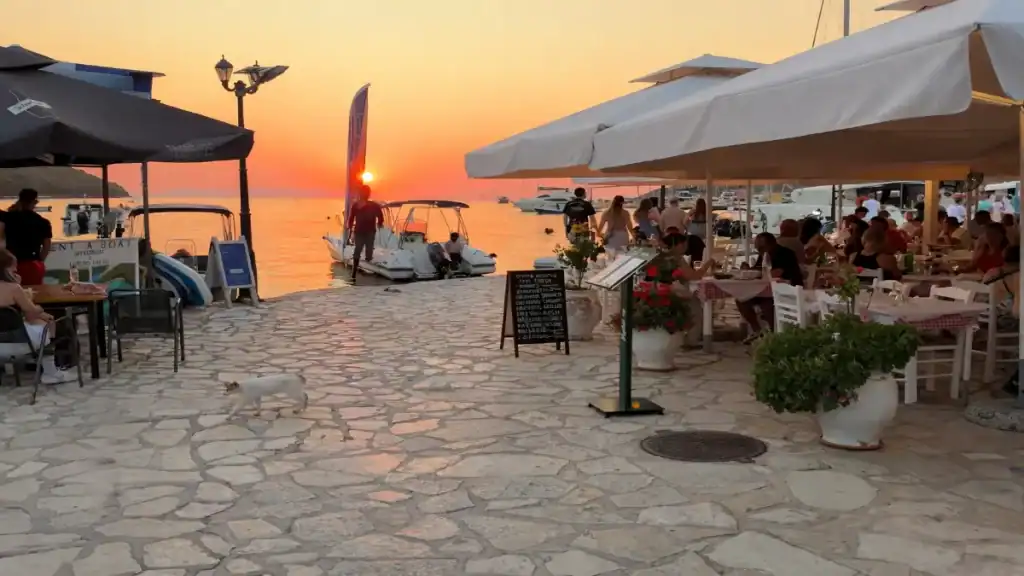
Standing on the promenade, it’s easy to understand why boats have sought refuge here for decades. Even when the southern Ionian becomes unsettled, the harbour often remains remarkably calm, giving Sivota a peaceful atmosphere that feels quite different from the island’s more exposed coastal villages.
🚶 Walking Around Sivota Lefkada
Exploring Sivota takes very little effort.
The village is compact enough that you can walk everywhere in just a few minutes, yet varied enough that each part of the waterfront has its own character.
Once you’ve parked, there’s little reason to return to your car until it’s time to leave.
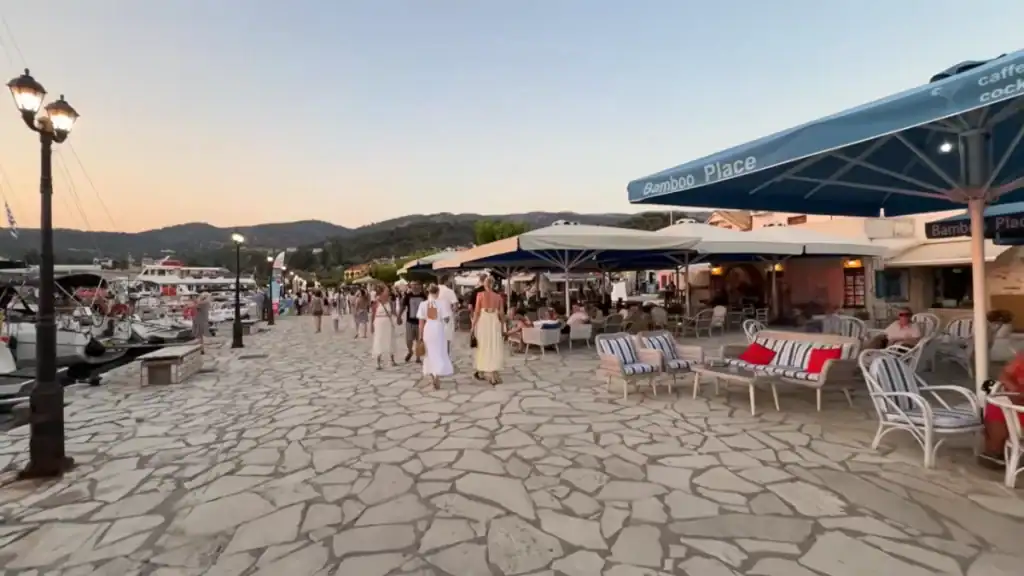
Exploring the waterfront
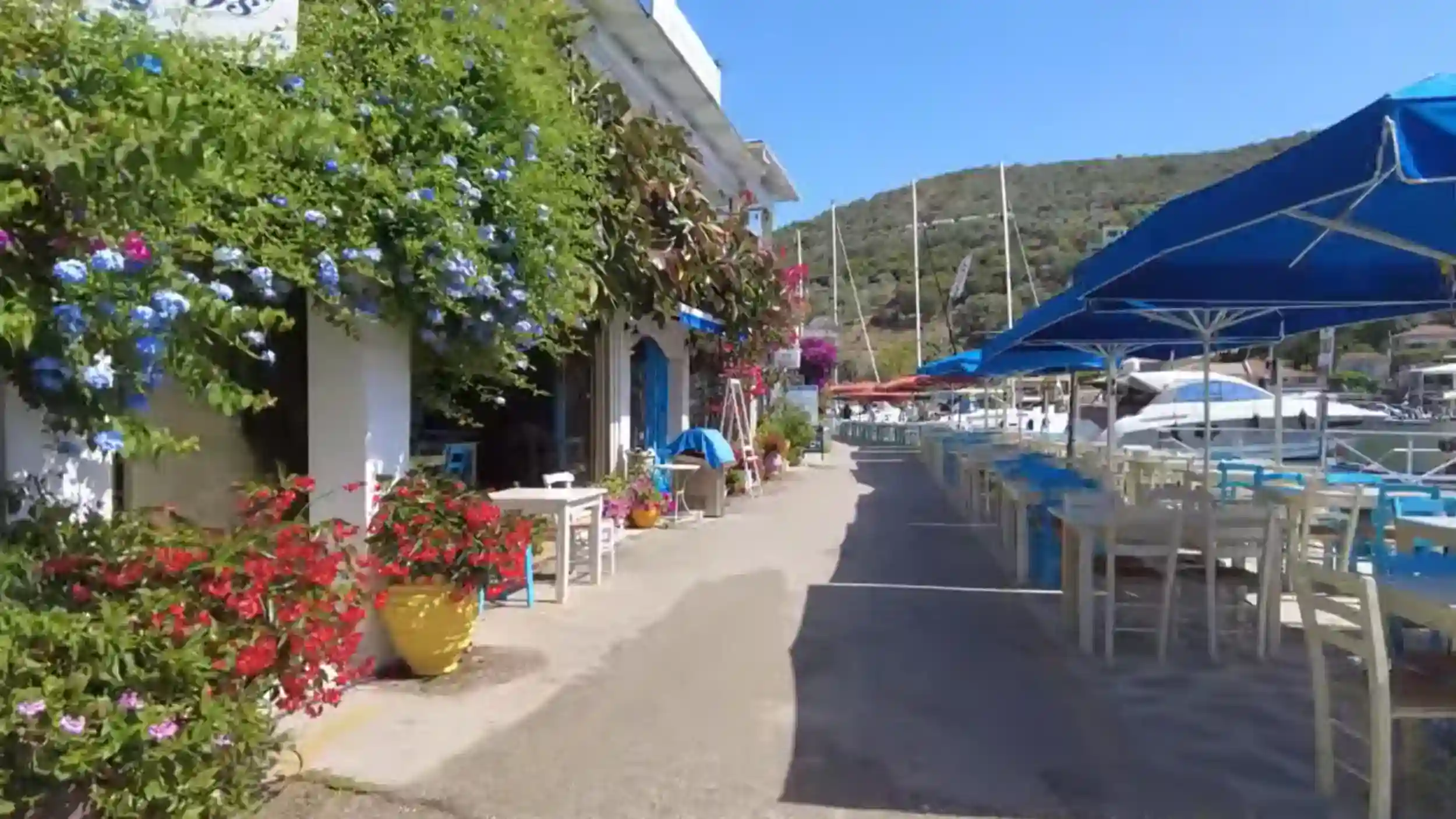
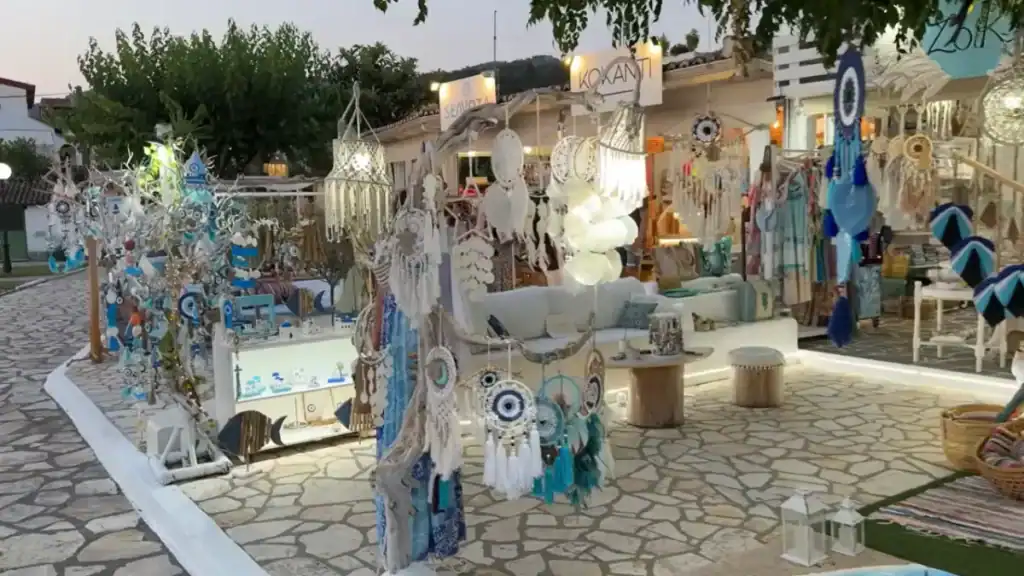
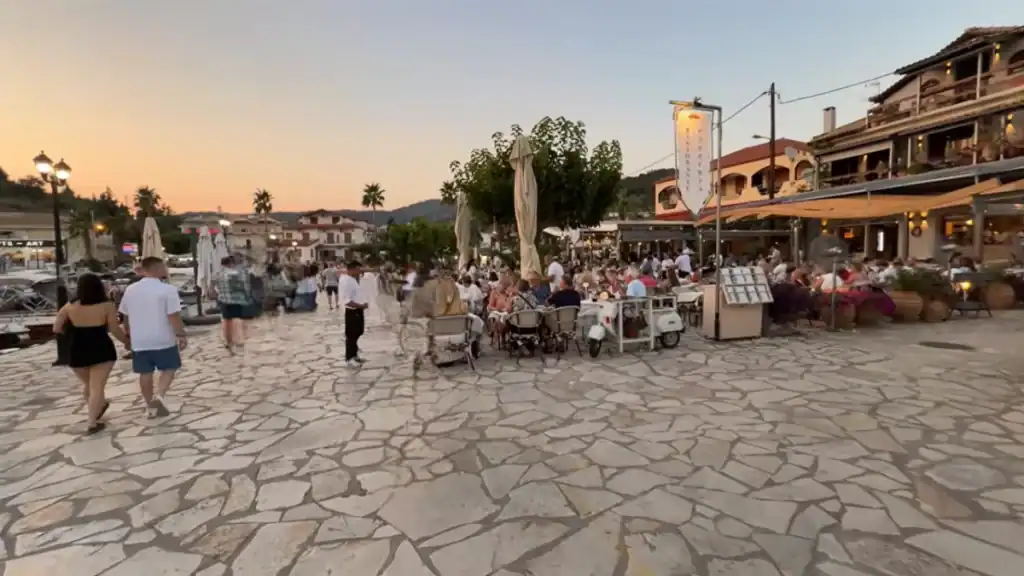
A broad promenade follows the curve of the bay, connecting cafés, seafood tavernas, small boutiques and the village marina.
The southern waterfront is the social centre, where restaurants spill onto the quayside and yachts moor just metres from the tables. On the opposite shore, the atmosphere becomes noticeably quieter, with a handful of cafés and benches looking back across the harbour.
| Area | What you’ll find |
|---|---|
| 🍽️ South waterfront | Seafood tavernas, cafés and evening dining |
| ⚓ Marina | Sailing yachts and visitor moorings |
| 🌿 North shore | Quieter cafés and waterside views |
| 🛒 Village centre | Bakery, supermarket and everyday essentials |
Free parking sits just outside the village, helping preserve the relaxed feel around the harbour. With so little traffic passing through, the waterfront naturally becomes the place where visitors stroll, pause for a drink or simply watch boats arriving throughout the day.
If you’re deciding between Lefkada’s southern villages, Nidri Lefkada offers a busier promenade with more organised excursions, while Sivota rewards visitors looking for a slower pace and a harbour that still feels genuinely local.
🏖️ Beaches and Swimming
Sivota isn’t the place people visit for its beaches.
That’s one of the reasons it feels different from many of Lefkada’s coastal villages.
The main beach is a small pebbly stretch tucked beside the harbour, perfectly suitable for a swim but unlikely to become the highlight of your trip. Most visitors treat it as a convenient place to cool off before returning to the waterfront cafés or heading out to explore the surrounding coastline.
Swimming
The sheltered bay creates calm conditions for much of the summer, making the water inviting for a leisurely swim.
Visibility is generally very good, especially around the rocky edges of the bay where snorkellers can spot small fish among the submerged rocks.
| Swimming option | 📌 What to expect |
|---|---|
| 🏖️ Village beach | Calm water and easy access from the harbour |
| 🤿 Rocky edges | Good visibility for casual snorkelling |
| 🚗 Agiofili Beach | Crystal-clear water around 10 km away |
| 🌊 Vasiliki Lefkada | Longer beach with watersports nearby |
For many travellers, Sivota works best as a base rather than a beach destination. Spend the morning exploring one of southern Lefkada’s better-known beaches, then return to the harbour for an evening that feels quieter and more authentic than the island’s larger resorts.
⛵ Why Sailors Choose Sivota Lefkada
Ask sailors about Sivota and you’ll often get the same answer.
It’s one of the safest overnight stops on Lefkada.
The naturally protected harbour, dependable holding ground and welcoming waterfront have made the village a favourite on Ionian sailing routes for many years. Even visitors arriving by car quickly notice how much of the village revolves around life on the water.
Sailing into Sivota Lefkada
The rhythm of the village follows the boats.
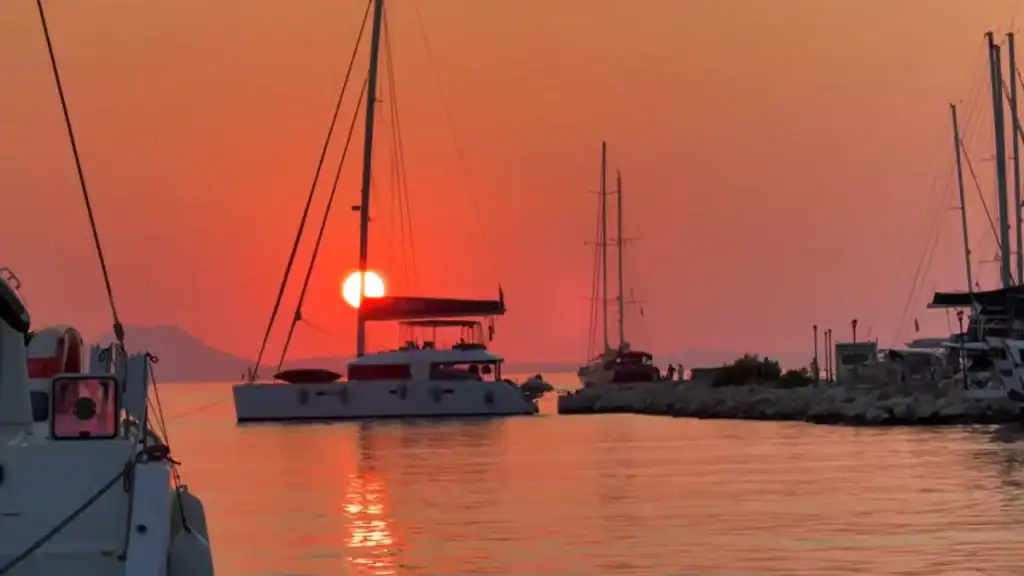
Mornings are quiet as yachts depart for nearby islands and beaches. By late afternoon, the harbour gradually fills again, bringing a relaxed buzz to the tavernas as crews settle in for the evening.
| Why sailors stop here | Benefit |
|---|---|
| ⚓ Sheltered harbour | Comfortable overnight anchorage |
| 🚰 Shore facilities | Water and services available on the pontoons |
| 🍽️ Waterfront tavernas | Easy walk from the boat to dinner |
| 🌅 Calm evenings | Relaxed atmosphere after a day at sea |
Many waterfront restaurants welcome visiting crews with convenient mooring arrangements, reinforcing the close relationship between the harbour and the village. That sailing culture gives Sivota a distinctive atmosphere without making non-sailors feel like outsiders.
If you’re exploring southern Lefkada by road rather than by sea, Vasiliki Lefkada provides a livelier base for watersports, while Sivota remains the quieter choice for harbour life and waterfront dining.
🏡 A Different Kind of Village
Some villages are enjoyable for an afternoon.
Sivota is one that becomes even better after the day visitors leave.
As the harbour quietens and the yachts settle for the evening, the village reveals the slower rhythm that keeps many visitors returning year after year.
Is Sivota Lefkada a good base?
That depends on the kind of holiday you’re planning.
| If you want… | Is Sivota a good choice? |
|---|---|
| 🌅 Quiet harbour evenings | ✅ Excellent |
| 🍽️ Waterfront dining | ✅ Excellent |
| 🚤 Sailing atmosphere | ✅ Excellent |
| 🏖️ Famous beaches on your doorstep | ⚠️ Better elsewhere |
| 🌃 Nightlife | ❌ Limited |
Accommodation is mostly made up of apartments, hillside villas and a small number of rooms overlooking the harbour rather than large hotels. Everything remains within walking distance, so evenings are spent wandering the waterfront instead of driving between restaurants and accommodation.
For travellers planning to explore the island, Sivota works best as a peaceful southern base rather than a central one. The drives to the famous west coast beaches are a little longer, but many visitors consider that a worthwhile trade-off for the quieter atmosphere.
If beach-hopping is your priority, Lefkada beaches provides a helpful overview of how the island’s coastline differs from north to south.
Sivota isn’t the obvious choice on Lefkada. That’s precisely why many people who stay here find it becomes one of the places they remember most.