Lefkada is connected to mainland Greece by road, which made it one of the easiest Greek islands for us to reach by car. We simply crossed the causeway and swing bridge, with no ferry timetable to organise.
Once across, the island felt unmistakably Ionian. Cliff-backed beaches, mountain roads and traditional villages also made having our own car far more useful than the easy arrival initially suggested.
That easy arrival changed the way we travelled. Lefkada fitted naturally into our mainland road trip. Our car gave us freedom to move between scattered beaches, mountain viewpoints and inland villages without building each day around transport.
🌉 What Arriving on Lefkada by Road Was Really Like
We were used to Greek islands beginning with a ferry crossing.
Our arrival in Lefkada began with a traffic queue instead.
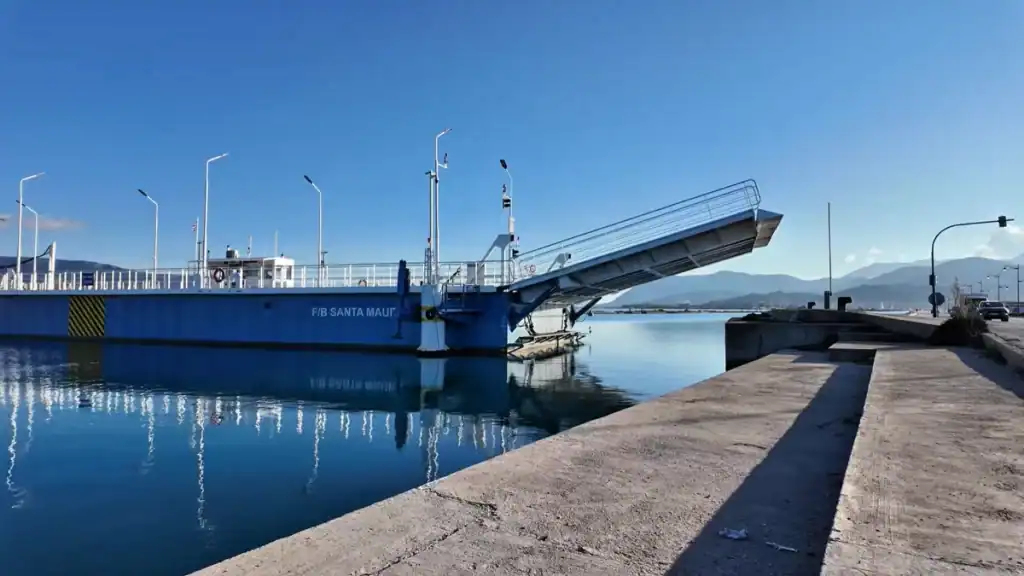
We followed the narrow causeway across the lagoon to the floating swing bridge. It rotates whenever larger boats need to pass. This was not the conventional island arrival we expected, which made the crossing surprisingly memorable.
Waiting at the Swing Bridge Became Part of Our Arrival
When the bridge opened, we waited with everyone else.
In summer, the pause can last fifteen minutes or more, particularly around the middle of the day. We would aim for early morning or evening if possible. The crossing is generally quicker then, and the approach feels considerably less congested.
We soon accepted the delay as part of arriving. There is no alternative road to take, so for a few minutes everyone simply stops while the boats pass.
We found Lefkada Town a practical first stop just beyond the bridge, particularly for getting our bearings before heading farther around the island.
Planning tip: If you’re collecting a hire car at Preveza Airport, aim to reach the bridge before late morning during July and August to avoid the longest queues.
Crossing onto Lefkada did not feel like the dramatic moment of boarding an island ferry. We simply left the mainland behind almost unnoticed, and that understated transition is what we remember more clearly than the time spent waiting.
🗺️ Why Lefkada Took Us Longer to Explore Than Expected
Thirty-five kilometres did not sound like much when we first looked at Lefkada on a map.
Once we started driving around Lefkada, we realised how easily that distance could consume much of a day.
The mountainous spine repeatedly slowed us down. Roads climbed through olive groves, tightened into hairpins and squeezed through villages. Journeys that looked modest on the map often took much longer than expected.
That changed the way we planned the rest of our stay.
We stopped trying to cover every corner and concentrated on one side at a time. For us, three to five days is a much better first visit. One or two days means choosing either the west coast or the east and south rather than attempting both.
One Side at a Time Worked Better for Us
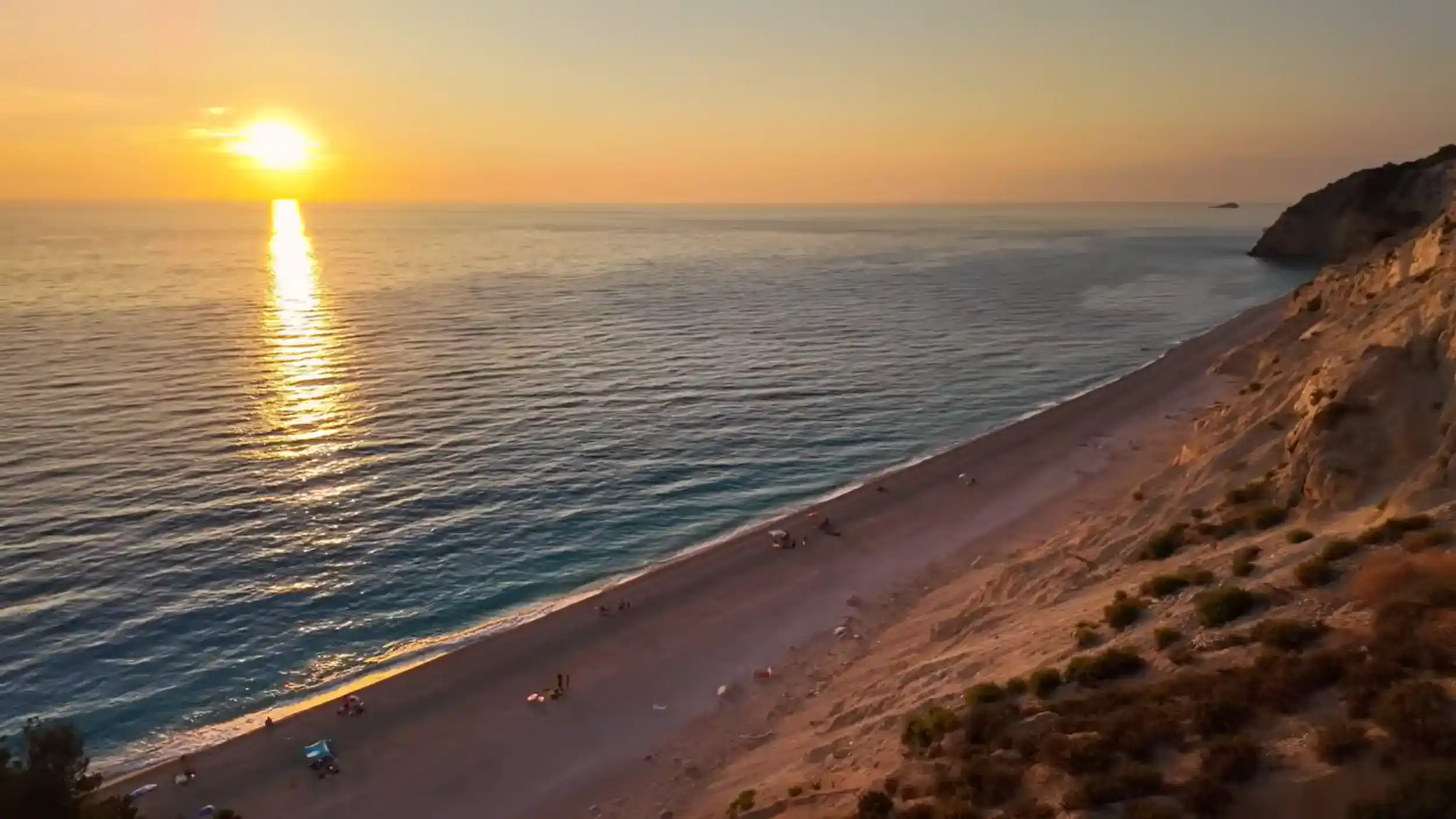
When we headed west, the reward was the cliff-backed coastline and the scenery we had associated with Lefkada before arriving.
Driving east and south felt easier to us. Gentler roads and calmer bays encouraged us to stop in villages rather than keep chasing the next viewpoint.
Whenever we tried to fit too much into one day, we noticed how quickly beach time disappeared into driving.
⏱️ HOW MANY DAYS WOULD WE ALLOW?
🚗 1 day: choose one coast and accept that this is a sampler.
🌊 2–3 days: enough for both sides if you keep the itinerary selective.
🏡 4–5 days: our preferred range for beaches, inland villages and slower driving days.
Some of our favourite moments happened away from the coast. A coffee in Karya and monastery bells carrying across the hills stayed with us. So did unplanned viewpoint stops away from the famous beaches.
By the time we understood how long Lefkada takes to drive around, kilometres had stopped being a useful way to judge a day. We began planning around the places we actually wanted to experience instead.
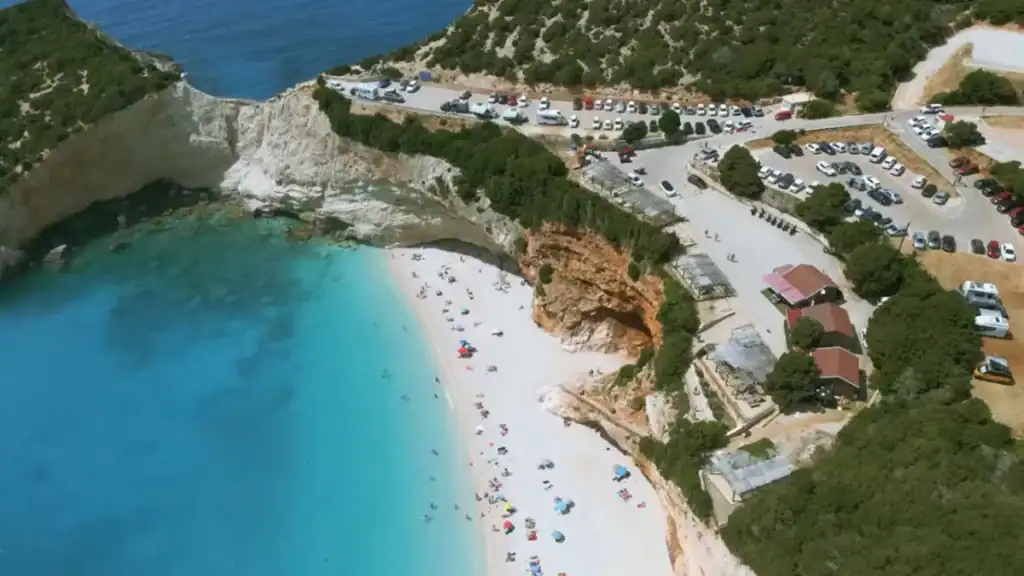
🌊 What We Found on Lefkada’s Dramatic West Coast
The west coast was where we finally found the almost impossible blue water we had seen in photographs before the trip.
Here, steep limestone cliffs plunge into the Ionian Sea. These were the beaches that made us want to visit Lefkada. The scenery was spectacular, but narrow roads, steep staircases and awkward access were often part of the experience.
For us, the effort was rewarded by a coastline that felt far more dramatic than the gentler Ionian beaches we knew elsewhere.
Porto Katsiki, Egremni and Kathisma Were Not Interchangeable
We stopped asking which beach was “best” and started asking how much effort we wanted to make that day.
| 🏖️ Beach | ✨ Why Choose It? |
|---|---|
| Porto Katsiki | Iconic cliffs and classic Lefkada scenery; expect steps and busy summer parking |
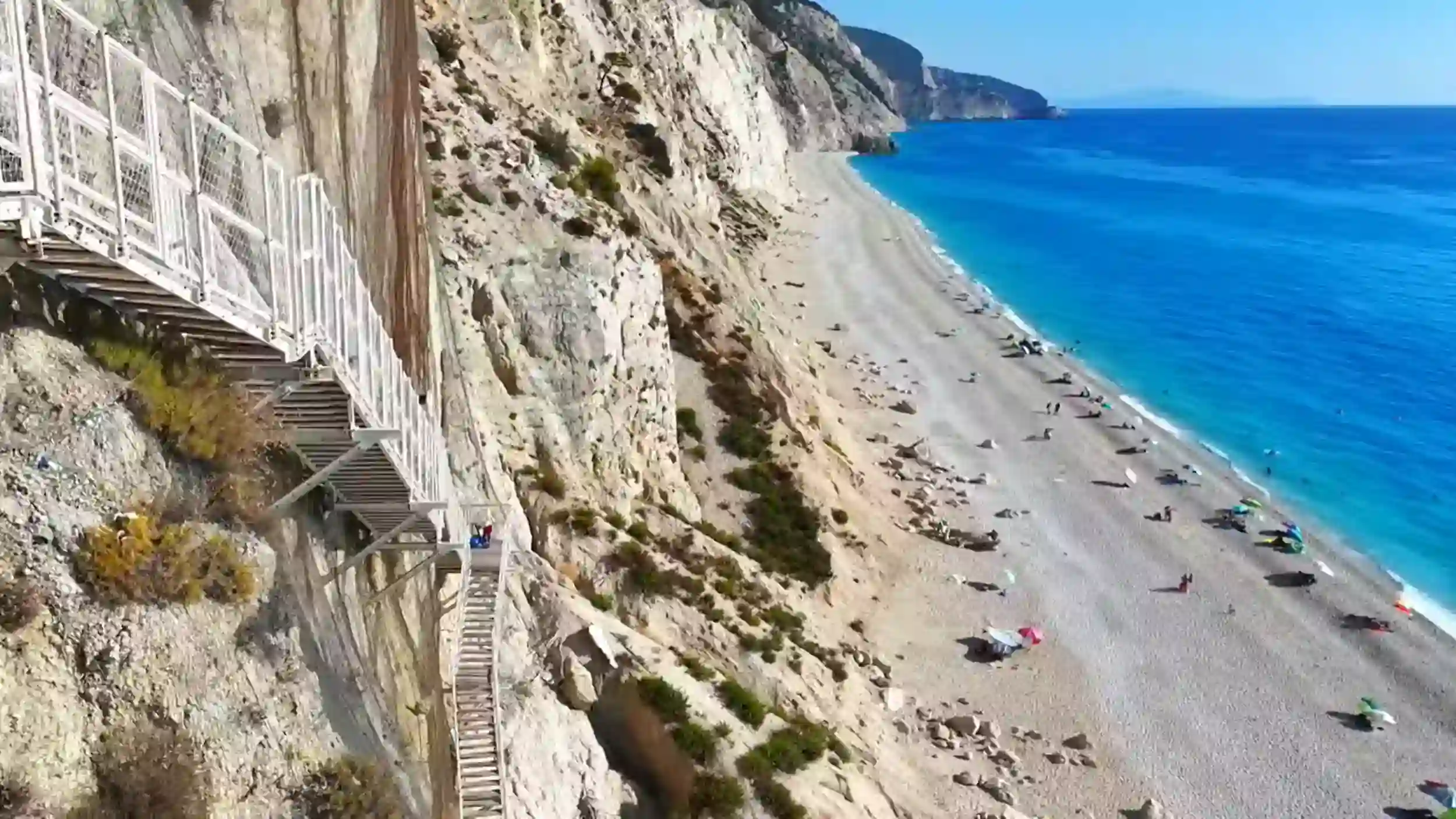
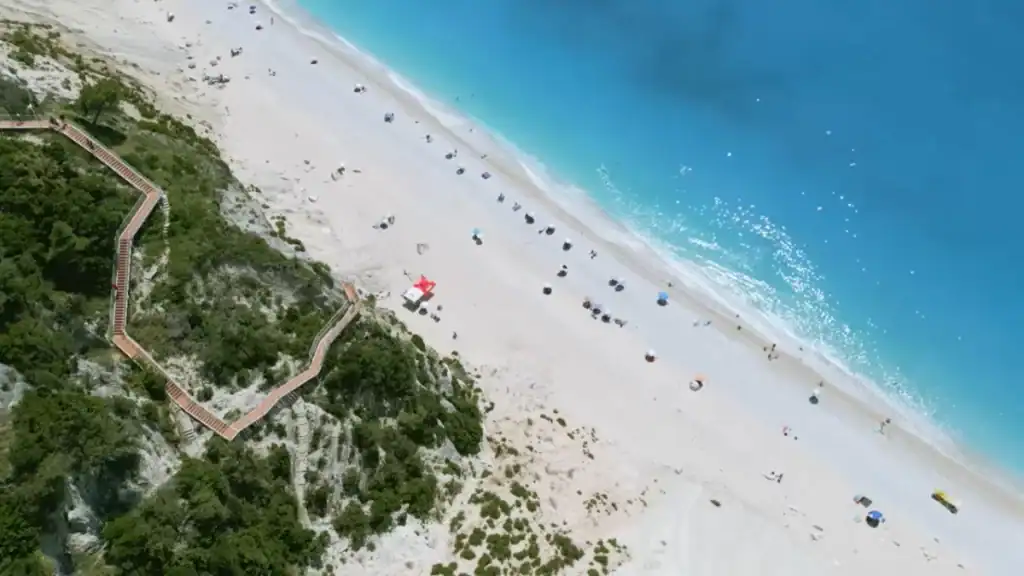
| Egremni | Huge scale and dramatic coastline; the long staircase makes it the most demanding |
| Kathisma | The easiest famous west-coast beach to reach, with road access and facilities |
| Milos | A quieter-feeling option near Agios Nikitas when you want scenery without a large resort beach |
Before visiting, we had half-assumed the famous west-coast beaches would feel fairly interchangeable.
They did not.
Porto Katsiki gave us the classic Lefkada postcard view, but we would arrive early. Egremni demanded much more from us because of the climb, while Kathisma provided a similarly striking stretch of coast with considerably less effort.
If you’re deciding where the extra effort is worthwhile, our comparison of Lefkada’s west-coast cliff beaches goes into the differences before you commit to the drive and descent.
Worth knowing: On hot afternoons, the climb back from Egremni feels significantly harder than the descent. Carry more water than you think you’ll need.
We had to plan west-coast days more carefully than elsewhere on Lefkada, but once we reached the shoreline we rarely questioned whether the extra effort had been worthwhile.
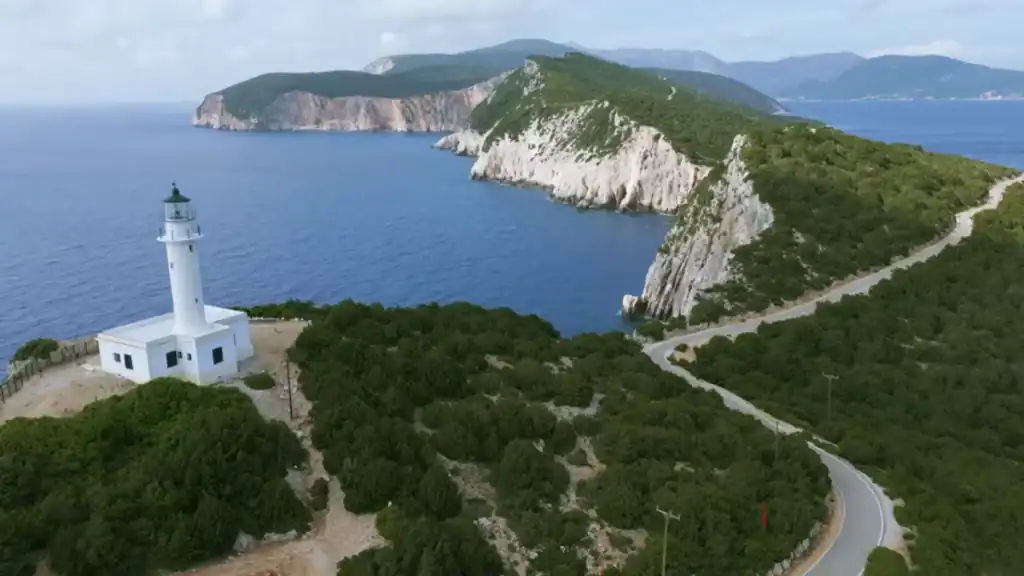
🌅 Why the South and East Felt Easier to Explore
We were relieved to discover that not every part of Lefkada made us work quite so hard for the view.
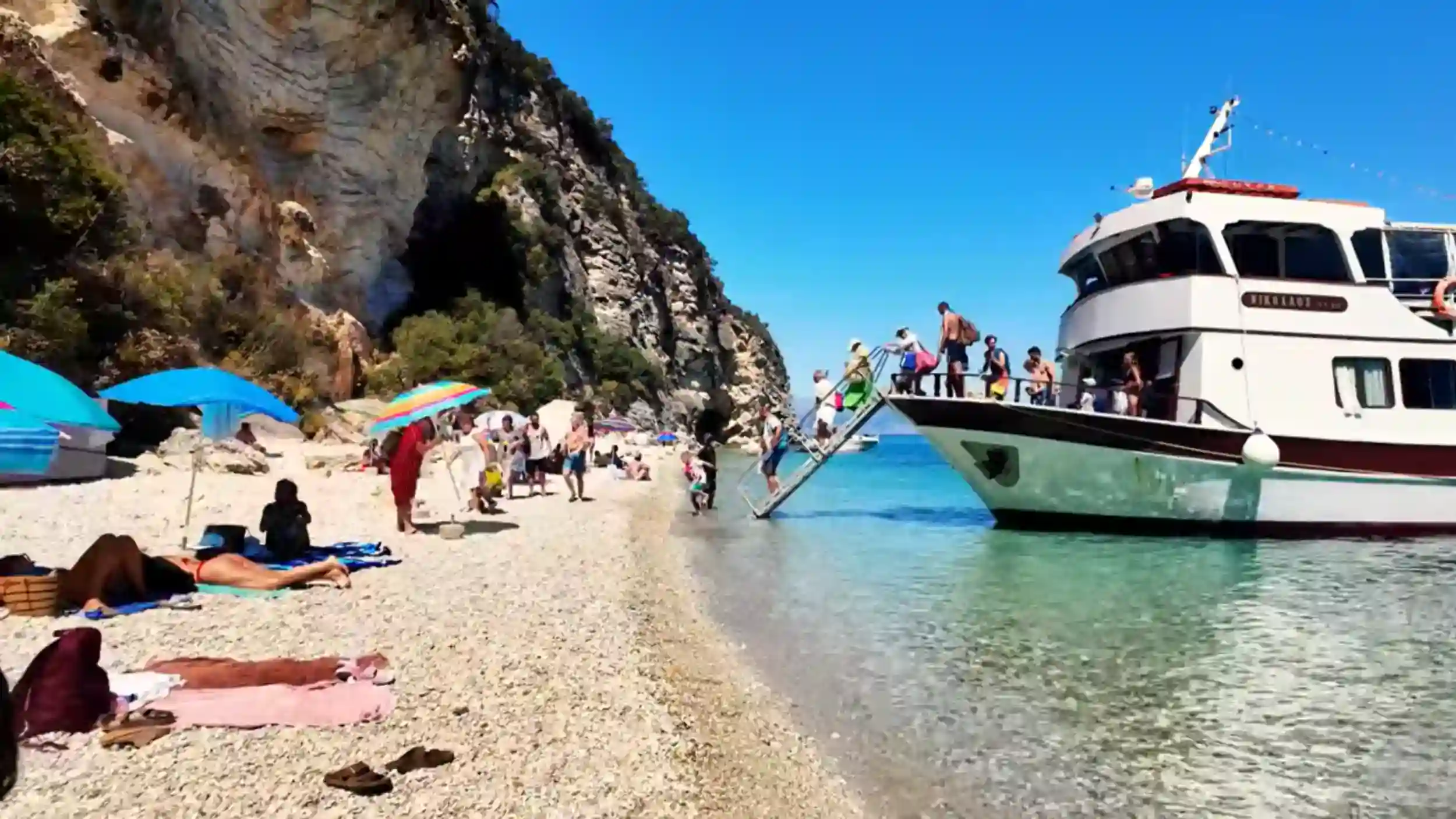
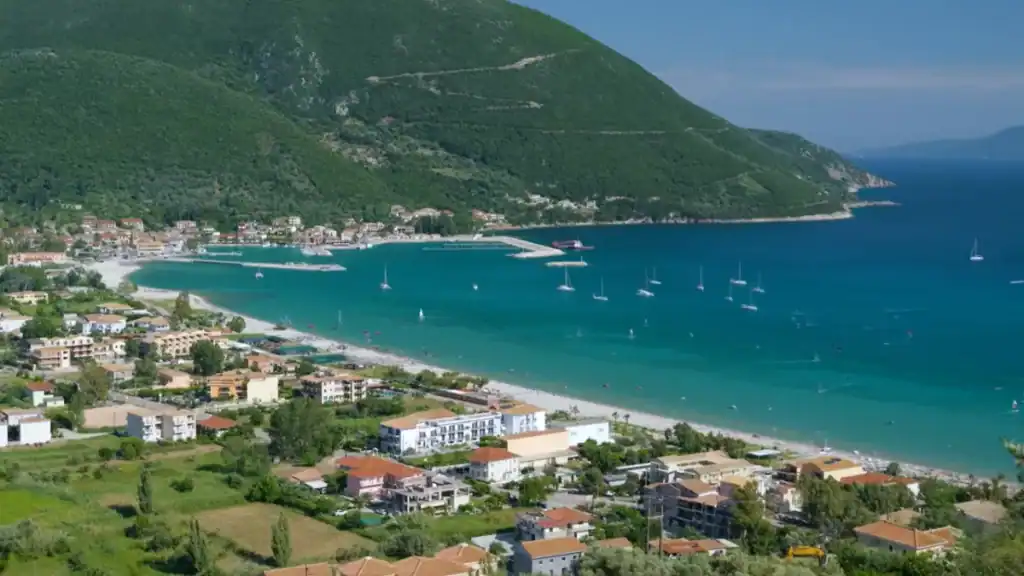
Yes, we found Lefkada’s east and south easier to explore than the west. Roads generally felt gentler, beach access simpler and the water calmer. This side suited days when we wanted swimming, boat trips or lunch rather than another cliff-top adventure.
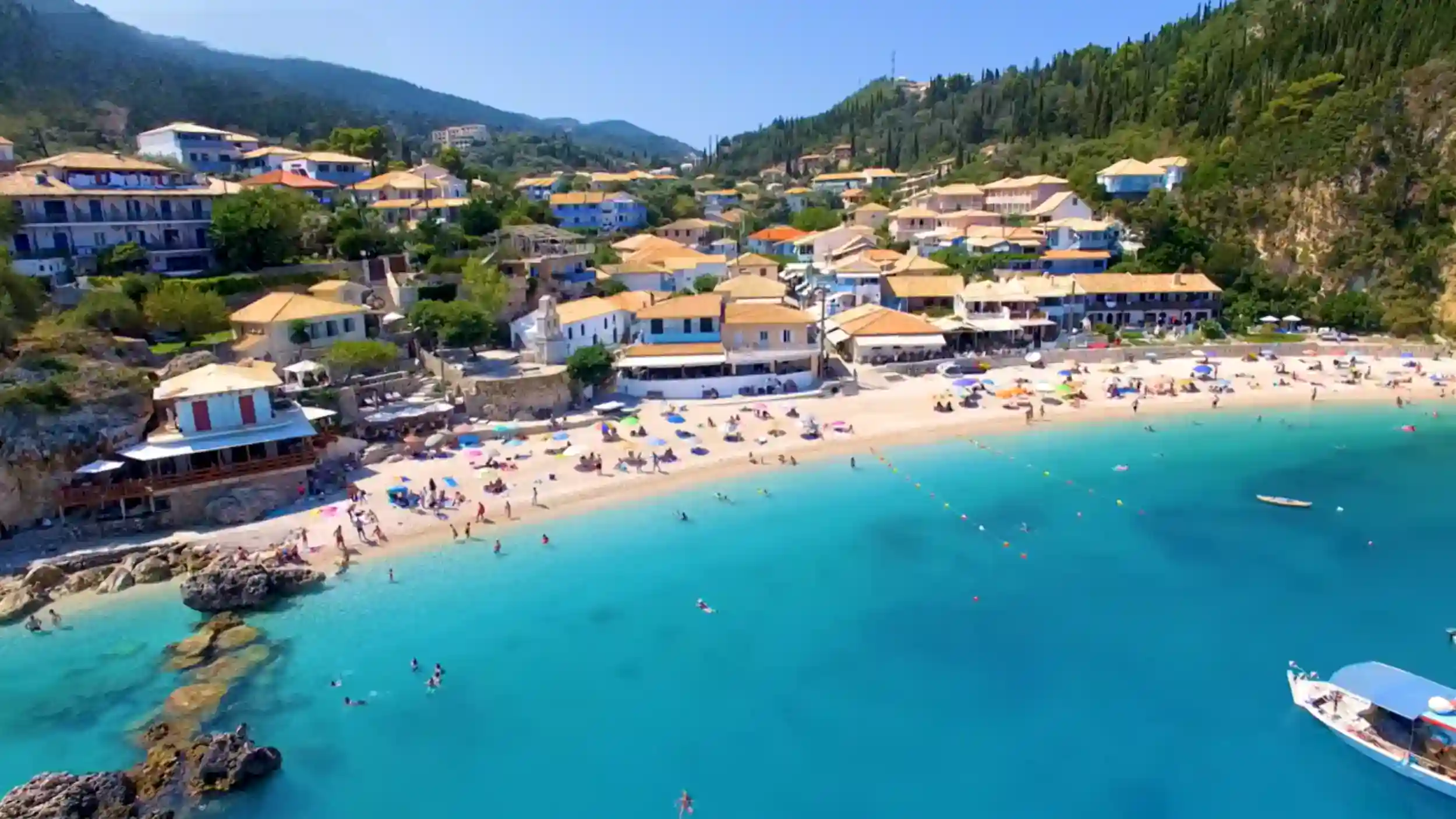
The atmosphere changed with the landscape. Sheltered bays and small harbours replaced towering limestone cliffs. We lingered over lunch and spent longer in villages instead of constantly moving on.
Where Each Area Excels
- Vasiliki is the island’s watersports hub. We liked the contrast between calmer mornings and the reliable afternoon winds that attract sailors and windsurfers. Our guide to Vasiliki looks more closely at whether that rhythm would suit your stay.
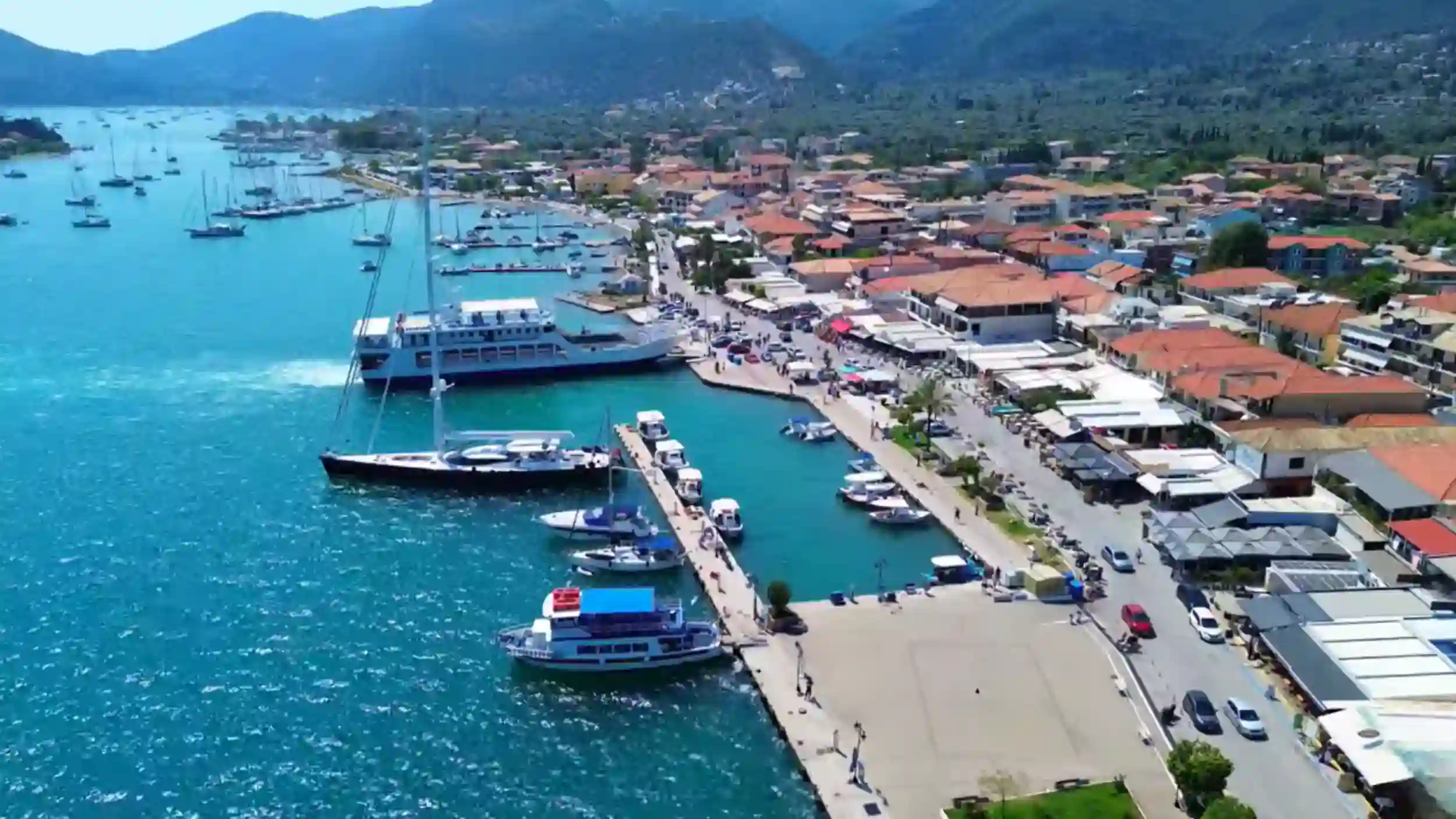
- Nidri gave us the widest choice of accommodation, restaurants and boat excursions, and it is one of the easiest places to organise trips to nearby islands and secluded beaches. Our guide to Nidri explains why it works particularly well for boat-based days.
- Agios Nikitas felt different again. Leaving the car outside the centre immediately slowed the pace, and we liked how evenings naturally moved between the pedestrian street, waterfront tavernas and the short walk to the sea.
Who is this side of Lefkada best for?
✔ Families with young children
✔ Visitors staying without tackling long staircases
✔ Sailing and windsurfing enthusiasts
✔ Anyone looking for a relaxed harbour atmosphere
We did not find the scenery as dramatic as the west coast, yet the easier access made this side surprisingly easy to return to. The beaches may look less spectacular in photographs, but for repeated swimming days we often found them simpler to enjoy.
🍂 When We Would Choose to Visit Lefkada
We would not expect the same Lefkada experience throughout the year.
The beaches stay in the same place, but we found that the experience around them can change dramatically between May, August and September. For us, choosing when to travel can matter at least as much as deciding where to stay.
August brings the classic summer atmosphere, along with the busiest roads and fullest car parks. Popular beaches also involve longer waits. If Porto Katsiki were central to our plans, arrival time would matter almost as much as the weather.
Our guide to Porto Katsiki shows why we would make an early start rather than arrive with the main August crowds.
May, August and September Offer Different Trade-Offs
| 🍃 May | ☀️ August | 🌊 September |
|---|---|---|
| Green hillsides and quiet roads | Peak season with the busiest beaches | Warm sea with noticeably fewer visitors |
| Some seasonal businesses still opening | Full facilities everywhere | Most businesses remain open |
| Ideal for touring the island | Best for guaranteed summer atmosphere | Often the best balance of weather and crowds |
September is the month we would be particularly tempted to choose on a return visit.
The sea has had all summer to warm, most restaurants and beach facilities are still operating and driving becomes noticeably easier. Our guide to Lefkada in September looks more closely at why we think early autumn offers such a strong balance.
We would not call one season universally best. The more useful choice is whether you want Lefkada at its liveliest or would rather trade some peak-summer energy for a slower island.
🚗 DO YOU NEED A CAR?
Not for every kind of Lefkada holiday. You could stay in one resort and use organised boat trips or occasional transport. To explore both coasts, inland villages and scattered beaches independently, though, we would want one.
🚗 How We Would Choose a Base on Lefkada
We found getting to Lefkada refreshingly straightforward.
Unlike almost every other Greek island we had considered, there was no ferry timetable to coordinate with. Arriving by car from mainland Greece and crossing the causeway directly onto the island gave us far more flexibility.
Once the arrival became that simple, choosing the right base mattered more to us than planning how to reach the island.
Your Base Should Match the Lefkada You Want
🏨 WHICH BASE WOULD WE PICK?
🧭 Lefkada Town: our practical choice for a first trip built around exploring different parts of the island.
⛵ Vasiliki: better for southern beaches, sailing, windsurfing and boat-led days.
🌅 Agios Nikitas: our choice when the west-coast beaches, sunsets and a small pedestrian village are the priorities.
If Lefkada Town is on your shortlist, our guide to staying in Lefkada Town looks at how its different areas suit different kinds of trip.
Location Matters More Than Distance to One Beach
We would not choose accommodation solely because it sits close to one beach.
Lefkada rewarded us for exploring, but the longer-than-expected journey times made location important. We would happily stay slightly farther from a favourite beach if a more central base meant less driving across the trip as a whole.
Having a car transformed Lefkada for us. We could leave a crowded beach, turn into a mountain village or change plans completely. That freedom became one of the defining parts of our time on the island.
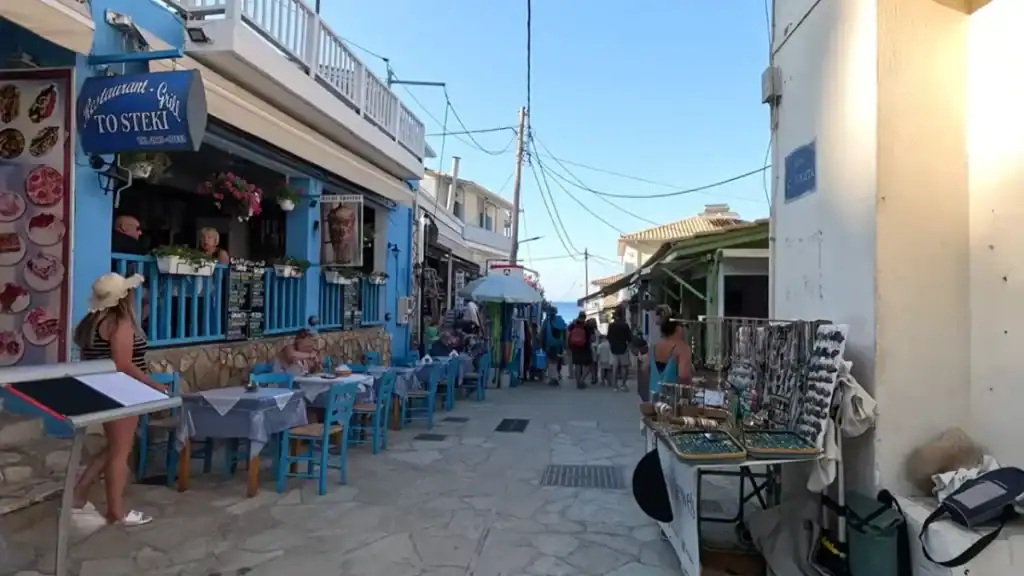
🌅 Why We Would Stay on Lefkada’s West Coast
We would not choose the west coast simply to be nearer the famous beaches.
For us, its real attraction is waking up inside the landscape that made Lefkada famous.
Agios Nikitas would be our obvious western base. We liked its compact pedestrian centre, and its position makes early starts for Kathisma and the cliff-backed beaches farther south much easier. Accommodation is limited, though, so we would book well ahead for July or August.
🏡 The West Coast Suits a Particular Kind of Trip
🌅 WEST COAST: YES OR NO?
Stay west if: the cliff beaches, sunsets, photography and scenic drives are the reason you chose Lefkada.
Stay elsewhere if: you want flatter roads, larger hotels, easy family beach days or the widest choice of boat trips and services.
We found the rhythm of a west-coast day different too.
☀️ Morning: Beat the crowds to the beaches.
🥗 Afternoon: Escape the heat in the mountains or a shaded taverna.
🌅 Evening: Return to Agios Nikitas as the village settles into its relaxed waterfront atmosphere.
The trade-off for us would be convenience. The west has fewer large hotels, less infrastructure and more driving than the east, but those compromises are also part of why we found this side felt less like a conventional resort coast and more like the Lefkada we had come to see.