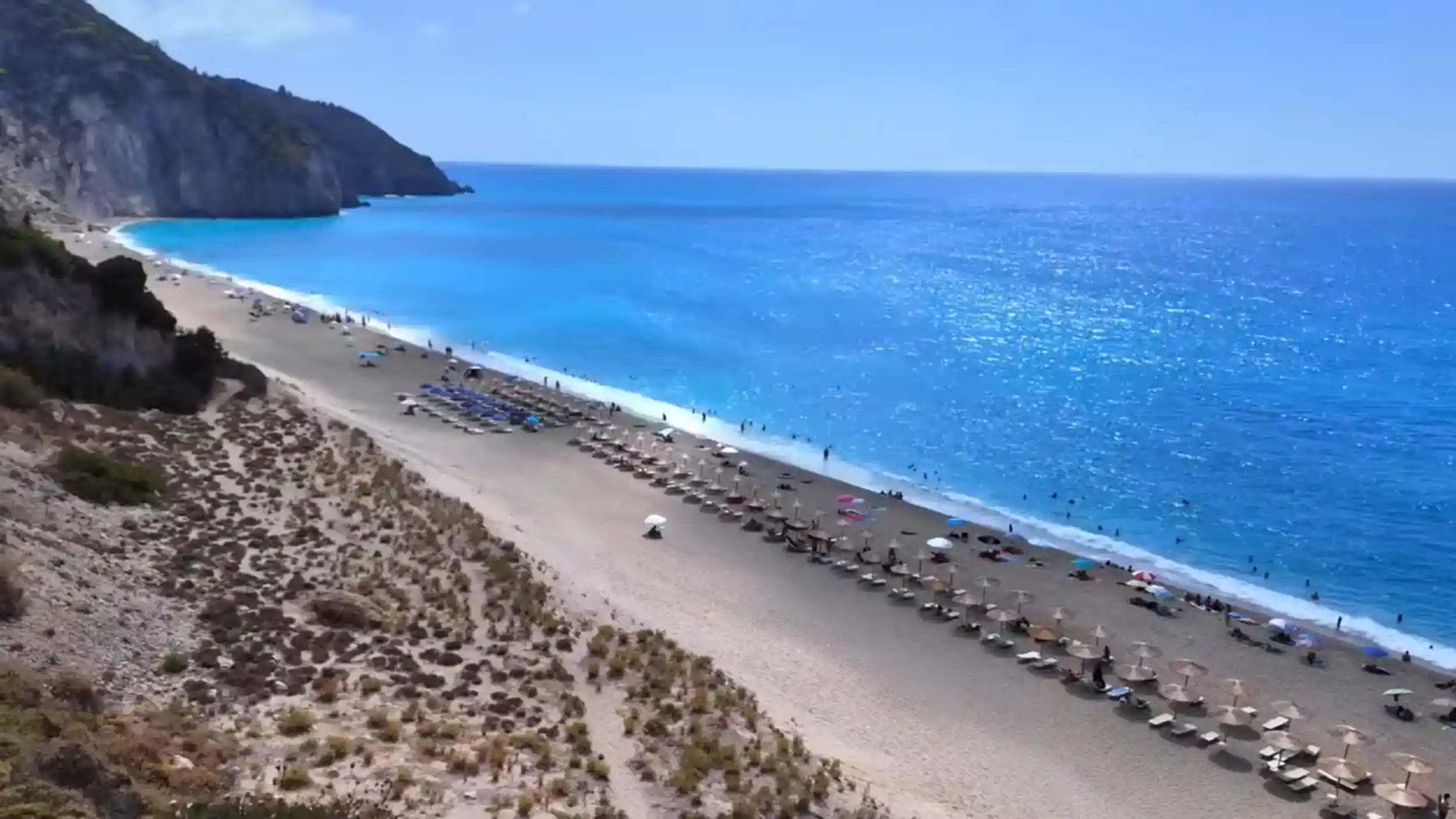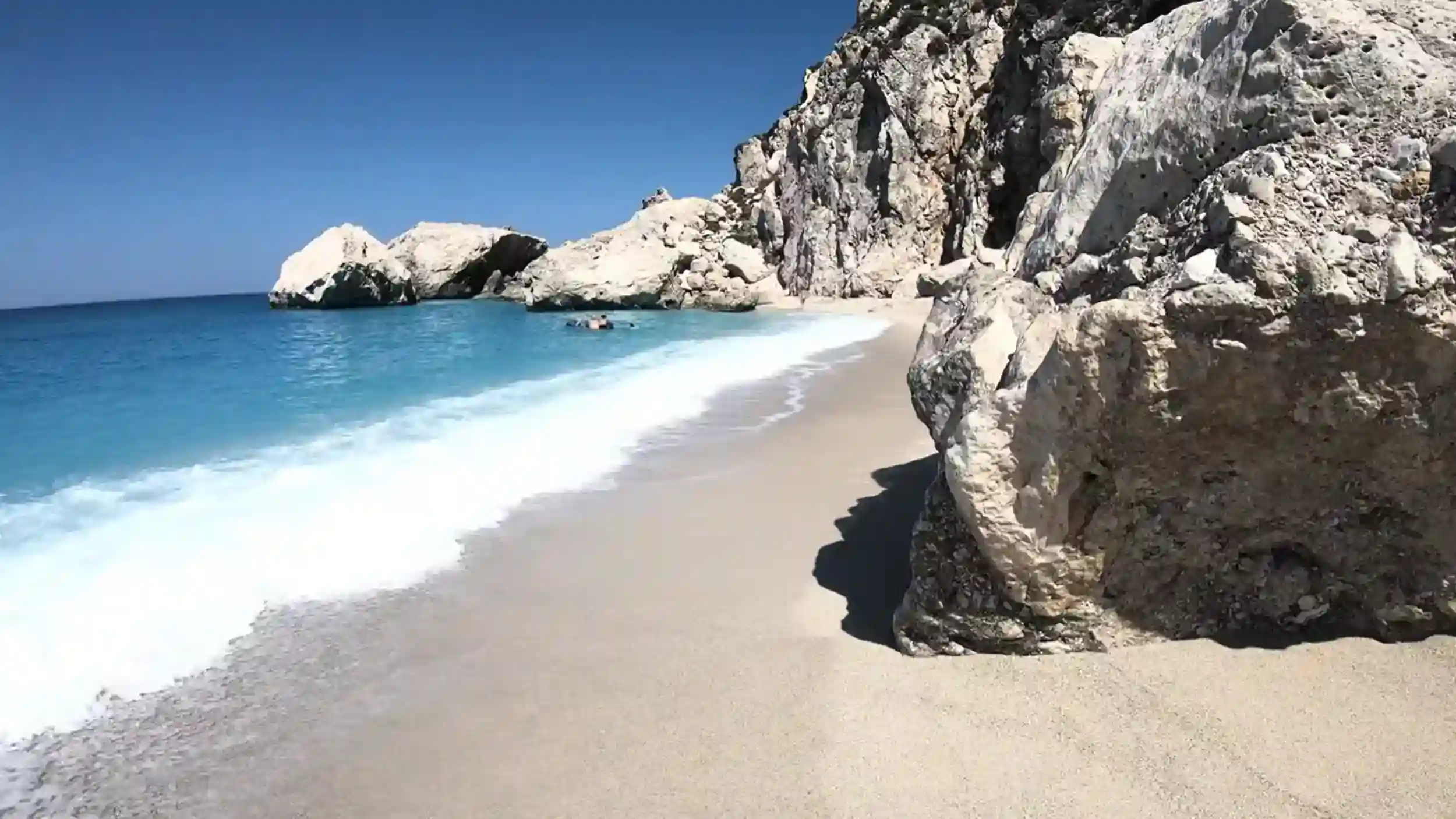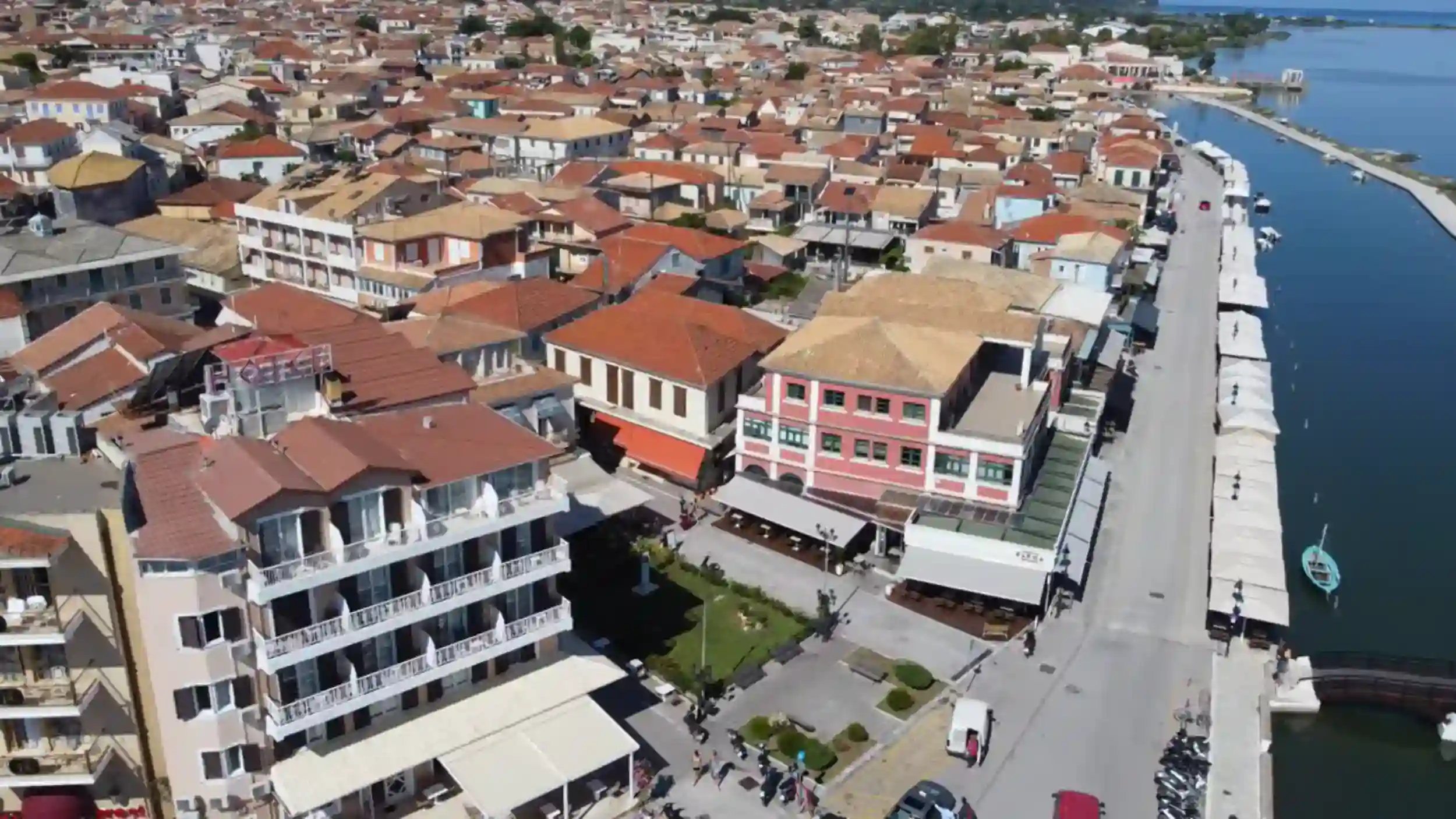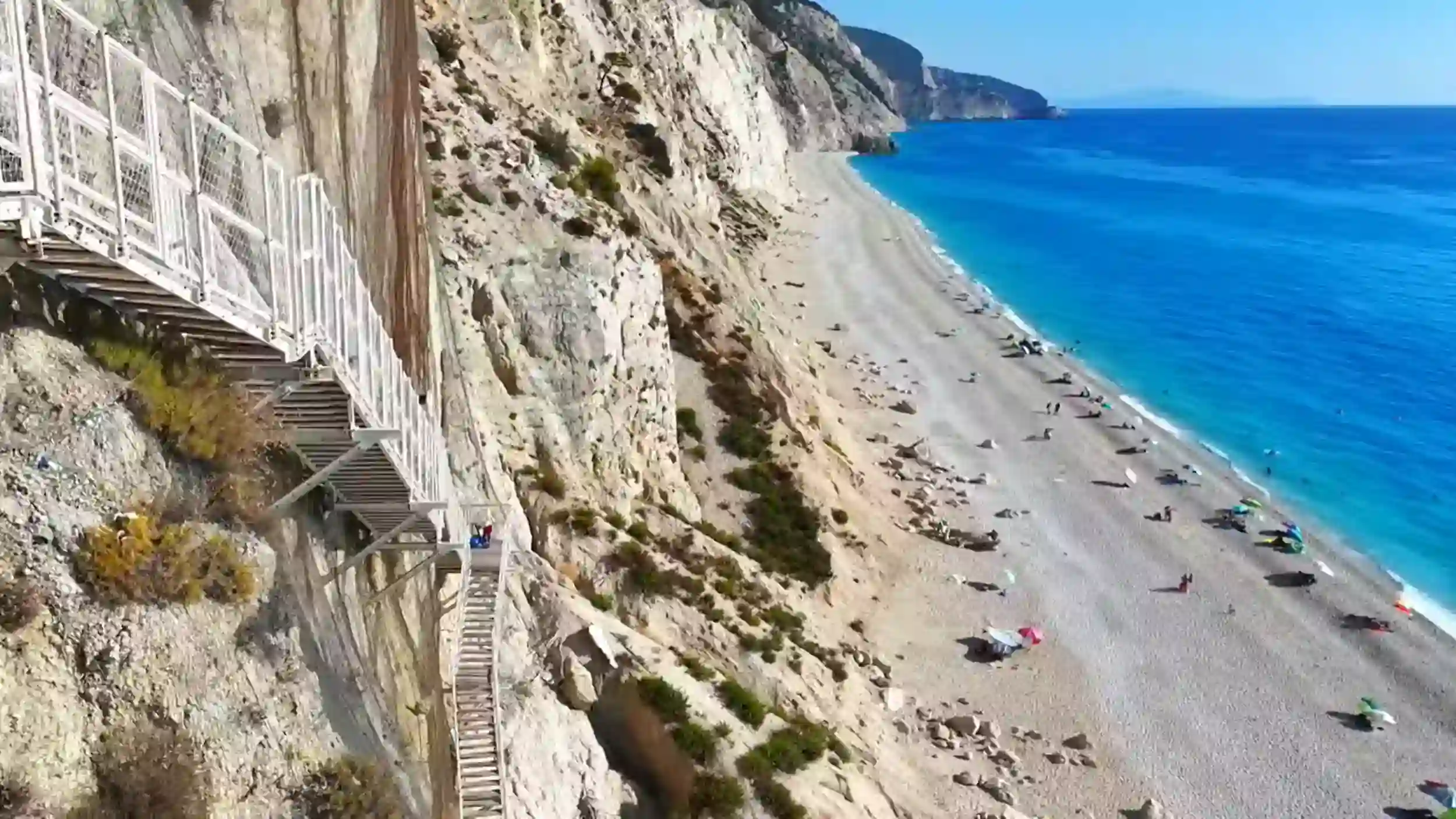
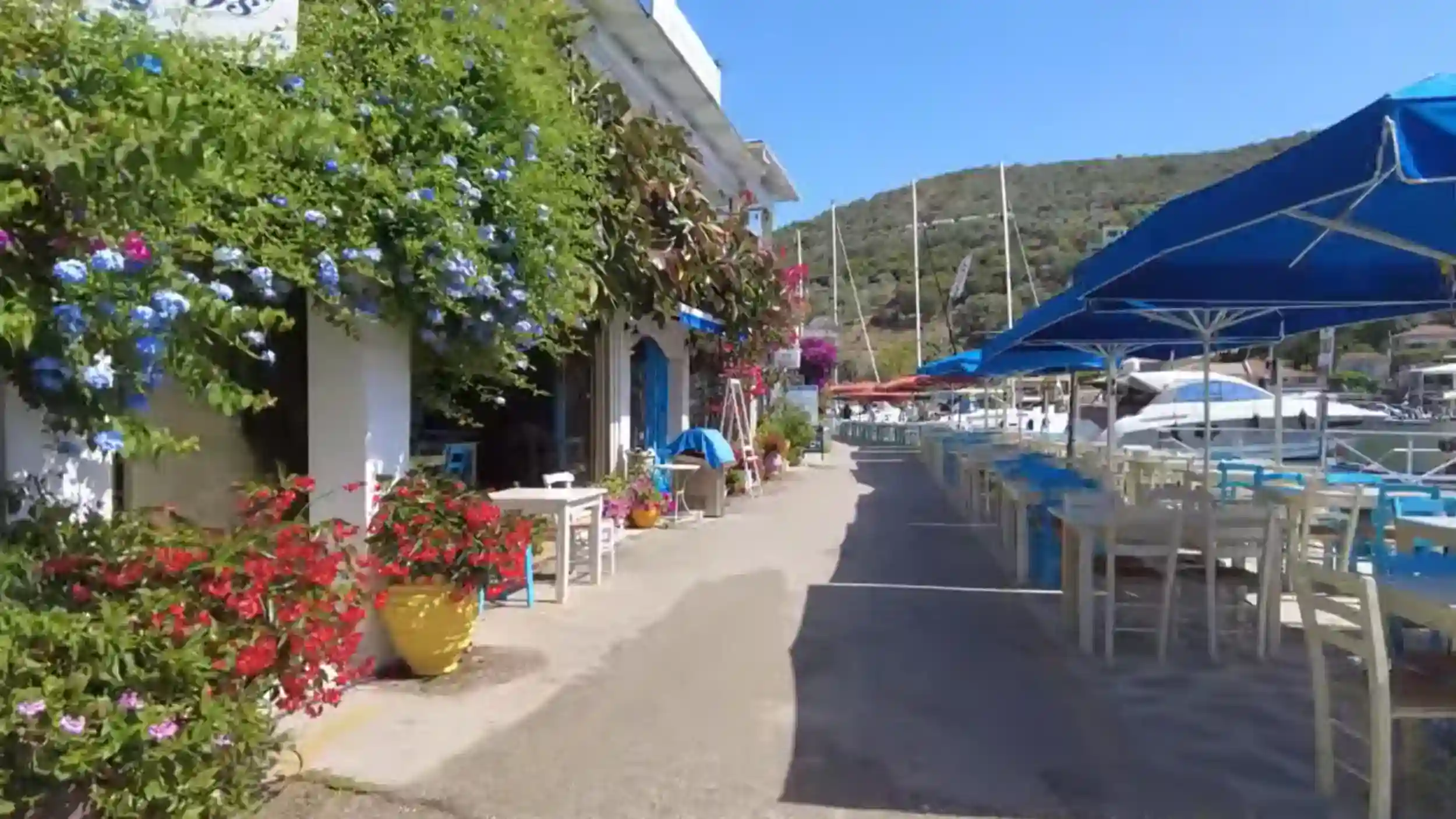
Lefkada in May is usually warm enough for beach days, with daytime temperatures around 23 to 24°C and sea temperatures near 19 to 20°C. We found the island green, quiet and easy to explore, with lighter traffic and most places operating, although the sea was cooler and some seasonal services were still limited early in the month.
What we liked most was the freedom. We could decide where to go that morning rather than planning every beach, drive and parking space around peak-summer crowds.
🌤️ What Is the Weather Like in Lefkada in May?
The temperature figures did not tell us what May actually felt like on the ground.
What we remember most is how comfortable the island felt for exploring.
Our days were warm without becoming oppressive. Evenings were generally pleasant enough for eating outside. With greenery still left by the winter rains, the island felt unmistakably like late spring rather than high Mediterranean summer.
The Sea Was Refreshing Rather Than Warm
The sea was the part we noticed most when we first went in.
With daytime temperatures often in the low to mid-20s°C, we were perfectly happy on the beach. The sea was different. At around 19 to 20°C, it felt refreshing rather than warm, so our swims were shorter than later in summer.
| Typical May conditions | What to expect |
|---|---|
| 🌡️ Daytime | Around 23 to 24°C |
| 🌙 Evenings | Mild, often comfortable outdoors |
| 🌊 Sea temperature | Around 19 to 20°C |
| 🌿 Landscape | Green hillsides and spring wildflowers |
We would still plan for the possibility of a short shower, particularly early in May. For us, that was an easy trade-off for the vivid scenery, which gradually disappears as Lefkada becomes hotter and drier.
🏖️ Are Lefkada’s West Coast Beaches Good in May?
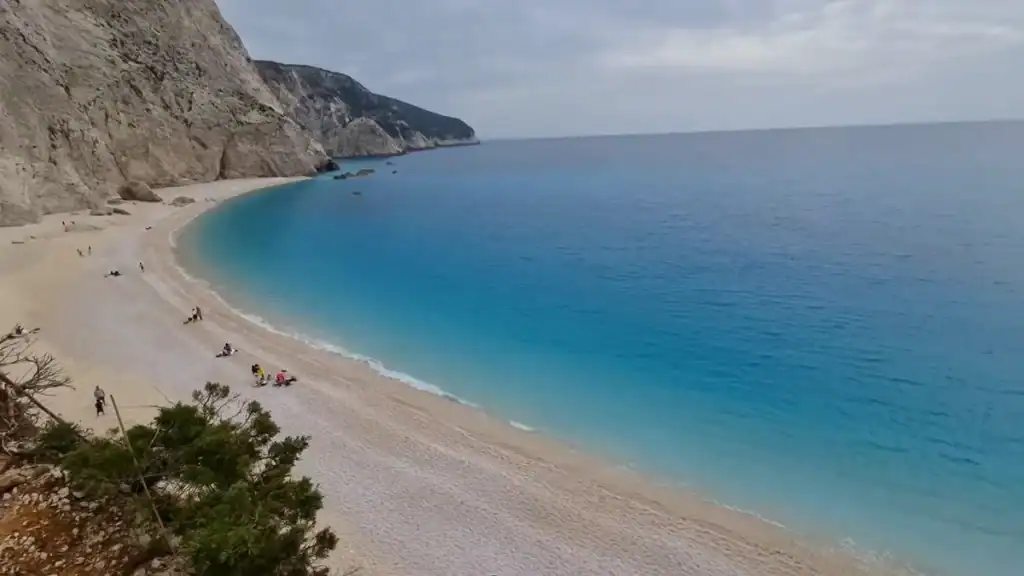
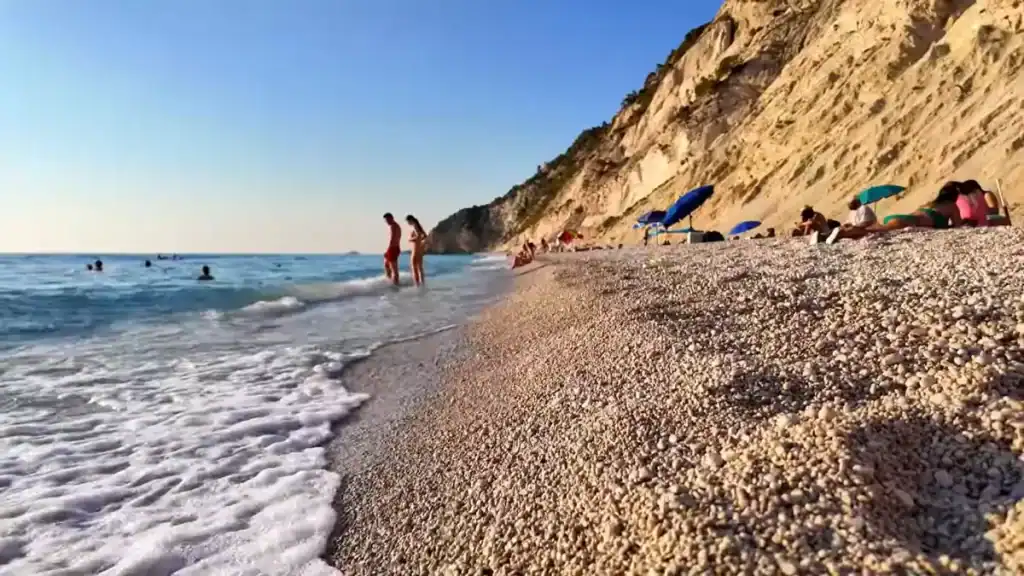
The west coast was where May changed our experience most.
We were seeing Lefkada’s headline beaches, but without having to organise the whole day around summer crowds.
We found simpler parking, quieter roads and far more space on the shoreline. That changed how we chose beaches. Scenery, swimming or the walk mattered more than trying to avoid crowds.
Quieter Roads Gave Us Much More Flexibility
The quieter season helped everywhere we went, although each beach still gave us a very different reason to visit.
| Beach | 📌 Why visit in May? |
|---|---|
| 🏞️ Porto Katsiki | Easier parking and quieter stairway access |
| 🌊 Egremni Beach | Cooler temperatures make the climb much easier |
| 🏖️ Kathisma Beach | Full facilities without peak-season crowds |
| 🥾 Milos Beach | Pleasant walking conditions before the summer heat |
Flexibility was one of May’s biggest advantages. We could visit Porto Katsiki in the morning and add another beach later. The cliffs were no less dramatic than in August; getting around them was simply more relaxed.
🌅 Is Lefkada Quiet or Busy With Tourists in May?
Crossing to the east coast gave us a completely different kind of day.
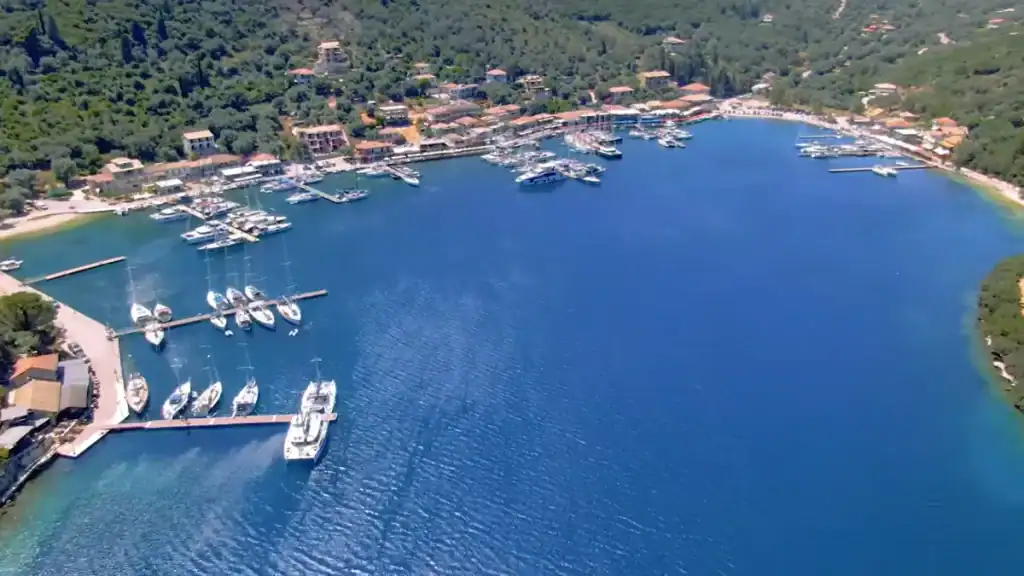
Instead of exposed Ionian beaches and towering cliffs, we found calmer water and villages organised around harbours. We liked having that contrast on the same island.
May suited this side of Lefkada particularly well for us because we could enjoy the harbours before sailing activity and summer tourism reached their peak.
Harbour Villages Rewarded a Slower Pace
The slower pace made us more inclined to stop in villages and at natural attractions rather than simply drive through them on the way somewhere else.
| Place | 📌 Why visit in May? |
|---|---|
| ⚓ Nidri | Quieter boat trips and a relaxed waterfront |
| 💦 Dimosari Waterfalls | Strong spring water flow and comfortable walking temperatures |
| ⛵ Sivota Lefkada | Peaceful harbour before the main sailing season |
| 🌊 Vasiliki Lefkada | Gentle beaches and early-season watersports |
Boat excursions felt different to us in May as well.
With fewer passengers aboard, boat trips felt less pressured and popular swimming stops were quieter. The east coast seemed noticeably calmer to us than it would at the height of summer.
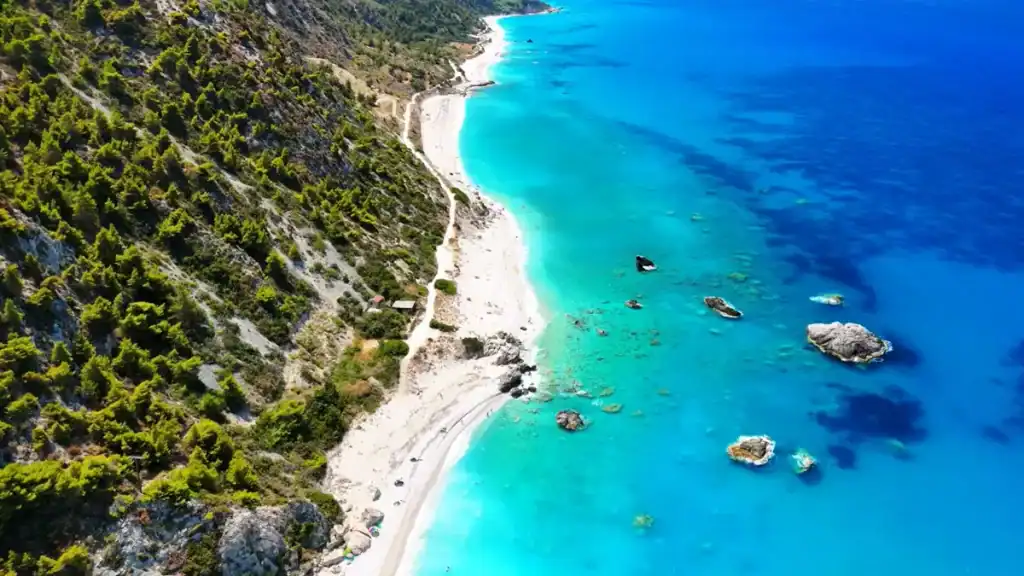
🏊 Is Lefkada in May Warm Enough for the Beach?
We did not want every Lefkada beach day to begin with a long staircase or challenging walk.
Even easy-access beaches felt pleasantly uncrowded in May. We could have convenience without giving up the space and scenery we had come for.
Direct Access Did Not Mean Busy Beaches
When we wanted a relaxed day beside the sea rather than an adventure getting there, May made the accessible beaches particularly appealing.
| Beach | 📌 Why it’s easy to visit |
|---|---|
| 🚗 Kathisma Beach | Large car park, organised facilities and direct access |
| 🌲 Pefkoulia Beach | Roadside parking with natural shade from pine trees |
| 🌊 Agiofili Beach | Short walk from the car park or seasonal water taxi |
These beaches needed far less planning than Porto Katsiki or Milos. We could arrive later, park more easily and still find enough space to settle down.
For us, that combination of clear water, scenery and easy access was one of May’s strengths. We could have a straightforward beach day without the crowds that begin changing the experience later in summer.
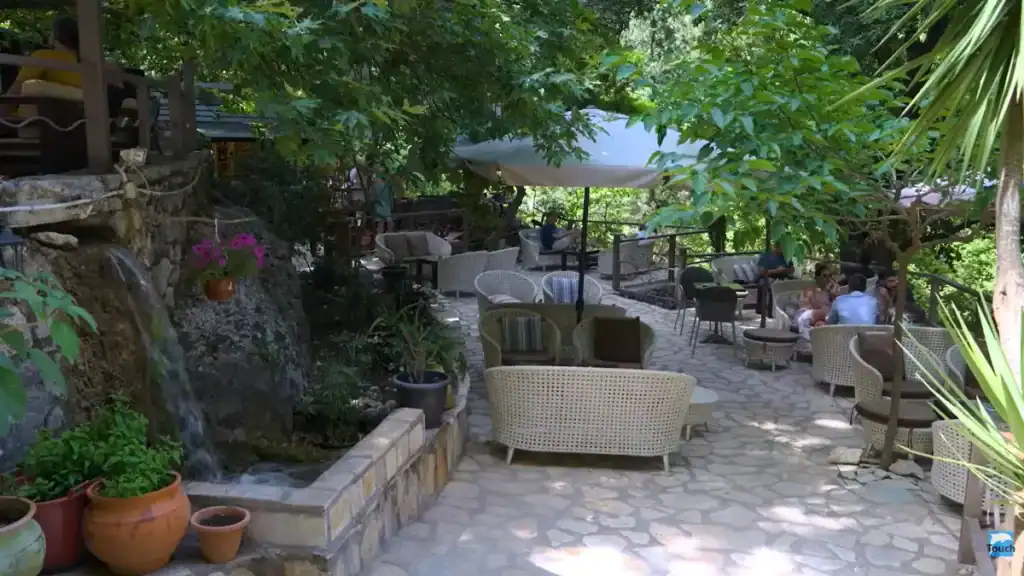
🌿 Is May a Good Time for Hiking and Exploring Lefkada’s Interior?
We initially expected the coastline to dominate the trip.
Instead, the interior was where May made its strongest case to us.
Winter and spring rain had left the mountains green. Wildflowers and terraced olive groves added colour to our drives. We knew much of that softness would fade beneath the stronger midsummer sun.
Spring Greenery Changed Our Inland Drives
We found the cooler temperatures much better for inland drives and short walks than the heat we would expect later in the season.
| Inland experience | Why May stands out |
|---|---|
| ⛰️ Mountain villages | Cool air and clear panoramic views |
| 🌼 Spring wildflowers | Landscapes at their greenest |
| 🚶 Walking trails | Comfortable temperatures for exploring |
| 💧 Springs and streams | Higher water levels after winter rainfall |
Higher villages such as Englouvi almost felt like a different island, with cooler air and broad Ionian views. Quieter roads also let us stop at viewpoints without traffic building behind us.
We would not visit Lefkada in May and focus only on the beaches. The slower, greener interior was one of the clearest advantages of travelling at this time, and we found it far easier to explore before the summer heat arrived.
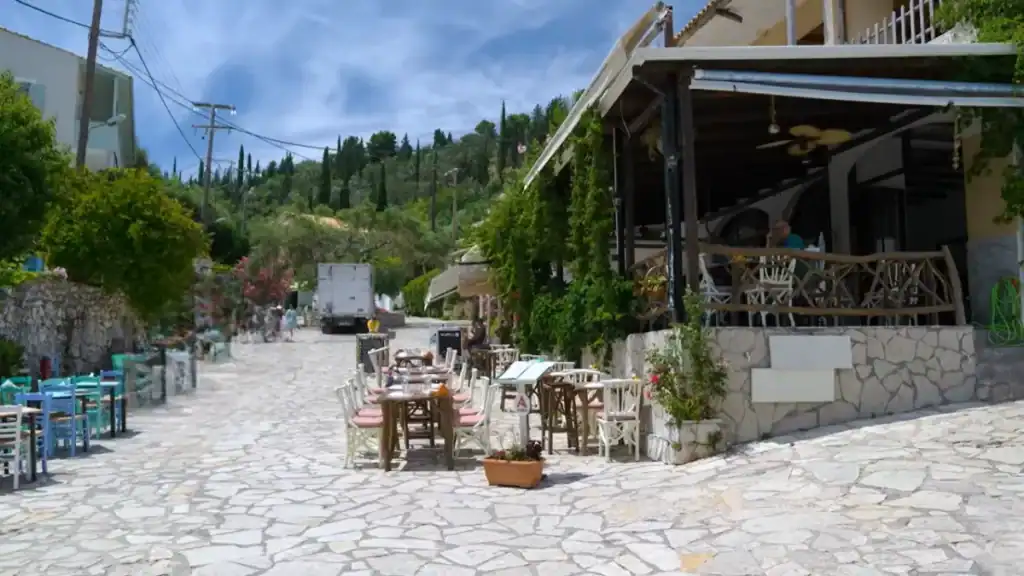
🍽️ Are Hotels and Restaurants Open in Lefkada in May?
Most places we wanted to use were operating, particularly as May progressed. We would still expect some seasonal hotels, beach bars, excursions and restaurants to run shorter hours or reduced schedules early in the month.
That never made Lefkada feel closed to us. It felt early-season instead: enough choice for a comfortable trip, but without every summer business running at full intensity.
⚖️ What Are the Downsides of Visiting Lefkada in May?
We would happily choose May for another Lefkada trip.
We would not recommend it to everyone, though.
The compromises are fairly clear. For us, the choice comes down to priorities: quieter roads and greener scenery, or warmer sea temperatures and full summer energy.
Our Verdict Depends on What You Value Most
Our answer would depend on priorities rather than the weather forecast alone.
| Trade-off | What to expect |
|---|---|
| 🌊 Cooler sea | Refreshing rather than warm for long swims |
| ⛵ Boat services | Reduced schedules compared with summer |
| 🍹 Seasonal businesses | Some operate shorter hours early in the month |
| 🌇 Evenings | Comfortable, but occasionally cool after sunset |
If we wanted July or August energy, May would feel too quiet. Beach bars were less lively. Excursions could run less frequently, and some seasonal businesses did not reach full operation until later in the month.
Those compromises were also why May appealed to us. Easier parking, quieter roads and greener scenery gave us something peak summer could not. For warmer water, we would compare it with Lefkada in September, when the island is noticeably busier.
💙 Is Lefkada in May a Good Time to Visit?
For us, May is one of Lefkada’s most appealing months if exploring matters as much as swimming. We would choose it for quieter roads, green scenery, easier beach access and comfortable walking temperatures.
We would choose later in summer instead if warm sea temperatures, guaranteed summer atmosphere and the fullest choice of boat trips or nightlife were priorities. May’s appeal is not that it copies August with fewer people. It gives Lefkada a different character.