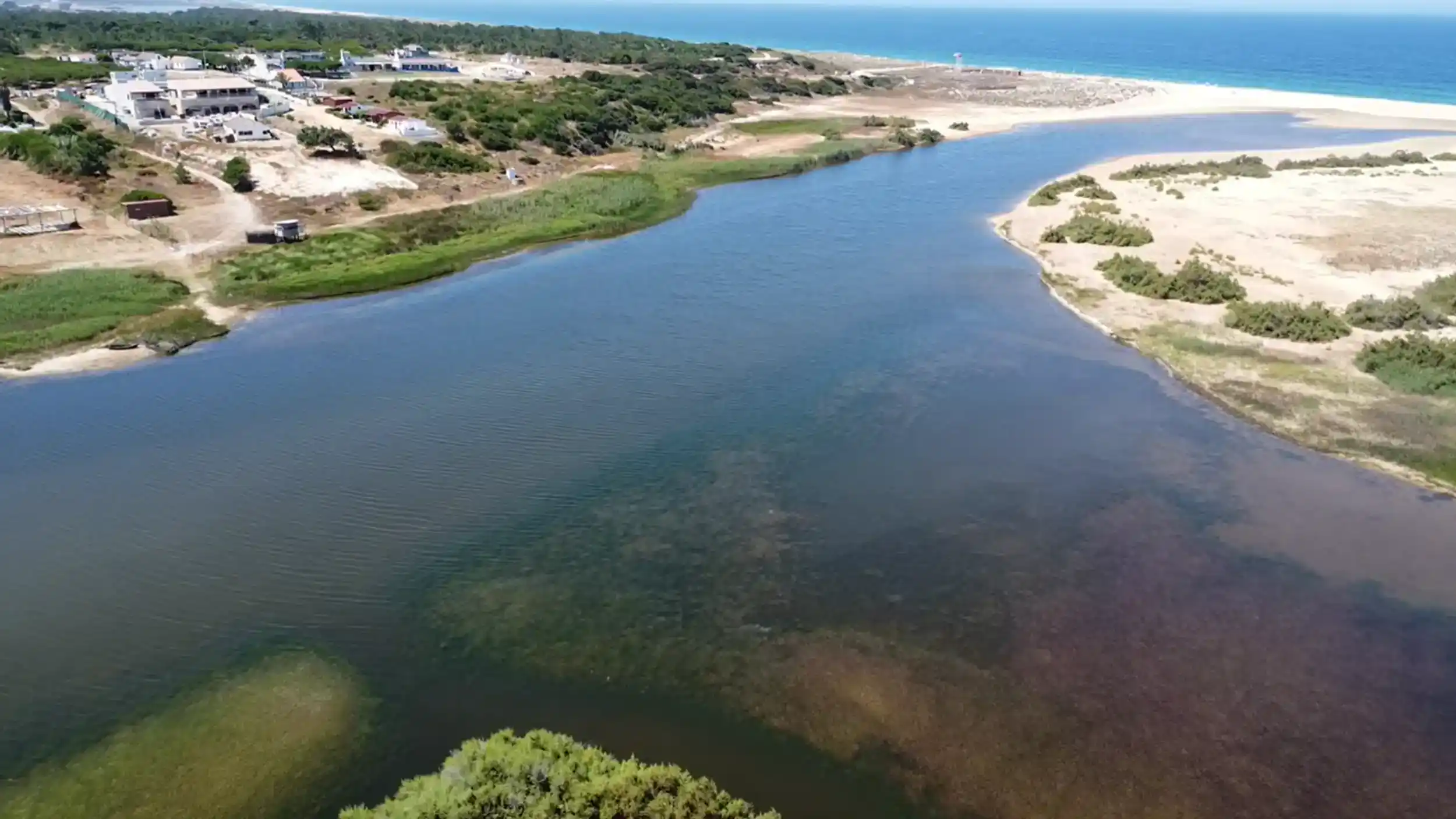
Melides is one of the quietest corners of Portugal’s Alentejo coast, where long Atlantic beaches, a protected lagoon and pine forests replace the polished beach scene found further north. While many visitors stop at Comporta, Melides rewards those who continue a little farther with wilder landscapes, fewer crowds and a slower pace of life.
Whether you’re planning a coastal road trip or looking for somewhere less developed, Melides offers a very different perspective on this stretch of coastline.
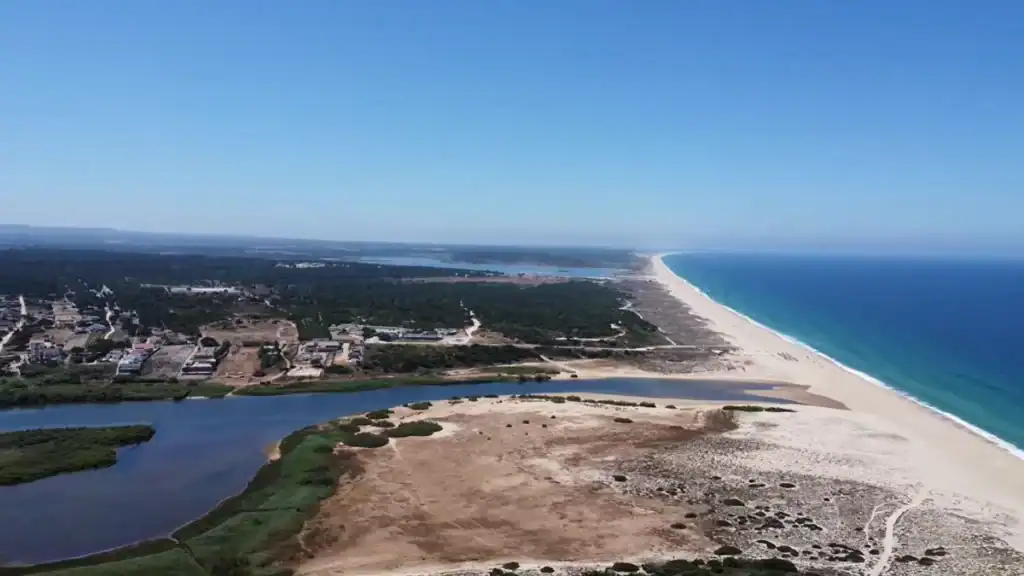
🌾 What Makes Melides Different from Comporta
At first glance, Melides and Comporta appear to share the same ingredients.
Both sit along Portugal’s Alentejo coast, both offer long Atlantic beaches and both are surrounded by pine forests. Spend a little time in each, however, and the differences quickly become clear. Melides feels quieter, less curated and more connected to the landscape than the lifestyle image that has become closely associated with Comporta.
Melides or Comporta?
The choice depends on the kind of trip you want.
| Melides | Comporta |
|---|---|
| 🌲 Quieter village atmosphere | 🏖️ More established beach destination |
| 🌾 Rural surroundings | 🍽️ Larger choice of restaurants and boutiques |
| 🚶 Fewer visitors | 📸 Better known internationally |
| 🌊 Slower pace | 🌴 More developed tourism infrastructure |
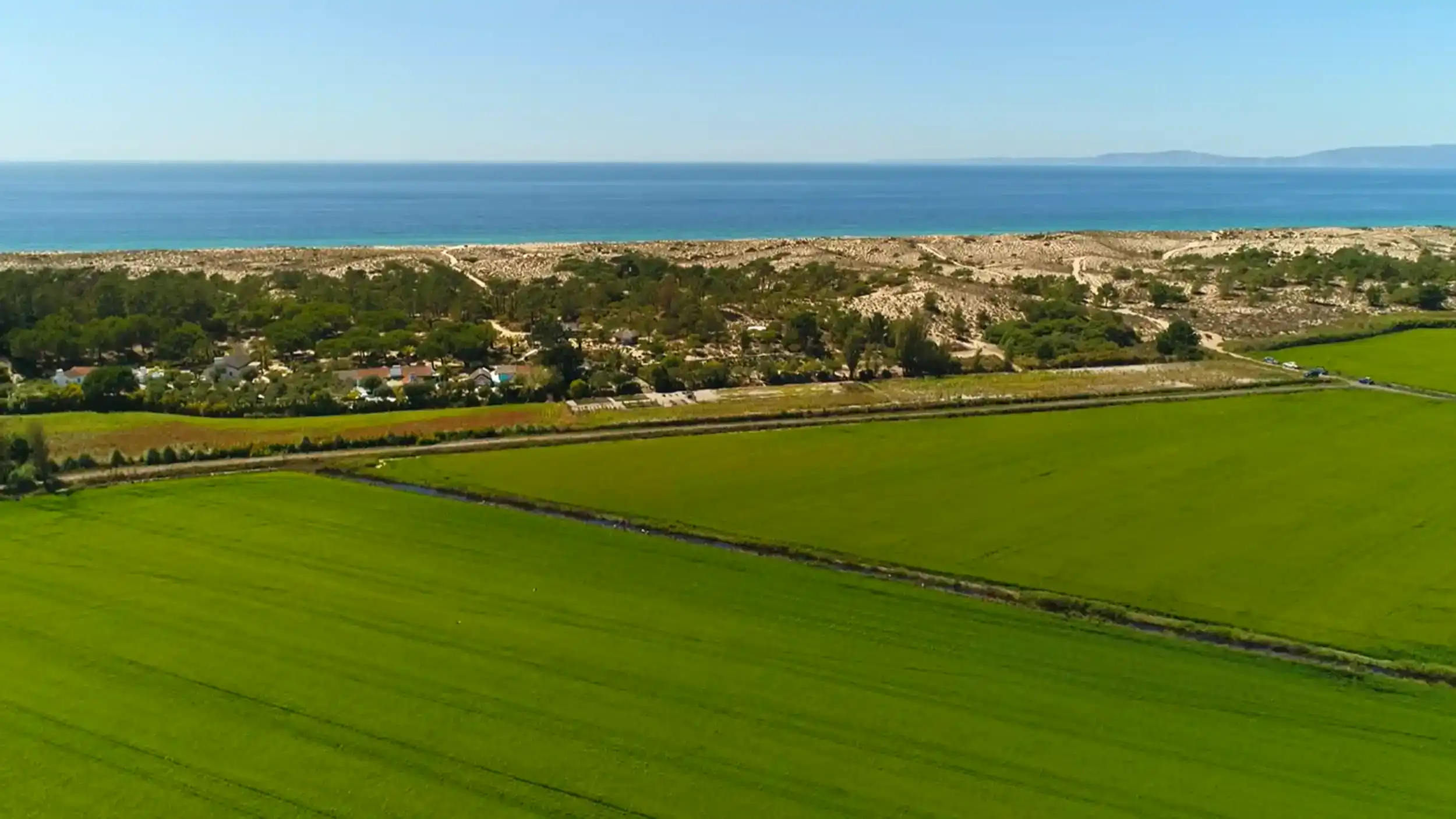
One of the defining characteristics of Melides is that the village sits inland rather than directly on the beach. A short drive through farmland and pine forest separates the two, helping preserve the area’s peaceful character even during the busiest summer months.
Travellers deciding between the two destinations may also find Is Comporta Worth Visiting? useful for understanding what makes Comporta appealing and why Melides offers such a contrasting experience.
💧 Lagoa de Melides
The lagoon is what gives Melides its distinctive character.
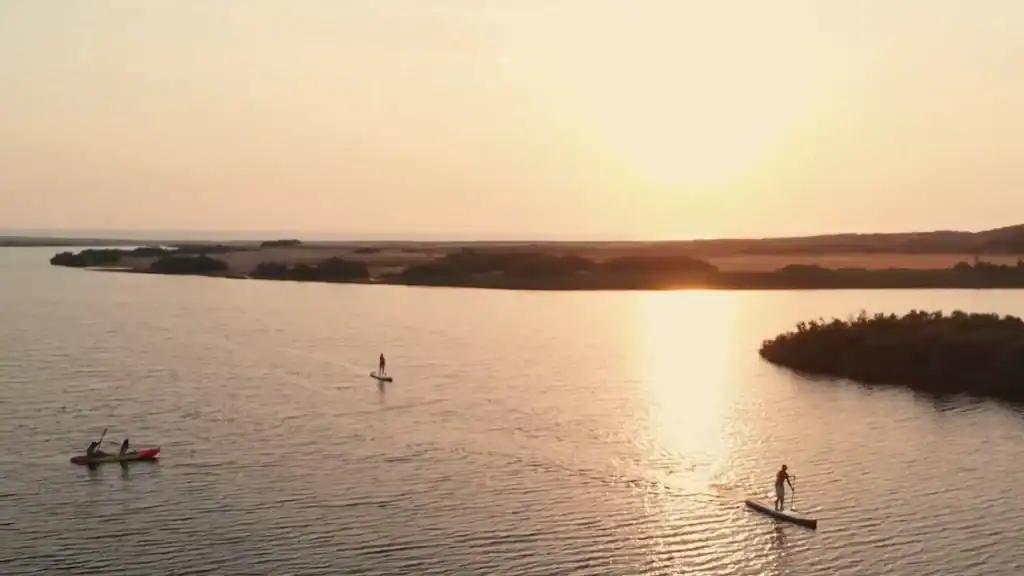
Without it, this would simply be another quiet village near a long Atlantic beach. Instead, the lagoon creates a landscape of calm water, wetlands and pine forest that changes with the seasons and supports an impressive variety of wildlife.
How Lagoa de Melides Changes Through the Year
The lagoon never looks exactly the same twice.
| Seasonal change | What to expect |
|---|---|
| 🌧️ Winter | Higher water levels and occasional opening to the Atlantic |
| 🌿 Spring | Wetlands full of birdlife and fresh vegetation |
| ☀️ Summer | Calm, sheltered water behind the dunes |
| 🍂 Autumn | Peaceful conditions and excellent wildlife watching |
For much of the year, a natural sandbar separates the lagoon from the Atlantic. As water levels rise after wetter months, the channel may open naturally or be managed to prevent flooding, briefly connecting the lagoon with the sea before the entrance gradually closes again.
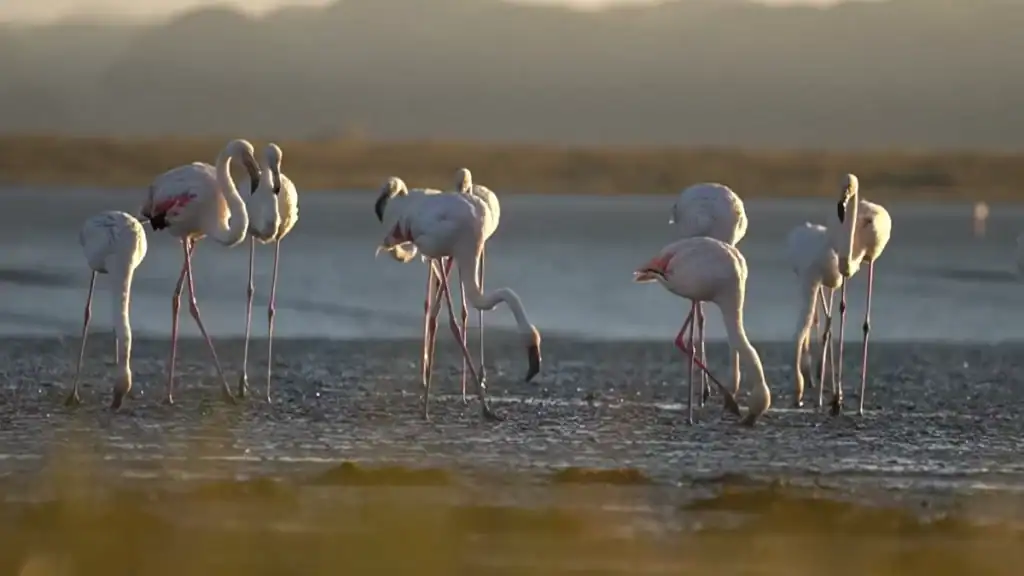
Wildlife and Exploring the Lagoon
Melides is also one of the Alentejo coast’s best places for nature.
More than 180 bird species have been recorded around the wetlands, with flamingos, stilts, marsh harriers and migrating waders all appearing during different seasons. The calm water also makes the lagoon suitable for paddleboarding, gentle walks and cycling along its southern shore, offering a completely different experience from the exposed Atlantic beach just beyond the dunes.
Visitors exploring more of this coastline will notice similar natural landscapes further north, although each has its own character. Comporta Coast: Complete Guide provides a broader overview of how Melides fits into the wider Alentejo shoreline.
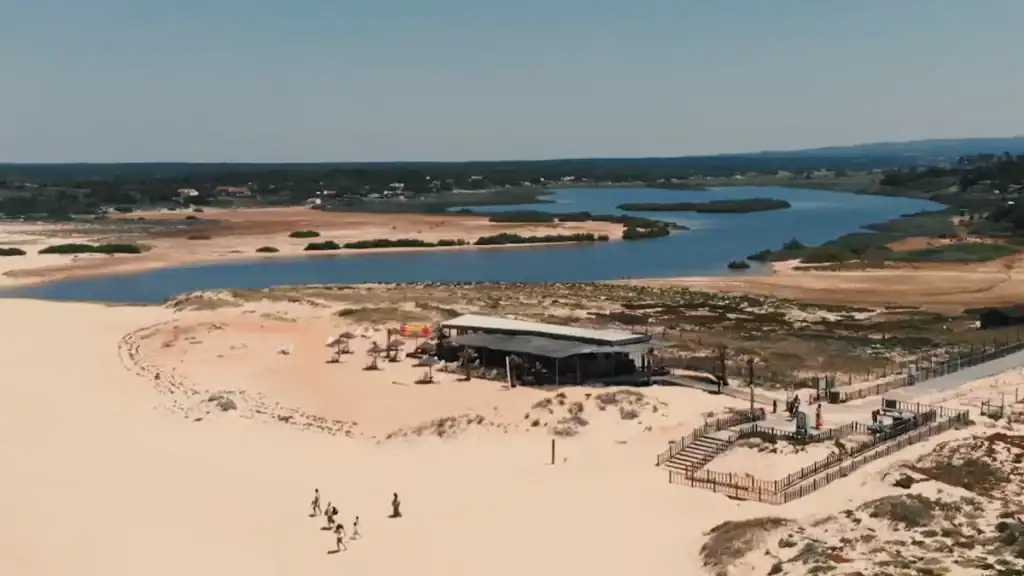
🏖️ Praia de Melides
The beach is where Melides feels at its wildest.
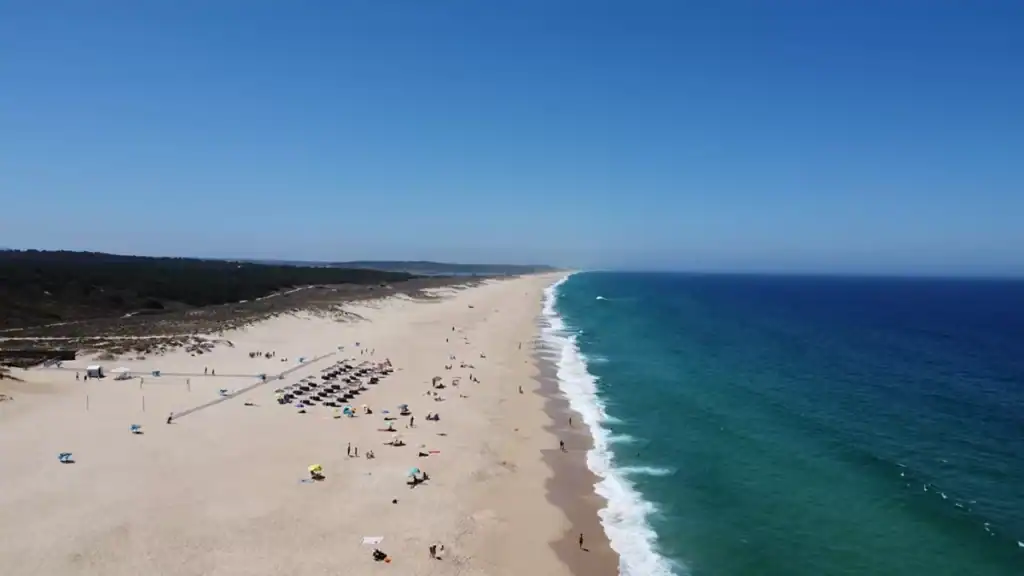
Reached by a short drive through pine forest, Praia de Melides stretches for kilometres along the Atlantic with broad dunes, powerful surf and surprisingly few buildings. Even during summer, the sense of space is one of the first things visitors notice.
What Praia de Melides Is Really Like
This isn’t a beach built around resorts.
| Feature | What to expect |
|---|---|
| 🌊 Atlantic waves | Strong surf with changing sea conditions |
| 🏖️ Wide sandy beach | Plenty of space throughout the year |
| 🌲 Natural dunes | Protected landscape with little development |
| ☀️ Summer facilities | Seasonal beach bar, sunbeds and lifeguards |
Melides feels noticeably quieter than many nearby beaches because development remains limited. Outside the main access point, long stretches of sand are backed only by dunes and pine forest, creating a coastline that still feels remarkably untouched.
Facilities and Nearby Beaches
Infrastructure is intentionally simple.
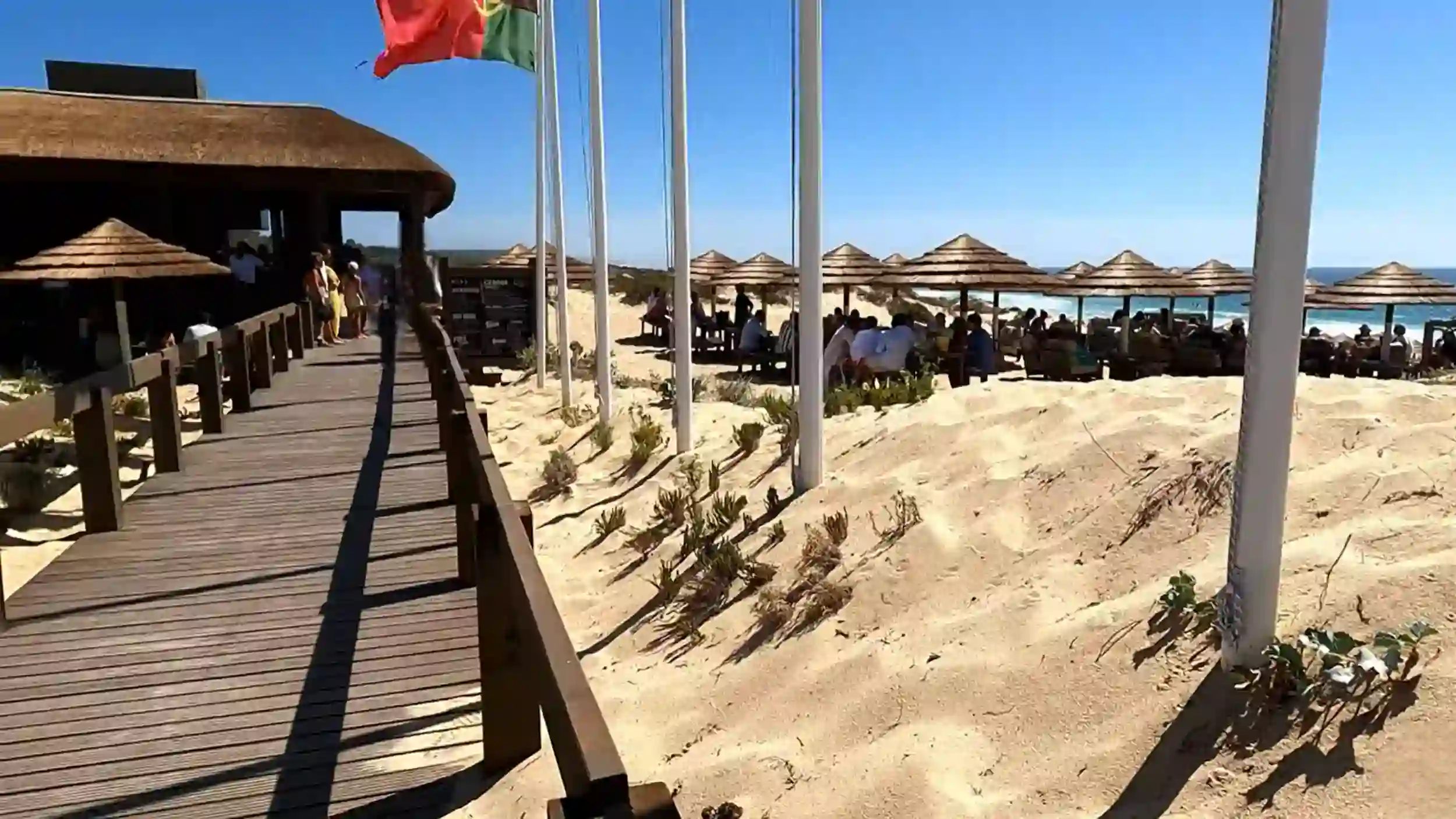
Lagoa Ó Mar provides seasonal food, drinks and sunbed hire close to the beach entrance, while lifeguards patrol during the official bathing season. Beyond that, facilities are deliberately minimal, allowing the landscape to remain the main attraction.
A little further north, Praia da Aberta Nova offers another expansive Atlantic beach with equally dramatic scenery, making it a worthwhile stop if you’re exploring more of this section of the Alentejo coast.
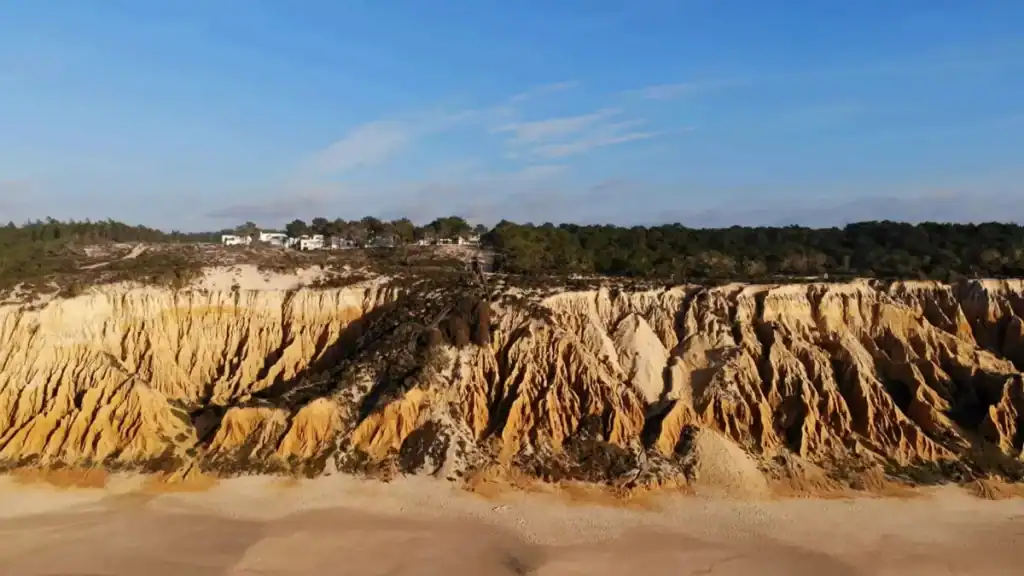
🪨 Fontainhas and the Fossil Cliffs
South of Melides, the coastline begins to change.
The long belt of dunes gradually gives way to dramatic cliffs of sandstone and clay, creating one of the most distinctive landscapes along the Alentejo coast. While many visitors come to Melides for its beaches, these striking rock formations reveal a completely different side of the region.
Exploring the Fossil Cliffs
The cliffs are as impressive up close as they are from a distance.
| Feature | What to expect |
|---|---|
| 🪨 Fossil cliffs | Layers of sandstone and clay dating back millions of years |
| 🚶 Coastal access | Wooden paths and steps leading to the beach |
| 📸 Afternoon light | Rich ochre and rust colours become more vivid |
| 🌊 Quiet beaches | Fewer visitors beyond the main access points |
The descent from the clifftop is steep but rewarding. Once on the beach, the cliffs stretch away in sweeping bands of colour, with occasional fossil fragments visible where natural erosion has exposed the older rock layers.
Further north, the same geological transition can also be appreciated from Praia da Aberta Nova, where the fossil cliffs first begin to emerge along the southern horizon. Seeing both locations helps explain how the coastline evolves from broad dune systems into the more rugged landscapes that continue towards Sines.
🌿 Who Melides Suits
Melides isn’t trying to be everything to everyone.
Travellers looking for nightlife, luxury shopping or a packed programme of attractions may find it too quiet. Those who enjoy uncrowded beaches, unhurried days and landscapes that still feel largely untouched are far more likely to appreciate what makes Melides special.
Who Will Enjoy Melides Most?
The destination rewards visitors who value simplicity over spectacle.
| Traveller type | Why Melides works well |
|---|---|
| 🌊 Beach lovers | Long, uncrowded stretches of Atlantic coastline |
| 🥾 Nature enthusiasts | Lagoon, wetlands, dunes and birdlife |
| 📷 Photographers | Dramatic coastal scenery and changing light |
| 🚗 Road trippers | Easy stop along the Alentejo coast |
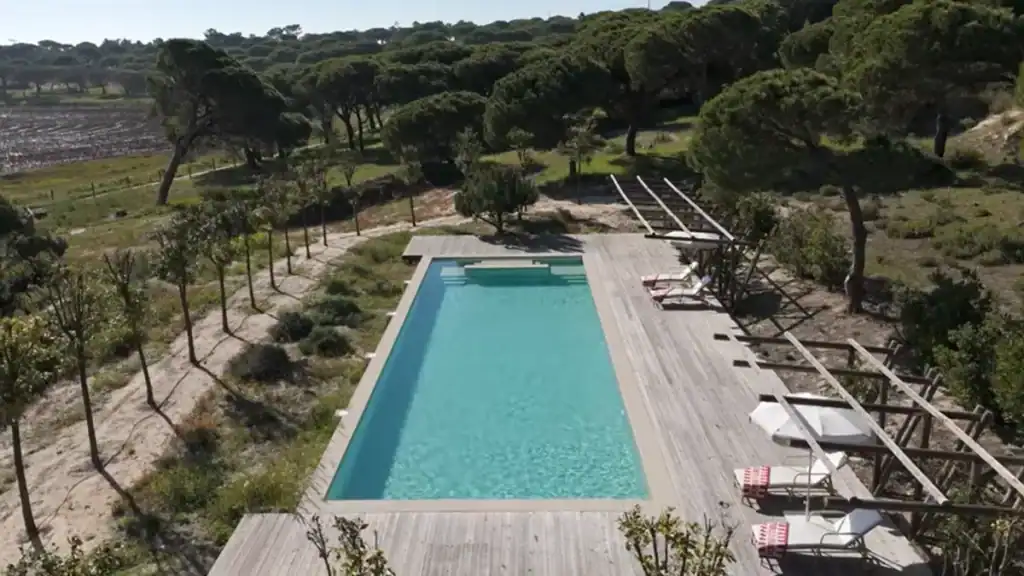
Although Melides has attracted increasing attention in recent years, the village still feels shaped more by its landscape than by tourism. New boutique hotels and cultural projects have added interest without fundamentally changing the relaxed atmosphere that first drew visitors here.
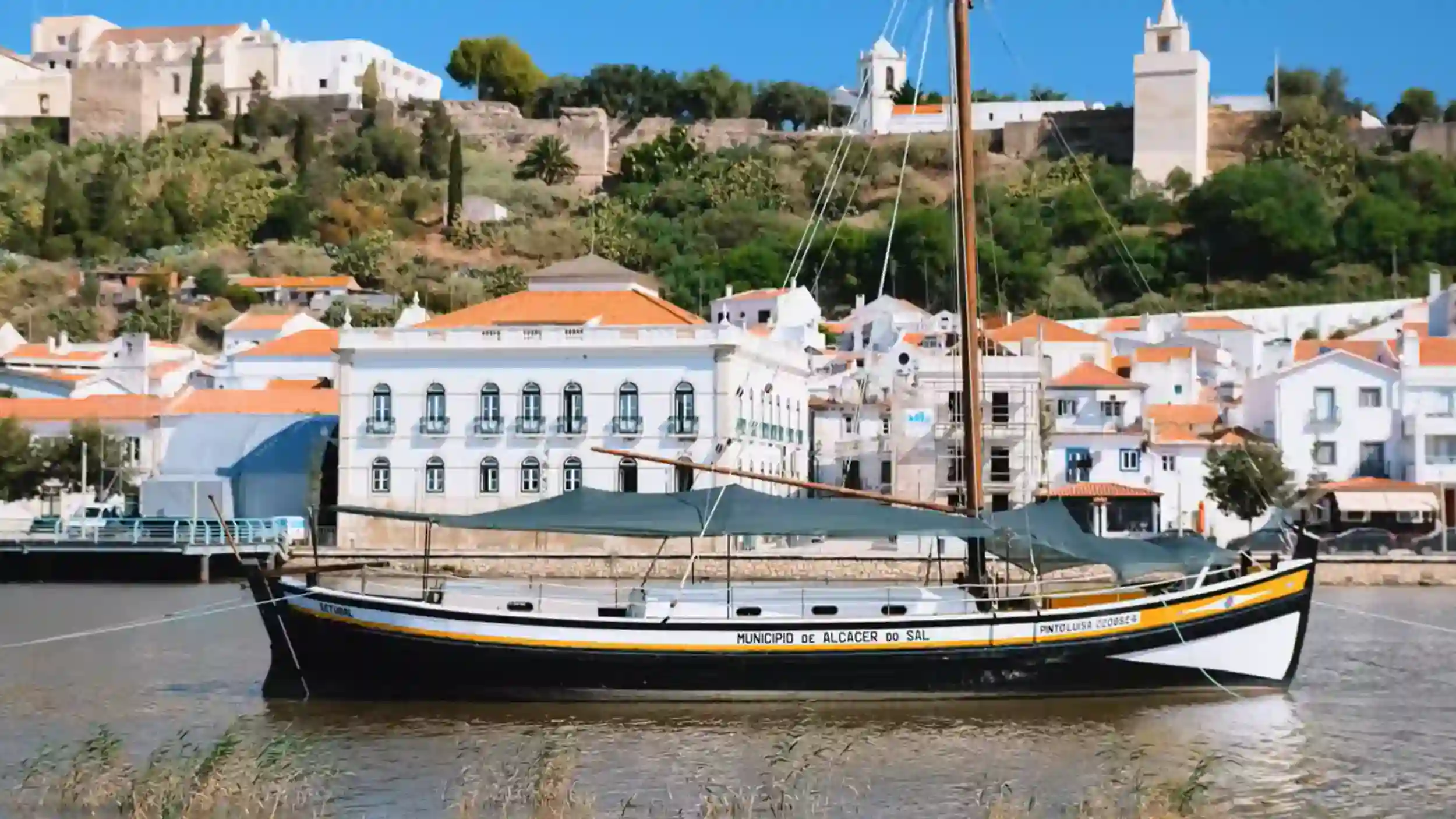
If you’re exploring the region by car, Melides also pairs naturally with Alcácer do Sal, whose riverside setting offers a very different perspective on the Alentejo. Approaching from the north, Lisbon to Comporta provides a useful overview of the route before continuing south to Melides.