We nearly treated Setúbal as nothing more than the gateway to the Tróia ferry, and Palmela would have been even easier to overlook. Spending time in both changed that. The port, castle, vineyards and Serra da Arrábida gave us context we would never have gained by driving straight through to Comporta.
Together, Setúbal and Palmela added the inland perspective missing from the coast. Elevation, history and working waterfront life contrasted sharply with the flat rice fields, estuary and Atlantic beaches we encountered later on the Comporta Coast.
⚓ Is Setúbal Worth Visiting Before the Tróia Ferry?
For us, yes. Setúbal felt like a working port first and a visitor destination second, which was exactly why stopping added something to the journey. Fishing, ferries and everyday life still shaped the waterfront, so the city never felt like somewhere existing mainly to receive travellers on their way south.
Walking around the centre, we passed seafood restaurants beside the harbour, the covered market and streets that felt local rather than arranged around tourism. Setúbal is known for that combination of working waterfront, seafood, old-town life and its position on the Sado Estuary. For us, the ferry terminal became only one part of the reason to be there.
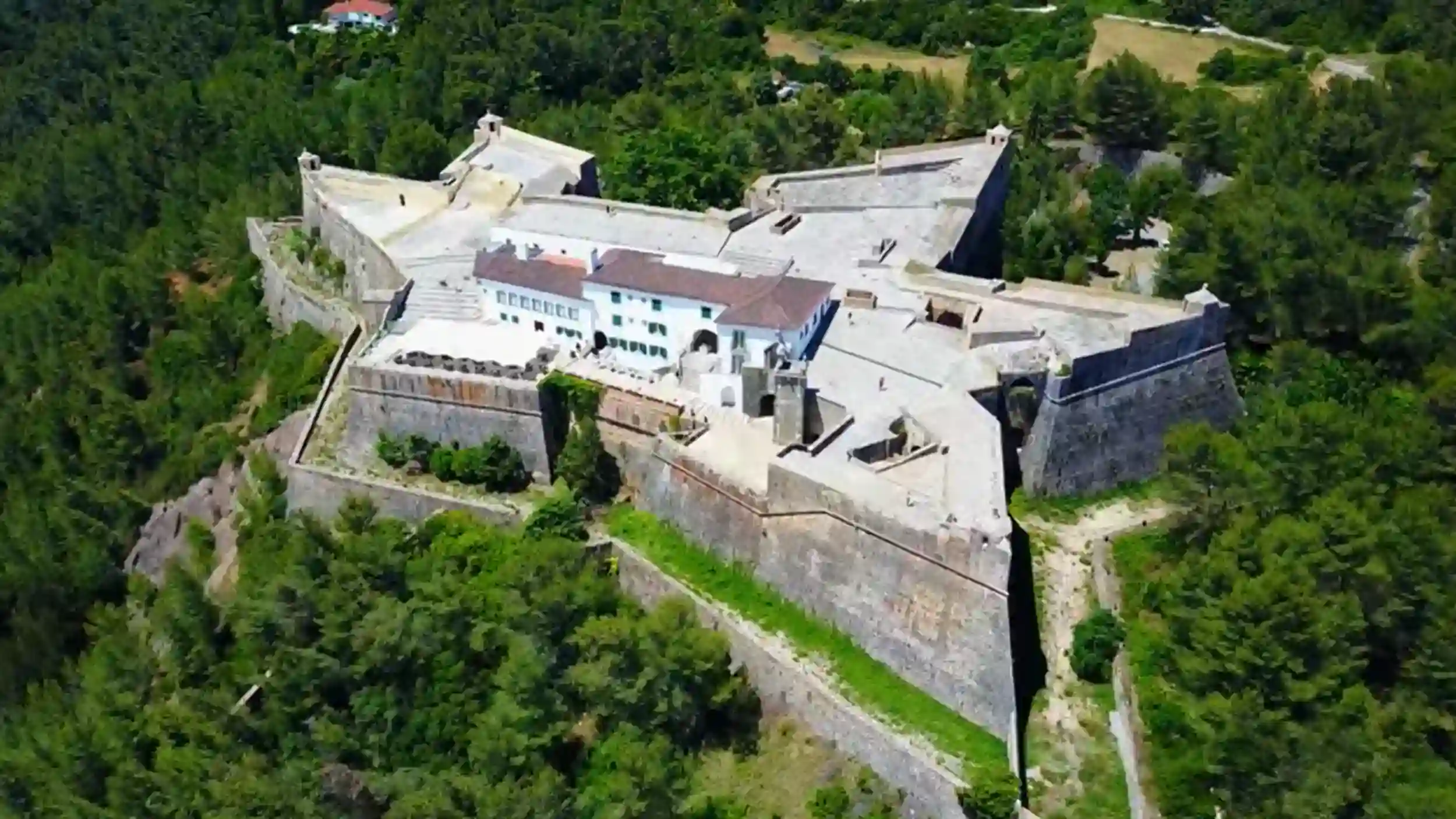
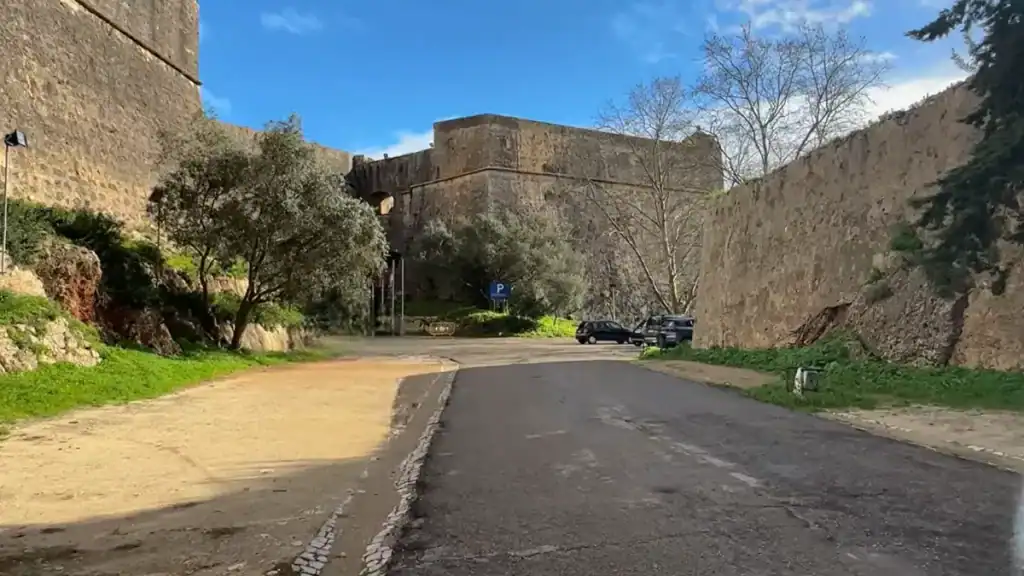
Fort of São Filipe would be our first stop
If time were limited, we would start above the city at the Fort of São Filipe. The elevated position gave us one of our clearest views across the Sado Estuary towards Tróia and the coast we were about to cross into.
That view did something a quick drive to the ferry could not. It helped us understand the geography first, then made the later crossing feel like part of a continuous journey rather than a transport connection. From there, our Lisbon to Comporta route continues towards Arrábida and the Tróia ferry.
⚓ IF YOU ONLY HAVE A FEW HOURS: we would prioritise the fort, waterfront and lunch rather than trying to tick off every sight in Setúbal.
⛰️ Is Serra da Arrábida Worth the Detour?
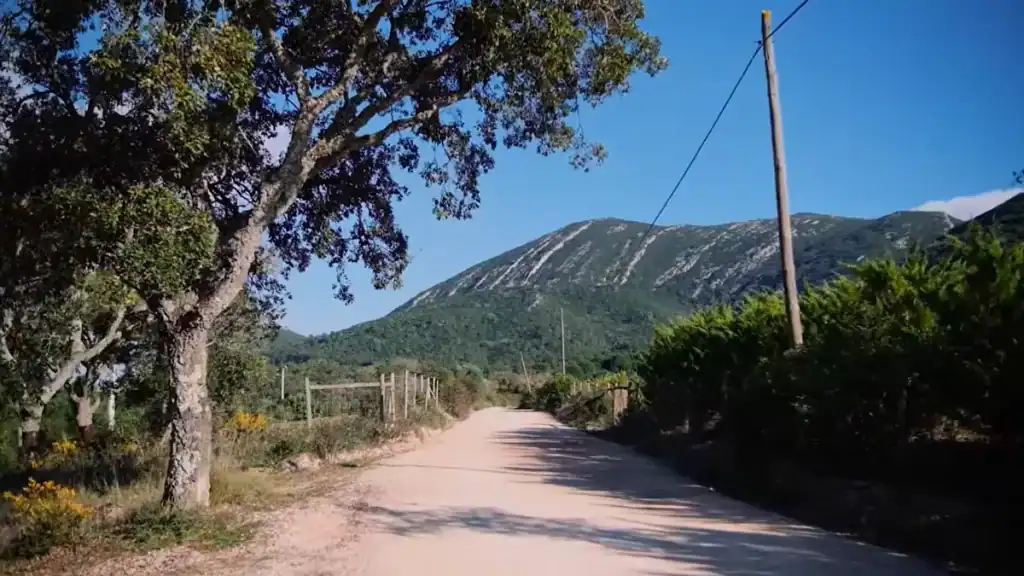
We would make the detour again unless time was genuinely tight. The protected limestone ridge rises almost immediately behind Setúbal, and within a short distance the working waterfront gave way to winding roads, pine-covered slopes, hidden coves and clear Atlantic water below the cliffs. It was the biggest scenic surprise of this part of the journey.
As the road climbed, the landscape opened rather than simply becoming prettier. From higher viewpoints we could see across the Atlantic and Sado Estuary, with Portinho da Arrábida and Galapinhos tucked below. Farther south, the mountains eventually give way to the low coastal plain around Comporta.
That contrast became one of the defining parts of the journey for us. Arrábida gave us the final high ground before the scenery flattened into dunes, pine forest and rice fields. The change made more sense because we had physically watched it happen.
⛰️ THE DETOUR WE WOULD KEEP: unless we were genuinely short of time, we would include Serra da Arrábida rather than drive directly to the ferry. The winding road slows the day down, but that was precisely why it stopped feeling like a transfer.
🏰 Is Palmela Worth Visiting Alongside Setúbal?
Yes, particularly if the castle views and wider geography interest you. Palmela sits around twelve kilometres north of Setúbal, yet the climb to its hilltop castle changed the atmosphere completely for us. Vineyards replaced the port landscape, and from the medieval fortress we could look across a huge sweep of the region before driving towards the coast.
On a clear day, the panorama stretches across the Setúbal wine region, the Sado and towards the Atlantic and Tróia. Walking the ramparts, we could trace the geography far more easily than from ground level. More than the castle architecture itself, that broad view was what justified the detour for us.
Twelve kilometres was a small detour for that perspective
Palmela is worth visiting if views over vineyards and understanding the wider landscape appeal more than adding another town centre to the itinerary. We would make it the high first stop, then descend to Setúbal before continuing towards Arrábida and the ferry.
The order mattered. Starting high in Palmela gave us the overview first. Setúbal then brought us down to the working estuary, while Arrábida added the mountains before the landscape finally flattened beyond Tróia. Our scenic Lisbon to Comporta route follows that progression.
⛴️ How Long Does the Setúbal to Tróia Ferry Take?
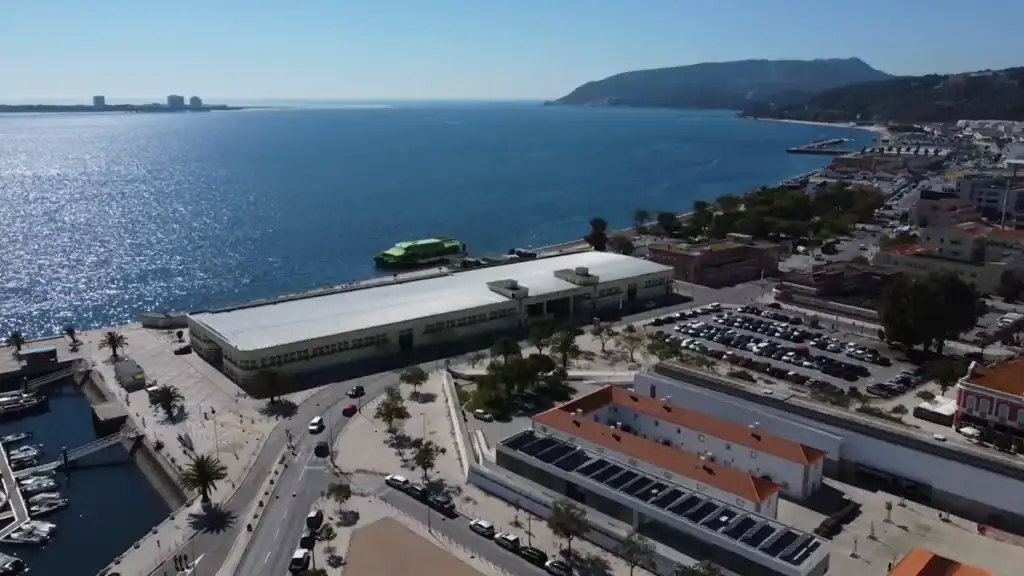
Our vehicle crossing from Doca do Comércio took around twenty to twenty-five minutes, followed by roughly another twenty minutes of driving south from Tróia towards Comporta. That made the ferry practical enough to use as part of the route while still giving us a clear break between Setúbal and the flatter coastal landscape ahead.
In practical terms, those two timings were more useful to us than thinking about the journey as one continuous drive. The ferry breaks the route into two very different sections, and that was exactly how it felt from the car: city and estuary first, then pine forest, dunes and the road south.
- ⛴️ Setúbal to Tróia: around 20 to 25 minutes on the vehicle ferry.
- 🚗 Tróia to Comporta: around 20 minutes by road.
- 🐬 On the crossing: the resident Sado Estuary Dolphins are sometimes seen, although a sighting should never be assumed.
- 🌲 After landing: pine forests and dunes replace the urban waterfront almost immediately.
The crossing solved a practical problem without feeling like mere transport. We kept looking back towards Setúbal and Arrábida, then ahead to the long sandy peninsula. Twenty minutes on the water created a cleaner sense of transition than simply driving around the estuary.
Once ashore, the final approach changed again. Pine forest, dunes and later rice fields replaced the city. By then, the ferry had done more than connect two sides of the estuary. It had given the trip a clear before and after.
🗺️ How Much Time Do You Need for Setúbal and Palmela?
We would allow most of a day if we wanted to combine Palmela, Setúbal, Serra da Arrábida and the ferry without turning every stop into a race. Trying to squeeze all four into a rushed morning would defeat the point. They worked for us because we allowed the landscape to unfold in sequence rather than treating every extra kilometre as time lost.
| Stop | How we would use it |
|---|---|
| 🏰 Palmela | Start high for the castle and vineyard views |
| ⚓ Setúbal | Fort, waterfront and lunch |
| ⛰️ Serra da Arrábida | Slow down for the ridge road and viewpoints |
| ⛴️ Tróia ferry | Cross the estuary and continue south to Comporta |
We would begin at Palmela, descend into Setúbal, then drive through Serra da Arrábida before returning towards the ferry. That order gave the day a natural progression from vineyards and high viewpoints to city, mountains and finally water.
If the schedule were tight, we would cut stops rather than compress all four. Palmela is the easiest to skip if castle views are not a priority. Setúbal deserves more than a drive-through if seafood, waterfront life and the fort appeal. Arrábida is the part we would protect if scenery is the main reason for taking the slower route.
Together with the Comporta Coast, these stops gave us the basis of a much richer two or three-day itinerary. More importantly, they explained the geography before the beaches and rice fields became the focus.
⭐ Would We Stop in Setúbal and Palmela Again?
Yes, but for different reasons. Setúbal is the stronger stop if you want seafood, waterfront life, the fort and the practical connection to Tróia. Palmela earns its place through elevation and the vineyard panorama rather than the amount there is to do.
For us, neither worked as filler before Comporta. Setúbal showed us the estuary at ground level, Palmela showed us the region from above, and Arrábida filled the space between with mountain scenery. By the time the ferry reached Tróia, the flat Comporta landscape felt like the next chapter rather than an unrelated destination.