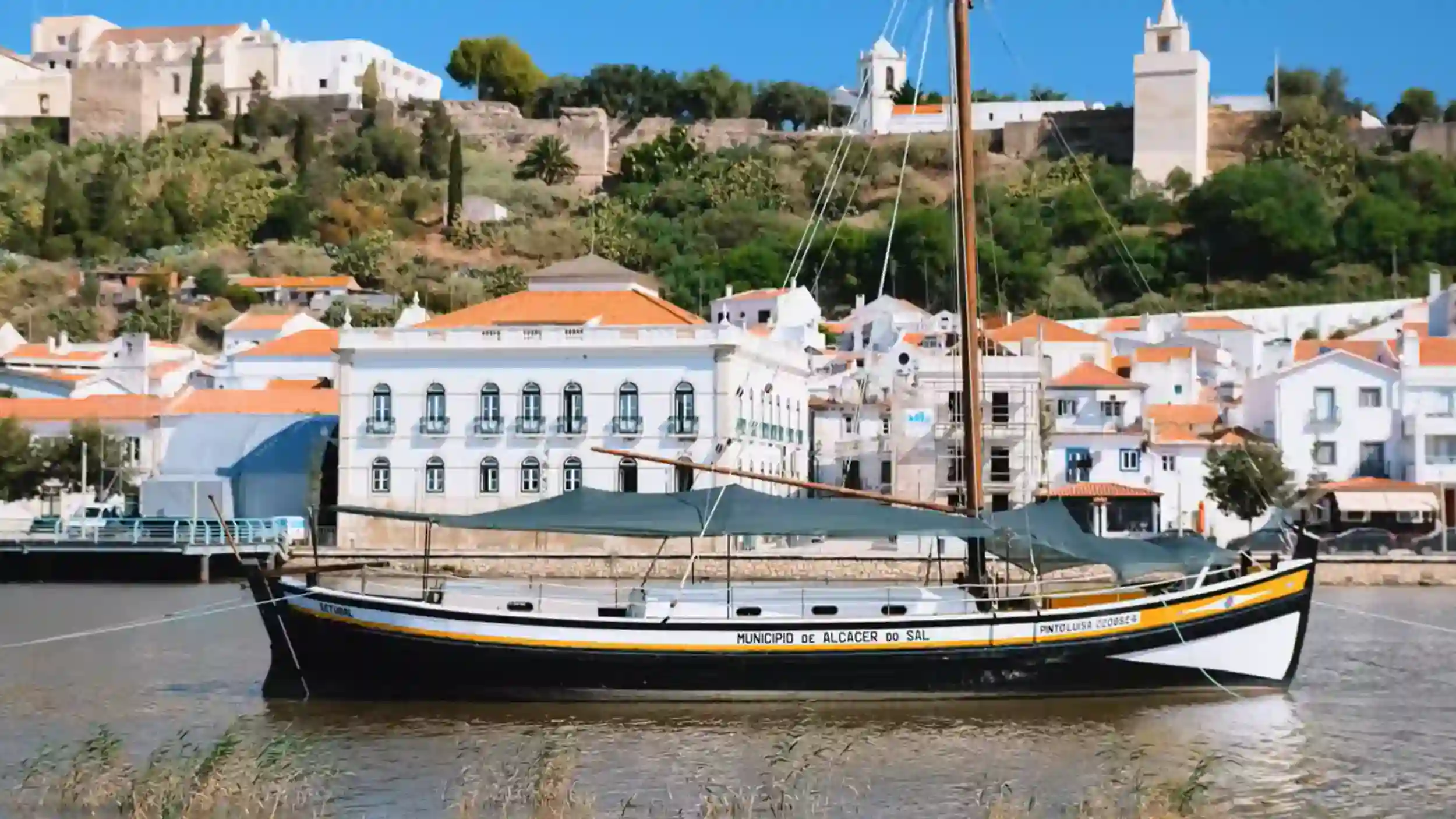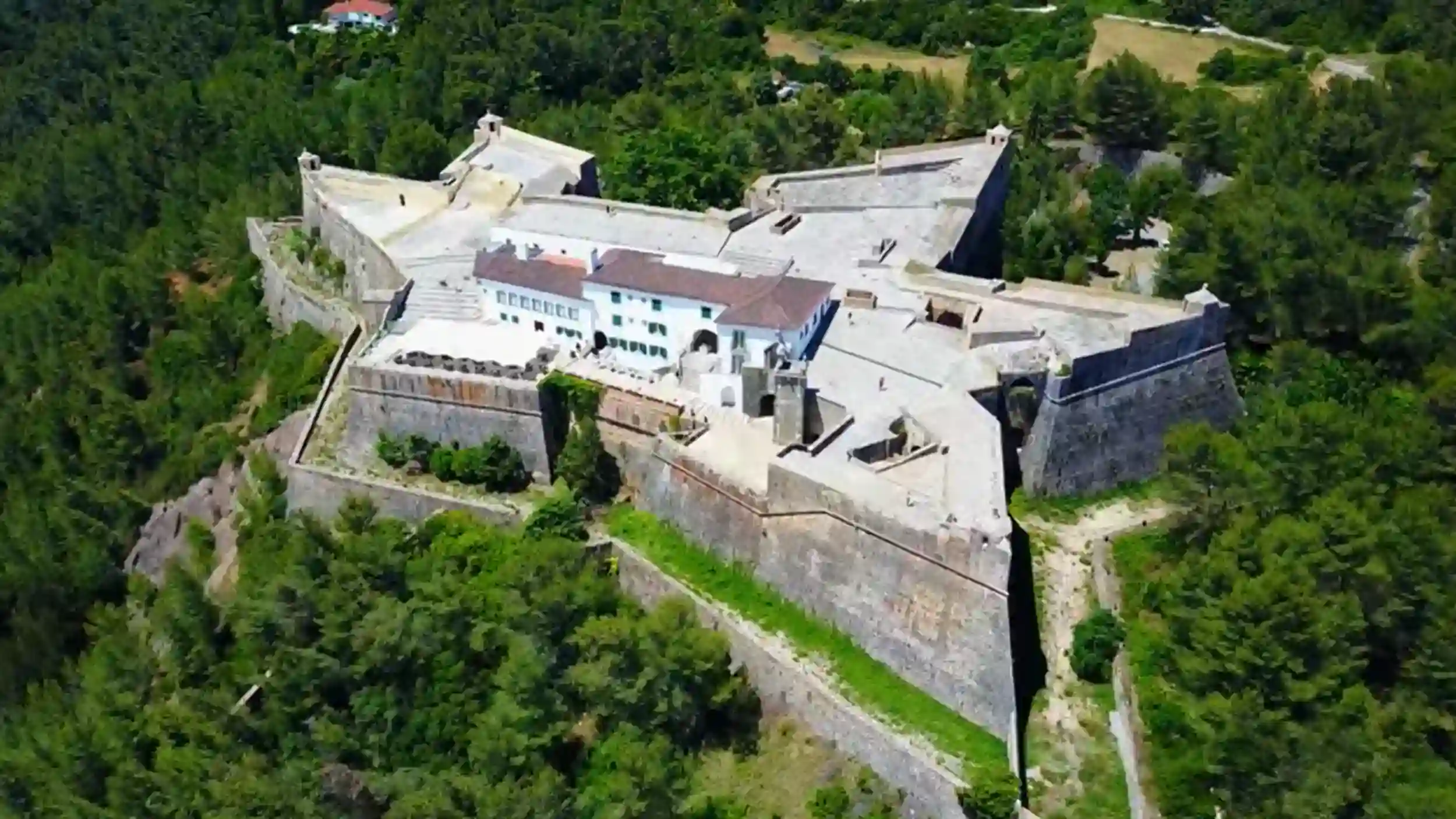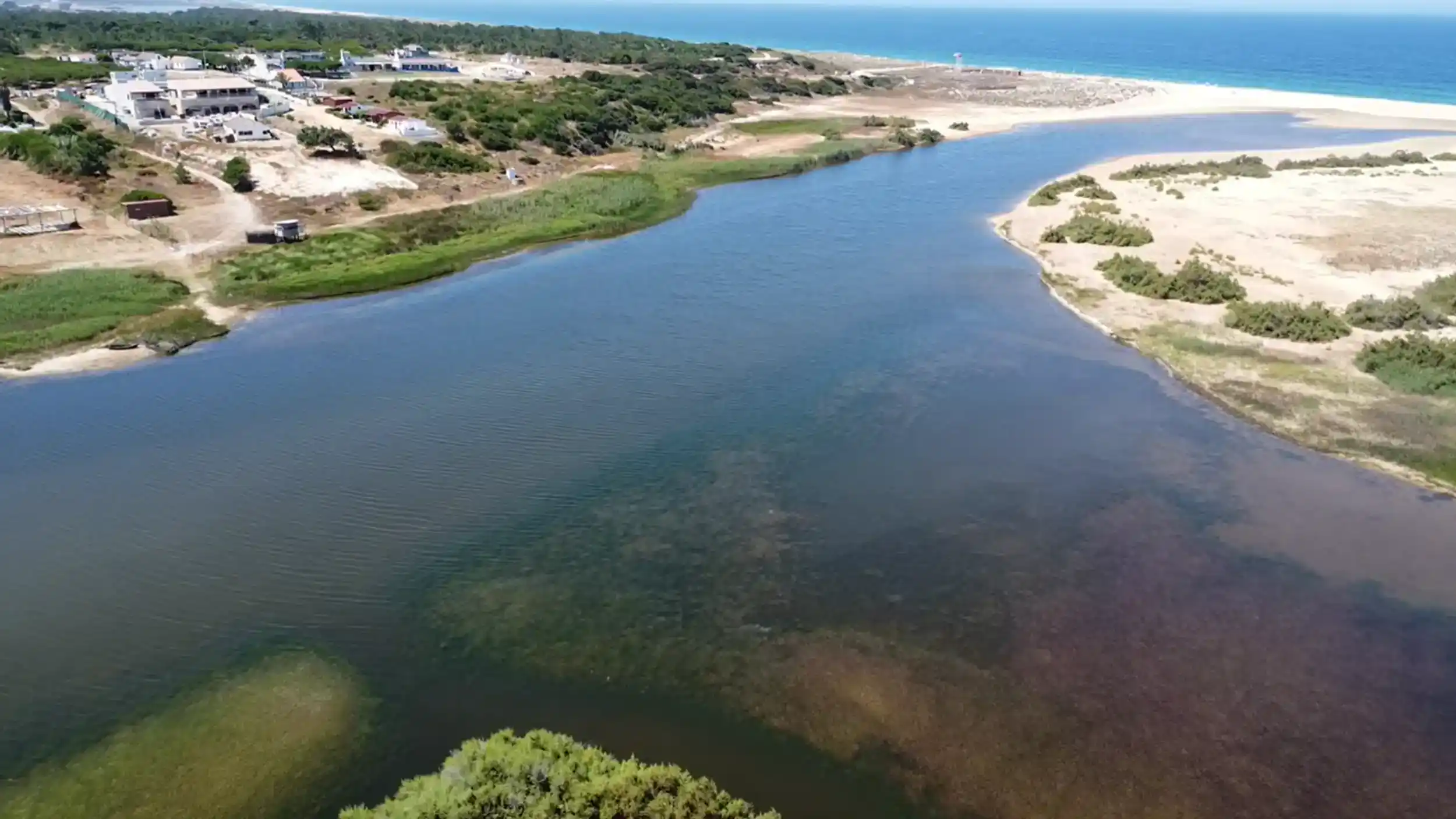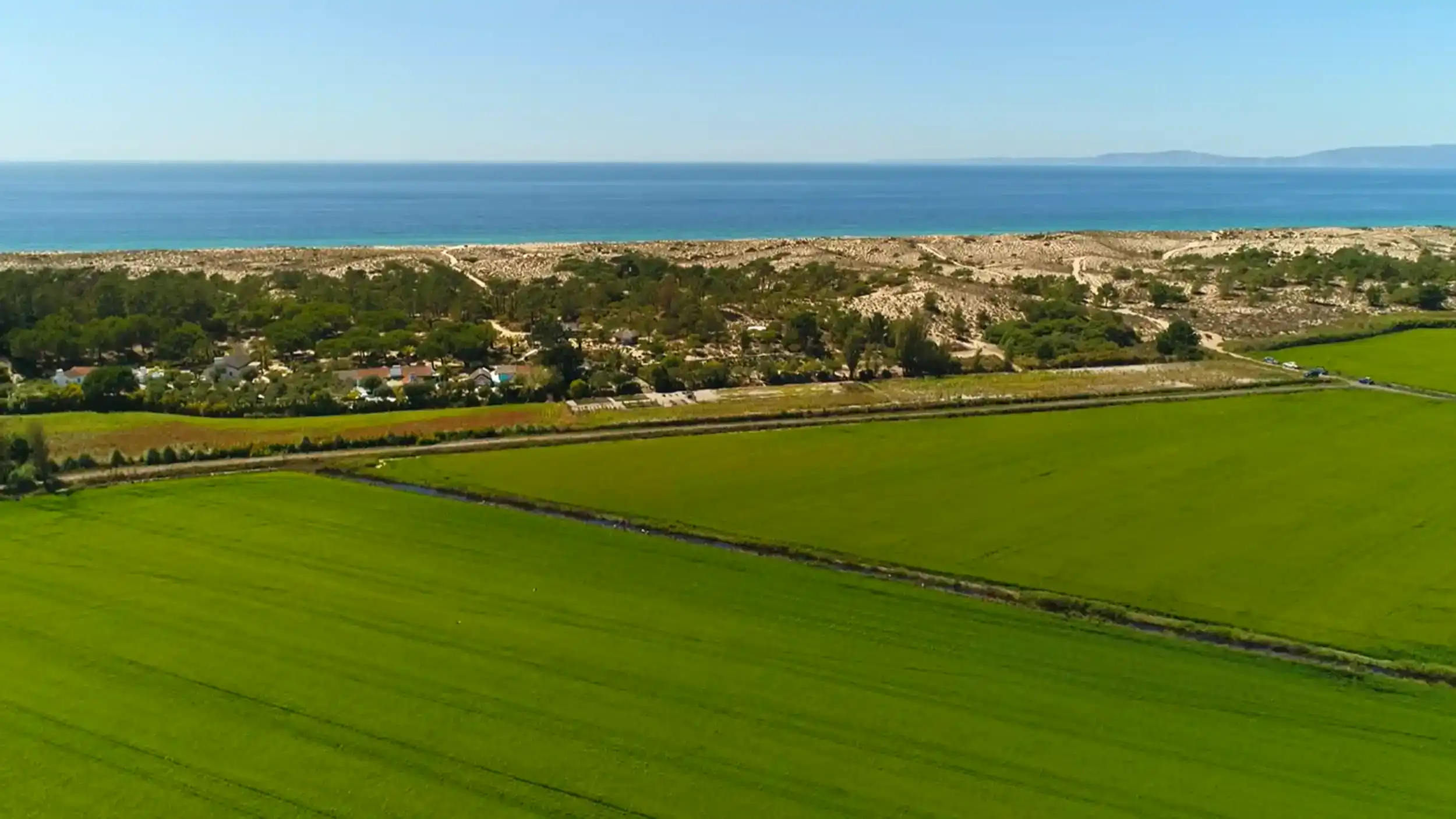
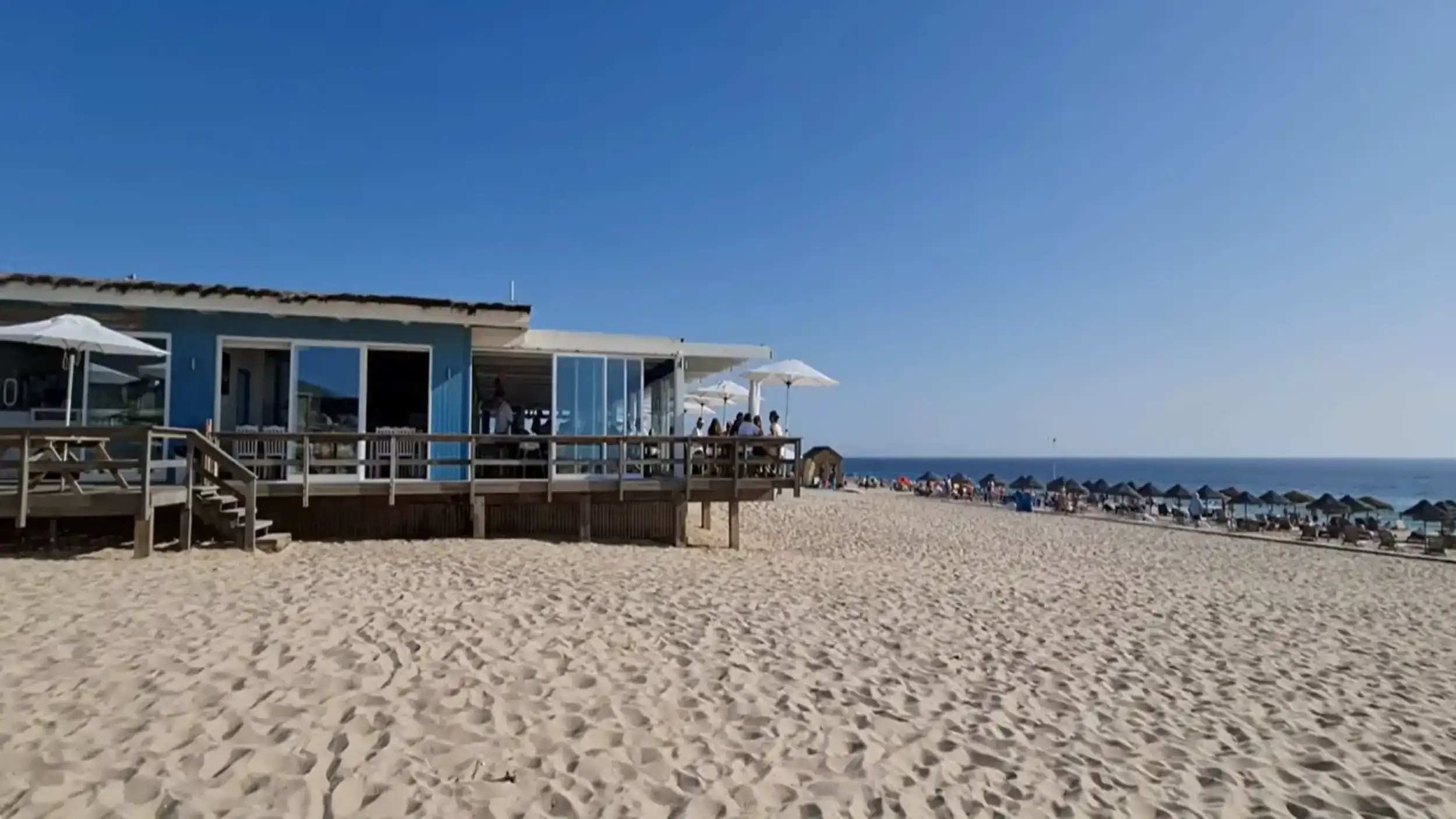
The Comporta Coast made much more sense to us once we stopped treating it as a single fashionable village. Across roughly sixty kilometres between the Sado Estuary and Melides, seven communities, rice fields, pine forest, dunes and Atlantic beaches form one connected landscape. For us, that wider geography is the real reason the coast is worth exploring.
Before visiting, we had imagined Comporta mainly as one place with a beach attached. Driving farther changed that quickly. The journeys between villages, wetlands and shoreline became part of the experience, and the contrast between estuary, agriculture and open Atlantic explained why this coast feels so different from a conventional Portuguese resort.
🌍 What Is the Comporta Coast Actually Like?
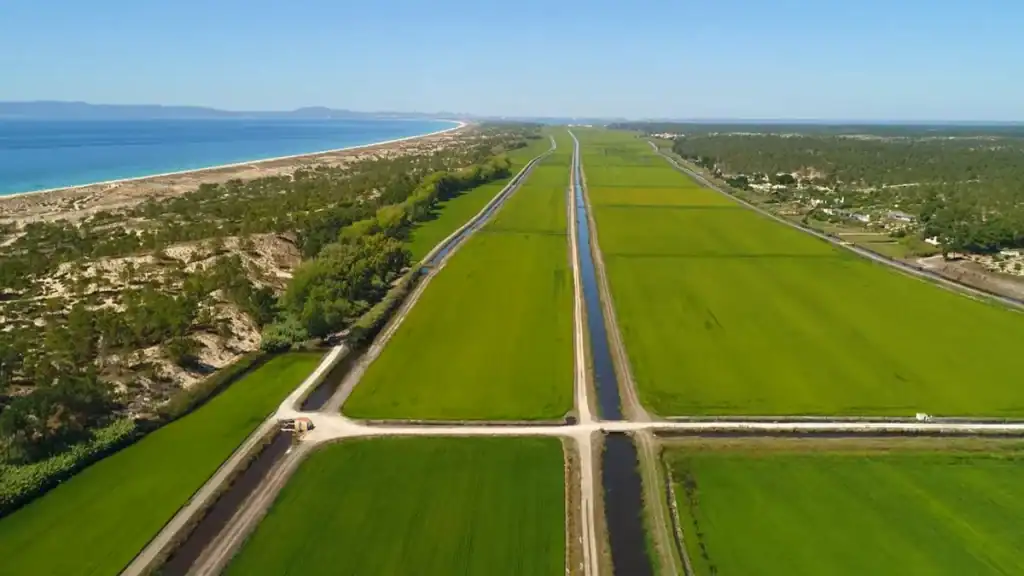
What made the coast unusual for us was how several very different landscapes sat almost side by side. The Sado Estuary lies to the east, while dunes and pine forest separate the Atlantic from the interior in the west. Between them, the land is strikingly flat, filled with rice fields, irrigation canals, cork oak woodland and small villages.
What surprised us was how quickly one setting gave way to another. We could leave quiet estuary mudflats, cross working paddies and then walk over dunes to the ocean without ever feeling that we had travelled particularly far. The road itself kept explaining the region to us.
🌊 WHAT DEFINES THE COAST: estuary to the east, Atlantic to the west, agriculture in between. Once we understood that simple pattern, the villages and beaches stopped feeling like disconnected stops.
Water changed more than the flat terrain suggested
Despite the lack of dramatic relief, water kept changing the light and colour around us. Flooded paddies reflected the sky, canals cut through the agricultural interior and tides reshaped the eastern edge of the coast. The landscape was subtle rather than theatrical, but it rarely felt static.
Exploring the Comporta Rice Fields helped us understand those transitions properly, especially the connection between water management, cultivation and the villages built around them.
🏘️ Which Villages Make Up the Comporta Coast?
We had expected “Comporta” to revolve around one main village. Instead, we found seven communities shaping the core coast: Carrasqueira, Comporta, Possanco, Torre, Brejos, Carvalhal and Pego. They do not all function as visitor centres, and that unevenness was part of what made the area feel lived in rather than packaged.
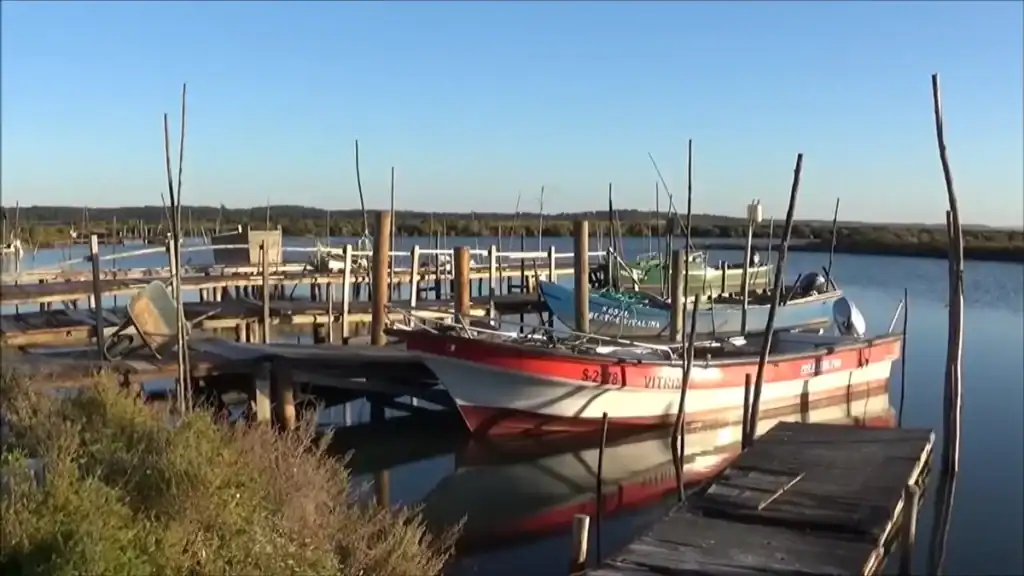
- ⚓ Carrasqueira: closest to the estuary story, with the wooden palafitic fishing pier and mudflats.
- 🏡 Comporta: the best-known village, with restaurants, boutiques and the Museu do Arroz, while the beach sits around two kilometres away.
- 🌾 Possanco: predominantly residential and closely tied to the agricultural landscape.
- 🚲 Torre: another quiet village woven into rice fields, canals and farmland.
- 🌿 Brejos: low-key and residential rather than a conventional tourist centre.
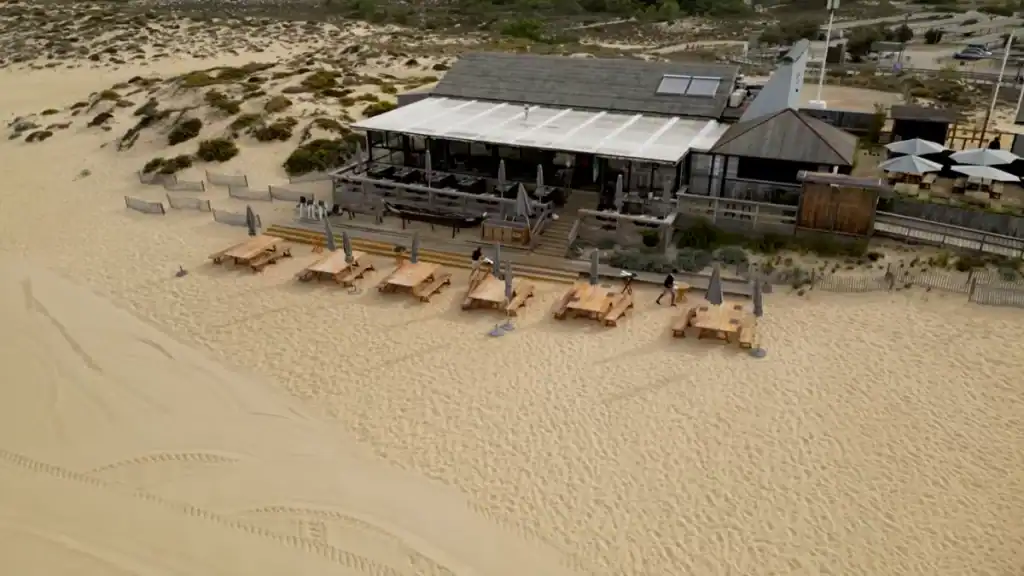
- 🏖️ Carvalhal: more polished, with stylish beach restaurants, surfing and boutique accommodation.
- 🌊 Pego: our gateway to some of the broad sandy coastline we most enjoyed.
Seeing them in sequence changed how we explored. Carrasqueira faced the estuary; Comporta carried the international reputation; the smaller inland villages almost disappeared into the rice fields; Carvalhal and Pego pulled us back towards the Atlantic.
Carrasqueira and Comporta challenged two assumptions straight away
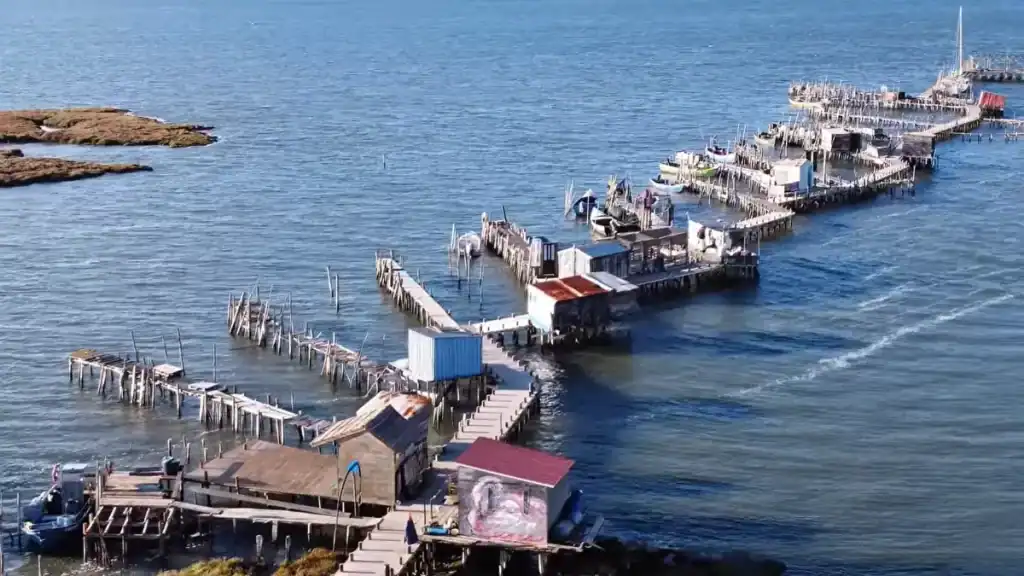
Carrasqueira showed us the estuary side of the region rather than the beach one. Its wooden fishing pier, built as a network of walkways above the mudflats, felt completely different from the Atlantic imagery we had associated with Comporta before arriving. Our Carrasqueira Palafitic Pier guide explains that working relationship with tide and fishing in more detail.
Comporta village then surprised us in another way: it was much smaller than its reputation suggested. Restaurants, boutiques and the Museu do Arroz sit in the village, but the beach is around two kilometres away across the rice fields. Once we understood that separation, Comporta Village and Praia da Comporta stopped feeling like two halves of one resort.
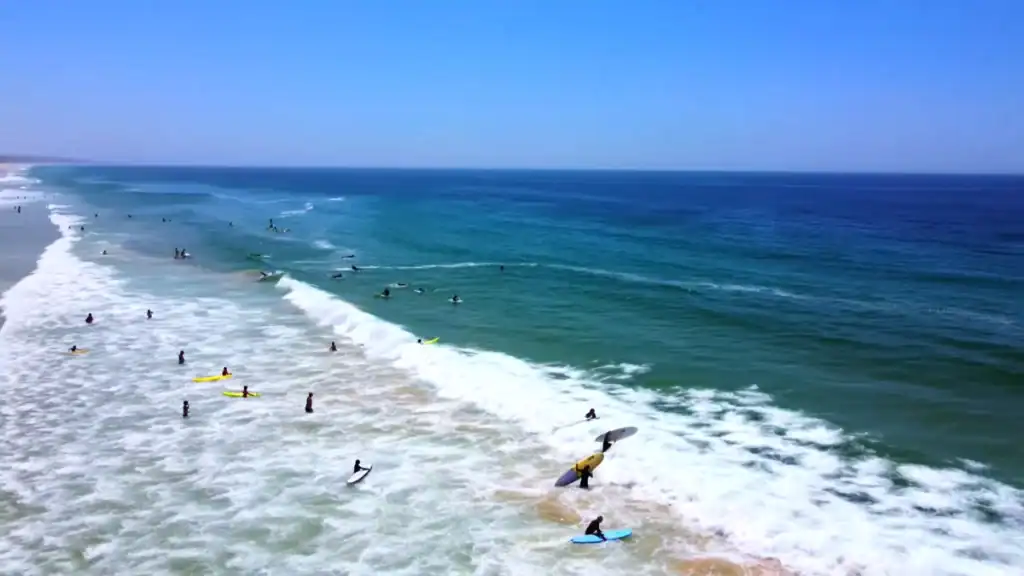
Farther south, Carvalhal and Pego brought a more stylish beach culture. By the time we continued towards Melides, the familiar rice-field-and-dune pattern was beginning to loosen as lagoons, fossil cliffs and a wilder southern shoreline took over.
🌾 Why Are the Rice Fields So Important to Comporta?
At first, we treated the paddies as attractive scenery to drive through. That view did not last. Rice cultivation explains much of the coast’s internal structure, including where communities developed, how water moves through the landscape and why the flat interior changes so visibly from season to season.
Irrigation canals and water management sit behind what can initially look like simple open countryside. Seasonal workers also helped establish many of the communities that remain here today. Once we understood that history, the fields stopped feeling decorative and started to feel central to the identity of the coast.
The same paddies gave us four different versions of the landscape
In summer, vivid green rice stretched towards the dunes. Before the autumn harvest, those colours move towards gold. Winter flooding creates broad reflective surfaces, while spring begins another cycle of planting and fresh growth.
That seasonal change is why we would not describe the rice fields as a one-off sight. They are one of the reasons the coast rewards returning at a different time of year. Our Comporta Rice Fields guide follows that cycle in much greater detail.
🚲 WHERE WE WOULD SLOW DOWN: away from the beaches, the quieter roads make it easier to notice paddies, canals, villages and the distant dune belt together. The interior made more sense to us at that slower pace.
🏖️ Which Comporta Beaches Are Worth Visiting?
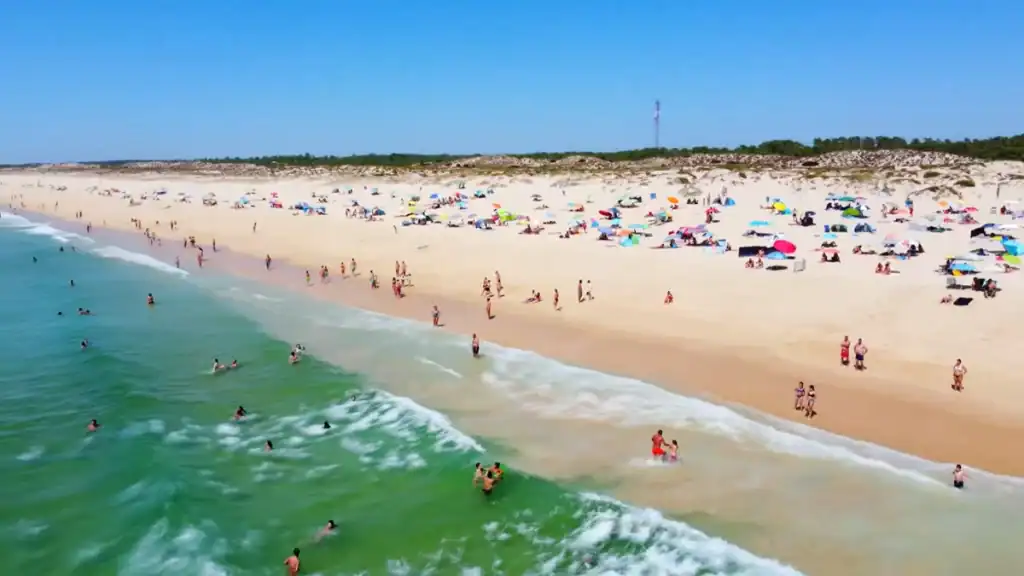
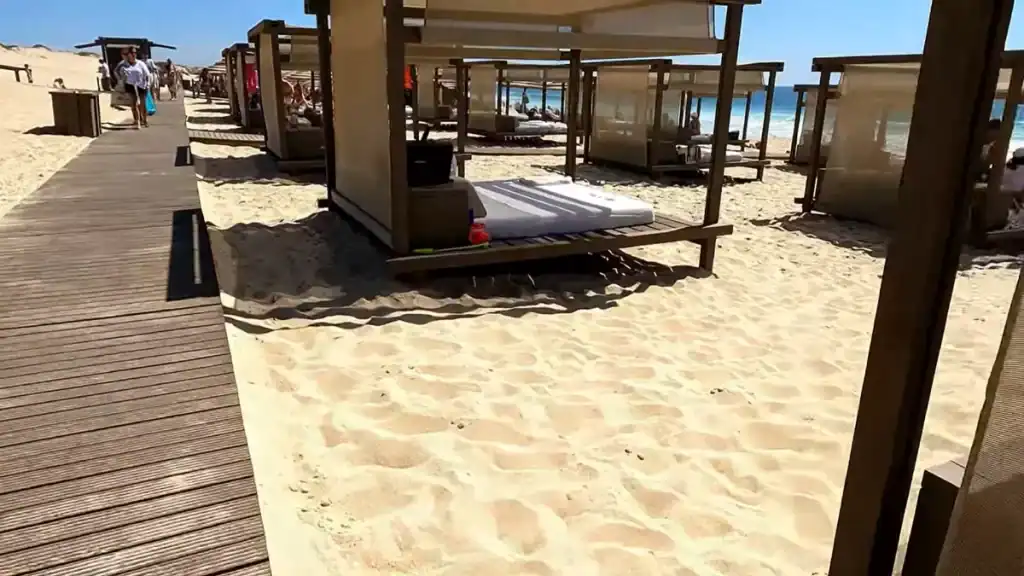
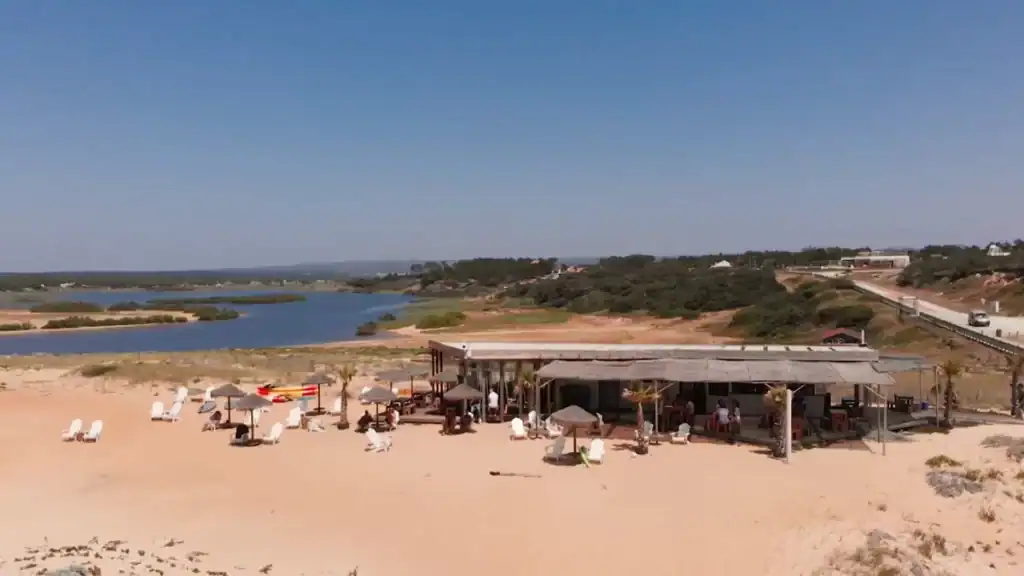
We would choose between the beaches according to the kind of day we wanted rather than search for one universal “best” beach. Praia da Comporta gave us easier access and seasonal facilities, Carvalhal felt livelier and more connected with surfing and beach restaurants, Pego was broad and relaxed, while the coast around Melides became progressively wilder.
That small act of arrival mattered. Development was often difficult to see once we reached the sand, and the sense of space became one of our strongest memories of the region.
What they shared was the way the Atlantic often stayed hidden until the last moment. Pine forest and a broad dune belt separate the villages from the sea, so reaching the shoreline usually meant leaving the road, crossing the dunes and then watching kilometres of pale sand open in front of us.
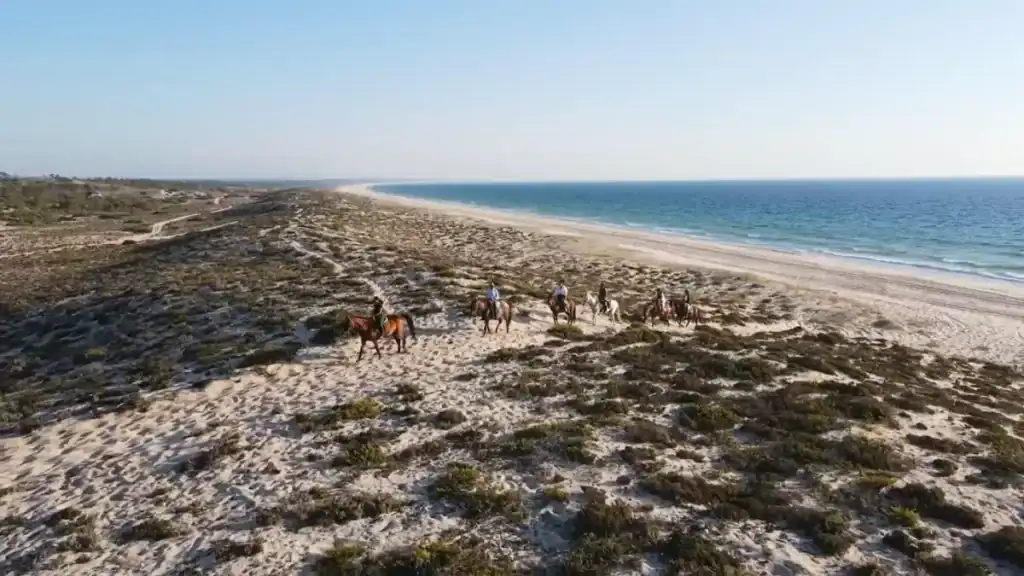
South of the best-known beaches, the coastline became rougher around the edges
Near Melides, long sandy beaches began to meet more rugged scenery and increasingly prominent cliffs. Praia da Aberta Nova was the sort of place we wanted from this stretch: undeveloped, spacious and noticeably quieter.
🏖️ WHAT THE BEACHES DO BEST: space, dune-backed scenery and long Atlantic horizons. We would look elsewhere if a promenade, dense resort facilities or dramatic rock formations were the priority.
🦩 Is the Sado Estuary Worth Visiting?
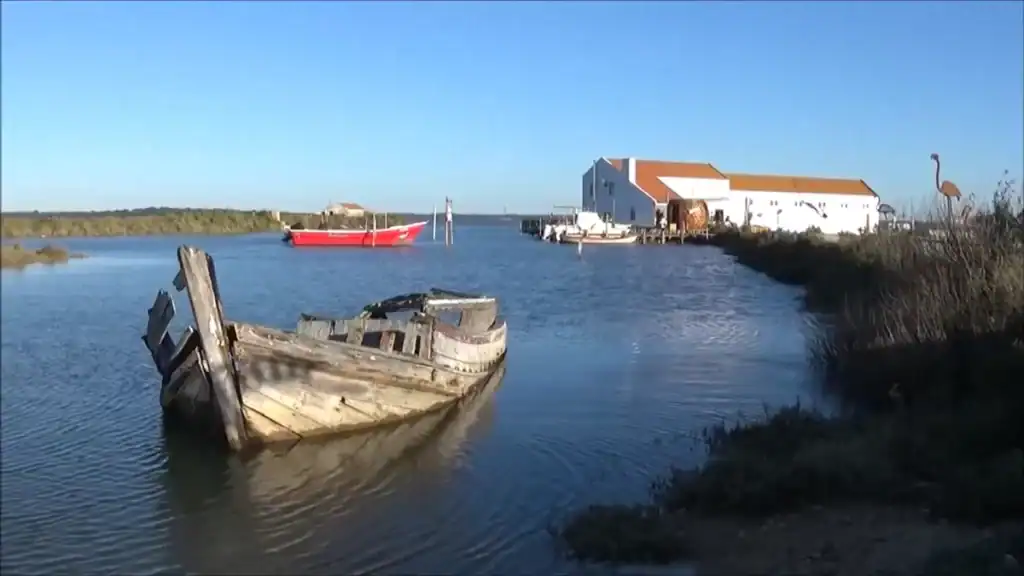
For us, yes. We came for the Atlantic, but the eastern side of the coast became just as important. The Sado Estuary added wetlands, mudflats, fishing traditions and birdlife to a trip that could otherwise have been dominated by beaches.
The resident bottlenose dolphins were one of the natural experiences we most wanted to understand. Boat trips from Setúbal offer opportunities to look for them in the wild, although we would never treat a sighting as guaranteed. Our Sado Estuary Dolphins guide explains the tours and the resident pod in more detail.
Low tide showed us a different coast again
The wildlife story extended far beyond dolphins. More than 200 bird species have been recorded around the estuary, and low tide exposed broad mudflats where we could watch waders using the shallows. Spoonbills, curlews, whimbrels, herons, egrets and white storks all reinforced the value of spending time away from the shoreline.
Flamingos around the estuary and birdlife in the rice fields made wildlife feel woven into ordinary journeys rather than confined to one excursion. That was one reason the Sado felt essential rather than optional alongside the Comporta Coast.
🚫 Who Is the Comporta Coast Not Suited For?
We would be cautious recommending the Comporta Coast to someone who wants one busy resort centre, easy public transport, a beachfront promenade and a dense list of attractions within walking distance. Those are not minor omissions here; they change how the whole region works as a holiday destination.
The villages are spread across a wide area, with rice fields, pine forests and countryside between them. We found a car the practical way to explore. Accommodation and restaurant prices could also surprise anyone arriving with the assumption that rural Portugal automatically means inexpensive.
For us, those gaps were part of the appeal because atmosphere mattered more than attractions. Someone wanting spectacular rock formations, nightlife or constant entertainment may reach the opposite conclusion. Our guide to whether the Comporta Coast is worth visiting goes deeper into that traveller-fit question.
🍂 What Is the Best Time to Visit the Comporta Coast?
Early autumn would be our first choice because it combines harvest colours, softer light, fewer visitors and pleasantly warm sea temperatures. We would still return in another season because rice-field colour, beach atmosphere, wildlife and even the feel of the villages shift enough to create a noticeably different coast.
🌱 SPRING: flooded paddies begin receding, fresh growth spreads across the interior and birdlife becomes increasingly active. We would choose it for peaceful beaches and the agricultural landscape rather than guaranteed summer conditions.
☀️ SUMMER: the rice fields are vividly green and beach conditions are warmer, but July and August are also the busiest period. Anyone drawn by tranquillity should expect the coast to feel less empty.
🌾 EARLY AUTUMN: this would be our preferred balance. Harvest colours, softer light, fewer visitors and pleasantly warm sea temperatures combine several of the things we valued most.
🌧️ WINTER: flooded fields, migratory birds and almost empty beaches create a quieter version of Comporta. We would choose it for wildlife and solitude rather than conventional beach time.
The Comporta Rice Fields change enough through the year that the season does more than alter the weather. It changes what the coast actually looks like.
⭐ Is the Comporta Coast Worth Visiting?
Yes, we think the Comporta Coast is worth visiting if the landscape itself is part of what you travel for. The strongest days were not built around major attractions. They came from moving between rice fields, estuary mudflats, small villages, pine forest and long Atlantic beaches without rushing the spaces in between.
Its limitations are real. You need to accept a spread-out region, a strong case for having a car, relatively few conventional sights and prices that can feel high for somewhere so rural.
For us, none of that outweighed the appeal. Once we stopped treating Comporta as one fashionable village and began reading the whole coast as a connected landscape, it became far more interesting than we had expected.