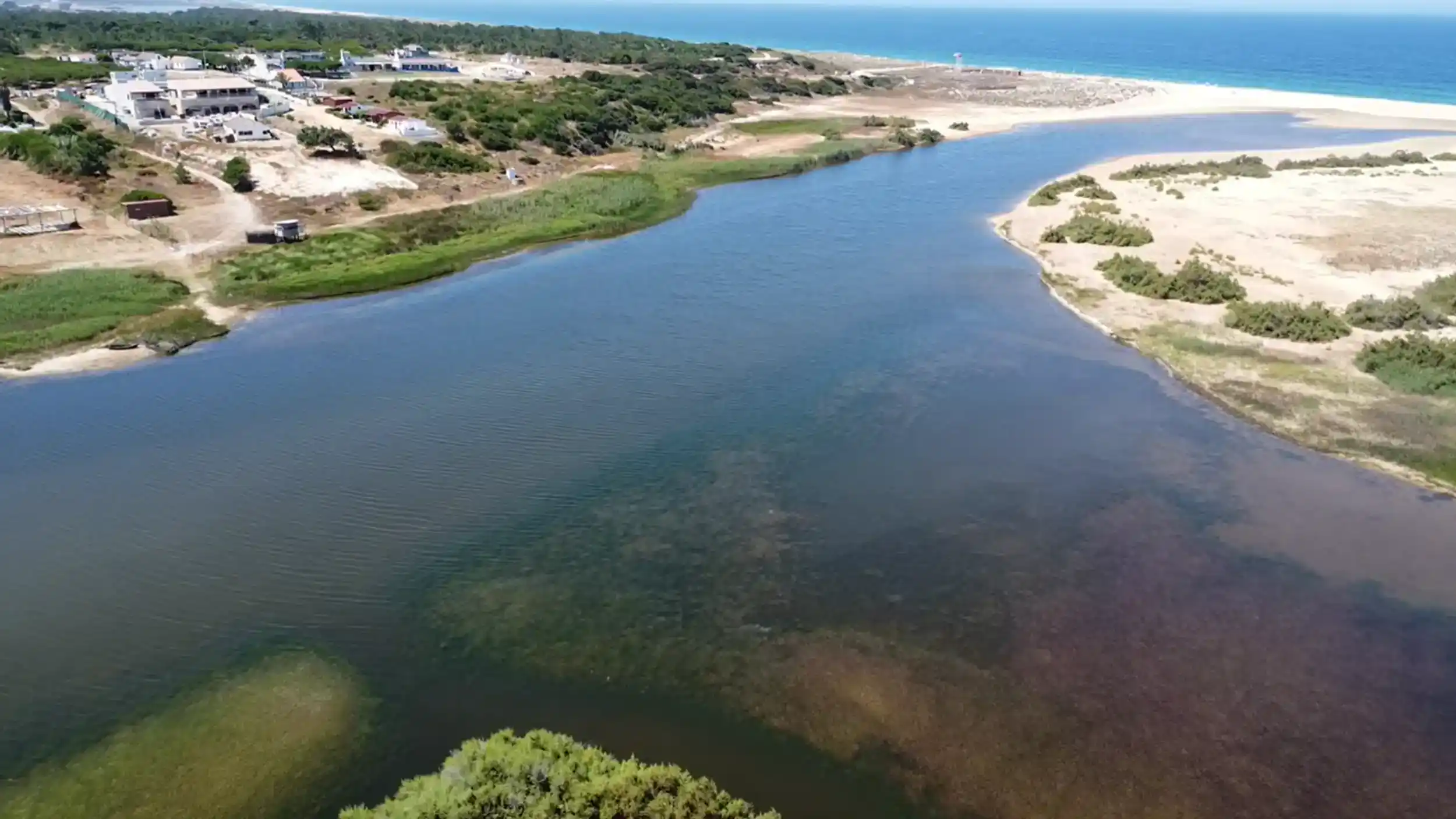
Is Melides worth visiting? For me, yes, but not because it offered a long list of things to do. I liked it for almost the opposite reason. The beaches were quieter, the lagoon softened the landscape and the pine forest kept much of the coast hidden until I was almost on top of it. Compared with Comporta, Melides felt less curated and less shaped around visitors, and I ended up valuing that difference more than I expected.
Before arriving, I had treated Melides as another stop along the Comporta coast, somewhere we might look around before moving on. That assumption did not survive the first day. Once I had seen the lagoon, crossed the pine forest to Praia de Melides and followed the coastline farther south, rushing through began to feel like the wrong way to experience it.
🌾 How Is Melides Different From Comporta?
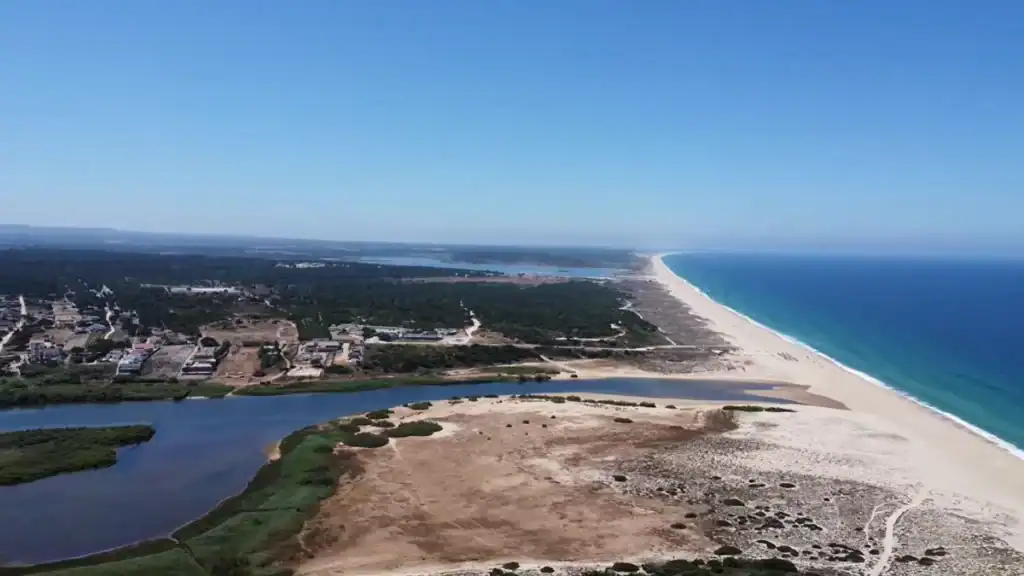
At first, I noticed the similarities more than the differences: long Atlantic beaches, pine forest and the same spacious Alentejo coastline. I wondered whether Melides would simply feel like a quieter extension of its better-known neighbour.
Spending time in both changed that. Comporta felt more established as a destination, with restaurants, boutiques and a recognisable beach-holiday polish. In Melides, I was much more aware of the landscape than of the tourism around it. The difference was subtle at first, but it became the main reason I preferred Melides on days when I wanted less going on.
Which One Would I Choose?
My answer changed depending on the kind of day I wanted. If I wanted restaurants, boutiques and somewhere that felt more obviously set up for visitors, I would choose Comporta. When I was happy for the beach, lagoon and countryside to be the day, Melides suited me better.
| Melides | Comporta |
|---|---|
| 🌲 Quieter village atmosphere | 🏖️ More established beach destination |
| 🌾 Rural surroundings | 🍽️ Larger choice of restaurants and boutiques |
| 🚶 Fewer visitors | 📸 Better known internationally |
| 🌊 Slower pace | 🌴 More developed tourism infrastructure |
The separation between village and beach reinforced that feeling. Melides village sits inland, and on the drive towards the coast I passed farmland and pine forest before the Atlantic suddenly reappeared. I liked that break. It made Praia de Melides feel removed from village life rather than like the seafront edge of a resort.
Our Is Comporta Worth Visiting? guide helps frame the choice. I would still send someone to Comporta if they wanted the more established destination. I would point them towards Melides if quiet surroundings and a less polished atmosphere mattered more.
The two are close enough that I never felt I had to make an either-or decision. Melides is about 29 km by road from Comporta, roughly half an hour by car. What surprised me was how much the mood changed over such a short distance. The mileage was modest; the contrast was not.
💧 What Makes Lagoa de Melides Worth Visiting?
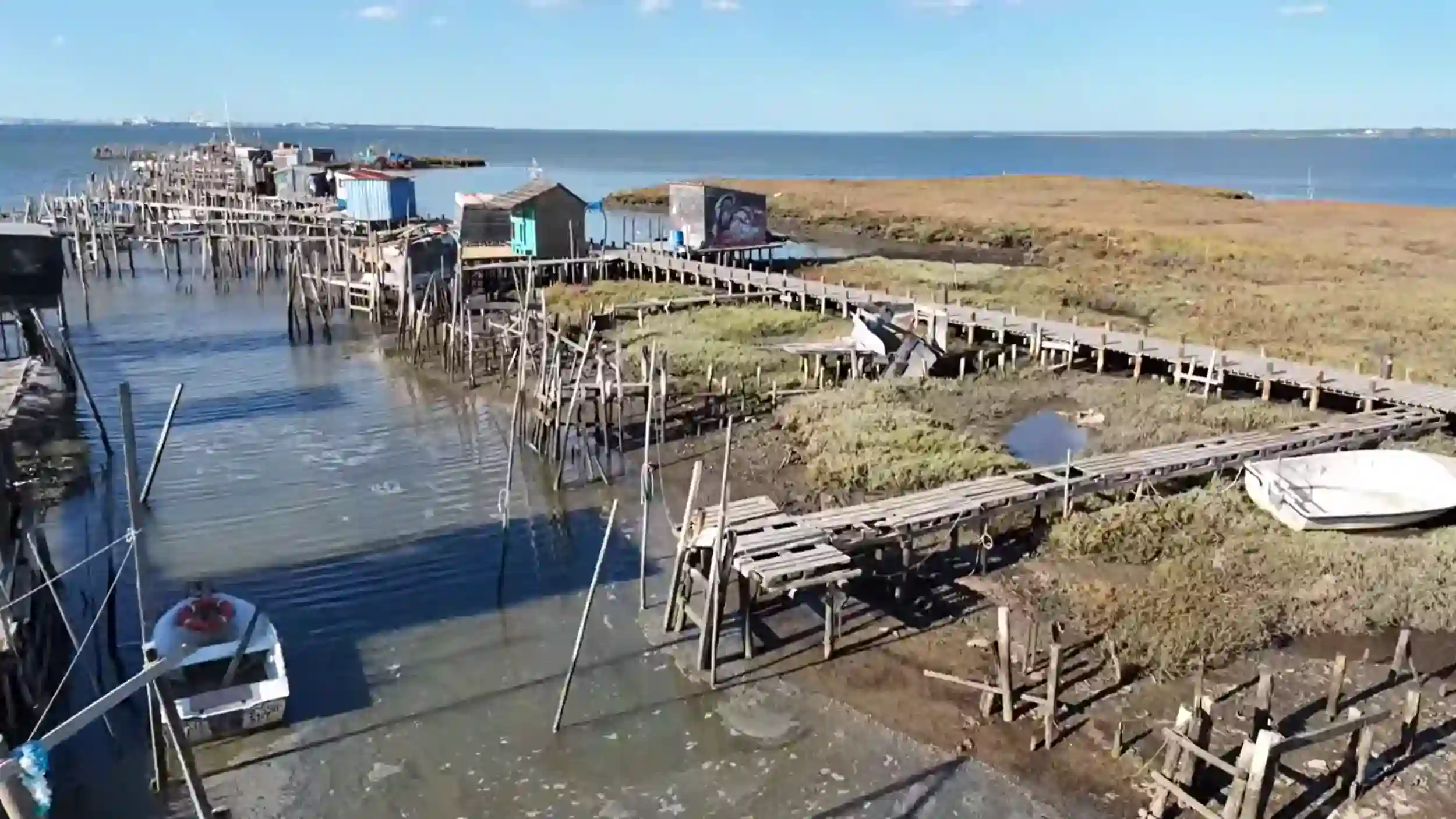
The lagoon was the point at which Melides stopped registering in my mind as simply another quiet village beside a long Atlantic beach. I had expected the ocean to dominate. Instead, some of the scenes I remember most clearly came from the calmer water behind the dunes.
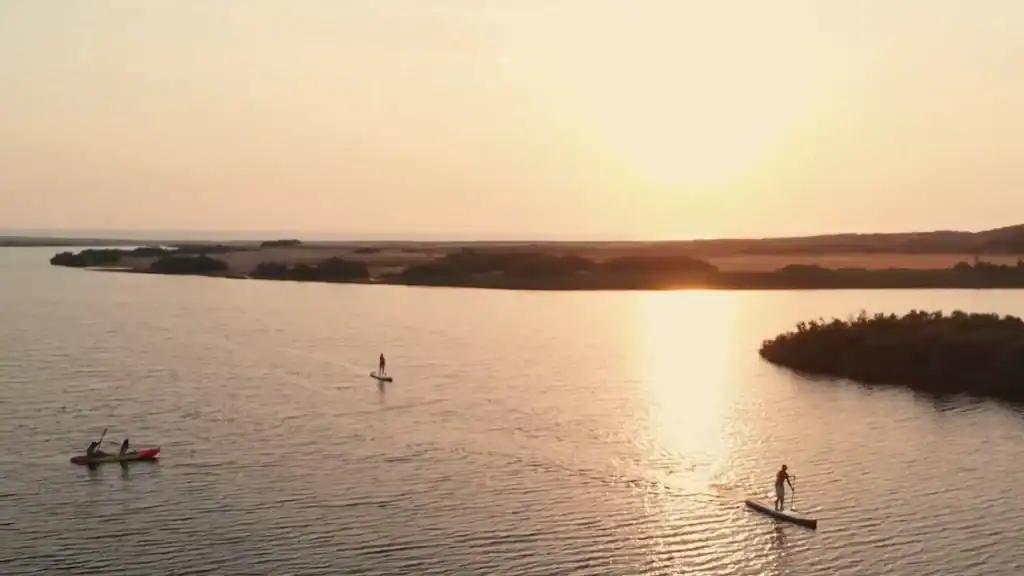
Wetlands and pine forest enclosed water that could look almost still, while the Atlantic remained rougher just beyond the sand. Moving between the two felt oddly abrupt. One moment I was watching paddleboards crossing calm water; a short distance away, the surf was filling the soundscape. That contrast gave the area more character than I had allowed for before visiting.
The Lagoon Keeps Changing
I initially read the lagoon as a fixed piece of scenery. It is not. For much of the year, a natural sandbar separates it from the Atlantic. After wetter periods, rising water can open the channel naturally or lead to it being managed to prevent flooding.
The lagoon and sea then reconnect before the entrance closes again. Once I understood that, the landscape made more sense. What looked tranquil and permanent from the shore was actually part of a coastline that continues to shift.
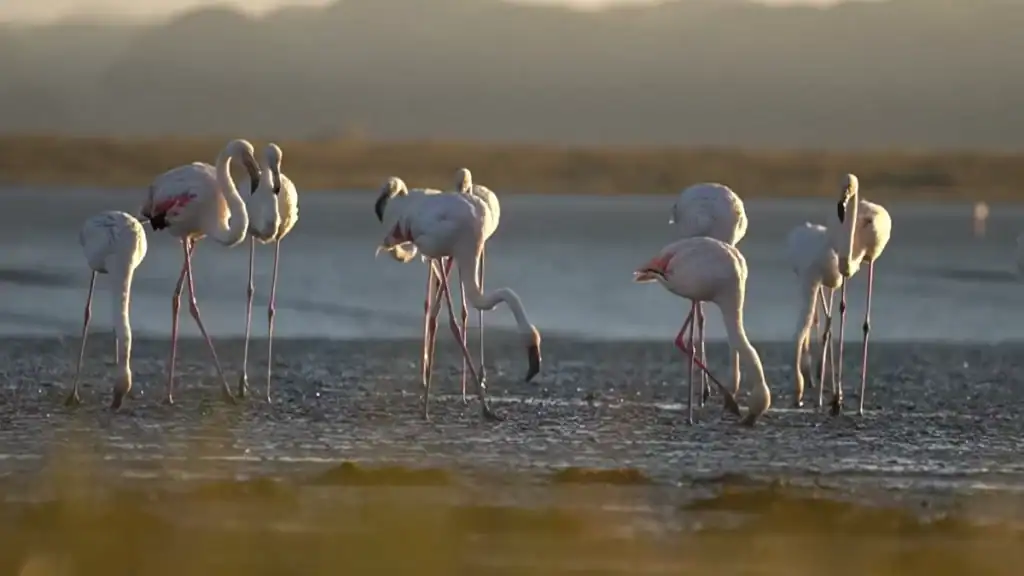
Birdlife Around the Lagoon
The wetlands gave me another reason to slow down. More than 180 bird species have been recorded here, including flamingos, stilts, marsh harriers and migrating waders depending on the season, but I found the place more enjoyable once I stopped thinking about what I ought to spot.
I remember the whole scene more strongly than individual species: paddleboards and kayaks moving across quiet water, birds working the shallows and the rougher Atlantic sitting just beyond the dunes. Turning it into a wildlife checklist would have missed what I liked about it.
Farther north, the landscapes are related without feeling interchangeable. Our Comporta Coast: Complete Guide puts Melides into that wider shoreline, but travelling along it was what made the differences obvious to me.
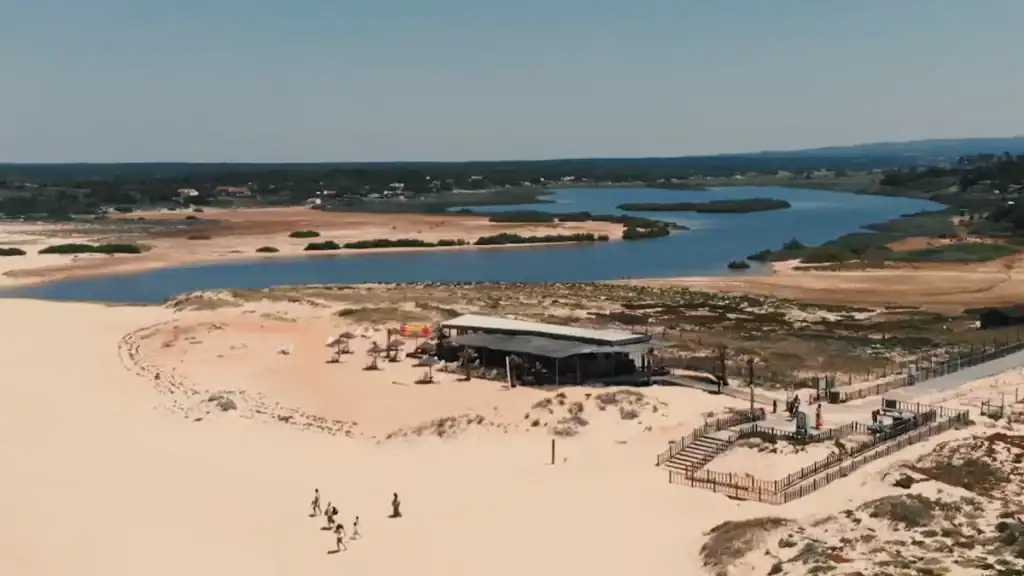
🏖️ What Is Praia de Melides Like?
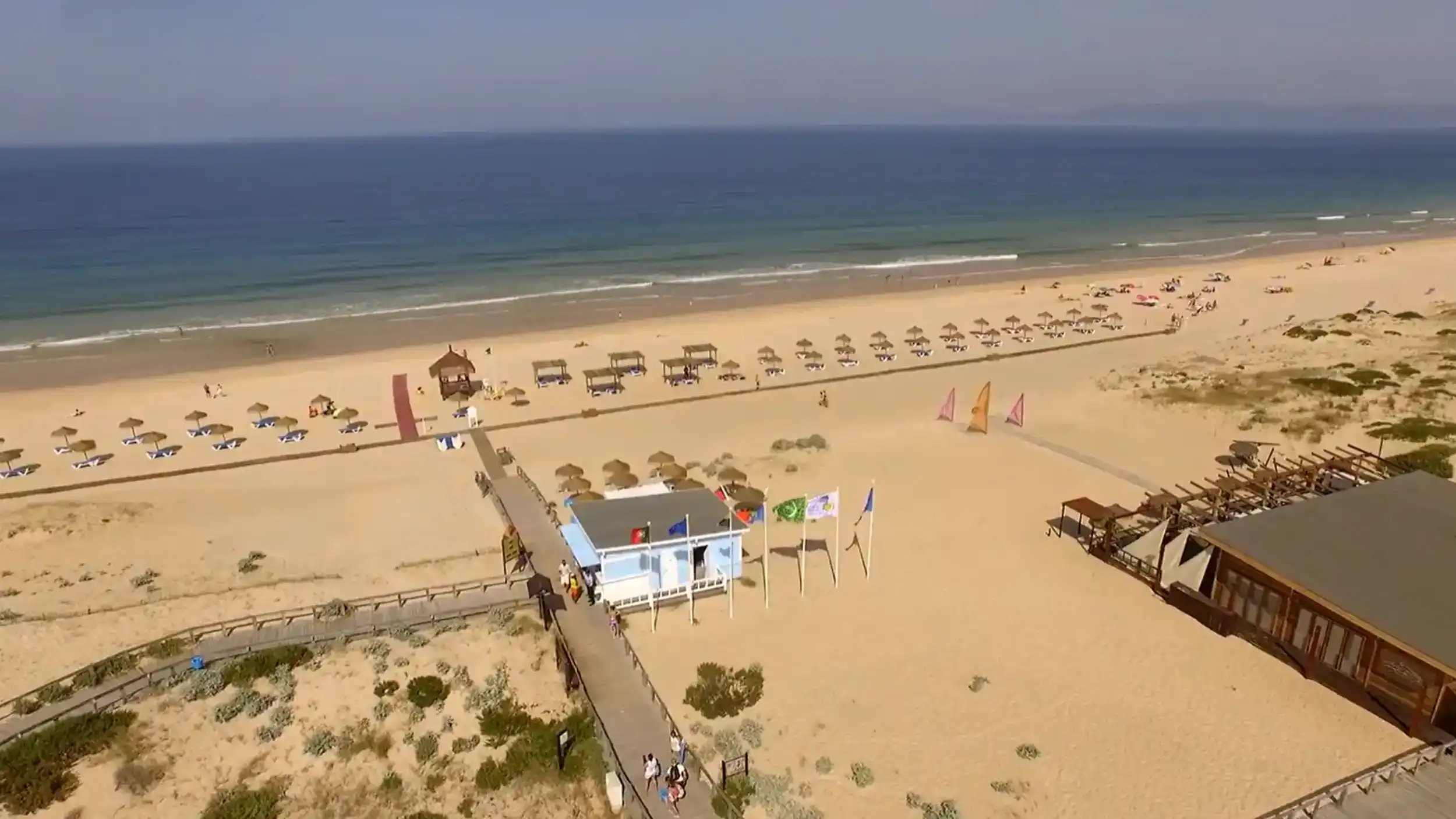
The approach fooled me. Driving through the pine forest gave very little sense of what was ahead, then the road emerged beside a beach that felt far larger and more exposed than I had pictured.
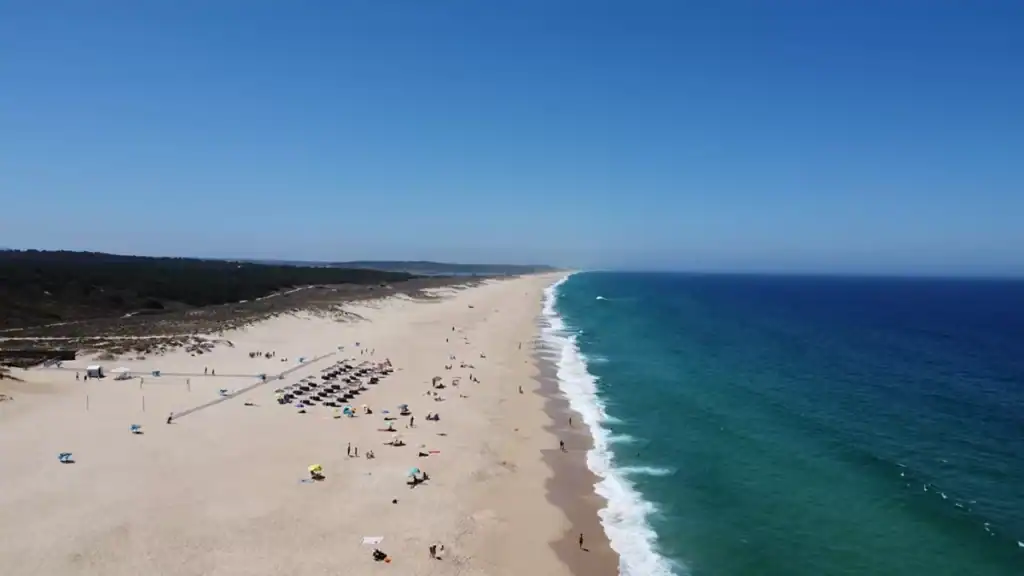
Sand stretched away for kilometres, broad dunes sat behind it and Atlantic surf filled the other side of the view. Buildings barely registered. I had expected to remember a particular viewpoint or feature; what stayed with me instead was the amount of empty space.
Beyond the Main Beach Access
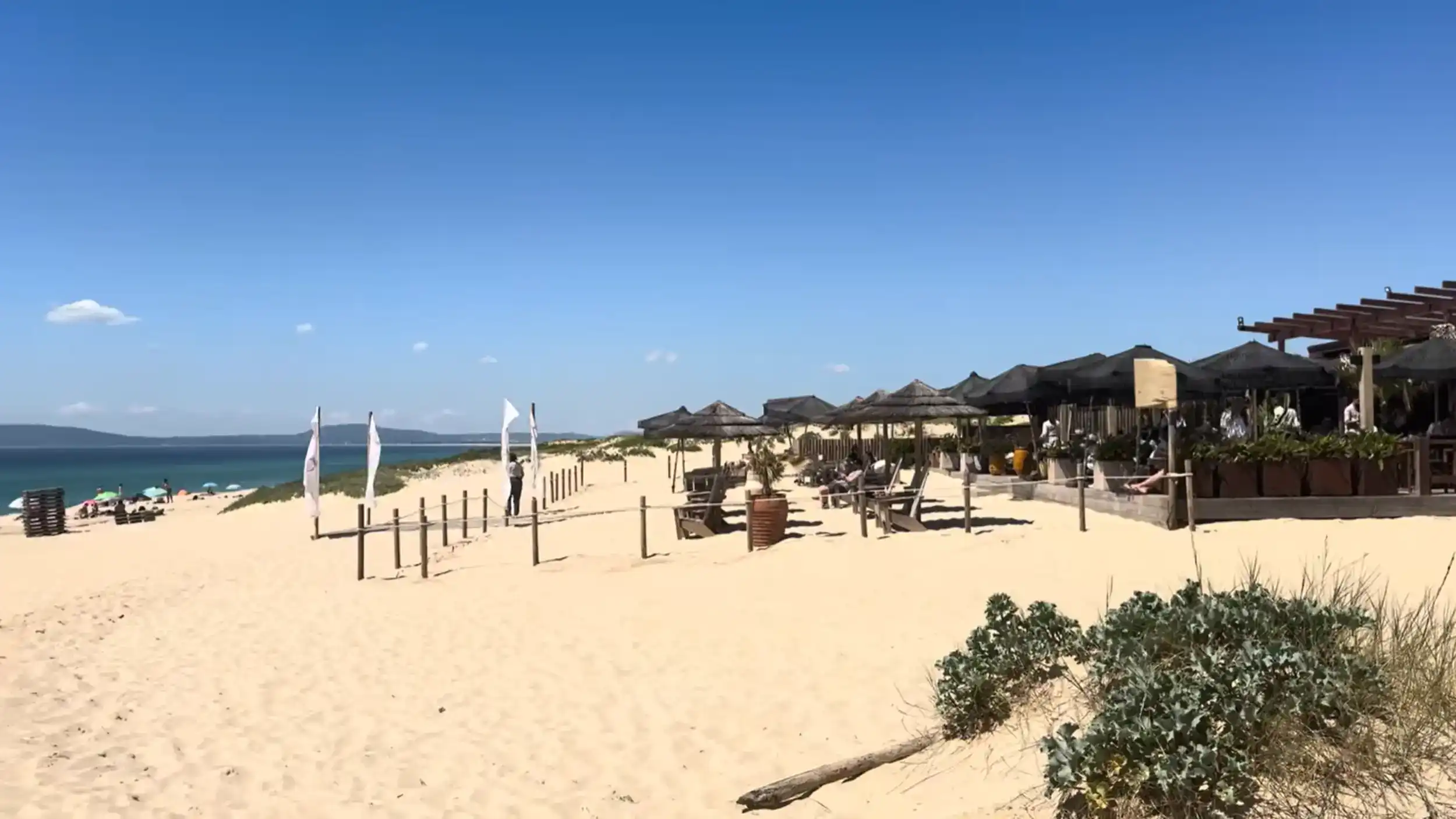
I did not have to walk far from the main access before what little infrastructure there was began to fall away. The beach quickly became sand, dunes and pine forest again.
That simplicity will not suit everyone. If I wanted cafés, facilities and activity close by throughout the day, I would choose somewhere else. Here, the lack of development was precisely what made walking farther worthwhile. The beach felt less convenient, but more like the coastline I had hoped to find.
Beach Facilities
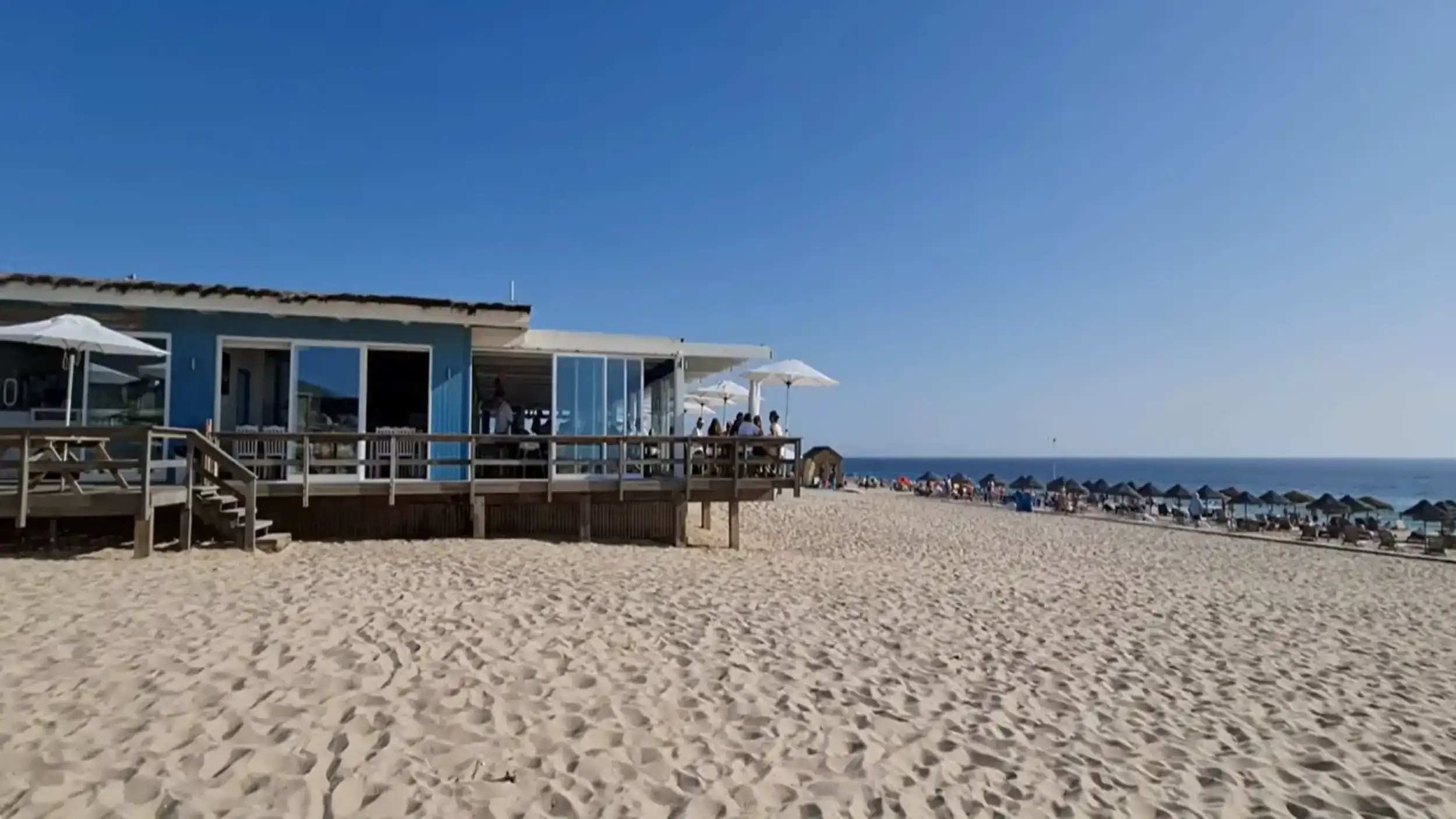
I found enough near the entrance to make a beach day easy without feeling that the facilities had taken over. Lagoa Ó Mar provided seasonal food, drinks and sunbed hire, while lifeguards patrol during the official bathing season.
Beyond that small cluster, things became simple again. More development would undoubtedly make the beach more convenient, but after spending time there I would not want much more. Space was the thing I had come to value.
A little farther north, Praia da Aberta Nova is worth including when exploring this section of coast. Seeing both helped me notice variations I might otherwise have dismissed as more of the same Atlantic scenery.
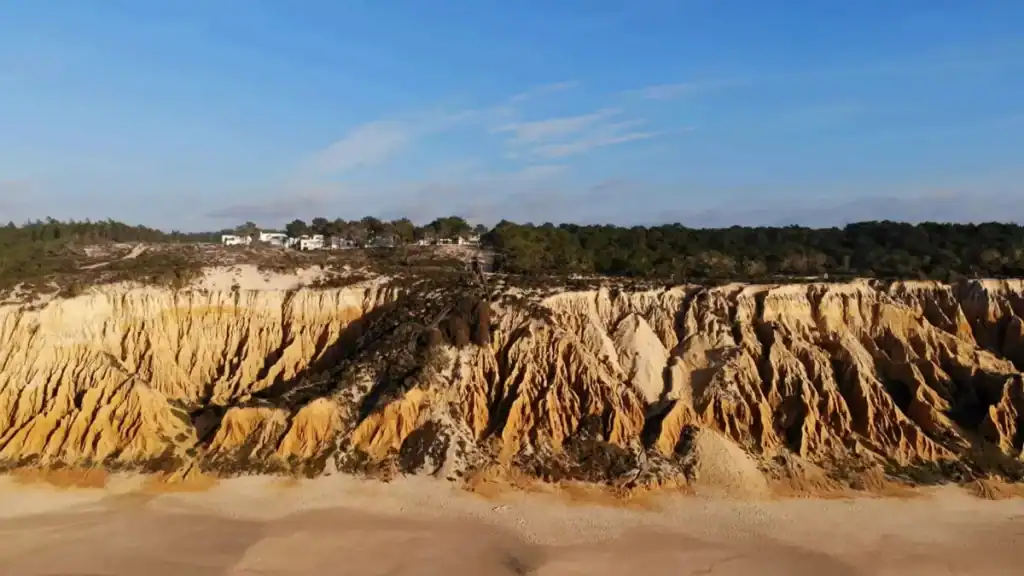
🪨 Are the Fossil Cliffs Worth Seeing?
South of Melides, the scenery finally broke the pattern I thought I had understood. The long belt of dunes began giving way to sandstone and clay cliffs, and ochre and rust replaced the softer sand-and-pine colours around Praia de Melides.
I had assumed this stretch of coast would look broadly similar from one beach to the next. It did not. Farther south, the landscape became rougher and more geological, and for a while it felt as though I had travelled much farther than the map suggested.
The View From Beach Level
Getting down to beach level slowed us down, and I briefly wondered whether the extra effort would add much. It did. From below, the bands of colour in the cliffs became far more obvious, with erosion exposing older rock layers and occasional fossil fragments. The landscape made more sense from the bottom than it had from above.
| Feature | What to expect |
|---|---|
| 🪨 Fossil cliffs | Layers of sandstone and clay dating back millions of years |
| 🚶 Coastal access | Wooden paths and steps leading to the beach |
| 📸 Afternoon light | Rich ochre and rust colours become more vivid |
| 🌊 Quiet beaches | Fewer visitors beyond the main access points |
I had already seen the beginnings of this transition farther north at Praia da Aberta Nova, where the fossil cliffs appear along the southern horizon. Visiting both turned that distant hint into something I could actually follow, from broad dune systems towards the rougher coastline around Sines.
💙 Is Melides Worth Visiting?
For the kind of road trip I was taking, it earned its place easily. The lagoon and beach gave me two contrasting landscapes within a small area, and heading farther south towards the fossil cliffs added enough variation that the day never felt repetitive.
What worked was not a packed itinerary. We could stop when somewhere caught our attention, stay longer when the light or landscape was good and move on without feeling we had missed a compulsory attraction. That freedom suited Melides better than trying to turn it into a sightseeing checklist.
I would be more cautious recommending it to someone who wants restaurants, boutiques and organised attractions filling the day. Melides can feel very quiet if landscape is only the space between activities. For me, the landscape was the activity.
🌿 Who Is Melides Best Suited For?
I would send travellers here when uncrowded beaches, nature and slow days are things they actively want, not things they merely tolerate between sightseeing stops. That distinction became clearer the longer I stayed.
There was very little pressure to keep moving. At first I interpreted that as Melides having fewer obvious attractions. Later, I realised it was exactly why the lagoon, dunes, wetlands and coast had been able to hold my attention. I had given them time instead of constantly looking for the next thing.
Who Will Enjoy It Most?
The strongest fit, based on my trip, is anyone who values landscape more than entertainment and does not need a destination to keep providing things to do.
| Traveller type | Why Melides works well |
|---|---|
| 🌊 Beach lovers | Long, uncrowded stretches of Atlantic coastline |
| 🥾 Nature enthusiasts | Lagoon, wetlands, dunes and birdlife |
| 📷 Photographers | Dramatic coastal scenery and changing light |
| 🚗 Road trippers | Easy stop along the Alentejo coast |
I could see signs of the attention Melides has attracted in recent years, particularly in boutique hotels and newer cultural projects, but during our visit they did not overpower the setting. I still felt that the landscape was determining the experience rather than tourism dictating how I should spend the day.
By car, I would pair Melides naturally with Alcácer do Sal, whose riverside setting gave me a completely different view of the Alentejo. Coming from the north, our Lisbon to Comporta route also fits naturally before continuing south.