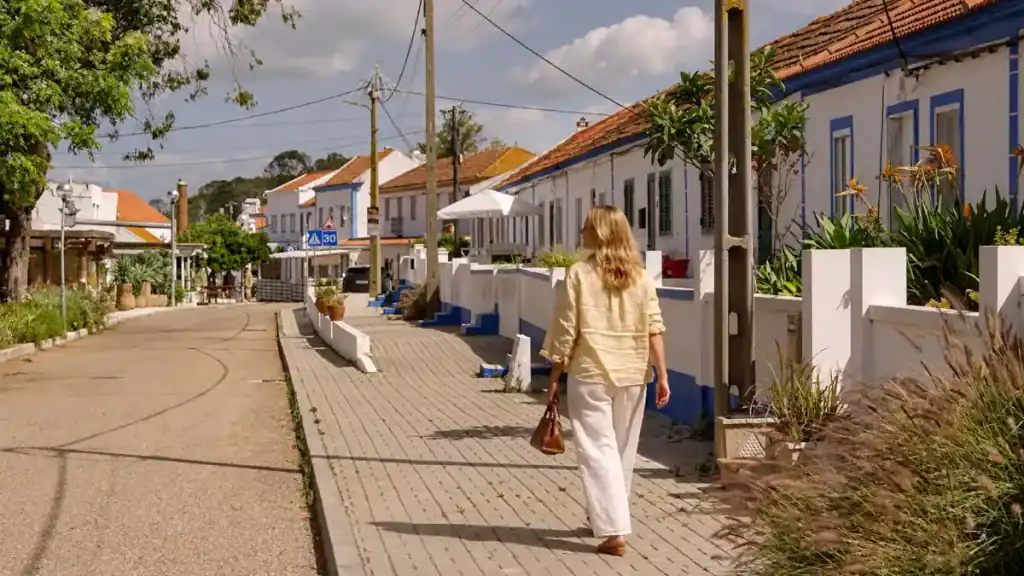
Comporta village surprised us with how compact it was. We had expected somewhere closer to a small seaside town, but the centre was really a quiet collection of whitewashed streets, boutiques and cafés that we could walk across in about fifteen minutes.
That modest scale became part of the appeal for us. Comporta village sits around two kilometres inland from the Atlantic, and the rice fields and pine forest between the centre and the beach made it feel more like a relaxed rural community than a conventional coastal resort.
🏡 What Is Comporta Village Actually Like?
What surprised us most was how little Comporta felt like the beach resort we had half expected. The village sits inland among rice fields and pine forest, with no promenade, harbour or sea views. Instead, we found a compact centre of whitewashed buildings and sandy lanes where the area’s agricultural past sits beside its much newer reputation for understated style.
The Beach Is Separate From the Village Centre
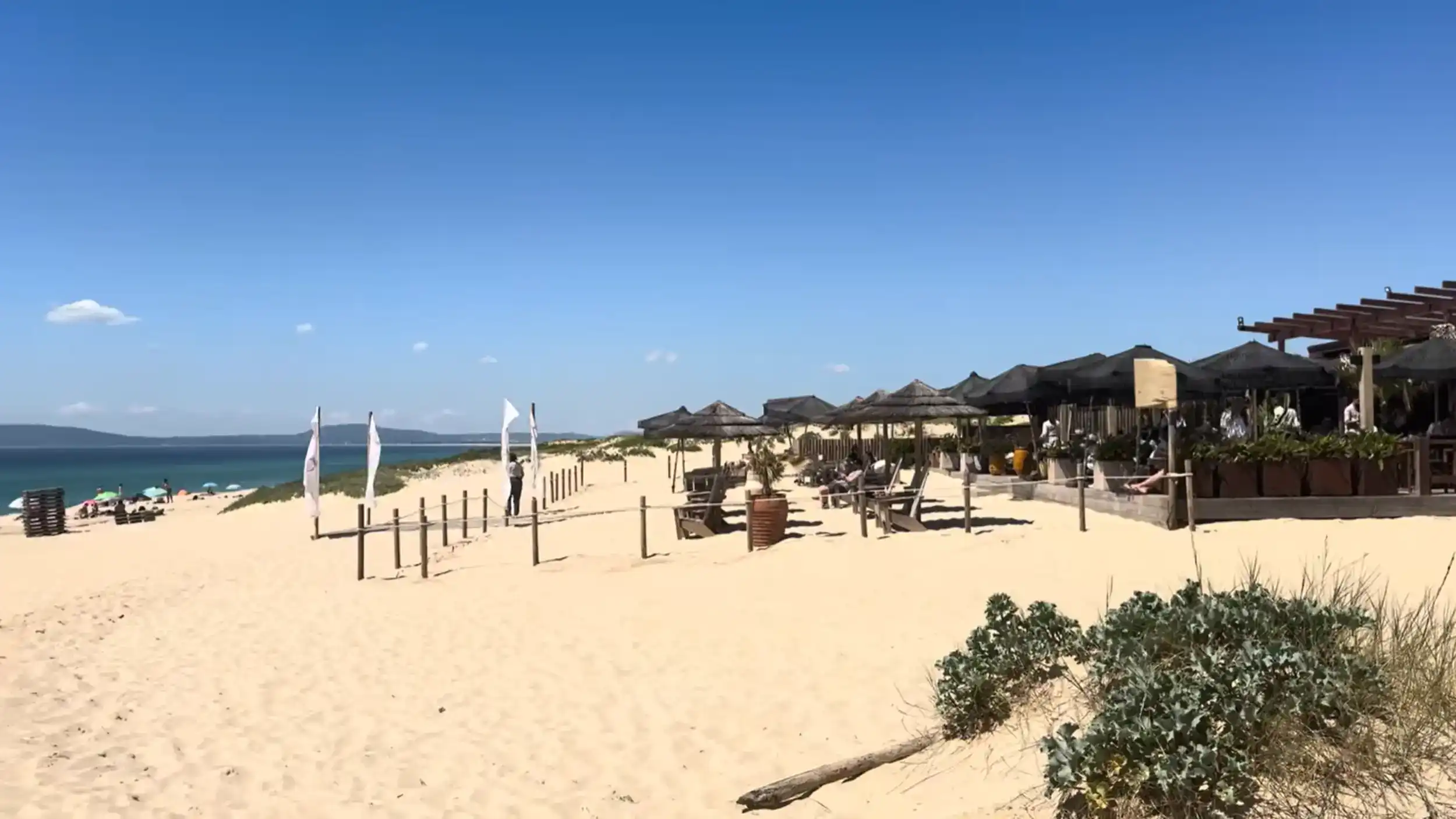
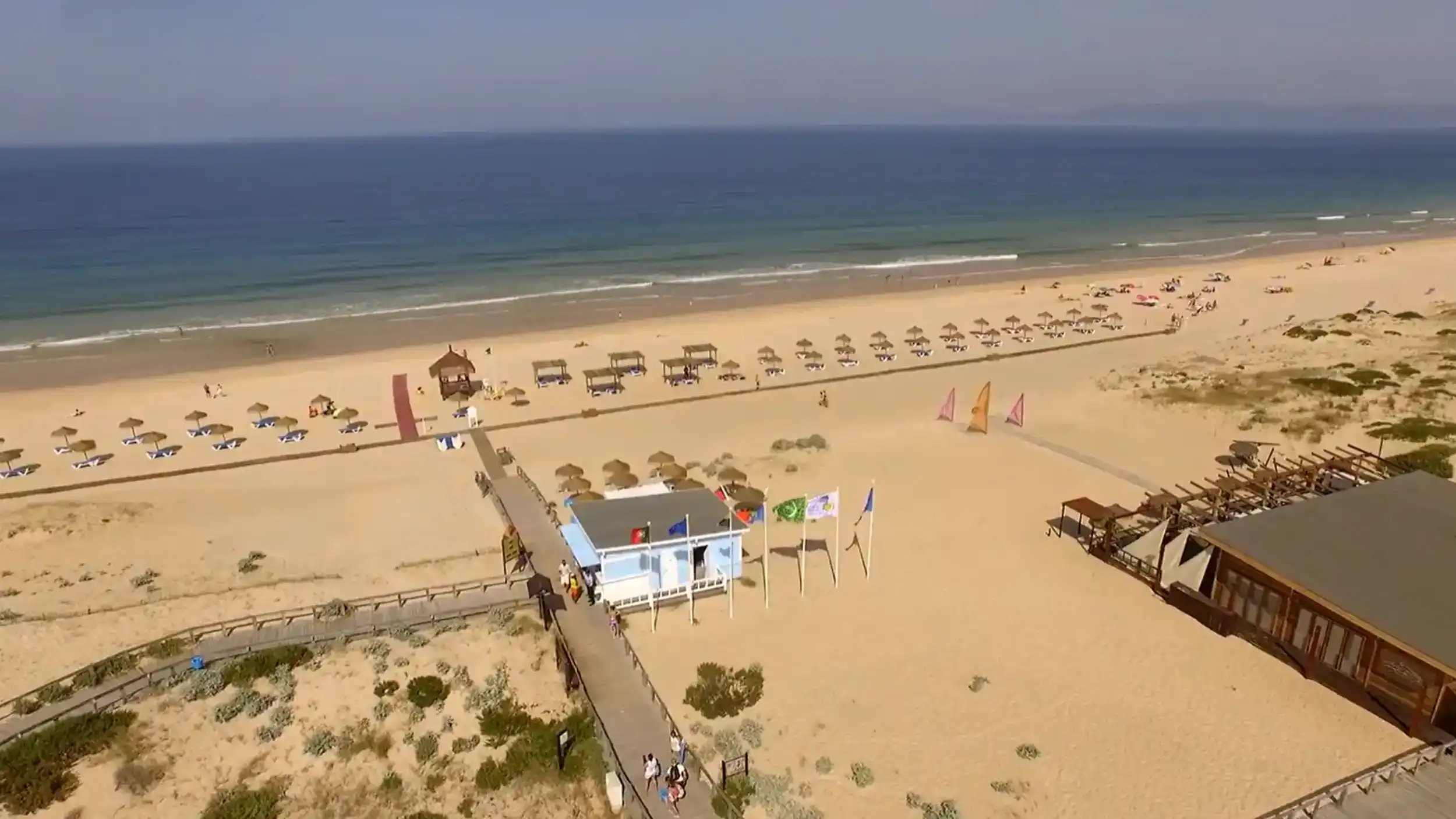
The detail we had underestimated was the separation between the village and the beach.
| Feature | What to expect |
|---|---|
| 🏡 Village centre | Small enough to explore in around 15 minutes |
| 🌾 Inland setting | Surrounded by rice fields and pine forest |
| 🏖️ Beach | Around 2 km away across the dunes |
| 🛍️ Atmosphere | Boutiques, cafés and relaxed streets |
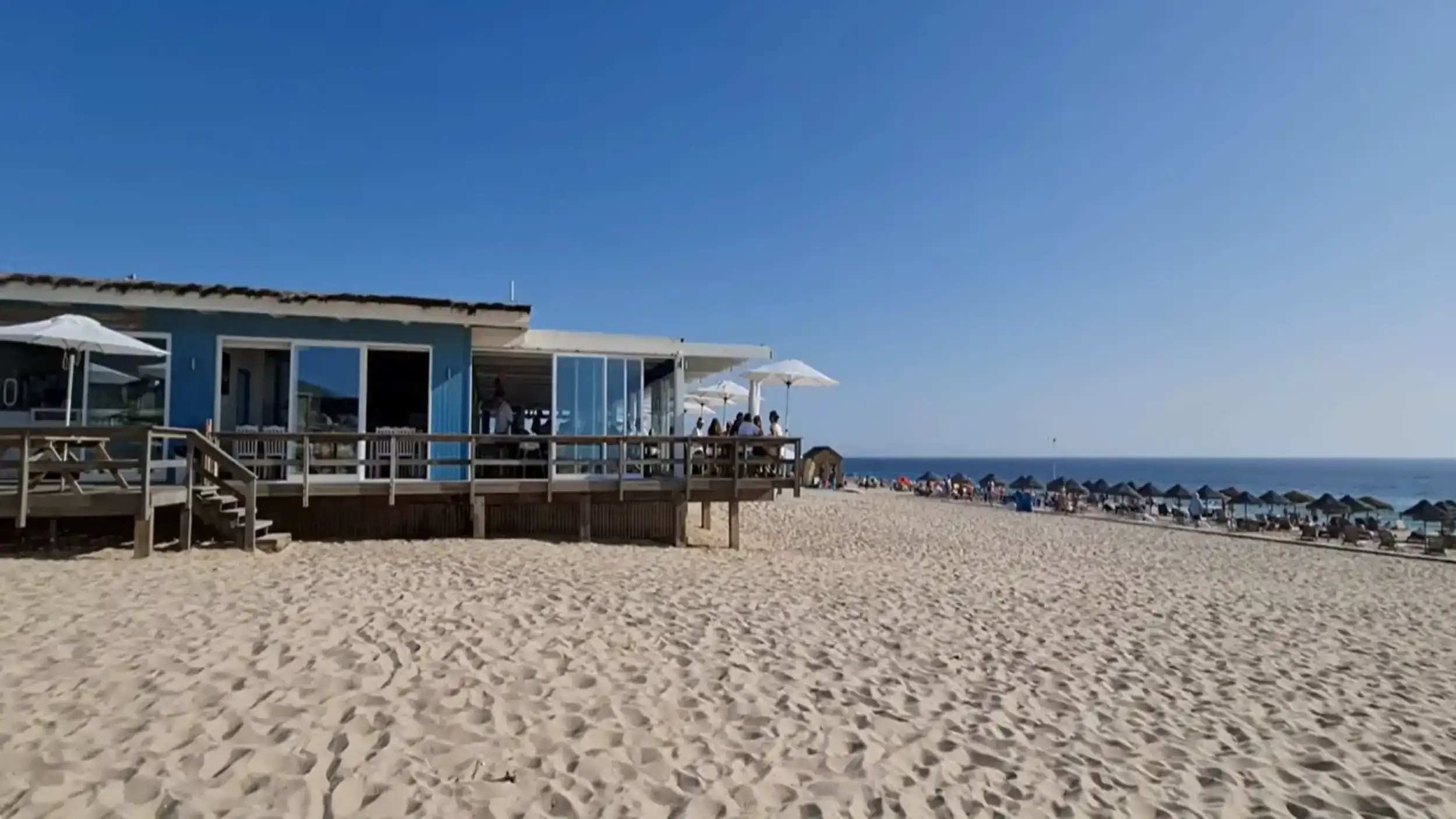
Comporta village and Praia da Comporta are separate places, and that mattered when we planned our day. Reaching the beach meant crossing the rice fields and dunes rather than simply walking out of the centre onto the sand. Our guide to The Comporta Coast explains how the village fits into the seven connected communities that make up the wider region.
Low-Rise Streets Keep the Centre Feeling Restrained
Given Comporta’s reputation, we had expected its popularity to be more obvious in the buildings. It was not.
Much of that continuity comes from the long influence of the Herdade da Comporta estate, which shaped development across the surrounding landscape. We noticed low-rise buildings and natural materials rather than the larger-scale development we associate with many Portuguese coastal towns, and that restraint helped preserve the village atmosphere.
🕊️ Why Are Storks So Common in Comporta Village?
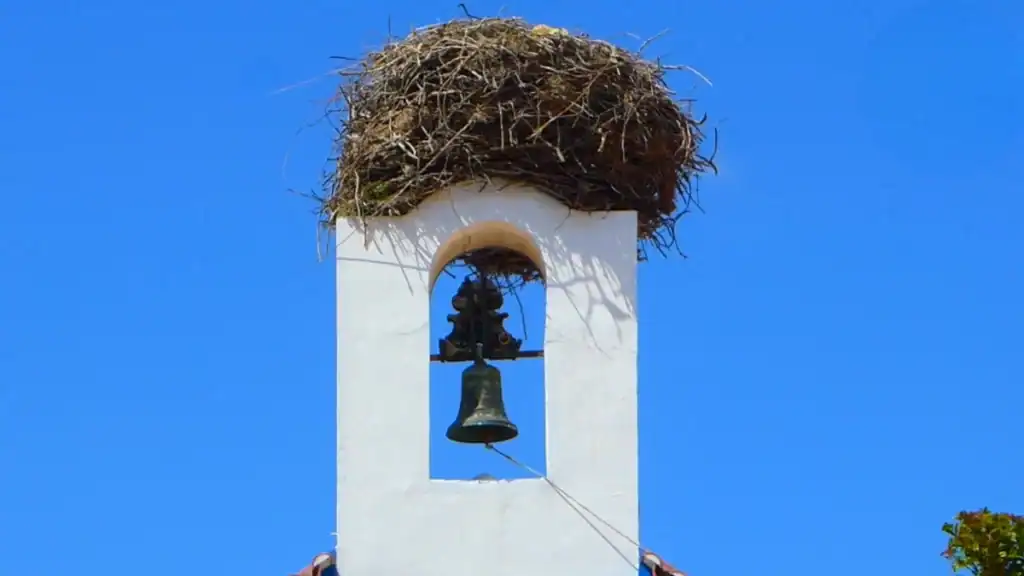
The answer was visible above us as we walked. Storks nest on church towers, electricity poles and rooftops around the village, then feed across the nearby rice fields, wetlands and estuary. Their enormous nests became one of our strongest memories because the wildlife was woven into the village rather than confined to a separate reserve.
Spring Brings the Rooftop Nests to Life
We would time a visit differently depending on what we wanted to see, because the birds remain around for much of the year but the activity around the nests changes with the season.
| Season | What to expect |
|---|---|
| 🌱 Spring | Nest building, courtship and loud bill-clacking |
| ☀️ Summer | Adults and young birds around the nests |
| 🍂 Autumn | Fewer active nests but regular sightings |
| 📸 All year | Excellent photo opportunities around the village |
Spring would be our choice for seeing the nests at their liveliest, when pairs return, raise chicks and fill the village with the distinctive clattering of their bills. By summer the activity settles, but seeing the birds standing above the whitewashed buildings still gives Comporta a character we have not found in many villages.
The Storks Connect the Village With the Rice Fields
It was only after watching them move between the rooftops and surrounding landscape that the connection became obvious to us.
The birds feed across nearby rice fields, wetlands and the estuary before returning to nests above the rooftops. Once we understood that relationship, the village felt less isolated from its surroundings. Our Comporta Rice Fields guide explores the flooded paddies and irrigation channels that provide some of their important feeding grounds.
🚶 What Is There to Do in Comporta Village?
We got more from the village once we stopped searching for a conventional sightseeing list. Our time was mostly spent wandering the compact streets, browsing independent boutiques, stopping for coffee and looking up at the stork nests. That unhurried rhythm suited Comporta far better than trying to turn it into a packed itinerary.
The Compact Centre Is Easy to Explore on Foot
Once we were in the centre, we simply left the transport behind and explored on foot.
☕ WHAT TO DO IN THE VILLAGE
- Stop at a café: relaxed terraces work well for coffee or a light lunch.
- Browse the boutiques: expect fashion, homeware, ceramics and local products.
- See the village church: the whitewashed landmark is also one of the places to look for storks overhead.
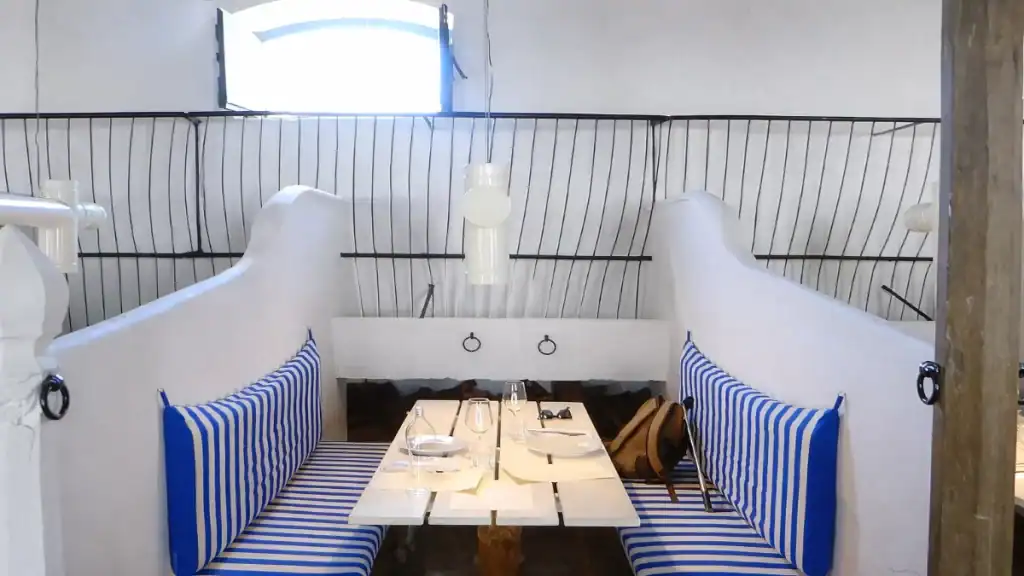
- Stay for a meal: dining ranges from casual cafés to destination restaurants.
Around two hours felt enough for us to explore Comporta village without rushing. The experience was about atmosphere rather than sightseeing, with cafés and independent shops taking the place of museums or major landmarks. Restaurant Cavalariça is one of the best-known dining spots, while smaller cafés gave us quieter alternatives.
The Wider Landscape Adds More to the Day
After a couple of hours, we felt we had reached the point where staying longer would mean stretching the village beyond what it naturally offered.
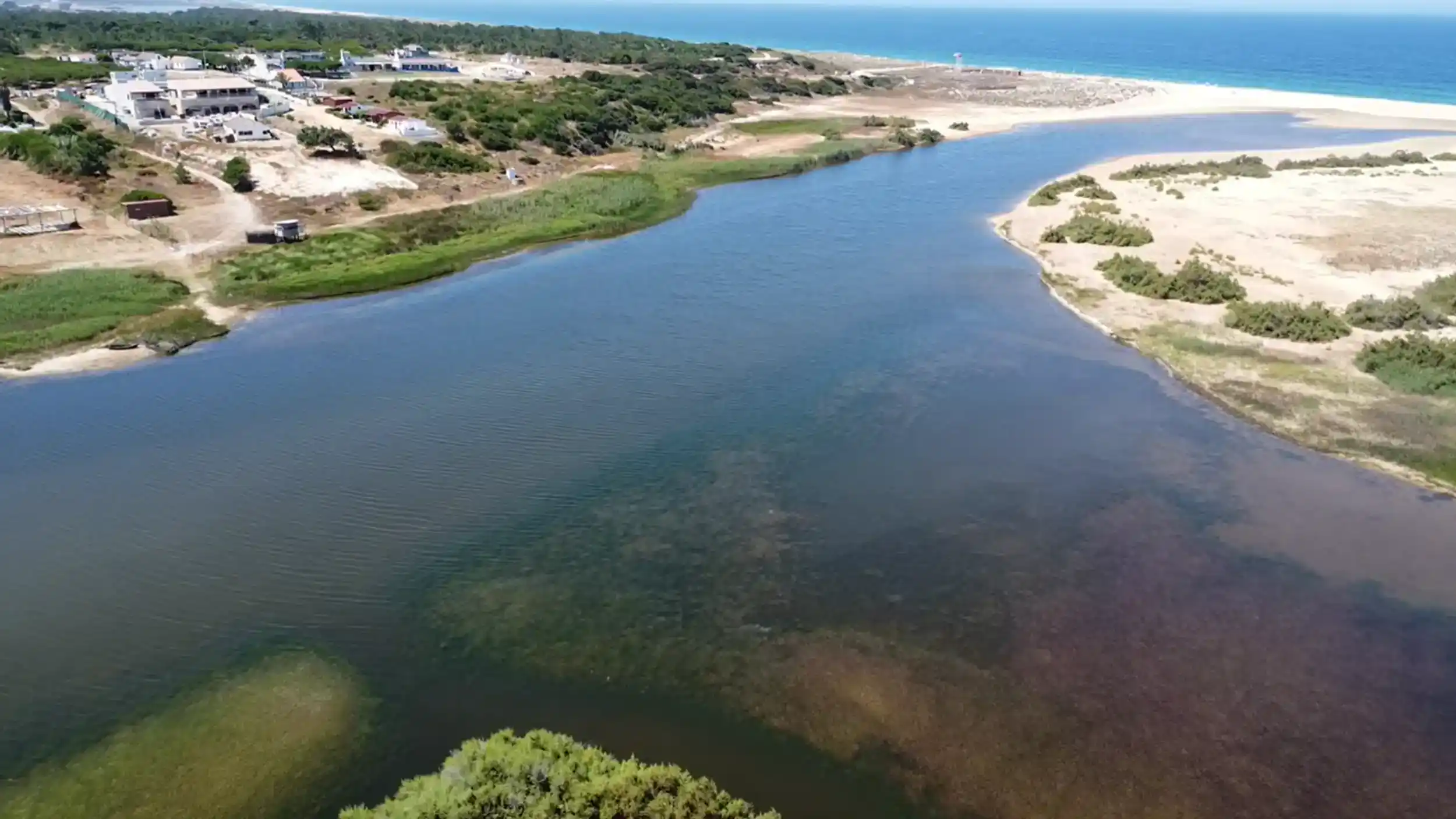
A short drive took us into the beaches, rice fields and estuary landscapes that gave the village much more context. We would particularly combine it with Carrasqueira Palafitic Pier, where the working fishing structure and Sado Estuary wetlands showed us a very different side of the coast.
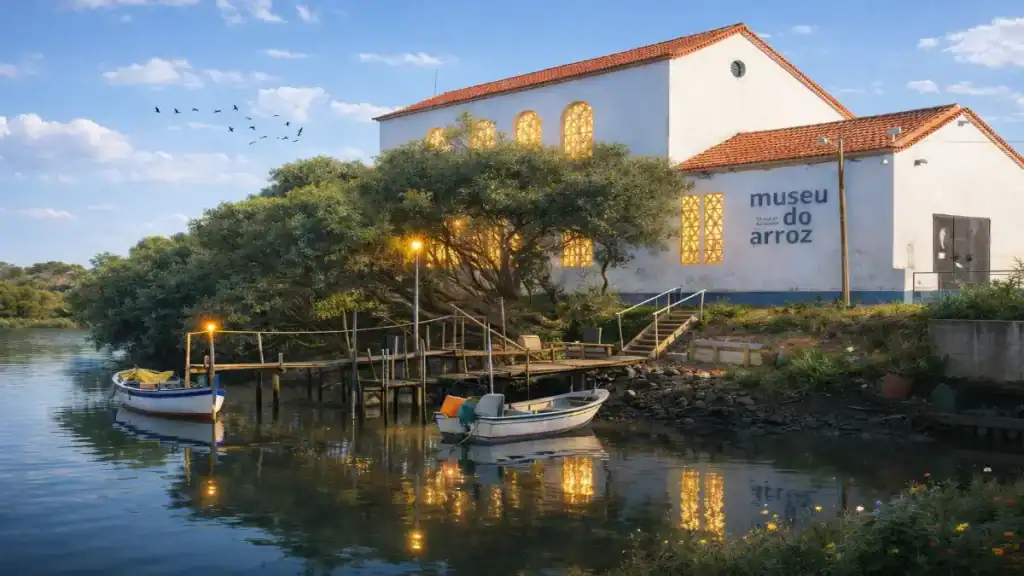
🏛️ Is the Museu do Arroz Worth Visiting?
We found it worth the stop because it explained something the village streets alone could not. Inside a restored rice-husking factory dating from 1952, the machinery and displays gave us the agricultural context behind the paddies, canals and settlements we had been seeing around Comporta.
Original Machinery Makes the Rice-Growing History Tangible
We allowed about an hour, which was enough to see the museum without making it the focus of the day.
| Feature | What to expect |
|---|---|
| 🏛️ Former rice factory | Restored industrial building from 1952 |
| 🌾 Agricultural history | Machinery, tools and local heritage |
| 🍽️ Restaurant | Terrace overlooking the surrounding landscape |
| ⏱️ Visit time | Around one hour |
Inside, the original machinery and displays helped us understand the importance of rice cultivation across the Herdade da Comporta estate. It did not take us long to explore, but afterwards the paddies and irrigation landscape outside made considerably more sense.
The Paddies Make More Sense After the Museum
The part that stayed with us came afterwards, when we stepped outside and looked at the surrounding landscape differently.
Once we understood more of the agricultural history, the surrounding paddies, canals and villages stopped feeling like attractive scenery and started looking like parts of the same working system. Continuing to the Comporta Rice Fields reinforced that connection for us.
👥 Who Is Comporta Village Best Suited For?
We would recommend Comporta village most strongly to travellers who enjoy atmosphere, food and small places that reward slowing down. We would be much more cautious recommending it to anyone looking for constant activity, major attractions or a lively resort, because the pleasure for us came from eating well, browsing independent shops and seeing how style and rural simplicity coexist in such a small centre.
Atmosphere Matters More Here Than a List of Attractions
The deciding factor for us is whether someone needs attractions to feel that a place has been worth visiting.
| Visitor | Why it suits them |
|---|---|
| ☕ Slow travellers | Relaxed cafés and unhurried streets |
| 🍽️ Food lovers | Excellent restaurants despite the village’s size |
| 📸 Photographers | Whitewashed buildings, storks and natural light |
| 🌾 Nature lovers | Easy access to beaches, rice fields and the estuary |
We would use Comporta village as a base or part of the day rather than make it the sole attraction. A leisurely morning in the centre followed by the beach or surrounding countryside felt far better balanced to us than trying to stretch the village itself across an entire day.
Seven Communities Explain What ‘Comporta’ Really Means
Our view of the village improved once we stopped judging those few streets as though they were the whole of Comporta.
The beaches, rice fields, estuary and neighbouring villages all contributed to what we had been calling ‘Comporta’. Our The Comporta Coast guide places the village within those seven distinct communities and explains why we think the wider landscape matters more than the tiny centre alone.
⭐ Is Comporta Village Worth Visiting?
Yes, if you enjoy small, atmospheric places more than conventional sightseeing. Around two hours felt right for us: enough time to walk the centre, browse, stop for coffee or food and absorb the atmosphere before continuing to the beach, rice fields or estuary. We would treat the village as part of a wider Comporta day rather than a full-day attraction on its own.
It Is Not a Conventional Beach Town
That distinction matters if you arrive expecting a conventional beach town. The centre is inland, without a promenade, harbour or sea views, and Praia da Comporta sits separately across the rice fields and dunes. For us, that separation was not a drawback once we understood it; it was part of why the village retained its rural character.