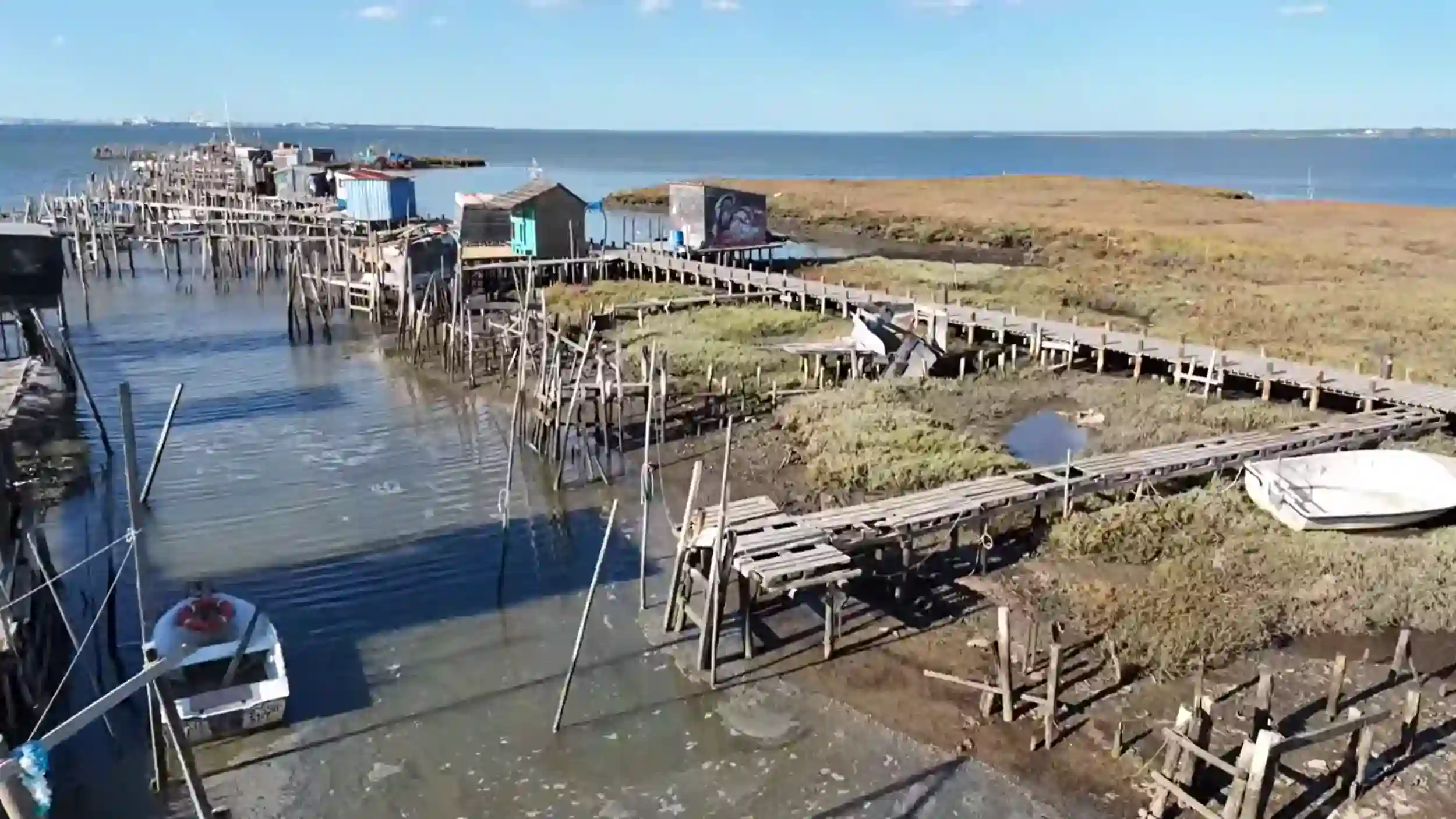
Is Carrasqueira Palafitic Pier worth visiting? Yes, especially if you are exploring the Comporta coast and want to see something that still feels rooted in local life. It is a working wooden fishing pier beside the Sado Estuary, built over decades so fishing families could cross deep tidal mud and reach their boats as the water retreated.
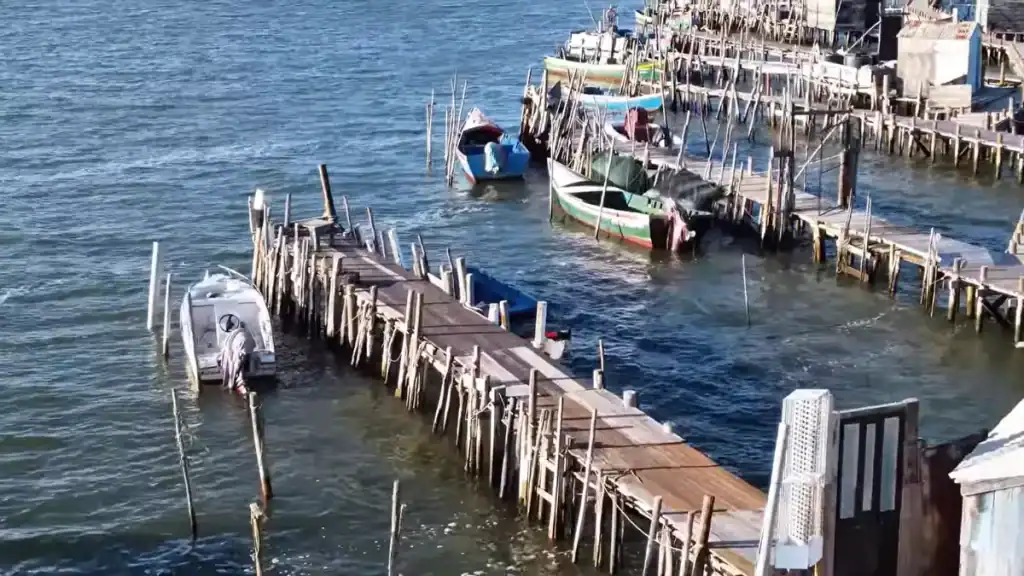
I had expected the strange timber structure to be the main attraction. Once we were on it, the working character mattered more. Crooked boards, visible repairs, boats and fishing activity made the place feel useful first and photogenic second.
At a glance
- 📍 Setting: Carrasqueira, beside the Sado Estuary
- 🪵 Why it is unusual: working timber walkways built above tidal mud
- 🌅 Best visual conditions: late-afternoon light, especially around low tide
- 💙 Worth it? Yes, particularly as part of a wider Comporta coast day
🛠️ Why Does Carrasqueira Palafitic Pier Look So Unusual?
I initially read the timber as a wonderfully eccentric piece of construction. Looking past the boards changed that. This was not an Atlantic beach boardwalk at all, but a practical route pushed across the Sado Estuary mudflats so fishing families could still reach their boats as the tide retreated.
Once I understood there had been no single architect or neat construction plan, the irregular shape stopped bothering me. The pier had grown over decades as different fishing families solved the same problem in their own way: getting across deep tidal mud to their boats.
My first impression was that it looked almost improvised. A few minutes walking it changed that. The raised paths keep fishermen above the mud and reach towards deeper water, so the apparently chaotic layout has a very practical logic.
Different Families Created the Pier’s Irregular Shape
The zigzag layout only looked odd while I was judging it as conventional architecture.
| Feature | Why it exists |
|---|---|
| 🌊 Timber walkways | Provide access above deep tidal mud |
| 🪵 Zigzag design | Built in stages by different fishing families |
| ⚒️ Mixed construction | Repaired and extended over many decades |
| 🚤 Long reach into the estuary | Allows boats to remain usable at low tide |
As I walked farther, the differences became easier to spot. Heights changed, angles shifted and repairs remained visible because families had built and maintained sections according to their own needs, materials and available time. What I had first dismissed as untidy became the clearest evidence of how the pier had actually evolved.
Visible Repairs Show This Is Still a Working Pier
Nothing about it felt frozen as a preserved monument. That mattered.
Timbers had been replaced where needed, leaning piles reinforced and sections adapted as conditions changed. I found those repairs more interesting than pristine restoration would have been because they showed the structure was still being used rather than merely displayed.
🚶 What Is It Like to Walk Carrasqueira Palafitic Pier?
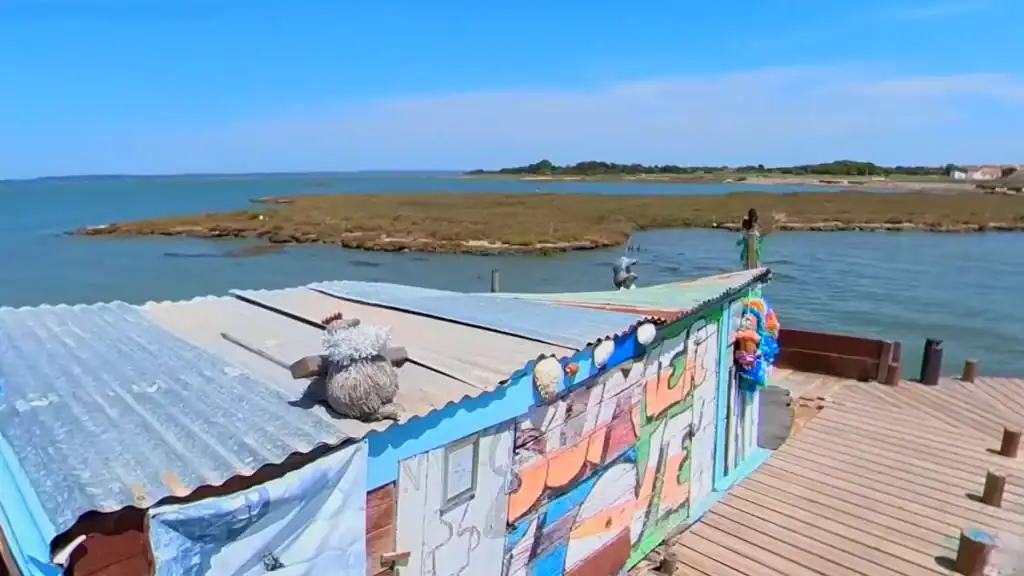
I kept expecting the walkways to lead to some obvious final viewpoint. They never really did, and after a while I stopped wanting one. Timber shifted underfoot, boats sat beside the mudflats and fishing activity changed the scene as I moved. On the Comporta coast, nowhere else made local history and everyday work feel quite so inseparable.
The bends and junctions made the walk feel less predictable than the pier had looked in photographs. I passed huts and boats, then found myself looking down through the boards at exposed mud. At low tide the supports became part of the view; at high tide water came close to the walkways. Timing did not just change the photograph. It changed how I understood the structure.
The Boards Still Feel Like Working Infrastructure
The first uneven section told us more than a warning sign would have. These are working boards, not a uniformly finished visitor path.
Before you step onto the boards
- Underfoot: older boards can flex slightly and surfaces are uneven.
- Low tide: exposes the mudflats and makes the stilt structure easier to understand.
- High tide: brings water close to the boards and changes the atmosphere completely.
- Fish market: morning sales depend on the day’s catch, so do not plan around fixed opening hours.
Some sections felt solid while older boards flexed slightly underfoot. I slowed down without really thinking about it. That small bit of friction reinforced what the repairs and fishing gear had already made obvious: this remains functional infrastructure.
We did not build the visit around the small fish market near the entrance, and I would not do so on a return trip. Local families sometimes sell fresh catches there in the morning, but the day’s fishing determines whether there is anything happening. Treating it as a bonus avoids turning a working place into a timetable it cannot promise.
🌿 Why Does the Sado Estuary Matter?
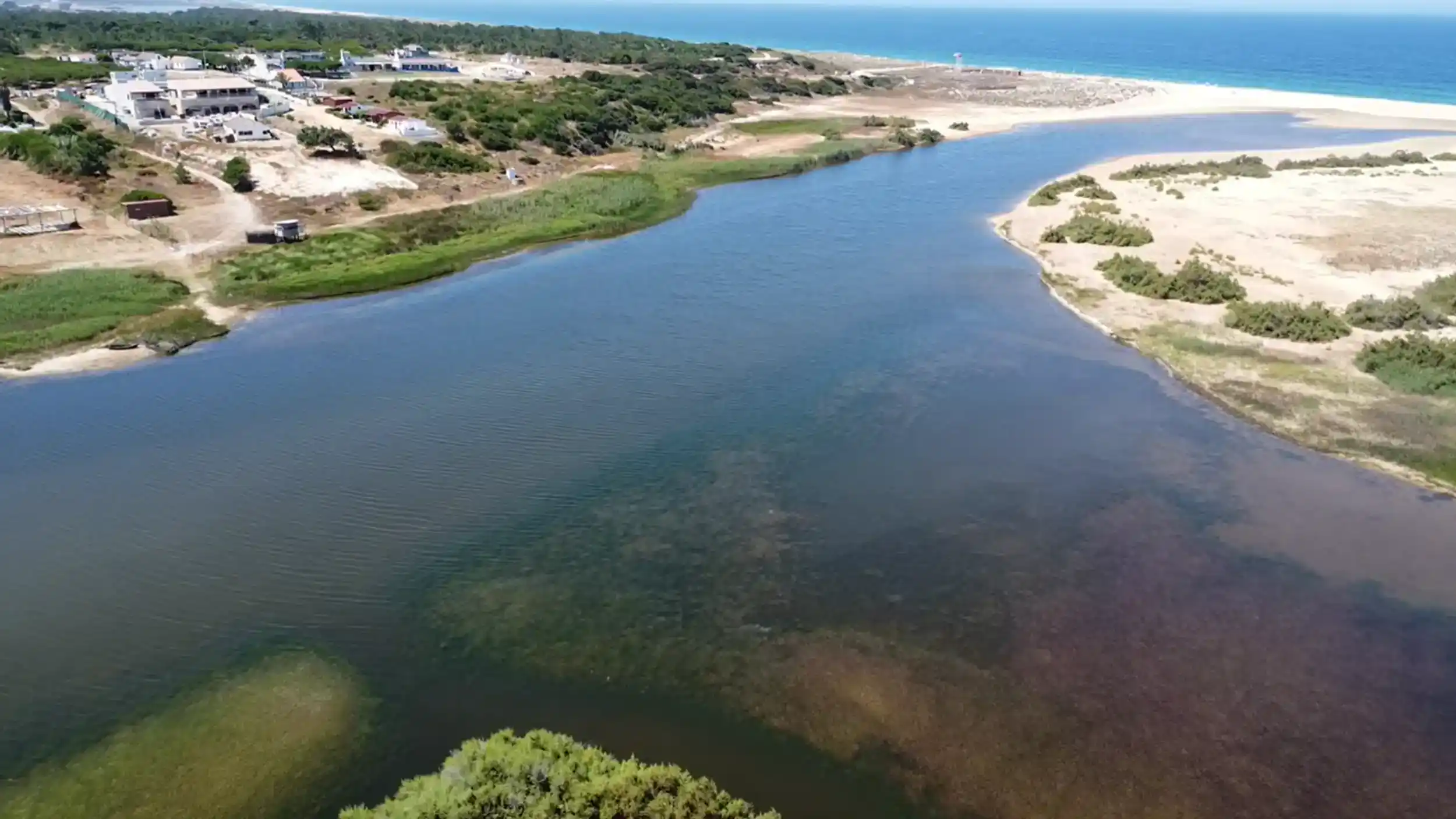
I had treated the Sado Estuary as the setting before I arrived. Standing above the mudflats made that impossible. The tide was the reason the pier existed in this form, not scenery added around it.
The tides, mudflats and sheltered waterways had dictated where the walkways could go and created the conditions local fishing depended on. I arrived concentrating on the pier because that was what I had come to see. By the time I left, separating it from the estuary no longer made much sense.
Birdlife Changed With the Tidal Mudflats
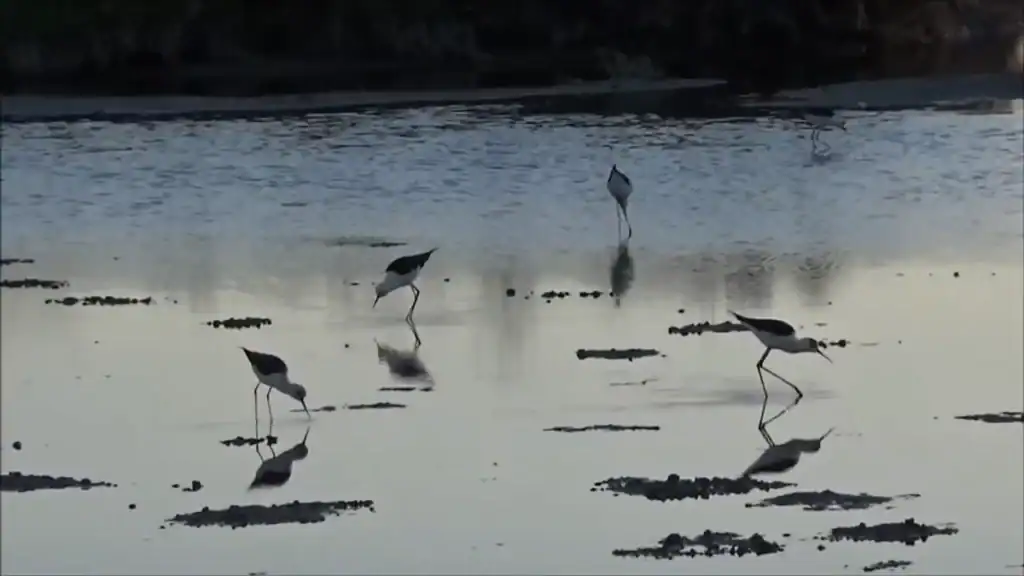
At low tide I stopped seeing the exposed mud as the less attractive version of the estuary. Birds were feeding across it, and the apparently empty ground suddenly looked busy. That was one of those small corrections a place makes to the picture you formed before arriving.
| Wildlife | What you may see |
|---|---|
| 🐦 Wading birds | Black-winged stilts, spoonbills and herons |
| 🦆 Migratory species | Large numbers during autumn and winter |
| 🐬 Bottlenose dolphins | Regularly seen elsewhere within the estuary |
| 🌾 Reed beds | Important habitat for many bird species |
Birdlife was the wildlife we noticed most readily around the pier. The reserve also supports one of Europe’s few resident populations of bottlenose dolphins, although I would not come here expecting a sighting from the boards. Our guide to Sado Estuary dolphins covers the better opportunities elsewhere in the estuary.
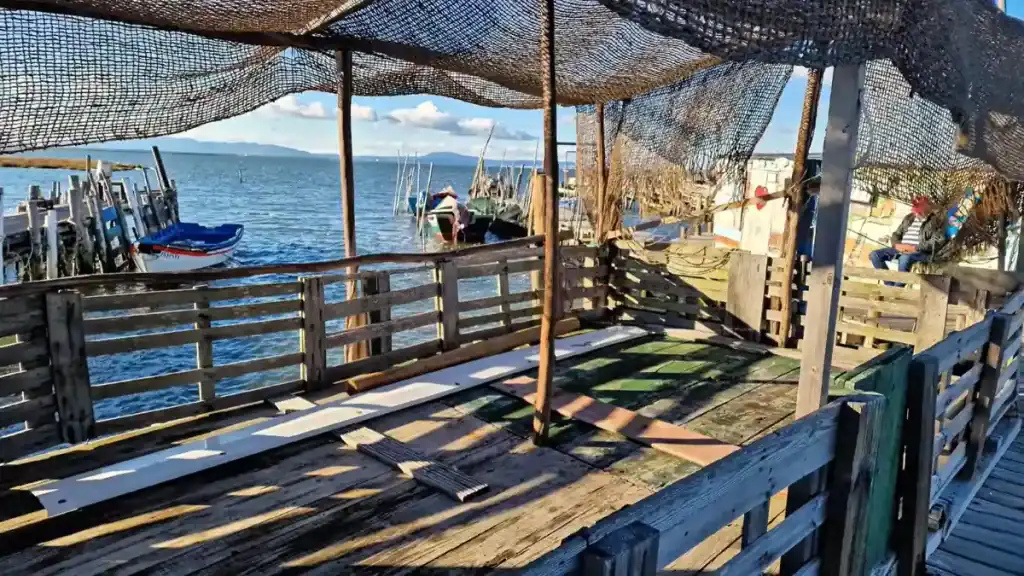
Fishing Activity Kept the Estuary From Feeling Staged
I never quite settled into treating Carrasqueira as a conventional viewpoint, even when the estuary was at its most peaceful.
Fishing continued around me, boats still used the pier and the wetlands carried on functioning around all of it. I liked that nothing had been cleared away to make the visit neater. The ordinary use was not getting in the way of the attraction; it was the reason I found the place interesting.
🌅 When Is the Best Time to Visit Carrasqueira Palafitic Pier?
Our verdict: Carrasqueira Palafitic Pier is worth visiting if local character, working landscapes and estuary scenery appeal to you. It makes most sense as a distinctive stop within a wider Comporta coast day rather than as a full-day attraction.
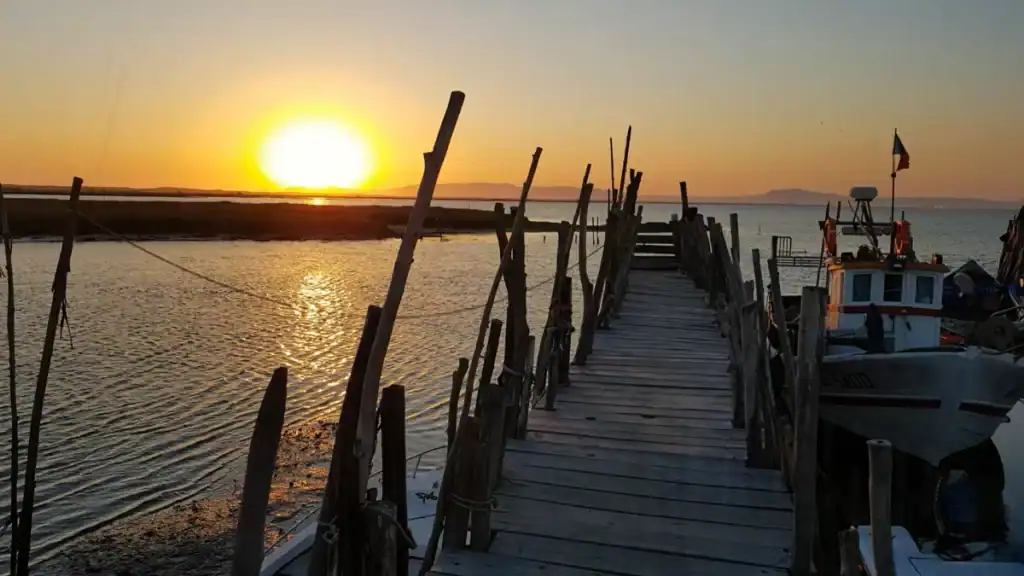
If I went back, I would aim for late afternoon and try to match it with low tide. I preferred the warmer light on the timber, but the bigger lesson from the visit was that exposed mud reveals far more of what is holding the walkways up and why they extend so far into the estuary.
I had underestimated the tide before seeing the place. It changes more than the water level: supports appear or disappear, mudflats open up and the whole balance between pier and estuary shifts. On a return visit, I would check the tide before deciding when to go.
Late Afternoon Brings Out the Timber and Mudflats
I would choose the timing according to what I wanted from the visit. The conditions that made the pier easiest to photograph were not necessarily the ones most likely to show fishing activity, and low and high tide produced noticeably different places.
Choose your timing by what matters most
- 📷 For photographs: late afternoon gives warmer light and longer shadows.
- 🪵 For understanding the structure: low tide exposes more mudflat and timber supports.
- 🌊 For a water-filled estuary view: high tide changes the scene around the walkways.
- 🐟 For possible fishing activity: morning can be more interesting, but nothing is guaranteed.
For photographs, late afternoon still wins for me. Warmer light brought out the timber and threw longer shadows across the mudflats. When that coincided with low tide, the confusing network of walkways suddenly became much easier to read.
How Long Does It Take to Visit?
I would allow around 30 to 45 minutes for the pier itself. That was enough time to walk the timber sections at an unhurried pace, stop to look across the mudflats and boats, and take photographs without turning the visit into something it is not. There is no long trail or major attraction waiting at the end.
I would stretch that towards an hour if I arrived around sunset or found plenty of fishing and bird activity. The light and tide can make lingering worthwhile. Even then, I would still treat Carrasqueira as a distinctive stop within a wider Comporta coast day rather than something that needs half a day of its own.
It Works Best as Part of a Wider Coastal Day
Parking close to the entrance meant I never had to turn this into a major logistical exercise, and there was no admission charge. That suited the place. I could stop, spend as long as the tide, light and activity held my attention, then continue along the coast.
I would not build an entire day around the pier. Its strength was the contrast it added to a wider route: after the tidal mud, timber and working boats, continuing along the Comporta coast towards the open Atlantic made both landscapes feel more distinct.