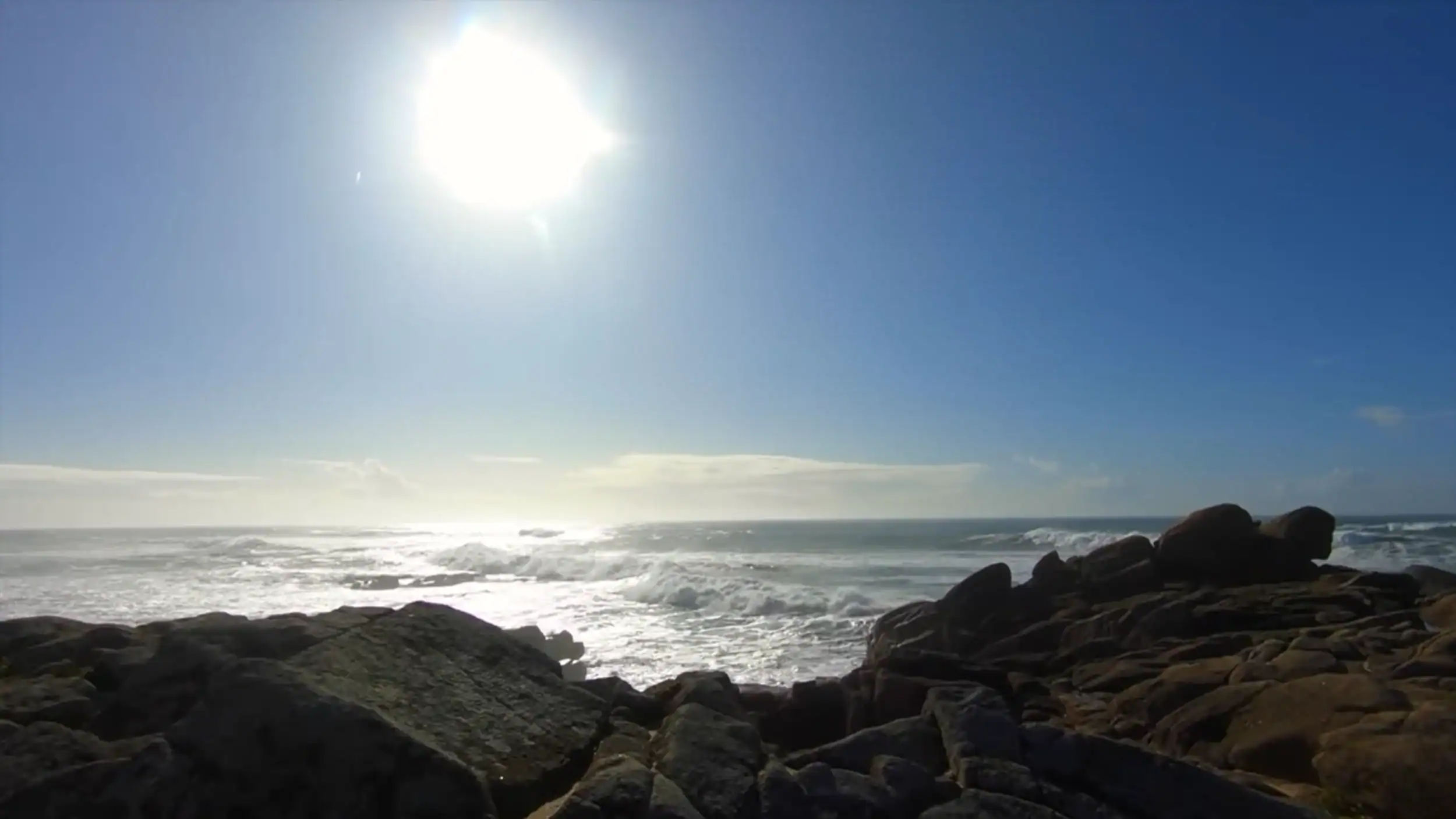
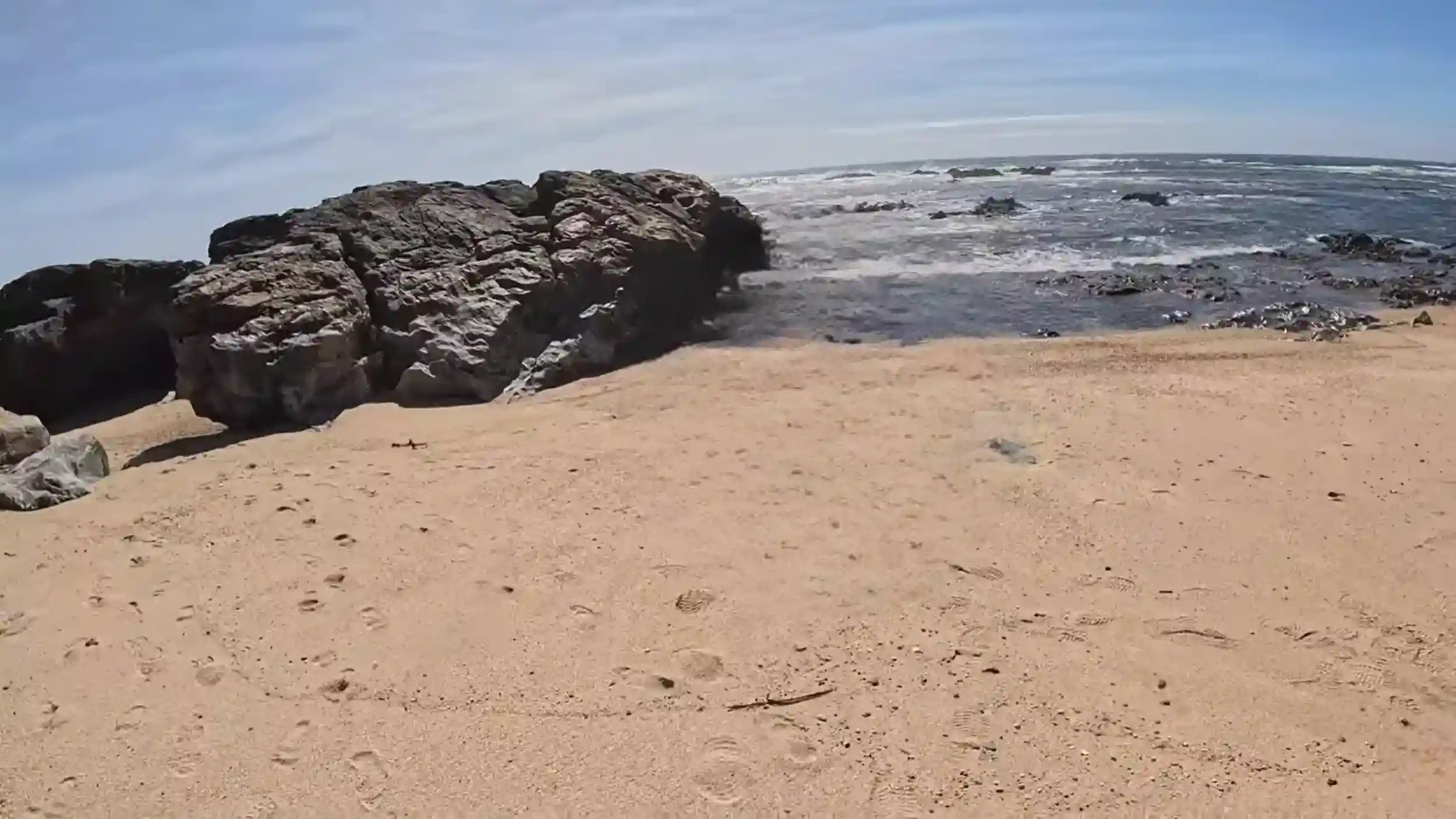
Vila do Conde beach is broad, open and shaped by the Atlantic. Long stretches of sand, rocky outcrops and a wide promenade create a coastline that feels spacious even during the busiest weeks of summer.
Unlike sheltered Portuguese beaches, Vila do Conde beach is defined by wind, tide and changing light. Understanding those natural rhythms helps you decide when to visit, where to walk and which parts of the coastline suit swimming, surfing or simply enjoying the open scenery.
🏖️ What Vila do Conde Beach Is Actually Like
Vila do Conde beach is flat, wide and directly exposed to the Atlantic. Rather than small sheltered bays, you’ll find a long, open coastline where the sense of space is one of the defining features.
The Landscape of Vila do Conde Beach
The coastline changes subtly as you walk.
| Feature | What to expect |
|---|---|
| 🏖️ Sand | Wide, coarse-grained Atlantic beach |
| 🪨 Rocky outcrops | Divide the coastline into distinct sections |
| 🌊 Open shoreline | Plenty of space, even in summer |
| 🚶 Promenade | Long esplanade running behind the beach |
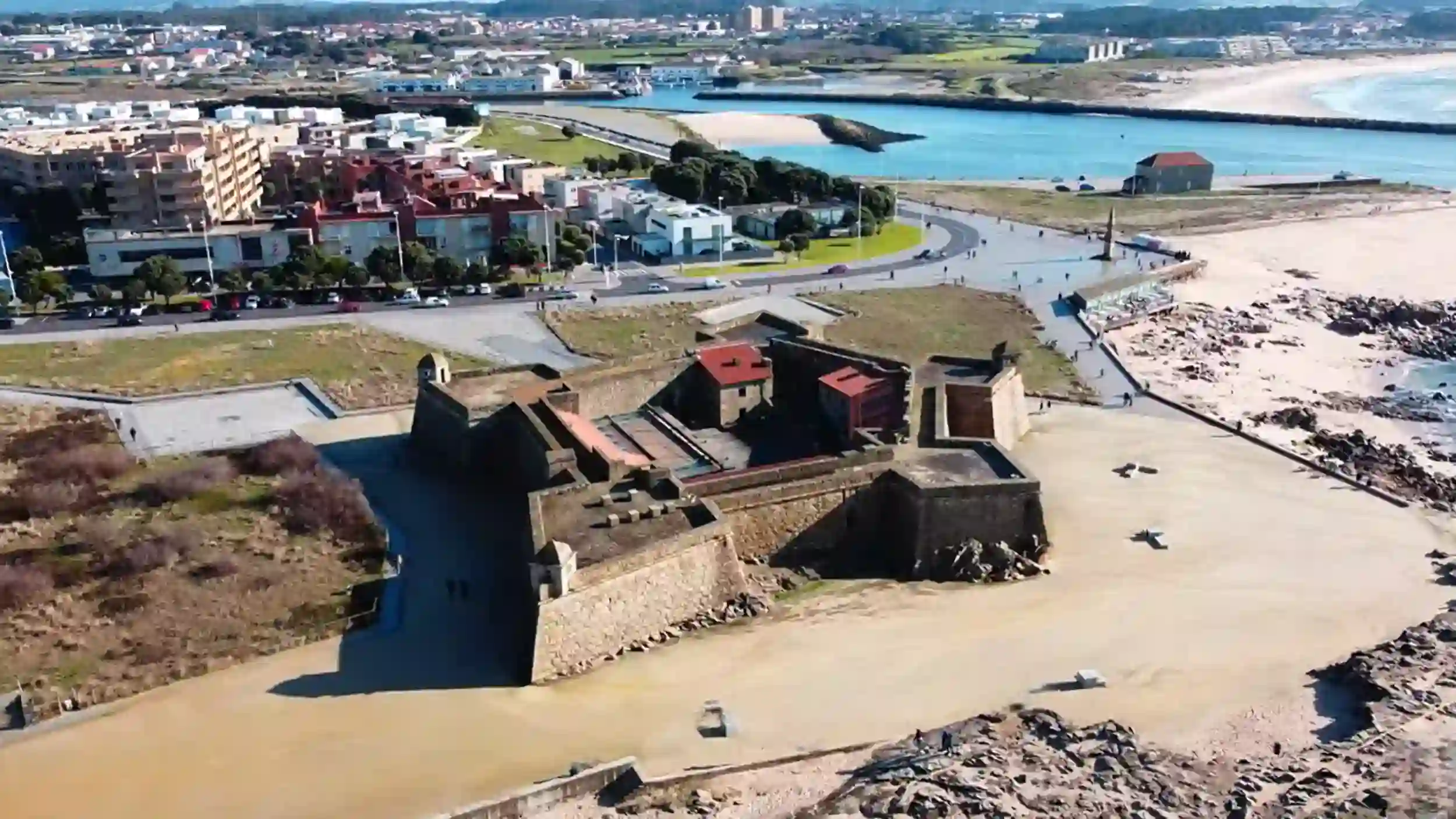
The main beaches north of the Rio Ave include Praia Azul, Praia do Forno, Praia da Ladeira and Praia da Senhora da Guia. Although separated by rocky outcrops, they merge into one continuous stretch of coastline that feels far larger than many visitors expect. South of the river at Azurara, finer sand and lower dunes create a noticeably quieter atmosphere.
Who Will Enjoy Vila do Conde Beach?
Vila do Conde beach suits visitors looking for open space rather than a busy resort atmosphere.
The wide shoreline appeals to walkers, photographers and surfers as much as swimmers. If you’d like to see how the beach fits into the wider destination, Vila do Conde: What This Atlantic Town Actually Feels Like explains how the coastline connects with the historic centre, harbour and river.
🌊 How Tides Change Vila do Conde Beach
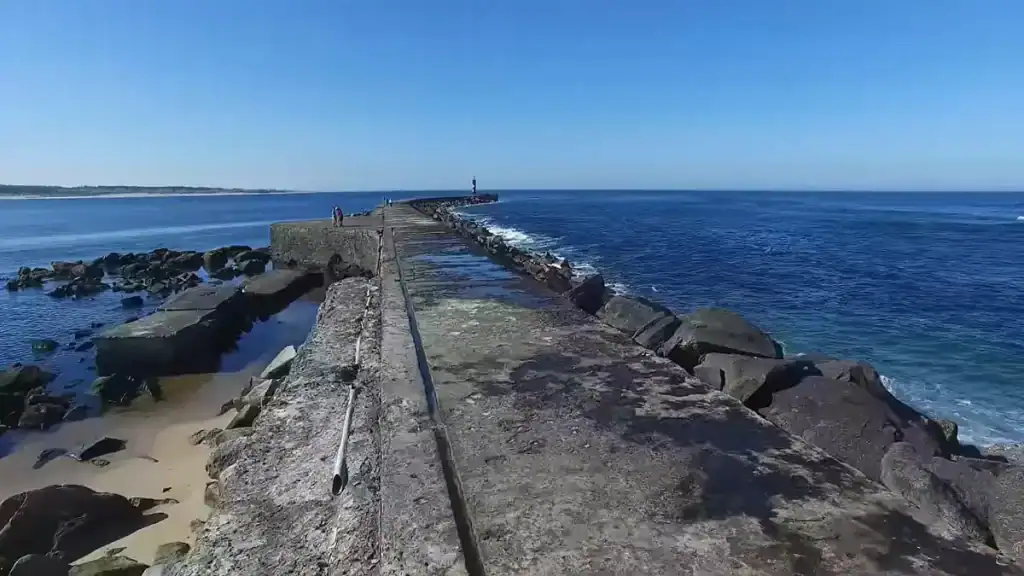
The tide has a much greater effect on Vila do Conde beach than many first-time visitors expect. Between high and low tide, the shoreline changes dramatically, exposing broad stretches of sand and rocky outcrops that remain hidden beneath the Atlantic for much of the day.
How the Tide Transforms Vila do Conde Beach
The coastline looks noticeably different depending on when you arrive.
| Tide | What to expect |
|---|---|
| 🌊 High tide | Narrower beach and fewer exposed rocks |
| 🏖️ Low tide | Wide expanses of sand and tidal channels |
| 🪨 Rocky outcrops | Fully exposed as the water retreats |
| 🚶 Walking | Much easier at low tide |
At low tide, the beach expands into a broad, firm shoreline where exposed rocks, shallow pools and damp sand create far more space for walking. As the tide returns, much of this lower beach disappears beneath the water, leaving only the upper shoreline and dramatically changing the character of Vila do Conde beach.
When Is the Best Tide for Vila do Conde Beach?
For most visitors, a falling or low tide offers the best experience.
You’ll have more room to explore, easier walking conditions and a much better appreciation of the beach’s scale. Checking local tide times before setting out is one of the simplest ways to get more from a visit, especially if you’re planning a long walk along the shoreline.
💨 Wind at Vila do Conde Beach
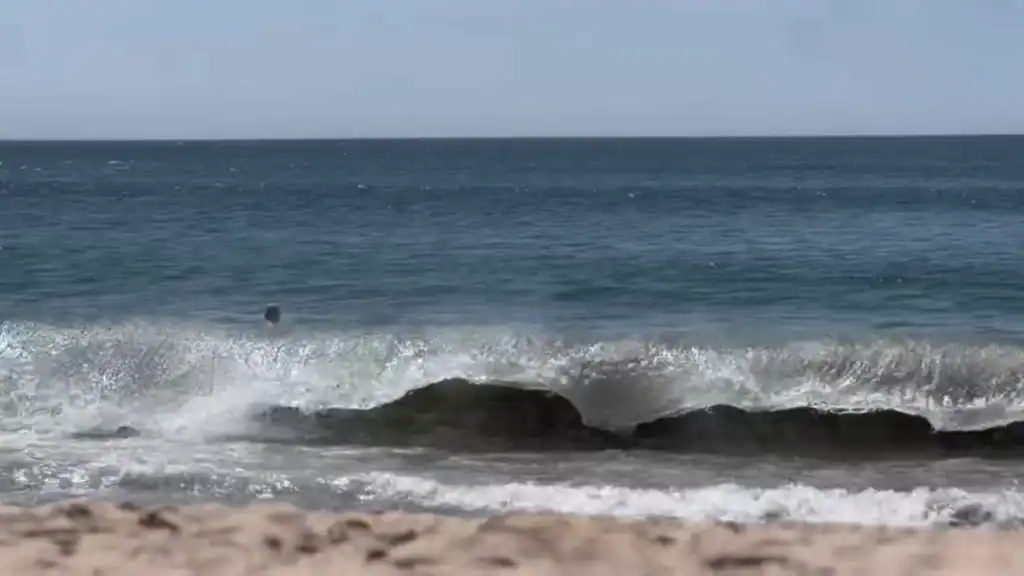
Wind is one of the defining features of Vila do Conde beach. With no offshore islands or sheltered bays, Atlantic breezes reach the shoreline with little interruption, shaping everything from the waves and sand to the overall experience of spending time on the coast.
What the Wind Means at Vila do Conde Beach
Conditions can change noticeably throughout the day.
| Condition | What to expect |
|---|---|
| 💨 Breezy days | Fresh Atlantic wind across the open beach |
| 🏊 Swimming | Best during calmer summer conditions |
| 🏄 Surfing | Consistent swell attracts surfers year-round |
| 🌡️ Sea temperature | Cool, even in the height of summer |
The open coastline means the wind is almost always present to some degree. During July and August it often eases enough for comfortable swimming, while outside the peak season stronger breezes and Atlantic swell make the beach feel more suited to walking, photography and surfing than spending long periods in the water.
Is Vila do Conde Beach Good for Swimming?
Yes, but conditions matter.
During the summer months, lifeguards supervise the main bathing areas and water quality is consistently high. At other times of year, stronger winds, colder water and larger waves mean it’s worth assessing the conditions before entering the sea.
📅 When to Visit Vila do Conde Beach
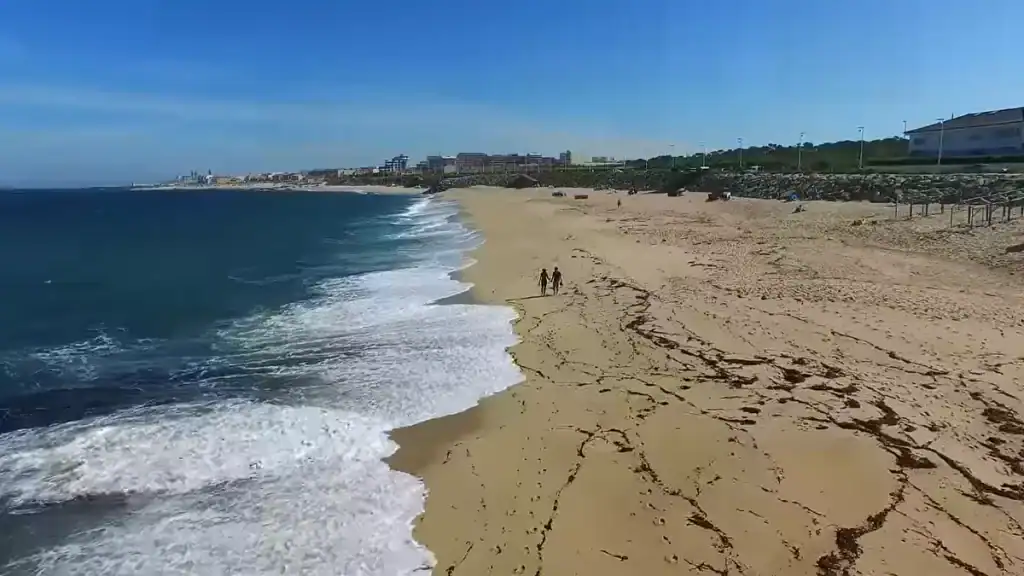
Vila do Conde beach changes noticeably with the seasons. Summer brings warmer weather and a livelier atmosphere, while spring and autumn offer more space, softer light and conditions that many walkers prefer.
Vila do Conde Beach Through the Year
Each season creates a different experience.
| Season | What to expect |
|---|---|
| ☀️ Summer | Warmest weather, busiest beaches and lifeguards |
| 🌸 Spring | Quieter shoreline and comfortable walking |
| 🍂 Autumn | Fewer visitors with pleasant temperatures |
| ❄️ Winter | Dramatic Atlantic scenery and peaceful beaches |
Even during July and August, the sheer width of Vila do Conde beach means it rarely feels overcrowded. Outside the main holiday season, the atmosphere becomes much quieter as walkers, surfers and local residents replace summer sunseekers.
Which Season Suits Vila do Conde Beach Best?
That depends on what you want from your visit.
For swimming and family beach days, summer offers the most reliable conditions. If your priority is walking, photography or simply experiencing the Atlantic coast without the crowds, late spring and early autumn provide an excellent balance of comfortable weather and open space. Visitors interested in the quieter months can continue with Vila do Conde in Winter: Quiet Coast, Resident Life to see how the coastline changes outside the main season.
Is It Better to Stay by Vila do Conde Beach or in Town?
For a beach-focused break, the seafront is the obvious choice. If you want to combine the coast with history, restaurants and local life, staying in the centre offers a more rounded experience.
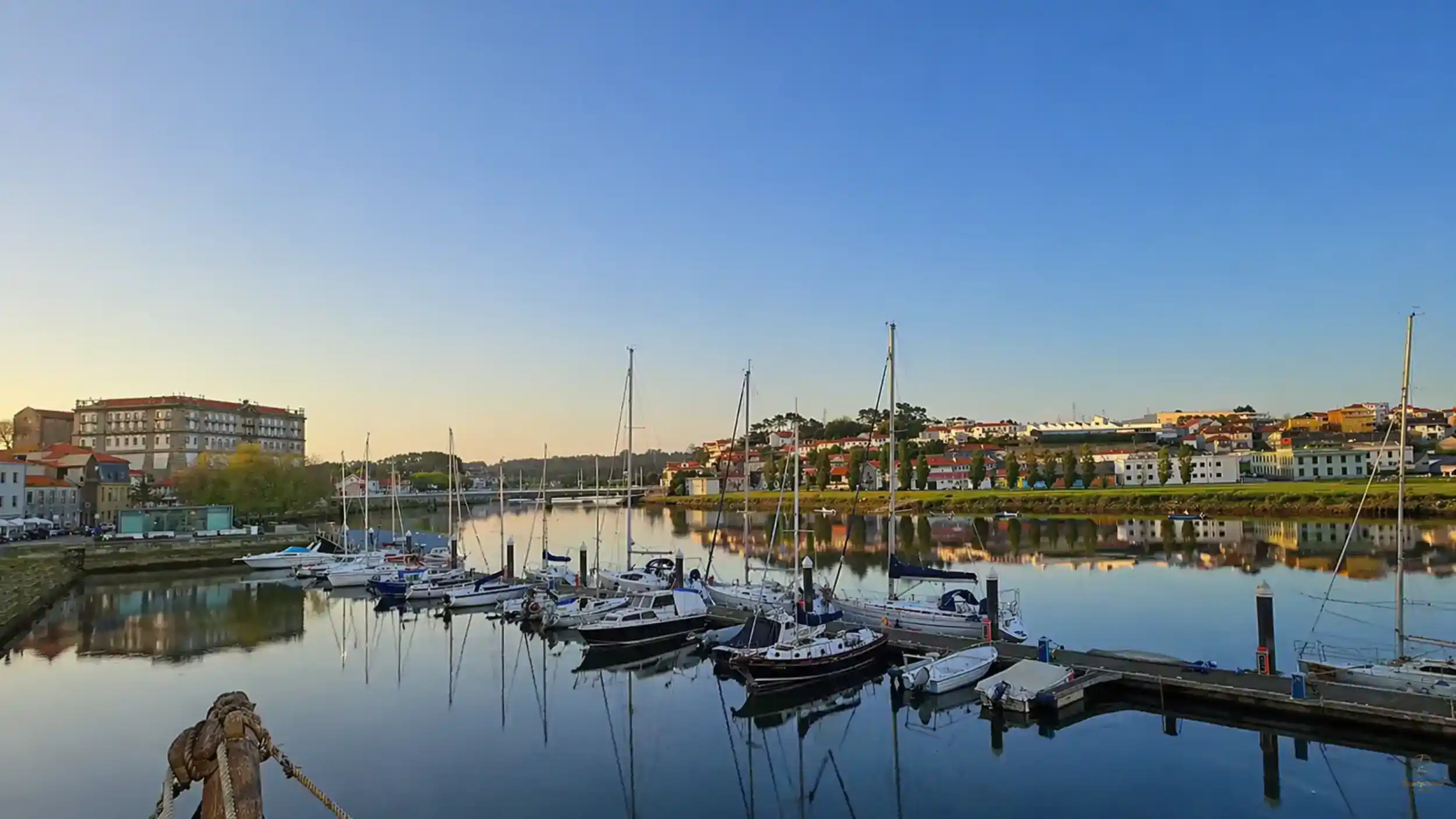
Whichever area you choose, Vila do Conde is compact enough that the beach, harbour and historic centre remain within easy reach, making it easy to experience different sides of the town without relying on a car.