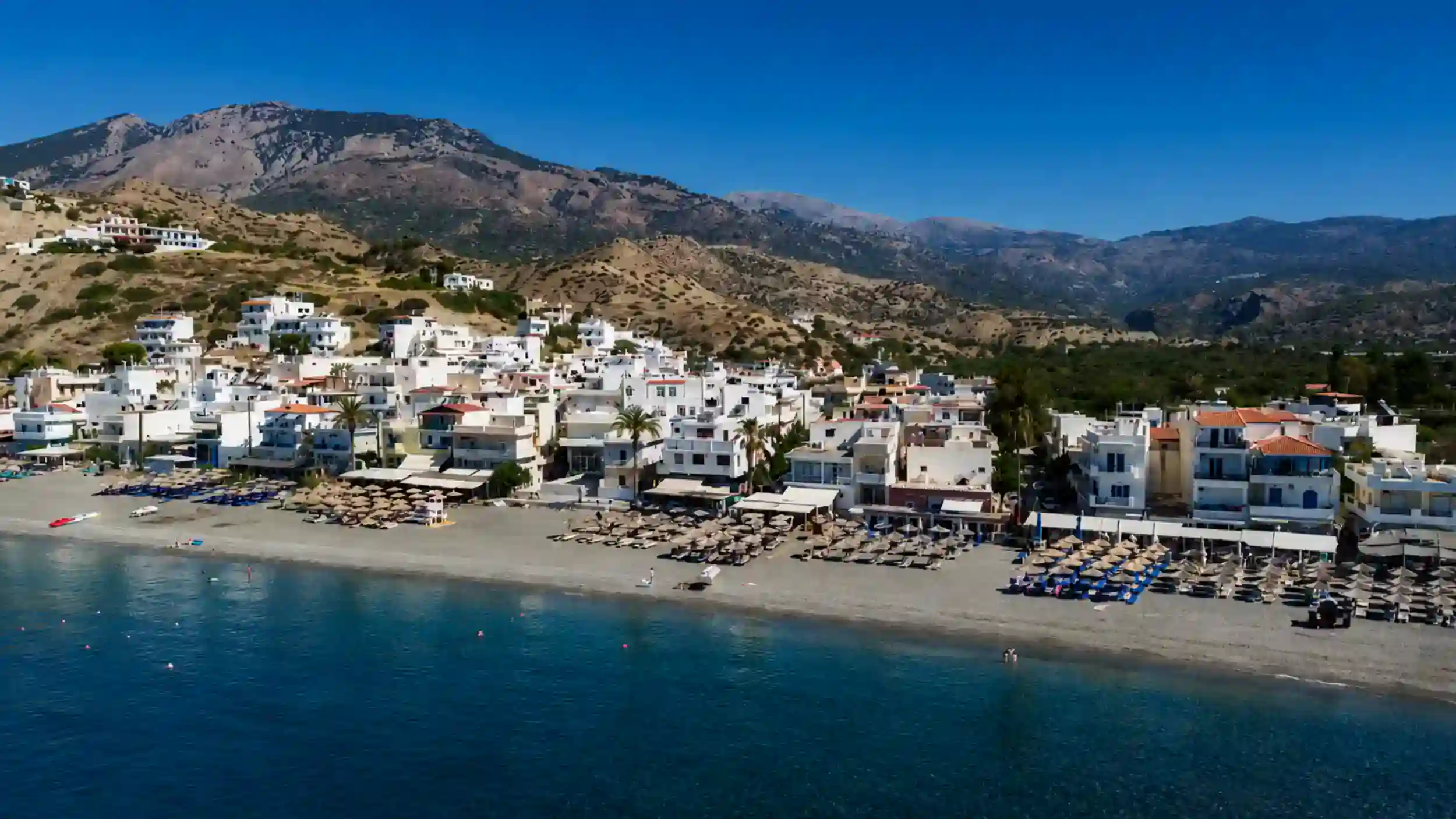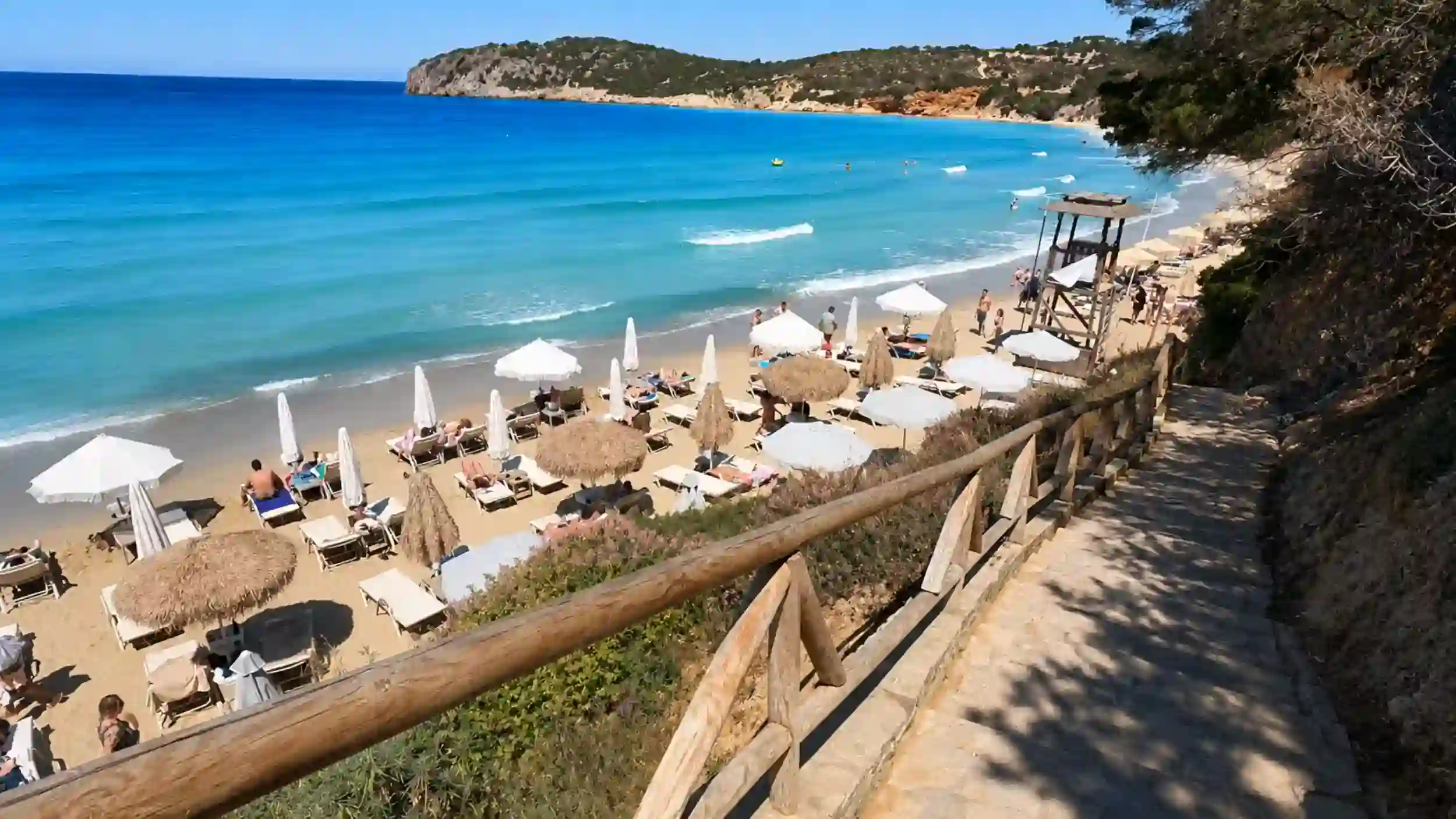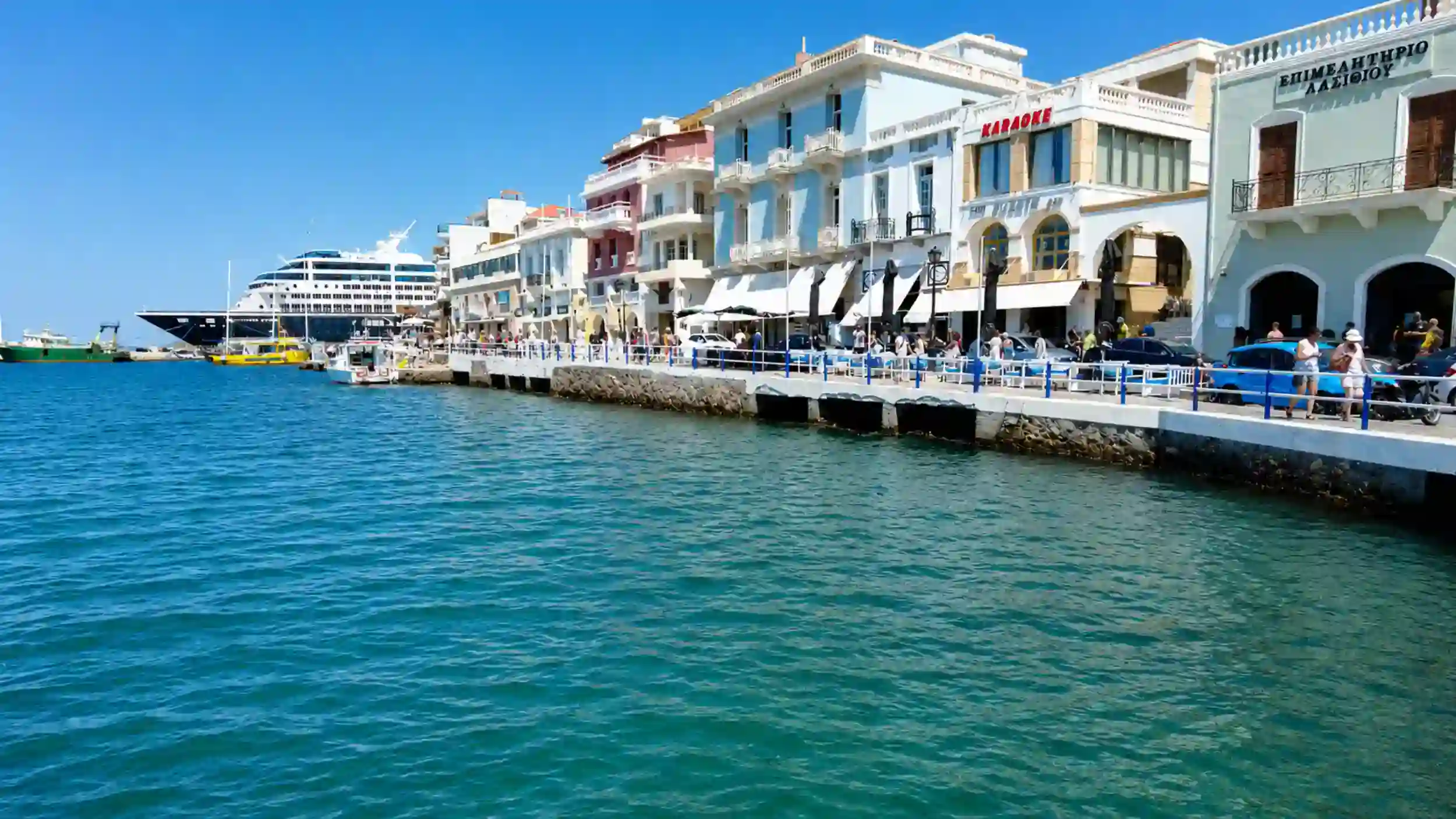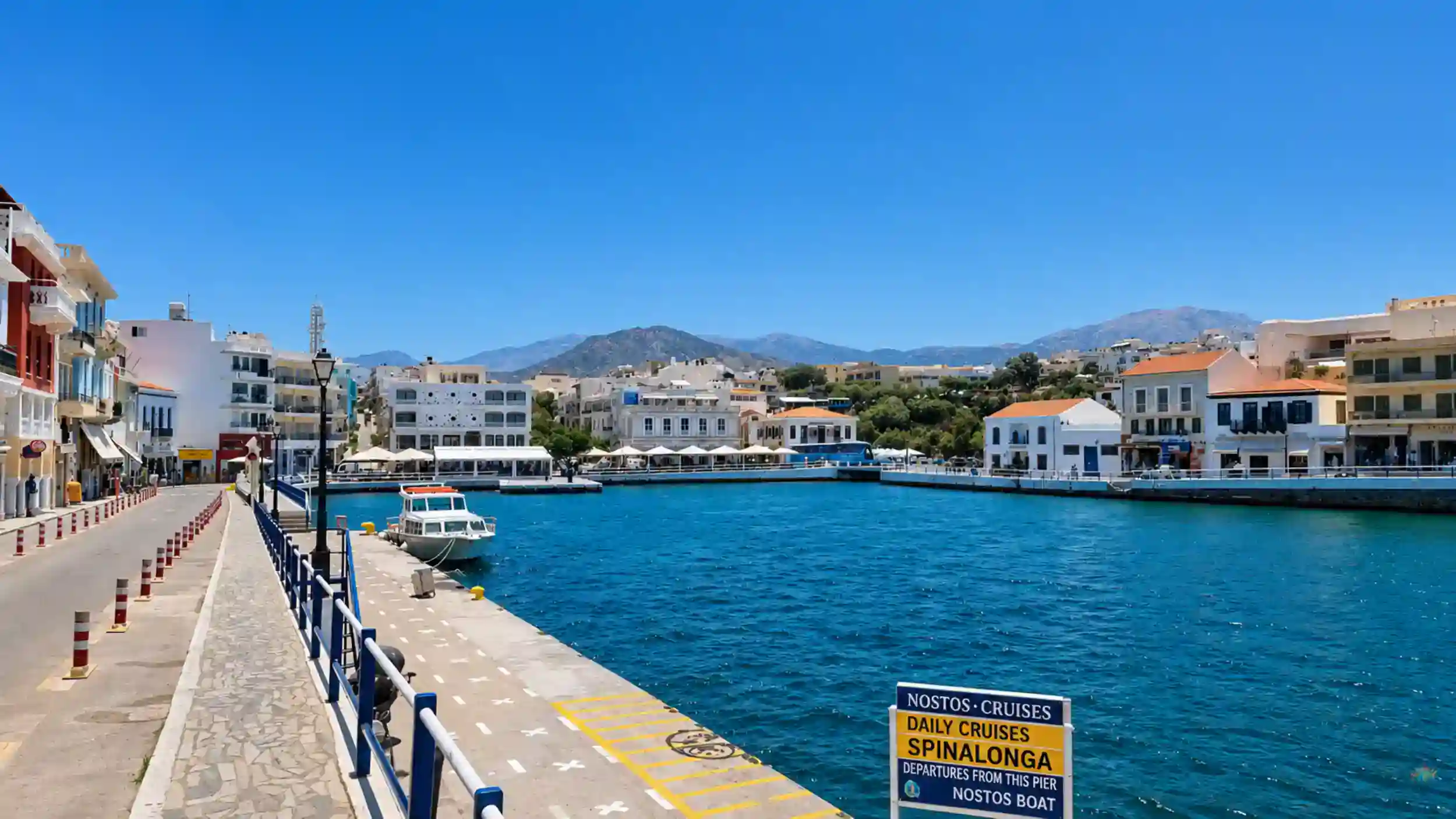

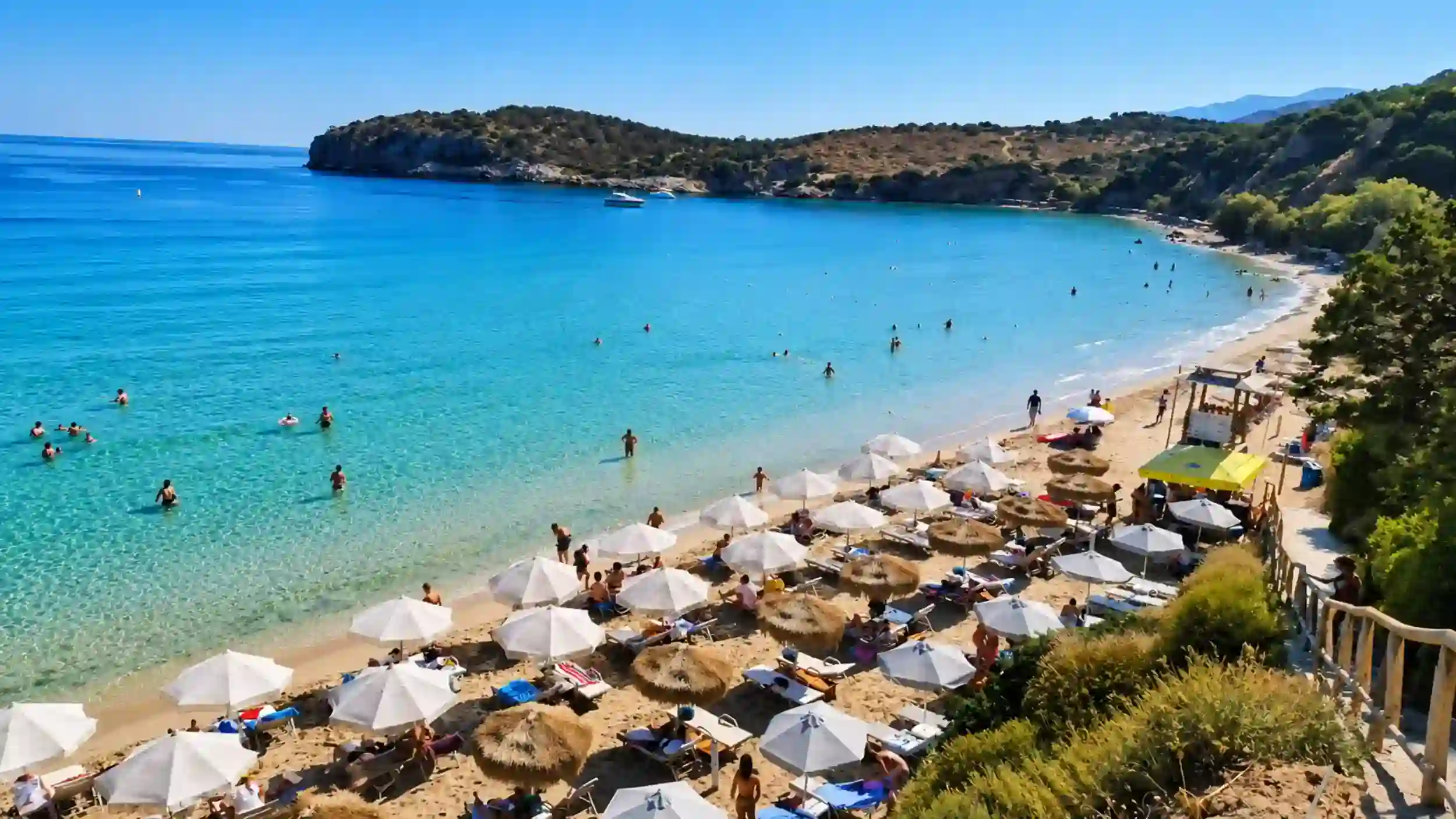
Is East Crete Worth Visiting depends on whether you want the quieter, more spread-out side of the island or the busier resort-heavy west. East Crete is worth visiting, but it suits travellers who value space, easier pacing, and a less commercial version of Crete.
Most first-time visitors look west or northwest because that is where Crete’s best-known beaches and busiest resort areas sit. It is the side with the famous names, the big excursion traffic, and the heaviest concentration of tourists.
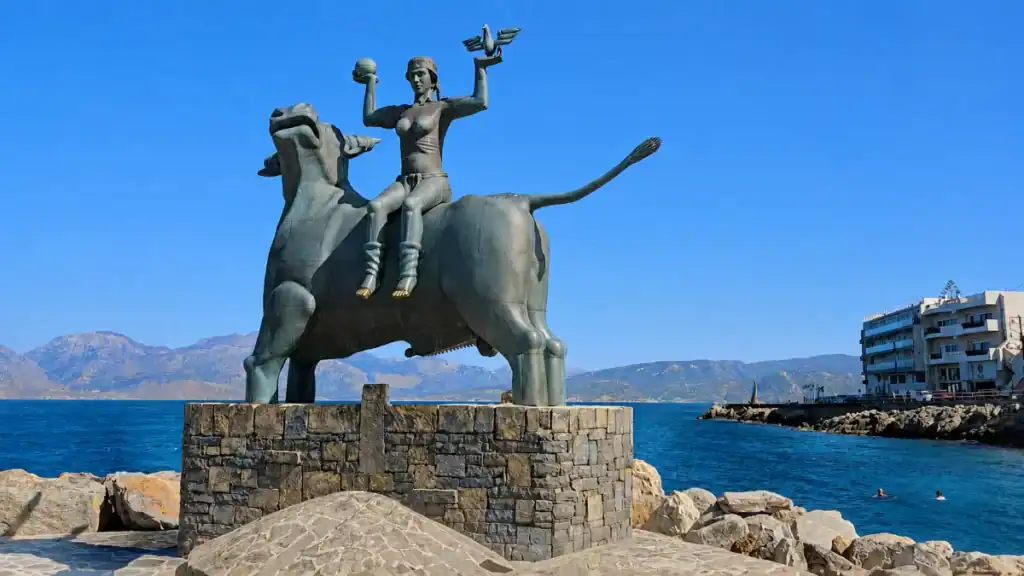
East Crete does not compete in that way.
It feels quieter from the moment you start moving through it. Roads carry less traffic, villages are less built around tourism, and the coastline is spread across smaller towns instead of being funnelled into a few crowded hotspots. You spend less time navigating other people’s holidays and more time simply getting on with your own.
That changes the feel of the trip more than people expect.
Instead of building each day around beating crowds, finding parking, or arriving early enough to claim beach space, East Crete usually allows a looser schedule. You can stop where something looks interesting. You can change plans mid-drive. And you can sit longer without feeling pushed along.
For many visitors, that ease is the real selling point.
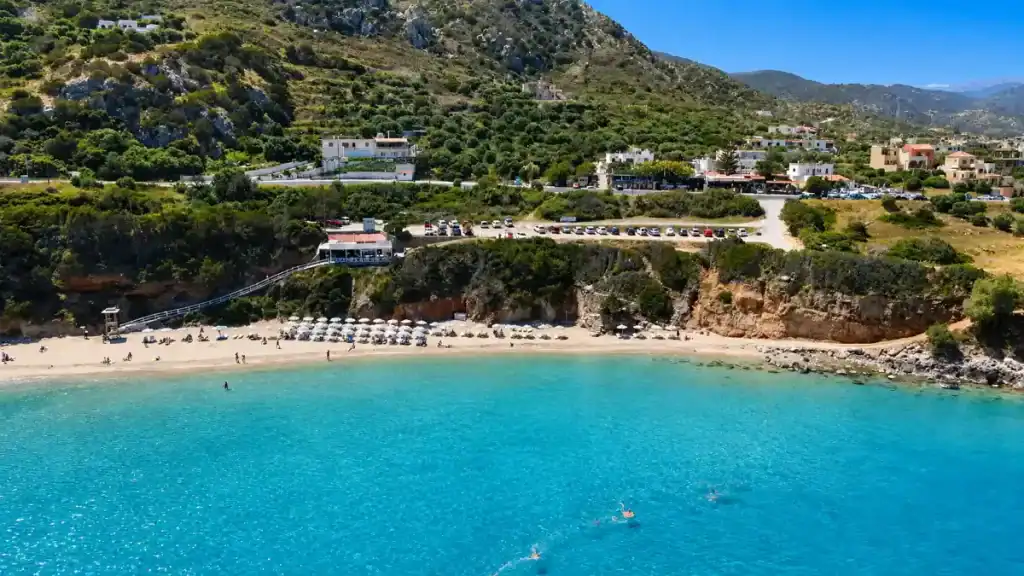
The beaches are spread better across the region
One of East Crete’s biggest advantages is how the coastline works.
In the west, many beach days become single-destination missions. You choose one major beach, drive to it, stay there for hours because the journey demands it, then drive back. The famous names are beautiful, but they attract everybody for the same reason.
East Crete gives you more options over shorter distances.
Around Agios Nikolaos alone you have easy access beaches a few minutes east of town, then Voulisma and Istro a little further along. Elounda and Plaka offer sheltered coves and clear swimming. South of the mountains, the coastline opens into Ferma, Ierapetra, Myrtos, Makry Gialos, Diaskari and much quieter stretches beyond. Continue east and the scenery becomes emptier again around Zakros and Xerokampos.
The important thing is not that every beach is world-famous.
It is that you are never relying on one.
You can have a calm shallow family beach one day, a long open bay the next, then a quieter pebble cove with hardly anyone on it after that. The variety is practical, not just scenic. A proper ranking of which East Crete beaches actually deserve a full day makes that variety easier to plan around.
This makes East Crete easier to enjoy over a full week because beach days do not start to feel repetitive.
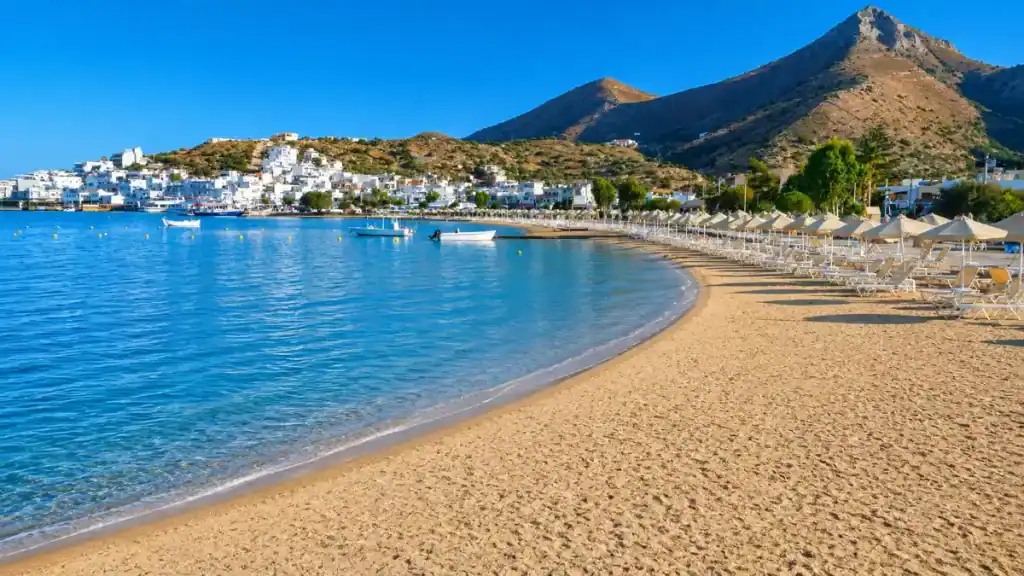
It suits a road trip far better than a fixed resort stay
East Crete makes the most sense when you have a car.
This is not because the roads are difficult. In fact, much of the driving is easier than visitors assume. The roads are generally quieter once you move beyond the busiest northern strip, and parking is rarely the battle it becomes elsewhere on the island.
The reason a car matters is because East Crete works as a sequence of drives.
You do not come here for one dominant centre. You come because each part of the region feels slightly different.
Elounda feels polished and sheltered. Plaka feels smaller and slower. Ierapetra is a proper working town with a long active seafront. Makry Gialos is softer and family-oriented. The inland roads near Zakros feel dry, isolated and almost empty. Xerokampos feels like the edge of the island.
Those changes keep the days interesting.
Even short transfers become part of the experience because the roads constantly shift between sea views, mountain bends, olive slopes and exposed southern coastline. You are not just driving to the next hotel. You are seeing the geography of East Crete unfold in manageable pieces. The older coastal route from Agios Nikolaos out to Sitia is a good example of how a transfer can become a half-day in itself.
For travellers who like moving around, it is one of the easiest parts of Greece to build a relaxed road itinerary around.
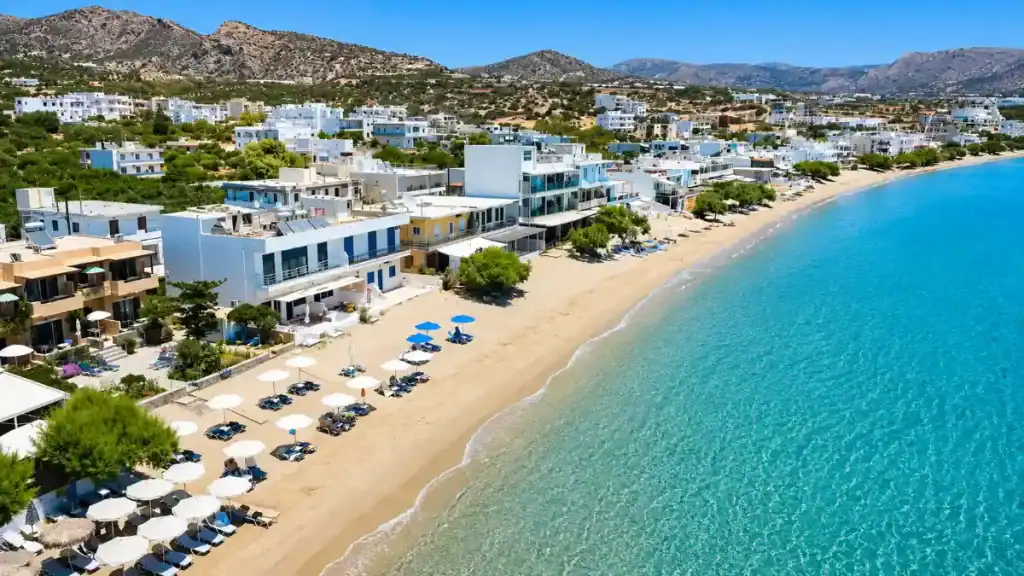
The crowds are lighter almost everywhere
This matters more than guidebooks usually admit.
Less crowding improves nearly every practical part of a holiday.
Parking is simpler. Restaurants feel less hurried. Beaches have more free space. Harbour fronts are quieter in the evening. You are not continually adjusting your day around demand.
Places like Ierapetra and Makry Gialos are good examples. Both are active in summer, but neither feels overwhelmed by visitor traffic. They still operate as normal towns and villages. You see locals using the promenades, sitting in the squares, shopping, meeting family, walking the port. Tourism exists, but it does not swallow the place.
That gives East Crete a more settled feel.
Even in popular areas such as Elounda, it takes very little driving before things thin out again. You are never far from a quieter beach, a less busy taverna, or a road with almost no one on it.
That constant reduction in pressure makes the region easier to inhabit for several days at a time.
You feel less processed as a tourist.
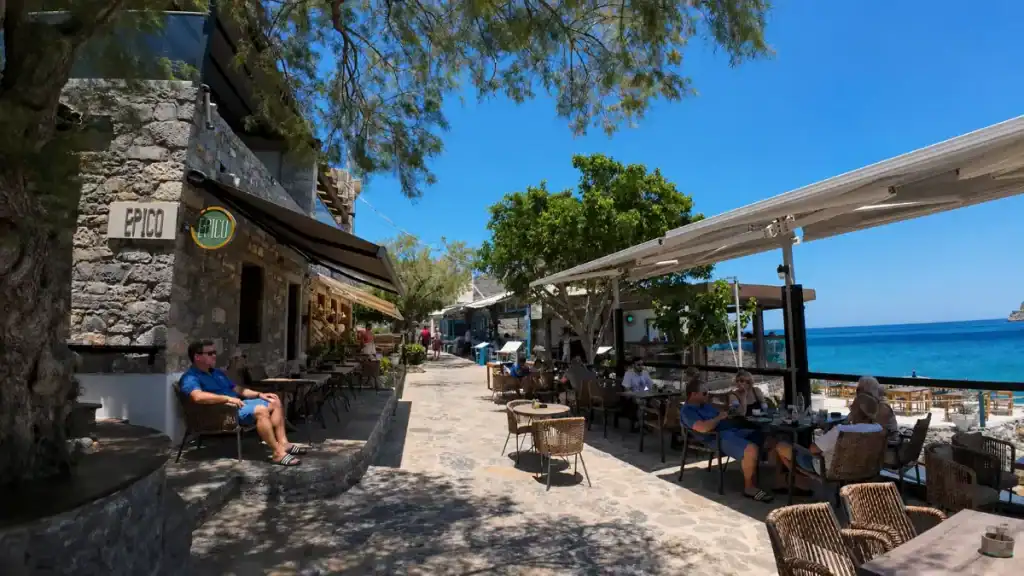
It is not the best choice if you want nonstop resort energy
East Crete is not perfect for everybody.
Some visitors want busy nightlife, packed promenades, lots of shops, organised excursions leaving every hour, and a stronger resort atmosphere after dark. If that is the holiday, the west and parts of central Crete do that better.
East Crete has evenings out, good tavernas, harbour walks and bars, but many places settle earlier and quieter.
You also need to accept more driving between major sights.
This side of the island rewards independent exploring rather than staying in one dense tourism zone and having everything within a short walk. The trade-off shows up most in the choice of base, which is why thinking carefully about where to actually sleep tends to matter more here than in resort-heavy regions.
If you dislike getting behind the wheel, or want constant activity built around you, East Crete can feel too subdued.
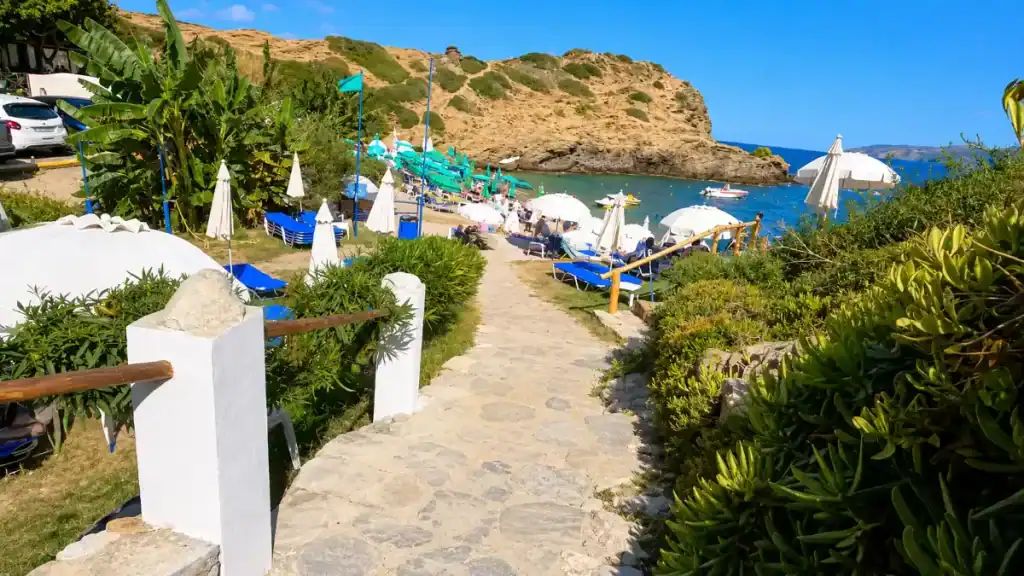
So is East Crete worth visiting?
Yes, very much so, especially if you value space, easier movement and a less crowded coastline.
It gives you:
- quieter roads
- a better spread of beach options
- less resort congestion
- easier parking
- strong day-trip variety
- a very comfortable self-drive holiday
It does not have the same concentration of famous headline beaches as the west.
What it offers instead is a more manageable and less exhausting version of Crete.
For many travellers, that ends up being the better holiday.