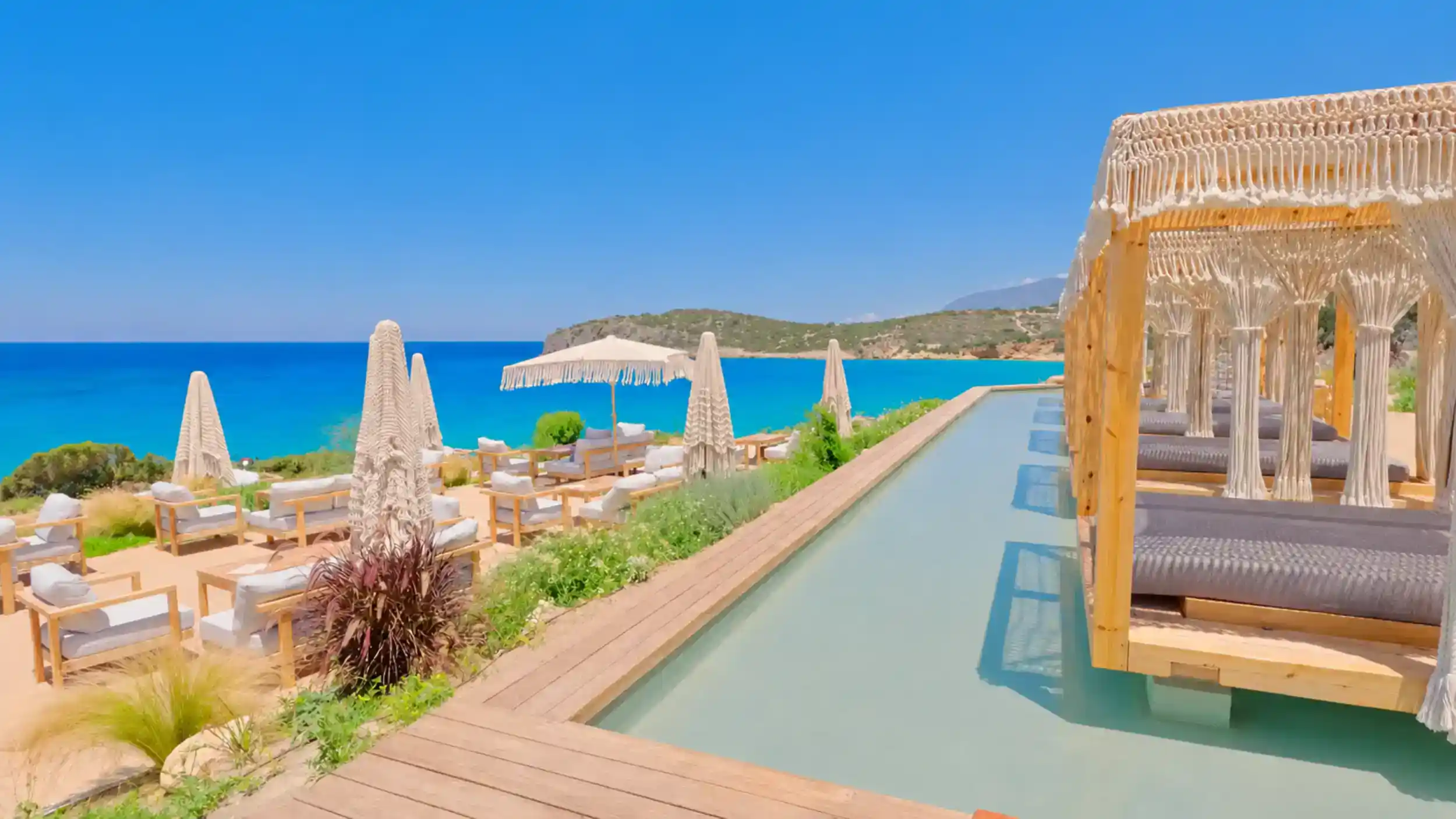
East Crete is not one continuous holiday zone. It is a collection of coastal towns, small villages and quieter stretches separated by mountain roads and long inland sections.
Agios Nikolaos makes the easiest starting point, but travel further east or south and the character changes quickly. Elounda, Sitia, Palekastro, Ierapetra and Makry Gialos each work as distinct bases rather than extensions of the same resort coast.
If you want to explore East Crete properly, a car makes a significant difference.
🏙️ Agios Nikolaos: The Easiest East Crete Base
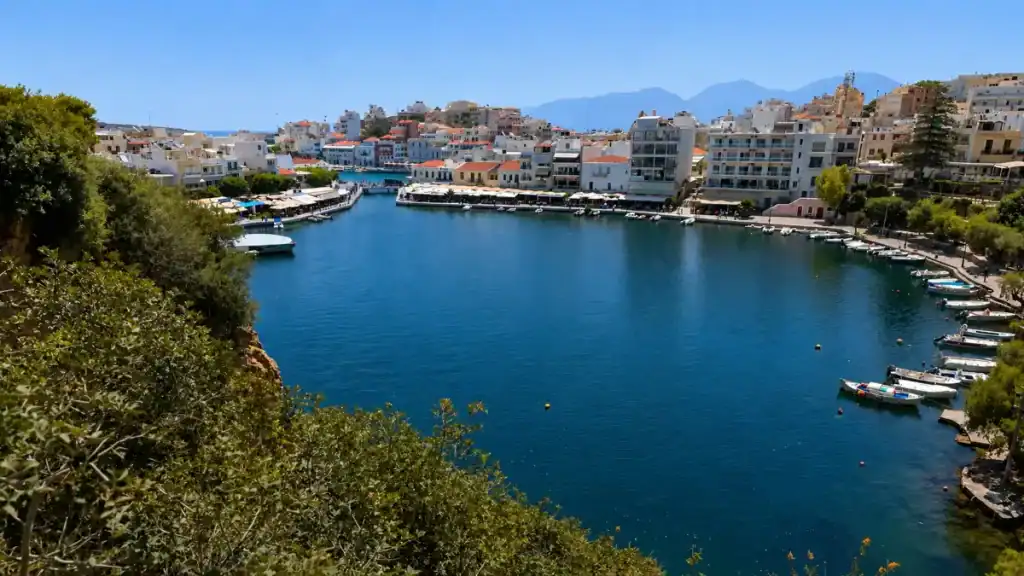
Agios Nikolaos is where East Crete first feels organised. It is a proper town with supermarkets, pharmacies, shops, restaurants and a marina, making it particularly easy to use for the first two or three nights.
🌊 Start Around Lake Voulismeni
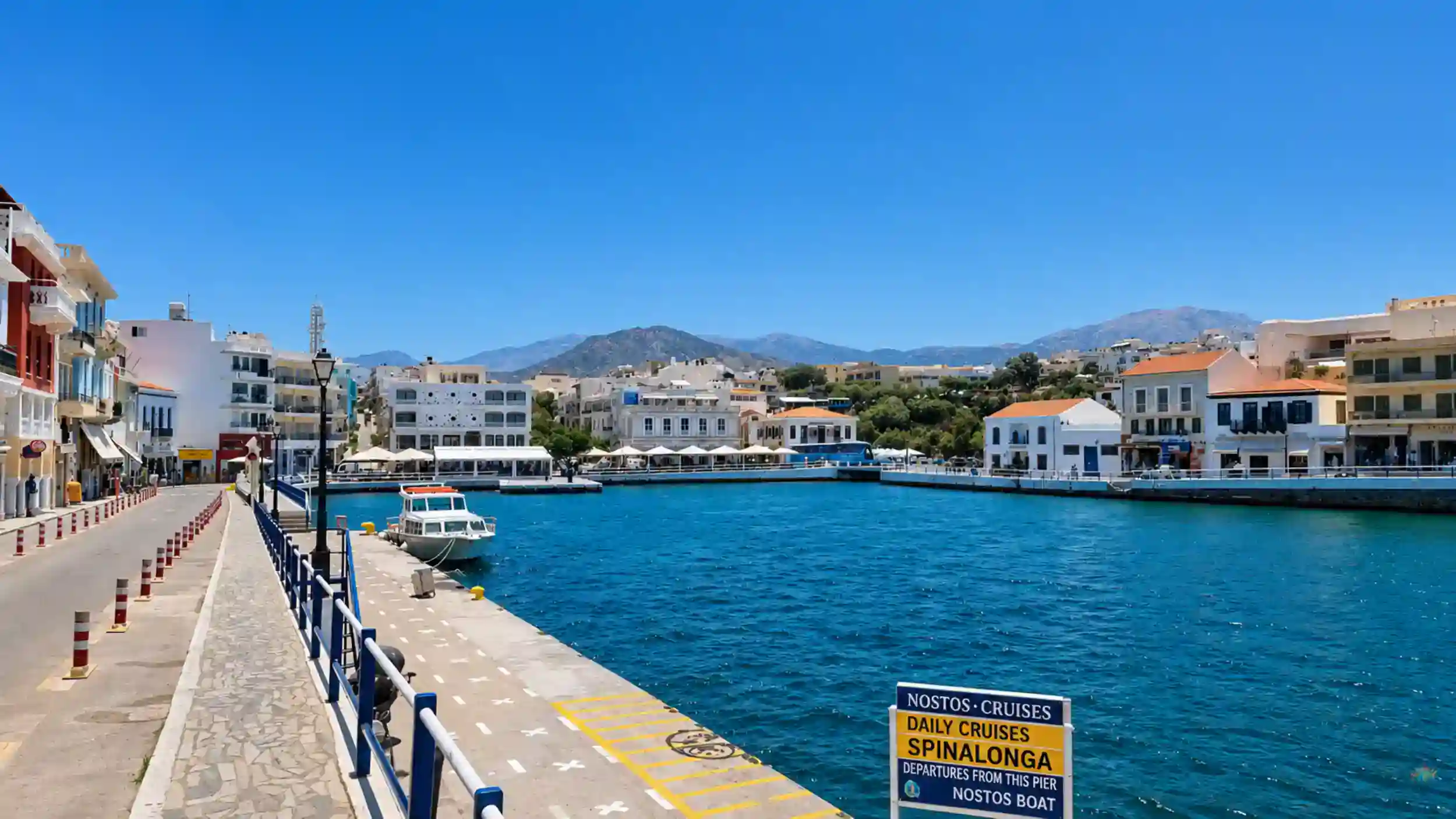
The circular lake forms the centrepiece of Agios Nikolaos, while the harbour is where excursion boats leave and the town becomes livelier in the evening.
🚗 Use It to Explore East Crete
Agios Nikolaos gives you straightforward access north towards Elounda, east towards Sitia and south towards Ierapetra. Ancient Lato and the beaches of Mirabello Bay are also easy additions.
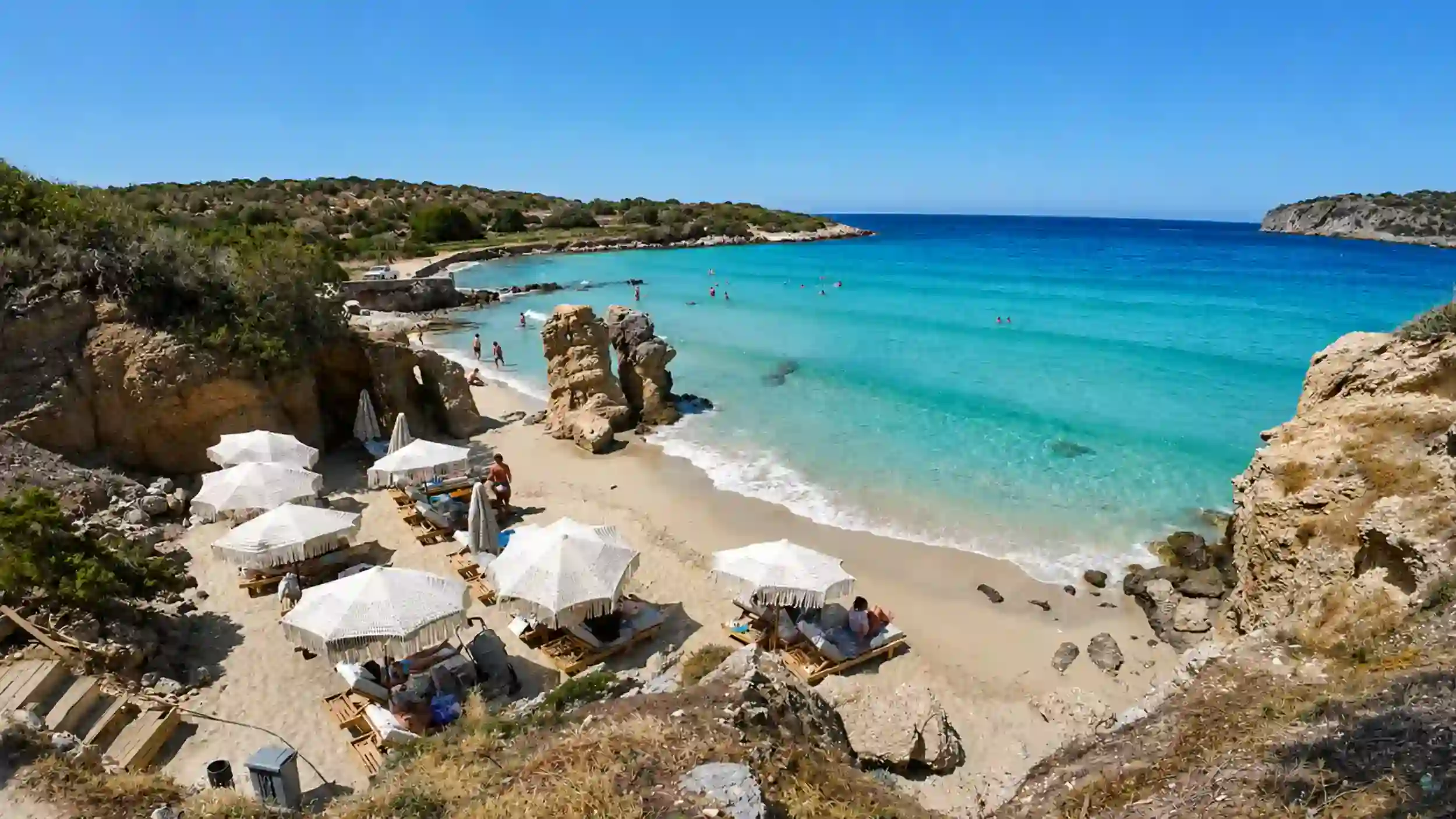
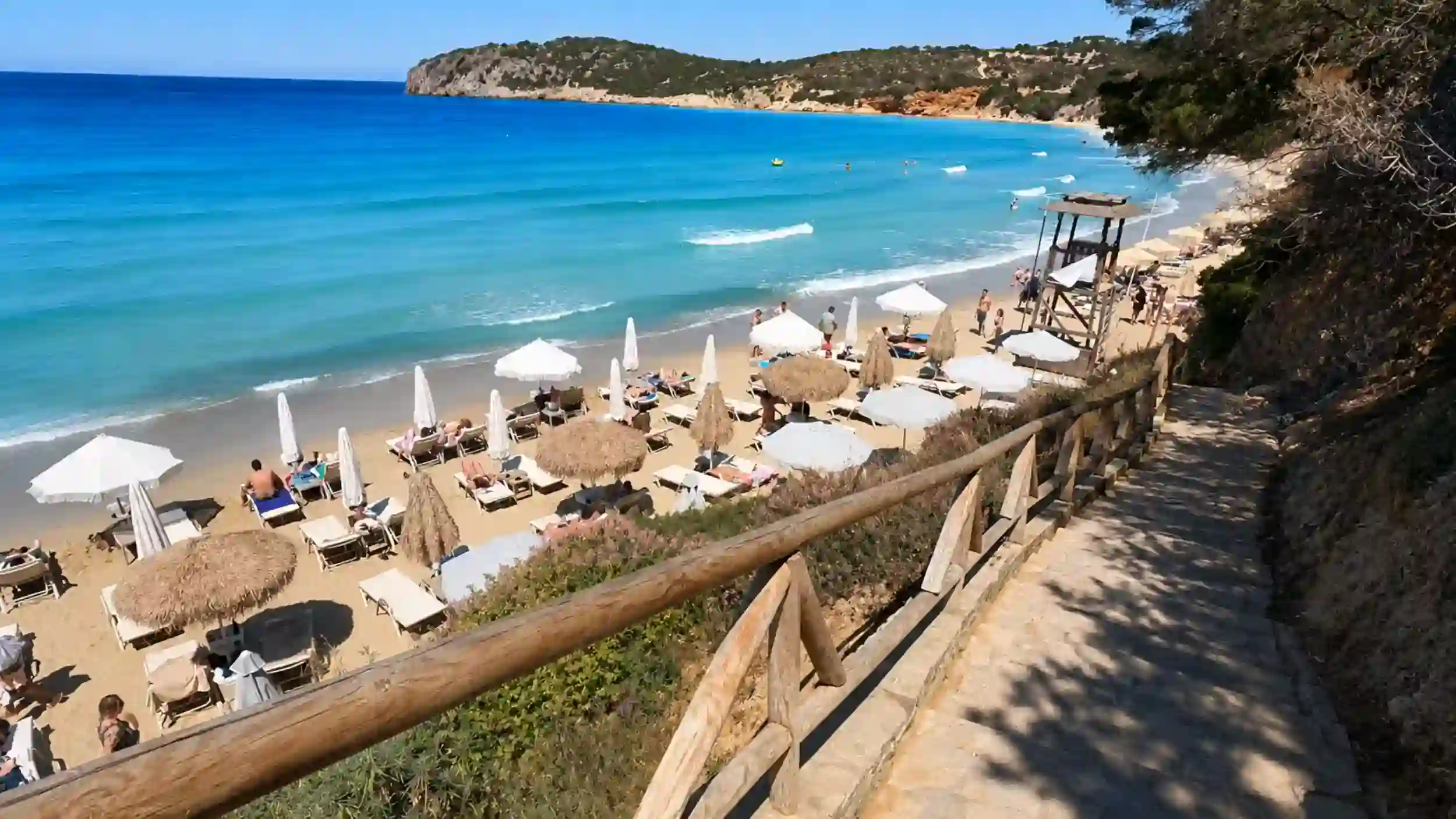
The beaches near Agios Nikolaos are particularly easy to combine into a coastal run without committing to a long day of driving.
🌊 Elounda and Plaka: East Crete’s Polished North Coast
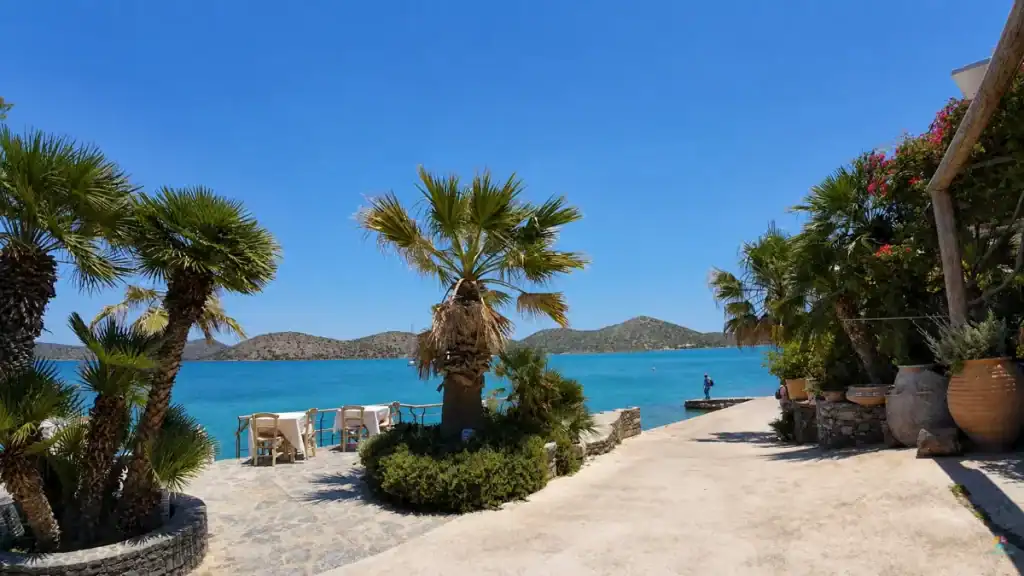
Twenty minutes north of Agios Nikolaos, East Crete changes character. Elounda is more developed and accommodation-led, with large hotels overlooking a calm bay and a long waterfront made for slow evening walks.
🍽️ Choose Elounda for an Easier Stay
The central square, beach, excursion boats and seafront restaurants are all easily accessible. It suits travellers who want a comfortable base without needing to explore somewhere different every day.
🚤 Choose Plaka for Spinalonga
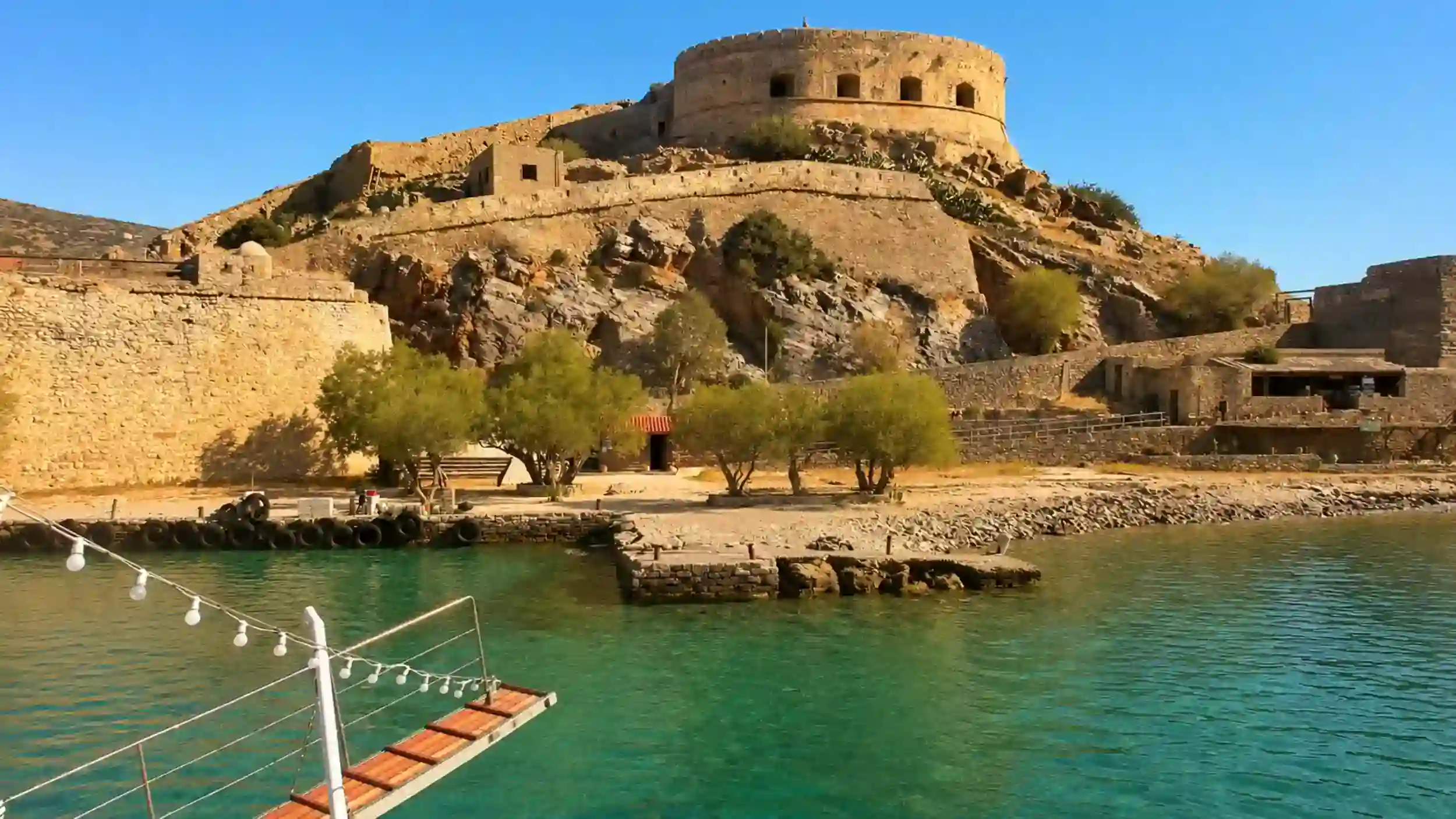
Plaka is smaller and around ten minutes further north. Its biggest advantage is location: Spinalonga sits directly across the channel and boats make the crossing in just a few minutes.
If Spinalonga is a priority, visiting Spinalonga from Elounda explains the practical options for making the trip.
🐟 Mochlos: A Quieter Side of East Crete
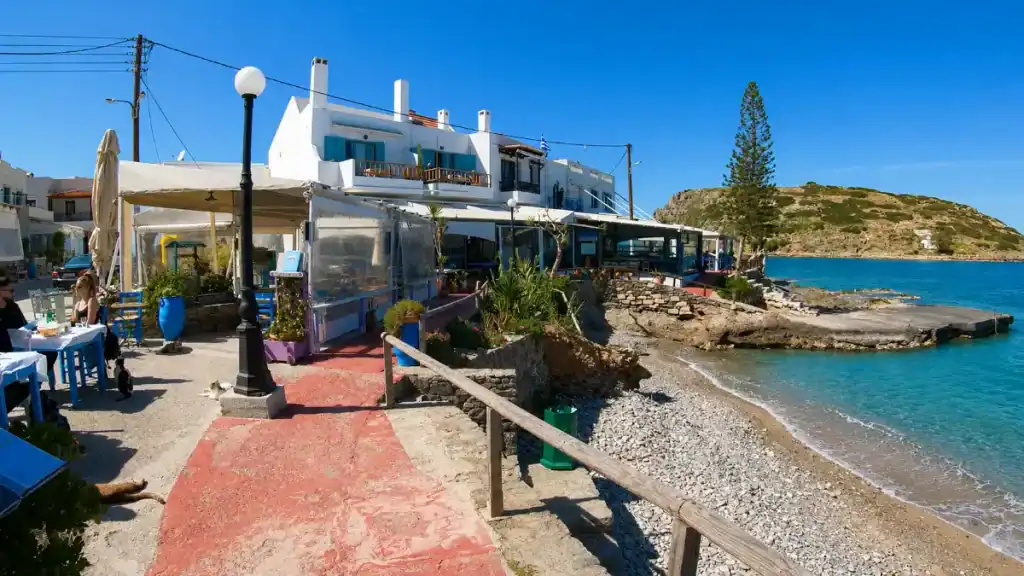
Mochlos is easy to underestimate. The road down leaves the busier north coast behind and ends at a tiny fishing village with waterfront tavernas, a narrow beach and a small Minoan island just offshore.
🍽️ Come for a Long Lunch
There isn’t a long list of sights to work through, and that’s precisely the appeal. Allow two or three hours for lunch, a swim and time beside the water.
🚗 Make Mochlos Part of the Journey East
Mochlos works particularly well as a stop while driving from Agios Nikolaos to Sitia. Leaving the main road immediately changes the pace, making it one of the most worthwhile small detours in East Crete.
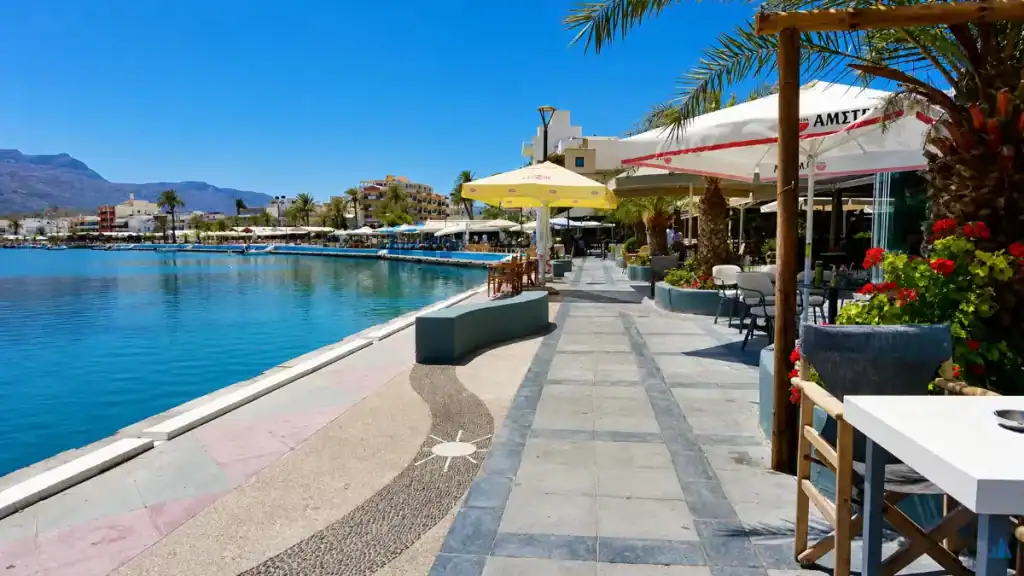
⚓ Sitia: Exploring Eastern Crete
Sitia is where East Crete begins to feel noticeably less touristed. It has a long harbourfront, practical shops and a broad promenade that becomes lively in the evening without feeling hectic.
🏘️ Stay for the More Local Atmosphere
Compared with Agios Nikolaos, Sitia feels looser and slower. Prices are generally lower, and local life remains much more visible along the waterfront.
🚗 Use Sitia as Your Eastern Base
From here, Toplou, Vai, Itanos, Palekastro and the Zakros side of East Crete are all realistic day trips without repeatedly making long drives from further west.
If you’re splitting a week between different parts of East Crete, Sitia is one of the places worth giving a few nights rather than treating simply as a stop along the way.
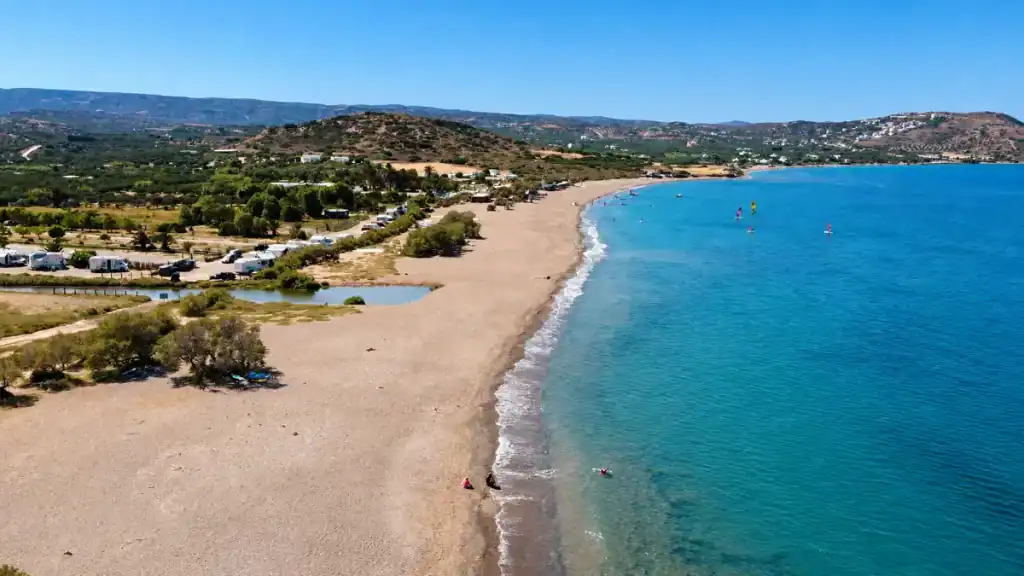
🏖️ Palekastro: Exploring the Far East of Crete
East of Sitia, the roads become quieter and the distances between places grow. Palekastro sits a few minutes inland and makes a practical base for exploring the beaches and archaeological sites of far eastern Crete.
🌊 Choose the Right Beach
Kouremenos is long, open and regularly windy, making it popular with windsurfers. Chiona is calmer for swimming and lunch, while Vai is the famous palm-backed option further north.
For a fuller beach day, the beaches near Vai work better as a planned sequence than visiting Vai alone.
🏘️ Stay Here for a Quieter East Crete
Palekastro isn’t particularly picturesque, but that’s part of its usefulness. You can stay in a normal village, eat in local tavernas and spend each day exploring a different stretch of the increasingly sparse eastern coast.
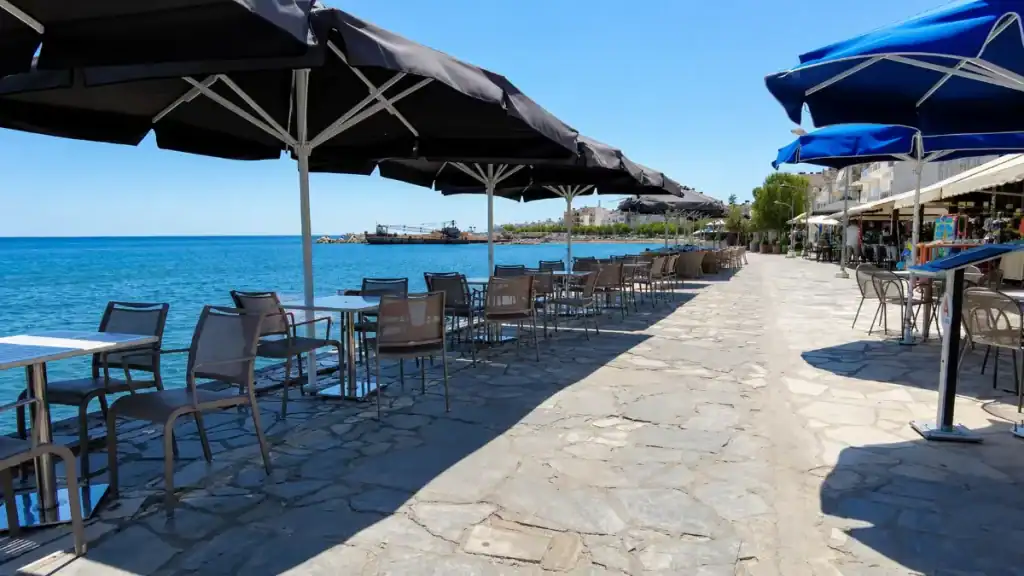
☀️ Ierapetra: East Crete’s South Coast Base
Cross to the south coast and East Crete changes again. Ierapetra feels like a working town, with a long waterfront, practical shopping streets and a promenade used as much by locals as visitors.
⚓ Explore the Waterfront
The Venetian fortress anchors one end of the seafront, while tavernas line the water and boats depart for Chrissi Island when conditions allow.
For the island trip, visiting Chrissi Island from Ierapetra covers what you need to know.
🚗 Use Ierapetra to Explore the South Coast
Ierapetra also works as a practical base for beaches and villages in both directions. It gives you the facilities of a proper town without sacrificing easy access to the quieter south coast.
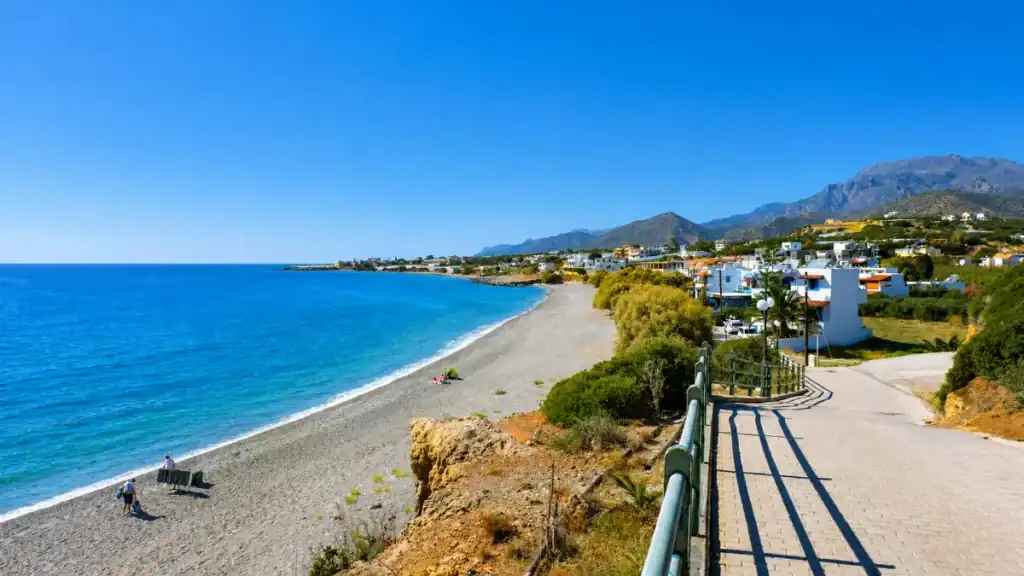
🌴 Makry Gialos: The Easier Southeast Stay
Around 30 minutes east of Ierapetra, Makry Gialos offers a softer side of East Crete. Its broad bay is sandy and shallow, with tavernas, apartments and a small harbour immediately behind the beach.
🏖️ Choose It for a Beach-Based Stay
Makry Gialos is quieter than Ierapetra and better suited to travellers who want the beach within walking distance. You can swim in the morning, walk to dinner and still have enough facilities nearby for an easy stay.
🚗 Explore the Southeast Coast
It also works as a base for exploring the south coast of East Crete, including the villages and beaches between Myrtos and Diaskari.
Choose Makry Gialos if beach time comes first and exploring East Crete comes second.
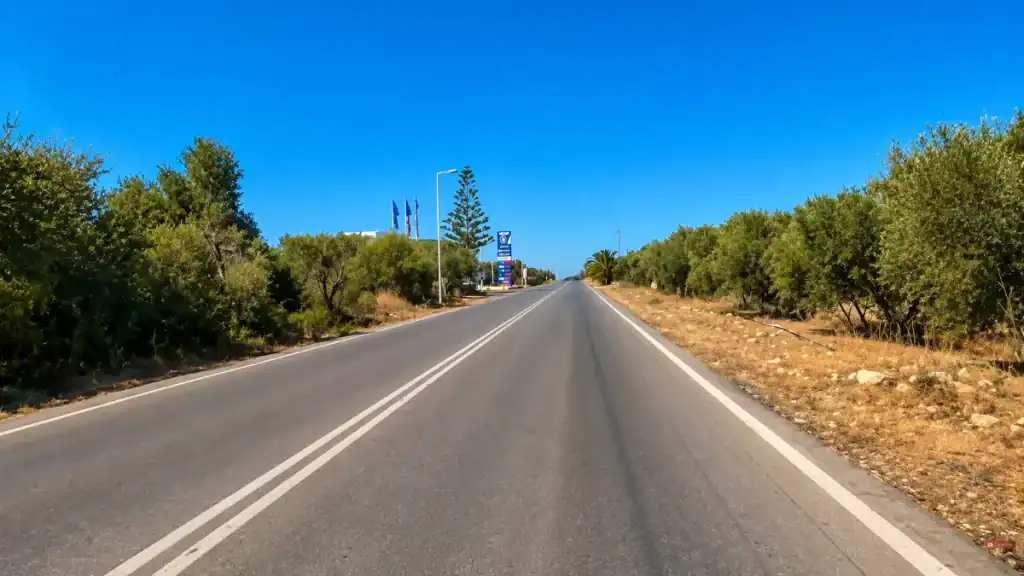
🚗 Driving Around East Crete
East Crete looks relatively compact on a map, but driving takes longer than the distances suggest. North-to-south journeys cross the mountains, while heading east often means long stretches of open road with few places to stop.
⏱️ Don’t Underestimate the Distances
Once you move beyond Agios Nikolaos, you lose much of the convenience of the main road network. Some beaches and remote coves also require slower final approaches.
🏨 Split Your Stay Between Two or Three Bases
Trying to explore all of East Crete from one hotel creates unnecessary repeat driving. Choosing where to stay in East Crete becomes more important than finding one perfect base for the entire trip.
| Area | Useful base | Best for |
|---|---|---|
| Mirabello Bay | Agios Nikolaos / Elounda | Beaches, Spinalonga, Lato |
| Far east | Sitia / Palekastro | Vai, Itanos, eastern beaches |
| South coast | Ierapetra / Makry Gialos | Beaches, villages, Chrissi |
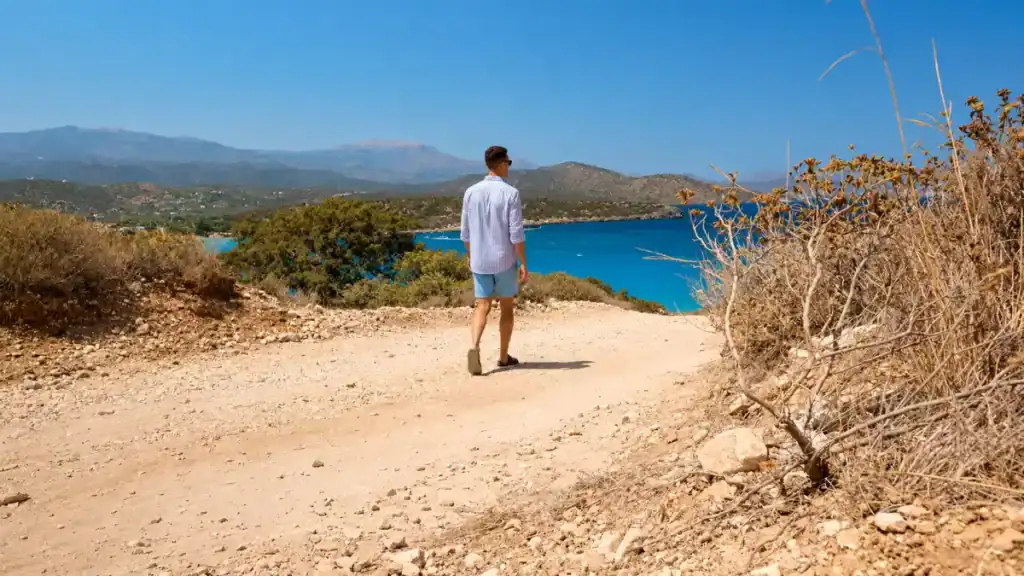
🧭 Who Is East Crete Best For?
East Crete suits travellers who prefer exploring to staying within one concentrated resort area. Its strengths are quieter beaches, fishing villages, archaeological detours and waterfront towns where evenings remain relaxed rather than nightlife-focused.
🚗 Best for a Multi-Base Road Trip
A good route is to start around Agios Nikolaos or Elounda, move east to Sitia or Palekastro, then finish on the south coast around Ierapetra or Makry Gialos. This turns the distances into part of the journey rather than repeated drives.
⚖️ Is East Crete Right for You?
If you want everything compact and walkable, this probably isn’t the best part of Crete. But if you value quieter coastlines, independent exploring and changing bases, is East Crete worth visiting? looks more closely at whether the region matches the way you travel.