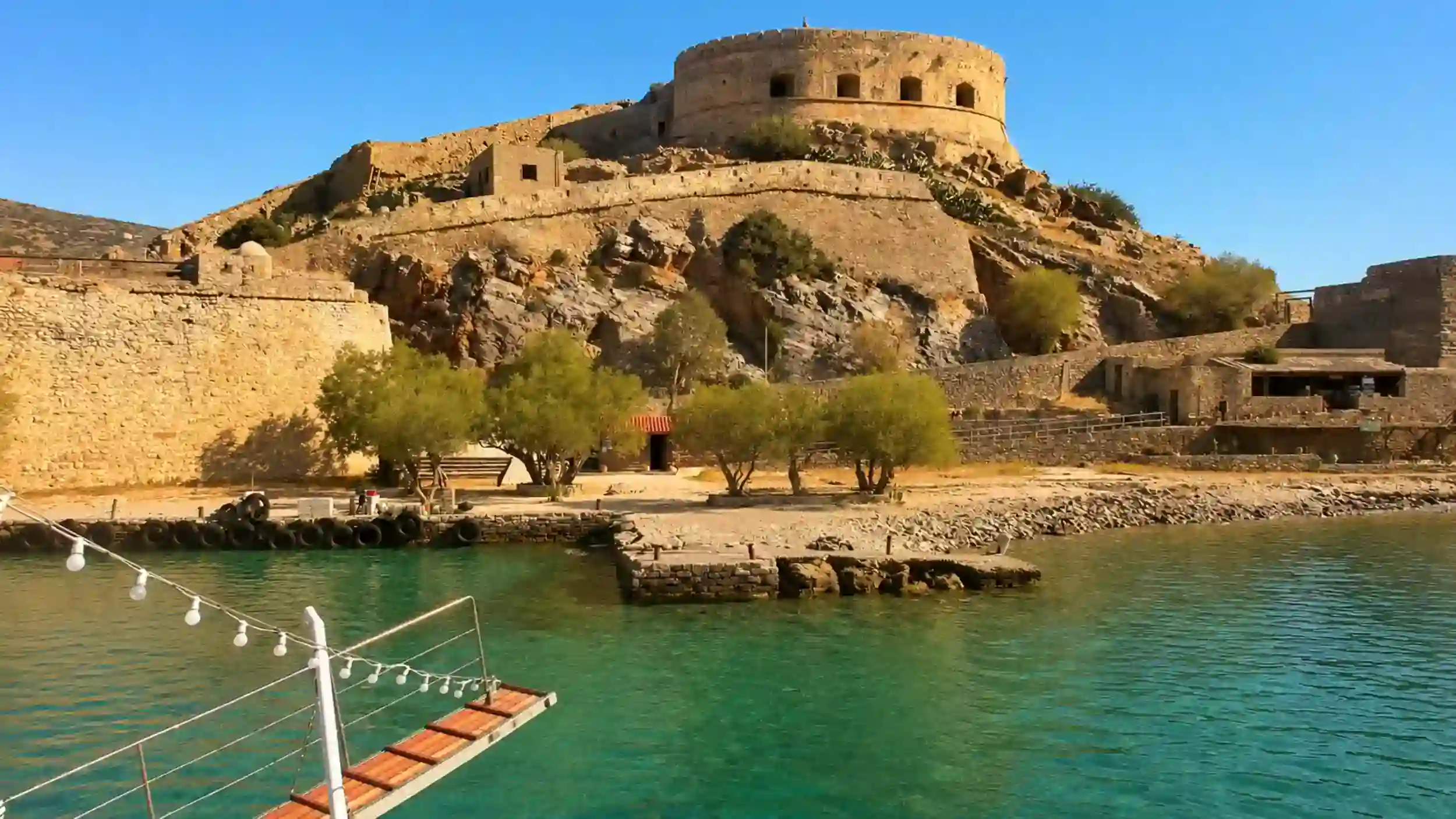
Visiting Spinalonga from Elounda works best when you understand how this small corner of East Crete fits together. Elounda, Plaka, Spinalonga and the Kolokytha Peninsula are all close, but choosing where to take the boat and what to combine with the island can make a significant difference to the day.
Spinalonga is the main reason to come, but it shouldn’t necessarily be the entire experience. Elounda provides the easiest starting point, Plaka offers the shortest crossing, and Kolokytha adds quieter coastline and swimming away from the organised harbour atmosphere.
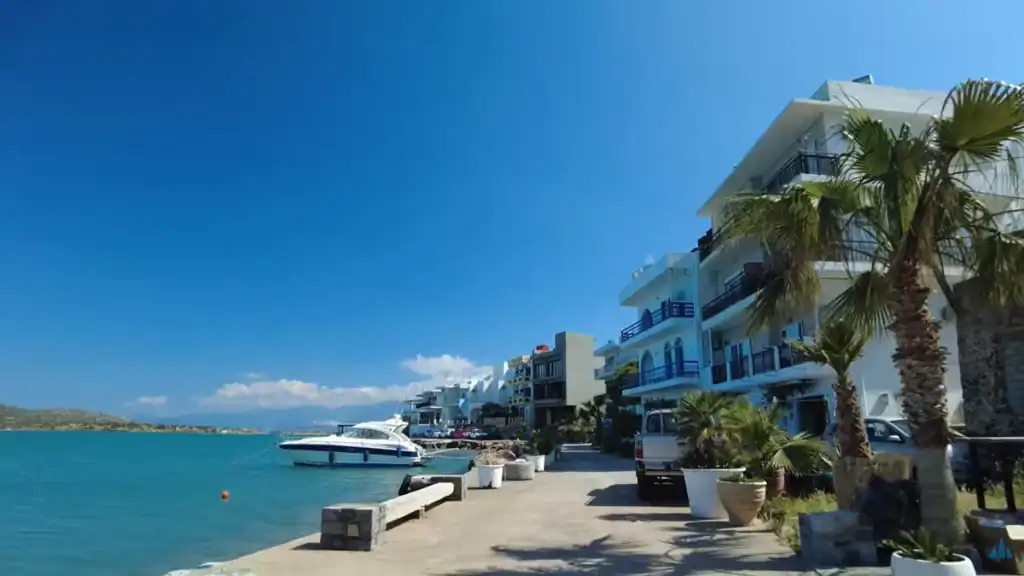
🚤 Visiting Spinalonga from Elounda
Elounda is the easiest place to start if you’re staying nearby. It has more parking, accommodation and cafés than Plaka, with a proper waterfront where boats leave for Spinalonga throughout the day.
⛴️ Taking the Boat from Elounda
Ticket kiosks sit around the harbour and boats run regularly during the season. Some operators also combine Spinalonga with a longer cruise around the bay, making Elounda useful if you want more than a simple return crossing.
🚶 Explore Elounda Before You Leave
Allow an hour or two to walk beyond the harbour towards the old canal and windmills. In calm conditions, you can see partially submerged stone ruins beneath the clear water before continuing towards the Spinalonga Peninsula and Kolokytha.
If you’re considering staying here rather than simply visiting, where to stay in East Crete compares Elounda with the other main bases across the region.
🏖️ Why Add Kolokytha to Your Spinalonga Trip
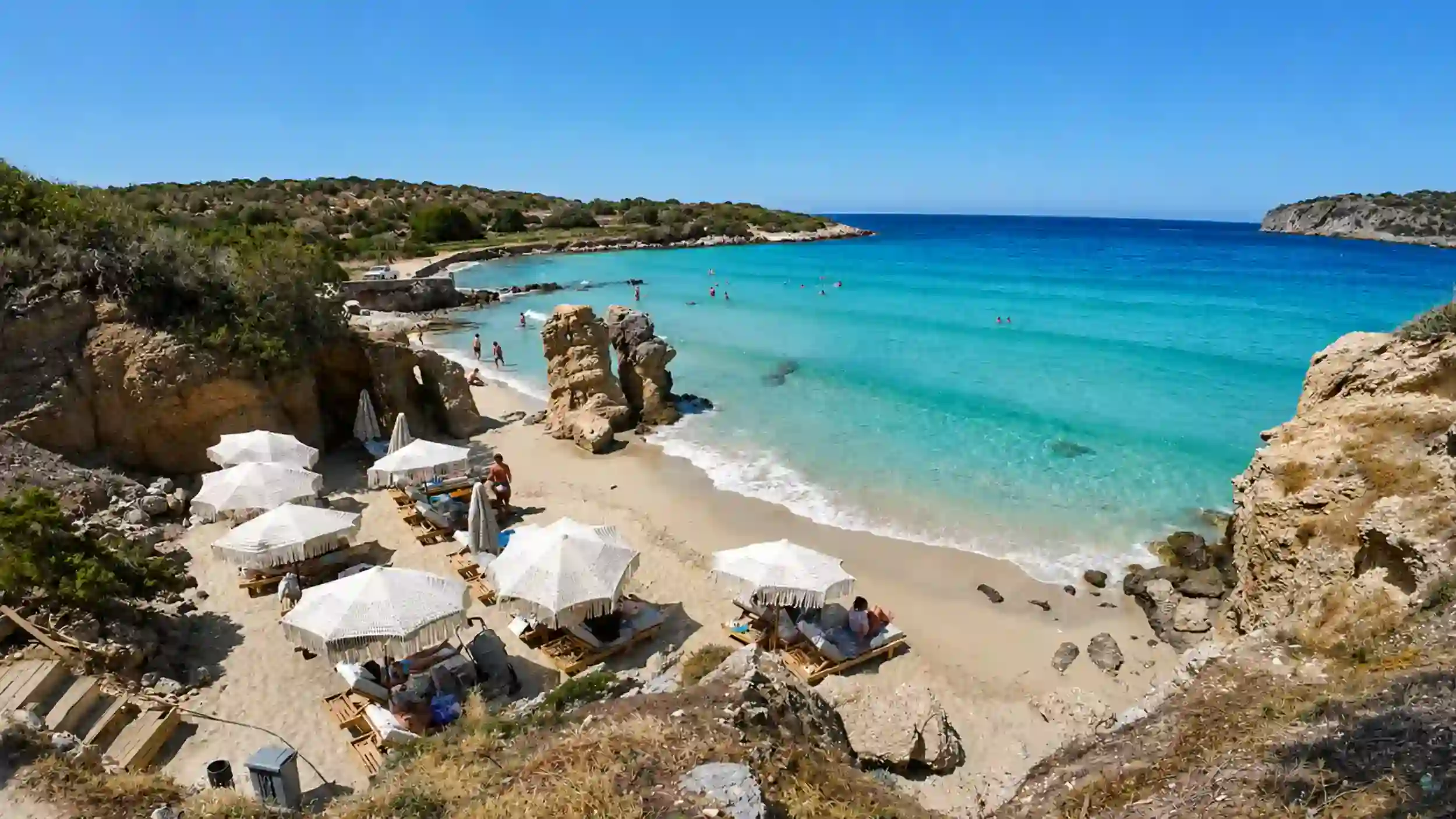
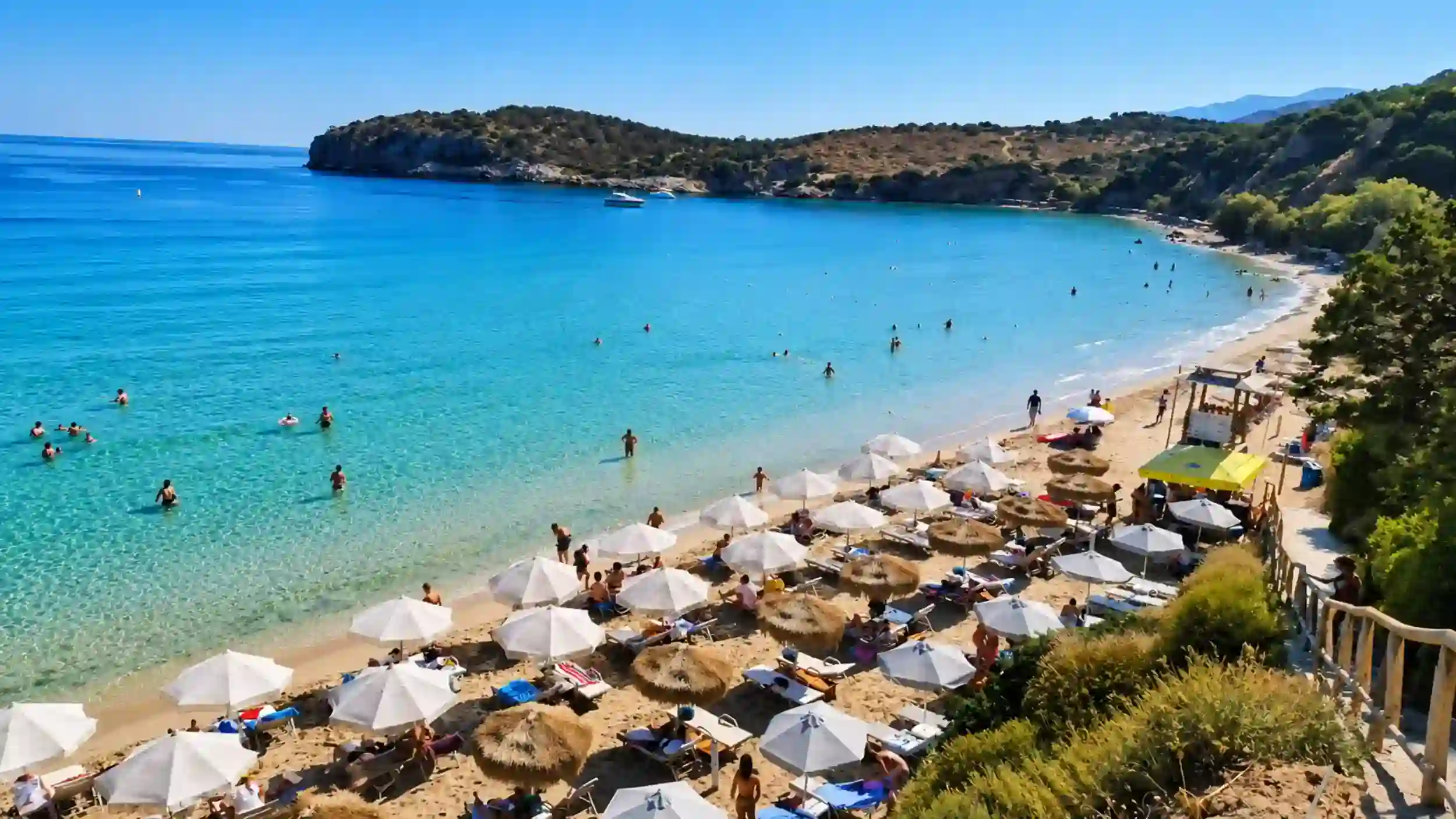
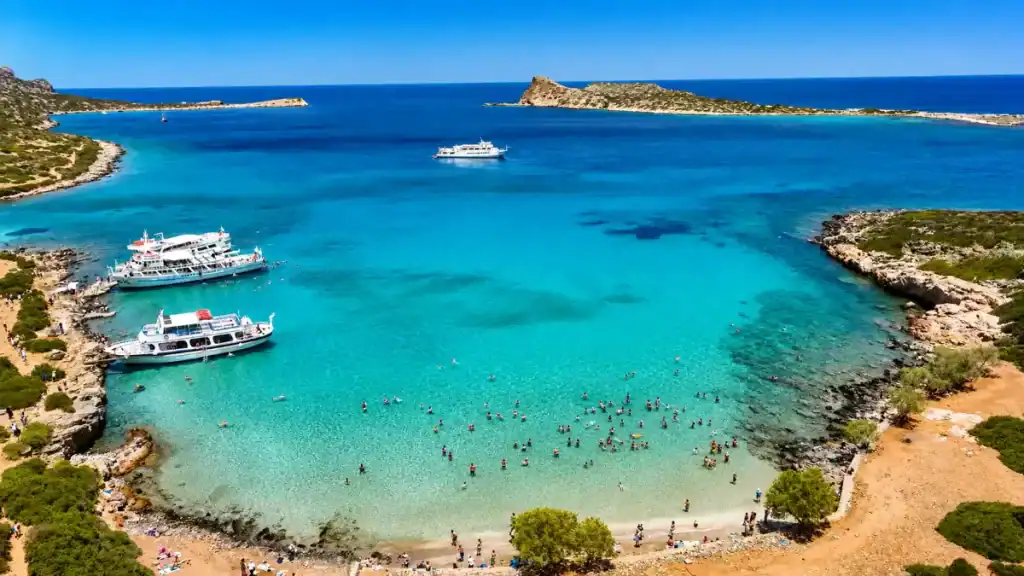
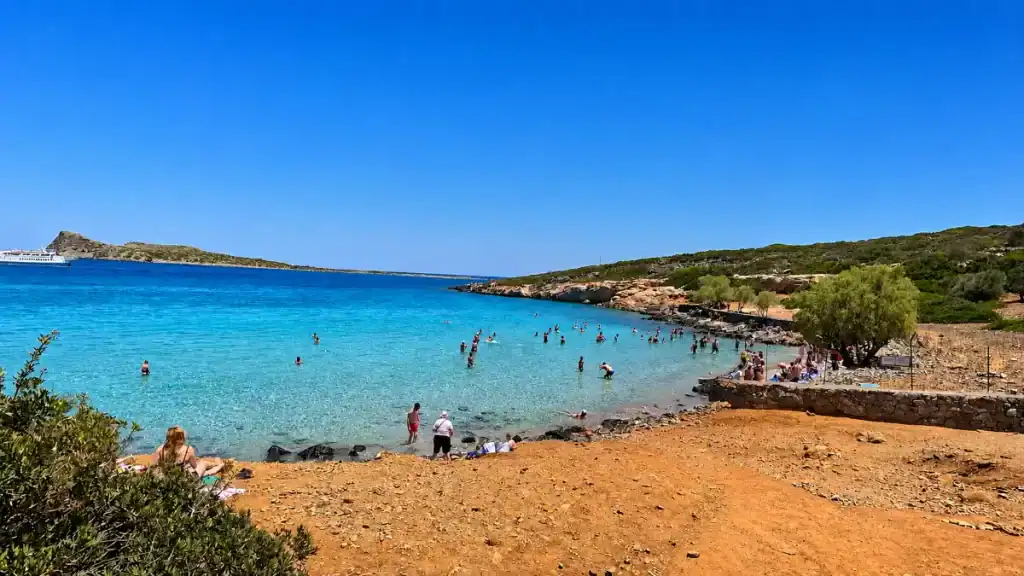
Kolokytha is worth adding when visiting Spinalonga from Elounda because it gives you something the main excursion doesn’t: quiet coastline and genuinely good swimming. Locals often use the name Kolokytha for the wider Spinalonga Peninsula, while Kolokytha Beach itself is a popular swimming stop on some boat trips.
🌊 Come Here for the Swimming
Once you leave Elounda’s hotels behind, the peninsula becomes drier, quieter and less developed. The water is clearer and the organised harbour atmosphere disappears. If you want a proper swim before or after Spinalonga, Kolokytha is the better choice than Elounda town beach.
🚗 Driving, Walking or Cycling to Kolokytha
The route is roughly six to seven kilometres each way and can be walked, cycled or partly driven. Road conditions can be rough in places, so taking a low rental car along the poorer sections isn’t always a good idea.
Kolokytha isn’t just an extra beach stop. It adds a completely different side of the peninsula to a day otherwise dominated by harbours, boats and Spinalonga itself.
⛴️ Elounda or Plaka: Which Boat Is Better?
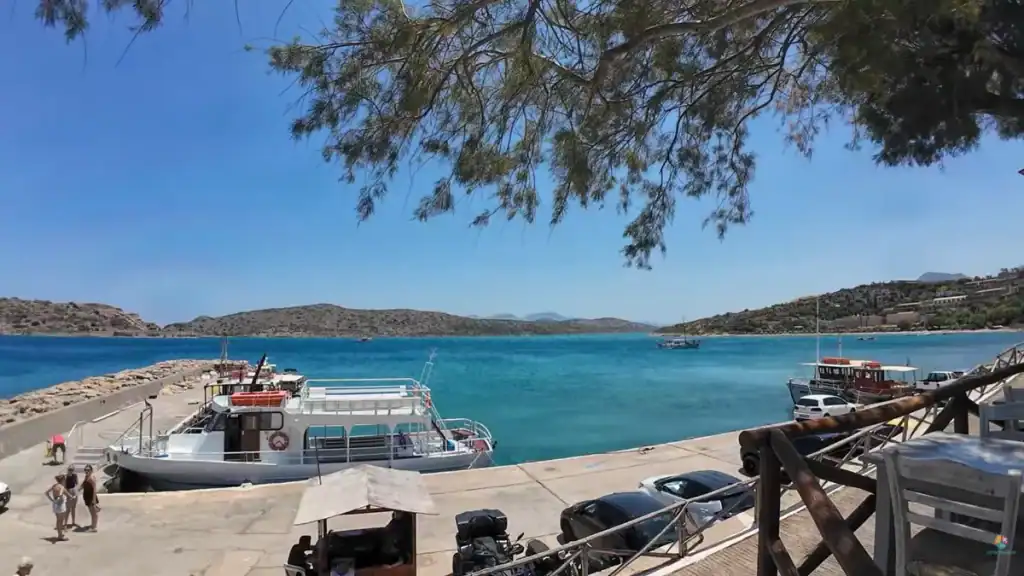
When visiting Spinalonga from Elounda, you don’t have to take the boat from Elounda itself. If your main priority is simply reaching Spinalonga efficiently, Plaka is the better departure point.
🚤 Plaka Has the Shortest Crossing
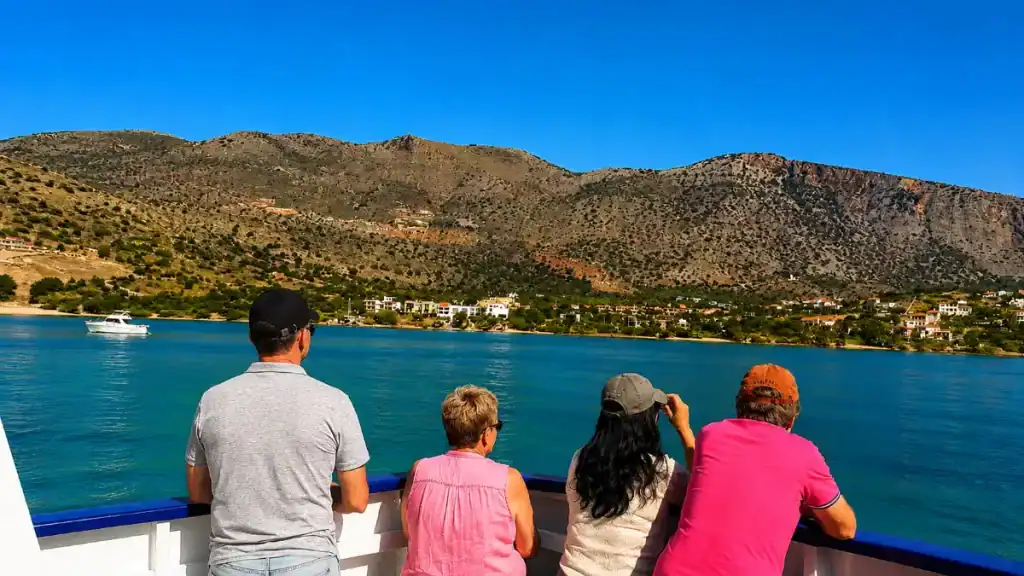
Plaka sits directly opposite Spinalonga, with the boat crossing usually taking only around five to ten minutes. From Elounda, the journey is longer at roughly twenty to thirty minutes and tends to feel more like an organised excursion.
| Departure point | Crossing | Best for |
|---|---|---|
| Plaka | 5–10 mins | Quick, simple crossing |
| Elounda | 20–30 mins | Longer excursion-style trip |
🧭 Which Should You Choose?
Choose Plaka if Spinalonga itself is the priority. Choose Elounda if you prefer a longer boat ride or want to combine the island with a wider cruise around the bay.
The difference is significant. From Plaka, the boat feels more like a local shuttle, leaving you more time and energy to explore Spinalonga properly.
🏘️ What to See in Plaka Before the Boat
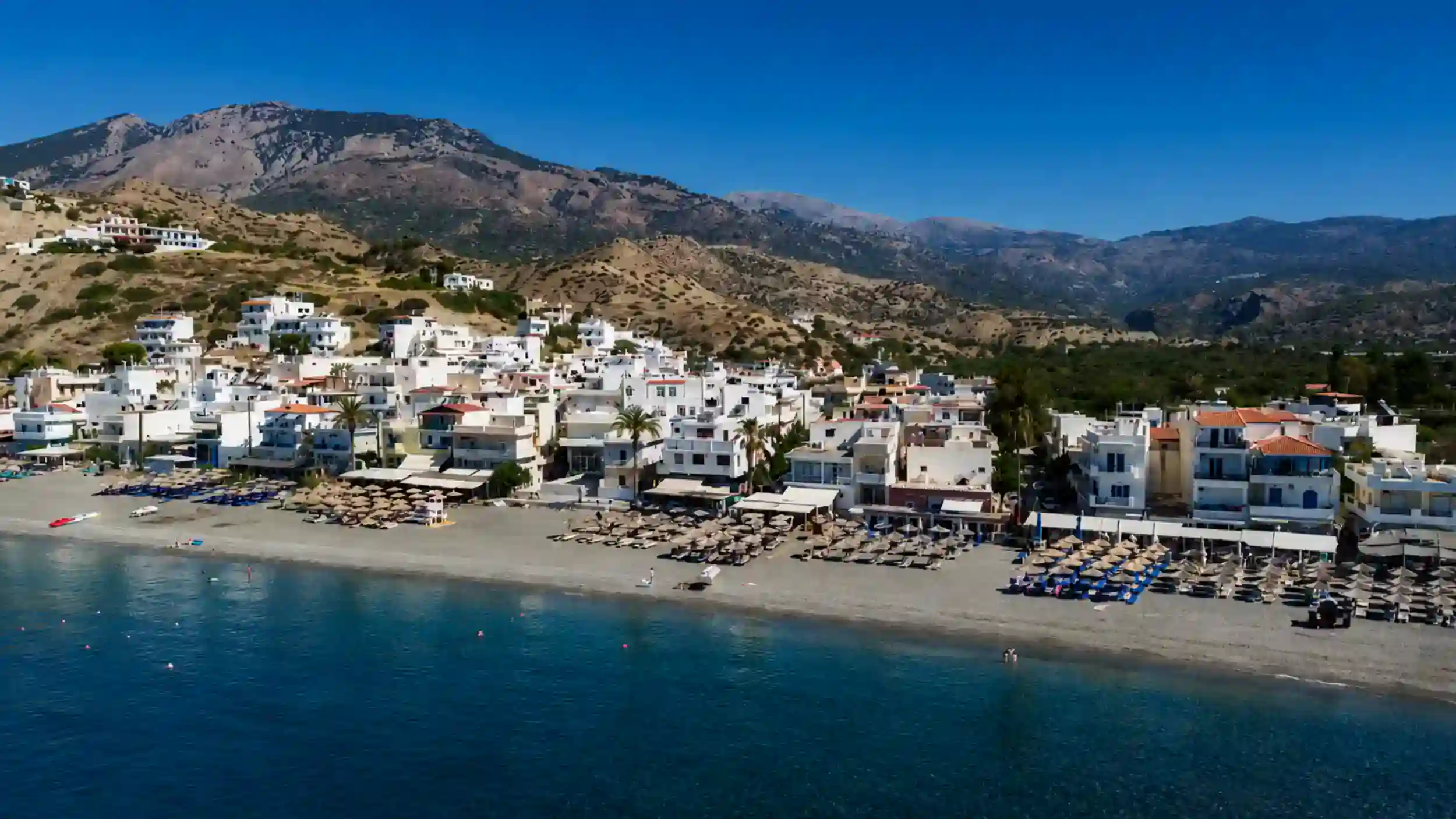
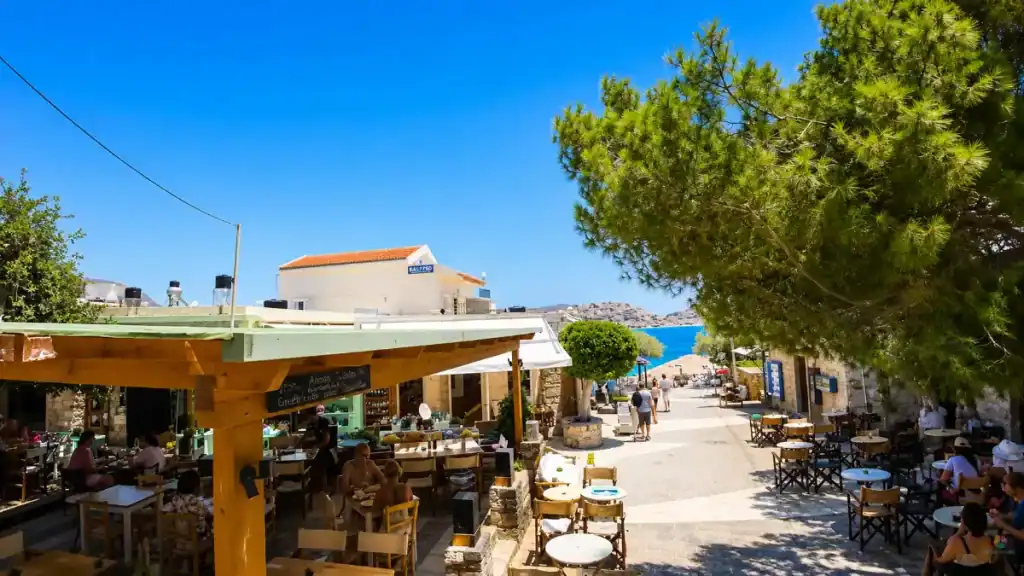
Plaka is only a few minutes’ drive from Elounda, but the atmosphere changes quickly. It’s much smaller and calmer, with a simple waterfront lined by tavernas, fishing boats and uninterrupted views across to Spinalonga.
☕ Spend Some Time on the Waterfront
You don’t need long to explore Plaka. Have a coffee before boarding, walk along the harbour and enjoy the view of Spinalonga across the water. Late afternoon is particularly attractive as the light begins to drop behind the mountains.
🏖️ Don’t Come for the Beach
There is a small stony beach beside the harbour, but it’s more useful than memorable. If you want a proper swim before your boat, the beaches near Agios Nikolaos are a better choice.
Plaka works best as part of the Spinalonga experience: arrive early, enjoy the waterfront, take the short crossing and return later for dinner overlooking the island.
🏰 How Long Do You Need on Spinalonga?
Allow around two hours on Spinalonga if you want to explore the island properly. The Venetian fortifications are impressive, but much of the experience comes from leaving the dock area and walking through the old lanes, stone houses, churches and remains of the former leper colony.
🥾 Allow Longer for the Upper Fortifications
If you want to climb to the higher defensive walls, give yourself more time. The upper sections provide wide views across Mirabello Bay towards Plaka, Elounda and the Kolokytha Peninsula.
☀️ Take Water and Proper Shoes
Shade becomes limited as you climb and the stone can feel intensely hot around midday. Bring water and wear decent footwear rather than flip-flops if you intend to explore beyond the easiest lower routes.
If Spinalonga forms part of a wider trip, the East Crete Travel Guide shows how Elounda and this northern coastline fit into the rest of the region.
🧭 The Best Way to Visit Spinalonga from Elounda
The best day isn’t simply a return boat trip to Spinalonga. Elounda, Kolokytha, Plaka and the island are close enough to combine, and each adds something different rather than repeating the same experience.
🚗 A Full-Day Route That Works
| When | What to do |
|---|---|
| 🌅 Morning | Explore Elounda and head towards Kolokytha |
| 🏖️ Late morning | Swim around the Kolokytha Peninsula |
| 🚗 Early afternoon | Drive from Elounda to Plaka |
| 🏰 Afternoon | Take the short boat crossing and spend around two hours on Spinalonga |
| 🍽️ Evening | Return to Plaka for dinner overlooking the island |
This sequence gives you the harbour and peninsula in the morning, Spinalonga when you still have plenty of time to explore, then a slower finish in Plaka.
⏱️ If You Only Have Half a Day
Skip lingering in Elounda and go directly to Plaka and Spinalonga. If you have the full day, add Kolokytha. It’s the part that stops the trip feeling like a straightforward organised historical excursion.