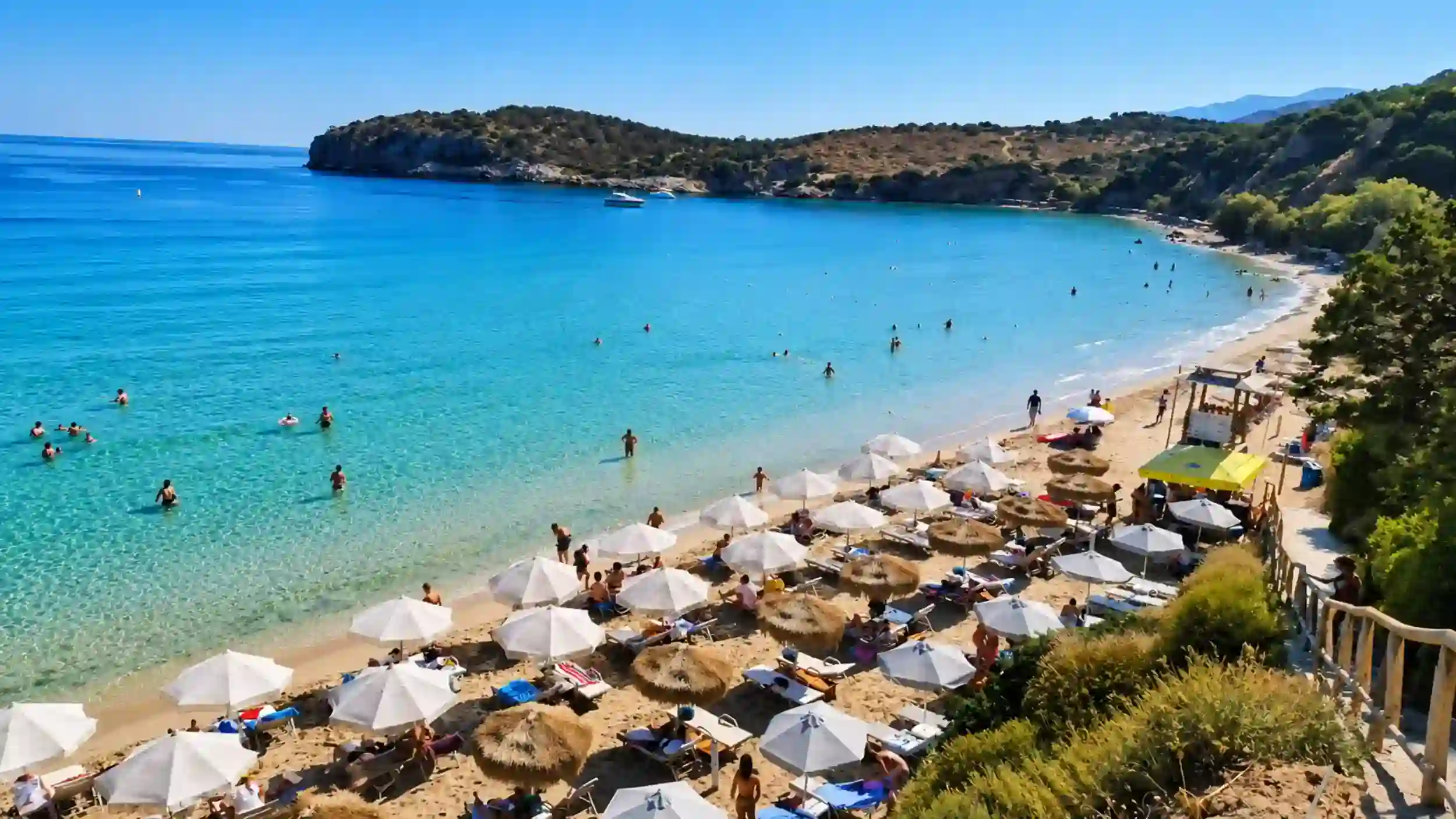
Is East Crete Worth Visiting if you’re choosing between the quieter east and Crete’s better-known western resorts? Yes, particularly if you value space, easier driving and a coastline that feels less dominated by tourism.
East Crete doesn’t have the same concentration of famous headline beaches or major resort centres as the west. What it offers instead is a more relaxed way to experience the island, with quieter roads, smaller towns and far more freedom to change your plans as you travel.
🏖️ East Crete Has Better Beach Variety
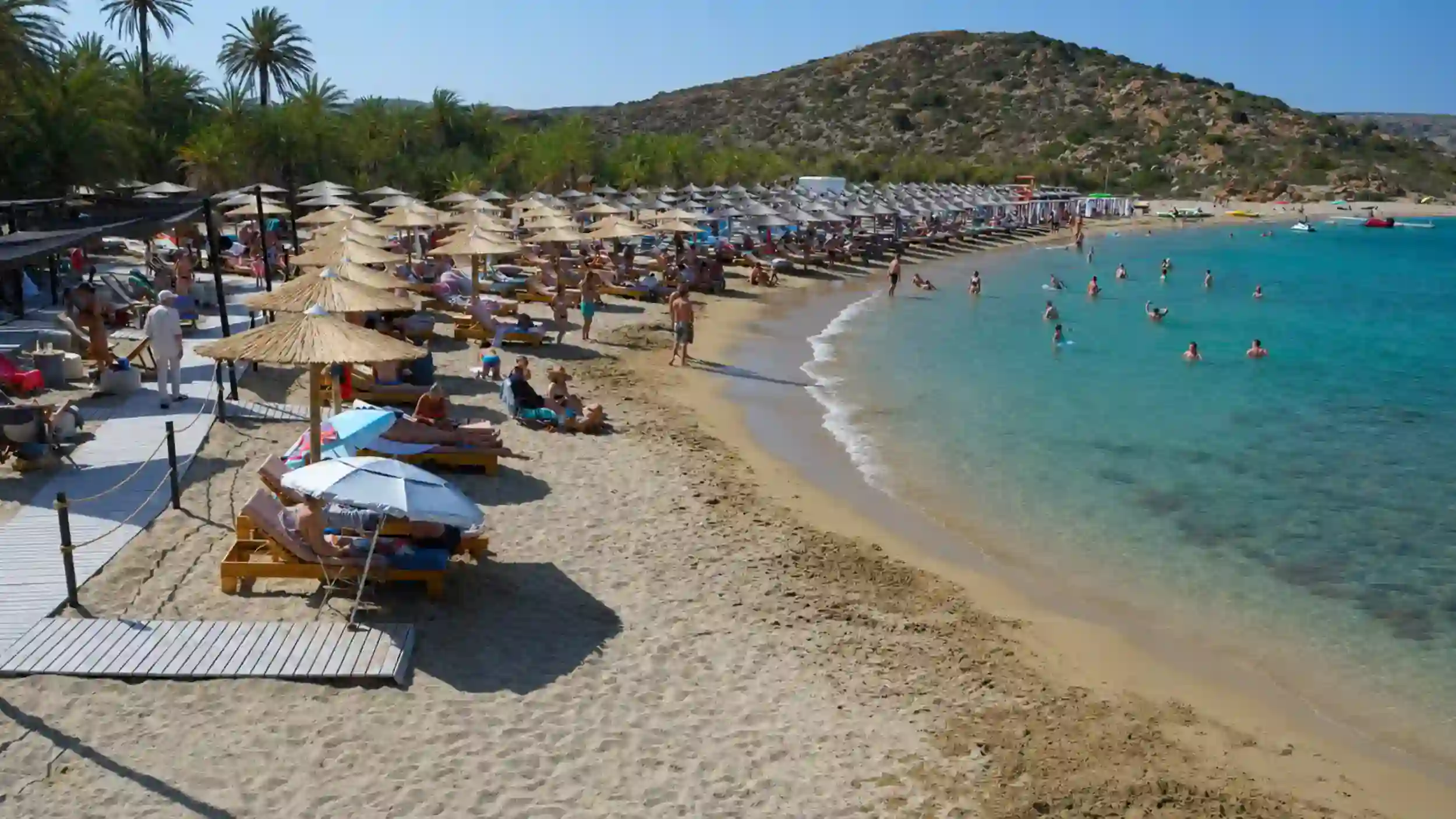
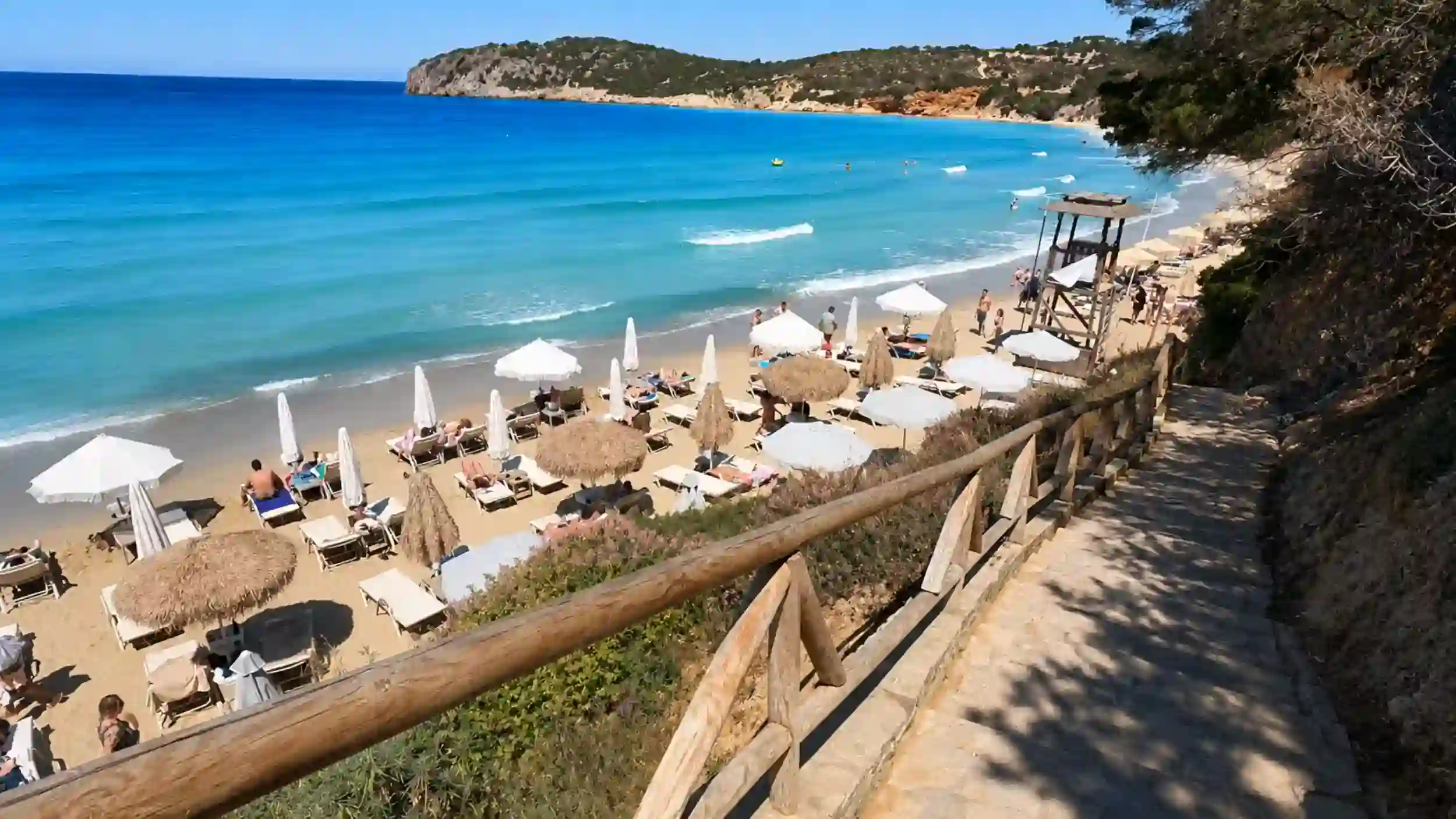
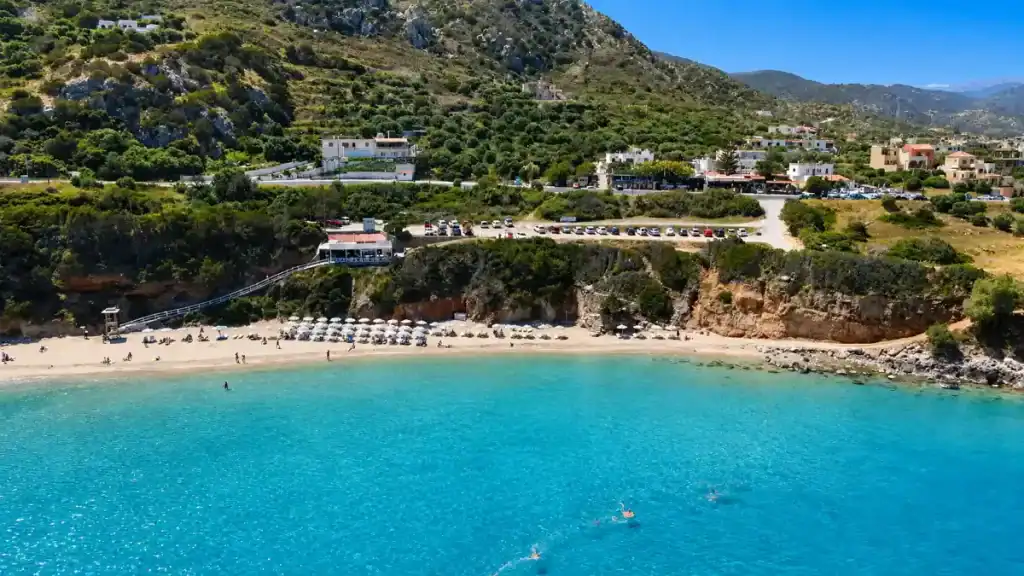
One of the biggest reasons East Crete is worth visiting is the variety of beaches spread across the region. Instead of relying on a handful of famous beaches, you have plenty of different options within relatively short driving distances.
🌊 Choose a Different Beach Each Day
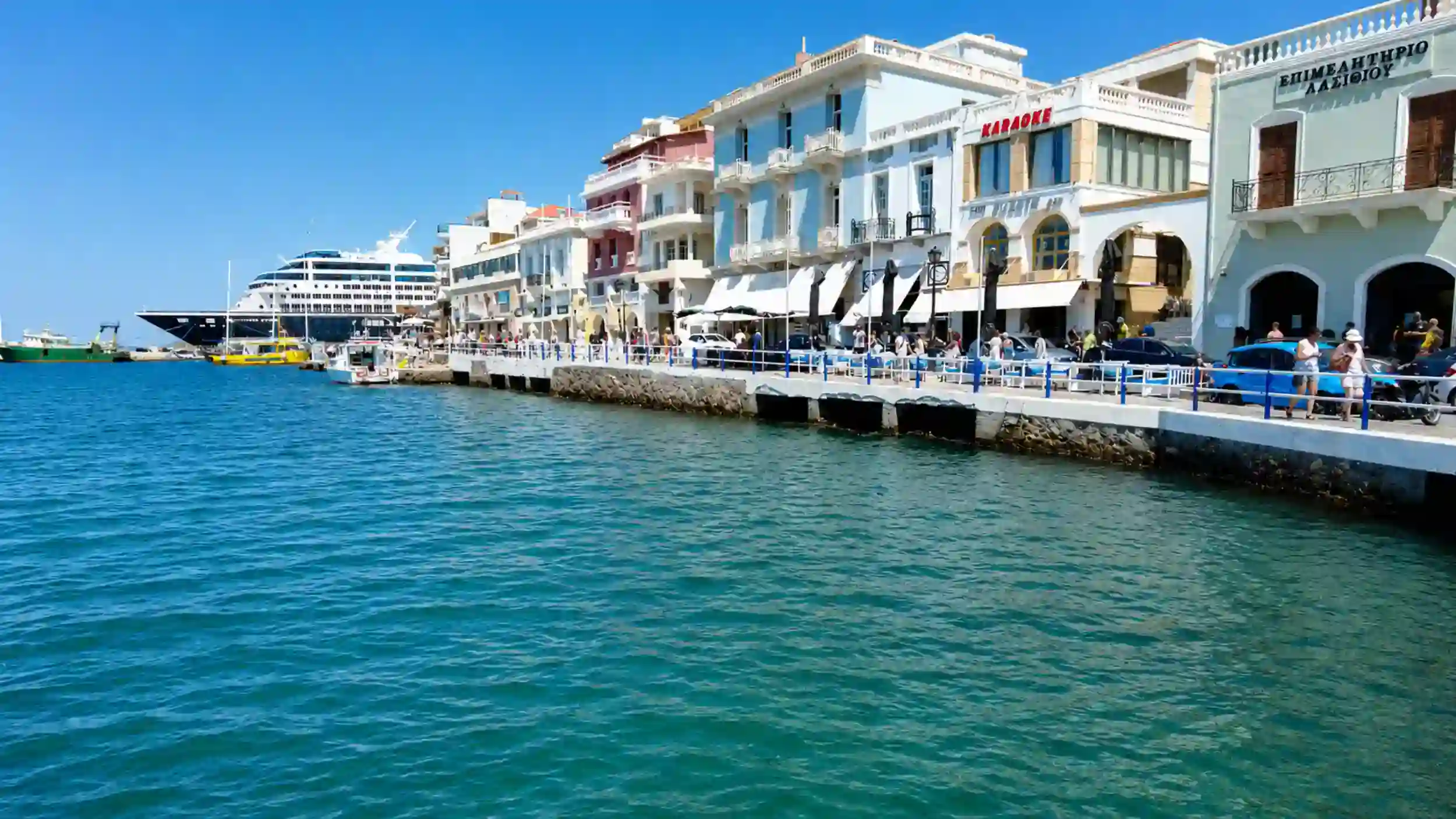
Around Agios Nikolaos, there are easy-access beaches close to town, followed by Voulisma and Istro further east. Elounda and Plaka add sheltered coves, while the south coast gives you Myrtos, Makry Gialos, Diaskari and quieter stretches beyond. Head further east again and the coastline becomes increasingly empty around Zakros and Xerokampos.
The beaches near Agios Nikolaos are particularly easy to combine if you’re staying around Mirabello Bay.
🩵 Variety Matters More Than Famous Names
Not every beach needs to be spectacular. The advantage is being able to switch between shallow family beaches, open bays and quiet pebble coves rather than repeatedly visiting the same type of coastline.
The best beaches in East Crete guide compares which ones are actually worth prioritising.
🚗 East Crete Is Best Explored by Car
East Crete makes most sense when you have a car. Not because the roads are particularly difficult, but because the region is spread across a series of towns, beaches and landscapes rather than centred around one dominant resort.
🗺️ The Drives Are Part of the Trip
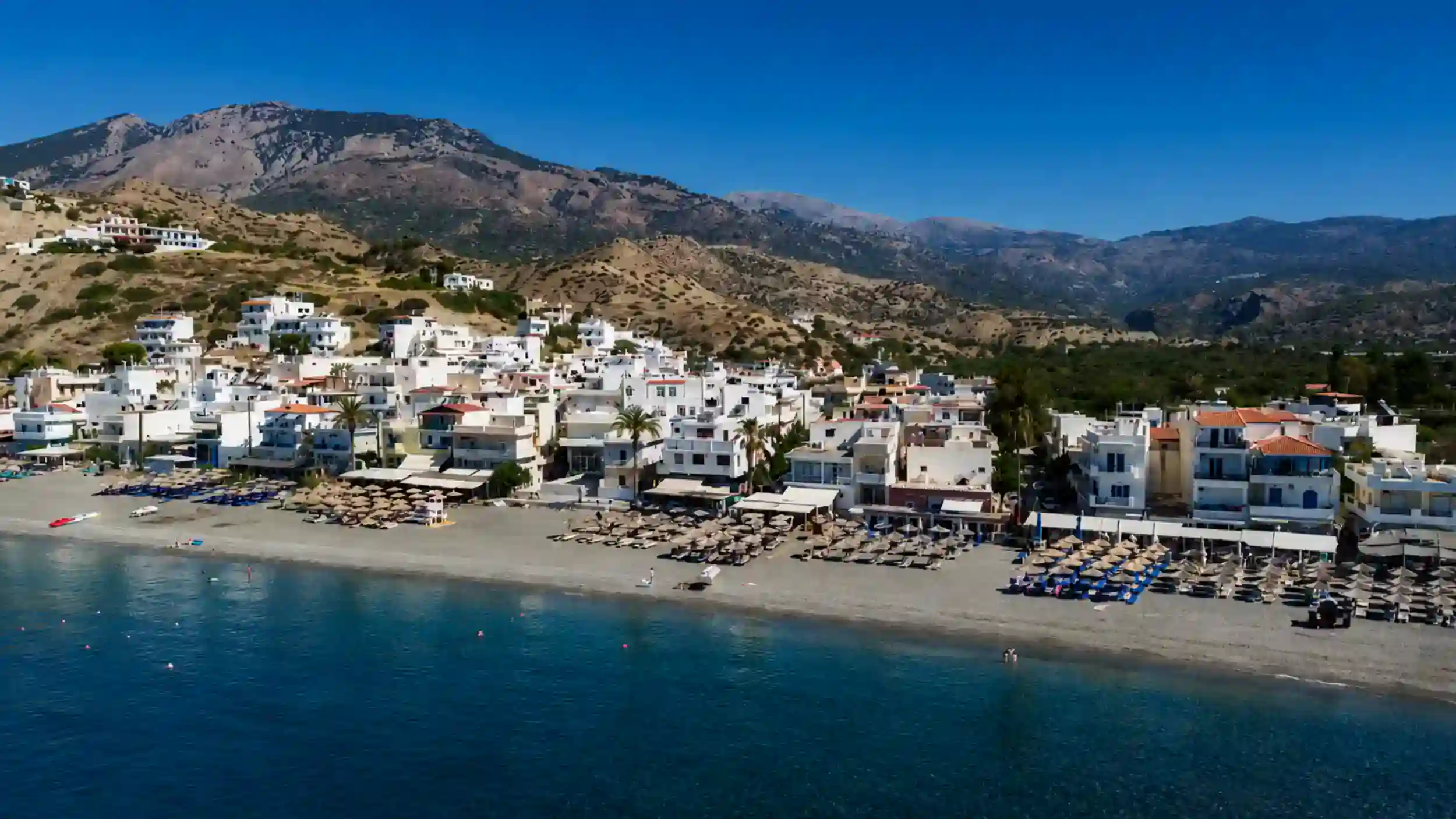
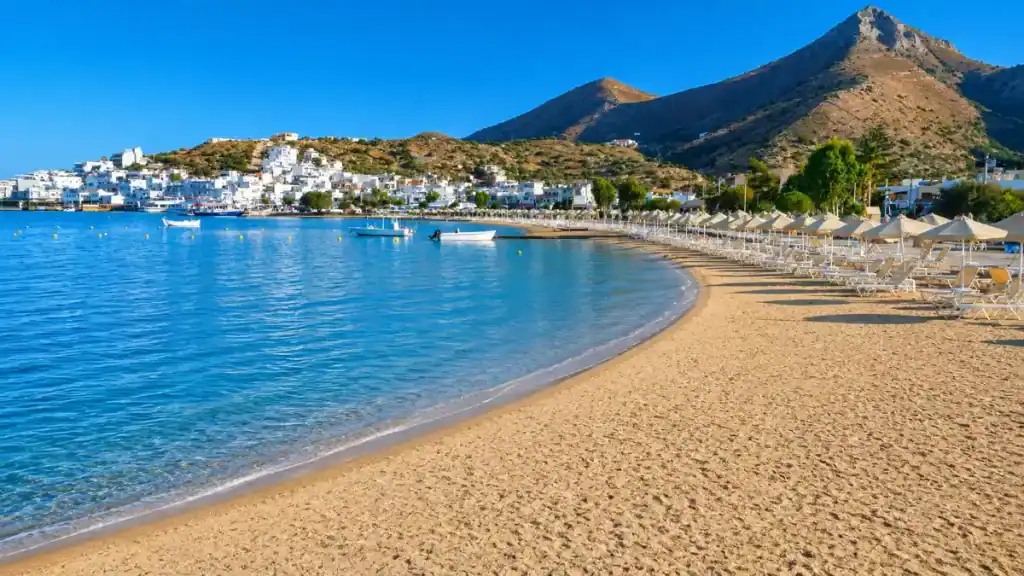
Elounda feels polished and sheltered, while Plaka is smaller and slower. Ierapetra is a working coastal town, Makry Gialos is more relaxed and family-oriented, and the landscape becomes increasingly remote as you travel towards Zakros and Xerokampos.
Even relatively short journeys move between sea views, mountain roads, olive-covered slopes and exposed coastline. The Agios Nikolaos to Sitia coastal drive is a good example of a transfer that can become part of the day’s sightseeing.
🚙 Driving Is Easier Than You Might Expect
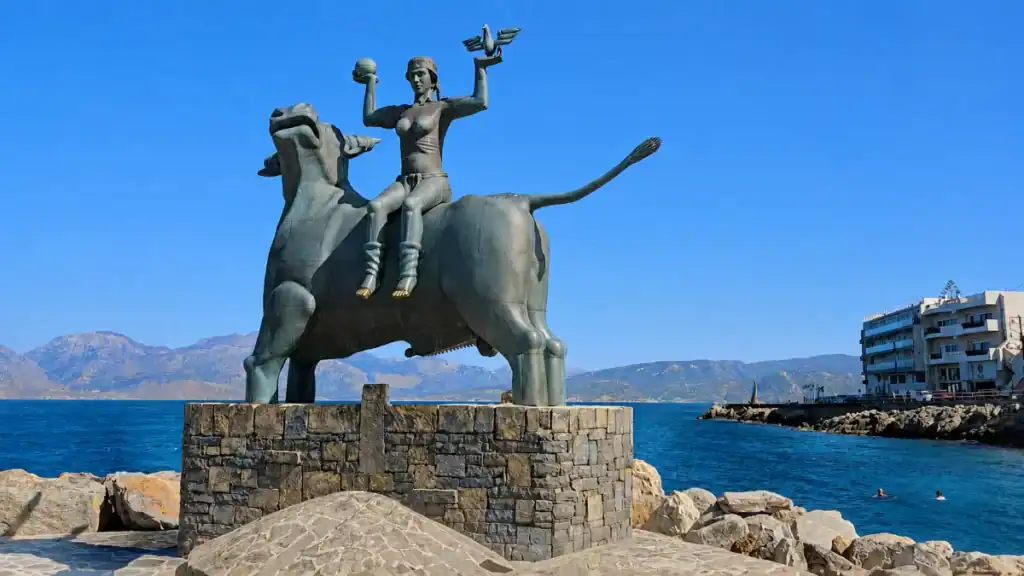
Once you’re away from the busiest northern areas, traffic is generally lighter and parking is rarely as difficult as it can be elsewhere on Crete. That makes it easy to stop somewhere unexpectedly, change plans or combine several places in one day.
If you enjoy independent road trips rather than staying around one resort, East Crete is particularly well suited to it.
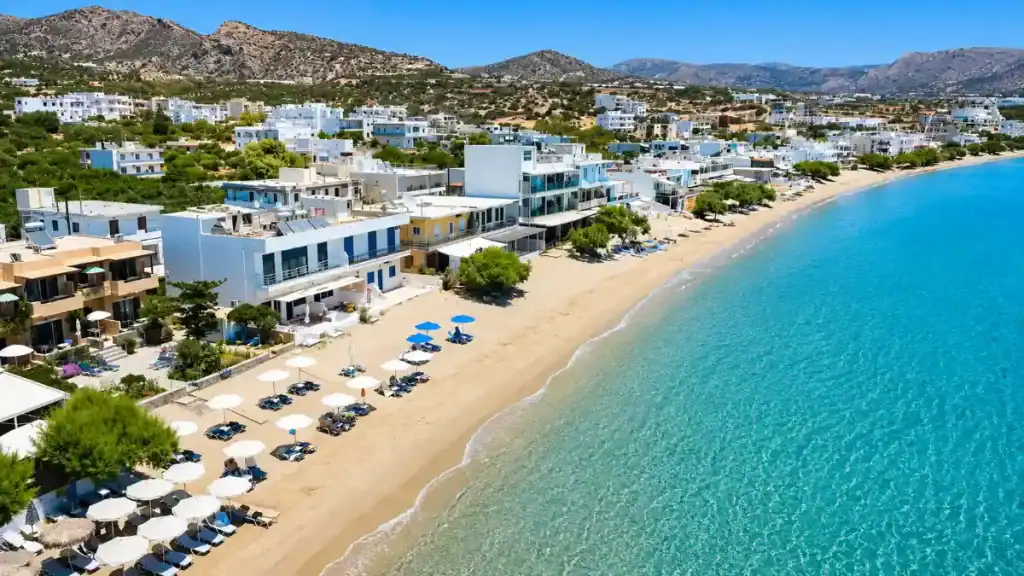
🌿 East Crete Is Quieter and Less Crowded
One of East Crete’s biggest advantages is that tourism rarely overwhelms the places you visit. Even during summer, many towns and beaches feel noticeably less pressured than the busiest parts of the island.
🚗 Everyday Travel Feels Easier
Less crowding improves the practical side of the holiday. Parking is simpler, restaurants feel less hurried, beaches have more space and waterfronts are easier to enjoy without constantly planning around visitor numbers.
🏘️ Towns Still Feel Lived In
Places such as Ierapetra and Makry Gialos remain active holiday destinations, but they haven’t been completely reshaped around tourism. Locals still use the promenades, shops, squares and harbours as part of everyday life.
Even around popular Elounda, you don’t have to drive far before the crowds thin out again. That ability to find a quieter beach, taverna or stretch of road is a large part of East Crete’s appeal.
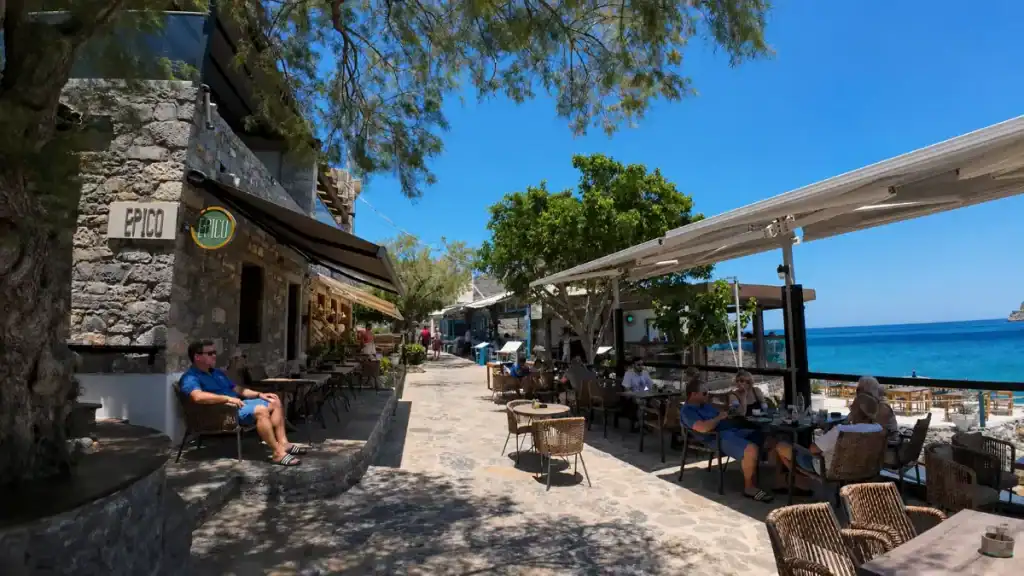
🌙 East Crete Is Not for a Busy Resort Holiday
East Crete is not the best choice if you want nightlife, packed promenades and constant organised entertainment. There are bars, tavernas and lively waterfronts, but evenings generally become quieter much earlier than in Crete’s major resort areas.
🍹 Don’t Expect Nonstop Entertainment
If your ideal holiday means lots of shops, busy nightlife and excursions departing throughout the day, the west and parts of central Crete are stronger choices. East Crete suits travellers who are comfortable creating their own days rather than having everything organised around them.
🚗 You Need to Be Happy Driving
The other compromise is distance. Major sights are spread out, so exploring properly means spending more time in the car rather than having everything within walking distance of one resort.
Choosing the right base therefore matters. The Where to Stay in East Crete guide compares the main options according to the type of trip you want.
If you dislike driving or want constant activity immediately outside your hotel, East Crete may feel too quiet.
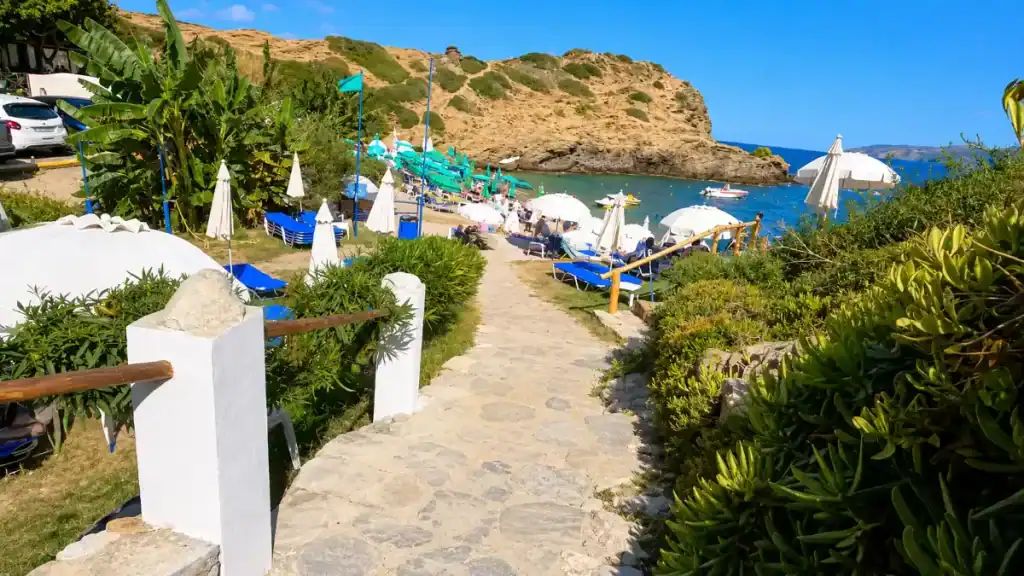
So is East Crete wo🧭 So, Is East Crete Worth Visiting?
Yes. Is East Crete Worth Visiting if you prefer quieter roads, less crowded beaches and the freedom to explore independently? Absolutely. It offers a noticeably easier-paced alternative to the busier parts of Crete.
✅ East Crete Is Best For
It particularly suits travellers who enjoy self-drive holidays, varied beaches, smaller towns and the ability to explore without constantly planning around crowds. Parking tends to be easier, the roads quieter and there is plenty of variety for day trips.
⚖️ What You Give Up
You don’t get the same concentration of famous beaches or major resort centres found in western Crete. In return, you get a region that feels more manageable, less congested and considerably less exhausting to explore.
For travellers who value space, flexibility and independent exploring, East Crete can easily be the better holiday.