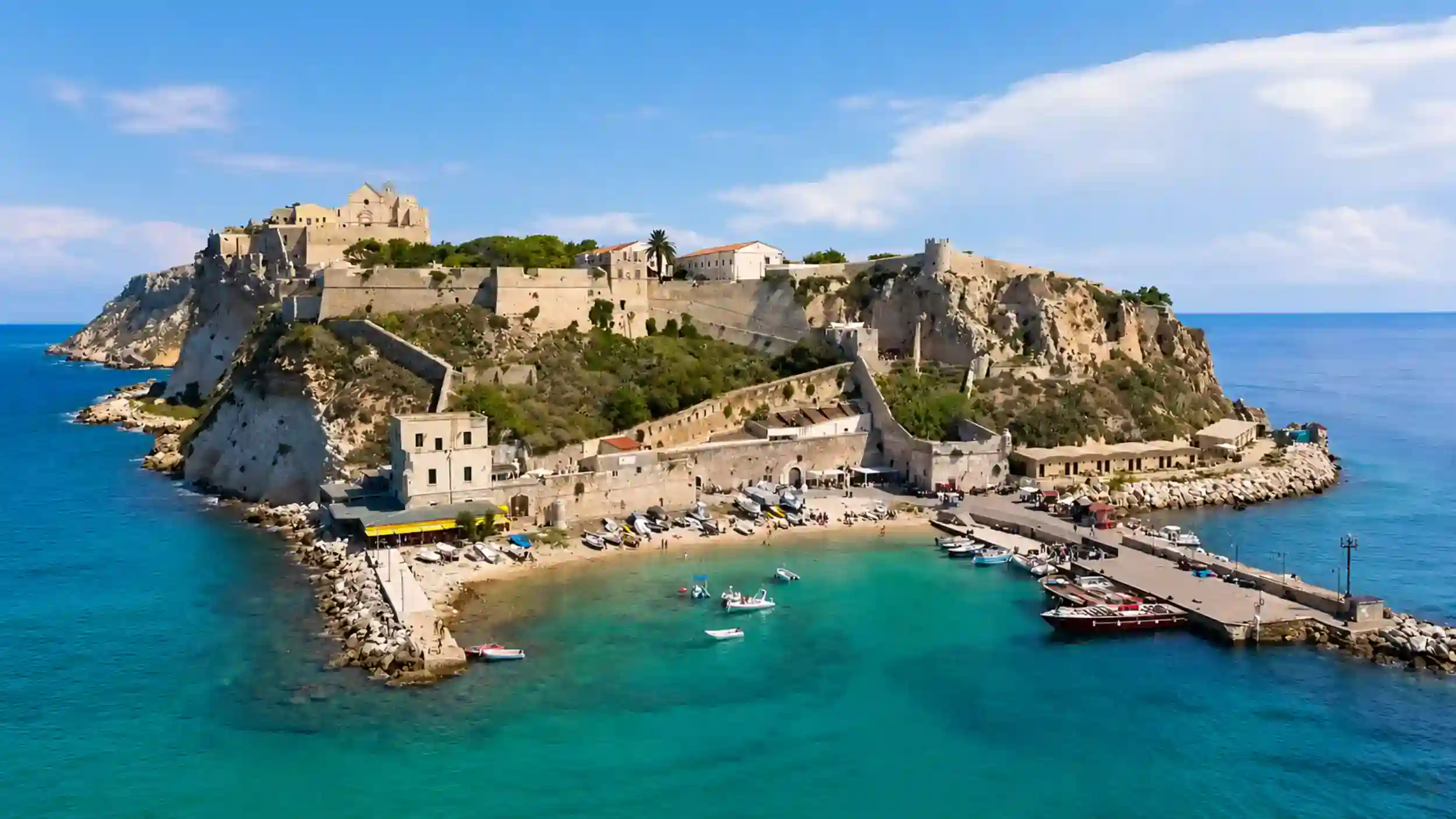
A Tremiti Islands day trip is enough for most first-time visitors to experience the archipelago’s clear water, boat trips, swimming coves and historic San Nicola without staying overnight. The limitation is time: ferry schedules and moving between the islands decide how much of the day is actually yours.
Staying overnight offers something different rather than simply more sightseeing. Once the day-trip ferries have gone, the islands become noticeably quieter.
For a first visit from Vieste, I would not treat that as a reason to stay overnight. A well-planned day is long enough to see the contrast with Gargano, get onto the water and spend meaningful time on the islands.
⏰ How Long Does the Ferry From Vieste to the Tremiti Islands Take?
I would allow around two hours for the crossing from Vieste, although the exact journey depends on the service and arrival island. That meant accepting an early start rather than trying to squeeze Tremiti into a shorter window. On a day trip, the ferry timetable decides how much useful island time remains.
How Early Should You Arrive at Vieste Port?
I would arrive 30 to 45 minutes before departure and choose one of the morning ferries. That protected the useful part of the day on the islands. Advance tickets also removed one uncertainty from a trip that already depended heavily on timing.
| ⛴️ Planning Your Departure | 📌 Recommendation |
|---|---|
| ⏰ Arrival at the port | 30 to 45 minutes before departure |
| 🎟️ Ferry tickets | Book ahead in summer |
| 👜 What to bring | Water, sun protection and comfortable footwear |
| 📷 Best place to sit | Outside deck for the best views if conditions allow |
⏰ THE TIMING I WOULD PROTECT
Morning ferry, 30 to 45 minutes at the port before departure and roughly two hours for the crossing. On a day trip, losing an hour at the start matters more than squeezing in one extra stop later.
Once the ferry clears Vieste, the trip starts to feel different from another Gargano sightseeing day. The harbour recedes, the coastline opens out and there is nothing to organise for a while. That transition is part of the appeal rather than wasted travel time.
🌊 Is the Ferry Crossing Part of the Tremiti Islands Experience?
Cliffs and Coves Make More Sense Offshore
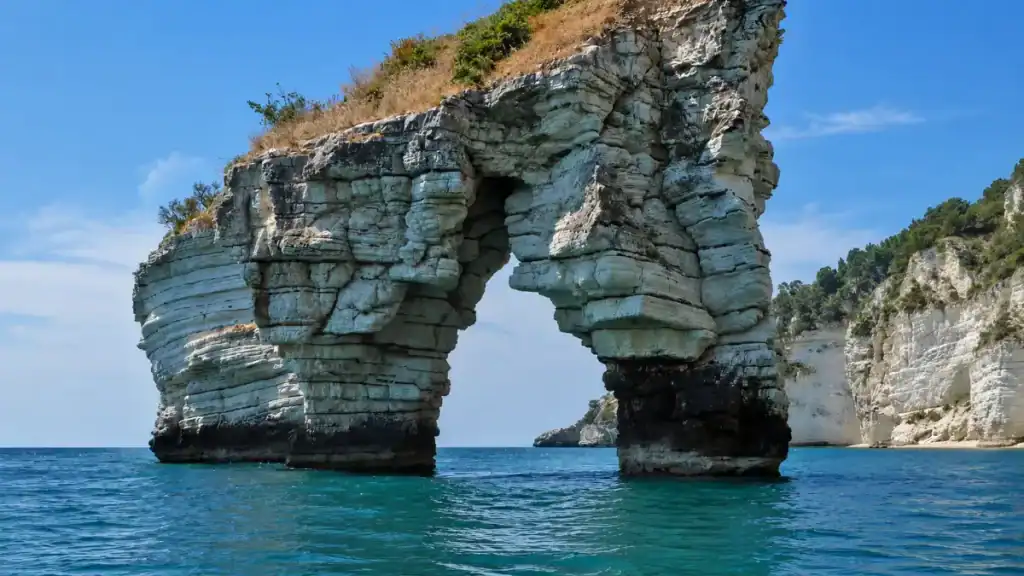
For me, yes. The crossing did more than move me between Vieste and the islands. Offshore, the Gargano cliffs looked taller, coves hidden from the road became visible and the broken shape of the peninsula made more sense when I could see long sections of coast at once.
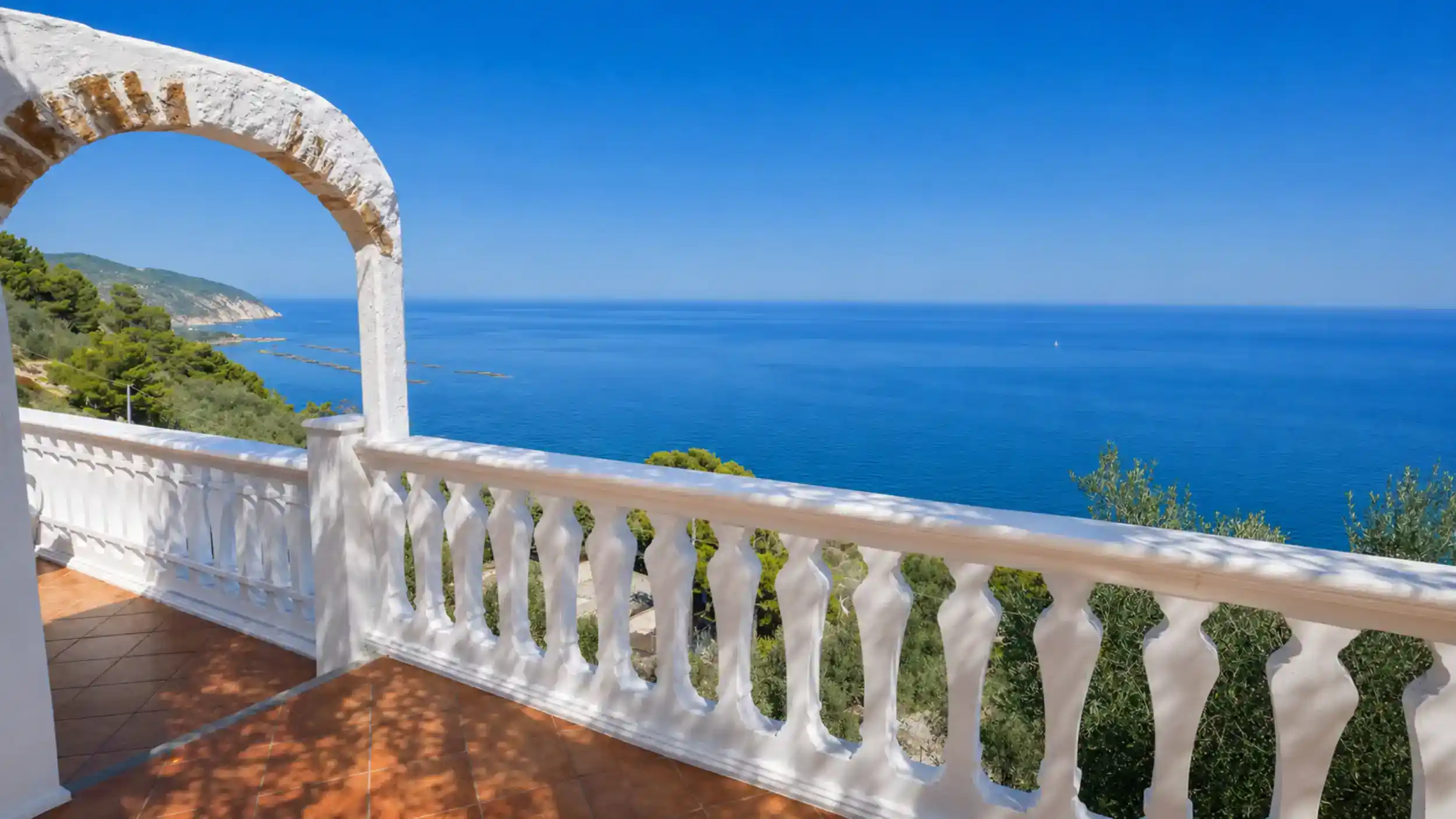
The approach has its own marker. Deep Adriatic blue gives way to much clearer turquoise water around the islands, and in calm conditions you can see the transparency before stepping ashore.
The crossing earns its place in the day. You are not simply waiting to arrive; the changing coastline, open water and first sight of the islands give the journey a value that a road transfer rarely has.
🌿 Is One Day Enough for the Tremiti Islands?
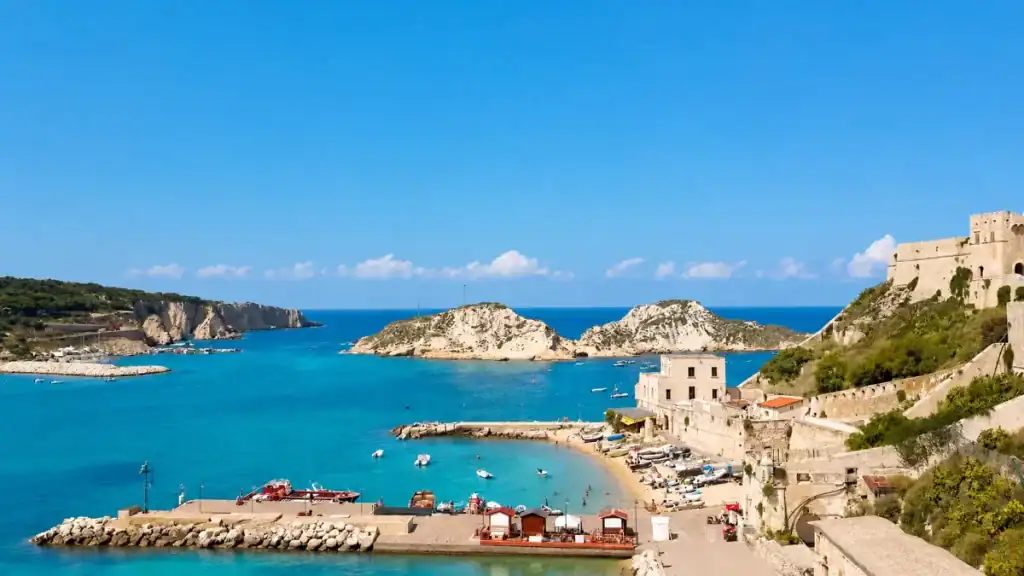
For a first visit, I thought one day was enough, provided I accepted that I was not going to see everything. Stepping off the ferry removed much of the traffic, road planning and constant movement that had shaped my Gargano road trip. The islands were not empty, particularly in summer, but the change of rhythm was noticeable almost immediately.
What Should You Prioritise on a Day Trip?
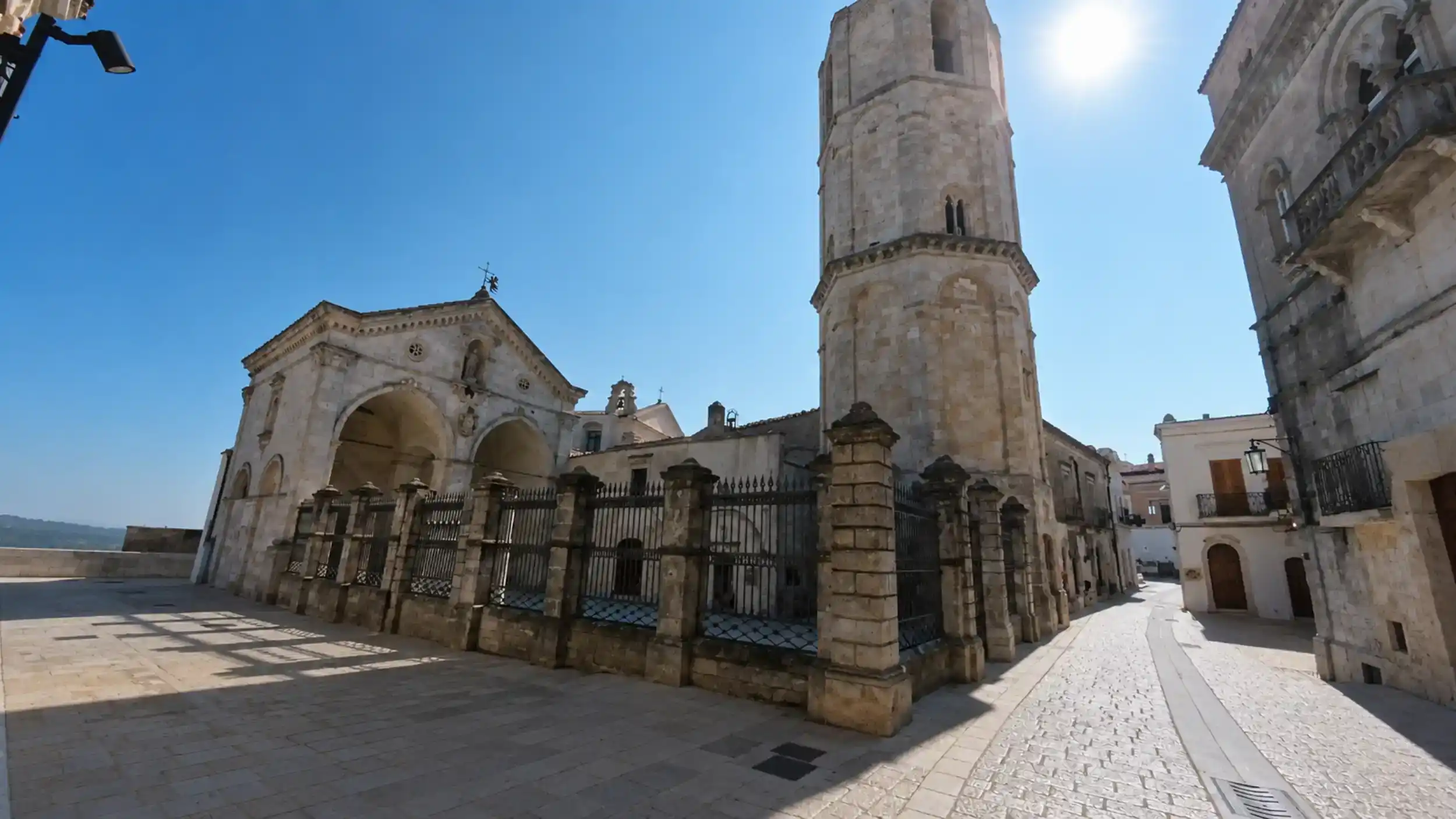
I would prioritise getting away from the ferry terminal, spending meaningful time by or in the water and seeing the contrast between San Nicola and San Domino rather than chasing every possible stop. Short paths and viewpoints quickly moved me beyond the arrival area, while San Nicola’s old buildings felt very different from San Domino’s beaches and pine-covered landscape.
The return ferry creates a natural temptation to keep moving. Resist it. A viewpoint, lunch by the water or an unplanned pause can be more worthwhile than adding another rushed stop. A day trip is enough, but only if you accept that it is not enough to see everything.
🧭 WHAT I WOULD PRIORITISE
One proper swim, time away from the harbour and enough of San Nicola or San Domino to feel the difference between them. I would rather do those well than spend the day checking stops off a list.
🏊 Is a Boat Trip Around the Tremiti Islands Worth It?
A Boat Trip Adds More Than Another View
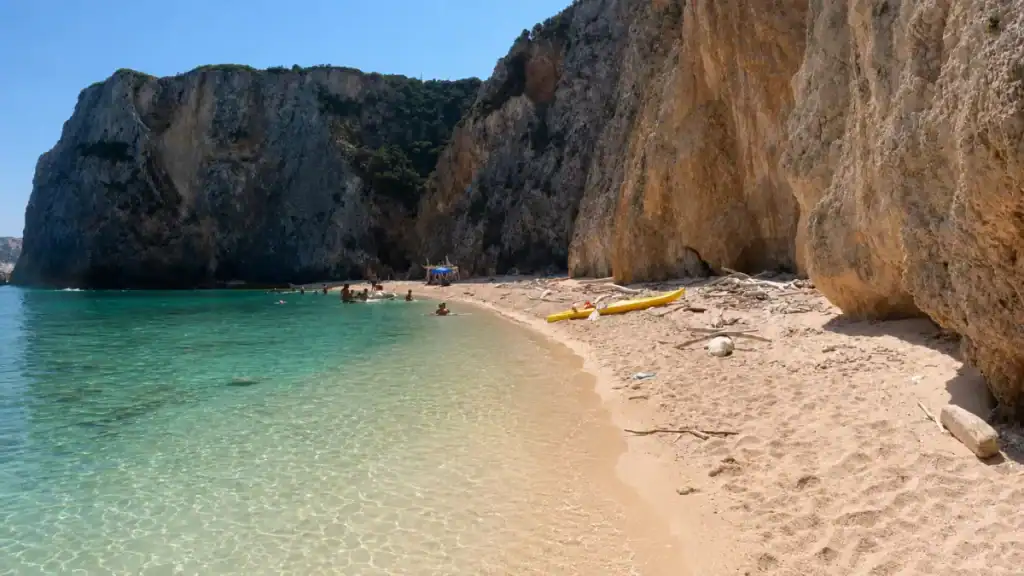
Yes, especially if swimming is one of the reasons you came. A boat excursion changed the day from looking at the islands to getting into the coastline. Stops can include coves, rocky inlets and sea caves, with opportunities to swim in exceptionally clear Adriatic water.
Swim. Climb back aboard. Cruise to another bay. Repeat.
Before long, the timetable matters less than the experience itself.
Unlike a typical Gargano beach day, there is no repeated cycle of parking, unloading and deciding where to go next. Once aboard, the boat handles the movement and each new bay arrives without another drive.
That continuity is what makes the boat day work. The scenery changes without the usual interruption of travelling between beaches, and the water increasingly becomes the attraction itself rather than simply the foreground to the cliffs.
🏊 WHEN I WOULD ADD THE BOAT
If clear-water swimming is a priority, I would make room for it. The boat removed the repeated effort of reaching separate coves and turned the coastline itself into the experience.
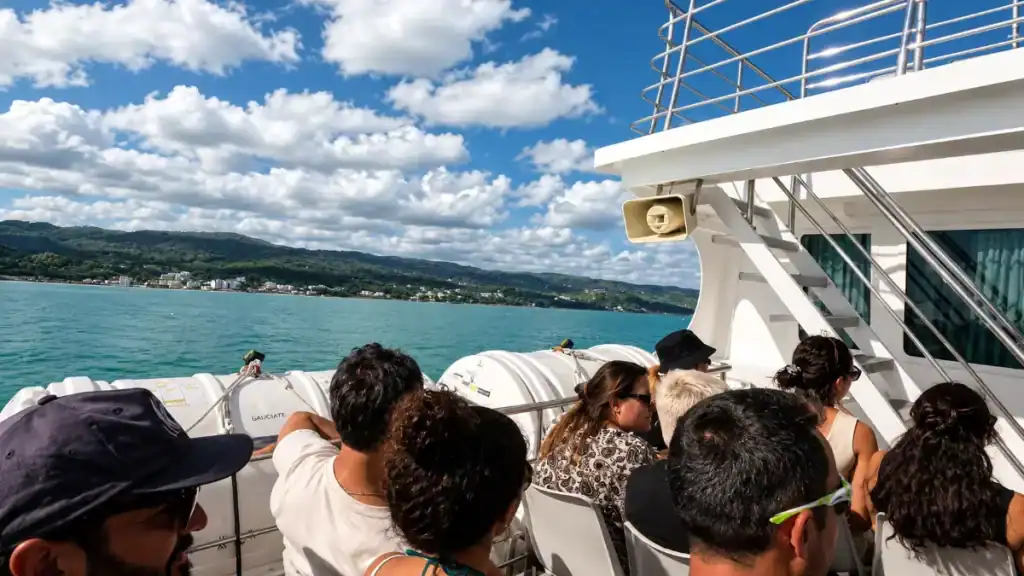
🌅 What Is the Return Ferry to Vieste Like?
I found the return felt longer even though the scheduled crossing had barely changed. Morning anticipation had gone, the day had slowed and the ferry became somewhere to sit rather than somewhere I was impatient to leave.
Sun, Swimming and Sea Conditions All Add Up
Hours in the sun, swimming and walking make the crossing more noticeable than it was in the morning. There is also no destination ahead to distract you, so the time aboard can suddenly feel longer.
Afternoon conditions can add to that impression. If the Adriatic becomes choppier, the return may feel slower even when the scheduled crossing time has barely changed.
When Vieste reappears, the familiar coastline provides a useful measure of how separate the day has felt. Only a few hours have passed on the islands, yet open water and boat travel make the excursion feel much further removed from the mainland than the map suggests.
That sense of separation is one of the strongest arguments for doing the trip at all.
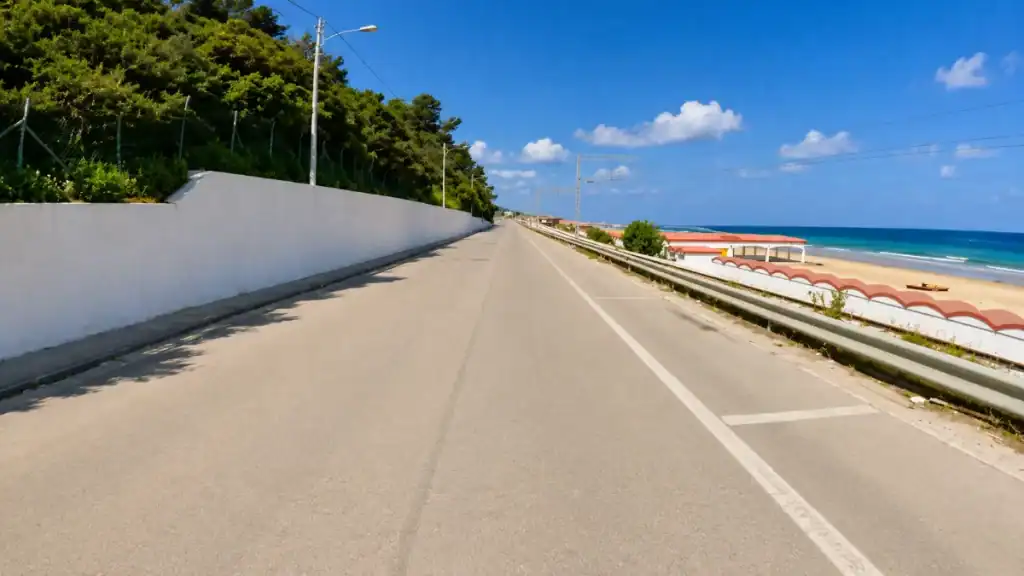
🚗 Where Does a Tremiti Day Trip Fit Into a Gargano Road Trip?
I would put Tremiti in the middle of a Gargano road trip rather than at the beginning. By then, a day without coastal roads, parking searches and route decisions felt like a genuine change of pace. Even the familiar roads seemed more laborious once I stepped off the return ferry.
Parking and Route Decisions Return Immediately
After hours on open water, the stop-start rhythm of Gargano roads is suddenly more obvious. The drive has not changed. Your reference point has. Parking, junctions and route choices are back after a day when the boat largely removed them.
This is why the Tremiti Islands fit particularly well in the middle of a Gargano road trip. They interrupt the routine rather than repeating it: one day without coastal roads, parking searches and another beach reached by car.
The excursion works because it changes the rhythm of the holiday, not because it adds another long list of sights.
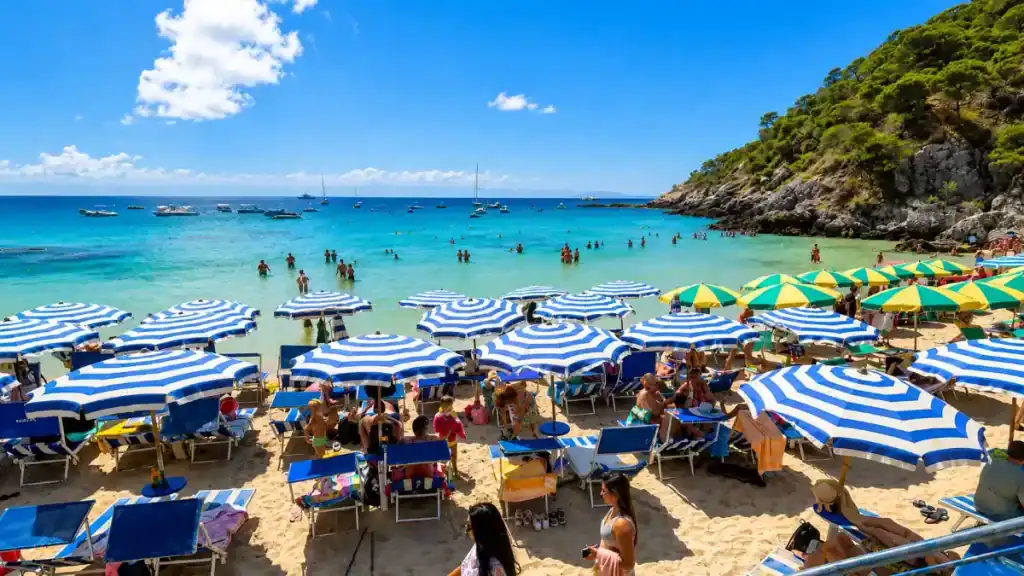
✅ Is a Tremiti Islands Day Trip From Vieste Worth It?
Yes, especially after a few days exploring the Gargano Peninsula. By then, the contrast has real value: coastal driving gives way to open water, swimming stops and islands where the day needs far fewer decisions.
✅ MY VERDICT
I would day-trip for a first visit. I would only stay overnight if quieter evenings and freedom from the return-ferry timetable were experiences I specifically wanted.
It has enough character to become more than a side trip, particularly if the boat and swimming are treated as part of the experience rather than transport between sights.
The strongest reason to go is not to add another destination to the itinerary. It is to exchange a day of driving for the Adriatic, island walking and clear-water swimming while still returning to the same base that evening.
If you’re considering whether the Gargano Peninsula is worth visiting in October, the islands can still strengthen the itinerary when ferry services and weather conditions line up.
Is It Worth Staying Overnight on the Tremiti Islands?
For a first visit, I would not consider an overnight stay essential. I would choose it if the quieter evening atmosphere were part of the attraction, or if I wanted to explore without shaping every decision around the return ferry. That is a different experience rather than simply a longer version of the day trip.
A day trip gives you the part of Tremiti that contrasts most strongly with Gargano: open sea instead of roads, boat movement instead of parking and enough time in the water to make the islands feel like a separate experience rather than another stop on the coast.