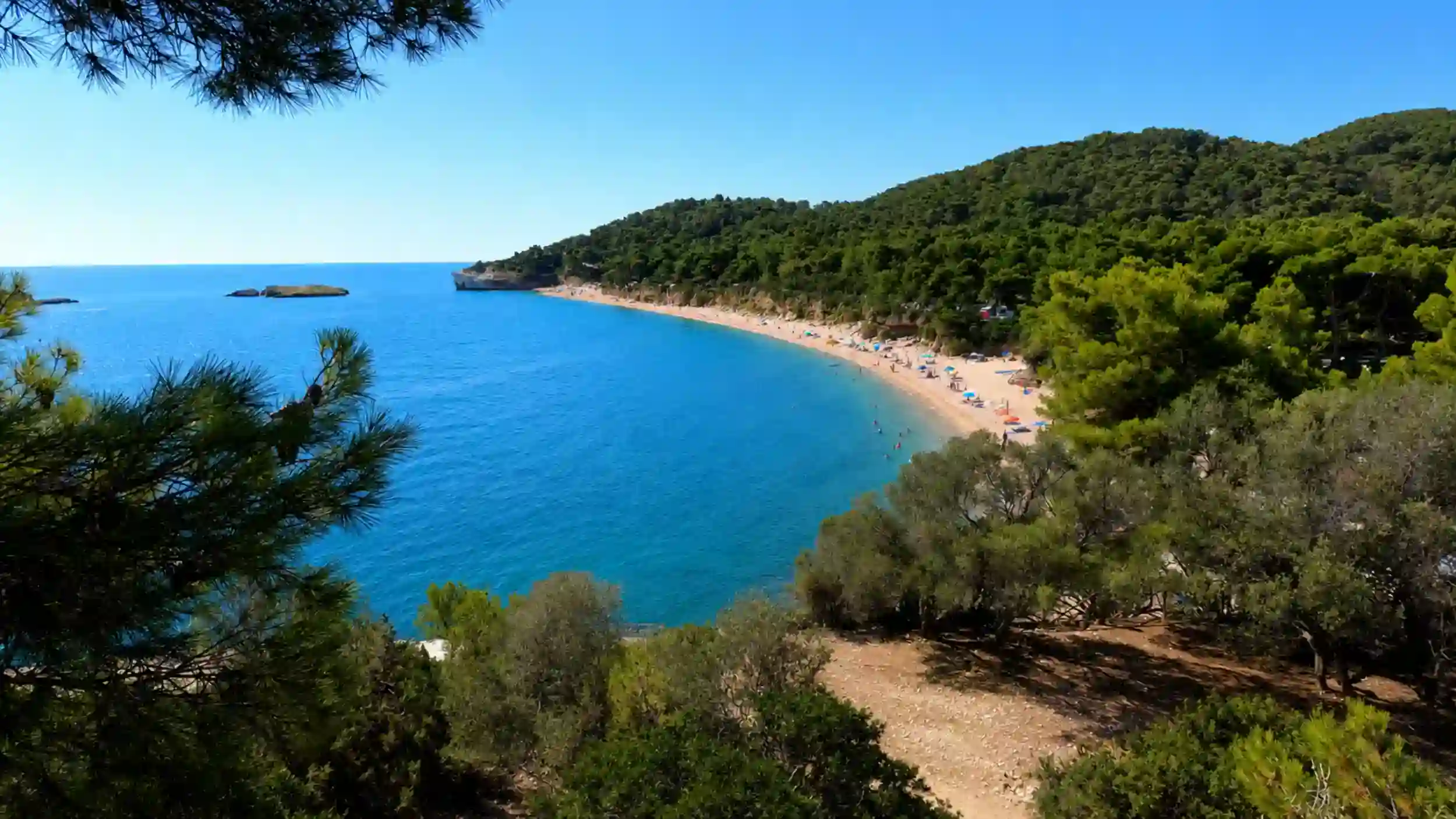
How many days in Gargano Puglia do you need? Five days is the sweet spot for most first-time visitors. Three days works for a concentrated coastal trip, while seven gives you enough flexibility to slow down, respond to the weather and spend more time inland.
The important thing is not to judge Gargano by distance alone. Short journeys frequently take longer than expected once mountain roads, beach stops and viewpoints become part of the day.
🚗 Why Does Gargano Take Longer Than the Map Suggest?
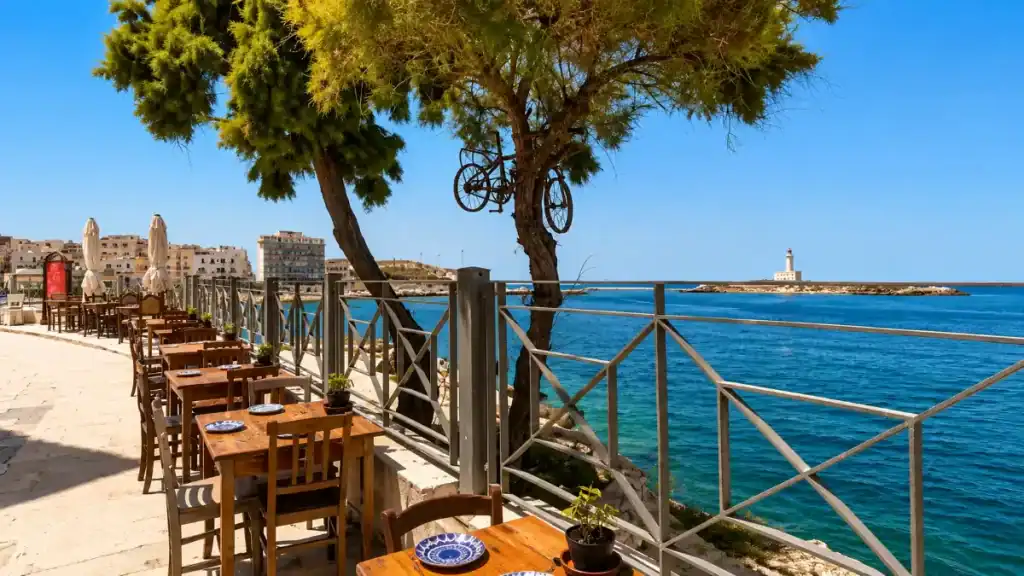
Because the road is only part of the journey. Gargano looks compact enough on a map to make an ambitious itinerary seem realistic, but on the ground the roads changed my sense of distance. A journey that looked short could absorb half a day once I stopped at a beach, pulled into viewpoints or wandered through a town I had only intended to pass through.
That is why I would plan a first visit around the experiences you actually want rather than the number of places you can theoretically connect on a map.
Coastal drives rarely felt direct to me. The road climbs and descends, viewpoints interrupt the journey and beach turn-offs repeatedly tempt you away from the planned route. With enough time, those interruptions become part of the experience rather than a problem.
The problem begins when every day depends on optimistic driving times. Pack too much in and Gargano becomes something you watch through the windscreen rather than somewhere you have time to experience.
🌊 What Can You Realistically See in Three Days?
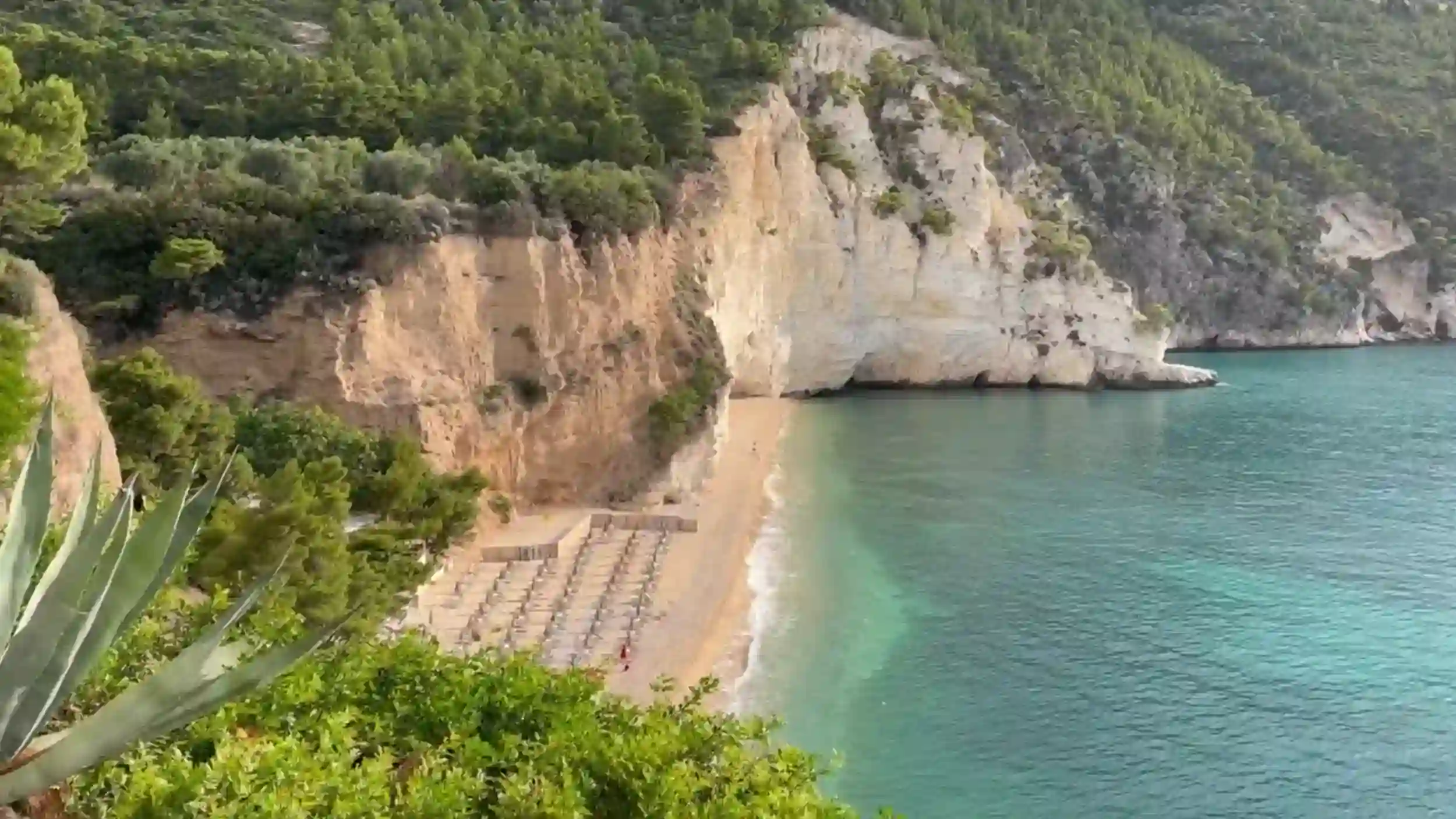
With three days, I would concentrate on Gargano’s coast rather than pretend you can cover the whole peninsula properly. Peschici, Vieste and the coastline towards Mattinata already provide enough variety for a short first visit, particularly if beaches and coastal scenery are the priority.
There is little advantage in squeezing forests, mountain towns, beaches and long driving loops into the same short itinerary. Three days works much better when you accept that you’re seeing one side of Gargano well rather than everything quickly.
What Should You Prioritise With Only Three Days?
The route between Peschici, Vieste and Mattinata looks straightforward, but the Vieste to Peschici drive shows why distance is misleading here. Bends, climbs, descents, viewpoints, beach turn-offs and slower village sections repeatedly break up the journey.
Three days can therefore work well as an introduction, but only if you accept that it is primarily a coastal trip. Trying to bolt the forest and mountain towns onto those same days removes the breathing space that makes the route enjoyable.
It will still leave you wanting more. There will almost certainly be beaches you didn’t reach, viewpoints you drove past and villages you’ll wish you’d had more time to explore.

🌿 Why Are Five Days Ideal for a First Gargano Trip?
Five days gave me the balance I would want on a first trip: enough time for the coast, a separate inland day and some slack. You no longer need to combine several different experiences simply because time is short, and the coast and interior can have days of their own.
This is the length I would choose for a first visit.
There is still plenty to explore, but the pressure to keep moving drops enough for Gargano to feel like a holiday rather than a sequence of drives. With five days, you can separate the coast from inland Gargano properly instead of repeatedly combining incompatible parts of the peninsula into one long day.
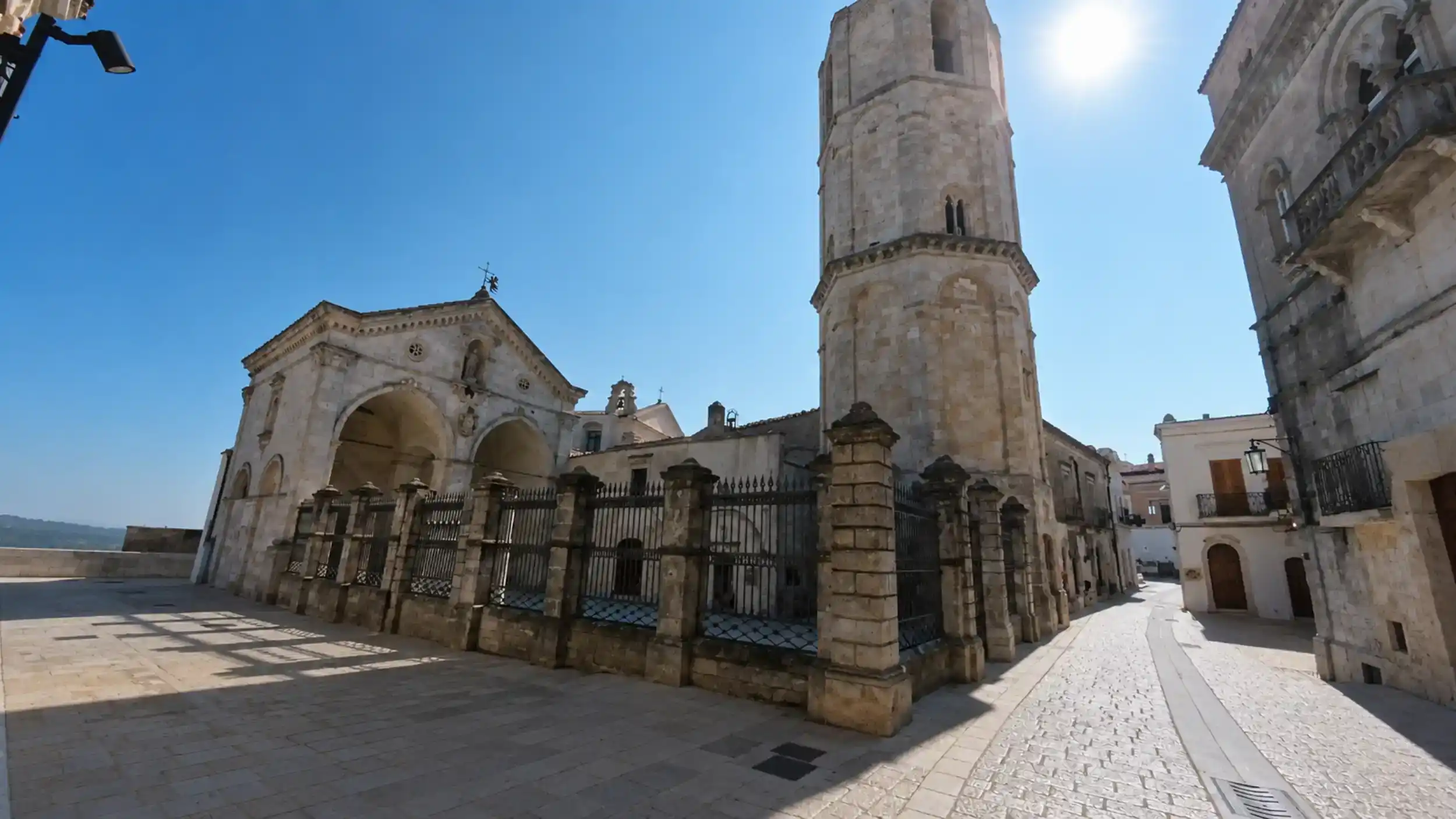
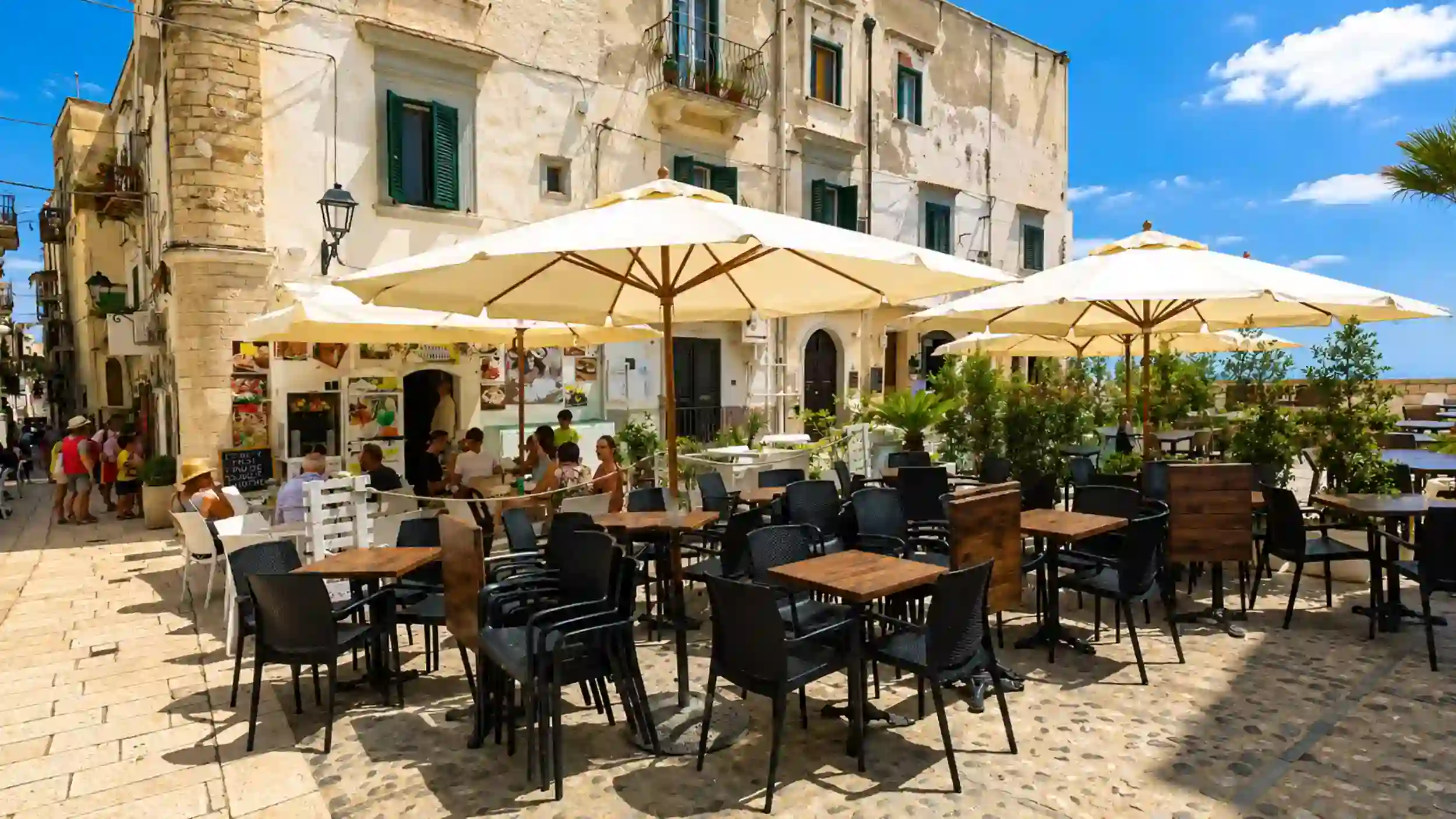
The coastline revolves around beaches, sea caves, seafood restaurants and dramatic cliff roads. Inland Gargano offers a completely different atmosphere, with hill towns, forests, olive groves and panoramic viewpoints replacing the rhythm of the coast.
Most importantly, the fifth day gives you some slack. It can absorb a change in weather, somewhere you unexpectedly want to revisit or an afternoon when another drive suddenly seems less appealing than staying where you are.
🌿 WHY FIVE DAYS WORKED
Three days made me choose. Seven let me slow down. Five was the point where coast, inland Gargano and a change of pace could all fit without every day becoming a long drive.
🚤 Should You Include a Car-Free Day?
Yes, if you have five days or more. One mistake I would avoid is turning every day into another coastal drive. The roads are spectacular, but after several consecutive days the routine of bends, viewpoints and beach turn-offs can start blending together even when the scenery remains impressive.
That is why breaking up consecutive Gargano driving days matters. Time on the water changes both the pace and your perspective on the coast.
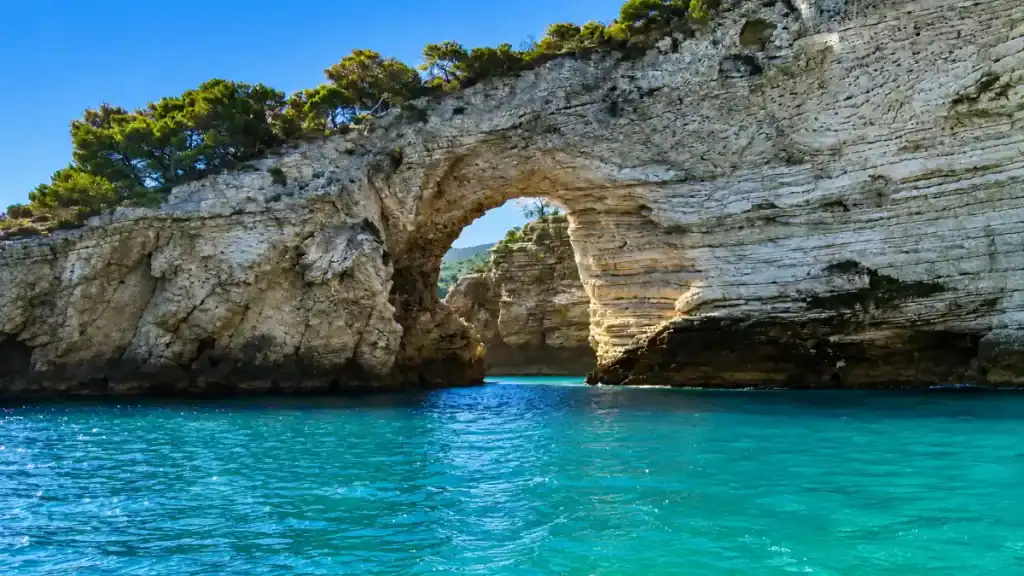
A boat trip gives the coastline a completely different scale. Around Vieste, sea-cave excursions take you beneath limestone cliffs, natural arches and coves that are difficult to understand properly from the road. With more time, a Tremiti Islands day trip creates an even bigger break from driving.
From the water, details that disappear from the road become obvious: narrow cave entrances, fishing platforms and changes in the limestone. Even a half-day excursion can reset the rhythm, so the next coastal drive feels distinct rather than like another version of the previous one.
🚤 THE PRACTICAL POINT
A car-free day is not lost sightseeing time. It can make the driving days either side of it more enjoyable.
🌅 What Does Seven Days Give You in Gargano?
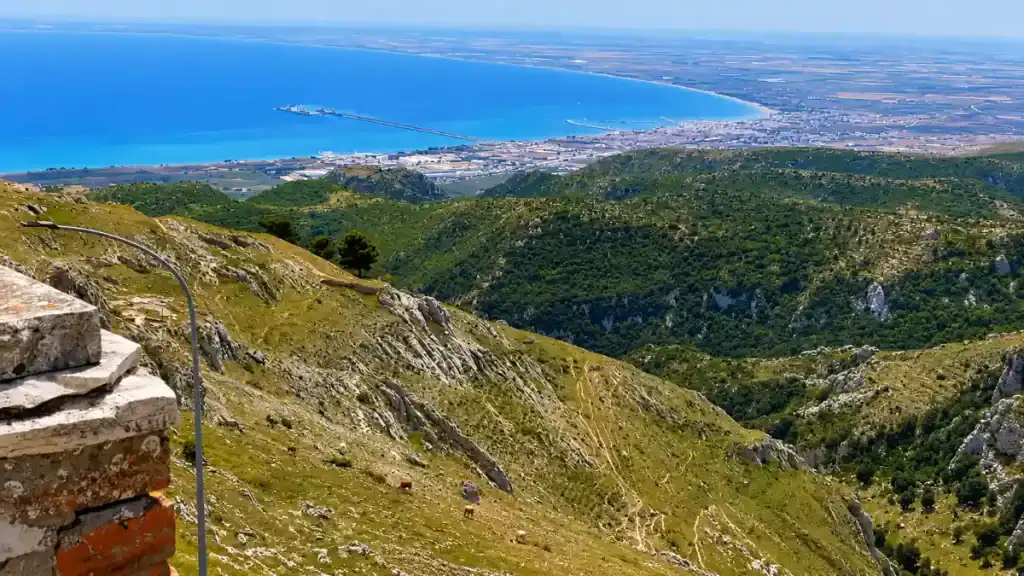
A week buys flexibility more than a dramatically longer sightseeing list. You no longer have to make every day productive. You can give the inland peninsula its own day, spend longer on the beaches and still have enough flexibility to change plans when the weather or your energy says otherwise.
That matters in Gargano because conditions can change what makes sense. A windy beach day can become a forest or hill-town day, while calm seas may suddenly make a boat trip the obvious choice.
Seven days also makes it easier to revisit somewhere rather than treating every stop as a one-time obligation. That is often when a trip begins to feel less like sightseeing and more like actually being in Gargano.
📍 Should You Stay in One or Two Bases?
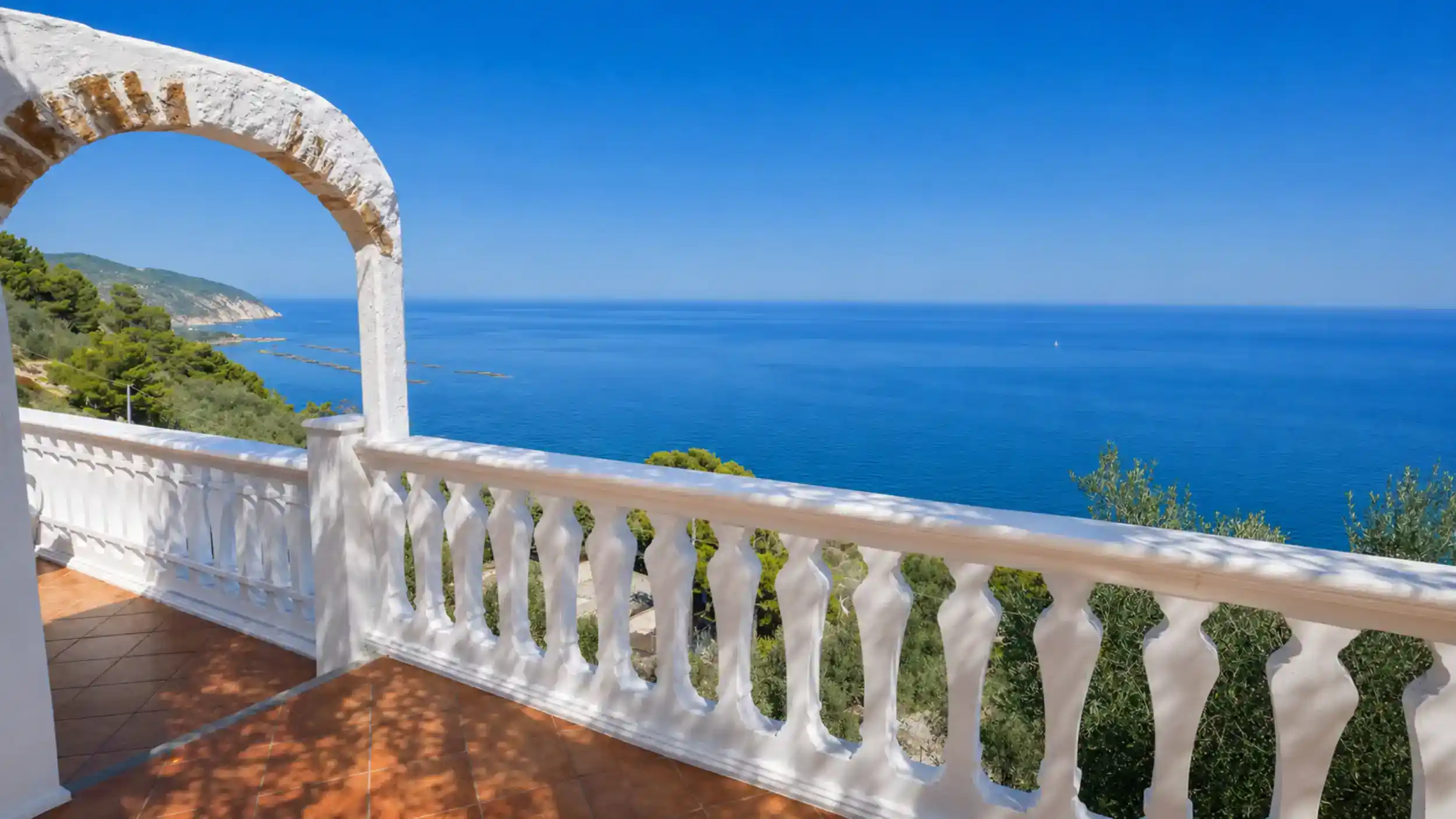
For three days, I would keep one coastal base. With five to seven days, two bases become worth considering if the itinerary stretches across the peninsula. Gargano’s roads make repeated cross-peninsula journeys more tiring than the map suggests. Staying in Vieste works particularly well for the eastern coastline, boat trips and access towards Mattinata, while Peschici is convenient for the northern side and beaches around the upper coast.
If you have five days or more, splitting the stay can reduce backtracking. I would rather change accommodation once than spend several evenings retracing the same winding road simply to return to one base.
📍 QUICK DECISION
Three days suits one coastal base; five to seven days gives you enough time to consider two bases if your itinerary stretches across the peninsula.
🌳 How Much Time Should You Give Inland Gargano?
I would give inland Gargano a full day rather than squeeze it between a morning beach and an evening coastal stop. Foresta Umbra, Monte Sant’Angelo and the smaller inland towns change the character of the trip enough to deserve a different pace.
The contrast is part of their appeal. After several days of bright limestone, exposed roads and beaches, the shade and cooler air of the forest can feel like a reset rather than another attraction to tick off.
Keeping that day separate also removes the temptation to rush back to the coast. If a walk takes longer than expected or lunch turns into a slow afternoon, nothing else has to be sacrificed.
🧭 How Many Days Should You Actually Allow in Gargano?
For most first visits, I would allow five days in Gargano. It is long enough to see the major coastal areas, include an inland day and break up the driving without stretching the itinerary unnecessarily.
- 3 days: a focused introduction centred on the coast.
- 5 days: the best balance of beaches, towns, inland Gargano and time off the road.
- 7 days: better for slower travel, weather flexibility, boat trips and revisiting favourite places.
The extra days are not really about collecting more sights. They give Gargano’s awkward roads, changing weather and tempting unplanned stops room to work in your favour rather than against the itinerary.