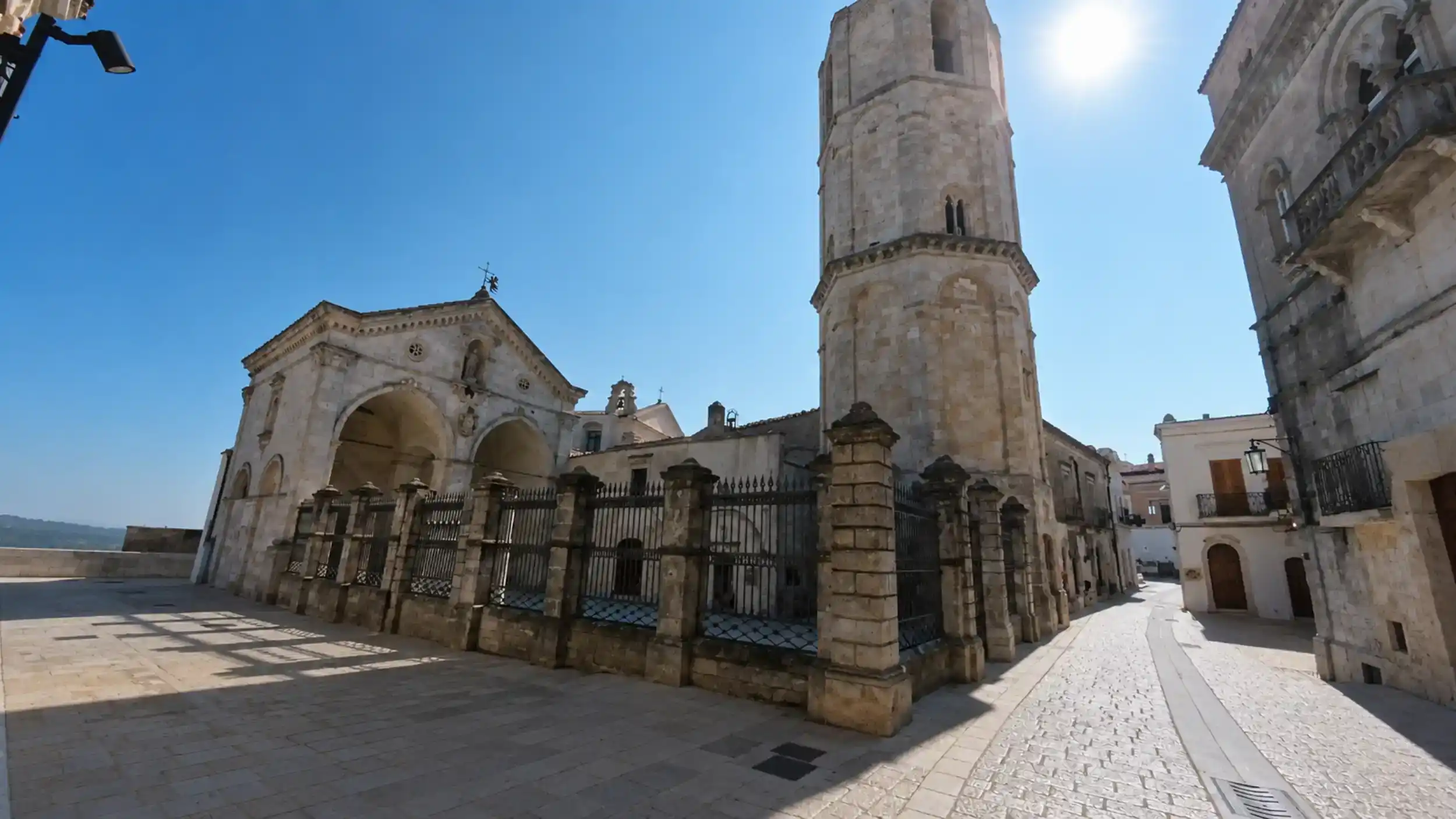
Visiting Monte Sant’Angelo is worth it when you want to see a side of Gargano that has little to do with beaches. The cooler mountain air, stone streets and historic centre gave me a genuine change of pace after several days beside the Adriatic. It works best when you allow time to wander rather than treating it as a quick sightseeing stop.
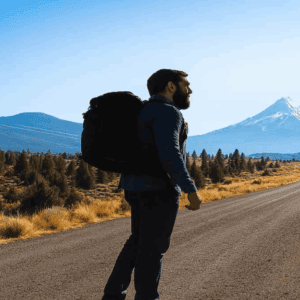
The difference starts on the drive uphill, before you have even parked. The sea gradually slips from view, the air cools and the peninsula begins to feel much less like the coastal Gargano you have left below.
🏛️ What Is the Drive to Monte Sant’Angelo Like?
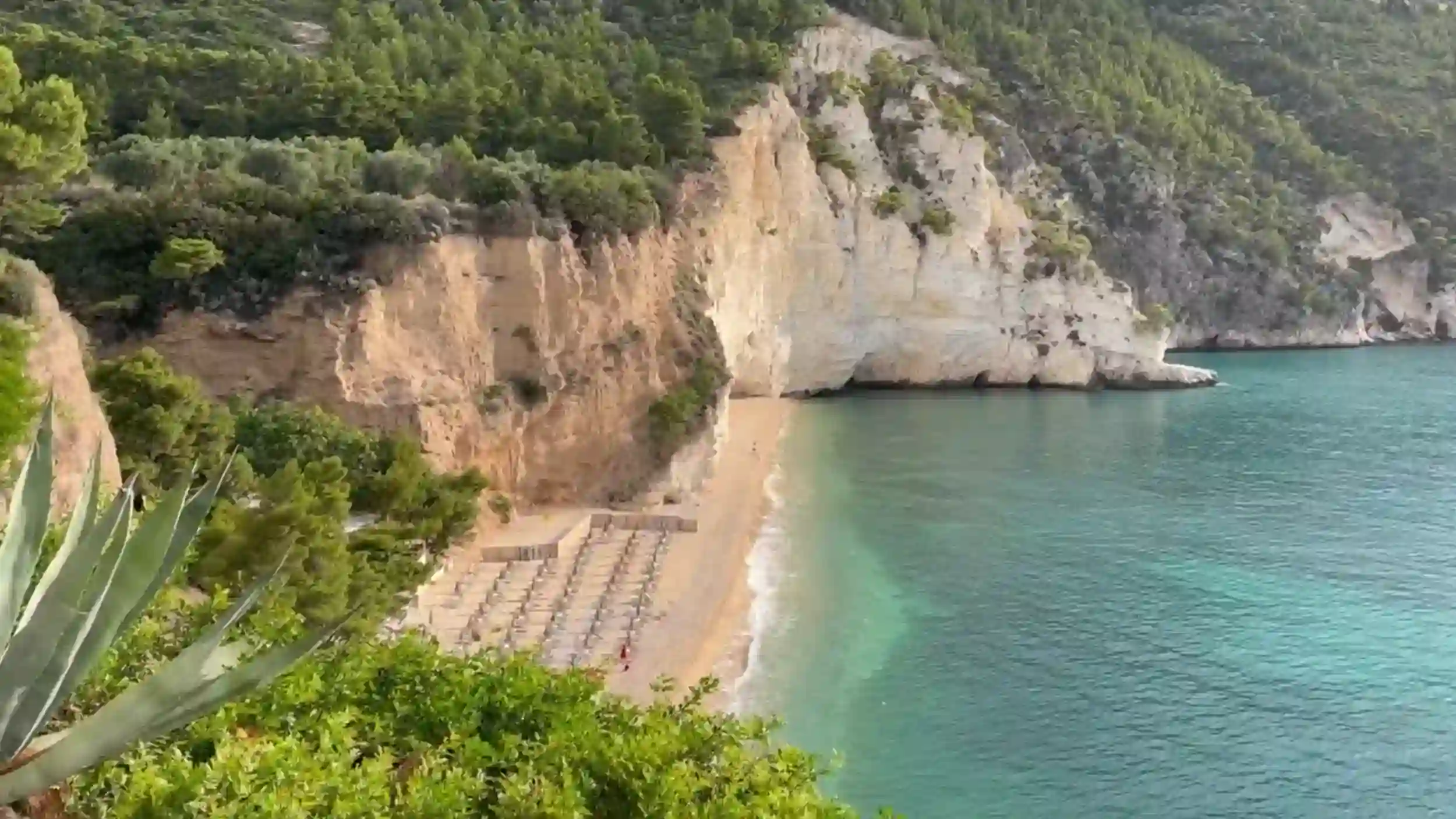
The drive felt like part of the visit rather than a transfer. After several days exploring Gargano’s coastline, I noticed the shift well before reaching town: the climb steadily left the Adriatic behind, beach roads gave way to mountain scenery and by the time I arrived it barely felt like the same part of the holiday.
That gradual transition is part of the reason I would not treat Monte Sant’Angelo as a quick inland detour.
Should You Allow Extra Time for the Mountain Road?
I would. As the road climbed, the coastline kept disappearing behind the bends and the journey felt slower than the distance on the map suggested. I would leave the coast earlier rather than squeeze Monte Sant’Angelo into the end of a beach day. Once I arrived, there was little benefit in watching the clock.
The towels, sea conditions and thought of reaching another cove before lunch disappear from the day. Instead, you can walk until a lane or view catches your attention, stop, and carry on when you feel like it. That freedom became a large part of the town’s appeal.
🌡️ Is Monte Sant’Angelo Noticeably Cooler Than the Coast?
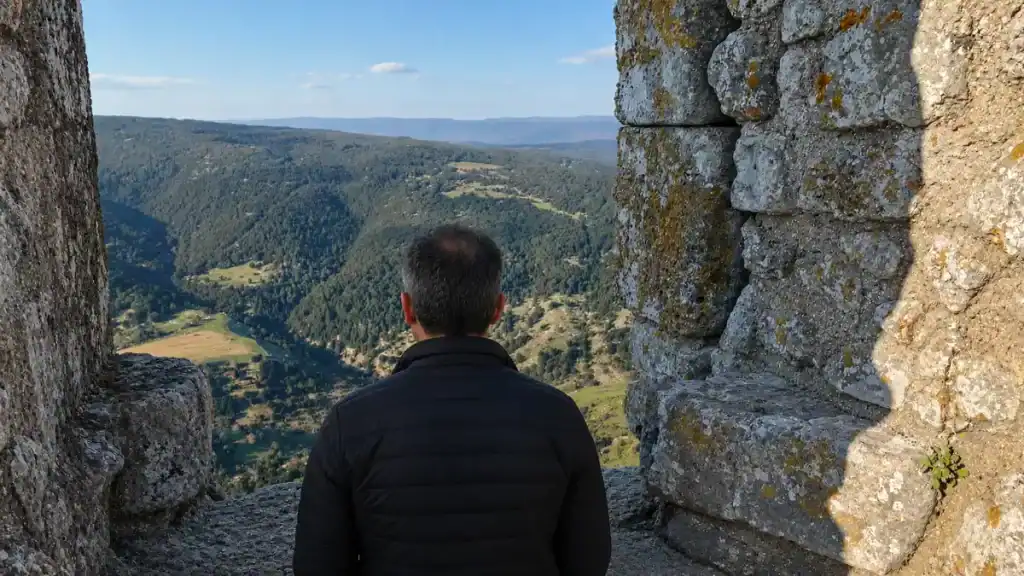
Yes. The higher elevation brought noticeably cooler air than I had been experiencing beside the Adriatic. After warmer days at sea level, that difference made walking through Monte Sant’Angelo much more appealing and changed how long I was happy to stay on foot.
It sounds minor. It changed the afternoon.
Instead of looking for shade or somewhere to cool off, I was happy to stay on foot for longer. The stone staircases and sloping streets still require some effort, but without the stronger coastal heat they were far more comfortable to explore.
Do You Need a Layer in Monte Sant’Angelo?
The temperature difference matters more if the visit stretches into late afternoon or evening. Something that felt completely unnecessary beside the Adriatic can become useful once the sun drops and you are still walking around the old town.
🧥 QUICK TIP
Bring a light layer if you expect to stay into the evening. The temperature change is much easier to notice once the sun has gone.
🚶 What Is Monte Sant’Angelo Old Town Like to Explore?
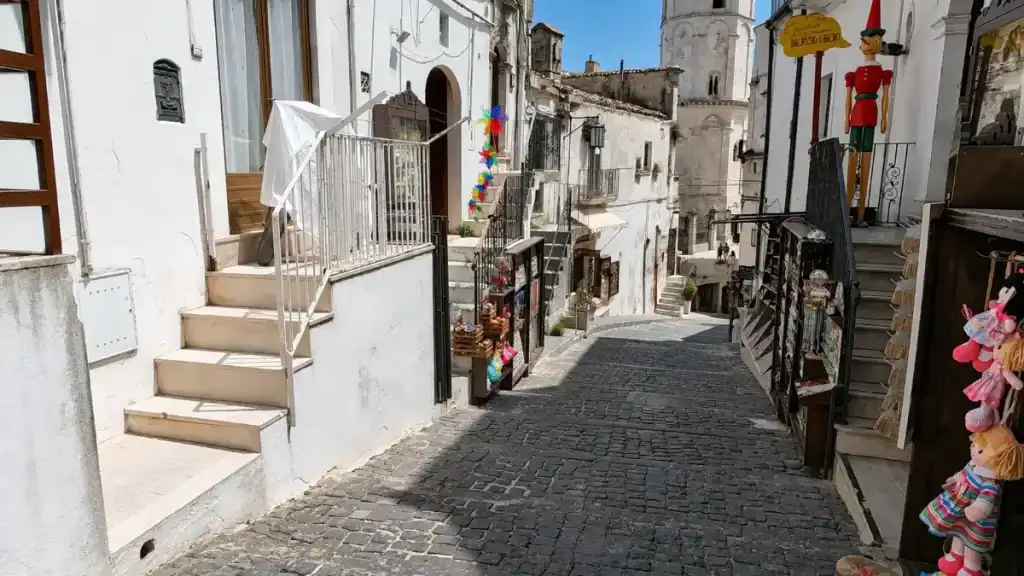
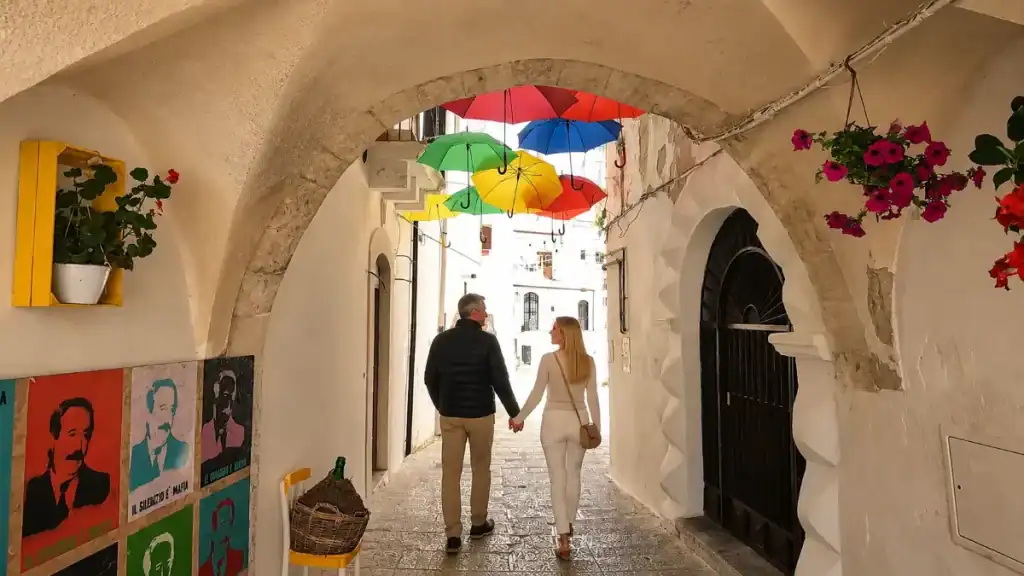
I enjoyed the old town most once I stopped trying to turn it into a route. Narrow lanes led into small squares, stone stairways changed my direction and viewpoints appeared between the buildings. I moved slowly, but there was usually another corner worth looking around.
There was also less to optimise. I was no longer checking the sea or looking for the calmest swimming conditions. Attention shifted to staircases, churches, viewpoints and whatever appeared at the end of the next lane.
Stopping began to feel spontaneous rather than like another item on a sightseeing list.
The Route Between the Sights Is Part of the Visit
A narrow alley can suddenly open into a quiet piazza. A staircase lifts you towards a view across Gargano, then drops you back among the houses. Along the coast, the sea often anchors your sense of direction. Here, I was much less certain what the next turn would reveal.
A quiet square, an old doorway or a shaded passage could hold my attention as long as some of the named sights. Not every backstreet is remarkable, but the compact centre rewards looking rather than simply moving between pins on a map.
It is a useful contrast with planning a Gargano beach day, where access, parking and conditions can shape the itinerary. Here, wandering is not time between attractions. It is much of the attraction.
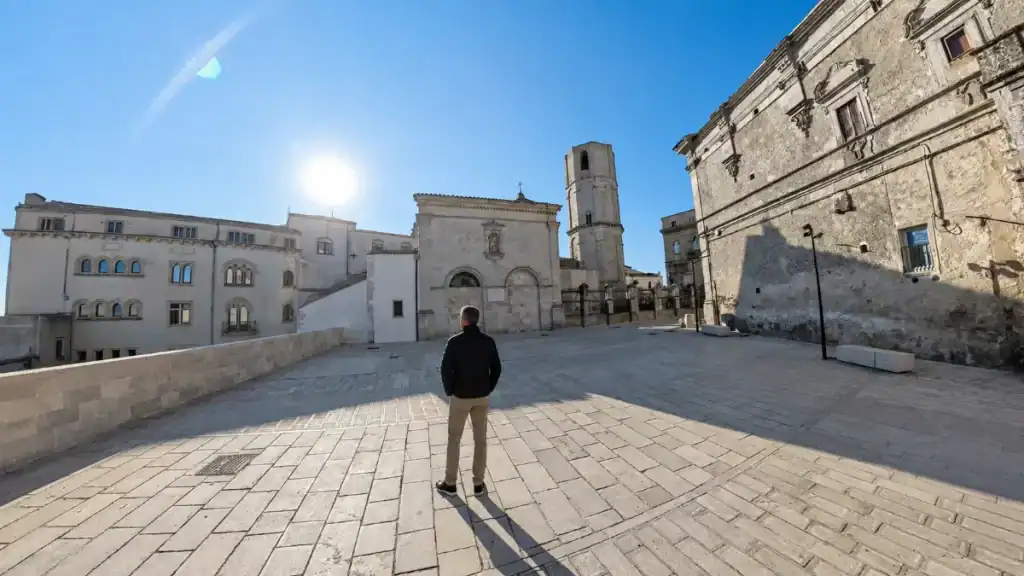
⏱️ How Long Do You Need in Monte Sant’Angelo?
I would allow a relaxed afternoon rather than reduce Monte Sant’Angelo to a tightly timed circuit. The sanctuary gives the visit a clear focal point, but wandering, viewpoints and café stops took up more time than I expected. With only a short window, I would concentrate on the sanctuary and the streets immediately around it.
Narrow streets and stone steps slow you down anyway. The places that delayed me were often small squares, passages or views rather than attractions I had planned to see.
That makes a tightly timed visit a poor fit for the town. If you only have a short window, concentrate on the sanctuary and the surrounding historic centre rather than trying to cover every street.
⏱️ IF YOU’RE SHORT ON TIME
Prioritise the Sanctuary of San Michele and the streets immediately around it. With a relaxed afternoon, add the castle viewpoints, Junno quarter and time to wander without a fixed route.
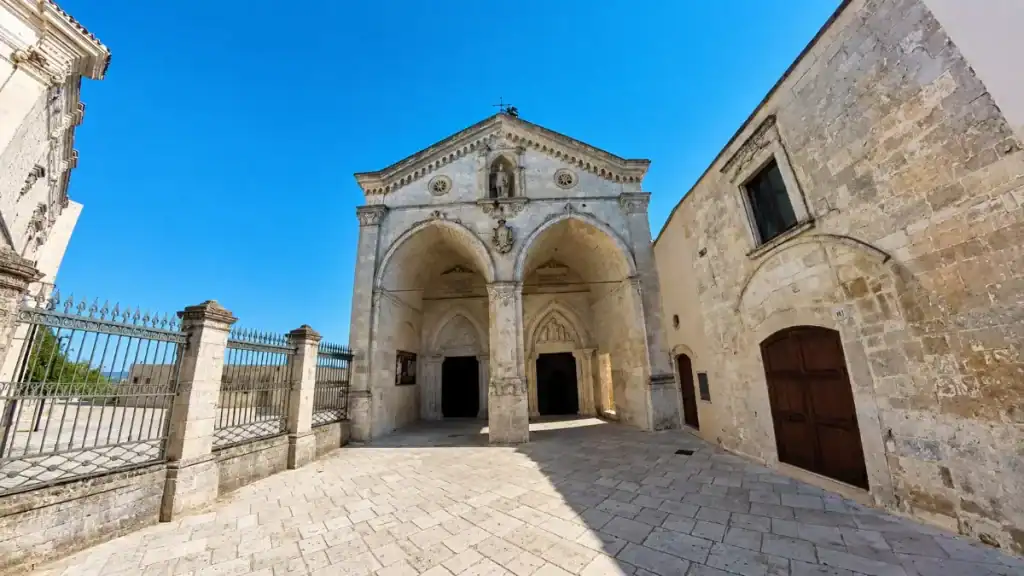
⛪ Is the Sanctuary of San Michele Worth Visiting?
Yes, even without a religious reason for visiting. The Sanctuary of San Michele was where the character of my afternoon changed again. Moving from the bright mountain streets into the sanctuary created a much more subdued atmosphere, and the physical descent into the cave made it feel unlike simply entering another historic church.
The difference becomes stronger as you descend.
The Descent Into the Cave Stayed With Me
Bright mountain streets gave way to cooler stone passages and subdued light. Voices dropped naturally around me. It was that physical transition, rather than simply seeing another historic church, that made the sanctuary memorable.
You do not need a religious reason to appreciate it. The cave setting is distinctive enough to justify the stop on its own, while the sanctuary gives the town a focal point without reducing everything around it to background scenery.
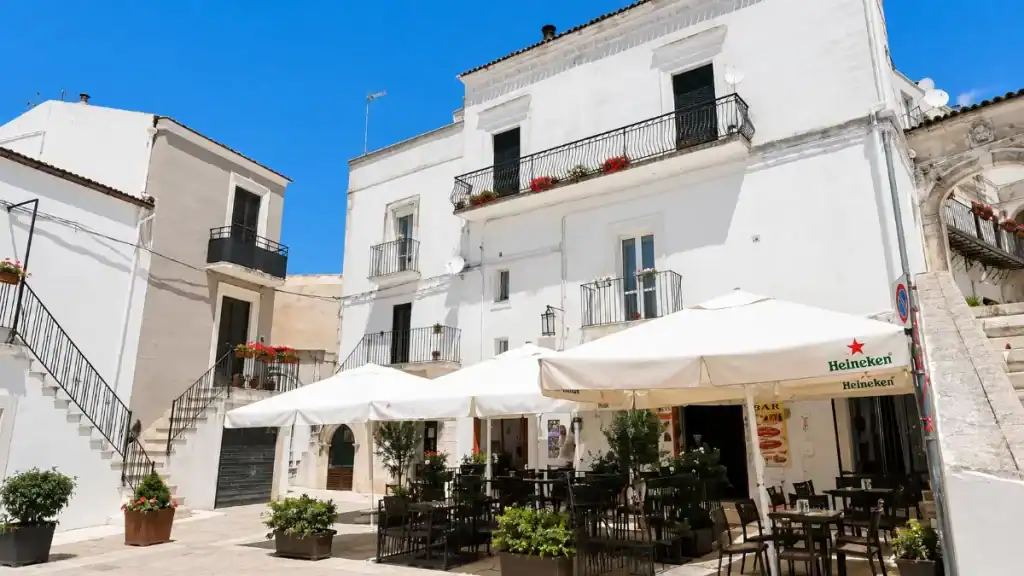
🌇 What Is the Best Time of Day to Visit Monte Sant’Angelo?
Late afternoon was the part of the visit I had underestimated. The air cooled, the light softened and some day visitors began leaving, which made the old streets increasingly pleasant to wander. The drawback was that café breaks and viewpoints kept pushing my departure later than planned.
And the town became harder to leave just as I should have been thinking about the drive back.
As the air cooled, another café stop could lead to one more walk through the old streets. Softer light changed places I had already passed, while some day visitors began heading back towards the coast. The streets grew quieter.
That was when having left some slack in the day paid off.
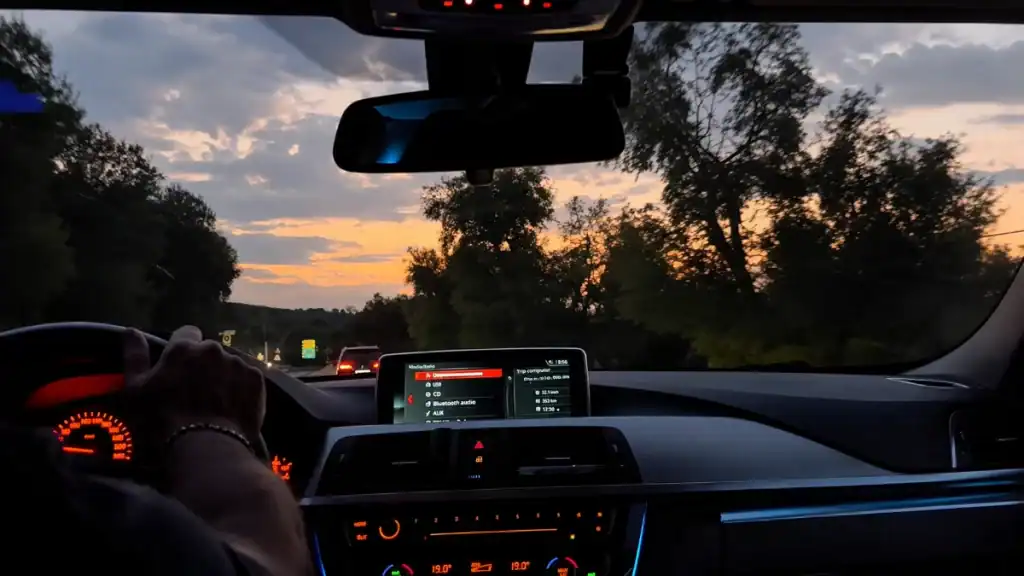
🌙 Is the Drive From Monte Sant’Angelo Difficult After Dark?
I found the mountain road manageable, but after dark the bends needed noticeably more concentration and the descent felt longer than the journey up. That was the practical reason not to lose track of time after an afternoon spent walking.
I would factor that into the visit rather than letting sunset make the decision for you.
🌙 DRIVING BACK
Leave before dark if winding mountain roads make you uncomfortable. Staying later is perfectly possible, but the descent needs more concentration once the long views disappear.
Should You Leave Before Dark?
After hours wandering quiet streets, the descent required a definite change of mindset. Darkness removed the long views and the bends demanded attention. The unhurried pace of the afternoon was over.
This is one reason giving Gargano a full week makes such a difference. With less pressure to squeeze the peninsula into a few days, Monte Sant’Angelo can take the slower afternoon it suits without feeling as though another coastal stop has been sacrificed.
✅ Is Monte Sant’Angelo Worth Visiting?
Yes. I thought Monte Sant’Angelo was worth the detour because it added something the coastline could not: cooler air, historic streets, the cave sanctuary and an afternoon spent walking rather than planning another beach or coastal drive.
I would prioritise it particularly after several coastal days, when that contrast has the most value.
It Complements the Coast Rather Than Competing With It
I would not choose Monte Sant’Angelo instead of Gargano’s coast. I would use it to break the coastal rhythm. That contrast can become even stronger during Gargano in October, when inland exploring suits the cooler conditions particularly well.
Make time for it if you enjoy historic streets, walking and places that reward unstructured exploration. If your priority is simply maximising beach time, the detour may matter less. For a varied Gargano road trip, though, it made the peninsula feel much broader than a string of attractive coastal stops.
🏛️ WHO I WOULD SEND HERE
Go if historic streets, walking and a break from the coast sound appealing. If every spare hour is really about beach time, I would keep the day on the Adriatic instead.