How many days do you need in Rías Baixas? Four to five days is the best length for most first visits. That gives you time for more than one part of the coast, a proper island day and enough flexibility for Atlantic weather without turning the trip into a succession of long drives.
With three days, it makes more sense to concentrate on Vigo and the southern estuaries rather than attempt the whole region. A week changes the possibilities considerably.
You can then spread your time between fishing towns, beaches and different estuaries, with enough room to move plans around if the weather affects a Cíes Islands trip.
🌊 What Can You Do With Three Days in Rías Baixas?
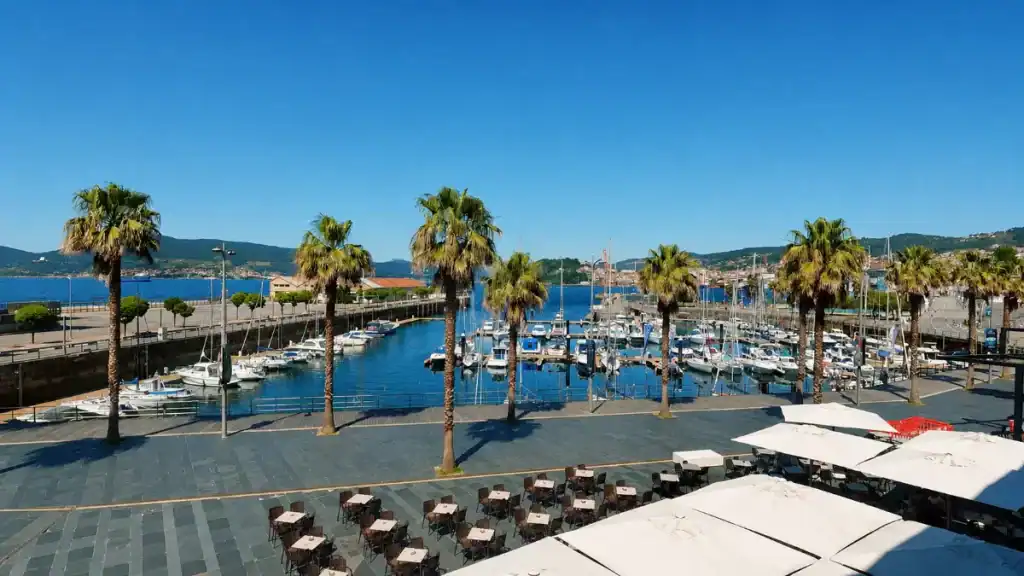
I would keep a three-day trip around Vigo and the southern coast. Trying to cover the whole region in that time creates more driving than variety. Its road, rail and ferry connections are why Vigo makes the easiest short-stay base.
Vigo Keeps a Short Trip Compact
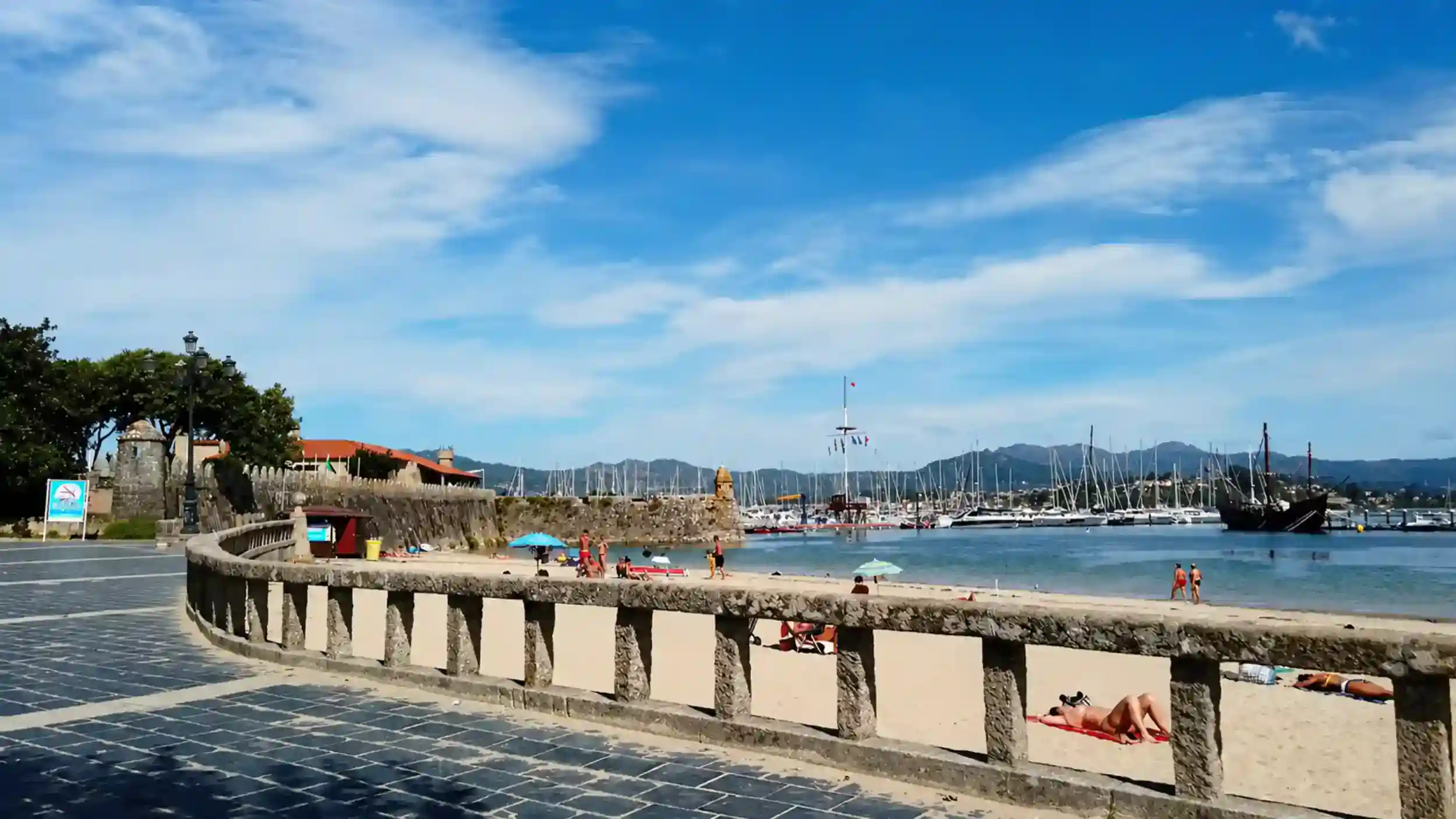
Vigo keeps travelling time under control while giving you access to Baiona, Samil Beach and the southern coast. It also puts you in the right place for ferries if the Cíes Islands are part of the trip.
One Island Day Uses a Third of a Three-Day Trip
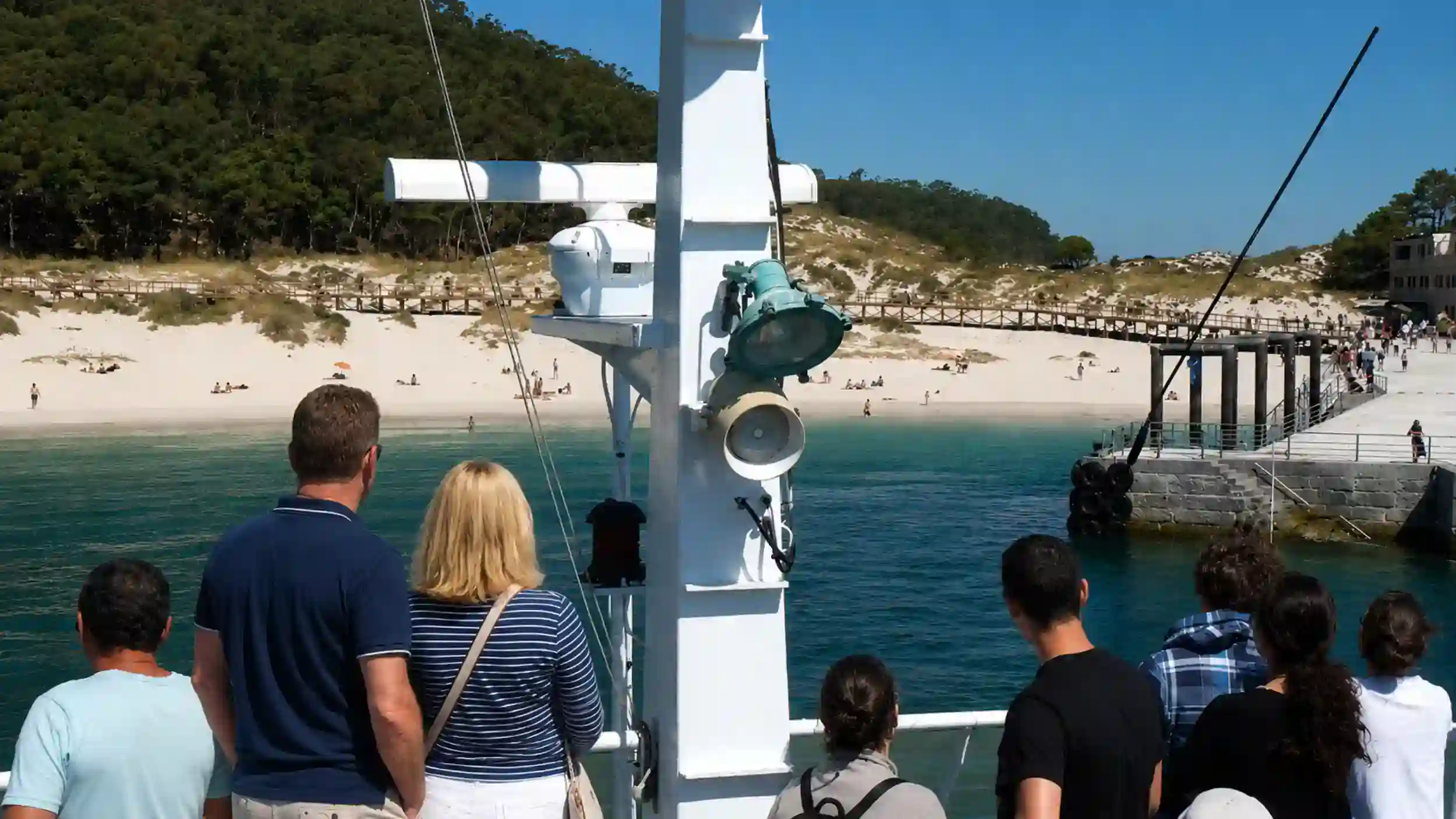
Allow one full day for the Cíes Islands. Ferry schedules, controlled visitor numbers and the walking routes mean this isn’t an excursion that fits comfortably around other sightseeing. A Cíes day needs to be planned properly rather than squeezed into an already busy itinerary.
Use your remaining time for Vigo, Baiona, Samil Beach or a short drive along the southern coast. Three days won’t show you all of Rías Baixas, but it gives you a strong introduction without spending most of the trip in the car.
📌 THREE-DAY RULE
Base yourself in Vigo, give Cíes one full day and keep the rest of the trip south rather than chasing the whole coastline.
🌊 Why Are Four to Five Days Best for Rías Baixas?
Four to five days is the point where I would stop feeling that every choice costs me something else. There is enough time to include an island, explore more than one estuary and move between beaches and towns without allowing ferry schedules or driving to dominate the trip.
Two Bases Start Making Sense at Four or Five Days
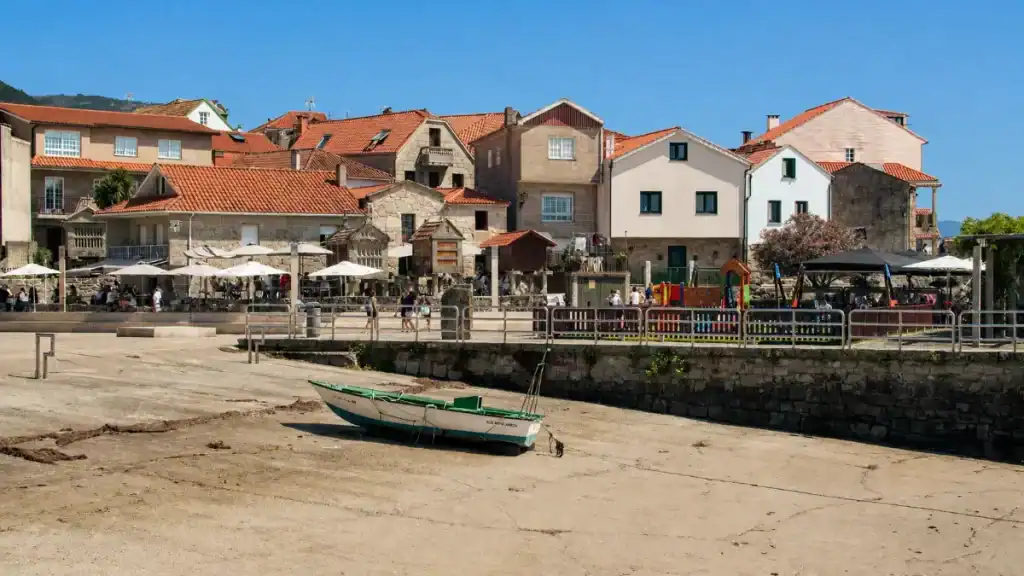
At this length, two bases become practical rather than disruptive. A couple of nights around Vigo or Baiona works for the southern coast and ferries, followed by a move towards O Grove, Cambados or Pontevedra instead of repeatedly driving north and back.
The extra time also gives the itinerary somewhere to go when Atlantic weather changes. A poor beach afternoon can become time in a village, harbour or seafood stop without sacrificing one of the trip’s main experiences.
That freedom is one of the main reasons four to five days works so well here.
🌊 WHY I WOULD CHOOSE FIVE DAYS
Three days keeps me south. A week opens up a broader road trip. Four to five days sits between them, with enough time for Cíes, more than one estuary and some weather flexibility without constantly moving base.
⛴️ How Does a Cíes Islands Day Change the Itinerary?
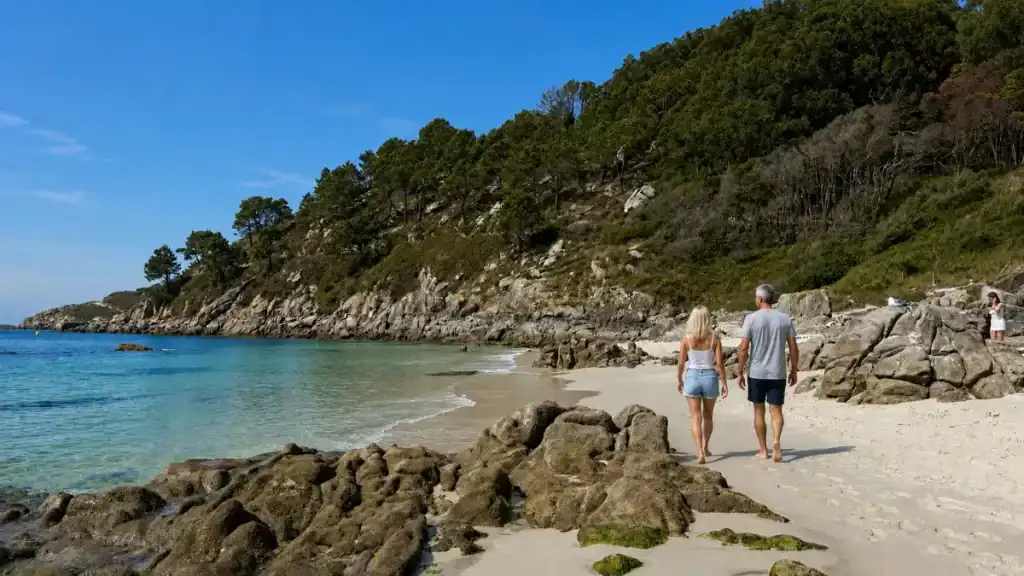
I would treat the Cíes Islands as a full day from the start. Ferry schedules, permits and meaningful time on the islands leave too little room to fit another substantial stop around the excursion.
Don’t Try to Combine Cíes with Another Major Stop
The best viewpoints and lighthouse routes are spread across the islands, so rushing the visit defeats much of the point. Treat the Cíes Islands from Vigo as a dedicated day rather than an excursion to squeeze around something else.
Ons Island creates the same issue if you want to include it as well. Add both islands and two days of your itinerary can disappear surprisingly quickly into ferries, walking and weather-dependent plans.

🗺️ What Does a Week Give You in Rías Baixas?
A week would let me travel through Rías Baixas rather than repeatedly return to the same base. I could move gradually along the coast and see the estuaries change from exposed Atlantic beaches to calmer water and working harbours.
Change Base as You Move North
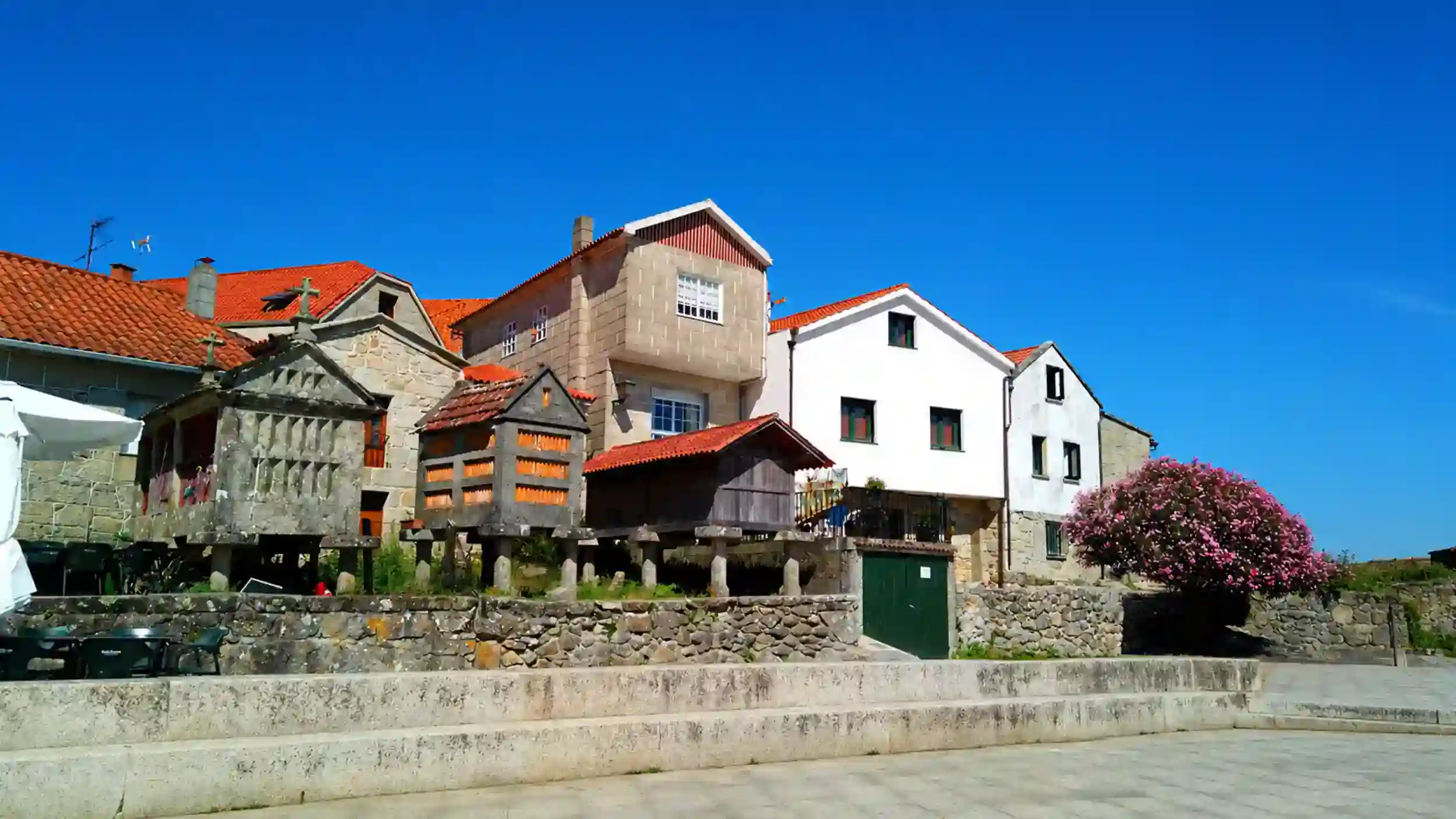
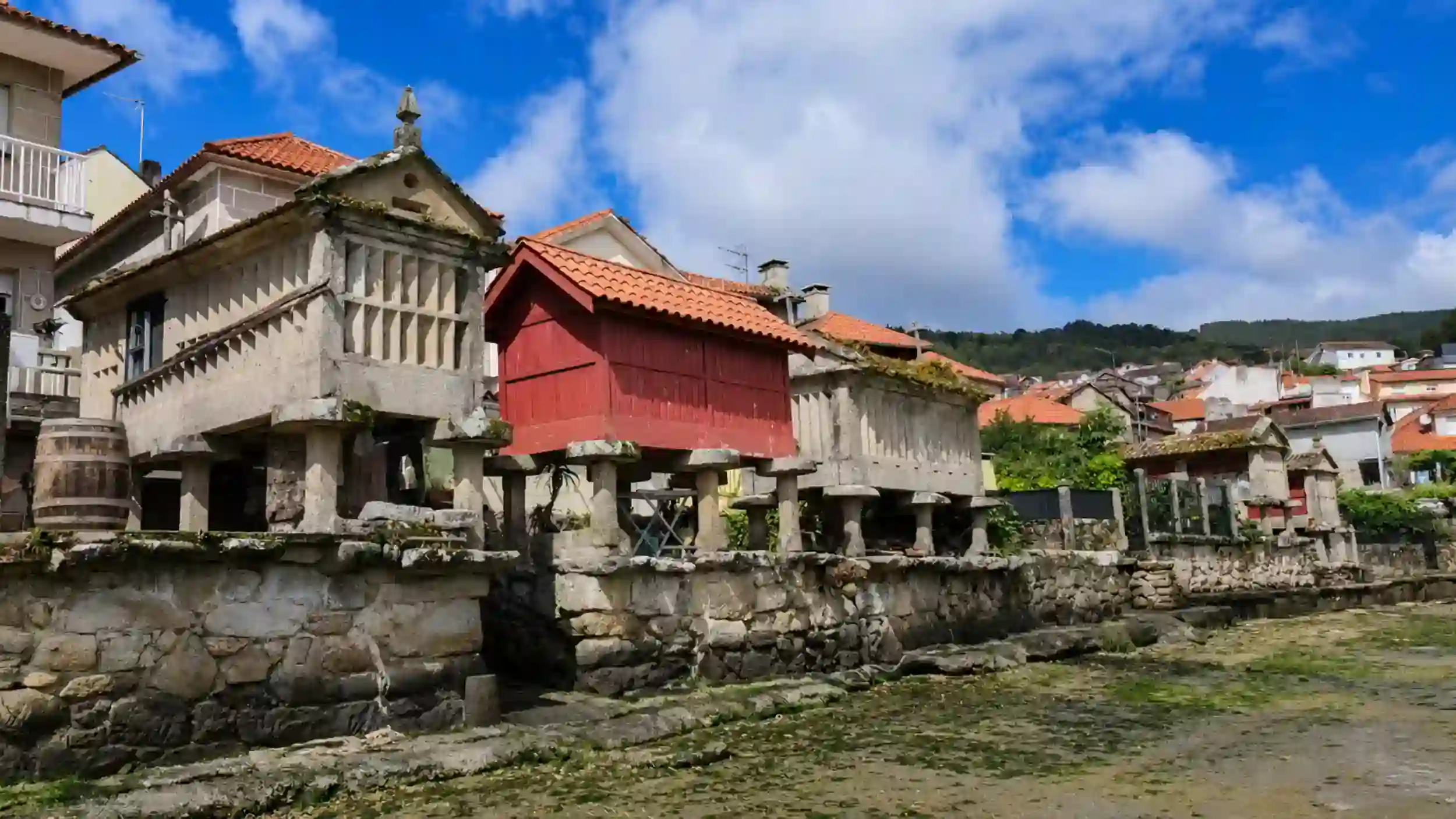
Seven days gives you time to move gradually between the southern and northern stretches of the coast. Vigo and Baiona still work well for the opening part of the trip but you also gain time for Combarro, A Illa de Arousa, Cambados and O Grove without reducing everything to quick stops.
A week also gives you room to respond to the weather. If one stretch of coast is windy or cloudy, you can change plans rather than sacrificing one of the main experiences of the trip.
🏖️ How Does Atlantic Weather Affect Beach Days?
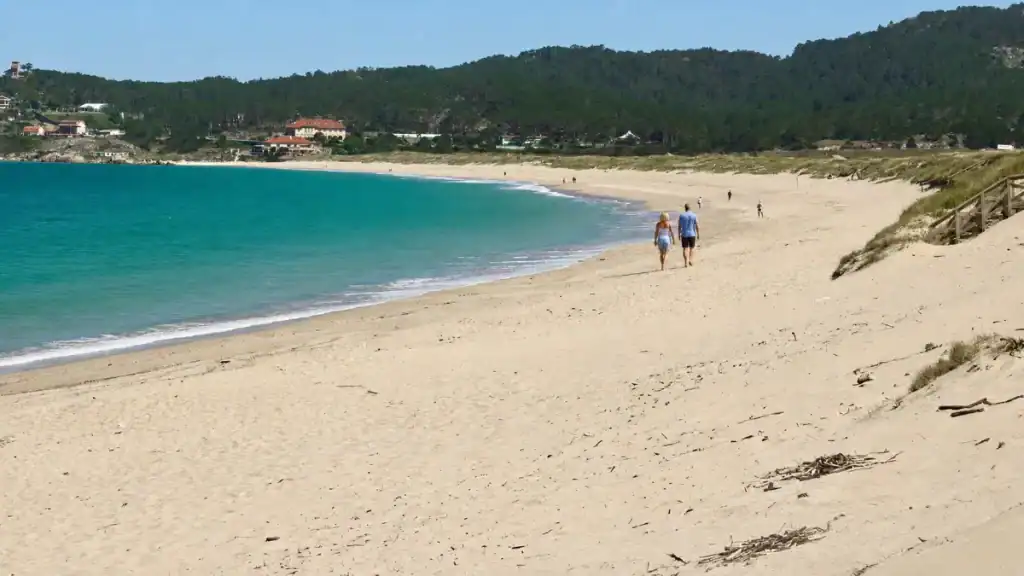
I would treat beach time as part of a flexible day rather than an immovable full-day commitment. Atlantic wind and cloud can change the appeal of a beach quickly, so having another coastal stop, town or food plan available makes the itinerary more resilient.
Keep a Second Plan for Windier Afternoons
A typical day might begin at A Lanzada Beach before moving elsewhere once the wind strengthens. Combarro works particularly well later in the afternoon before finishing with seafood and Albariño around O Grove.
That flexibility is worth allowing for when deciding how many days to spend here. Trying to schedule every hour usually works against the natural rhythm of the coast.
🌦️ KEEP THIS FLEXIBLE
I would treat beach days as movable pieces of the itinerary. A calmer morning can become the swimming window, while windier or cloudier hours are easier to give to villages, harbours and food stops.
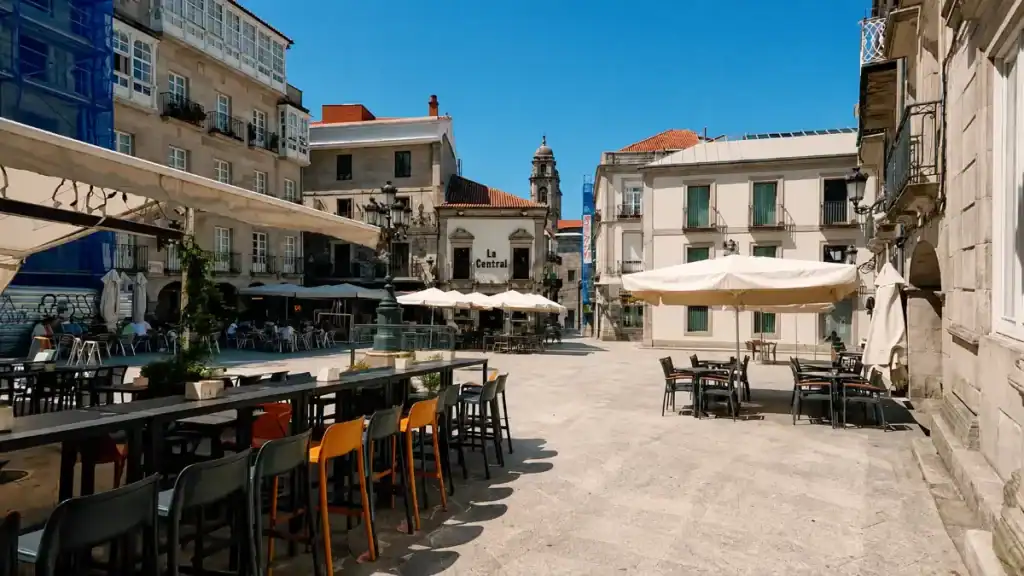
🌆 Why Is Vigo the Best Base When Time Is Tight?
Because it keeps the most useful short-trip options close together. If my time were limited, I would stay around Vigo for quick access to ferries, beaches, restaurants and the southern coastal roads.
The Southern Coast Gives You Enough Variety
You can comfortably combine Vigo with Baiona, Samil Beach, Monte A Groba and even A Guarda without spending huge amounts of time driving. Using Vigo as a base for the Southern Galicia coast works particularly well for a three-day trip.
The trade-off is seeing less of the northern estuaries, but that’s not necessarily a problem on a shorter stay. The southern coast still gives you Atlantic beaches, ferry crossings, fishing towns and the green landscapes that make Rías Baixas distinctive.
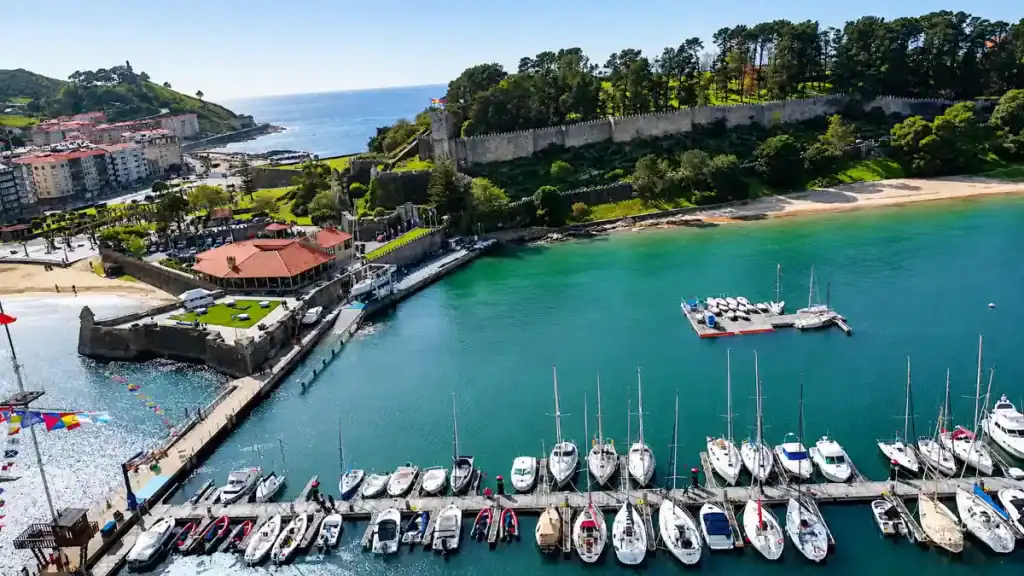
🐚 What Do Extra Days Actually Add?
For me, extra days would be about slowing the trip down rather than collecting more places. They leave enough empty space for a viewpoint, harbour or seafood lunch to take longer than expected without putting the rest of the day behind schedule.
Slow Stops Become Easier to Justify
Breakfasts run longer, viewpoints become spontaneous stops and seafood lunches can stretch into the afternoon. Driving the coast between Baiona and O Grove is much more rewarding when you have time to stop along the way rather than treating the journey as a route between two destinations.
Ferry days feel less like logistical exercises and changing weather becomes easier to accommodate. Trying to cover everything quickly often leaves you remembering the driving and parking more than the coastline itself.

🧭 How Many Days Would I Spend in Rías Baixas?
I would choose four to five days for most first visits. Three days is enough if you deliberately concentrate on Vigo and the southern coast. A week is better when you want to move gradually between estuaries, use more than one base or build substantial weather flexibility into the trip.
- ⏱️ 3 days: Vigo, the southern coast and one Cíes Islands day.
- 🌊 4–5 days: the best balance for a first trip, with more than one estuary and room for weather changes.
- 🗺️ 7 days: enough to move along much more of the coastline without turning every stop into a rushed day trip.
Why Four to Five Days Wins
With four or five days, you have enough time to include the islands properly, explore different coastal areas and still keep the trip relaxed. You won’t need to turn every day into a long drive or tightly scheduled itinerary.
Choose seven days if you want to move between several bases, include more than one island or simply leave room for Atlantic weather to change your plans.
For most travellers, four to five days in Rías Baixas is the sweet spot: enough time for the coast and an island day, but not so much that you need to turn the visit into a full regional road trip.