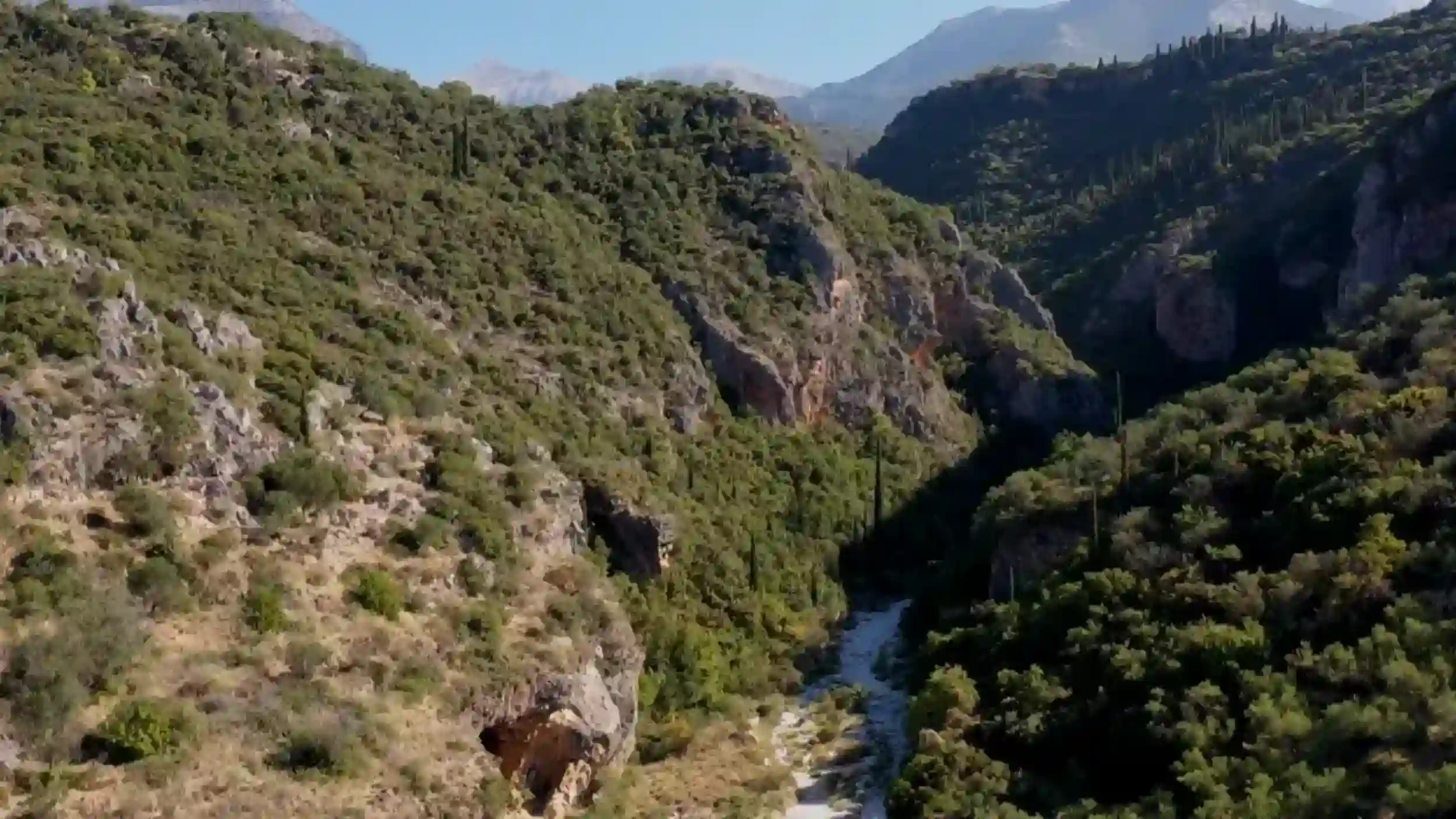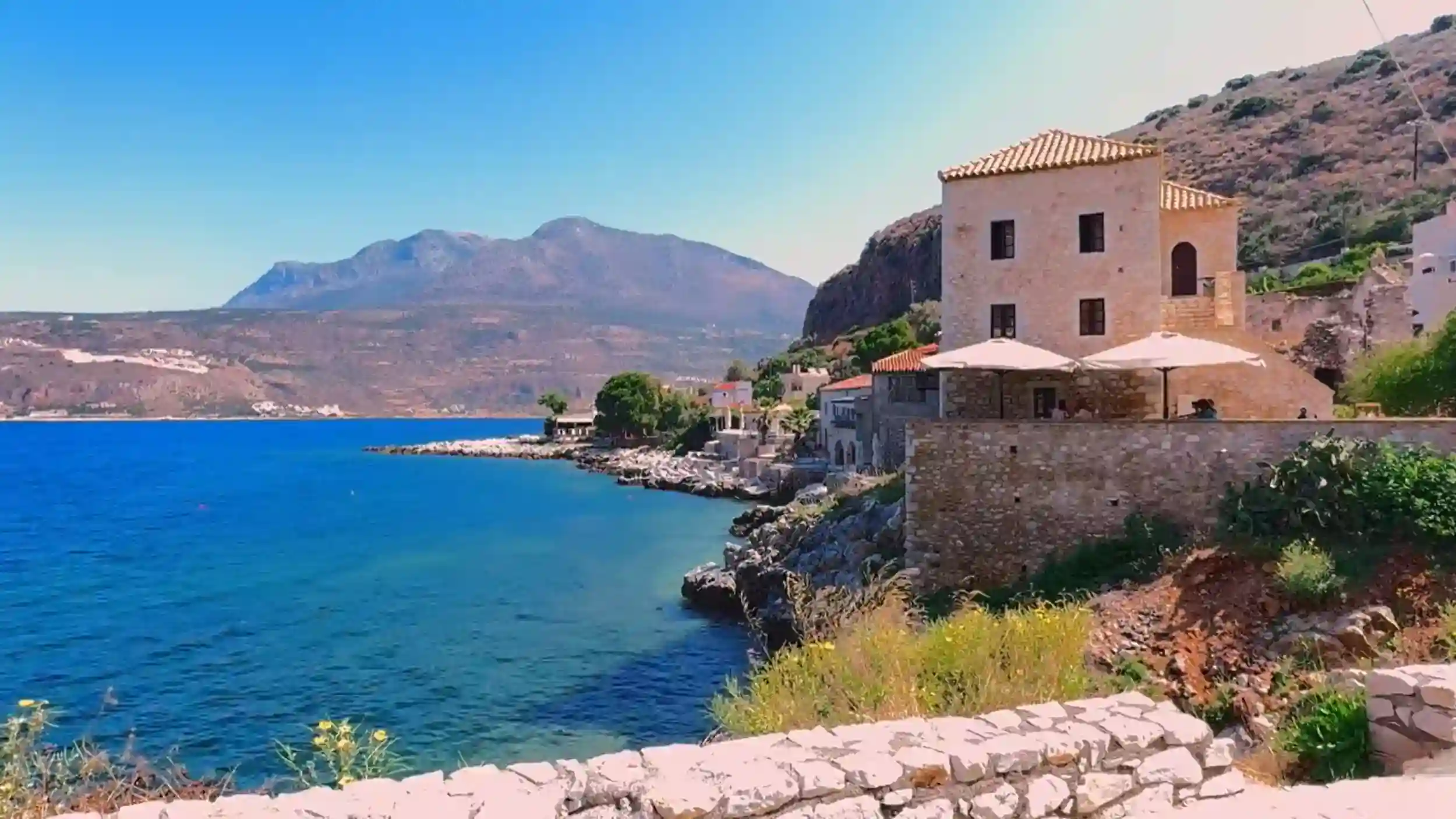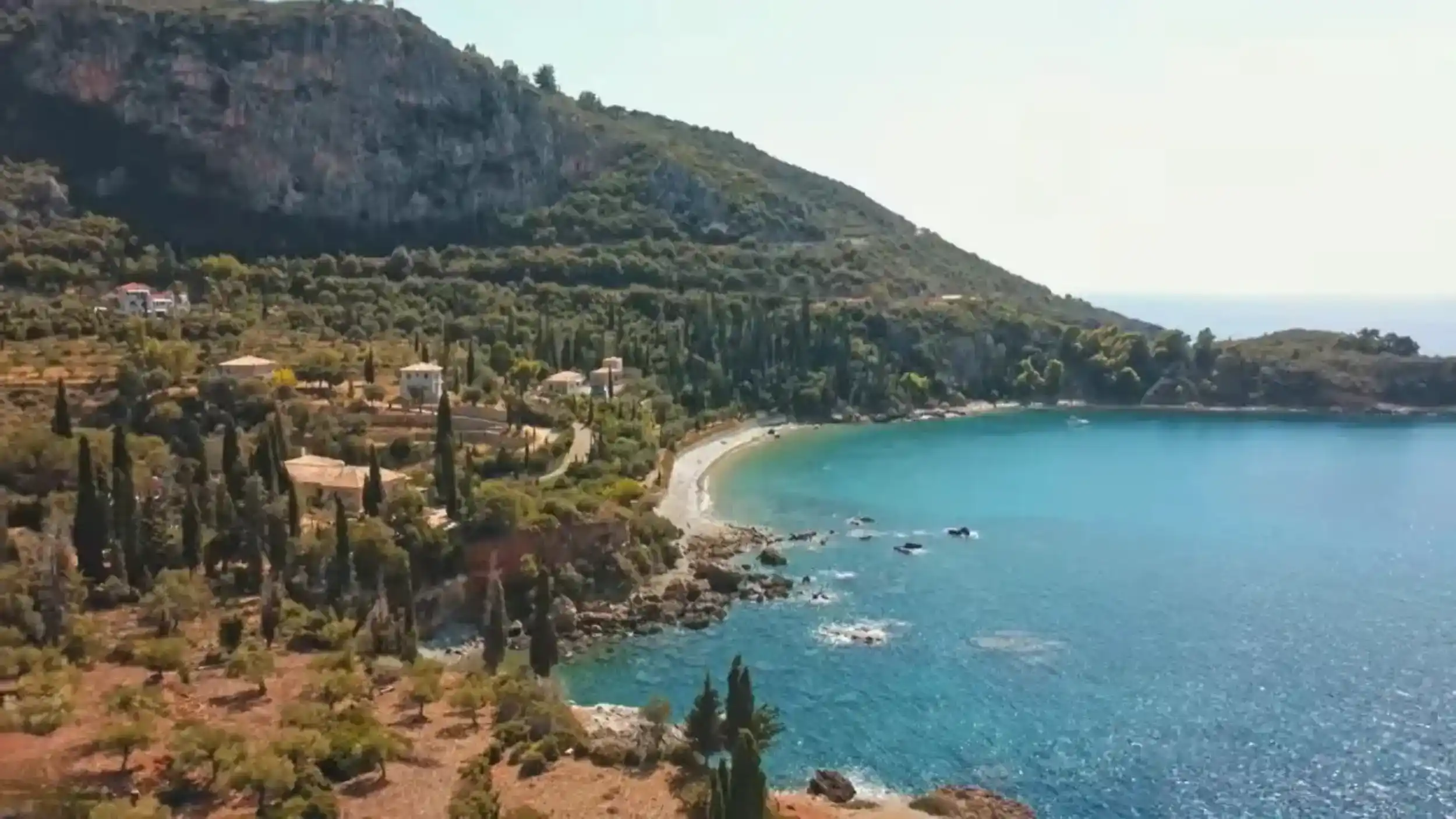

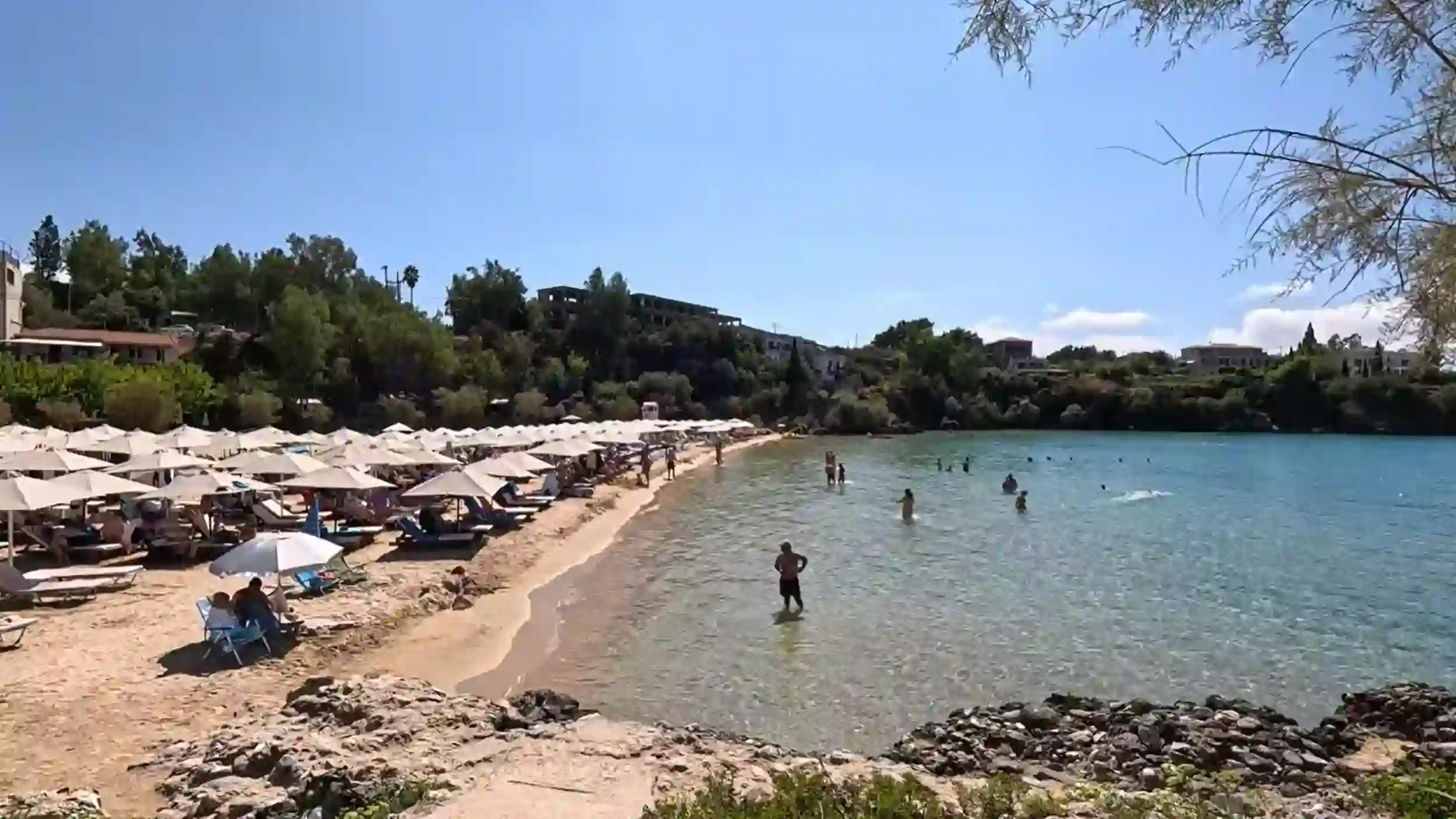
Most of the Mani Peninsula beaches are pebble. That’s not a complaint you’ll find in the brochures, but it’s the first thing people mention when they get back. The coastline here is rocky, dramatic, and largely undeveloped – and the beaches reflect that. A few sandy exceptions exist, and they pull crowds accordingly.
Pebble and Rock Beaches vs Sandy Pockets
The default beach surface across the Mani is smooth grey and white pebble, sometimes mixed with larger flat rocks closer to the waterline. Stoupa is the main exception – two sandy bays sitting side by side just south of Kardamyli, and they’re popular precisely because sand here is unusual enough to feel like a find. Kalogria, nearby, offers a mix. Most everything else – Limeni, the small coves around Gerolimenas, the exposed stretches near Porto Kagio – is stone underfoot.
This isn’t necessarily a drawback. The water clarity that the Mani is known for has something to do with the absence of fine sediment. Pebble beaches don’t churn. The water sits still and transparent over the rocks, and on a calm day the visibility underwater is striking enough that people comment on it without prompting.
Voidokilia, further north near Pylos and often mentioned in the same breath as Mani travel, is the dramatic counterpoint – a perfect horseshoe of fine sand, almost theatrical in how it contrasts with the surrounding landscape. It’s worth the detour, but it’s not the Mani proper, and anyone treating it as representative of what the peninsula’s coastline looks like will be surprised when they head south.
Beaches Most Frequently Mentioned by Visitors
Stoupa comes up constantly. Two beaches, a short walk apart, with enough infrastructure to feel comfortable without tipping into resort territory. There are sunbeds, tavernas within easy reach, and the water is reliably clear. It draws families and couples in roughly equal measure, and in peak season it shows.
Kardamyli doesn’t have a beach in the conventional sense – the town sits above the water, and the pebble shore below is narrow – but people swim there regardless, off the rocks, and the setting makes it memorable even if the beach itself is modest.
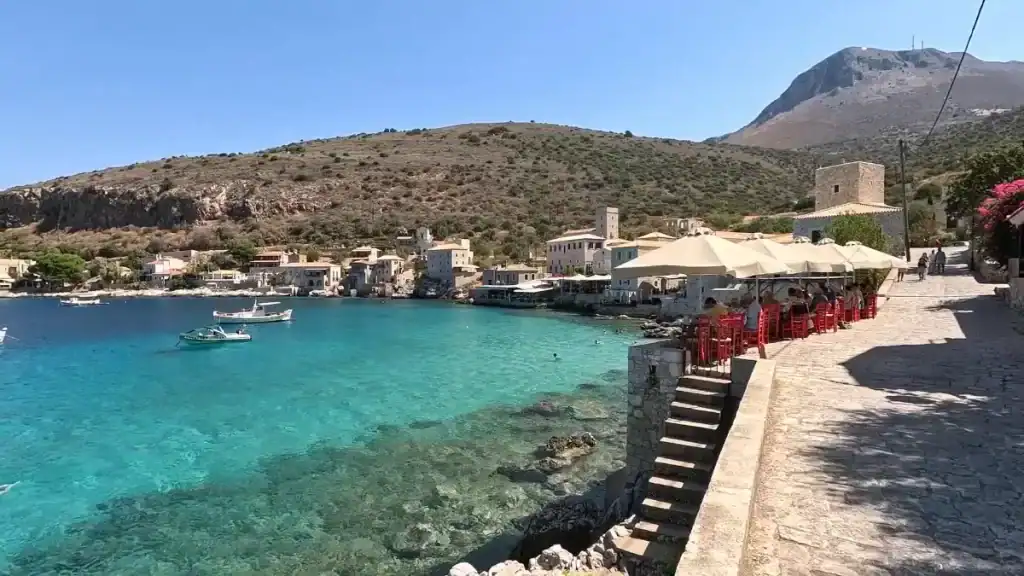
Limeni is different again. The small fishing village at the edge of a sheltered inlet, with taverna tables practically over the water, is less about lying on a beach and more about being in the water in a particular place. People swim off the rocks and the small concrete jetties. The water in the inlet is exceptionally clear.
Further south, around Gerolimenas and the road down to Porto Kagio, the beaches get smaller and less visited. Some have no name on any map. A few require a short scramble down from a pull-off on the road. These are the ones that appear in travel forums with descriptions like “we had it completely to ourselves” – which is true in May, and considerably less true in August.
Parking and Access Reality
Access varies sharply, and this catches people off guard. Stoupa has a car park and the whole thing is straightforward. Most other beaches are not Stoupa. The road system in the deep Mani – the Exo Mani and especially the Mesa Mani – is narrow, occasionally single-track, and not well-signed for beach access. Some of the better coves involve parking on a verge, sometimes on a bend, and walking a rough path down to the water. The path condition ranges from worn-but-manageable to genuinely uneven. Anyone travelling with young children or anyone with mobility considerations should check conditions before committing to the drive.
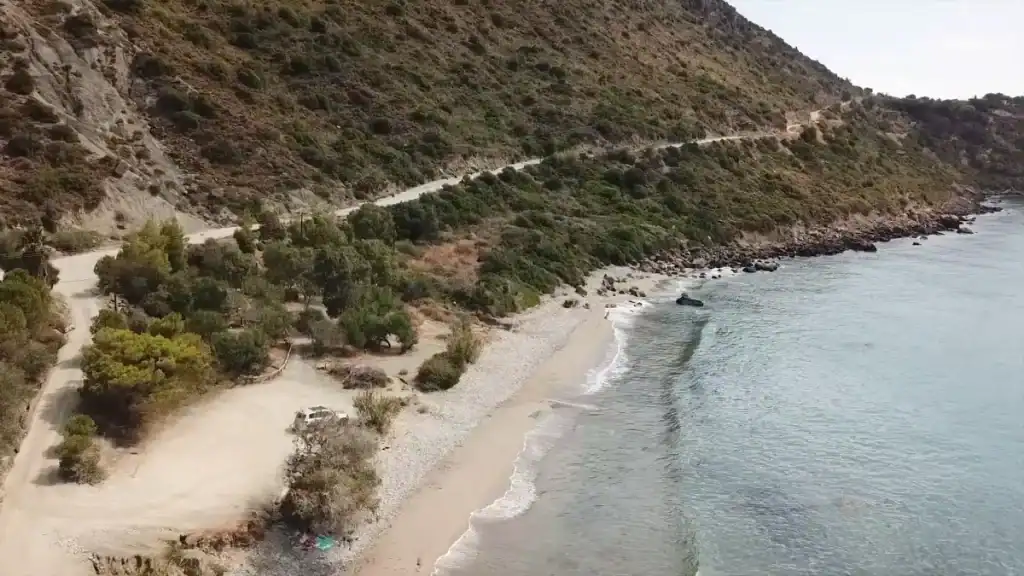
Kalamaki beach, near Vasilitsi, is one of the easier ones – the parking is directly next to the beach, the access is flat, and the beach itself is unorganised and quiet. That combination of easy access and minimal infrastructure is rarer than it sounds. Lampes, close to Methoni, follows a similar logic – long, fine-sand beach, parking adjacent to the shore, some organised sections with sunbeds and some free stretches. Again, technically outside the Mani boundary but close enough that people visiting the peninsula often include it in the same trip.
For the more remote southern coves, a reasonable rule is: if Google Maps shows a blue marker but no road name, add twenty minutes to whatever journey time it suggests.
How Busy It Gets in July and August
Stoupa in August is busy. Not Mykonos-busy, but busy enough that finding a spot on the sand before 9am becomes a real consideration. The village fills up, the tavernas run waiting lists in the evenings, and the road into town backs up on weekends when day-trippers arrive from Kalamata.
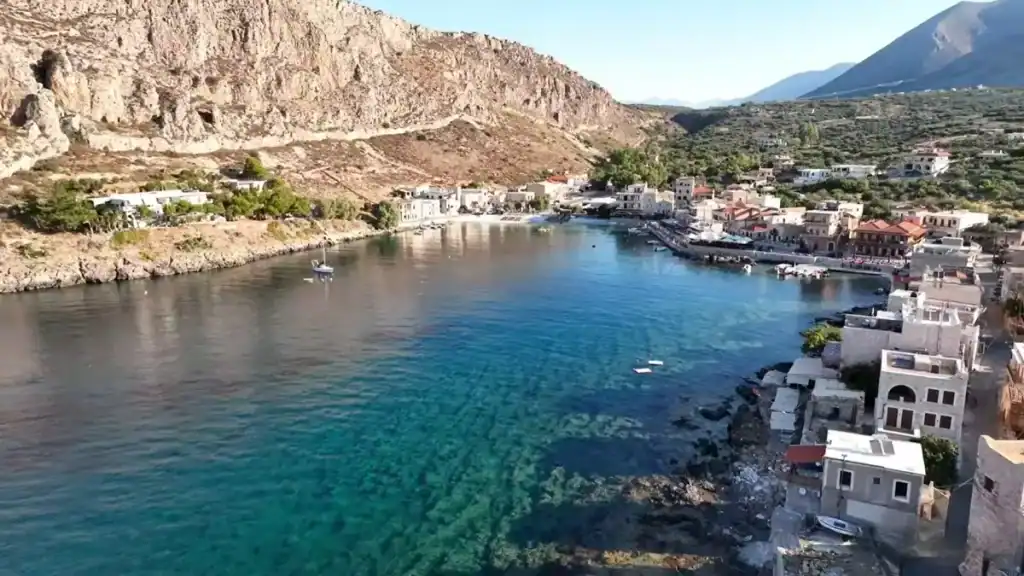
The rest of the peninsula absorbs the summer differently. Kardamyli sees significant foot traffic – it has a literary reputation that brings a particular kind of traveller, and July and August are its peak months – but the town is small enough that busy still means manageable. Gerolimenas, further south, gets quieter. The infrastructure is thinner down there, which self-selects the visitors.
The genuinely remote beaches in the Mesa Mani rarely get crowded in any meaningful sense. They’re too hard to find, the roads too uninviting for anyone who hasn’t specifically sought them out. In July and August you’ll likely share them with a handful of other people rather than none, but that’s still a different experience from the organised beach culture further north.
Greek visitors from the mainland – particularly from Kalamata and the surrounding region – arrive in numbers during August. Many of them head to Stoupa and the Exo Mani coast. The Mesa Mani remains quieter partly by geography and partly because the locals who know it tend to keep knowing it quietly.
Water Clarity and Common Visitor Comments
The water clarity across Mani Peninsula beaches is consistently high and consistently remarked upon. It’s probably the single most repeated observation from visitors – the colour in the shallows, the visibility at depth, the way the light moves through it on a calm afternoon. This is not accidental. The absence of river runoff, the rocky seabed, and the relatively low boat traffic around the southern peninsula all contribute.
Around Limeni and the sheltered inlets of the inner Mani coast, the water sits almost completely still in the morning. The colour shifts from pale green in the shallows to deep blue where the bottom drops. People describe it as swimming in glass, which is a cliché, but one that keeps getting earned.
The open-water beaches on the western coast – the stretches facing the Messinian Gulf – tend to be calmer than the eastern side facing the Laconian Gulf, which can get a short sharp chop when the wind picks up. This matters if you’re travelling with children or if rough water isn’t your preference.
One comment that appears regularly in visitor accounts across forums and review platforms: the water looks like it’s been photoshopped. People seem slightly suspicious of their own photographs when they get home. The Mani does that – it looks implausible until you’re standing in it.