Chania in November suits travellers who want to explore the city after the summer crowds have largely disappeared. Cooler conditions make walking around the harbour and Old Town more comfortable, while lower visitor numbers reveal a gentler pace of life, although the increasing possibility of rain makes beach-focused holidays less reliable.
This is when Chania begins to feel like a working Cretan city again rather than somewhere arranged around its visitors.
Sightseeing becomes easier too. Popular corners are quieter, tables are easier to find and there is rarely much reason to rush.
🌤️ What Chania in November Actually Feels Like
The first thing most visitors notice is the pace.
Chania in November hasn’t shut down, but it no longer revolves around summer tourism. The harbour is quieter, restaurant terraces are easier to enjoy and the city’s everyday rhythm becomes much more apparent.
The weather also changes. Daytime temperatures often remain pleasantly mild, making long walks comfortable, while evenings become cool enough for a light jacket. Rain becomes more frequent than in summer, but it’s unusual for poor weather to dominate an entire day.
| What to expect | Typical conditions |
|---|---|
| 🌡️ Daytime temperatures | Generally in the high teens |
| 🌦️ Rain | More frequent, usually in short spells |
| 🚶 Sightseeing | Comfortable for walking most days |
| 👥 Crowds | Much quieter than peak season |
One advantage of Chania in November is the flexibility it gives you. Clear mornings are ideal for exploring the harbour and Old Town, while occasional afternoon showers create a good opportunity to visit cafés, museums or the covered market.
Rather than disrupting a trip, the changing weather often encourages a slower style of travel that suits the city particularly well.
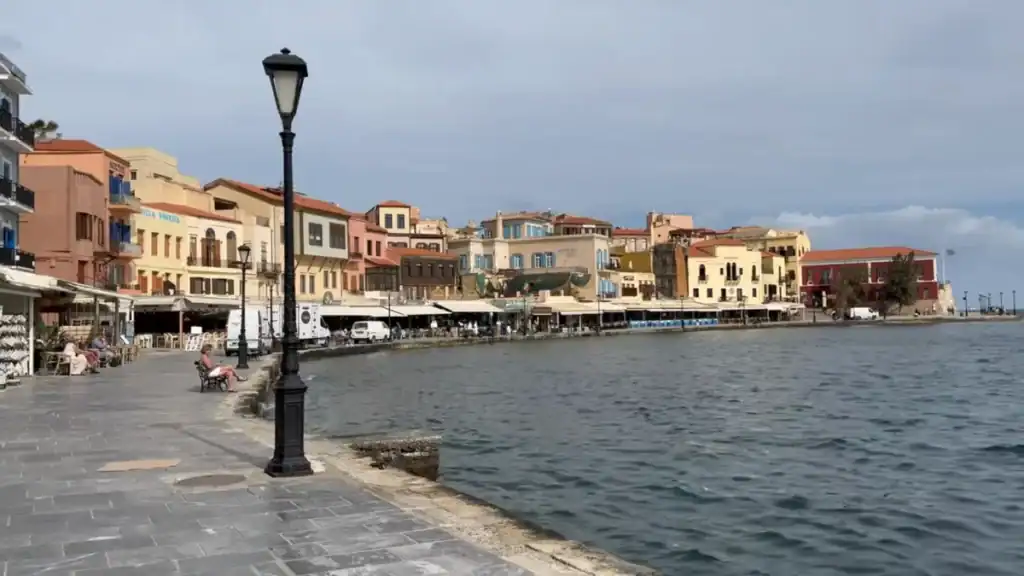
🏛️ The Harbour and Old Town in November
Without the summer crowds, the harbour becomes easier to appreciate.
Chania in November gives you the time to notice details that are often overlooked in peak season. Venetian arches, Ottoman buildings and the changing light across the waterfront stand out when you’re no longer moving with a constant flow of visitors.
The quieter atmosphere also changes the experience of exploring the city. Why Wandering Chania Old Town Feels Unlike Anywhere Else explains how slowing down reveals hidden courtyards, historic neighbourhoods and architectural details that are easy to miss during the busiest months.
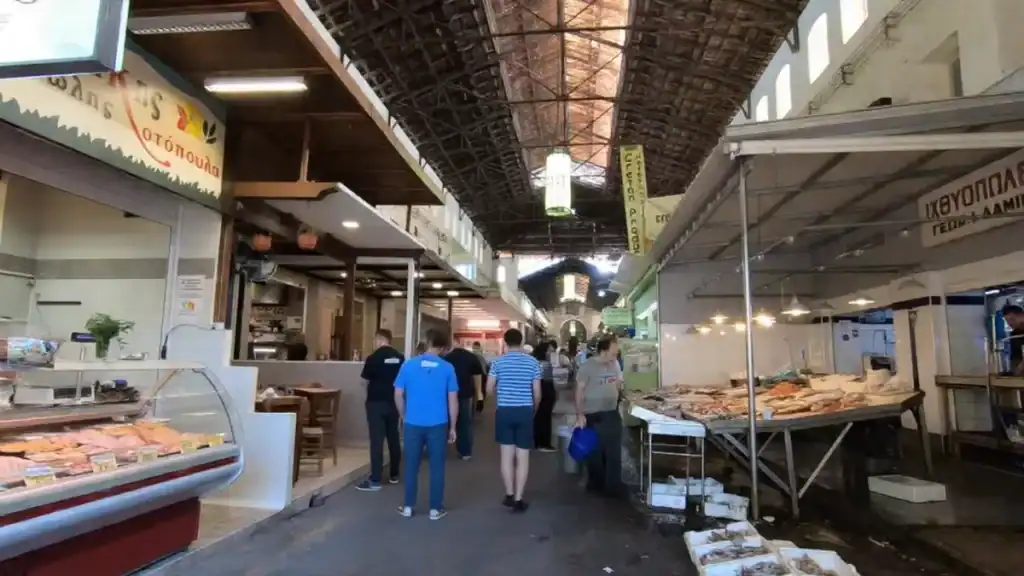
The Covered Market and Neoria
Some places change very little with the seasons.
| Historic area | Why visit in November |
|---|---|
| ⚓ Venetian Harbour | Quieter waterfront with uninterrupted views |
| ⛪ Splantzia | Historic square with a slower local atmosphere |
| 🛍️ Municipal Market | Everyday shopping and traditional food culture |
| 🏛️ Neoria | Venetian shipyards without the summer crowds |
The Municipal Market continues serving local residents throughout the year, while the Neoria remain one of the harbour’s most impressive reminders of Chania’s Venetian past.
If you reach the waterfront early, you’ll also experience the quieter side of Chania Harbour, when the changing light and lack of crowds create a completely different atmosphere from the middle of the day.
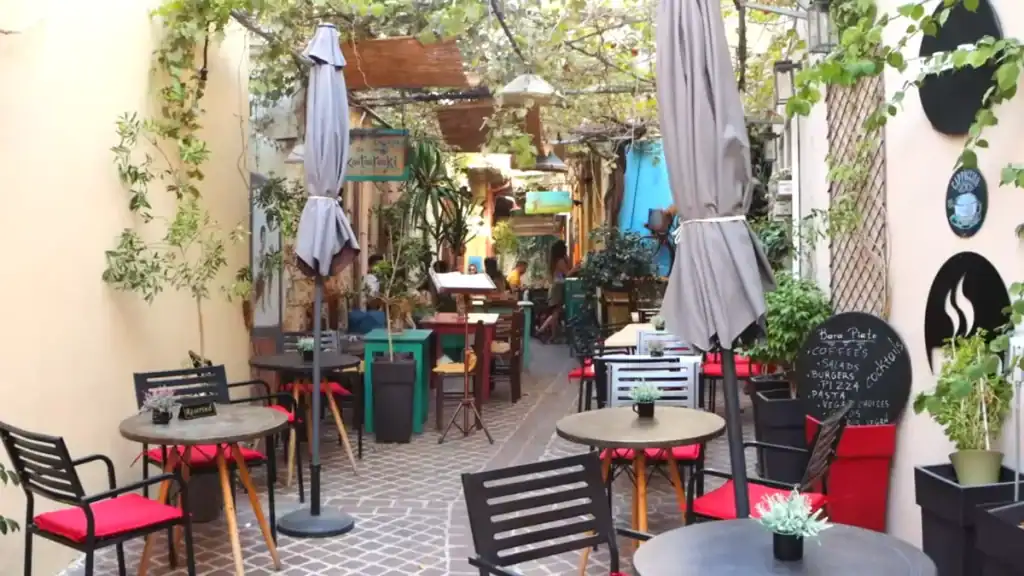
🗓️ What to Do in Chania in November
A visit to Chania in November isn’t about fitting as much as possible into every day.
Instead, the quieter season lets you explore at a slower pace, mixing time in the Old Town with short drives to places that are often crowded in summer. Chania in November also makes spontaneous decisions easier because there’s rarely a need to book attractions or restaurants in advance.
Aptera and the Archaeological Sites
Historic sites are particularly rewarding in November.
| Day trip | Why it’s worth considering |
|---|---|
| 🏛️ Aptera | Extensive ancient ruins overlooking Souda Bay |
| 🌿 Apokoronas villages | Traditional settlements with a year-round local feel |
| ⛪ Katholiko Monastery | Dramatic gorge walk to one of Crete’s oldest monasteries |
| 🚗 Akrotiri Peninsula | Scenic drives, viewpoints and historic landmarks |
Aptera is one of the best examples. Overlooking Souda Bay, its Roman cisterns, theatres and ancient walls are far easier to appreciate without the summer heat. If you’re planning to explore beyond the city, Chania Beyond the Old Town: Discovering Hidden Corners introduces several of the surrounding areas that become especially enjoyable during the quieter autumn months.
Katholiko Monastery and the Akrotiri Peninsula
The Akrotiri Peninsula offers a completely different experience from the harbour.
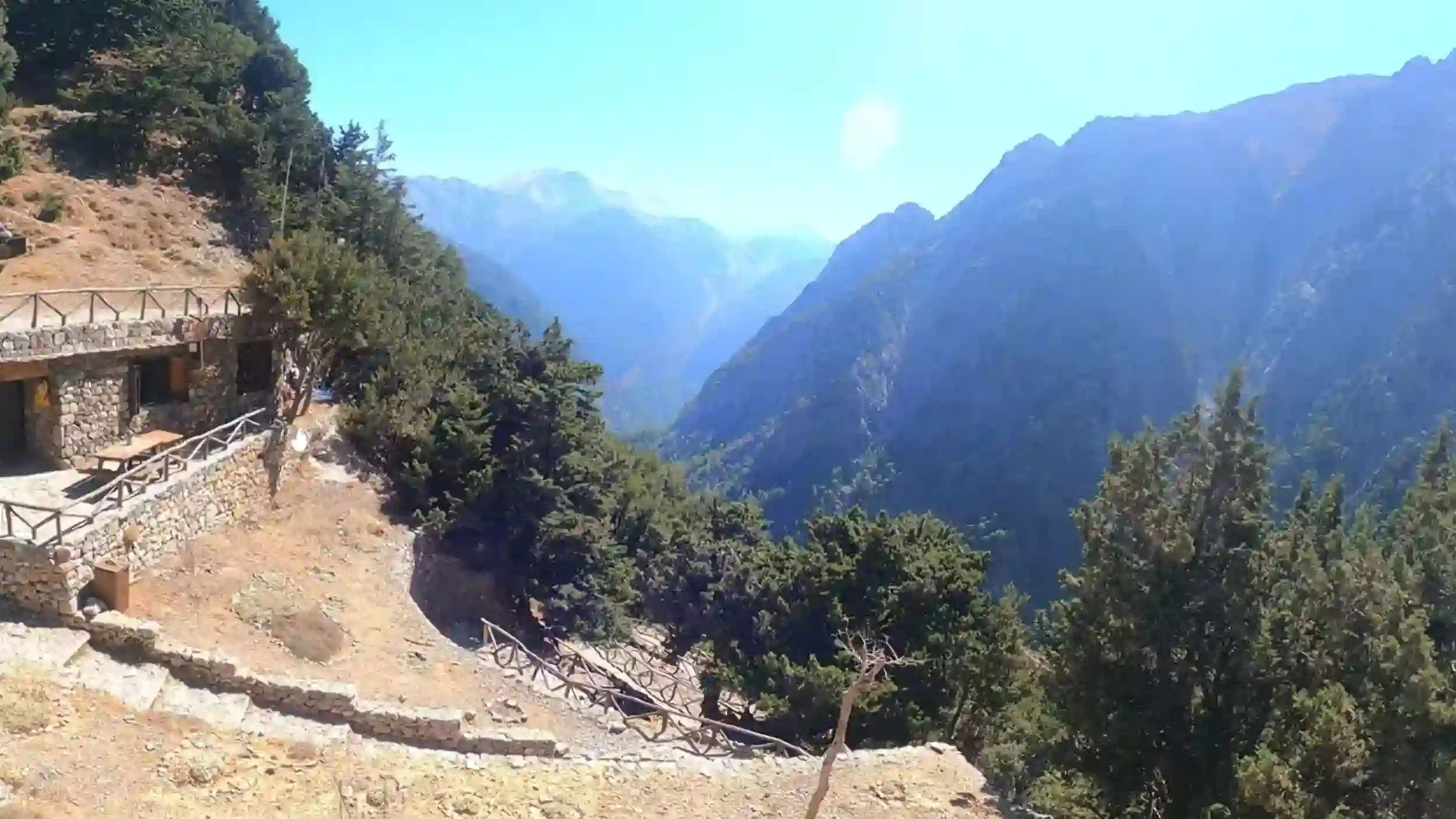
The walk to Katholiko Monastery passes through a rocky gorge before reaching the monastery ruins above a secluded inlet, while nearby viewpoints reveal sweeping views across the coast.
Travellers with a hire car often combine these places into a relaxed half-day outing, balancing Chania in November with some of western Crete’s quieter landscapes.
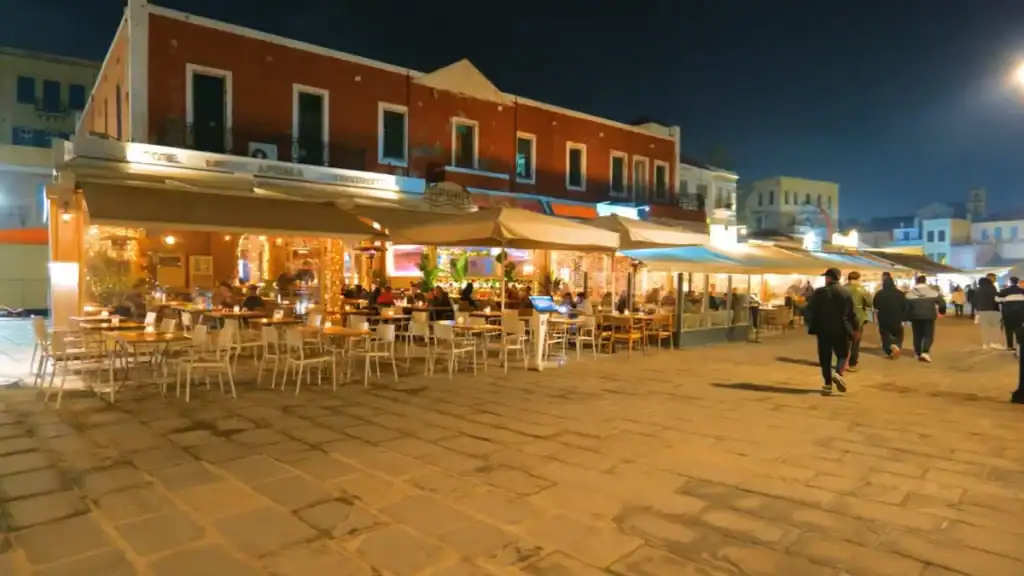
🌆 Evenings and the Shift Toward Christmas
As daylight fades earlier, the atmosphere changes again.
Chania in November becomes noticeably more relaxed after dark. Instead of competing for waterfront tables, you can linger over dinner, stroll through the illuminated harbour and enjoy a pace that’s much closer to local life than the height of summer.
Toward the end of the month, the first Christmas decorations begin appearing in the Old Town, giving the city a gentle festive feel without overwhelming its historic character.
| Evening experience | What to expect |
|---|---|
| ✨ Harbour lighting | A quieter waterfront with reflections across the bay |
| 🍽️ Waterfront tavernas | Easier to find tables without reservations |
| 🎄 Christmas decorations | Gradually appear during the second half of November |
| ☕ Local cafés | A slower atmosphere that encourages lingering |

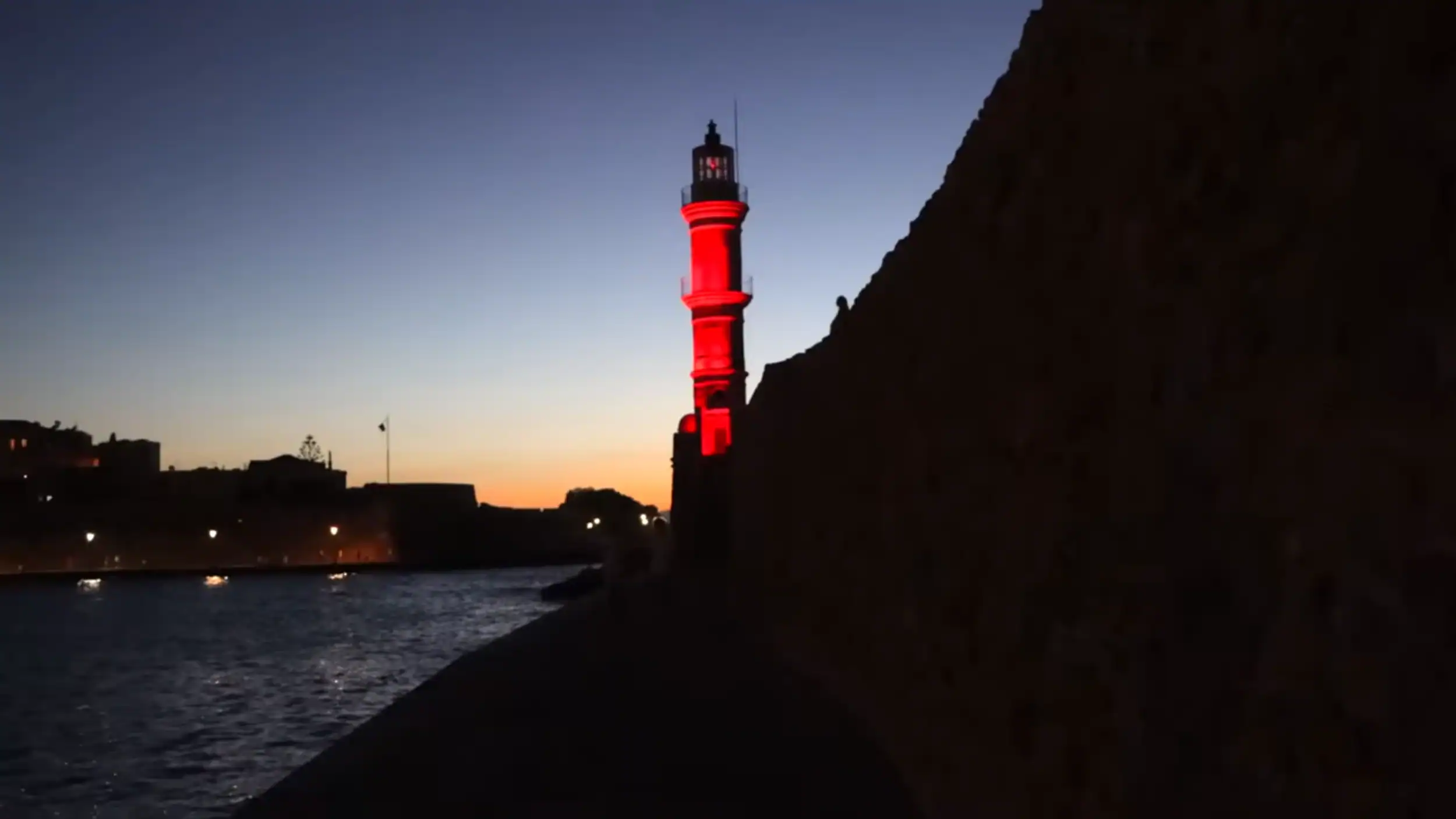
The harbour is particularly rewarding after sunset, when the Venetian buildings and lighthouse are reflected across calmer water. Visitors who enjoy this quieter side of the city often find themselves returning the following evening, something explored in What Makes Chania’s Harbour Worth Multiple Visits, where changing light and atmosphere become part of the experience.
If your trip extends into the following month, Chania in December: What Changes and What Stays explains how the Christmas atmosphere develops as festive events, decorations and winter traditions become a much bigger part of the city.
🚗 Getting There and Getting Around
Reaching Chania in November is still straightforward, although transport schedules become slightly less frequent than during the summer.
Direct flights continue from many European cities through autumn, ferries arrive daily at Souda Bay and local buses operate throughout the region, making Chania in November an easy destination whether you’re staying in the city or touring western Crete.
| Transport | What to expect |
|---|---|
| ✈️ Flights | Reduced schedules but good autumn connections |
| ⛴️ Ferries | Daily services arriving at Souda Bay |
| 🚌 Local buses | Reliable for the city and nearby towns |
| 🚗 Hire car | Best for exploring western Crete |
Visitors arriving by ferry will dock at Souda rather than the Old Town itself. Fortunately, Souda Bay to Chania: Getting to the Old Town explains the quickest ways to reach the harbour by bus or taxi, making the transfer simple even for first-time visitors.
A hire car isn’t essential if your plans focus on the Old Town, but it becomes invaluable for exploring archaeological sites, mountain villages and quieter coastal areas. With fewer vehicles on the roads than in summer, Chania in November is also one of the easiest times of year to discover more of western Crete beyond the city itself.
🍂 Who Chania in November Suits
Not every traveller is looking for endless beach days.
Chania in November is better suited to people who enjoy walking, exploring historic places and experiencing destinations once the busiest crowds have gone. The cooler temperatures make sightseeing more comfortable, while the slower pace encourages longer meals, unhurried conversations and time to appreciate the city’s character.
| Traveller type | Why Chania in November works |
|---|---|
| 🚶 Sightseers | Comfortable weather for exploring on foot |
| 📸 Photographers | Softer light and quieter landmarks |
| 🏛️ History enthusiasts | Historic sites without summer crowds |
| 🍷 Slow travellers | More authentic atmosphere and relaxed dining |
For visitors hoping to experience Chania as a working Cretan city rather than a summer resort, November is often one of the most rewarding months of the year. Those looking for hotter weather, guaranteed beach conditions and every seasonal business operating at full capacity may prefer to visit earlier in autumn.
If you’re wondering whether waiting a few more weeks is worthwhile, Chania in December: What Changes and What Stays explains how the atmosphere evolves as winter settles in.
While Why Wandering Chania Old Town Feels Unlike Anywhere Else shows why the quieter streets become one of the city’s biggest attractions outside the main tourist season.