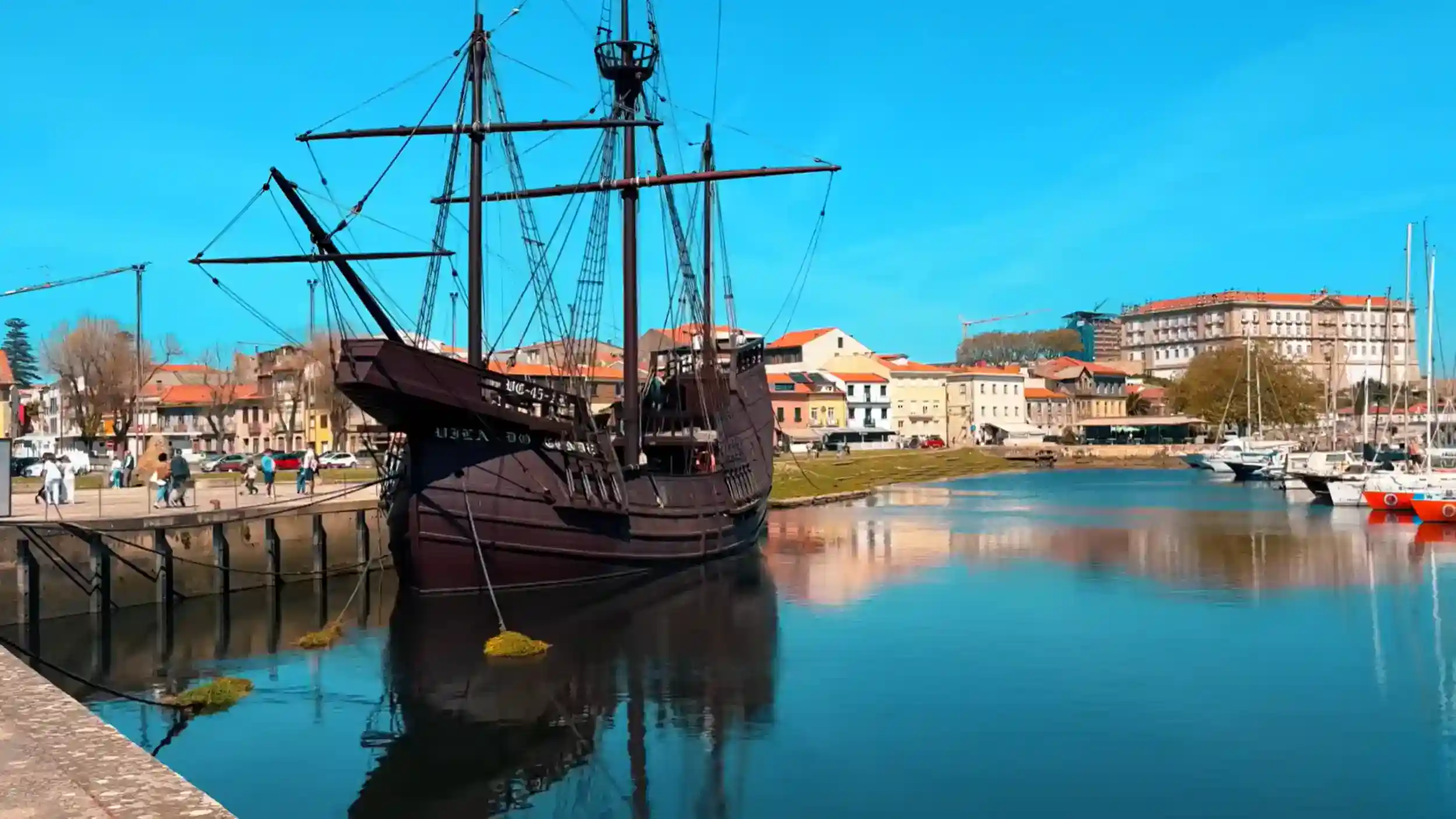
Vila do Conde historic centre is compact enough to explore on foot, with cobbled streets leading between historic churches, small squares and the River Ave. It feels less like a preserved tourist quarter and more like an older part of town that remains woven into everyday life.
From the Igreja Matriz and its Manueline stonework to a tiny riverside chapel and Vila do Conde’s centuries-old lace-making tradition, a few hours is enough to discover the centre at an unhurried pace.
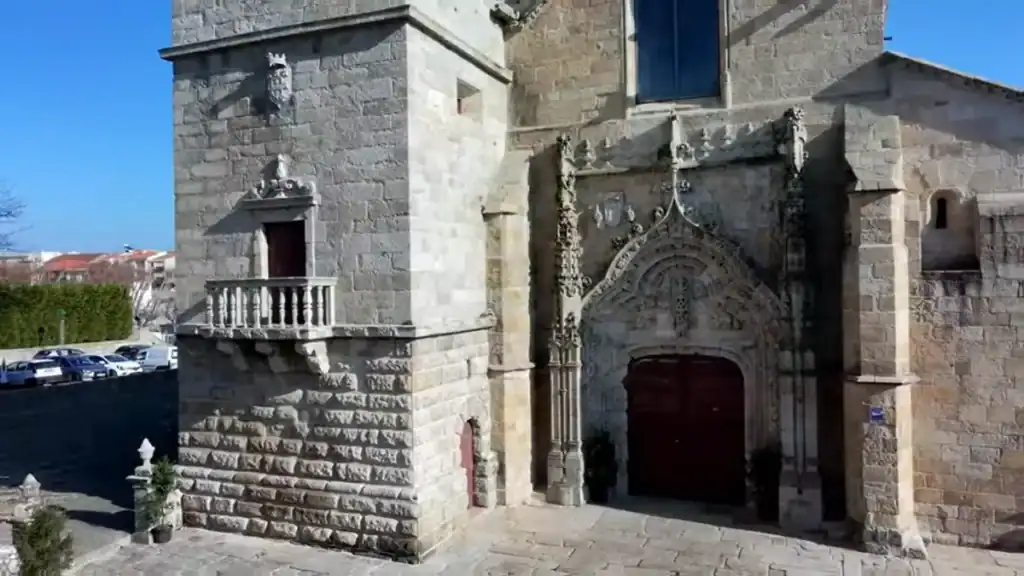
The Igreja Matriz in Vila do Conde Historic Centre
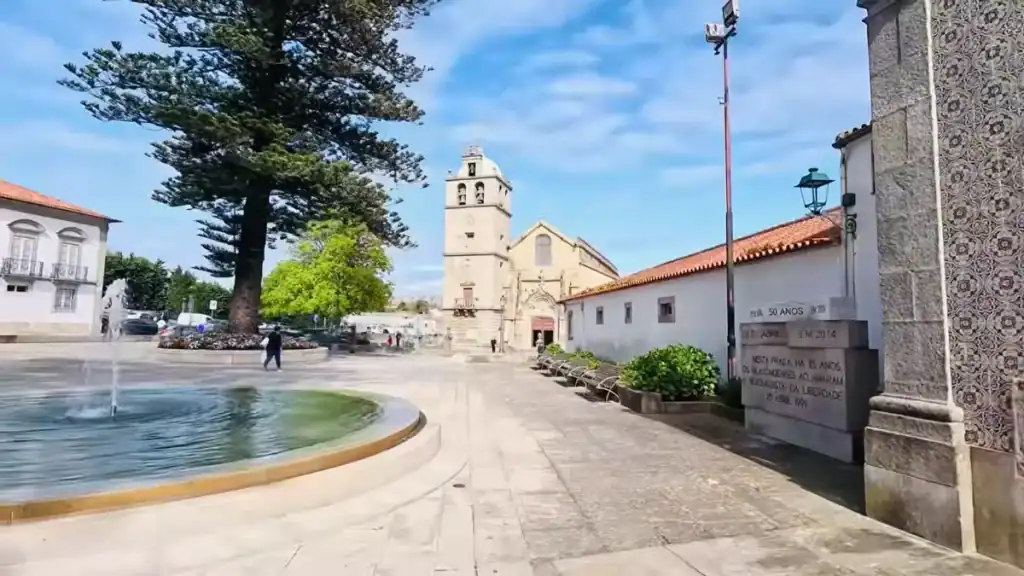
The Igreja Matriz is one of the architectural highlights of Vila do Conde historic centre. Standing on Praça Vasco da Gama, its granite façade faces the 18th-century town hall, with the open square providing a striking contrast to the narrow streets surrounding it.
Look Closely at the Manueline Portal
Construction began in the late 15th century, combining late Gothic architecture with the elaborate Manueline decoration that developed during the reign of Manuel I. The main portal, attributed to João de Castilho, is the detail worth slowing down for.
Its carved stonework includes a trilobed entrance, pinnacles and a central image of São João Baptista. Morning light tends to reveal the relief more clearly, while flatter or more direct light can make the intricate carving harder to distinguish.
Inside, the church changes character again, with three naves, wooden ceilings, gilded 18th-century altarpieces and stained glass dating from 1909. Together, the church and square provide a natural focal point when exploring the wider Vila do Conde beyond the old streets.
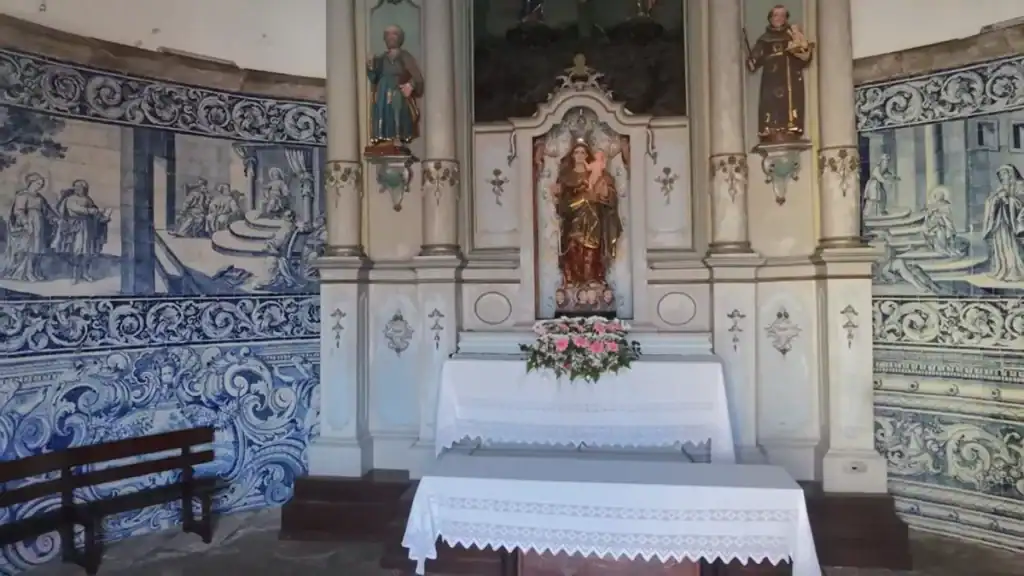
Capela de Nossa Senhora do Socorro
A short walk towards the river brings you to one of the more unusual buildings in Vila do Conde historic centre. The Capela de Nossa Senhora do Socorro sits on a rocky rise above the Ave, its rounded dome immediately distinguishing it from the larger churches nearby.
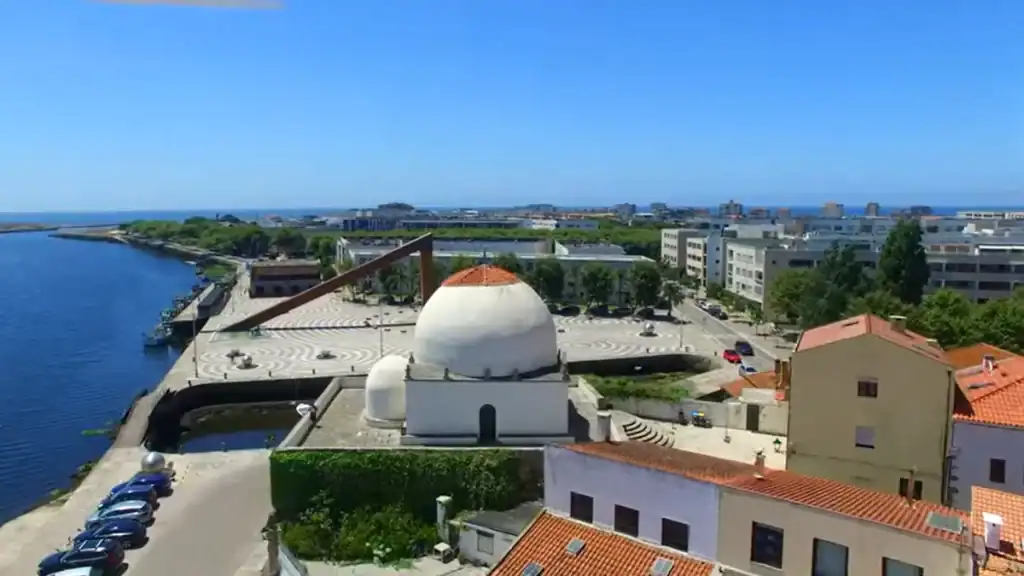
A Small Chapel With a Maritime Connection
Built between 1599 and 1603, the chapel reflects architectural influences associated with Portugal’s maritime connections with Asia. Inside, the small circular space is lined with 18th-century azulejo panels depicting scenes from the life of Christ, while the altarpiece includes the Virgin and child alongside an anchor.
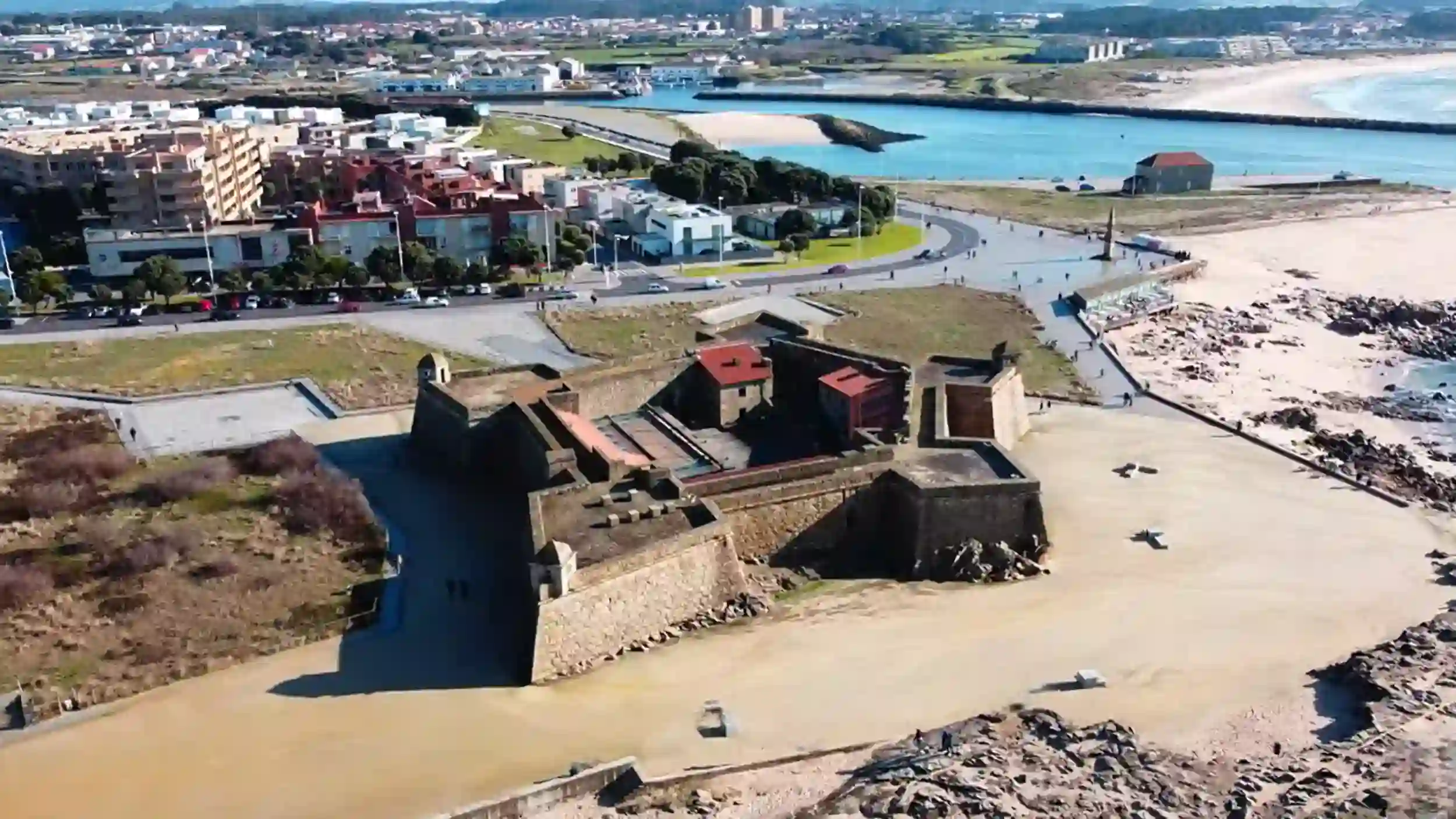
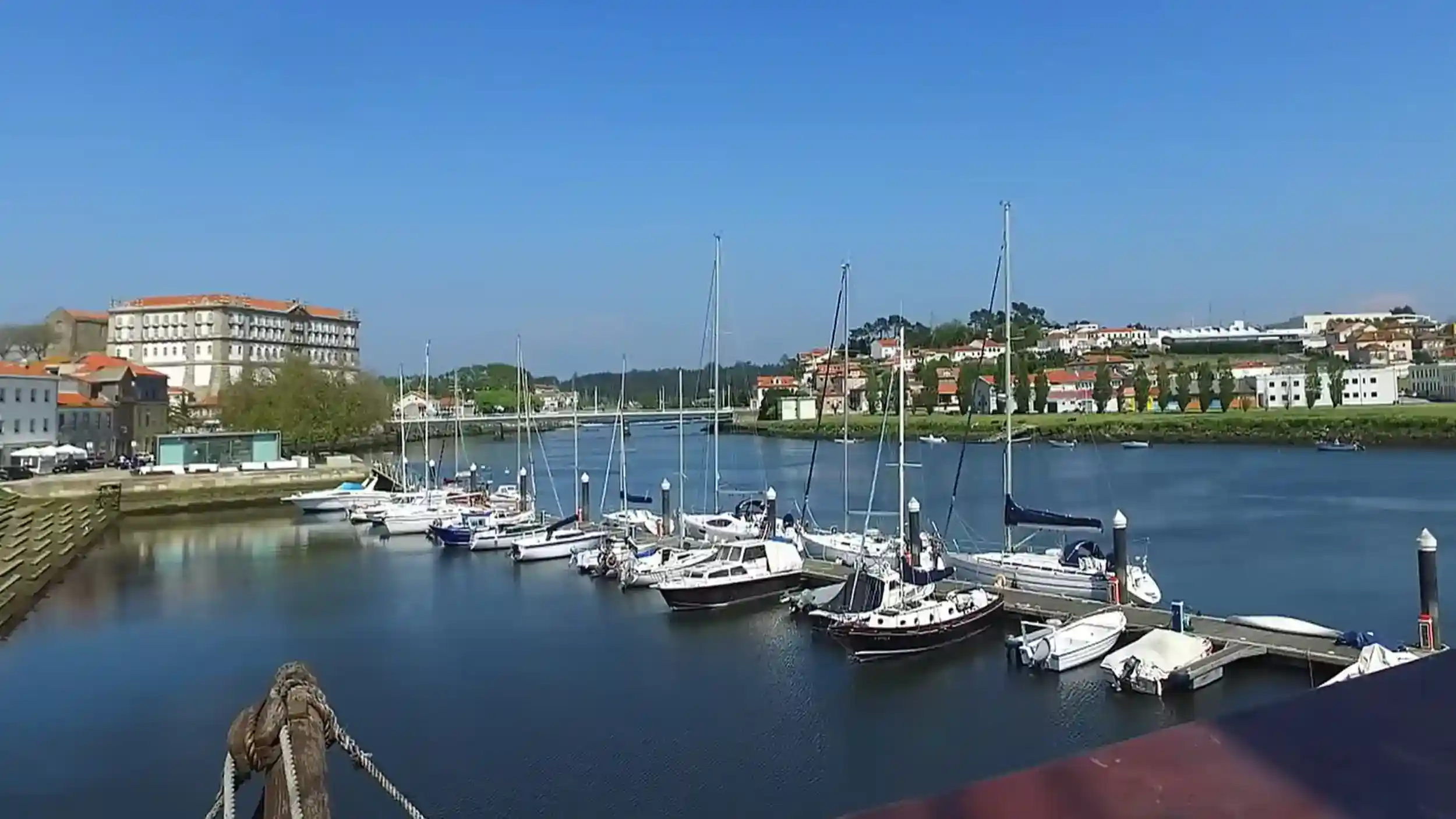
The setting is as interesting as the interior. From the platform around the chapel, the River Ave widens towards the Atlantic, with fishing boats often visible below. It provides a natural visual connection with Vila do Conde harbour and the maritime landscape beyond the historic streets.
Vila do Conde’s Lace-Making Tradition
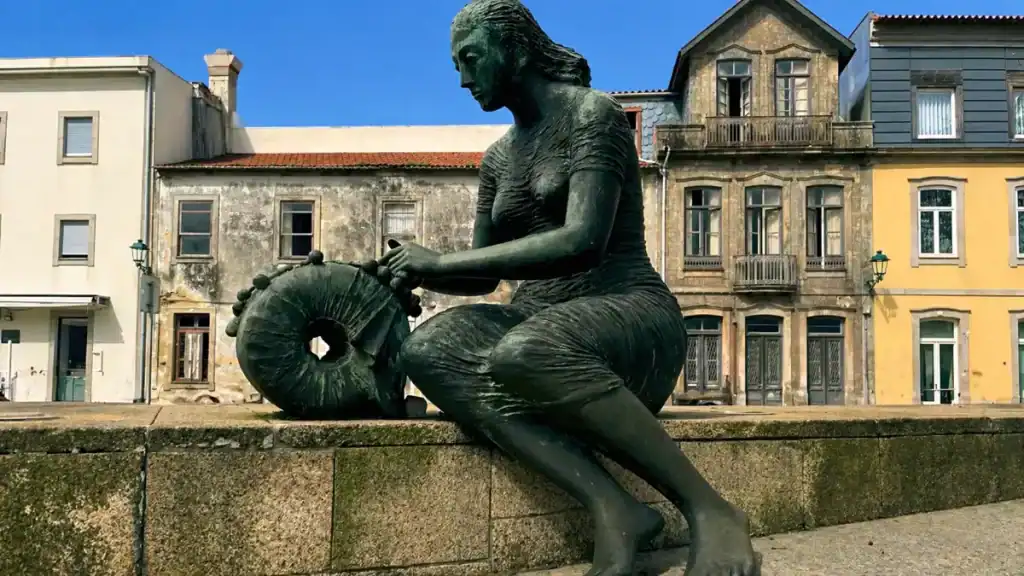
Lace-making adds a different layer to Vila do Conde historic centre, one connected to everyday work rather than monumental architecture. Near the riverfront, the bronze Rendilheira statue depicts a lacemaker at her bobbin pillow, recognising a craft that supported generations of local families.
From Household Craft to Local Heritage
Bobbin lace, known as renda de bilros, became an important local activity from the early 17th century onwards. Produced primarily by women, the tradition eventually travelled across the Atlantic to Brazil, particularly Ceará and Fortaleza.
The Museu das Rendas de Bilros, housed in the 17th-century Casa do Vinhal, brings that history together through finished lace, bobbins, cushions, patterns and archival material. Its collection even includes a certified lace piece measuring 52 square metres.
Can You See Lace Being Made?
On weekdays, artisans are often present demonstrating the traditional technique, rapidly crossing and twisting threads around fixed pins. Demonstrations are less certain at weekends, so weekday visitors have the better chance of seeing the craft in practice.
This is one section where the link plan deliberately assigns no internal link. The lace-making subject is self-contained, and forcing a connection to another Vila do Conde article would weaken the section.
When to Walk Vila do Conde Historic Centre
Timing changes the experience more than the route itself. Vila do Conde historic centre can comfortably be explored in a few hours, but mornings and afternoons have noticeably different light, foot traffic and atmosphere.
Morning or Afternoon?
| Time | What to expect |
|---|---|
| 🌅 Morning | Quieter streets and fewer visitors |
| ⛪ Morning | Better angled light on the Igreja Matriz portal |
| ☀️ Afternoon | Busier squares and cafés |
| 🧵 Later in the day | More flexibility for visiting the lace museum |
Morning is the better choice if you want quieter streets and clearer views of the Manueline stonework. By mid-afternoon, Praça Vasco da Gama and the surrounding cafés become busier, while direct sunlight reduces some of the contrast in the church façade.
Extend the Walk Beyond the Historic Centre
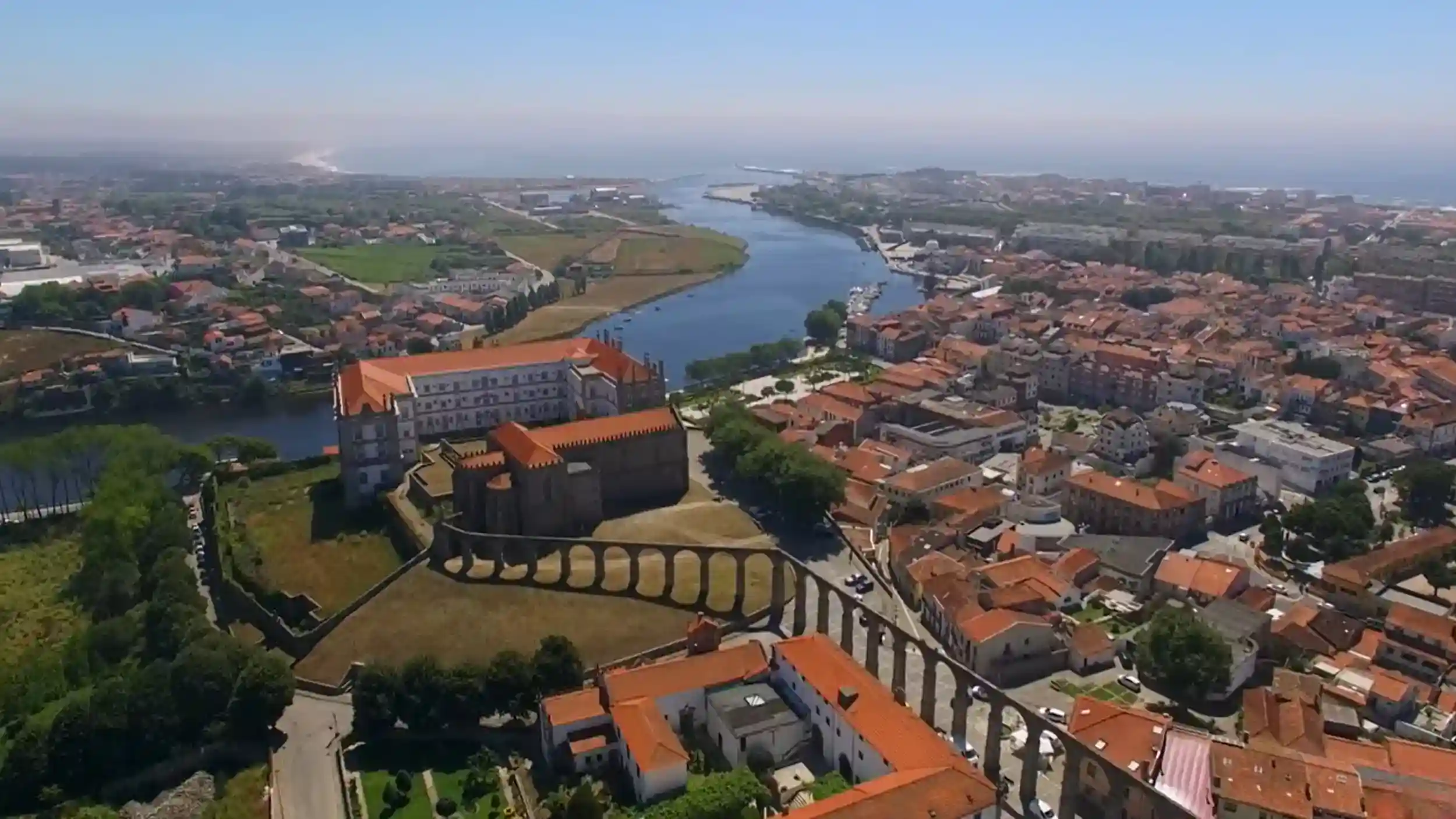
If you have more time, the old town doesn’t need to be the end of the route. Continue uphill towards the Monastery of Santa Clara and its aqueduct, where the larger structures respond particularly well to stronger daylight and the elevated position opens views back across Vila do Conde.