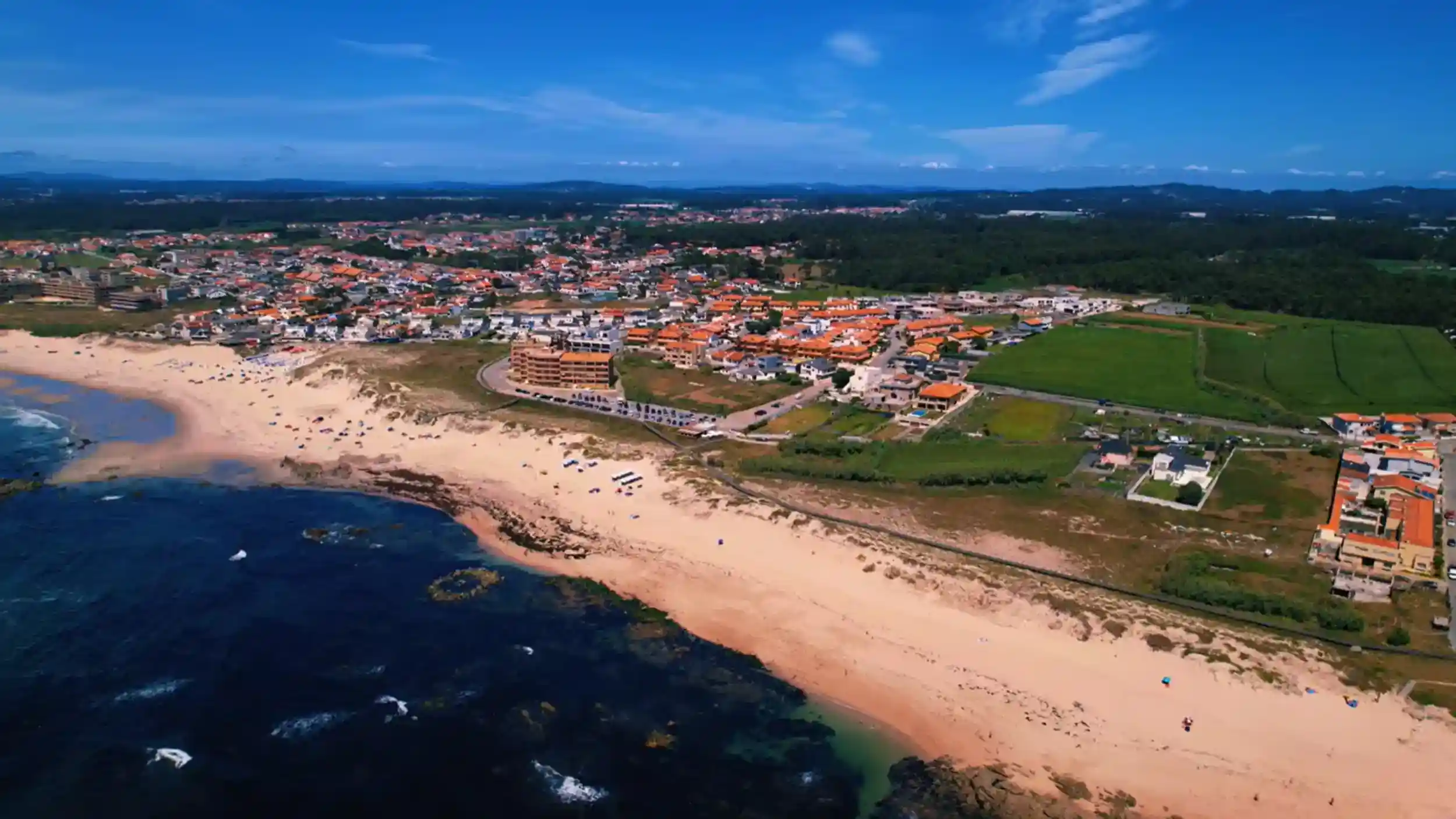
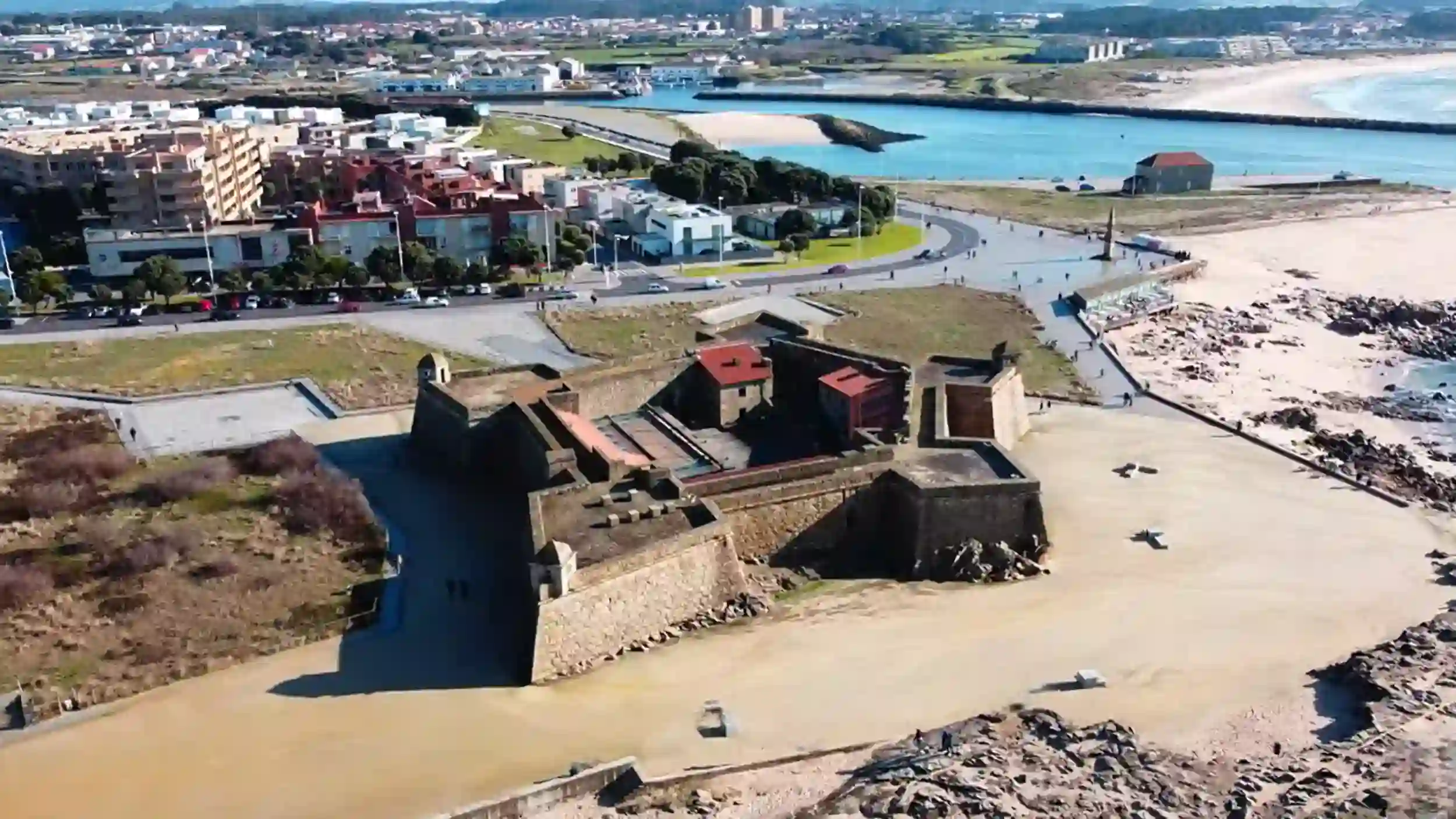
Vila do Conde fort stands directly at the mouth of the River Ave, where the sheltered estuary opens into the Atlantic. Built between 1570 and 1641, Forte São João Baptista once protected the river entrance and the town behind it from attacks arriving by sea.
Today, the fort forms part of a continuous waterfront walk connecting the river, harbour, marina and coast. Its low stone walls still occupy the crucial point between sheltered water on one side and the exposed Atlantic on the other.
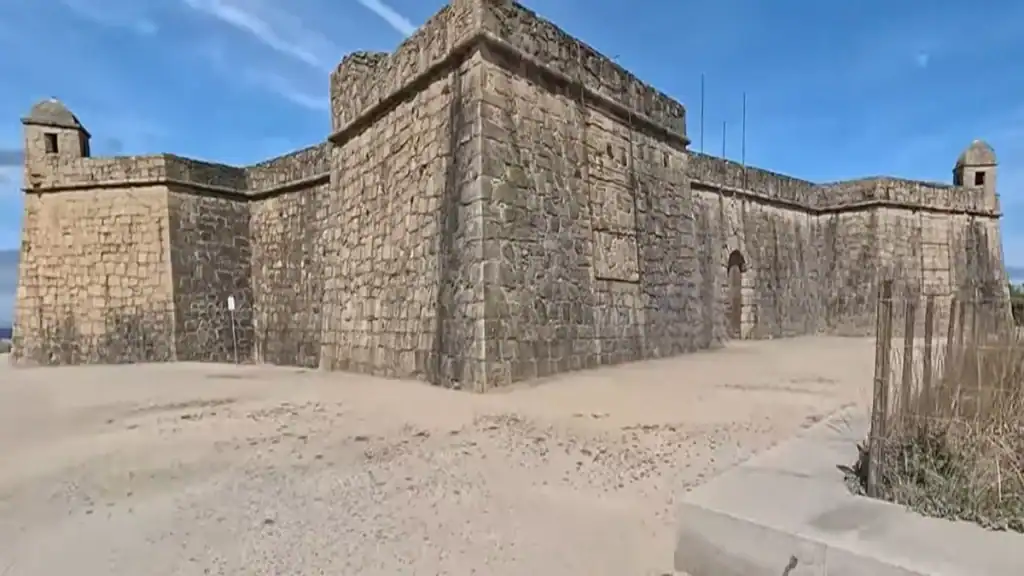
Vila do Conde Fort at the River Mouth
Vila do Conde fort occupies exactly the position its builders needed: low beside the water, with the River Ave on one side and the open Atlantic on the other. Anything entering the river from the sea once had to pass directly beneath its walls.
Why the Fort Was Built Here
Constructed between 1570 and 1641, Forte São João Baptista protected Vila do Conde from attacks arriving by sea. Its position allowed defenders to watch both the Atlantic approaches and the entrance to a river that runs for around 91 kilometres inland from the Serra da Cabreira.
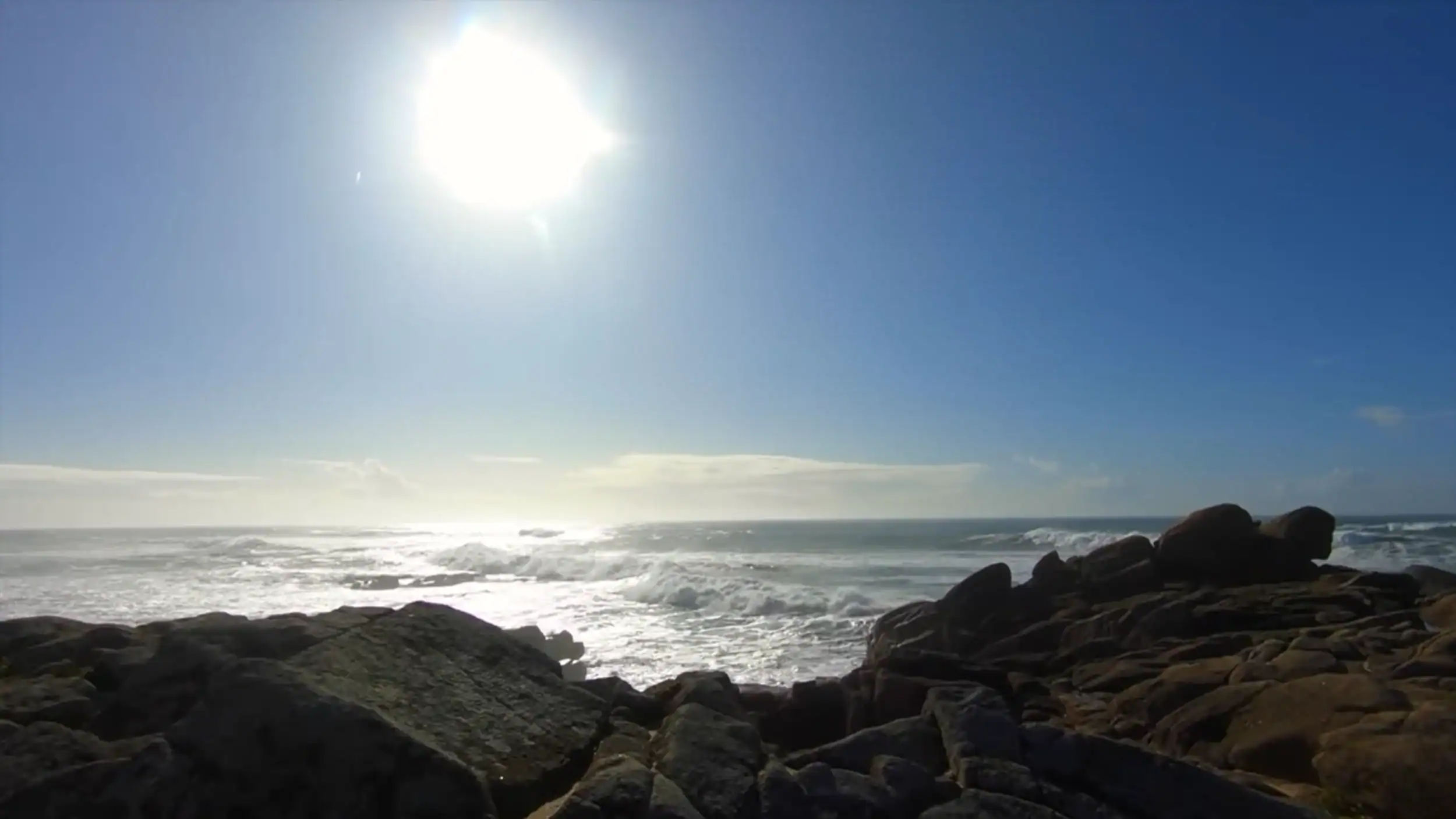
You can walk around the full exterior today. The Atlantic side is noticeably windier and more exposed than the harbour side, while the outer walls and surrounding ground remain accessible even though the building itself now contains hospitality businesses.
Approaching along the river also gives you a clear view back towards the Monastery of Santa Clara, which remains visible above the town for much of the walk. The contrast between monastery on the hill and fort at the river mouth makes Vila do Conde’s geography unusually easy to read on foot.
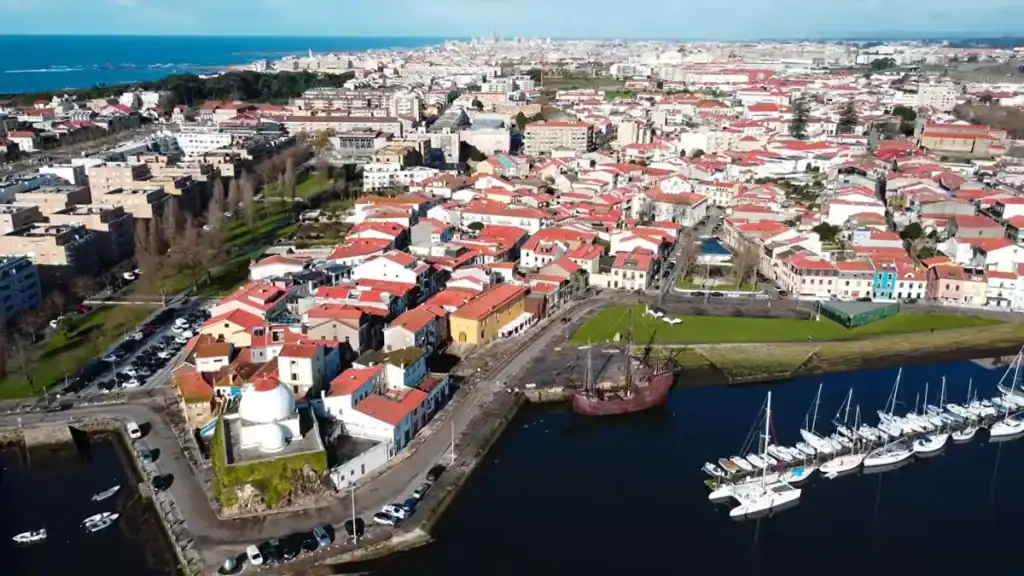
The Harbour and Marina Beside the Fort
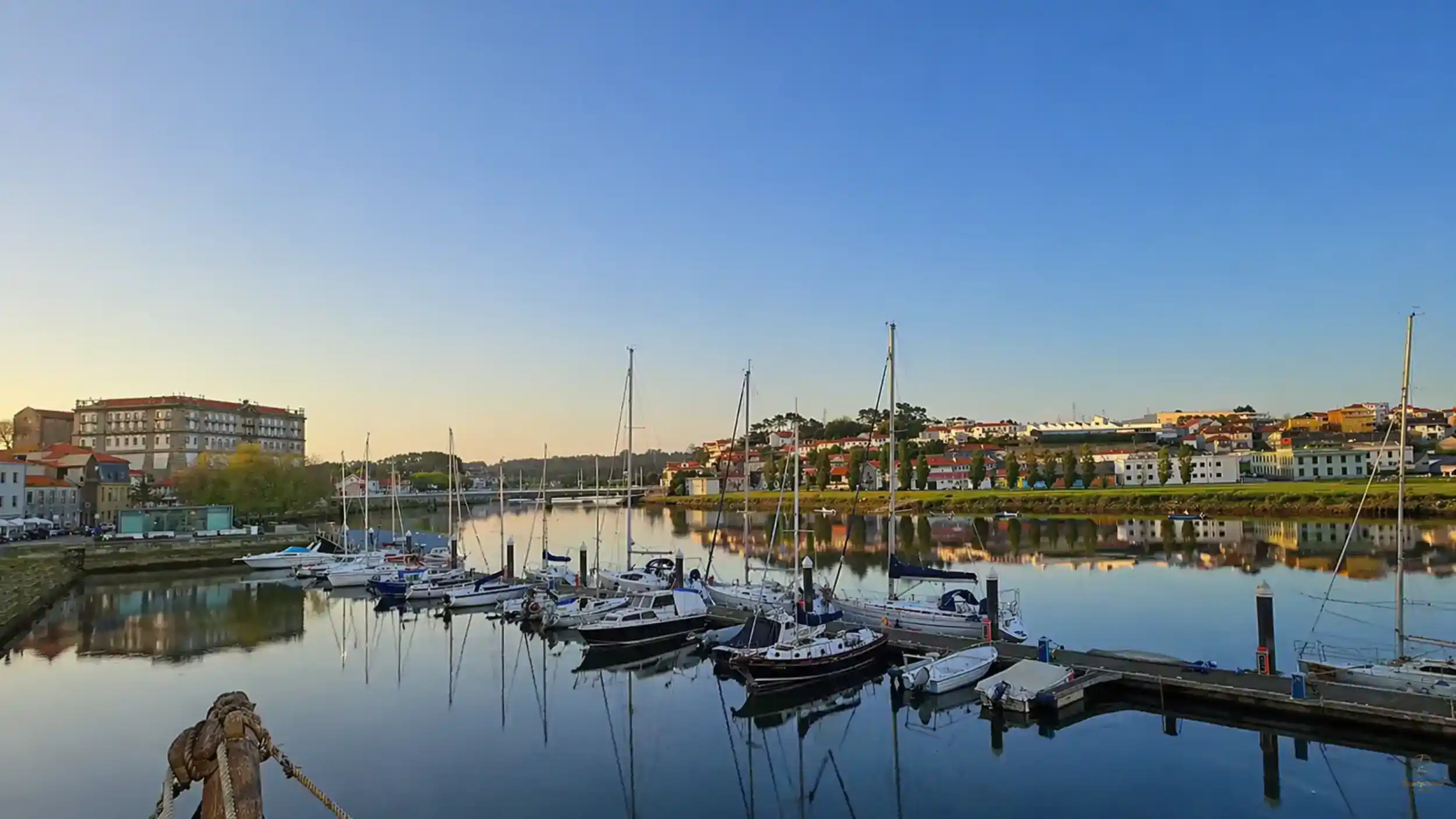
Immediately behind Vila do Conde fort, the character of the water changes. The harbour occupies the sheltered side of the estuary, where fishing boats line the quay, repair yards sit behind them and the marina extends further along the same waterfront.
From Harbour to Seawall
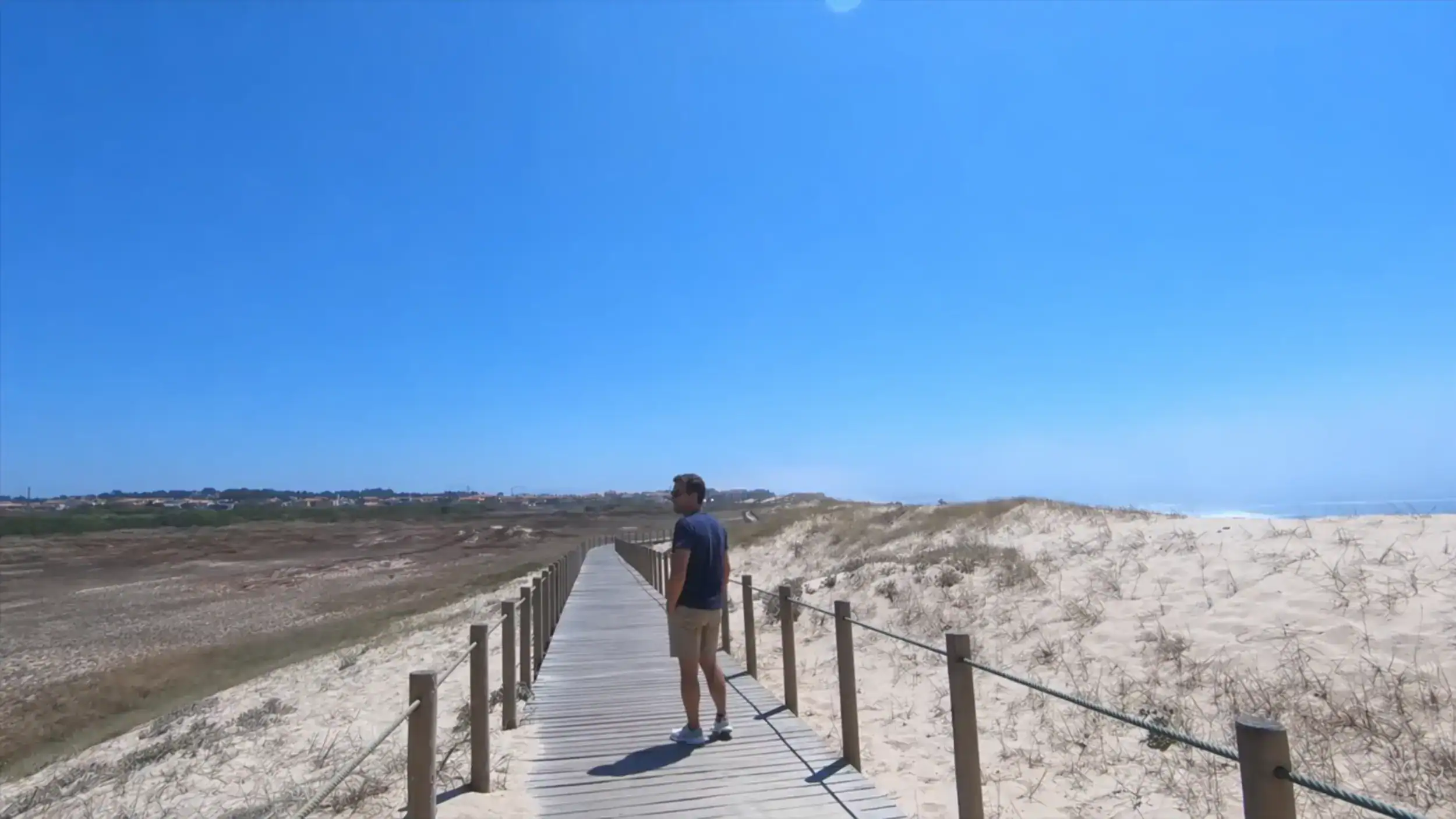
There is no real break between these areas. Walk beyond the fort and you are already among the boats, with the marina continuing towards a seawall that extends into the river mouth. The route is flat and straightforward, so it feels like one continuous waterfront rather than a series of separate stops.
From the far end, you can look back towards Vila do Conde or across the water towards Póvoa de Varzim. For a broader understanding of how the harbour fits with the beach, historic centre and other parts of town, the main Vila do Conde guide brings those different areas together.
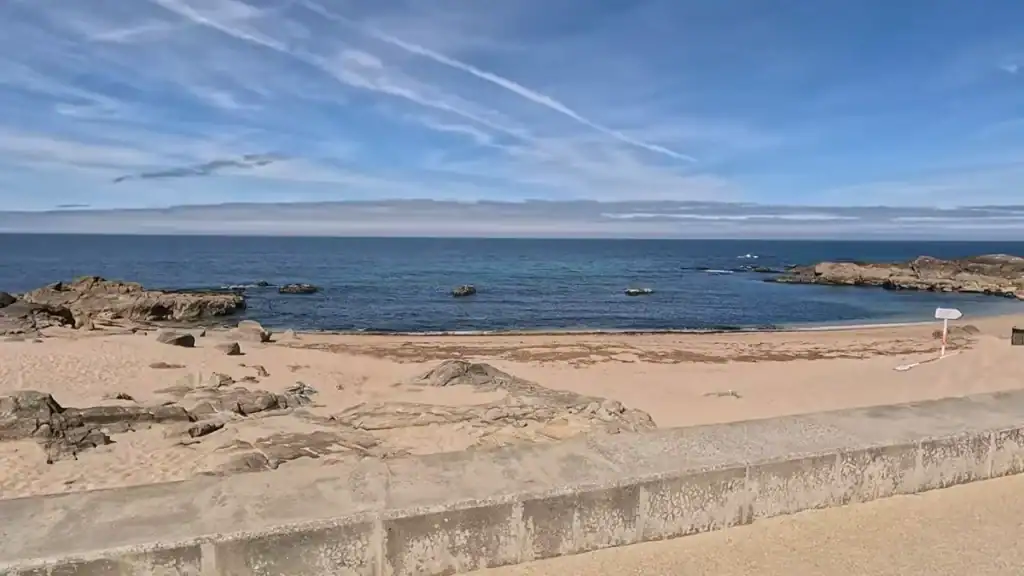
What to See Around Vila do Conde Fort
The area around Vila do Conde fort is worth exploring rather than treating the fort as a single stop. Praia da Senhora da Guia lies immediately beside it, while the Nau Quinhentista, marina and seawall are all within a short walk.
Beach, Ship and Waterfront
Praia da Senhora da Guia is a small, relatively sheltered beach beside the fort. It feels noticeably calmer than the more exposed beaches further north along Avenida do Brasil, although rocky sections near the water mean conditions still need checking before swimming.
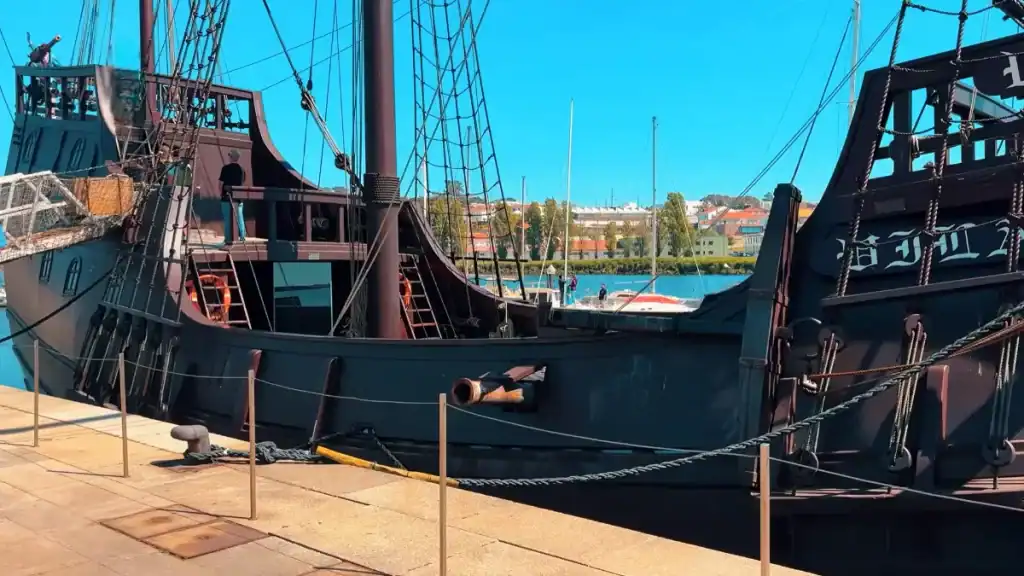
A few minutes away, the Nau Quinhentista recreates a 16th-century Portuguese carrack and can be boarded. From here, Avenida do Brasil provides a flat route towards the fort with clear views across the point where the Ave reaches the Atlantic.
Continue beyond the fort and the waterfront becomes progressively quieter. The coastal walk follows this transition particularly well, leaving the busier harbour behind as the seawall and Atlantic coastline take over.
How the Fort and Harbour Define Vila do Conde
Vila do Conde fort and the harbour make sense as a pair. The fort occupies the exposed river mouth, while the harbour uses the sheltered water immediately behind it. One was built to defend the entrance and the other depended on that protection.
One Waterfront, Not Separate Attractions
For visitors, there is little reason to treat the fort, harbour, marina and seawall as individual stops. They form a single flat route along the Ave, revealing the transition from historic town to working harbour and finally open Atlantic coast.
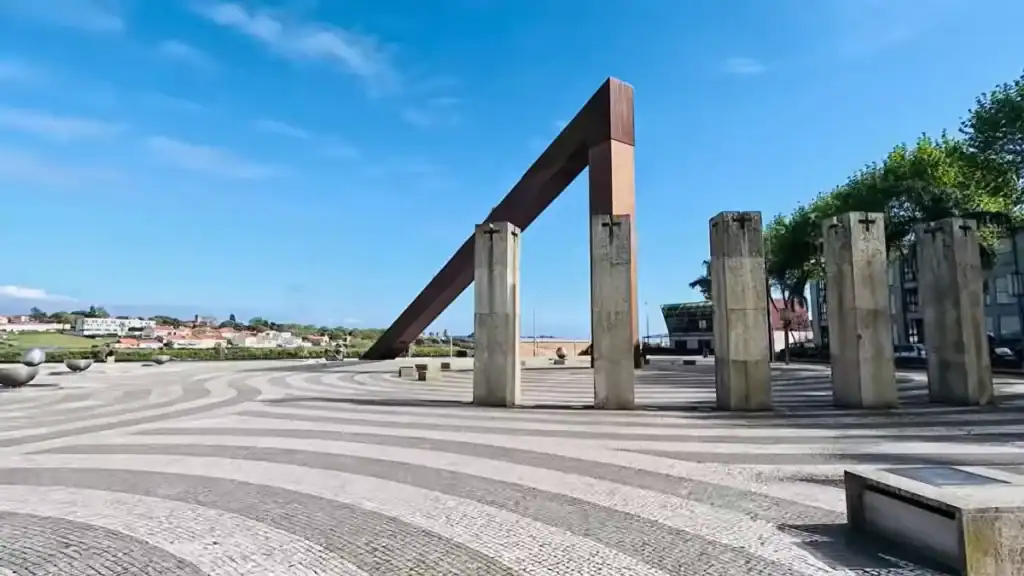
A simple walk follows Rua Afonso Costa beside the river, passes the Nau Quinhentista and solar clock, reaches Vila do Conde fort and then continues through the marina onto the seawall. At an unhurried pace, the circuit itself takes under an hour, although boarding the ship or stopping along the waterfront will extend it.
If you’re deciding what else to combine with the waterfront, things to do in Vila do Conde provides the natural next step for building a wider visit around the town.