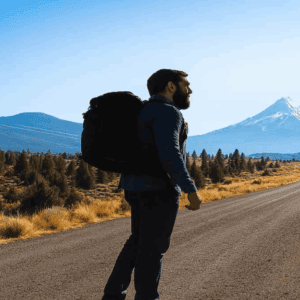
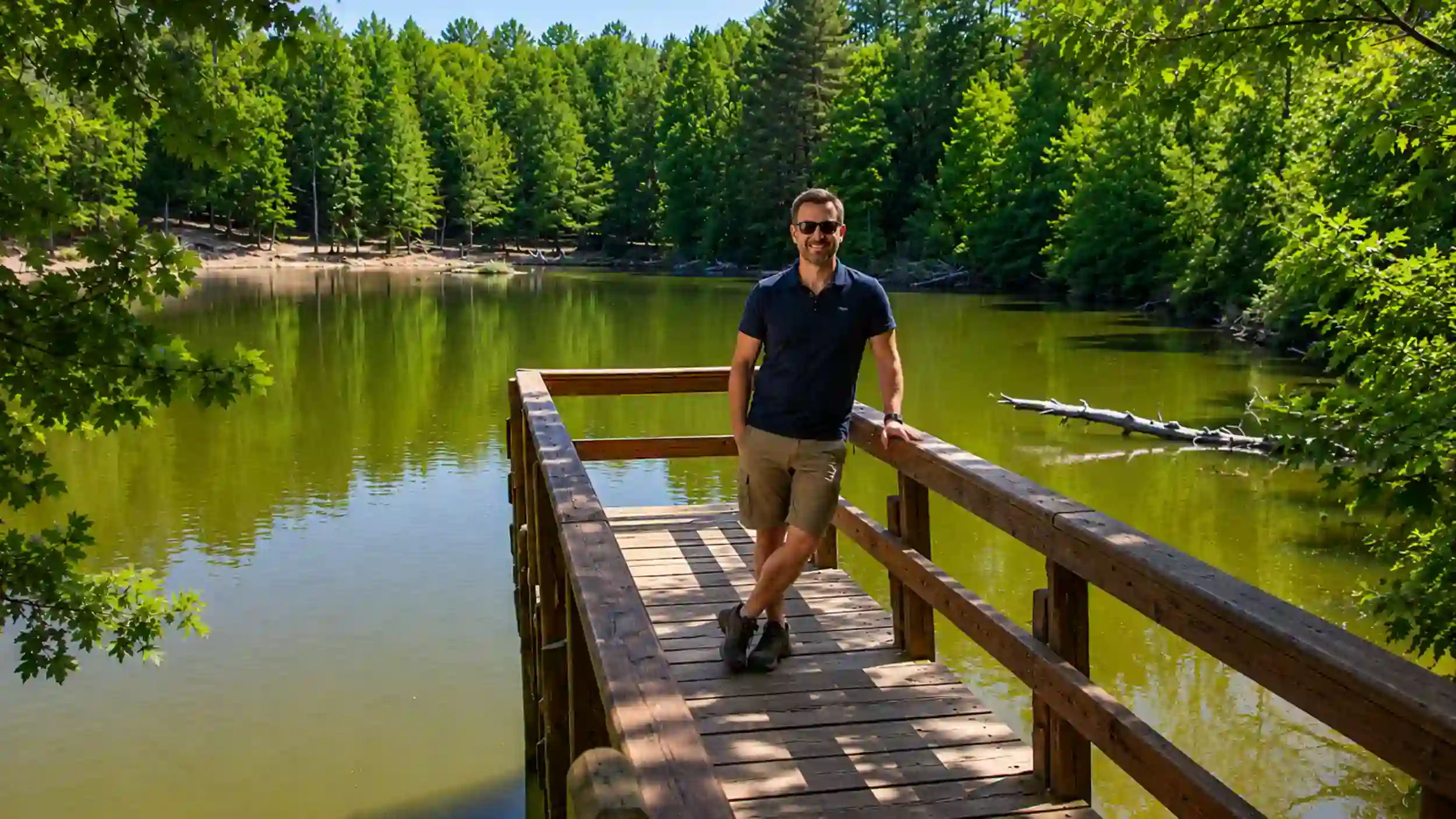
Visiting Foresta Umbra is worth it when you want a genuine break from Gargano’s beaches. I found the cooler woodland, shaded roads and slower pace particularly welcome after several days beside the Adriatic, when another full coastal day was beginning to feel repetitive.
What stayed with me was the contrast. There was no sea view competing for attention, just dense woodland, cooler air and a day that naturally slowed down.
🌲 What Is Foresta Umbra Like to Visit?
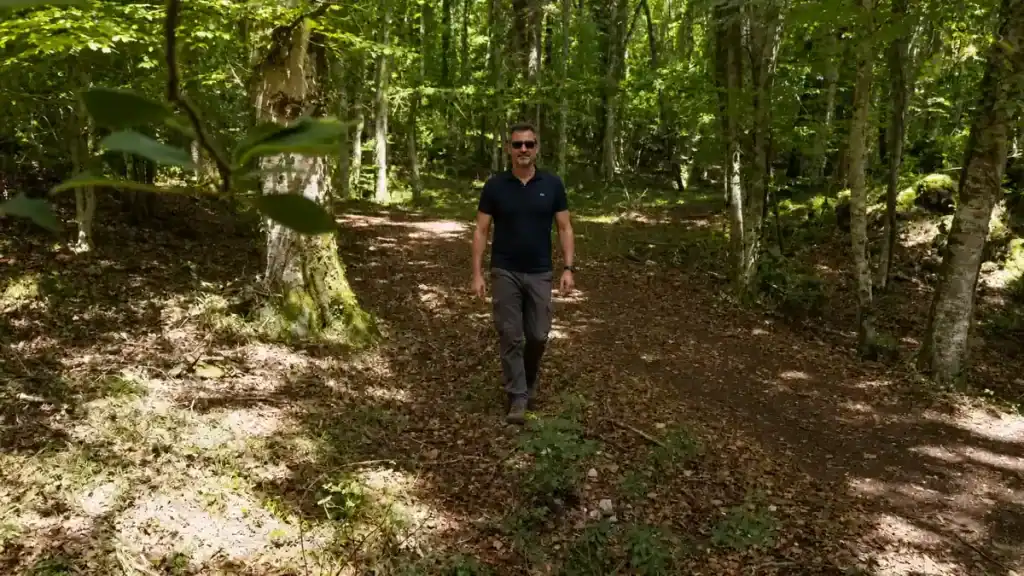
It felt completely different from coastal Gargano almost immediately. After several days beside the Adriatic, I watched the exposed roads disappear beneath trees, felt the air cool and realised I no longer needed to think about the next beach or viewpoint. The day naturally became quieter.
I had not expected that contrast to matter as much as it did. Foresta Umbra did not need a headline attraction to justify the detour; simply being somewhere that felt completely unlike the coast was enough.
How Quickly Does the Coast Disappear?
The transition happened faster than I expected. Beaches, promenades and open sea views gave way to tall trees and winding forest roads, and once I stopped walking I became much more aware of birdsong, leaves moving overhead and gravel underfoot.
Why the Change of Pace Matters
For me, the value of Foresta Umbra was not a single sight. It was being able to forget about beach conditions, parking spaces and the next coastal viewpoint for a while. Cooler air and quieter surroundings made slowing down feel natural rather than like time taken away from the coast.
🌊 When Should You Visit Foresta Umbra During a Gargano Trip?
I would put Foresta Umbra after two or three coastal days, when the beach routine has had time to become familiar. That was when it worked best for me. My mornings had started following the same pattern: pack for the beach, think about parking and decide which stretch of coast looked best for the conditions. Entering the forest removed all three decisions almost at once.
I did not miss that routine once I was beneath the trees.
🌲 THE SIMPLEST REASON TO GO
If several beach days are beginning to merge together, Foresta Umbra changes the temperature, scenery, sound and pace without requiring you to leave Gargano.
What Replaces the Beach Routine?
Instead of checking the sea or looking for another beach access road, I could concentrate on the woodland itself. After several days of watching Gargano’s beach weather to judge whether swimming would stay comfortable, that felt unexpectedly liberating.
Even the driving felt different. Cars moved more gently beneath the trees, and lowering the windows for the cooler air made more sense than rushing towards another stop.
| Experience | 📌 Coastal Routine | 📌 Foresta Umbra |
|---|---|---|
| 🏖️ Main focus | Beaches and swimming | Walking and nature |
| 🚗 Driving | Parking and beach access | Slow scenic roads |
| 🌬️ Weather | Wind and sea conditions | Shade and cooler air |
| 😌 Pace | Active and changeable | Calm and unhurried |
The Forest Feels Farther from the Coast Than It Is
By the time I stopped the car, I was no longer thinking about beaches. That was the surprise: Foresta Umbra felt much farther removed from coastal Gargano than the journey itself suggested.
🌡️ Is Foresta Umbra Cooler Than the Gargano Coast?
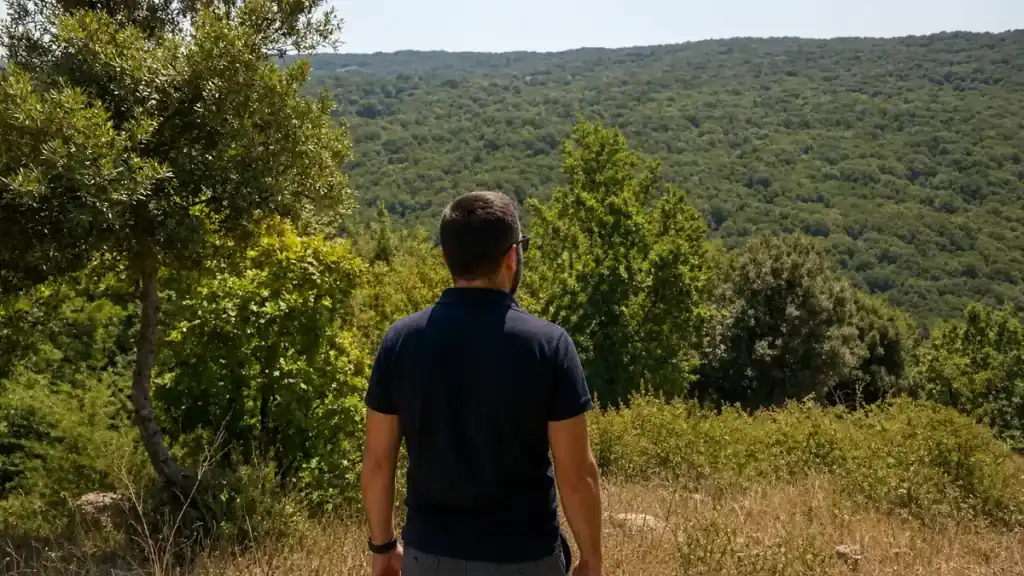
Yes, noticeably so when I visited. Much of Foresta Umbra sits on the higher interior of the Gargano promontory, around 700–850 metres in its main beech-forest zone, while the dense canopy provides extensive shade. Beneath the trees, I felt cooler enough that it changed what I wanted to do with the day rather than simply making the same activities more comfortable.
Instead of looking for shade or thinking about the next swim, I was happier to keep walking and stay outdoors for longer.
Why Cooler Air Changes the Day
The relief from the coastal heat made simple things more appealing. A woodland walk could continue without constantly looking for shade, and picnic areas felt like places to stop properly rather than brief breaks from the sun.
After days beside the sea, I appreciated that physical change more than I expected.
A Cooler Day Changes More Than Comfort
Without needing to keep checking the sea or searching for somewhere cooler, my attention shifted to woodland paths and clearings. The day no longer revolved around finding the most comfortable place to stop.
That cooler environment was a practical reason the forest worked so well mid-trip. I could be active without the day feeling like another battle with sun and exposure.
🥾 What Are the Walks in Foresta Umbra Like?
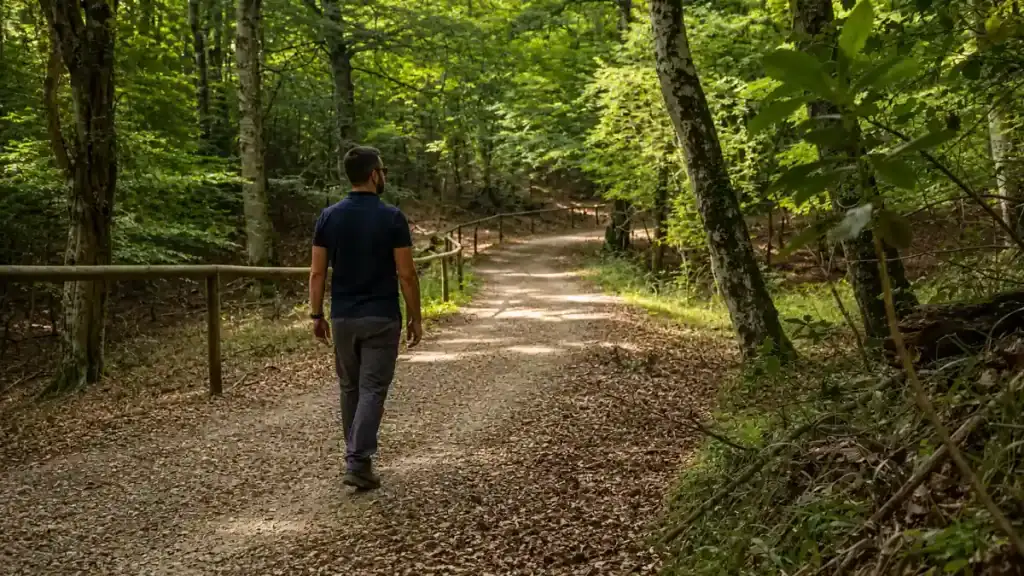
You do not need to arrive expecting a major hike. The marked network gave me the freedom to make the walk as short or as involved as I wanted. On the coast, walking had often been the route to a beach or viewpoint. In Foresta Umbra, the walk itself became the reason to stop.
With no next cove or swimming spot pulling me onwards, I was much less inclined to rush.
🥾 WALKING CHOICE
You do not need to tackle a major hike. The marked network lets you choose anything from a short woodland wander to a much longer walk linking different parts of the forest.
When the Walk Itself Becomes the Point
Shaded paths, quiet clearings and picnic areas encouraged me to explore without needing a particular destination. Foresta Umbra has around 54 kilometres of marked walking routes across 15 signposted trails, including routes linking Laghetto d’Umbra, Falascone, Murgia, Lago d’Otri and Sfilzi. After several days of beach hopping, that lack of urgency was exactly what made the forest feel different.
It is easy to underestimate how much time that slower pace can absorb, especially if you arrive thinking of Foresta Umbra as a quick inland stop.
How Long Should You Allow for Foresta Umbra?
I would allow at least a few hours rather than squeeze Foresta Umbra between two coastal stops. A half day suited the experience much better for me because I had time to wander, stop when something caught my attention and let the forest dictate the pace rather than watch the clock for the return to the beach.
🚗 Is Foresta Umbra Worth Visiting If You Do Not Want a Long Walk?
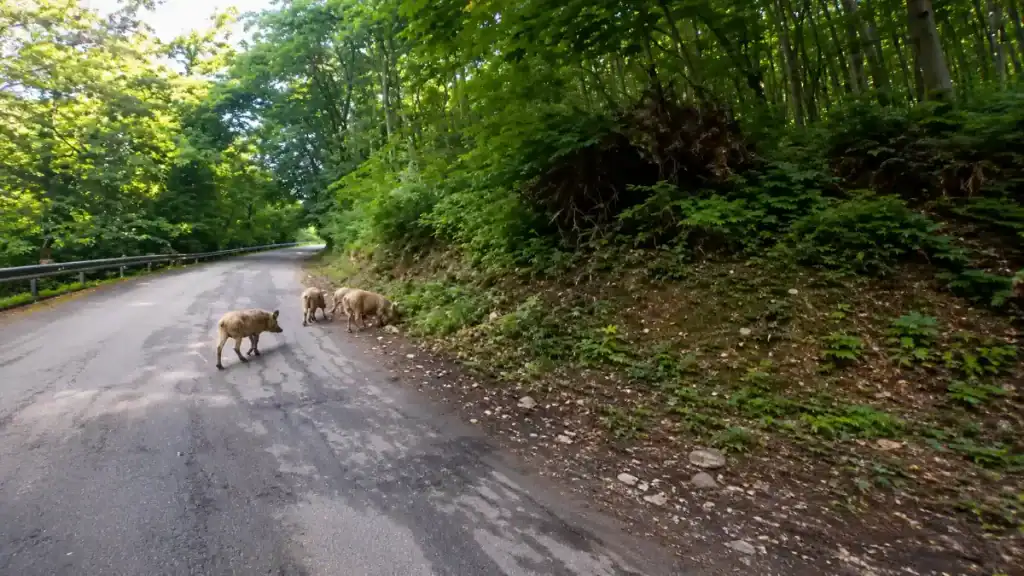
Yes. I would still make the drive even if a long walk was not part of the plan. Wide coastal views disappeared behind dense woodland, the roads narrowed and I naturally slowed down. It was not because the route felt especially difficult; there was simply more reason to pay attention to what might be around the next bend.
For once, I was not driving towards a beach or a viewpoint. The road itself held my attention.
🚗 ONLY WANT TO DRIVE?
I would still come. The shaded roads and abrupt change from open coast to dense woodland make the drive worthwhile even if you only stop briefly for a walk.
Why You Naturally Drive More Slowly
Trees close in around the road, light changes beneath the canopy and cyclists or walkers can appear around bends. Compared with the Vieste to Peschici drive, where viewpoints, parking and coastal stops repeatedly interrupt the journey, this felt calmer and more continuous.
I never felt much reason to hurry.
The Slower Drive Helps Reset the Day
By the time I reached the heart of the forest, the pressure to get somewhere had largely disappeared. The slower road, quieter surroundings and cooler air were already doing much of what I had come inland for.
🌿 Who Is Foresta Umbra Best Suited For?
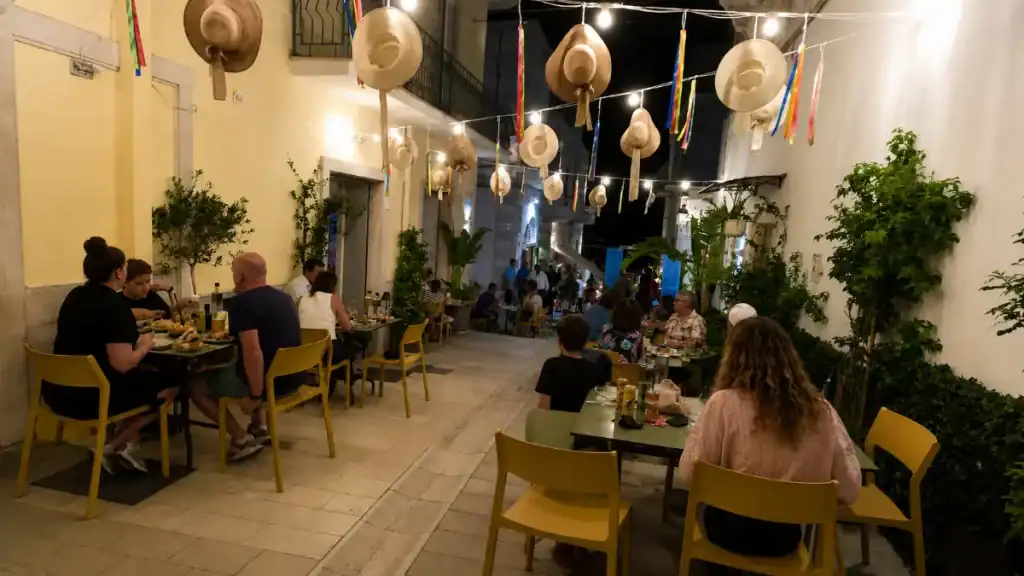
I would recommend it most strongly to travellers who enjoy woodland walks, scenic drives or simply need a break from repeated beach days. It had the biggest impact on me after several days exploring Gargano’s coastline, when the beaches were still beautiful but coastal drives, beach stops and viewpoints had begun to merge into a familiar routine.
The forest interrupted that pattern immediately.
What Makes a Forest Day Feel Different?
I did not need a beach bag or a plan built around sea conditions. Walking beneath the trees, hearing far less traffic and spending hours in cooler air changed both the sound and pace of the day.
Why the Coast Felt Fresher Afterwards
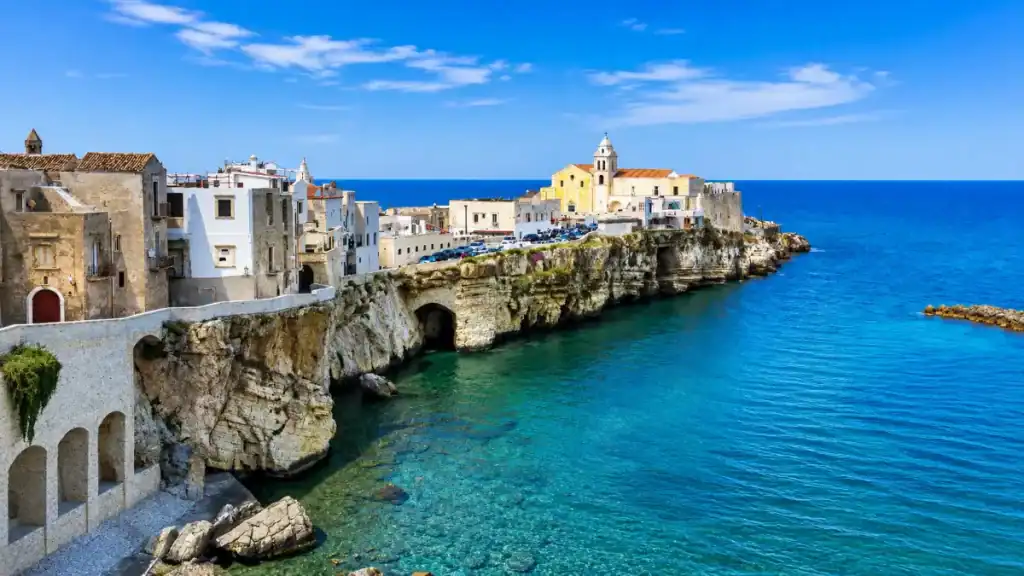
The benefit became clearest when I returned to the Adriatic. After a full change of scenery, the beaches and cliff roads no longer felt like repetitions of the previous day. I noticed the sea views again rather than treating them as the backdrop to another transfer.
Foresta Umbra did not replace the coast for me. It made me want to return to it.
✅ Is Foresta Umbra Worth Visiting?
Yes. Visiting Foresta Umbra was worth it for me precisely because it did not try to compete with Gargano’s coastline. After several coastal days, the cooler woodland and slower pace gave me the complete change of scenery I wanted.
I would judge it as a different kind of day rather than ask whether it can match Gargano’s beaches for drama.
🌲 WHEN I WOULD GO
After two or three coastal days, on a hotter day when shade sounds appealing, or whenever another beach feels more like routine than discovery. That is when Foresta Umbra adds the most to the trip.
Why It Complements a Coastal Gargano Trip
After several days beside the Adriatic, I welcomed the cooler air, shaded woodland and quieter surroundings. That contrast also helps explain why Gargano works well in October, when inland experiences can carry more of the trip rather than simply filling time away from the beach.
The Best Part Came After Leaving
Driving back towards the Adriatic made the contrast obvious. The sea reappeared, the roads opened up and the air felt warmer again, but I was no longer tired of the coastal rhythm. That was the strongest argument for visiting Foresta Umbra: I enjoyed the forest itself, and I enjoyed Gargano’s coast more afterwards.