On a first visit to Sintra, I would prioritise the palaces over the coast. Pena Palace and Quinta da Regaleira already make a substantial day, while the Moorish Castle is the easiest major addition if time and energy allow. With two days, the decision becomes much simpler: keep the palace district together, then give the Atlantic coast its own day.
That was not obvious when we first looked at the map. Beaches, clifftop villages and palaces all seemed close enough to combine. Once the hills, visiting time and journeys between them started consuming the day, choosing what to leave out became more important than finding another place to add.
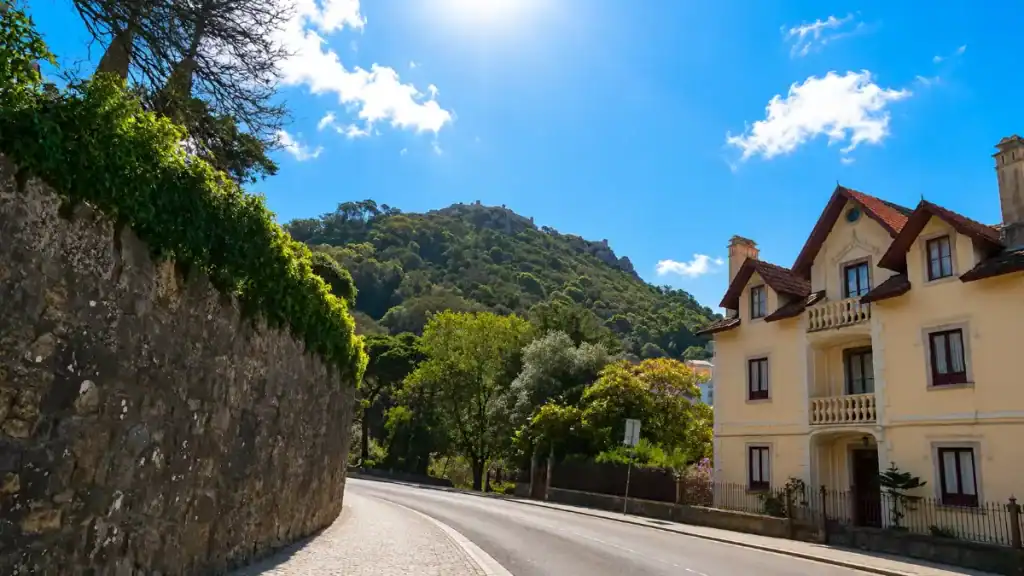
🏰 Should You Prioritise Sintra’s Palaces or the Coast on a First Visit?
On a first visit, I would prioritise Sintra’s palaces over the coast unless Atlantic scenery matters more to you than the historic sites. Sintra contained far more worthwhile places than we could comfortably absorb in a normal day. The train journey from Lisbon took around 40 minutes, which had made the whole area look straightforward. After arriving, the different elevations, steep roads and time needed inside the major estates changed that impression quickly.
The palace district also contained the places I most strongly associated with a first visit: Pena Palace, the Moorish Castle, Quinta da Regaleira and the Sintra National Palace. I would not try to visit all four properly in one day.
Working out which places around Sintra to prioritise became much easier once we stopped treating every worthwhile sight as an obligation. With one day, the coast was the first major thing I would remove unless Atlantic scenery mattered more to me than the historic sites.
🧭 PALACES OR COAST?
🏰 First visit: I would prioritise Pena Palace, Regaleira and time in the old town.
🌊 Coast matters more: reverse the decision and build the day around beaches, cliffs and villages instead.
🗓️ Two days: one palace day and one coastal day removes most of the compromise.
⚠️ What I would avoid: a full palace itinerary with the coast simply added afterwards.

👑 Which Sintra Palace Should You Prioritise First?
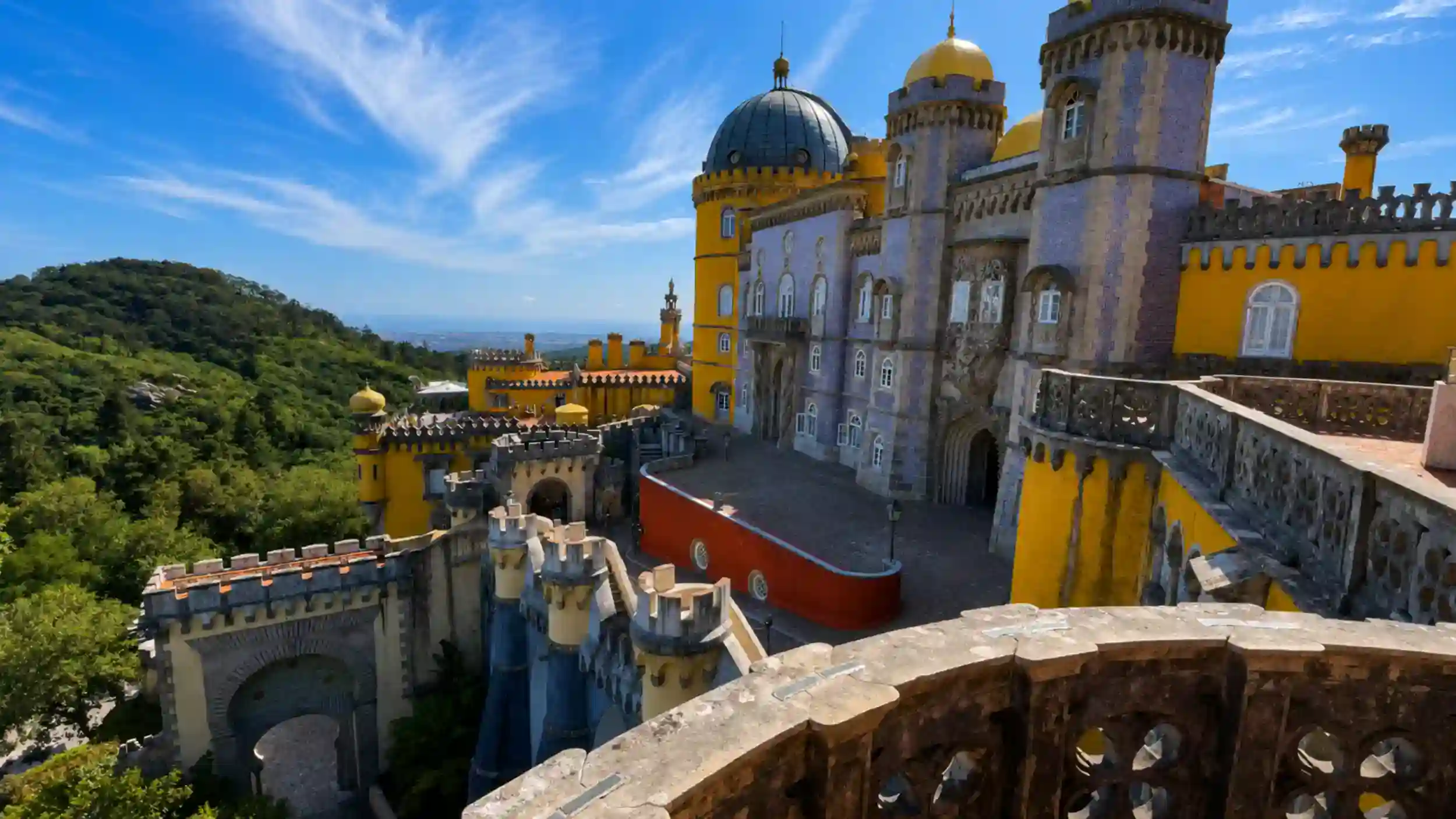
I would prioritise Pena Palace first on an initial Sintra visit. It was the visual centrepiece of Sintra for me, and I would allow at least two hours for the palace and grounds, then add the time needed to reach the hilltop. Walking up from the lower town involved a sustained climb of around 45 minutes; the transfer was not a trivial part of the schedule.
Quinta da Regaleira was the place most likely to upset the timetable afterwards. We knew about the Initiation Well, but the gardens kept offering reasons to take another path: tunnels, grottos, towers and symbolic architecture that made a quick headline-sights visit feel increasingly pointless.
Pena and Regaleira Can Fill the Same Day
Yes, I would combine Pena Palace and Quinta da Regaleira in one day. Pena needs roughly two hours or more once the grounds matter, and I would treat two hours as a realistic minimum at Regaleira. Together with transport, walking and some time in central Sintra, that is already a proper day’s sightseeing.
The temptation is to look at the remaining hours and add another major palace. I would resist it. Regaleira was exactly the sort of place where an intended two-hour visit could grow without feeling as though we were wasting time, and preserving that freedom mattered more than squeezing another ticket into the afternoon.
⏱️ HOW I WOULD BUILD THE PALACE DAY
👑 Pena Palace first: give the palace and grounds at least two hours, plus the journey uphill.
🗝️ Regaleira later: protect at least two hours rather than treating the Initiation Well as the whole visit.
🏘️ Historic centre: use the remaining time here rather than automatically adding another large attraction.
🏯 Is the Moorish Castle Worth Adding to a Sintra Day?
Yes, the Moorish Castle is worth adding when the day still has enough time and energy, particularly because it pairs naturally with Pena Palace. Its defensive walls run along the nearby ridgeline, so combining the two avoided sending us across Sintra for another attraction.
The experience was completely different from Pena. There were no elaborate palace interiors to compete for attention; the draw was walking the walls and looking across the surrounding hills. That contrast made it a strong companion rather than a weaker version of the same thing.
Would I include it? With enough time and energy, yes. When the itinerary tightened, though, this was easier for me to sacrifice than Pena Palace or Regaleira. The castle involves more walking and steep terrain, so adding it simply because it is nearby can make an already physical day considerably fuller.
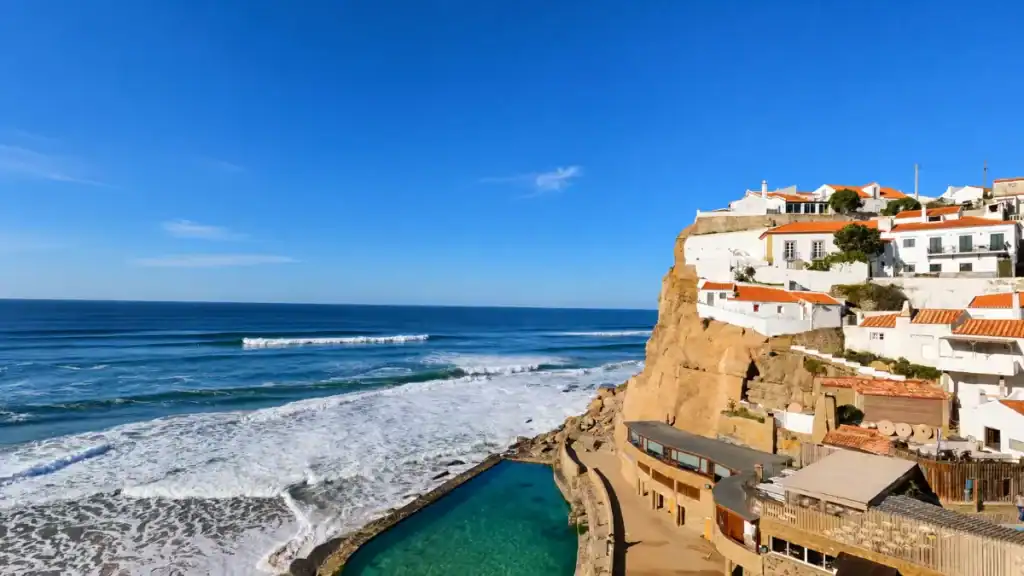
🌊 Is the Sintra Coast Worth a Separate Day?
Yes, I think the Sintra coast deserves a separate day when beaches, clifftop villages and Atlantic scenery are a genuine part of the trip. Some of the places I most enjoyed around Sintra were 12 to 18 kilometres west of the old town, where the day changed completely from palaces to exposed coastline.
What did not work for me was thinking of that coast as a convenient extension of the historic sights. By the time a palace visit ran long and we travelled west, the generous-looking afternoon on the original plan had become much smaller.
Azenhas do Mar and Cabo da Roca Need Different Conditions
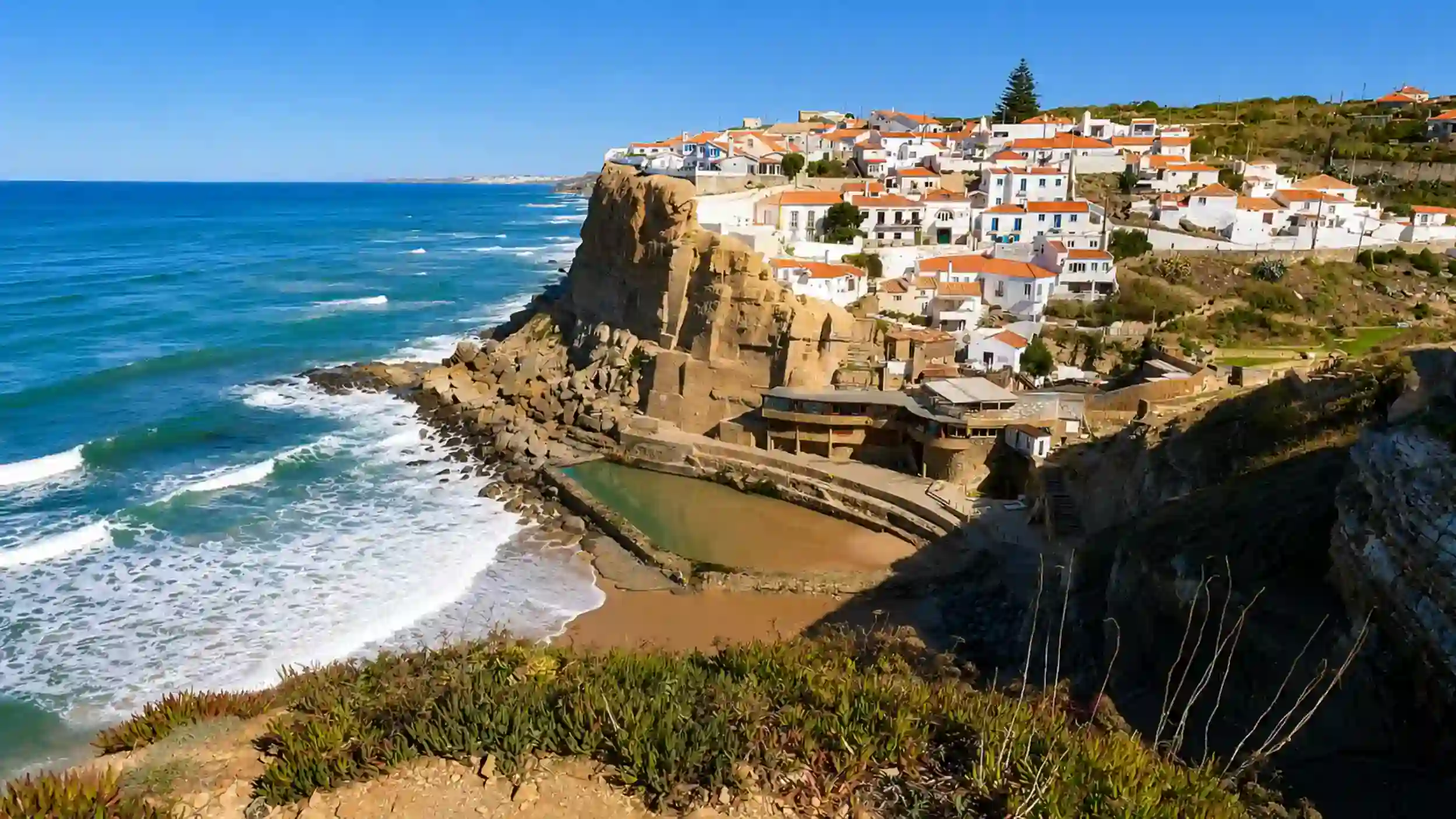
Azenhas do Mar gave us one of the most distinctive village views on the coast, with whitewashed houses dropping towards the Atlantic and an ocean pool below the cliffs. An hour was enough for the main viewpoints and seafront, although leaving immediately after the obvious photograph would have missed much of the point.
Cabo da Roca was a shorter stop, but the weather could decide whether that short visit was worthwhile. It marks the westernmost point of continental Europe, yet the time of day matters more than most visitors expect because fog, wind and visibility can change the headland completely.
A Beach Stop Changes the Pace Again
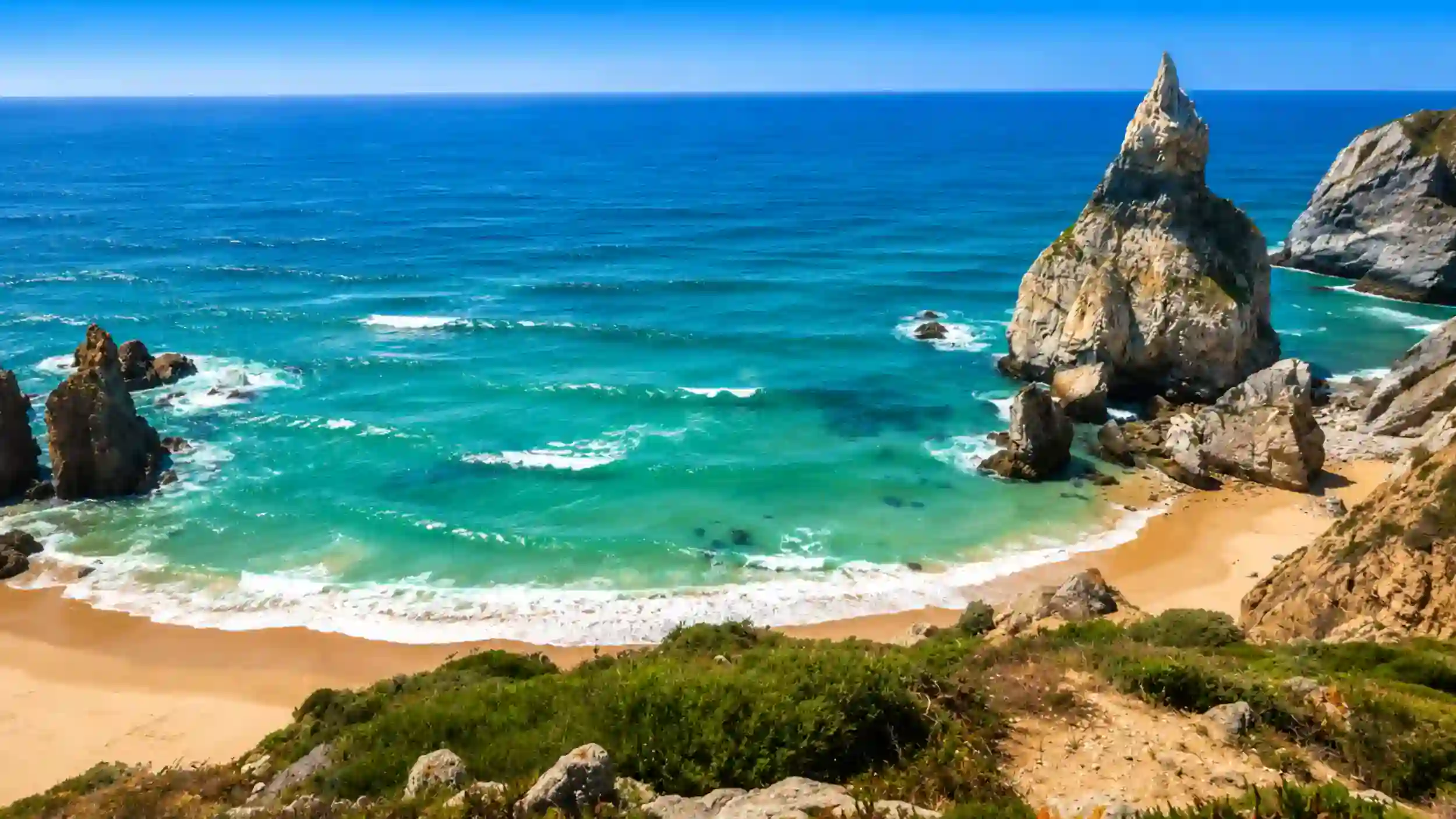
Praia das Maçãs gave us a sandy beach, a traditional coastal village and the historic tram connection from Sintra. Praia Grande offered a broader sweep of sand and stronger Atlantic surf.
Neither made much sense as a rushed photograph between palaces. If beaches mattered enough to include, I would give them enough time to behave like beaches rather than itinerary markers.
🌊 WHEN I WOULD CHOOSE THE COAST INSTEAD
🏖️ Beaches matter more than interiors: make the Atlantic the day’s main event rather than a late add-on.
🌅 Coastal scenery is the priority: combine two or three stops instead of trying to collect the whole shoreline.
🏰 First-time palace interest is stronger: leave the coast for day two.
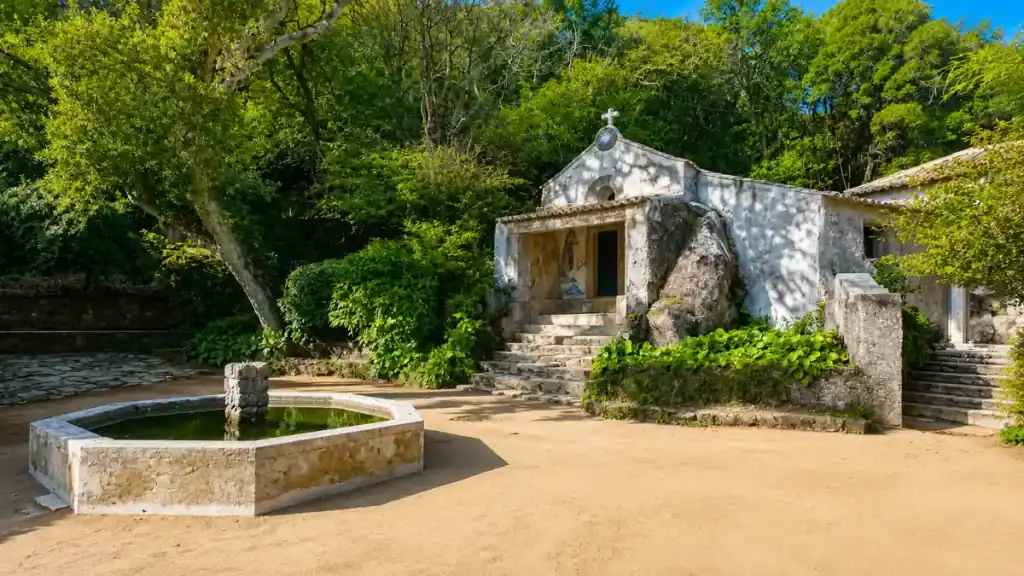
🌿 What Is Worth Visiting With a Third Day in Sintra?
With a third day in Sintra, I would start considering quieter places such as the Convent of the Capuchos, Colares, Almoçageme and Penedo rather than adding more major sights to an already full circuit. Two days is the amount of time I would want for the headline palaces and coast without turning the trip into a race; the third changes which places are worth considering.
The Convent of the Capuchos was a good example. Hidden in the forest west of the palace circuit, the 16th-century Franciscan convent was partly carved into rock, with tiny cork-lined cells. After Sintra’s grander buildings, its small scale and remoteness felt like a completely different side of the region.
I would allow around an hour for the convent itself and found a car the easiest way to reach it. On a first day, that journey would compete with stronger priorities. By day three, the fact that it sat away from the obvious circuit became part of the appeal.
The same shift happened with the villages. Colares opened up the region’s unusual wine-growing landscape. Nearby Almoçageme sat above the coast near Praia da Adraga, while Penedo is worth understanding before deciding whether to include it.
None would displace Pena Palace for me with only a few hours available. With more time, their relative lack of headline attractions stopped being a weakness.
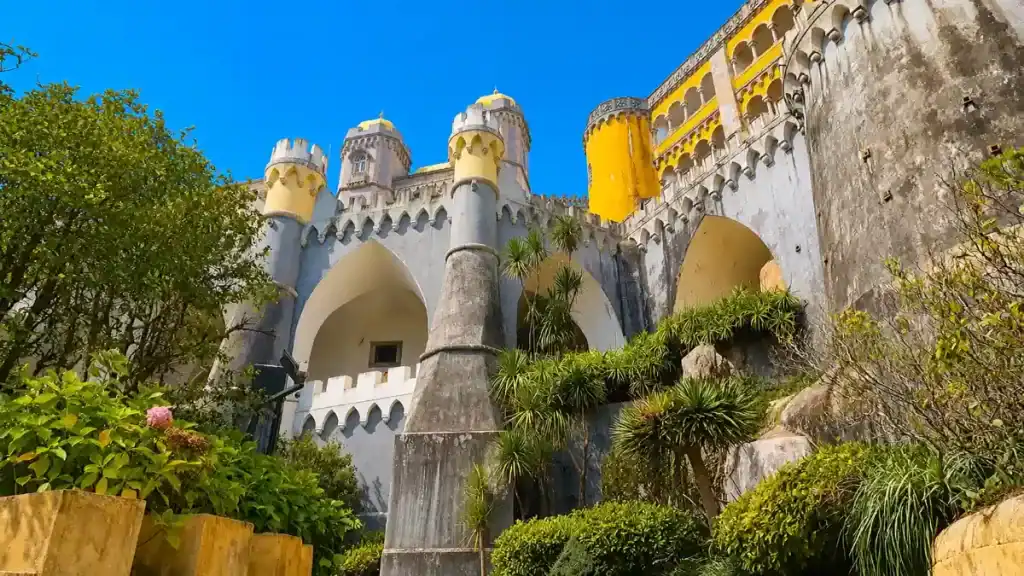
🗓️ What Should You Prioritise With One, Two or Three Days in Sintra?
With one day, I would prioritise Pena Palace, Regaleira and the old town; with two, I would give the coast its own day; with three, I would add Capuchos, Colares or a quieter village. Each extra day changed the trip for me because it removed another compromise rather than simply creating space for more headline sights.
🗓️ MY SINTRA PRIORITIES BY TRIP LENGTH
⏱️ One day: Pena Palace first, Regaleira, then the old town; add the Moorish Castle only if the day still has room.
🌊 Two days: keep the palaces together and give the coast a separate day.
🌿 Three days: add Capuchos, Colares or quieter villages rather than another overloaded sightseeing circuit.
Understanding the wider range of beautiful places around Sintra made the final lesson clearer. The strongest itinerary was not the one that reached the most places. It was the one that still had enough room for somewhere to be better than expected without ruining everything that followed.