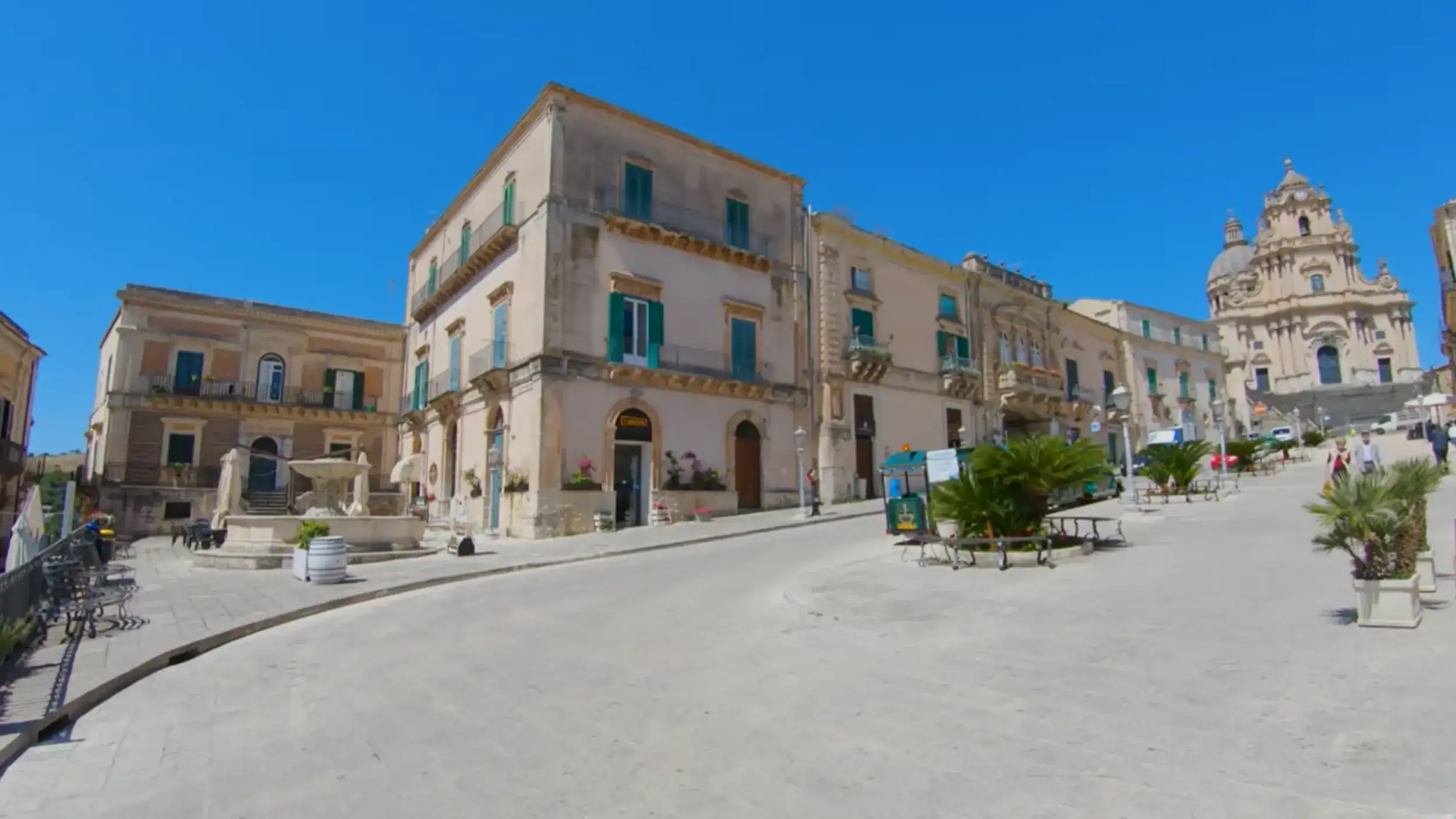
Ragusa Ibla, Modica, and the beaches of south-eastern Sicily together offer one of the most rewarding combinations in eastern Sicily.
Why the 1693 Earthquake Still Shapes What You See
The earthquake of 1693 is the starting point for understanding this part of Sicily. It didn’t just destroy buildings. It reset the urban logic of the entire val di noto, including the town of Modica and the city of Ragusa, forcing survivors to make choices about where and how to rebuild after the earthquake.
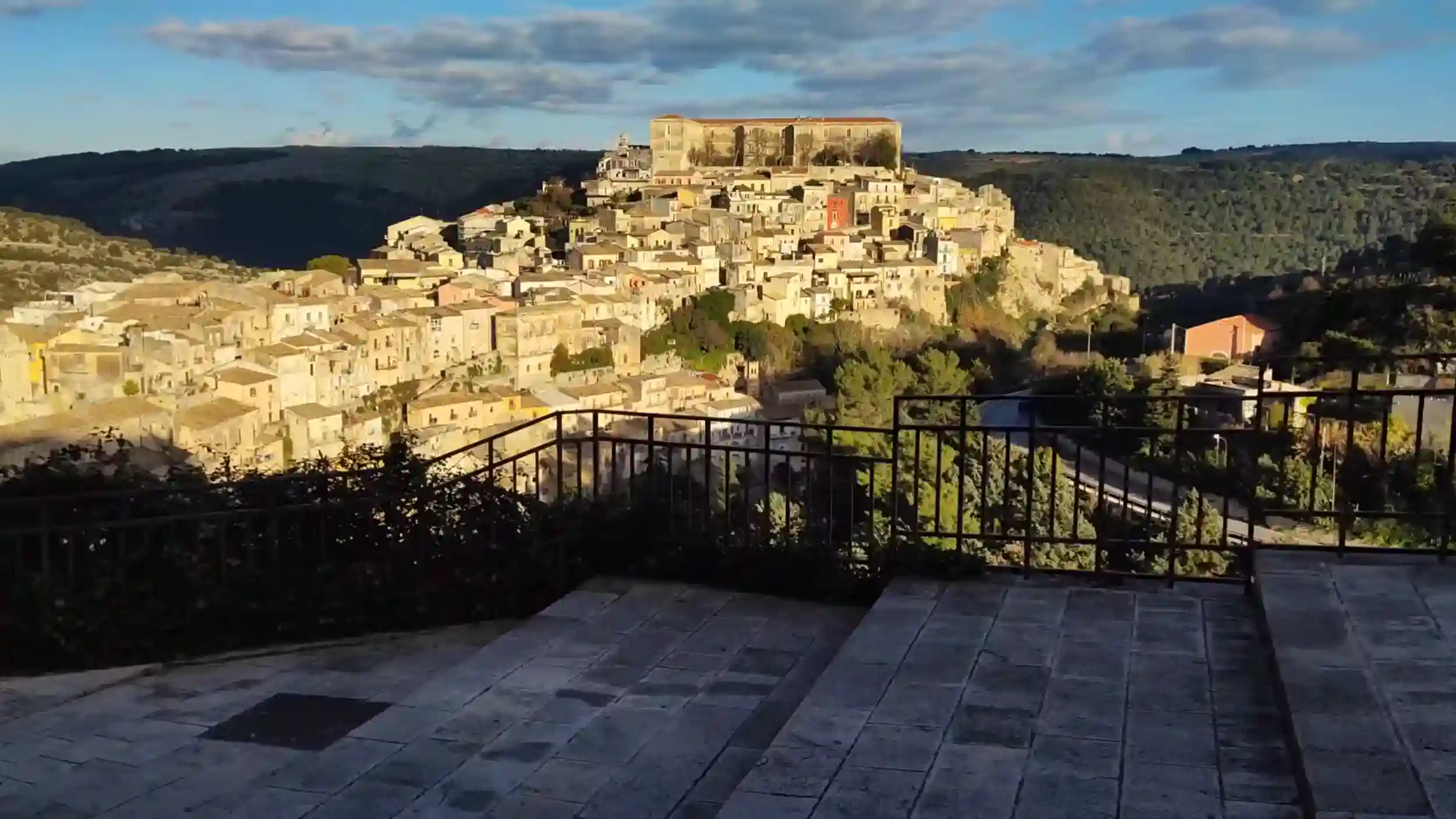
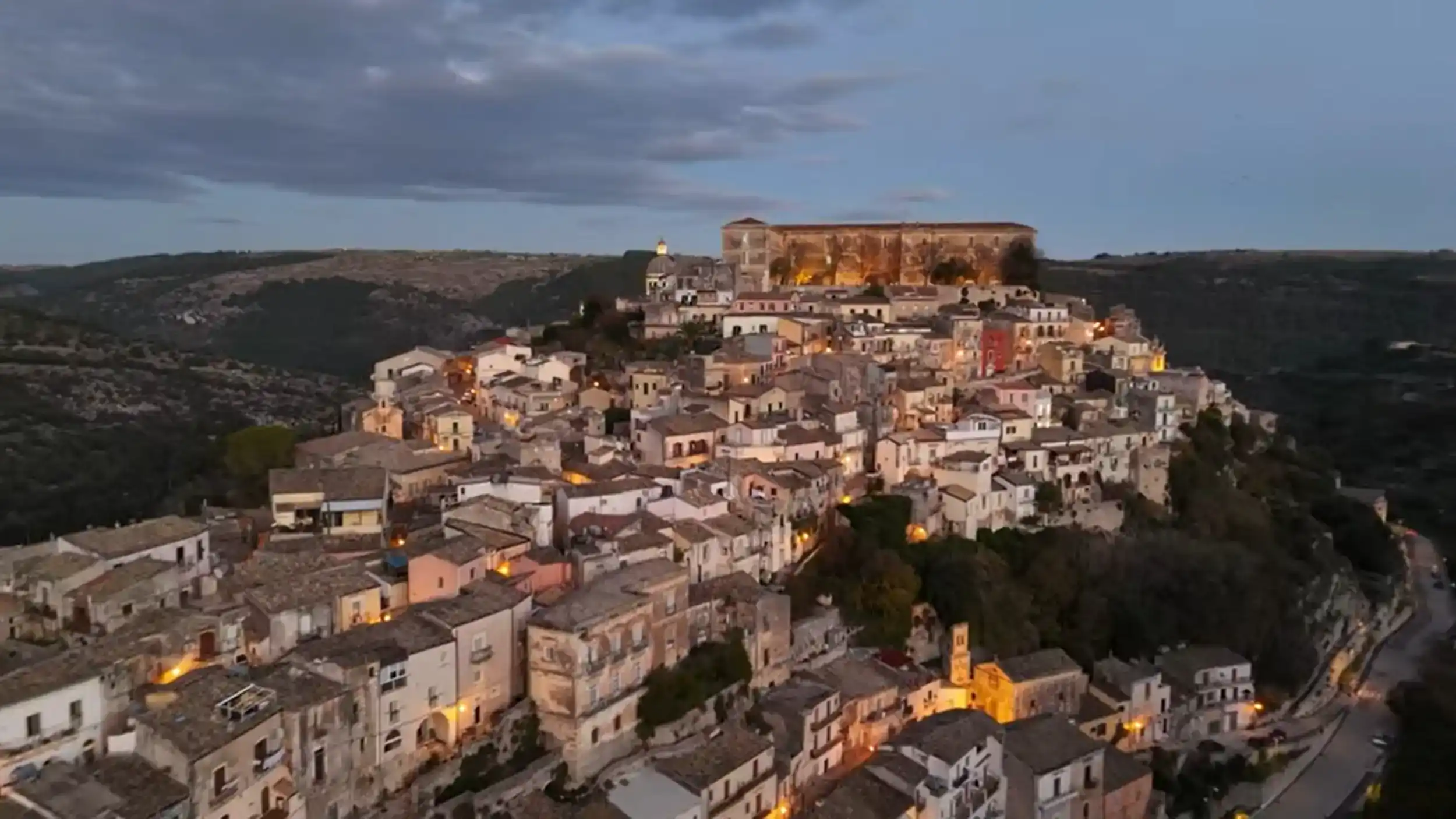
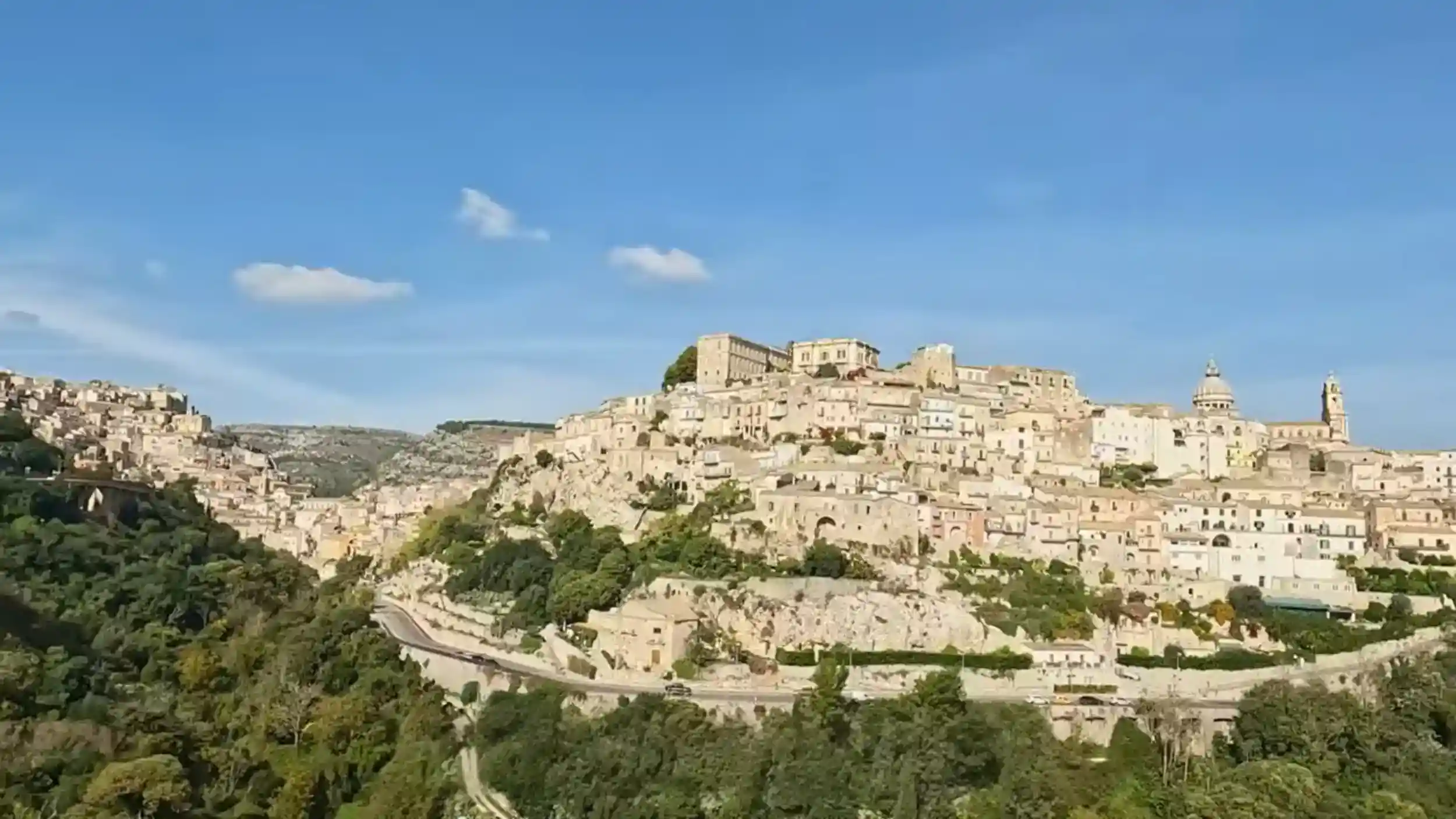
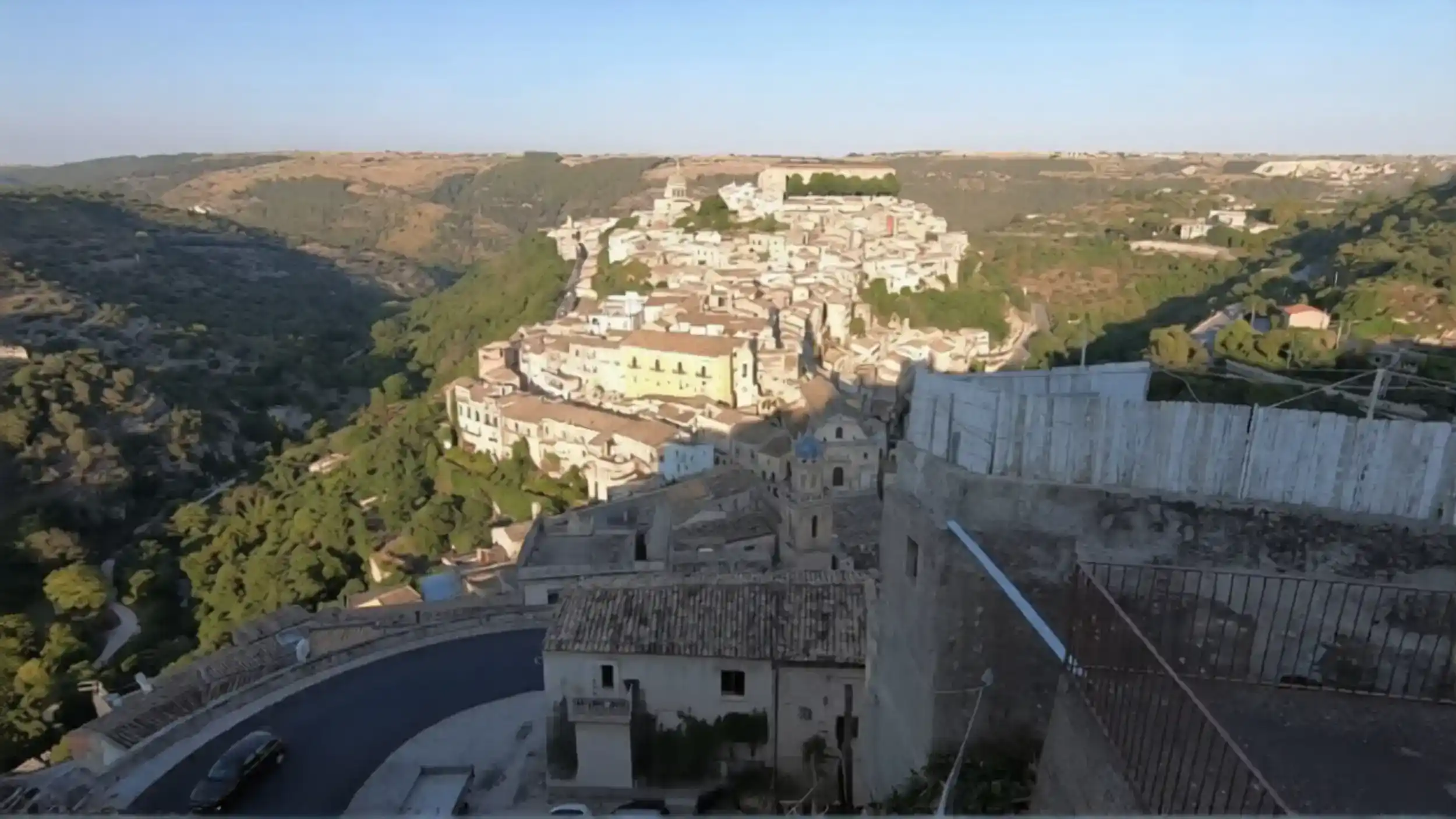
Ragusa split into two distinct halves as a result. Some residents moved to higher ground and built Ragusa Superiore. Others returned to the original site and reconstructed what became Ragusa Ibla below. The two halves were eventually incorporated into a single municipality, but they still feel like separate places. The seam between them is visible in the architecture, the street patterns, and the way the two areas function for visitors today.
The rebuilt after the earthquake towns of the val di noto share a coherent baroque style because they were largely constructed within the same narrow window of time. That consistency is precisely why the area holds UNESCO World Heritage status. The UNESCO world heritage designation covers eight towns across south-east Sicily, of which Ragusa and Modica are the most visited.
How the UNESCO Heritage Designation Affects the Experience
The UNESCO heritage listing protects the built fabric of these baroque towns but doesn’t heavily manage the visitor experience. There are no timed entry systems for the streets themselves. Crowds are concentrated around a small number of well-known viewpoints and piazzas rather than spread evenly across the old quarters.
Ragusa Ibla gets significantly more visitors than Modica in any given day, which creates an uneven experience depending on where you spend your time. The quieter back streets of both towns reward anyone willing to walk away from the obvious focal points.
Walking Ragusa Ibla: What to Expect in Practice
Ragusa Ibla is the older of the two halves of the city. The layout resists quick navigation. Baroque facades protrude at competing angles, balconies catch light mid-turn, and streets that look direct on a map often aren’t.
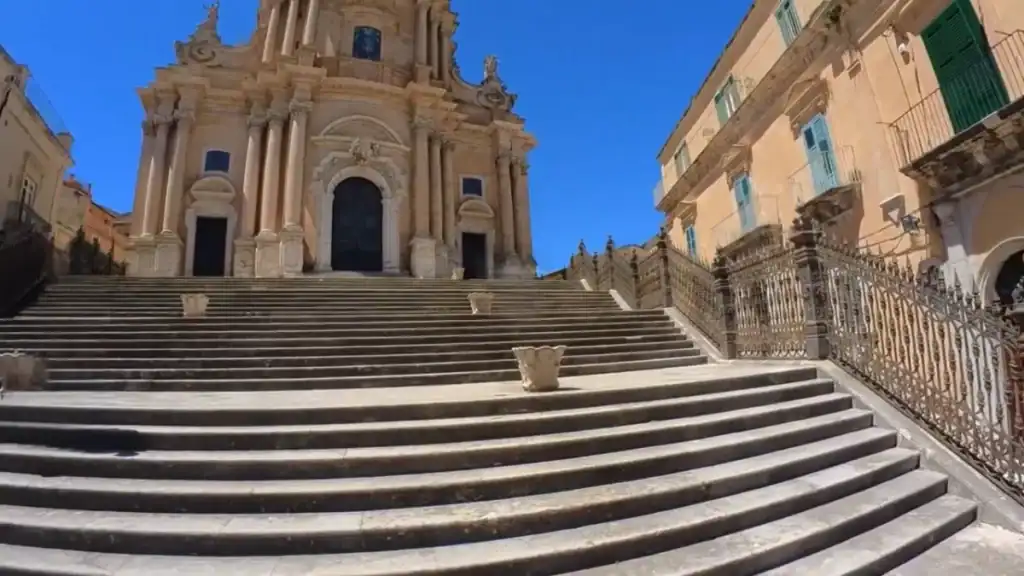
The Piazza del Duomo is where most visitors begin, and the Cathedral of San Giorgio is the dominant presence. What most people miss is a small architectural decision: the dome doesn’t sit directly behind the facade. It appears behind the bell tower, visible only from certain positions. Walk a few steps in either direction and the relationship between the two elements shifts noticeably. It’s worth pausing long enough to notice.
The piazza itself is uneven underfoot throughout, with stone steps and sloped surfaces. Comfortable shoes matter from the start, not just for the Cathedral of San Giorgio but for everything that follows. The cafes on the far side of the square work well for a pause.
The Giardino Ibleo
At the edge of the old quarter, the Giardino Ibleo dates from 1858 and sits above a steep drop into the valley. It’s well kept without feeling managed. Dogs on leads are welcome, worth knowing if you’re travelling with one.
The garden isn’t a major attraction in the conventional sense, but it offers something the busier parts of Ibla don’t: somewhere to sit without feeling like you’re in the middle of a staging area for the next group photograph. Arriving in the evening, when the light is low and the day-trip coaches have gone, gives a different quality of experience to arriving mid-morning.
Fornace Penna: The Site Most Visitors Skip
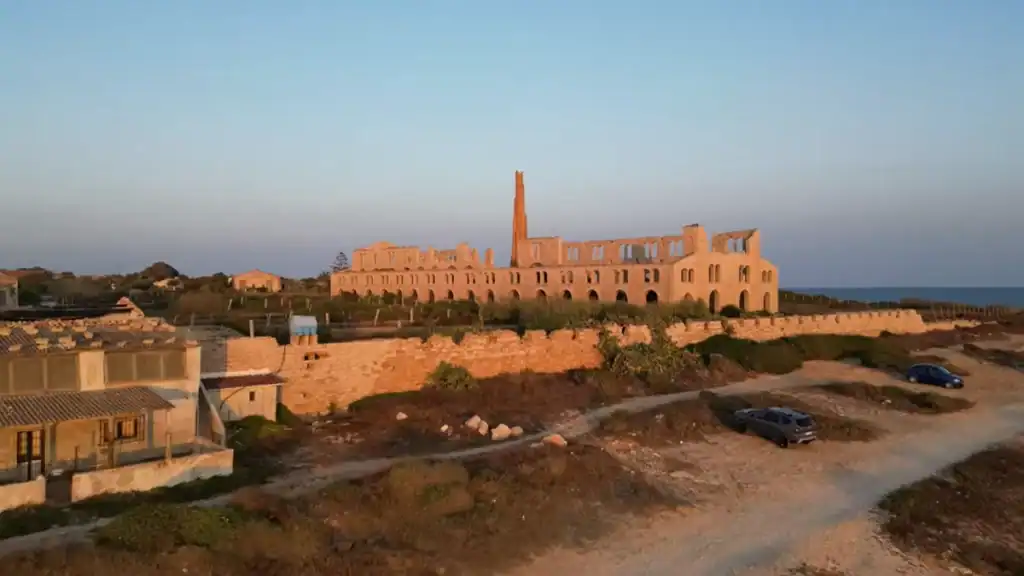
Fornace Penna sits just outside the old town, down a track that looks trivial on a map and less so in person. Built between 1909 and 1912 for the Penna family, the brick kiln is large enough to surprise on arrival. The stonework is detailed in a way that suggests the building was constructed to last and then simply abandoned.
A young man appeared carrying fresh asparagus on our visit and described tunnels running beneath the site, now sealed as unsafe. A railway siding may once have served the kiln for loading, though nothing remains. Sturdy footwear is essential. The site is not signposted or curated, and that is most of the point.
It isn’t suitable for everyone. But for visitors interested in industrial archaeology or simply in seeing something that hasn’t been prepared for consumption, Fornace Penna is a more lasting memory than another church interior.
The Beaches of the Ragusa Area
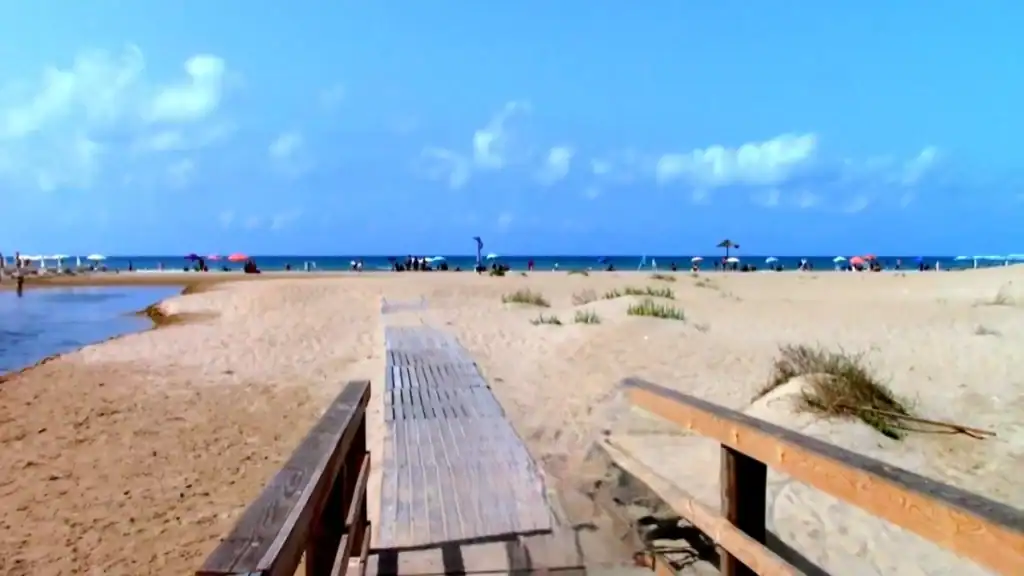
The coast of Sicily south of Ragusa is consistently underestimated by visitors who focus entirely on the baroque towns. The beaches here are among the clearest in the Mediterranean, and in lower season they are genuinely quiet.
Marina di Modica doesn’t appear in most itineraries, which is part of why it works. Low-rise houses, dunes, and crystal-clear water visible to the bottom from several metres up. Shore access is straightforward, though the rocks and small caves along the coastline require careful footing beyond the main beach area. The camper parked above a small cave when we visited added to the casual, lived-in quality of the place.
The province of Ragusa offers a string of coastal villages that serve different kinds of visitors. Understanding which suits you saves time.
Sandy Beaches and Shallow Water: Families With Children
Donnalucata and Santa Maria del Focallo both have wide sandy beaches and shallow entry, making them well suited to families with children. The water is calm compared to the rockier stretches further along the coast, and both have a promenade with bars and seafood restaurants nearby.
Cava d’Aliga is smaller and less developed, with the kind of fishing village atmosphere that changes quickly once a place gets noticed. Beach volleyball is played on the main beach in summer.
Scoglitti has a working port alongside the beach, which gives it a different character from the purely resort-oriented villages. Watching fishing boats come in while eating lunch nearby is the kind of activity that doesn’t need to be planned in advance.
Rocky Coastline and Quieter Swimming
Sampieri has a beach backed by the ruins of an old brick factory and one of the more unusual coastal landscapes in south-east Sicily. The combination of sandy beach and industrial ruin attracts a specific kind of visitor and repels another, which keeps it at a manageable size.
Punta Secca is best known internationally as the location of Inspector Montalbano’s house, used in the long-running Italian television series. The village itself is small. The house attracts a steady stream of visitors who pose for photographs outside it, which tells you something about the reach of Italian television drama across Europe. Beyond the Montalbano connection, Punta Secca has a lighthouse, a small beach, and a genuinely unhurried pace.
Donnafugata, known primarily for its castle further inland, has a coastal stretch that sees very little organised tourism. Getting there requires a car.
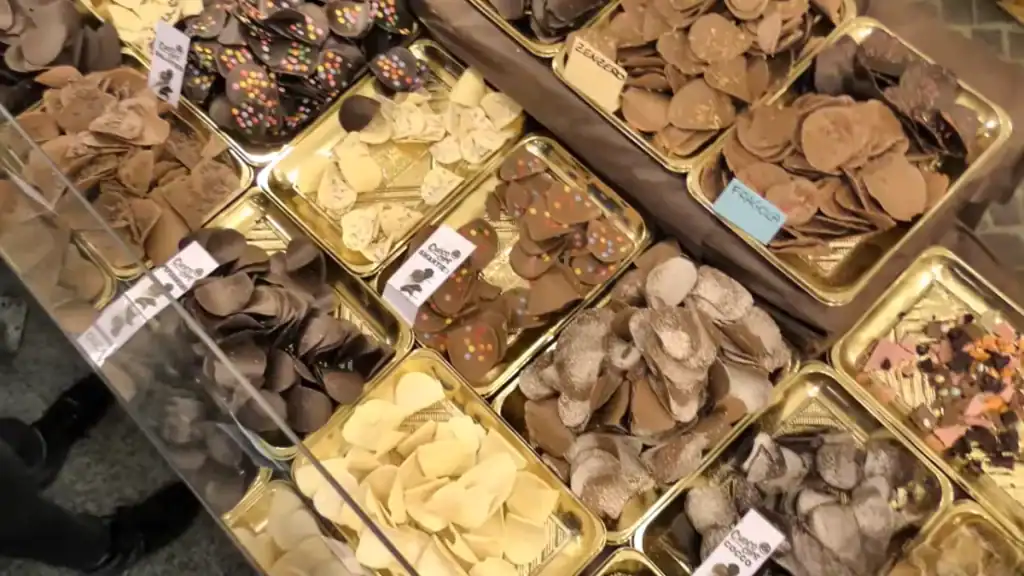
The Chocolate of Modica: What Makes It Different
The cioccolato di modica is not the same product as conventional European chocolate. Understanding why helps explain why people travel specifically to buy it.
Cold-processed and made without milk, butter, or oil, Modica chocolate retains granulated sugar that never fully integrates into the cocoa mass. The result is a grainy texture and sugar crystals that dissolve slowly, releasing flavour in a way that smooth-processed chocolate doesn’t. The process of making it derives from Aztec methods brought to Sicily via the Spaniards during the period of Spanish rule. The technique was preserved here long after it disappeared elsewhere.
The chocolate is made in bars rather than moulded confections, and the flavours extend well beyond basic dark chocolate. Chilli, pistachio, citrus, carob, and pairings with local wine such as Nero d’Avola are all common. A salted version recognised at Vinitaly is worth seeking out. The range in quality between producers is real. Buying from a dedicated chocolate shop rather than a general pastry shop usually makes a difference to what ends up in your bag.
The cioccolato di modica holds PGI status, a protected geographical indication confirming that authentic Modica chocolate can only be produced within the municipality. That protection matters because imitation products are sold across Sicily under similar branding.
The Museo del Cioccolato and the History of Chocolate
The Museo del Cioccolato in Modica covers the history of chocolate from its pre-Columbian origins through to the specific development of the Modica tradition. It’s a useful starting point if you want context before visiting chocolate shops, though the exhibits work better when you’ve already tasted the product and have questions you want answered.
The connection between the Aztec process, the Spanish colonial period, and the specific conditions that preserved the technique in Modica rather than elsewhere is genuinely interesting. The museum handles this reasonably well without overwhelming visitors who came primarily to eat chocolate rather than study it.
Getting Around Modica: Modica Alta and Modica Bassa
The town of Modica is divided vertically. Modica Bassa, the lower town, sits in the valley. Modica Alta climbs hard above it, connected by staircases that are unambiguous about the effort required.
Lower Modica holds most of the chocolate shops, the main corso, and the easier parking. The chiesa of San Pietro stands in Modica Bassa, its wide baroque staircase one of the most photographed spots in town. Modica Alta rewards the climb with a different quality of view: rooftops stacked at angles that shouldn’t quite work, the valley dropping away below, and far fewer visitors at any given moment.
What’s Worth the Climb
The Castello dei Conti sits above Modica Alta and is visible from much of the lower town. The Palazzo della Cultura and the Museo Civico are both in the upper town and give more context for the area’s history than most visitors realise is available.
Carry water. Take the staircases at a measured pace. The view back down over Modica from the terrace near the top justifies the effort in a way that photographs rarely capture accurately.
Garages are cut directly into the rock face, sized for the smaller cars of an earlier era. Building walls merge with the hillside rather than sitting against it. The physical relationship between the town and its terrain is part of what makes Modica different from a baroque town built on flat ground.
Getting to Modica
Modica sits roughly 15 kilometres from Ragusa in the province of Ragusa. It’s reachable by train from Siracusa and Catania, though the station sits below the town and requires a walk or short taxi ride to reach either Modica Bassa or Modica Alta. Driving gives more flexibility, particularly if you plan to combine Modica with the coast or with nearby Scicli, which is worth a half-day. Parking near the better-known chocolate producers can complicate a Sunday visit.
When to Visit and What Changes by Season
Sicily in November is quieter than the promotional version of the island plans for, and more persistent in the details it leaves behind. The Mediterranean is cooler than in summer but not cold by northern European standards. Swimming impulsively rather than deliberately is possible well into autumn, which shifts the rhythm of a coastal day entirely.
The summer chocolate festival in Modica brings significant crowds to a town that has limited space to absorb them comfortably. If your primary interest is in buying and tasting chocolate without navigating a festival atmosphere, visiting outside the peak summer period makes the experience more straightforward.
Beaches along the Ragusa area coast are busy from late June through August and nearly empty in autumn and early spring. The baroque towns are worth visiting year-round. Ragusa Ibla in particular changes character by season in ways that are harder to predict than the coastal resorts. Day-trip pressure from Catania and Siracusa peaks in summer and drops sharply in autumn, which affects the experience of the piazza and the streets immediately around the Cathedral of San Giorgio more than anywhere else.
Where to Stay in the Ragusa Area
Staying in Ragusa Ibla rather than in the upper town puts you inside the baroque quarter after the day-trippers leave. The atmosphere in the early evening and again first thing in the morning is significantly different from what you experience between 10am and 4pm. A B&B within walking distance of the Piazza del Duomo gives access to both those windows.
Modica has a smaller range of places to stay than Ragusa. A B&B in Modica Bassa suits visitors who want easy access to the chocolate shops and the main corso. Modica Alta is quieter and better for those who want to be further from the busiest part of the town centre. Vacation homes in both towns are increasingly available and make sense for longer stays.
The coast offers a completely different proposition. Rental accommodation in Donnalucata, Cava d’Aliga, or Santa Maria del Focallo works well as a base for beach days combined with day trips inland to Modica and Ragusa. The drive between the coast and either baroque town is under 30 minutes in most cases.
Scicli, which lies between Modica and the coast and is itself a UNESCO-listed baroque town, is often overlooked as a base. It’s quieter than either Ragusa or Modica, the Palazzo Polara and the Carmine church are genuinely impressive, and access to both the inland towns and the beaches is straightforward.
Further Resources
Watching Ragusa From the Valley: A First Arrival Perspective
The 1693 earthquake and Ragusa’s history
Marina di Ragusa and the coast
Modica and Ragusa baroque chocolate guide
Capo Cipollazzo to Ragusa Ibla: A Sicily Road Trip
Between Cappuccinos and Clifftops: Settling Into Ragusa
Discovering Ragusa Ibla: Stairways, Squares and Hidden Corners