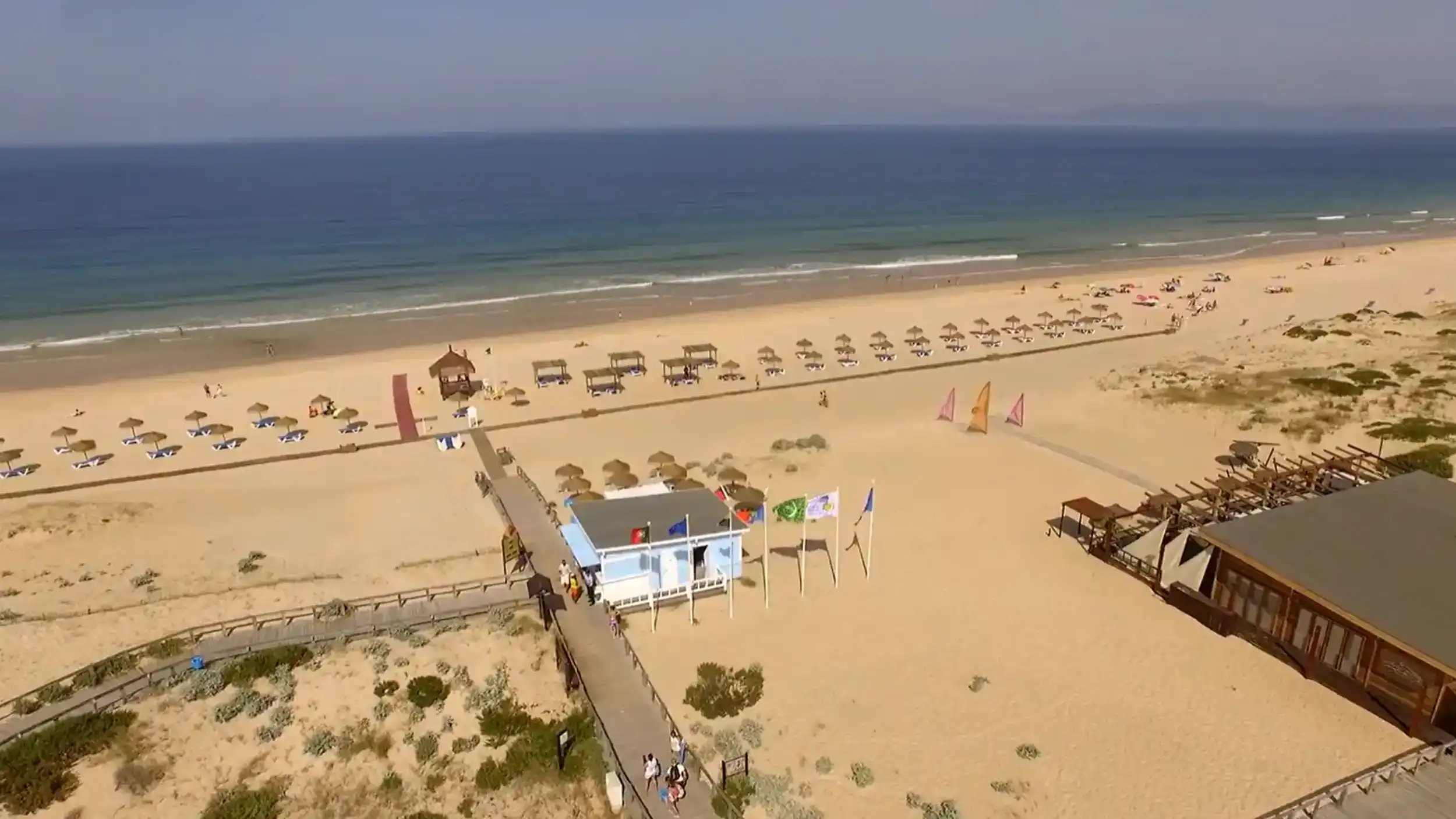
Comporta village is surprisingly compact. What many visitors expect to be a bustling seaside town is actually a quiet collection of whitewashed streets, boutique shops and cafés that can easily be explored in fifteen minutes.
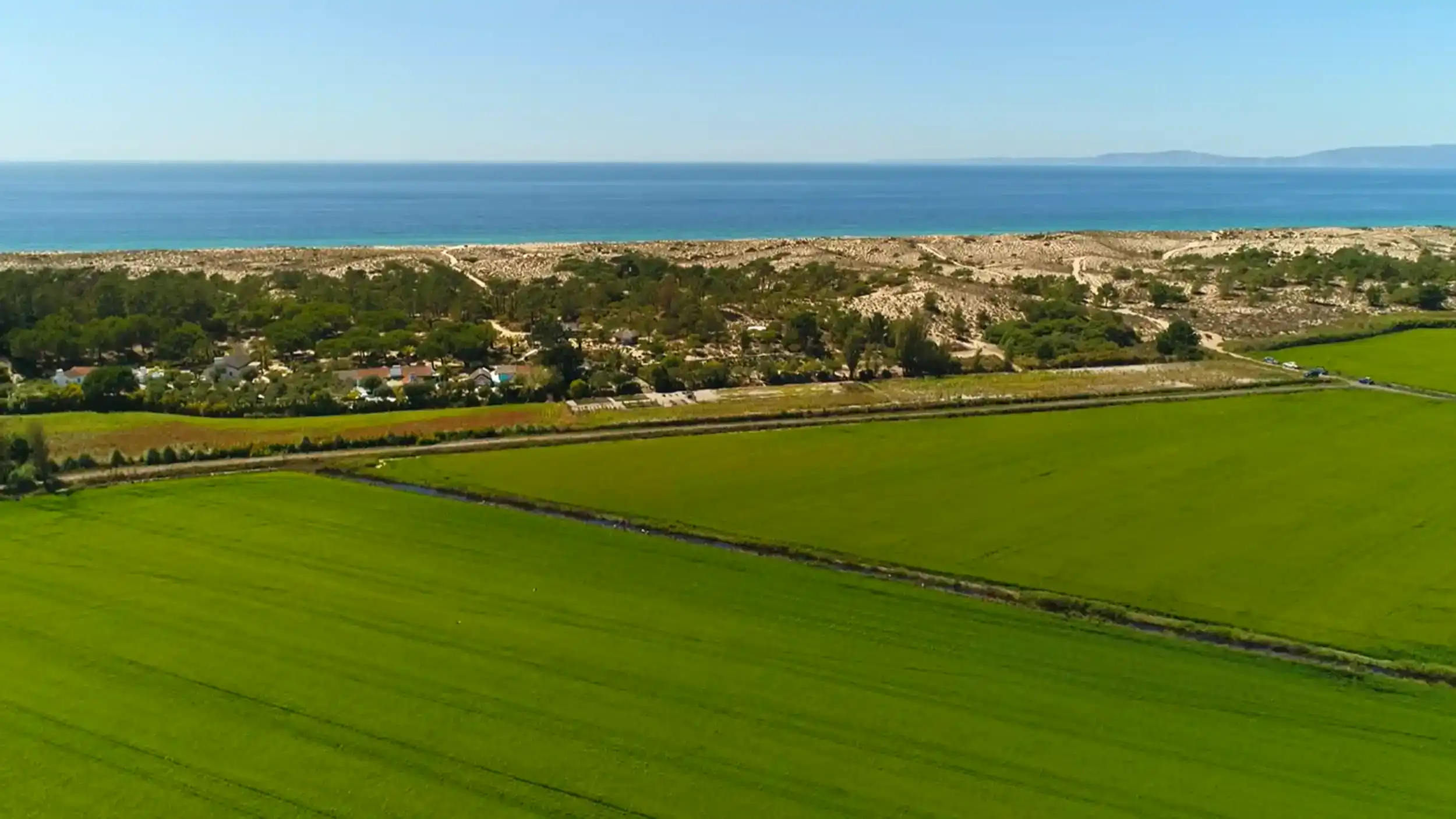
That modest scale is part of its appeal. Comporta village sits around two kilometres inland from the Atlantic, separated from the beach by rice fields and pine forest, making it feel more like a relaxed rural community than a traditional coastal resort.
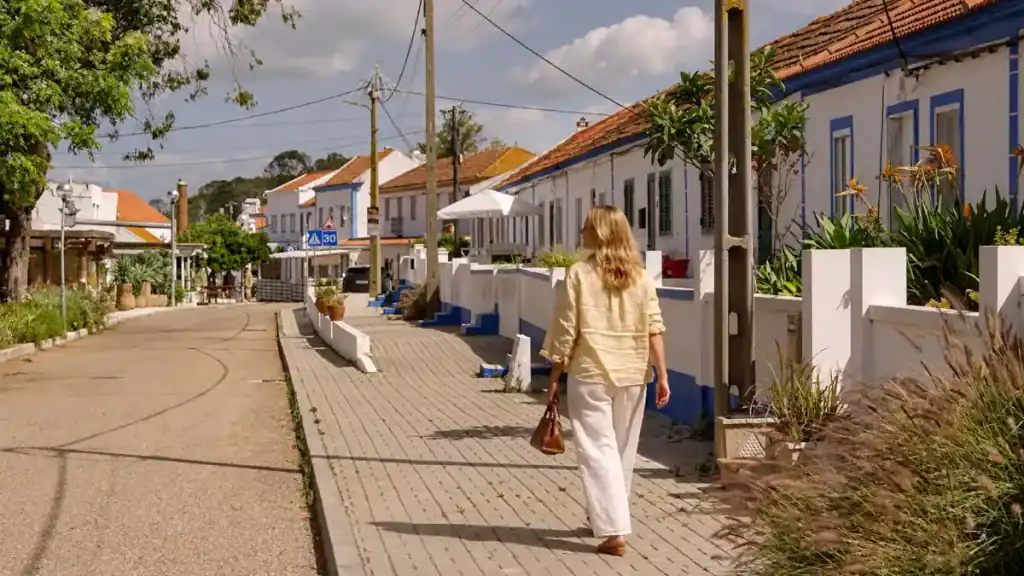
🏡 What Comporta Village Actually Is
Comporta village isn’t a beach resort. It sits slightly inland, surrounded by rice fields and pine forest, with no promenade, harbour or sea views. Instead, it is a compact village of whitewashed buildings, sandy lanes and carefully preserved architecture that reflects both its agricultural roots and its modern reputation as one of Portugal’s most stylish destinations.
Comporta Village and the Beach
One detail catches out many first-time visitors.
| Feature | What to expect |
|---|---|
| 🏡 Village centre | Small enough to explore in around 15 minutes |
| 🌾 Inland setting | Surrounded by rice fields and pine forest |
| 🏖️ Beach | Around 2 km away across the dunes |
| 🛍️ Atmosphere | Boutiques, cafés and relaxed streets |
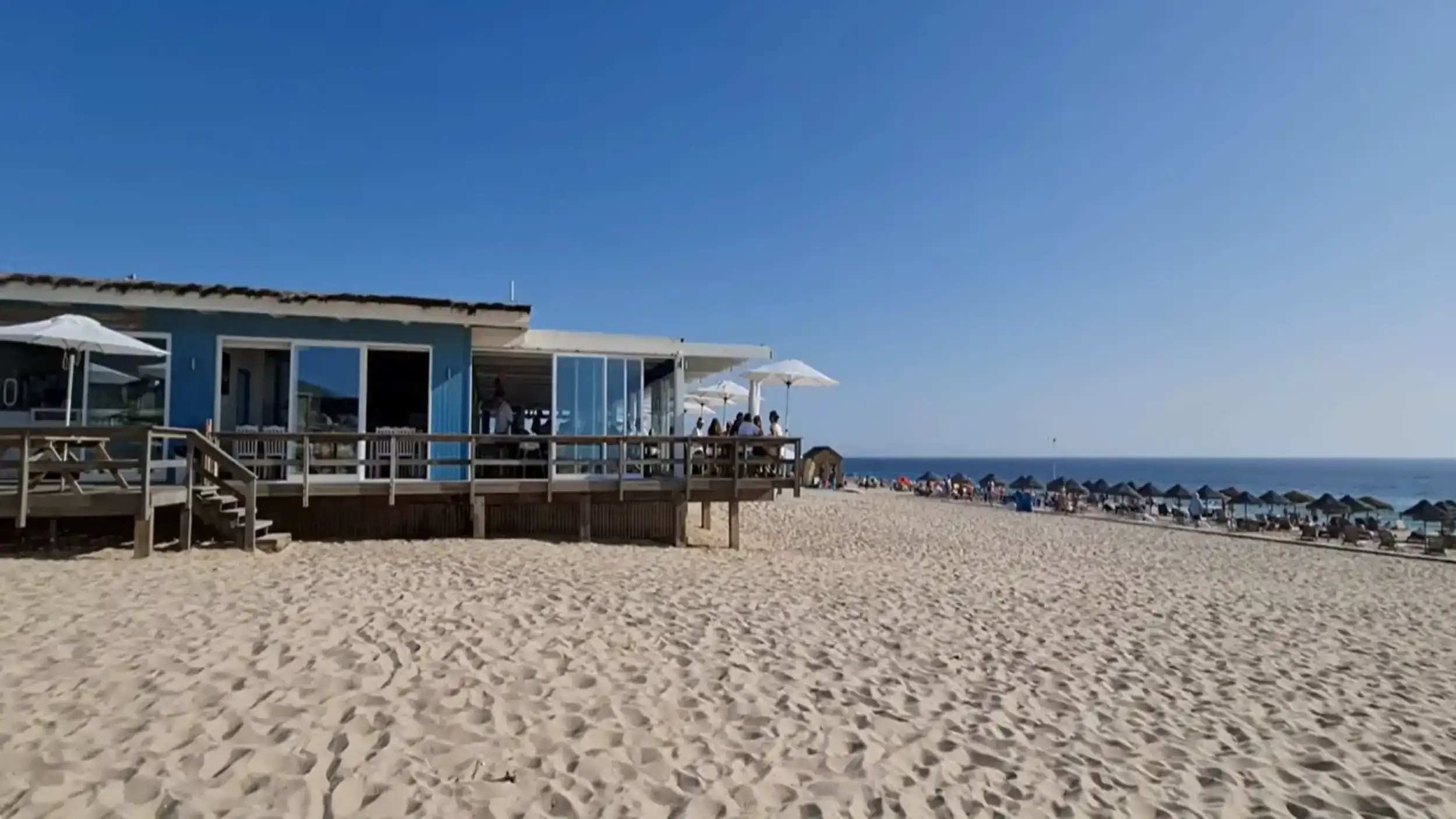
Comporta village and Praia da Comporta are separate places. Reaching the beach means driving or walking through the rice fields and dunes, making it worth planning your day around both rather than expecting everything to be in one location. Visitors wanting to understand that wider landscape will find The Comporta Coast explains how the village fits into the seven connected communities that make up the region.
A Carefully Preserved Character
Although tourism has transformed the village’s profile, its appearance remains remarkably consistent.
Much of that continuity comes from the long influence of the Herdade da Comporta estate, which shaped development across the surrounding landscape. The result is a village that feels intentionally restrained, where low-rise buildings and natural materials reinforce an atmosphere that is very different from Portugal’s larger coastal towns.
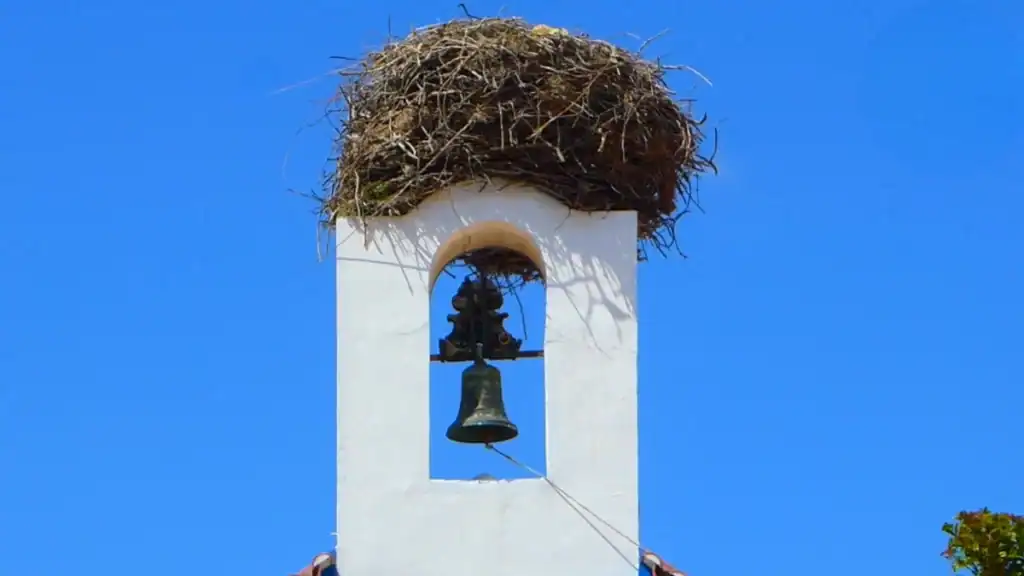
🕊️ The Storks Above the Rooftops
The storks are the feature most visitors remember after leaving Comporta village. Their enormous nests perch on church towers, electricity poles and rooftops, creating a constant reminder that wildlife remains woven into everyday life here rather than confined to nature reserves.
Storks in Comporta Village
The birds are present throughout much of the year, although their behaviour changes with the seasons.
| Season | What to expect |
|---|---|
| 🌱 Spring | Nest building, courtship and loud bill-clacking |
| ☀️ Summer | Adults and young birds around the nests |
| 🍂 Autumn | Fewer active nests but regular sightings |
| 📸 All year | Excellent photo opportunities around the village |
During spring, the nests become particularly lively as pairs return, raise chicks and communicate with the distinctive clattering of their bills. By summer, activity settles into a calmer rhythm, but the birds remain one of the defining sights of Comporta village, often standing motionless above the whitewashed buildings below.
More Than a Photo Opportunity
The storks help explain why the village feels so closely connected to the surrounding landscape.
They feed across the nearby rice fields, wetlands and estuary before returning to their nests above the rooftops, linking the village with the wider environment that supports them. Visitors interested in that relationship will also enjoy Comporta Rice Fields, where flooded paddies and irrigation channels provide some of the birds’ most important feeding grounds.
🚶 What to Do in Comporta Village
Comporta village isn’t a place for ticking off attractions. It rewards wandering without much of a plan, browsing independent boutiques, lingering over coffee and simply absorbing the relaxed pace that has made the village so well known.
Exploring Comporta Village on Foot
Everything is within easy walking distance.
| Experience | What to expect |
|---|---|
| ☕ Cafés | Relaxed terraces for coffee and light lunches |
| 🛍️ Boutiques | Fashion, homeware, ceramics and local products |
| ⛪ Village church | Whitewashed landmark beneath the storks’ nests |
| 🍽️ Restaurants | From casual cafés to destination dining |
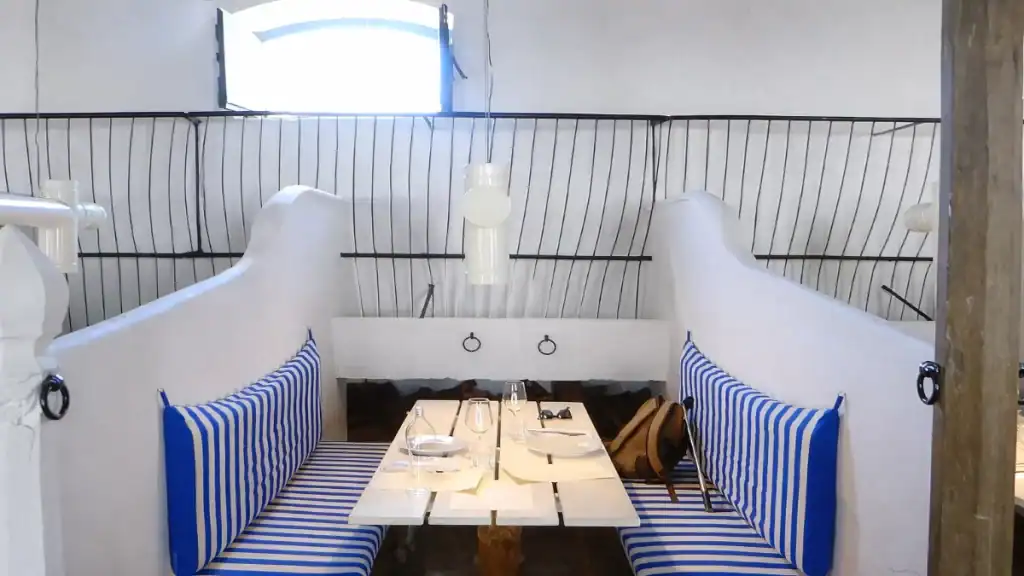
Most visitors spend around two hours exploring Comporta village at an unhurried pace. The emphasis is on atmosphere rather than sightseeing, with cafés and small independent shops replacing museums, galleries or major landmarks. Restaurant Cavalariça has become one of the village’s best-known dining spots, while several smaller cafés provide quieter alternatives.
Beyond the Village Centre
Although the village itself is compact, it works best as the starting point for exploring the surrounding area.
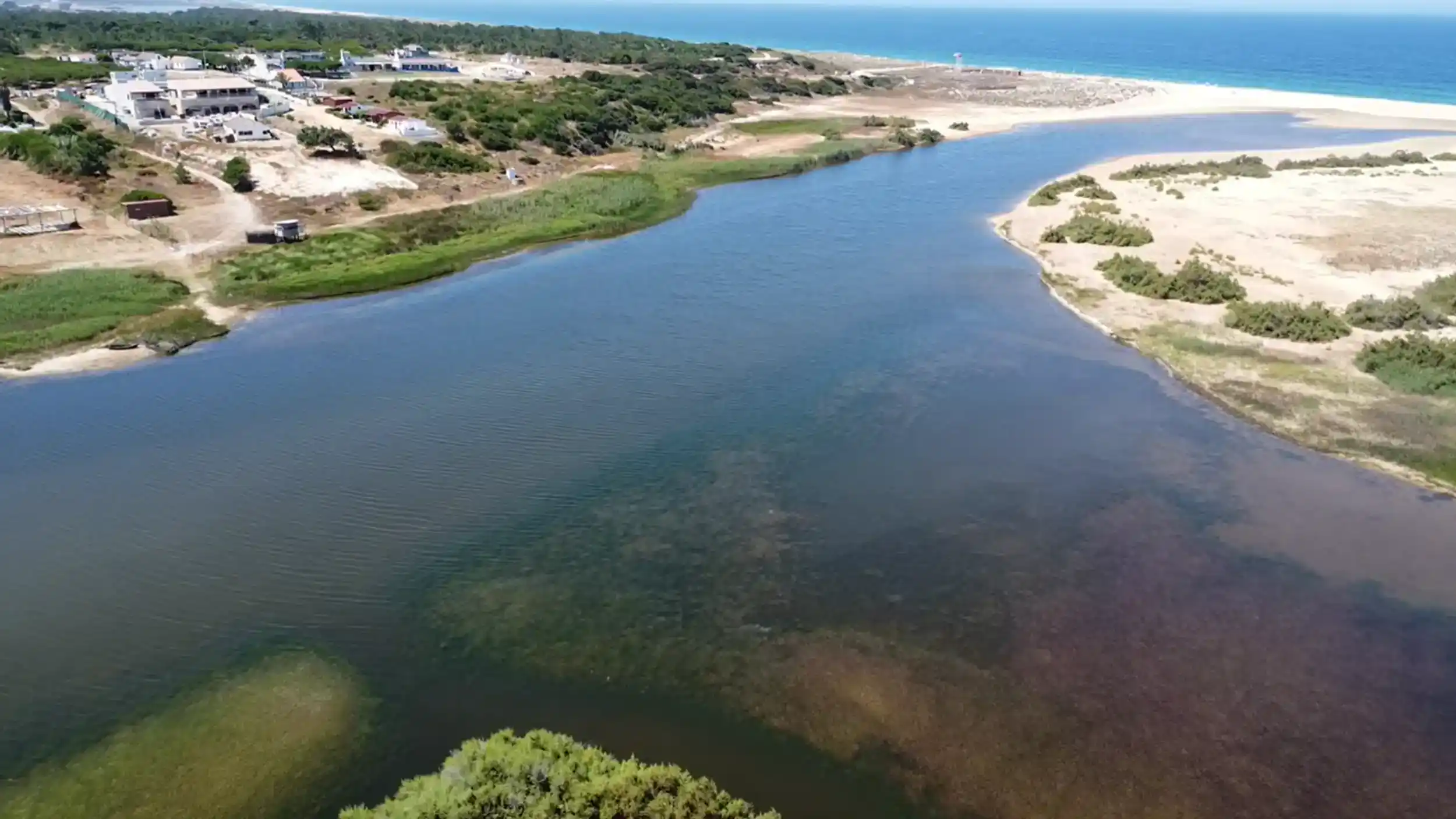
A short drive leads to beaches, rice fields and estuary landscapes that give the village its wider context. Visitors heading out afterwards will find Carrasqueira Palafitic Pier offers one of the most distinctive experiences on the coast, combining traditional fishing heritage with the wetlands of the Sado Estuary.
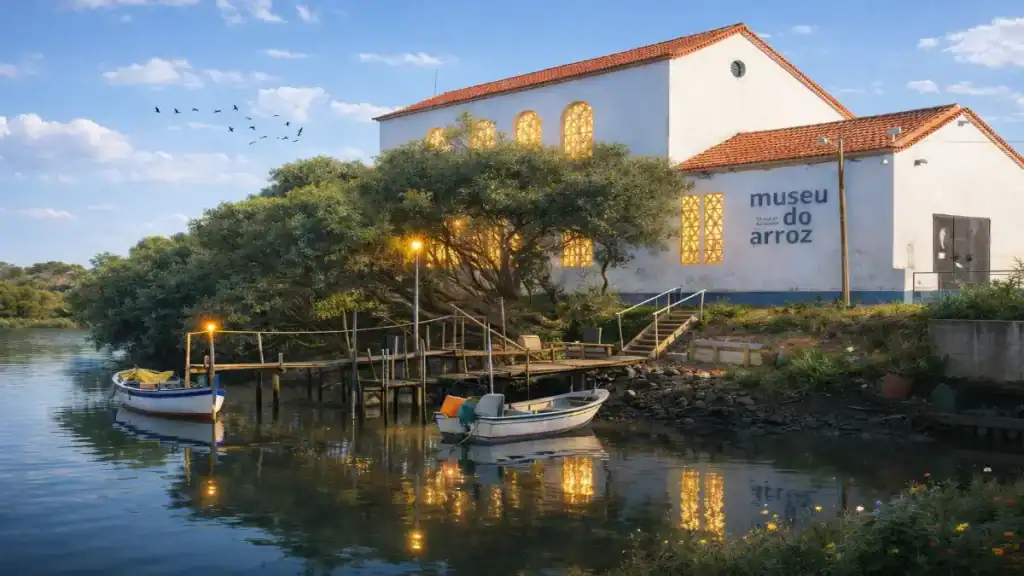
🏛️ The Museu do Arroz
The Museu do Arroz gives Comporta village the historical context that the streets alone cannot provide. Housed in a restored rice-husking factory dating from 1952, it explains how agriculture shaped both the village and the wider landscape long before tourism arrived.
Visiting the Museu do Arroz from Comporta Village
The museum is small but rewarding.
| Feature | What to expect |
|---|---|
| 🏛️ Former rice factory | Restored industrial building from 1952 |
| 🌾 Agricultural history | Machinery, tools and local heritage |
| 🍽️ Restaurant | Terrace overlooking the surrounding landscape |
| ⏱️ Visit time | Around one hour |
Inside, original machinery and displays explain the importance of rice cultivation across the Herdade da Comporta estate. The museum doesn’t take long to explore, but it provides valuable insight into why the surrounding landscape looks the way it does today.
Understanding the Landscape
For many visitors, the museum changes how they see the rest of the region.
After learning about the area’s agricultural history, the surrounding paddies, canals and villages take on a new meaning. Continuing afterwards to the Comporta Rice Fields makes it much easier to appreciate how the working landscape continues to define the character of Comporta village today.
👥 Who Comporta Village Suits
Comporta village isn’t designed around constant activity or major attractions. Its appeal comes from slowing down, enjoying good food, browsing independent shops and appreciating a landscape where style and simplicity coexist. Visitors expecting a lively resort often leave wondering what all the fuss is about, while those seeking atmosphere usually understand the appeal within a few hours.
Who Will Enjoy Comporta Village Most?
Different travellers tend to have very different experiences.
| Visitor | Why it suits them |
|---|---|
| ☕ Slow travellers | Relaxed cafés and unhurried streets |
| 🍽️ Food lovers | Excellent restaurants despite the village’s size |
| 📸 Photographers | Whitewashed buildings, storks and natural light |
| 🌾 Nature lovers | Easy access to beaches, rice fields and the estuary |
Many people use Comporta village as a base rather than the main attraction itself. A leisurely morning in the village followed by an afternoon at the beach or exploring the surrounding countryside creates a far more balanced experience than spending the entire day in the centre.
Seeing the Bigger Picture
Comporta village makes the most sense when viewed as one part of a much larger landscape.
The beaches, rice fields, estuary and neighbouring villages all contribute to the character that visitors associate with the area. Exploring The Comporta Coast afterwards helps place the village in context, showing how seven distinct communities combine to create one of Portugal’s most distinctive coastal regions.