Comporta worth visiting is a question that divides opinion more than almost anywhere else in Portugal. Some visitors leave convinced they’ve discovered one of Europe’s most beautiful stretches of coastline, while others wonder what justified the reputation in the first place.
The answer depends almost entirely on what you’re looking for. Comporta isn’t built around attractions, nightlife or busy resort life. Instead, it offers wide Atlantic beaches, rice fields, quiet villages and a slower pace that appeals to some travellers far more than others.
🌾 What the Landscape Actually Delivers for Anyone Asking if Comporta Is Worth Visiting
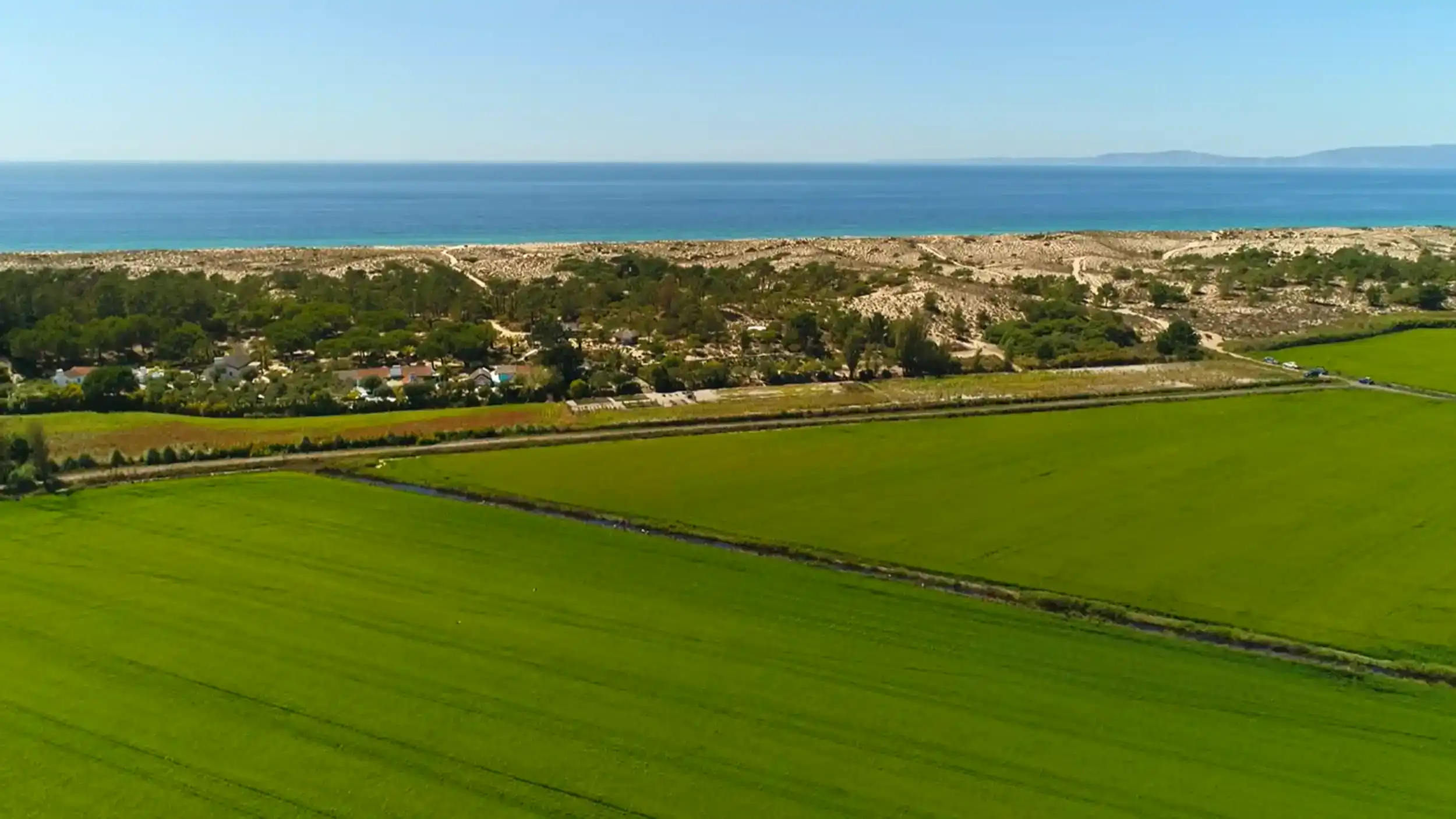
The landscape is the strongest reason why Comporta worth visiting continues to be such a popular question. Rather than famous landmarks or a long list of attractions, the coast offers a rare combination of Atlantic beaches, rice fields, pine forests and estuary wetlands that feels remarkably undeveloped for western Europe.

The Beaches That Make Comporta Worth Visiting
The beaches provide the region’s biggest attraction.
| Feature | What to expect |
|---|---|
| 🏖️ Atlantic coastline | Long, uncrowded sandy beaches |
| 🌾 Rice fields | Seasonal landscapes beside the coast |
| 🌲 Pine forests | Natural backdrop behind the dunes |
| 🌊 Sado Estuary | Wildlife-rich wetlands and calm waterways |
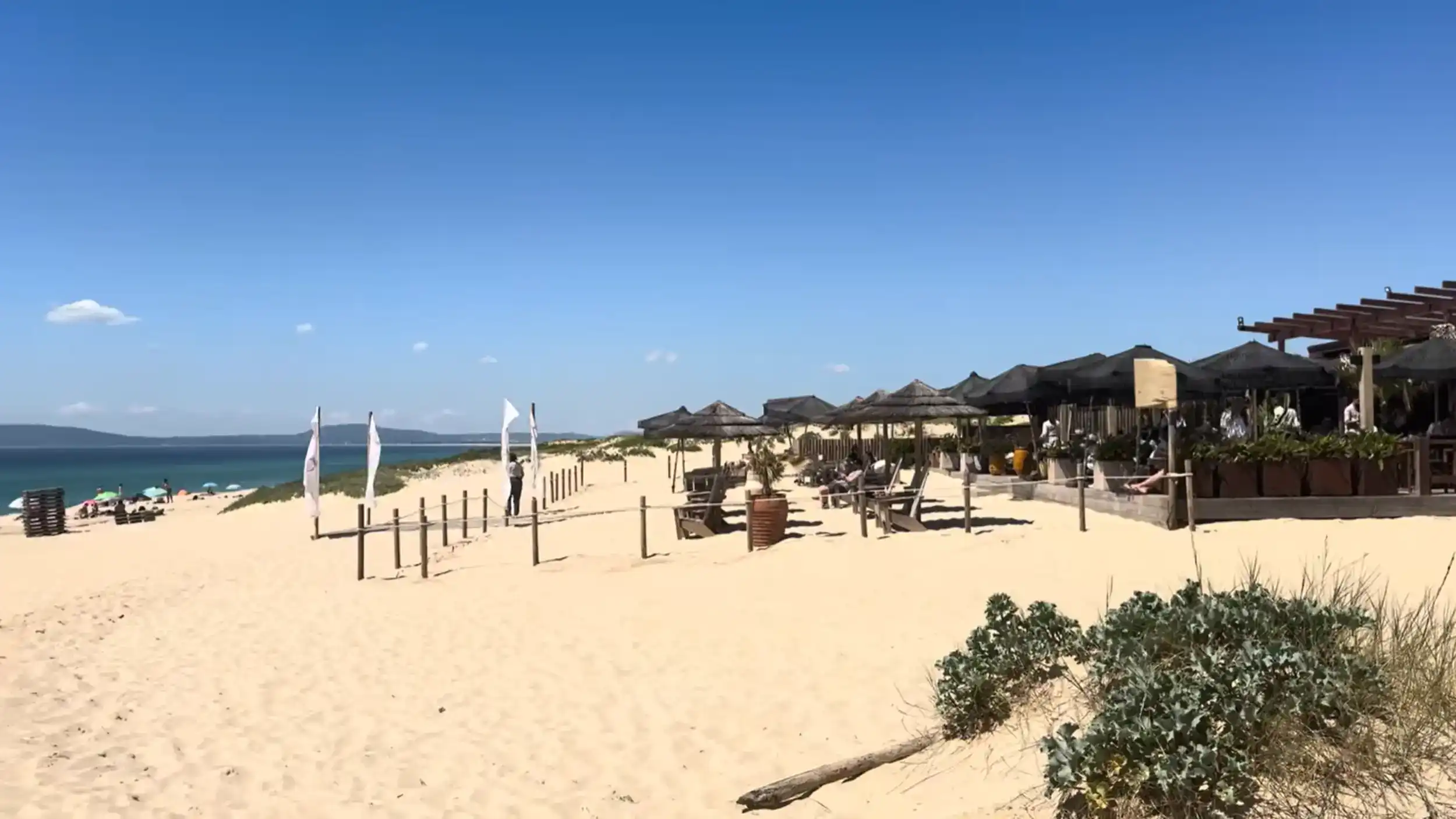
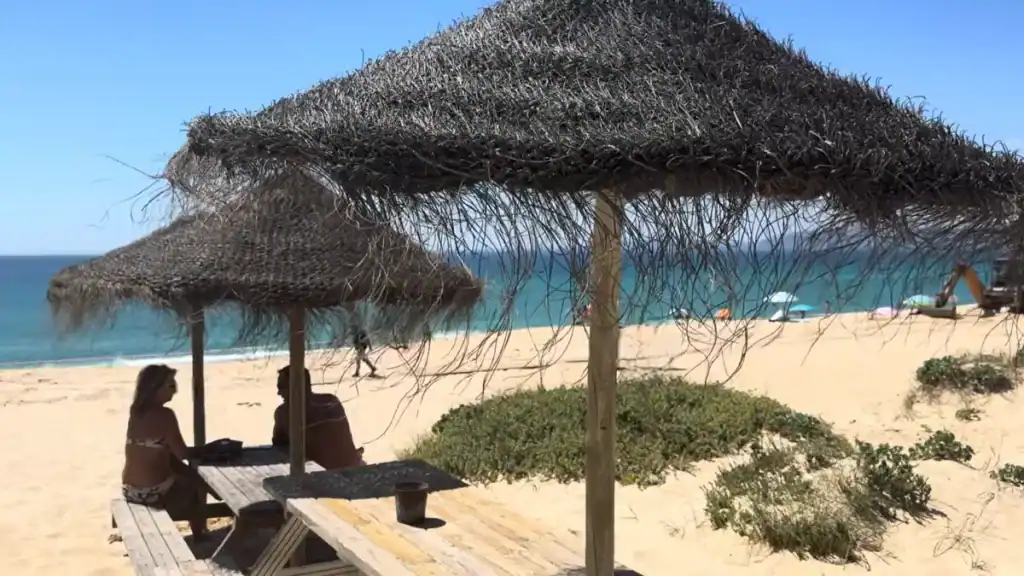
Wide beaches such as Praia da Comporta and Aberta Nova Beach stretch for kilometres with surprisingly little development behind them. Even during summer, a short walk away from the main access points often leaves plenty of open space, something that has become increasingly unusual along Portugal’s coastline.
The Landscape Beyond the Beaches Makes Comporta Worth Visiting
The beaches are only part of the experience.
Driving between villages reveals flooded rice fields, grazing storks and broad estuary views that change dramatically with the seasons. Exploring The Comporta Coast helps put these landscapes into context, showing how the beaches, wetlands and villages combine to create a destination that feels very different from Portugal’s better-known resort areas.
📰 The Gap Between Reputation and Reality of Comporta Worth Visiting
Comporta worth visiting has become a surprisingly difficult question because the destination now carries a reputation that often arrives before the visitor does. Magazine features, celebrity homeowners and social media have created an image of barefoot luxury that is only partly reflected in the experience on the ground.
How the Reputation Shapes Comporta Worth Visiting
The publicity tells only part of the story.
| Expectation | Reality |
|---|---|
| ✨ Luxury destination | 🌾 Quiet rural coastline |
| 🛍️ Glamorous village | 🏡 Small, understated settlement |
| 🍾 Constant buzz | 🌊 Long periods of calm outside summer |
| 📸 Celebrity hotspot | 🚗 Most visitors simply explore the coast |
The exclusive side of Comporta certainly exists, but much of it remains behind private estates, boutique hotels and reservation-only restaurants. Most visitors experience something far quieter: a modest village, uncrowded beaches and a landscape that feels surprisingly understated despite its international profile.

Does the Reputation Matter When Deciding if Comporta Is Worth Visiting?
Only if it creates the wrong expectations.
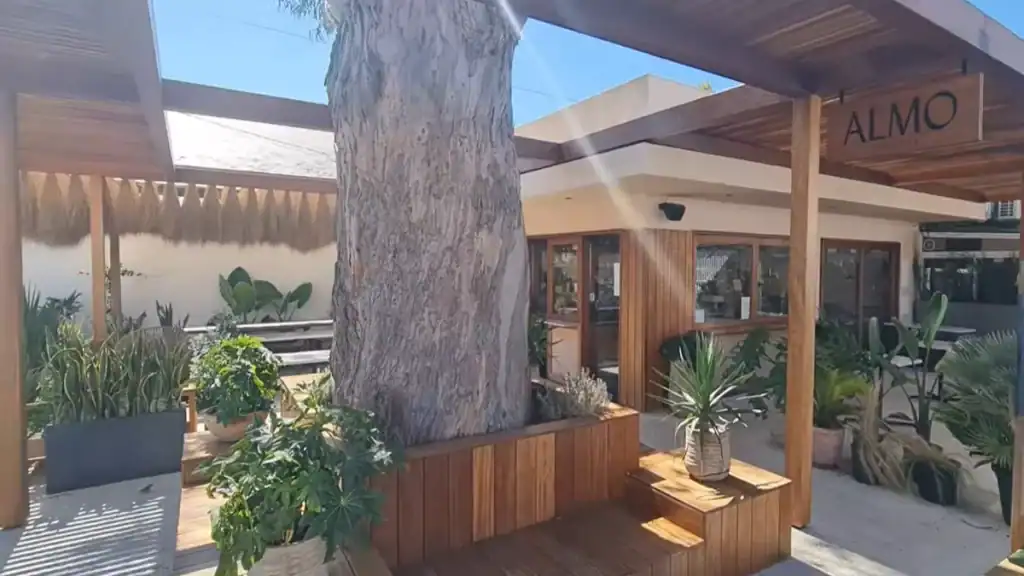
Visitors who arrive expecting a lively resort often leave disappointed, while those expecting peaceful beaches and beautiful scenery usually find exactly what they came for. Spending time in Comporta Village before exploring the surrounding coastline helps reveal the destination as it really is, rather than the version often portrayed in travel magazines.

🍷 The Village, the Food, and the Prices in Comporta Worth Visiting
For many travellers, the restaurants are one of the strongest reasons why Comporta worth visiting lives up to its reputation. The village itself is small, but it supports an unusually high standard of dining, with excellent seafood, Alentejo wines and stylish cafés concentrated within a few quiet streets.
Dining in Comporta Worth Visiting
The food is consistently good, but prices reflect the destination’s popularity.
| Experience | What to expect |
|---|---|
| 🍽️ Restaurants | High-quality seafood and local cuisine |
| 🍷 Wines | Strong selection of Alentejo wines |
| ☕ Cafés | Stylish but relaxed atmosphere |
| 💶 Prices | Higher than many Portuguese coastal towns |
Despite its size, Comporta Village has developed a dining scene that rivals much larger destinations. Booking ahead becomes essential during the summer months, especially for the best-known restaurants, where demand regularly exceeds the number of available tables.
Are the Prices Worth It in Comporta?
That depends on your expectations.
Accommodation, restaurants and boutique shopping generally cost more than elsewhere along the Alentejo coast. Visitors looking for outstanding value may find neighbouring Melides offers a more relaxed atmosphere while still providing access to many of the same beaches and landscapes.
👥 Who Finds Comporta Worth Visiting and Who Doesn’t
Whether Comporta worth visiting is the right choice depends far more on your travel style than your budget. Visitors who enjoy slowing down, spending hours on the beach and appreciating natural landscapes usually leave impressed. Those looking for sightseeing, nightlife or a packed itinerary often feel the destination offers too little.
Who Will Enjoy It?
The coast appeals most to a specific type of traveller.
| Traveller | Will they enjoy Comporta? |
|---|---|
| 🌊 Beach lovers | ⭐⭐⭐⭐⭐ Excellent choice |
| 📸 Landscape photographers | ⭐⭐⭐⭐⭐ Outstanding |
| 🍷 Food lovers | ⭐⭐⭐⭐ Great restaurants |
| 🎉 Nightlife seekers | ⭐ Limited appeal |
The destination rewards visitors who are happy with long beach walks, leisurely lunches and quiet evenings. Having a car is almost essential, as many of the region’s best experiences are spread across villages, beaches and estuary landscapes rather than concentrated in one place.
Is Comporta Worth Visiting Instead of the Algarve?
Not necessarily. The two destinations suit different holidays.
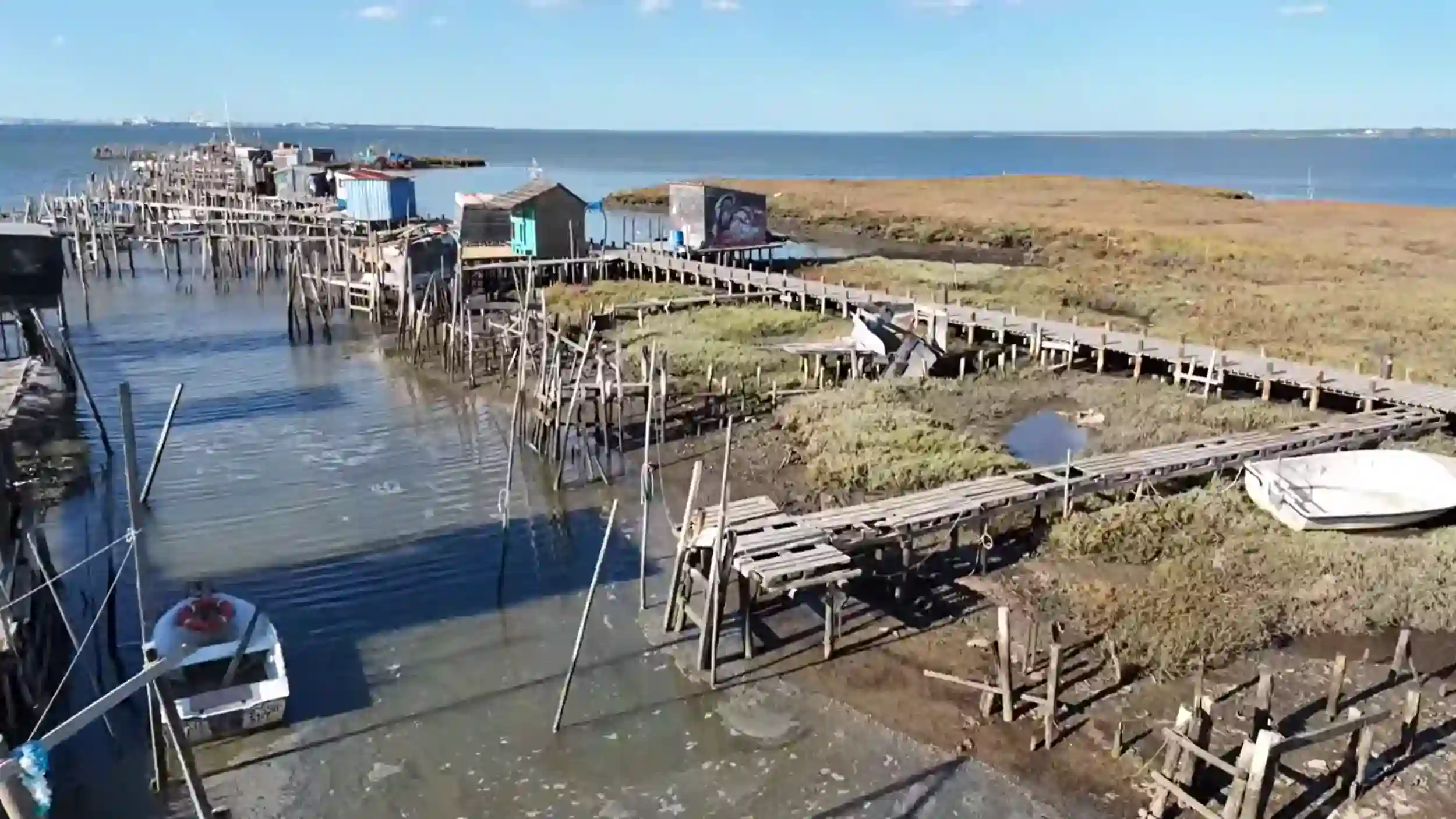
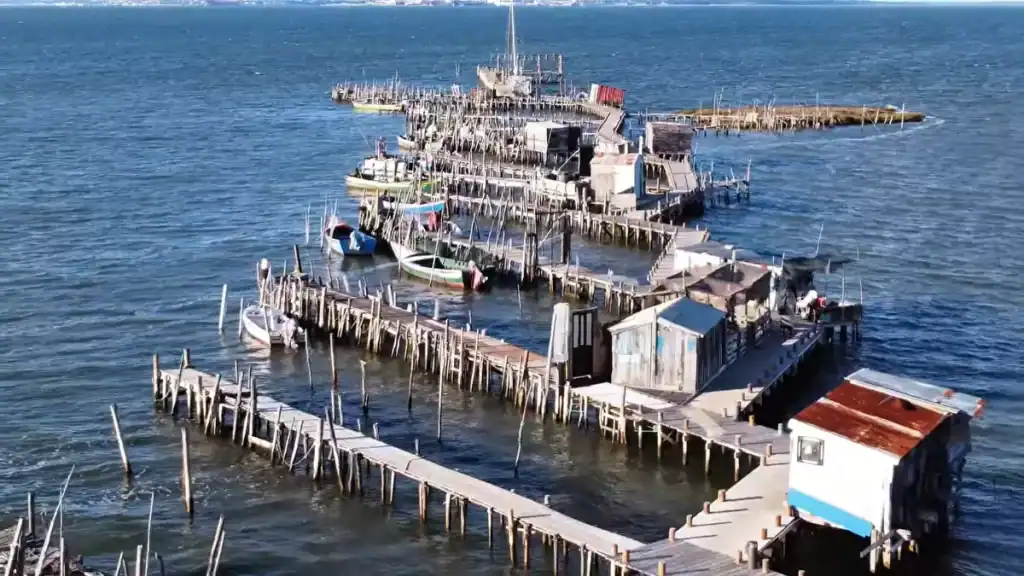
The Algarve offers more attractions, larger resorts and greater variety, while Comporta focuses on space, tranquillity and scenery. Visitors willing to explore beyond the village will discover places such as Carrasqueira Palafitic Pier and the Sado Estuary Dolphins, both of which add depth to a longer stay without changing the region’s relaxed pace.
🌤️ When Is Comporta Worth Visiting?
The best time for Comporta depends on what you want from the trip. The landscape changes noticeably through the year, with flooded rice fields in spring, lively beaches in summer and golden countryside during early autumn.
The Best Season for Comporta
Each season offers a different experience.
| Season | What to expect |
|---|---|
| 🌸 Spring | Flooded rice fields, wildflowers and quiet beaches |
| ☀️ Summer | Warmest weather, busiest beaches and highest prices |
| 🍂 Early autumn | Warm sea, golden rice fields and fewer visitors |
| ❄️ Winter | Peaceful coastline and dramatic Atlantic scenery |
April and May showcase the landscape at its freshest, with flooded paddies reflecting the sky and the beaches remaining largely uncrowded. July and August bring a livelier atmosphere, but advance booking becomes essential for accommodation and restaurants as visitor numbers peak.
Why Early Autumn Works
Many returning visitors favour September and October.
The Atlantic remains warm enough for swimming, visitor numbers begin to fall and the surrounding Comporta Rice Fields turn from vibrant green to rich shades of gold. Combined with quieter beaches and comfortable temperatures, it offers one of the most balanced times to experience the coast.

🌅 Melides and the Coast to the South of Comporta
Continue south to Melides. Although only fifteen kilometres away, the atmosphere changes noticeably, with fewer visitors, a more traditional Portuguese village and some of the quietest beaches on the Alentejo coast.
Why Visit Melides After Comporta?
The two destinations complement each other rather than compete.
| Comporta | Melides |
|---|---|
| 🛍️ Boutique village | 🏡 Traditional Alentejo village |
| 🍽️ Well-known restaurants | 🍷 More local atmosphere |
| 🏖️ Popular beaches | 🌊 Quieter stretches of coastline |
| 🌾 International reputation | 🌿 Lower visitor numbers |
While Comporta has become internationally recognised, Melides still feels more understated. The village sits beside a coastal lagoon, while nearby beaches remain remarkably undeveloped despite growing international attention. Visitors interested in the area’s quieter side will find Melides explains why it has become one of the coast’s most rewarding places to explore.

Is Comporta Worth Visiting Without Seeing the South?
You’ll understand Comporta, but not the wider coastline.
Continuing south reveals how the landscape gradually becomes even quieter and less developed. Beaches such as Aberta Nova Beach show that some of the coast’s most memorable scenery lies beyond the village itself, making the wider region feel far richer than a single stop alone.