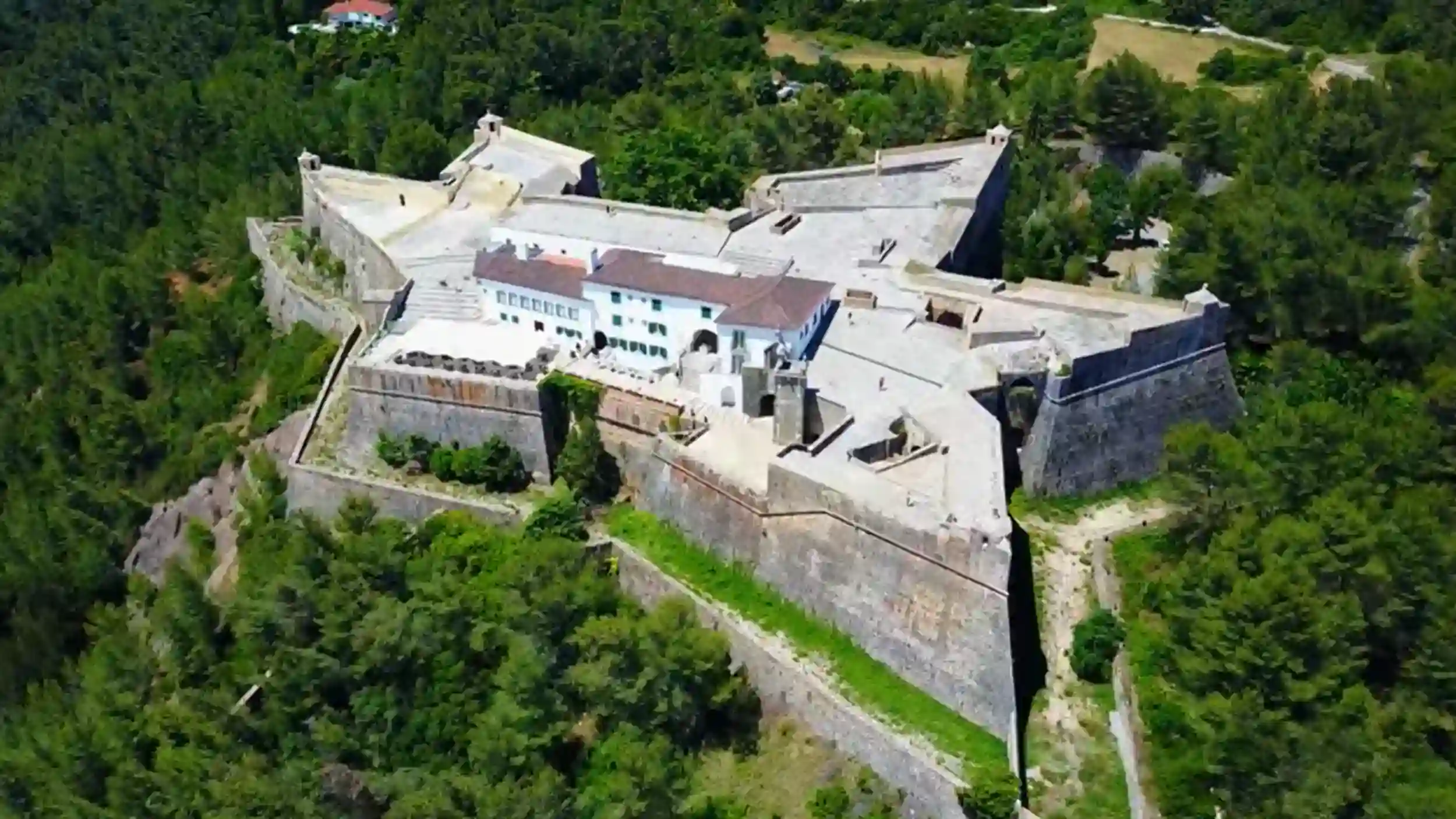
Setúbal is often treated as nothing more than the gateway to the Tróia ferry, while Palmela is overlooked completely. That means many visitors reach Comporta without ever seeing the mountains, castles and historic towns that explain how this landscape was formed.
Together, Setúbal and Palmela provide the missing inland perspective. They add elevation, history and dramatic viewpoints to a region otherwise defined by flat rice fields, estuaries and Atlantic beaches, making them a rewarding addition before continuing towards the Comporta Coast.
🌍 What These Two Places Actually Are in Setúbal
Setúbal and Palmela sit just north of the Sado Estuary, yet they feel completely different from the Comporta coast. While Comporta is defined by flat landscapes, beaches and rice fields, these neighbouring destinations introduce working waterfronts, hilltop castles and limestone mountains that reveal another side of the region.
How Setúbal and Palmela Complement the Comporta Coast
Each place offers something the other doesn’t.
| Destination | What it’s known for |
|---|---|
| ⚓ Setúbal | Working port, seafood and waterfront |
| 🏰 Palmela | Medieval castle and panoramic views |
| ⛰️ Serra da Arrábida | Limestone mountains and coastal scenery |
| 🌾 Comporta | Beaches, rice fields and estuary landscapes |
Setúbal is a busy port city where fishing, ferries and everyday life shape the atmosphere. Palmela, only a short drive away, occupies a ridge above the vineyards with commanding views across the Tagus, the Sado and the Atlantic. Together they explain the geography behind the quieter landscapes visitors encounter after crossing into Comporta.
Why Visit Setúbal Before Crossing to Comporta?
The inland landscapes provide valuable context before reaching the coast.
Instead of driving straight to the ferry, spending a few hours in Setúbal and Palmela makes the transition to the flatter coastal scenery far more meaningful. The scenic Lisbon to Comporta route naturally links all of these places into one memorable journey.
⚓ Setúbal: The Port Town at the Estuary’s Edge
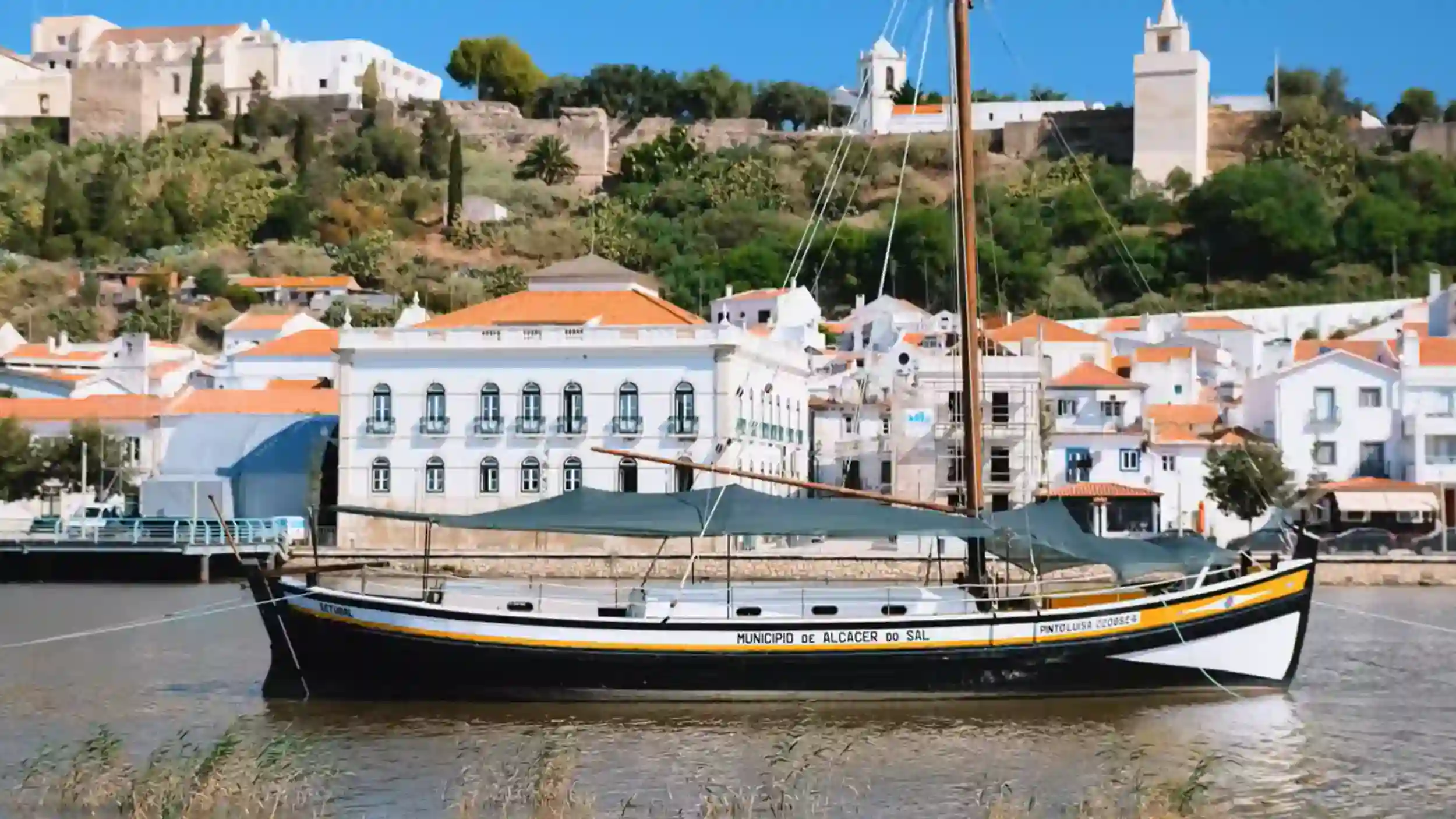
Setúbal is the largest town on the Sado Estuary and the natural gateway to the Comporta coast. Unlike many Portuguese seaside destinations, it remains a working port first and a tourist destination second, giving it an authenticity that becomes obvious as soon as you reach the waterfront.
Why Setúbal Feels Different
The city’s character comes from everyday life rather than carefully curated tourism.
| Feature | What to expect |
|---|---|
| ⚓ Working harbour | Fishing boats alongside leisure craft |
| 🐟 Seafood restaurants | Fresh fish grilled on the waterfront |
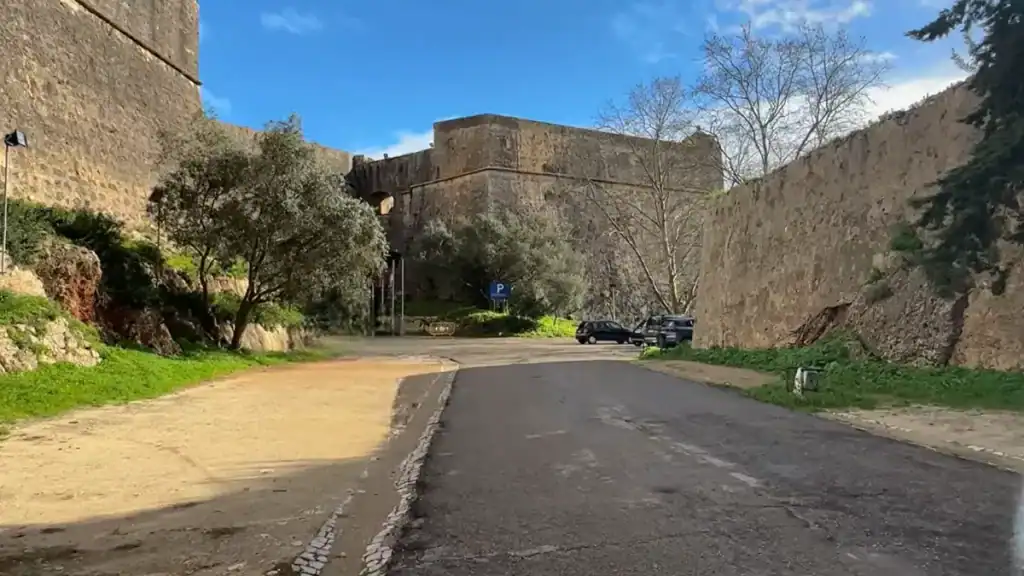
| 🏰 Fort of São Filipe | Historic fortress overlooking the estuary |
| 🛍️ Old town | Markets, churches and local shops |
Walking through Setúbal, you’ll find seafood restaurants beside the harbour, a lively covered market and streets that feel genuinely local rather than designed for visitors. Above the city, the Fort of São Filipe offers one of the finest viewpoints in the region, looking across the Sado Estuary towards the Tróia Peninsula and the coast beyond.
What to See First
If time is limited, begin at the fort before exploring the waterfront.
The elevated views help explain the geography of the whole region before you descend into the old town for lunch or a walk along the promenade. Travellers continuing south can then follow the Lisbon to Comporta route towards Serra da Arrábida and the Tróia ferry, making the journey itself part of the experience.
⛰️ Serra da Arrábida: The Ridge Between City and Sea in Setúbal
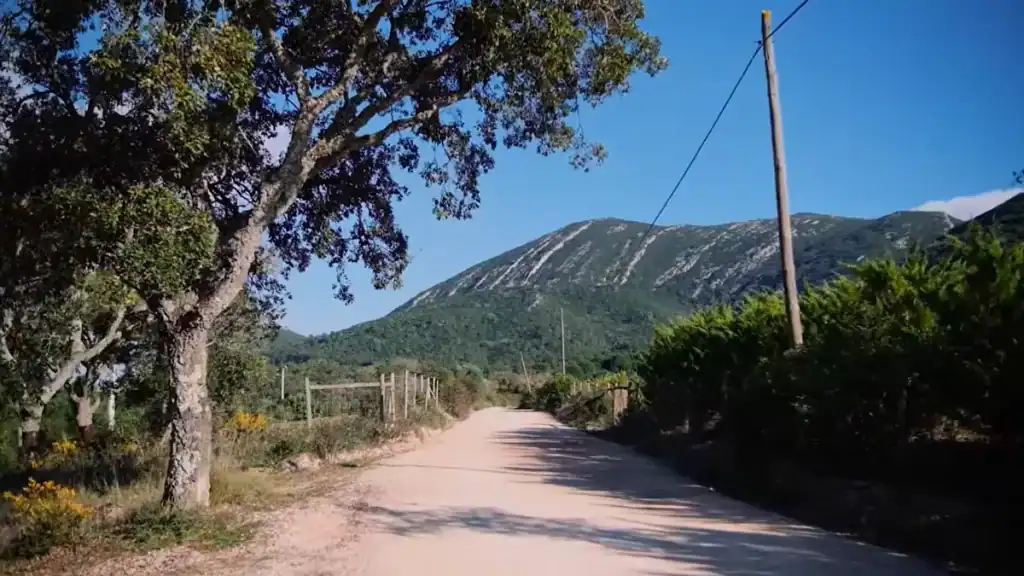
Serra da Arrábida is one of the biggest surprises for visitors exploring Setúbal. Rising immediately behind the city, this protected limestone ridge separates the busy waterfront from a coastline of hidden coves, pine forests and some of Portugal’s clearest Atlantic water.
Driving Serra da Arrábida
The ridge road is one of Portugal’s finest coastal drives.
| Feature | What to expect |
|---|---|
| ⛰️ Limestone mountains | Dramatic scenery above the Atlantic |
| 🌊 Coastal viewpoints | Panoramic views across the ocean and estuary |
| 🏖️ Hidden beaches | Small coves beneath the cliffs |
| 🚗 Scenic drive | Winding roads through the Natural Park |
The road climbs quickly from Setúbal before revealing spectacular views across the Atlantic and the Sado Estuary. Below the cliffs, beaches such as Portinho da Arrábida and Galapinhos offer exceptionally clear water, while the higher viewpoints help explain how the mountains give way to the flat landscapes of the Comporta coast.
Is Serra da Arrábida Worth Visiting
Without doubt, especially if you’re travelling onwards to Comporta.
The contrast between mountain scenery and the low-lying coastal plain is one of the defining features of the region. Visitors continuing south will notice that the landscape changes dramatically after crossing on the Tróia ferry from Lisbon to Comporta, making Serra da Arrábida feel like the perfect introduction to the journey ahead.
🏰 Palmela: The Castle Above the Vineyards Near Setúbal
Palmela sits just twelve kilometres north of Setúbal, but the atmosphere changes completely as the road climbs towards its hilltop castle. Surrounded by vineyards and crowned by one of Portugal’s finest medieval fortresses, Palmela offers sweeping views that reveal the geography of the entire region.
Why Palmela Complements a Visit to Setúbal
Palmela provides the elevated perspective that Setúbal cannot.
| Feature | What to expect |
|---|---|
| 🏰 Medieval castle | Extensive walls and towers to explore |
| 🍇 Vineyards | Views across the Setúbal wine region |
| 🌊 Panoramic scenery | Tagus, Sado, Atlantic and Tróia visible on clear days |
| 🏨 Historic pousada | Former convent within the castle grounds |
The castle’s Moorish origins remain visible, although much of what stands today reflects later rebuilding. Walking the ramparts reveals an uninterrupted panorama stretching from the Tagus Estuary to the Atlantic, making it one of the best places to understand how Setúbal, the Sado Estuary and the Comporta coast all connect.
Is Palmela Worth Visiting with Setúbal?
Absolutely, especially if you’re travelling onwards to Comporta.
Together, Setúbal and Palmela tell the story of the landscape before you reach the coast. Visitors following the scenic Lisbon to Comporta route will find Palmela makes an ideal first stop before descending towards Setúbal, the Arrábida mountains and the Tróia ferry.
⛴️ The Ferry to Tróia and the Comporta Coast from Setúbal
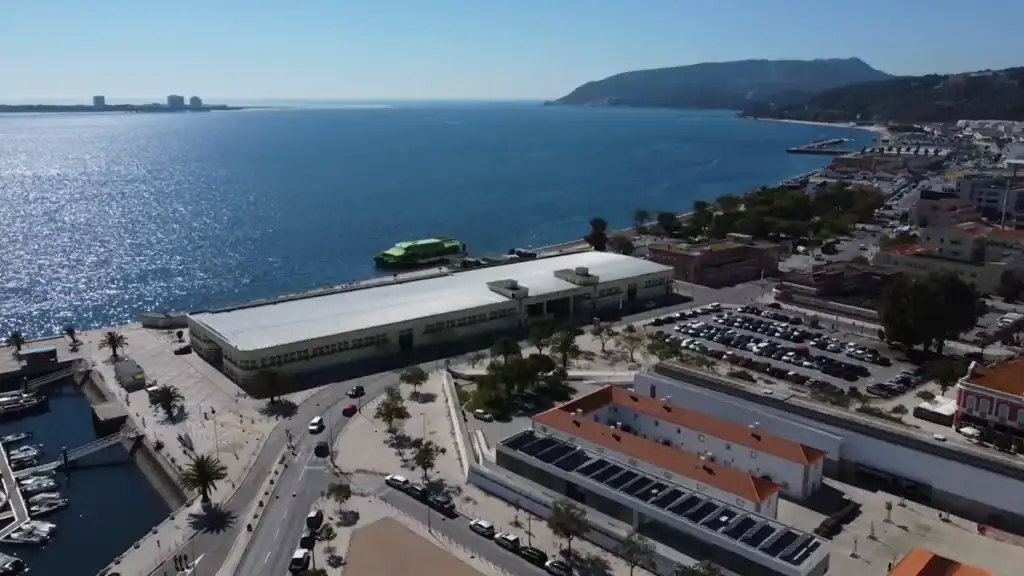
The ferry crossing is the point where Setúbal gives way to the Comporta coast. Departing from the city waterfront, the crossing takes around twenty to twenty-five minutes before reaching the long sandy Tróia Peninsula, where pine forests and dunes immediately replace the urban landscape.
How the Ferry Connects to the Comporta Coast
The crossing is both practical and scenic.
| Feature | What to expect |
|---|---|
| ⛴️ Crossing time | Around 20 to 25 minutes |
| 🐬 Wildlife | Occasional dolphin sightings |
| 🌲 Arrival | Pine forests and dunes at Tróia |
| 🚗 Final drive | Around 20 minutes to Comporta |
The ferry leaves from Doca do Comércio in Setúbal and carries both cars and foot passengers. During the crossing, it’s worth watching the estuary, as the resident Sado Estuary Dolphins are sometimes seen alongside the ferry, although sightings are never guaranteed.
Why Take the Ferry from Setúbal?
The ferry completes the transition from inland Portugal to the coast.
Driving around the estuary is quicker for some journeys, but crossing by ferry creates a far stronger sense of arrival. The final stretch follows the scenic Lisbon to Comporta route through pine forests and rice fields before the coast gradually reveals itself.
🗺️ How to Fit Setúbal and Palmela Into the Journey
Setúbal and Palmela work best when planned as part of the journey rather than squeezed into it. Rushing through both places before catching the ferry leaves little time to appreciate the viewpoints, historic sites and scenery that make them worthwhile.
How to Plan a Visit
A simple route keeps driving to a minimum.
| Stop | Suggested time |
|---|---|
| 🏰 Palmela Castle | Around 1 hour |
| ⚓ Setúbal waterfront | 2 to 3 hours |
| ⛰️ Serra da Arrábida | As long as your schedule allows |
| ⛴️ Tróia ferry | Around 20 to 25 minutes |
A practical itinerary begins at Palmela for the panoramic views before descending to Setúbal for the fort, waterfront and lunch. Afterwards, follow the scenic road through Serra da Arrábida before returning to Setúbal for the ferry crossing to Tróia.
Should You Visit Setúbal and Palmela on the Same Day?
Yes, but only if you allow enough time.
Trying to fit both places into a hurried morning before reaching Comporta often means missing what makes them memorable. Combined with the Comporta Coast, they create a richer two or three-day itinerary that reveals far more than the beaches alone.