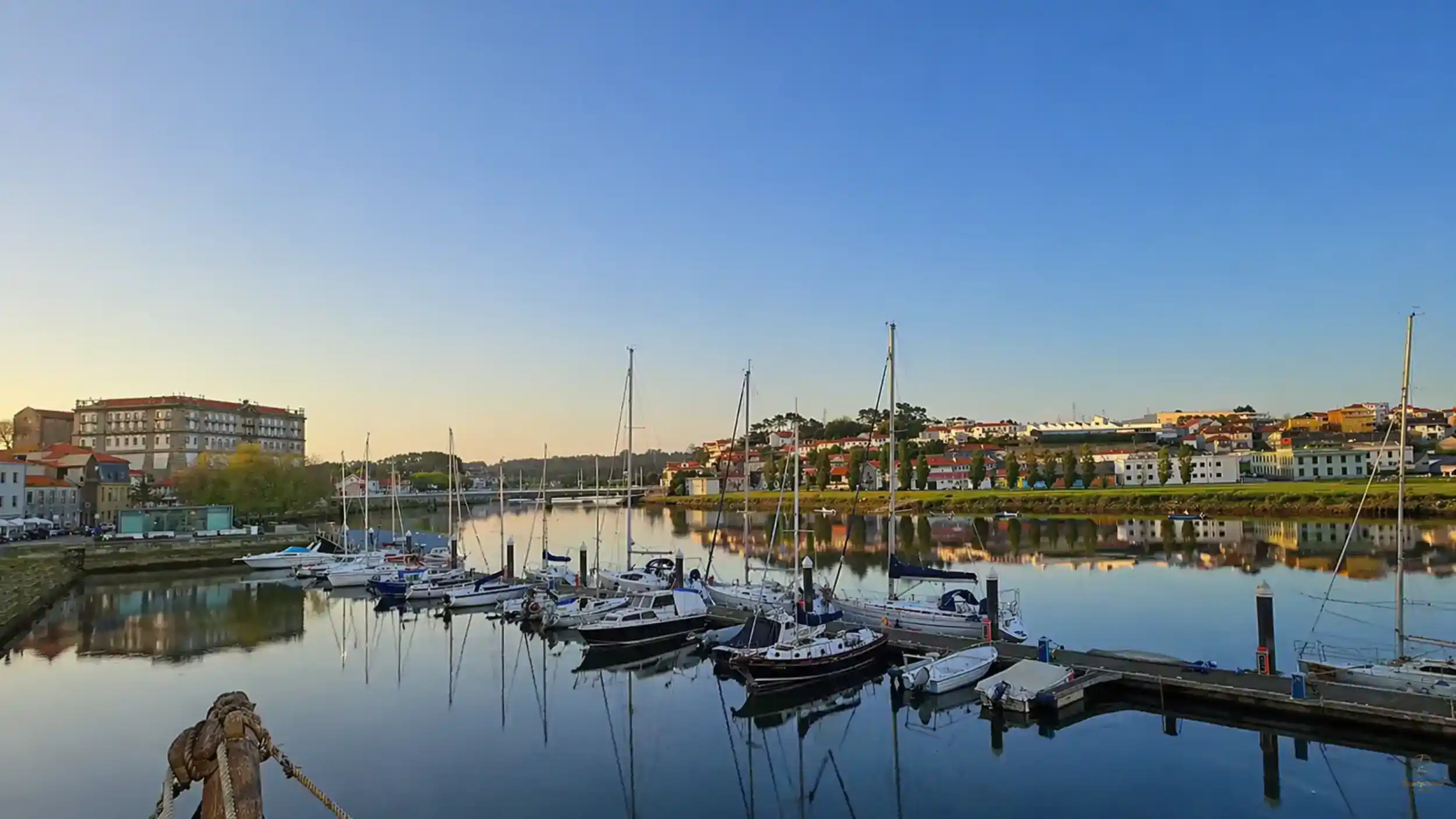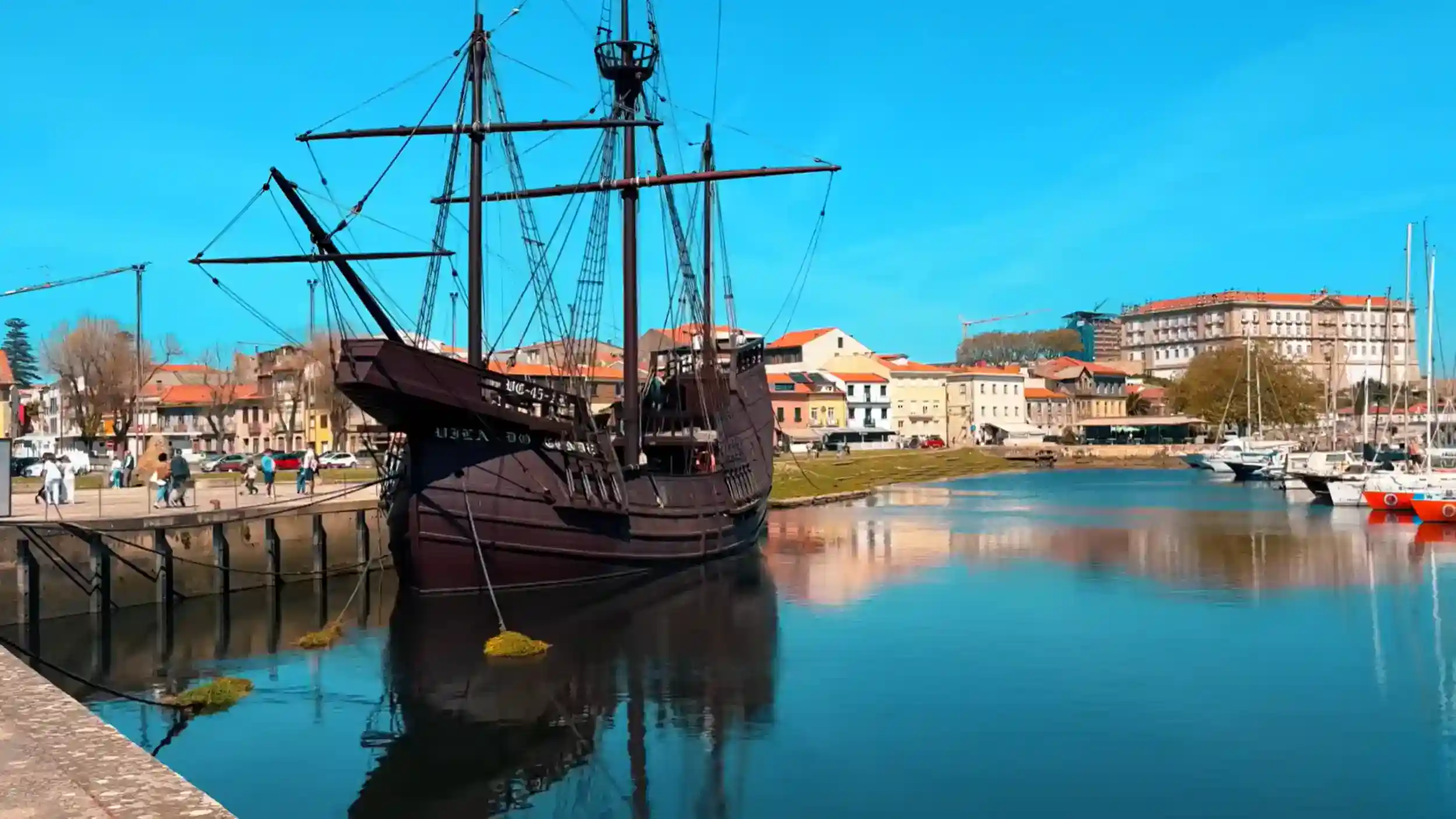
Vila do Conde in winter reveals a very different side of this Atlantic town. The summer crowds disappear, leaving a coastline, harbour and historic centre that continue to function at a slower, more local pace.
Although temperatures are cooler and periods of rain are common, Vila do Conde in winter offers a quieter, more authentic experience. This guide explores what changes, what stays the same and why many visitors find the off-season one of the most rewarding times to discover the town.
❄️ What Changes and What Stays in Vila do Conde in Winter
Vila do Conde in winter feels quieter, but it doesn’t shut down. The seasonal businesses retreat, while the town itself continues much as it does throughout the rest of the year, with local shops, cafés and the fishing community maintaining their normal routines.
What Changes in Vila do Conde in Winter?
The biggest differences are found along the seafront.
| Changes | What to expect |
|---|---|
| 🏖️ Beach kiosks | Mostly closed until spring |
| 🛟 Lifeguards | Not on duty |
| ☀️ Visitor numbers | Much quieter beaches and promenade |
| 🌧️ Weather | More frequent rain and stronger Atlantic conditions |
The promenade remains open throughout winter, but without the cafés, beach furniture and summer activity. When clear weather returns after periods of rain, the coastline often feels even larger than it does in summer, with the empty beach emphasising the scale of the Atlantic shoreline.
What Stays the Same in Vila do Conde in Winter?
The town continues to operate for residents rather than visitors.
The fish market, cafés and Friday market all continue as normal, while the historic centre remains just as accessible as it is during the warmer months. If you’re curious about how the coastline itself changes through the seasons, Vila do Conde beach explores the effects of winter weather, tides and Atlantic conditions in greater detail.
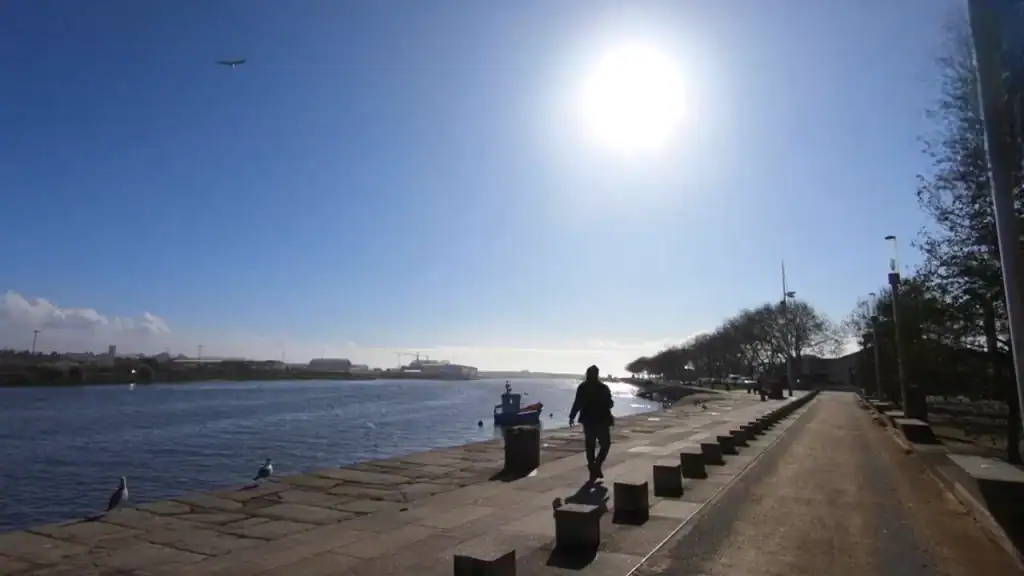
🏡 The Town on Resident Time in Vila do Conde in Winter
Without the summer crowds, Vila do Conde in winter settles into its everyday rhythm. The streets become quieter, the cafés serve mostly local customers and the town feels less like a holiday destination and more like a place where people simply live beside the Atlantic.
Everyday Life in Vila do Conde in Winter
Winter reveals routines that are often hidden during summer.
| What you’ll notice | What to expect |
|---|---|
| ☕ Cafés | Mostly local residents rather than tourists |
| 🚶 Streets | Relaxed pace and fewer people |
| ⚓ Fishing harbour | Boats continue working throughout winter |
| 🚲 Daily travel | Walking and cycling remain common |
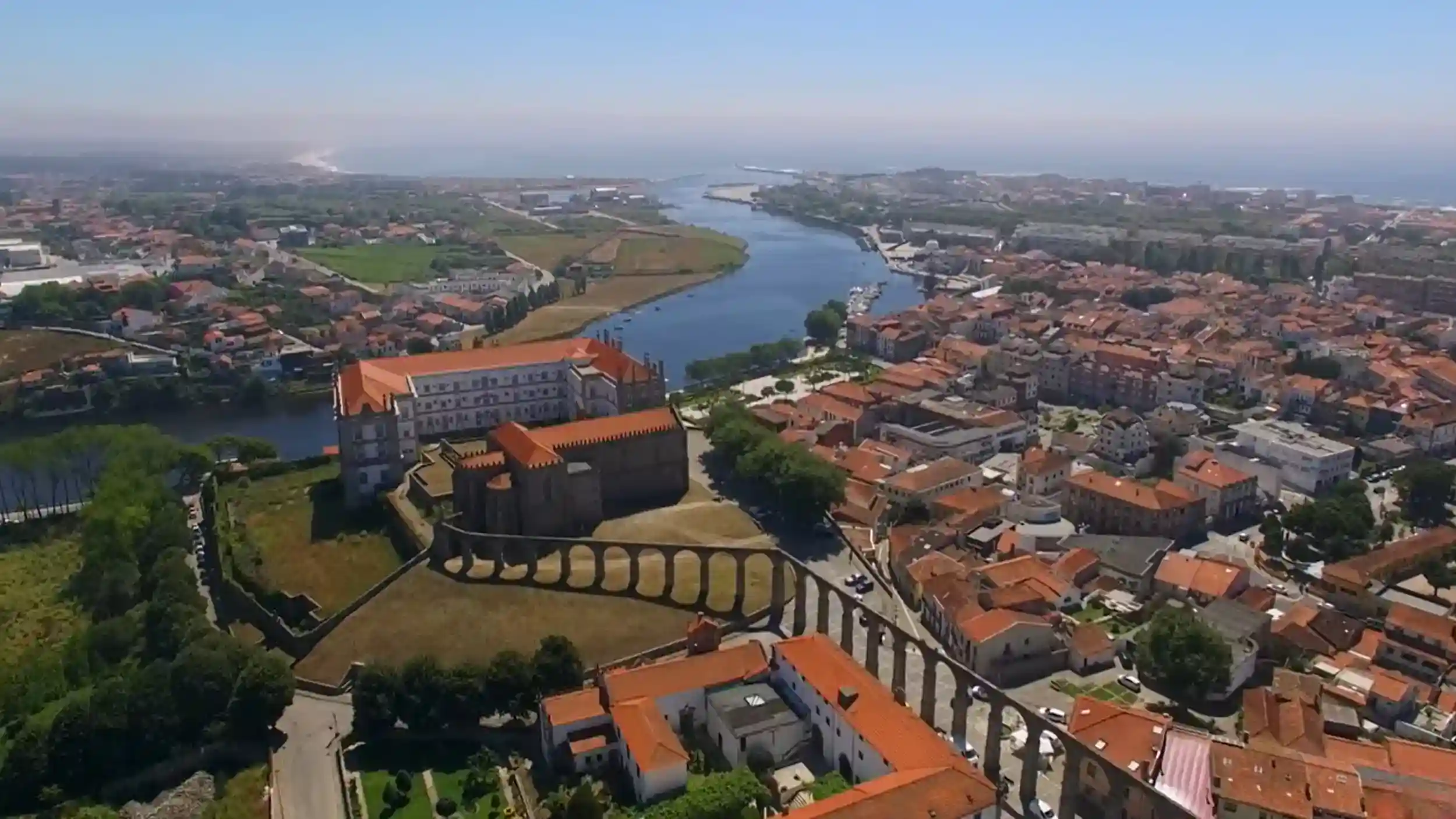
The Convent of Santa Clara continues to dominate the skyline, while the Rio Ave naturally guides you towards the harbour and Atlantic coast. In the Caxinas fishing quarter, one of Portugal’s largest fishing communities, daily life changes little with the seasons as boats continue to work regardless of the weather.
Why Vila do Conde in Winter Feels More Authentic
The quieter months make the town easier to understand.
With fewer visitors competing for attention, landmarks, neighbourhoods and everyday routines become much easier to appreciate. The slower pace allows Vila do Conde in winter to reveal the character that remains beneath the busier summer season.
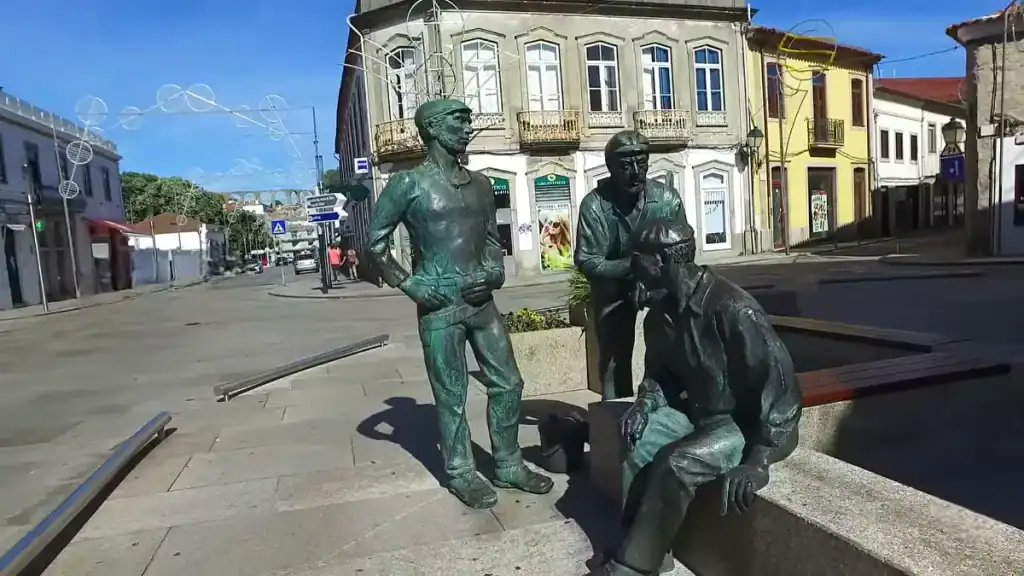
🌦️ Winter Light and Weather on the Atlantic Coast at Vila do Conde
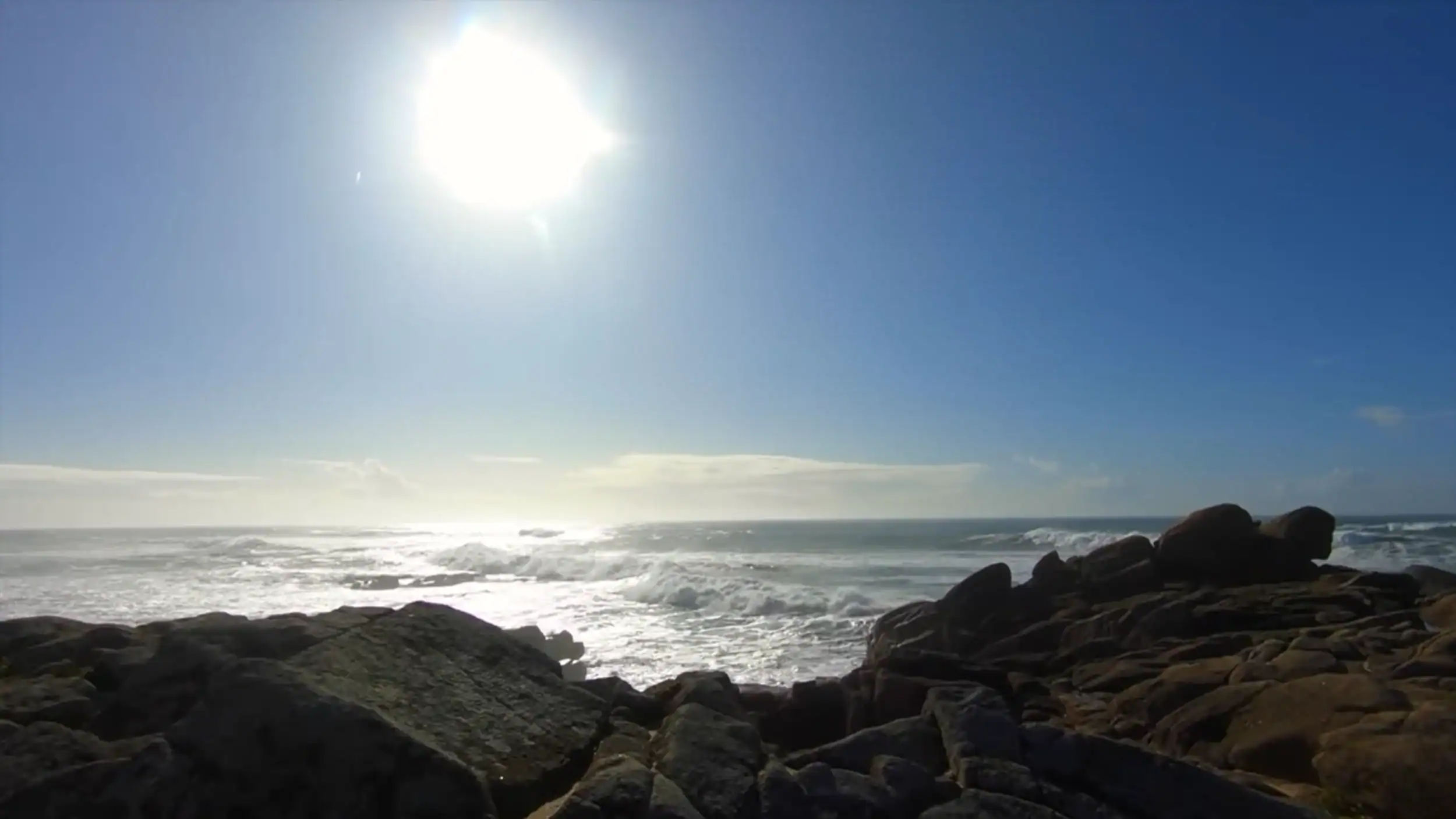
Vila do Conde in winter is shaped as much by the light as the weather. Grey mornings can quickly give way to bright sunshine, transforming the Atlantic from muted green to deep blue and giving the coastline a completely different character within a matter of hours.
Weather During Vila do Conde in Winter
Expect changing conditions rather than constant cold.
| Condition | What to expect |
|---|---|
| 🌡️ Temperature | Around 8°C to 15°C |
| 🌧️ Rain | Regular Atlantic weather fronts |
| 🌊 Sea | Larger swells than summer |
| 🌅 Light | Frequent changes between grey and sunshine |
Rain is a regular part of winter, often arriving in spells that last several days before clearer weather returns. When the skies brighten, the Atlantic becomes noticeably more vibrant, while stronger winter waves create a more dramatic coastline than visitors experience during the warmer months.
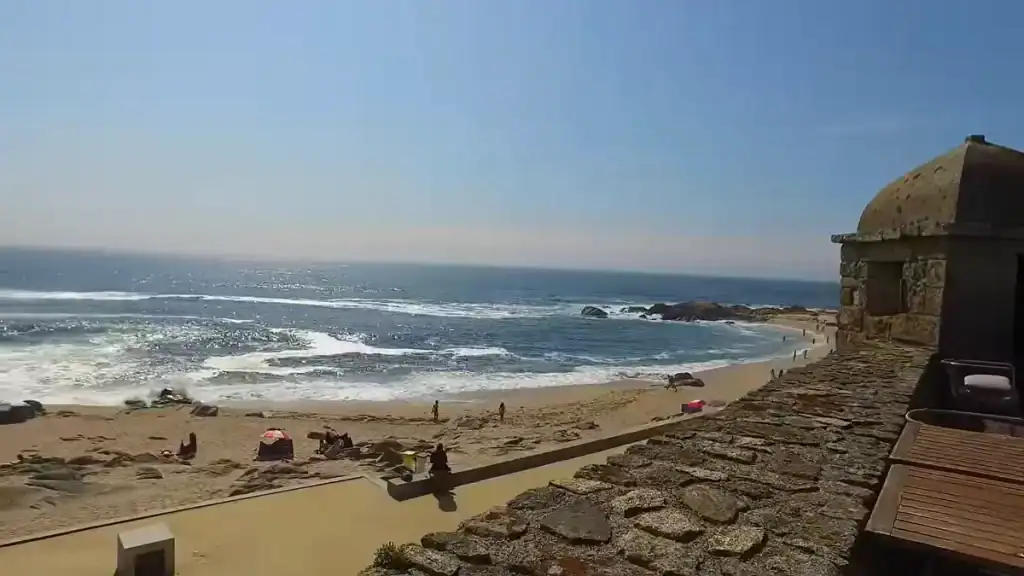
Is Winter Weather a Good Reason to Visit?
If you enjoy dramatic coastal scenery, it certainly can be.
Winter isn’t the best season for swimming, but it offers excellent conditions for coastal walks, photography and experiencing the Atlantic in a more natural state. For a closer look at how the coast behaves throughout the year, see Vila do Conde beach, including the effects of wind, tides and seasonal conditions.
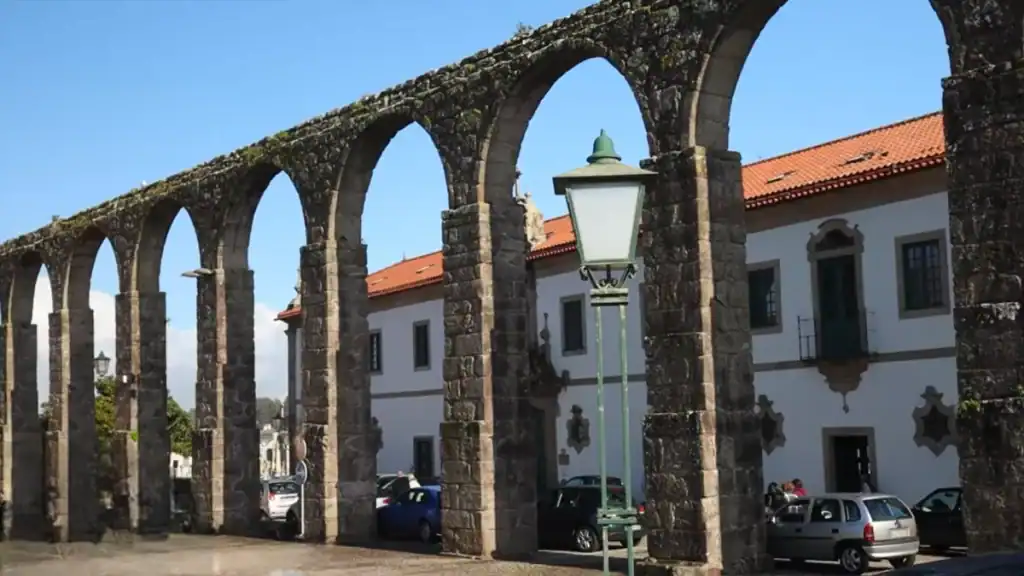
🏛️ The Aqueduct and Convent Hill in Vila do Conde in Winter
The Aqueduct of Santa Clara and the hilltop convent are among the most distinctive landmarks in Vila do Conde. During winter, with fewer visitors around, both feel less like tourist attractions and more like part of the town’s everyday landscape.
Visiting the Aqueduct in Winter
Winter brings out details that are often overlooked.
| Feature | What to expect |
|---|---|
| 🏛️ Aqueduct | Moss-covered arches and darker granite after rain |
| ⛪ Convent | Quiet grounds with panoramic views |
| 📷 Photography | Soft winter light and fewer people |
| 🚶 Walk | Short uphill climb from the town centre |
The aqueduct threads through the town before climbing towards the Convent of Santa Clara, where the arches stand out sharply against the winter sky. After rain, the stone darkens and the surrounding moss becomes more vivid, giving the structure a noticeably different appearance from the dry summer months.
Why Visit the Convent in Winter?
The quieter season changes the experience more than the landmark itself.
Without crowds, it’s easier to appreciate both the engineering of the aqueduct and the views across the river, harbour and Atlantic coastline. If you’d like to explore the history and architecture in more depth, Santa Clara Monastery and Aqueduct looks at their story beyond the winter season.
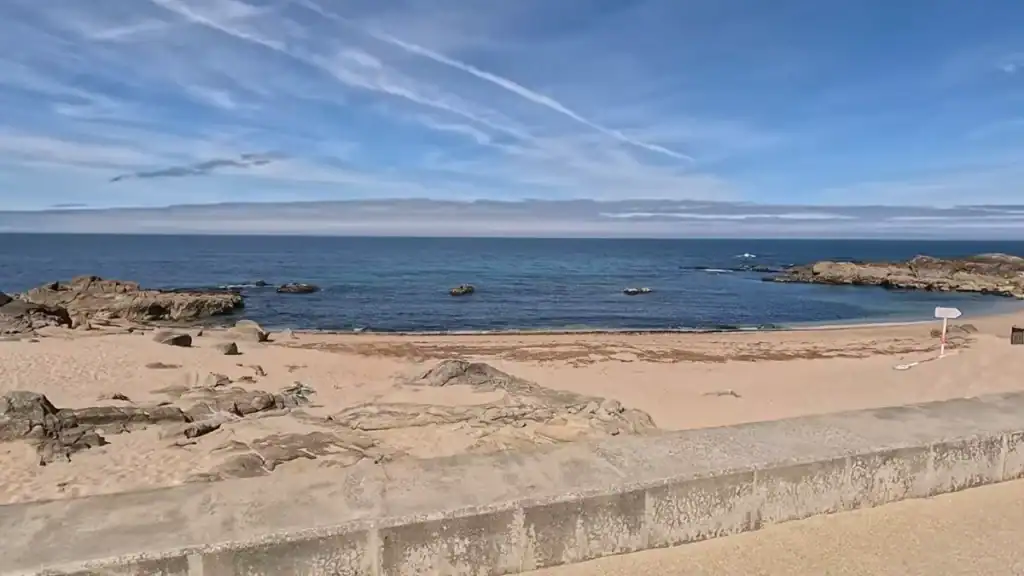
🏪 What Closes and What Stays Open in Vila do Conde in Winter
Vila do Conde in winter remains very much a working town. While some seasonal businesses close until spring, most of the places that residents rely on continue operating, making winter a practical time to visit as well as a quieter one.
Most seasonal changes affect the seafront.
| Seasonal changes | What to expect |
|---|---|
| 🏖️ Beach kiosks | Generally closed until spring |
| 🏛️ Smaller attractions | Some reduce opening hours |
| ☕ Seasonal cafés | A few operate shorter hours |
| 🎟️ Museums | Check opening times before visiting |
Beach kiosks and some seasonal businesses close after summer, while a handful of museums and smaller attractions reduce their opening hours. If you’re planning to visit a specific attraction, it’s worth checking current opening times before setting out.
What Stays Open in Winter?
The places that define the town remain accessible throughout the season.
The beach, promenade, aqueduct, riverside and historic centre are open year-round, while the metro from Porto continues to run normally. If you’re planning your first visit, Vila do Conde provides a complete overview of the town’s beaches, harbour, historic centre and how they fit together.