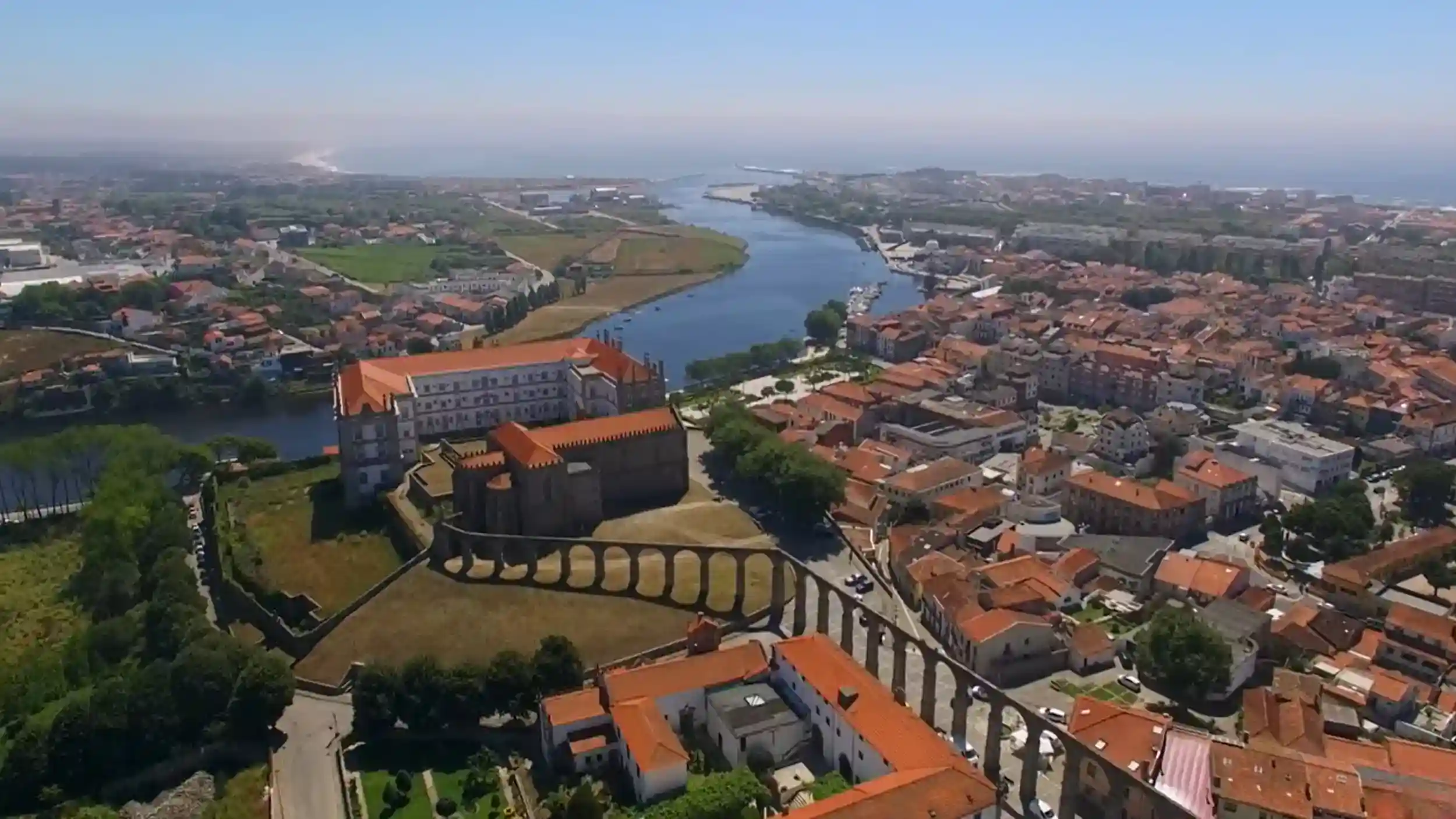
The Monastery of Santa Clara is Vila do Conde’s most important historic landmark. Standing above the Rio Ave for more than 700 years, it dominates the skyline while the remarkable aqueduct that once supplied it with water stretches for around four kilometres across the surrounding landscape.
Visiting the Monastery of Santa Clara isn’t just about exploring one building. The hill, the aqueduct and the panoramic views together explain how Vila do Conde developed between the river and the Atlantic, making this one of the town’s most rewarding places to visit.
⛰️ The Hill and What It Shows You
The Monastery of Santa Clara occupies one of the most important viewpoints in Vila do Conde. Although the hill rises only modestly above the surrounding streets, it’s high enough to reveal how the river, historic centre and Atlantic coastline all connect.
Why the Hill Matters
The view is about understanding the town, not simply admiring it.
| Feature | What you’ll see |
|---|---|
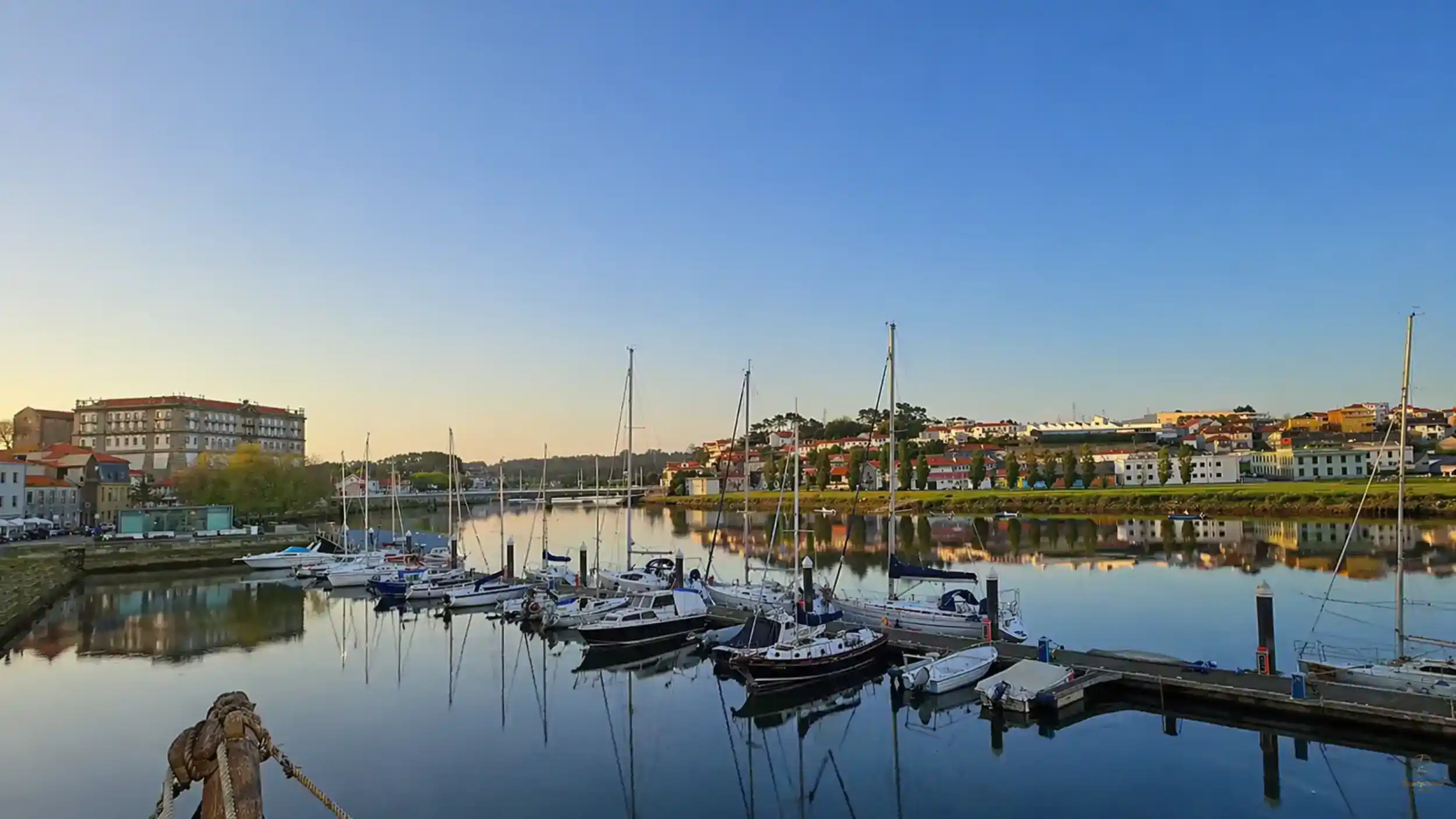
| 🌊 Rio Ave | The river winding towards the Atlantic |
| 🏘️ Historic centre | Rooftops clustered below the hill |
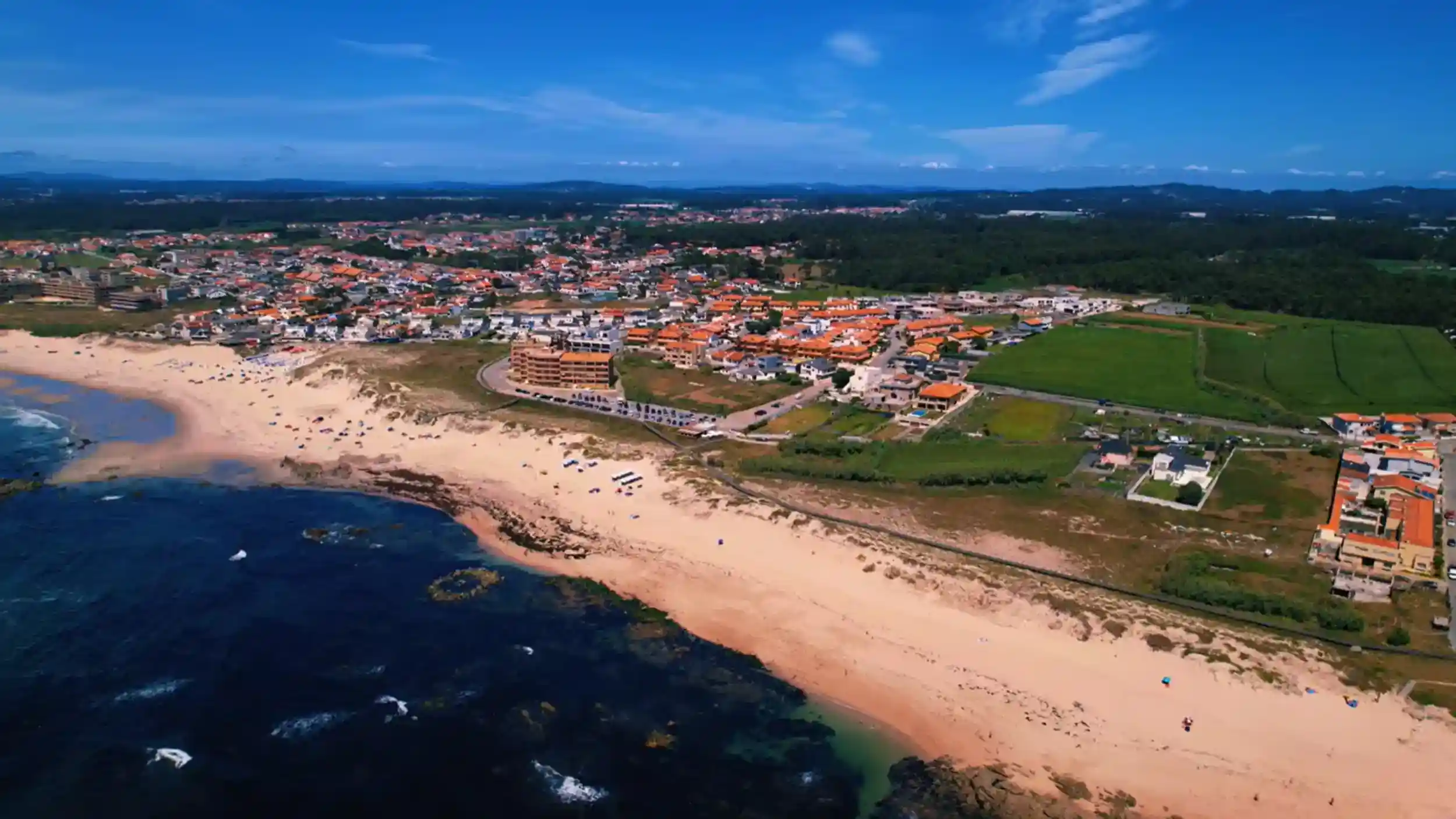
| 🌲 Dunes and pines | The coastline stretching north |
| 🌅 Atlantic Ocean | Open sea beyond the river mouth |
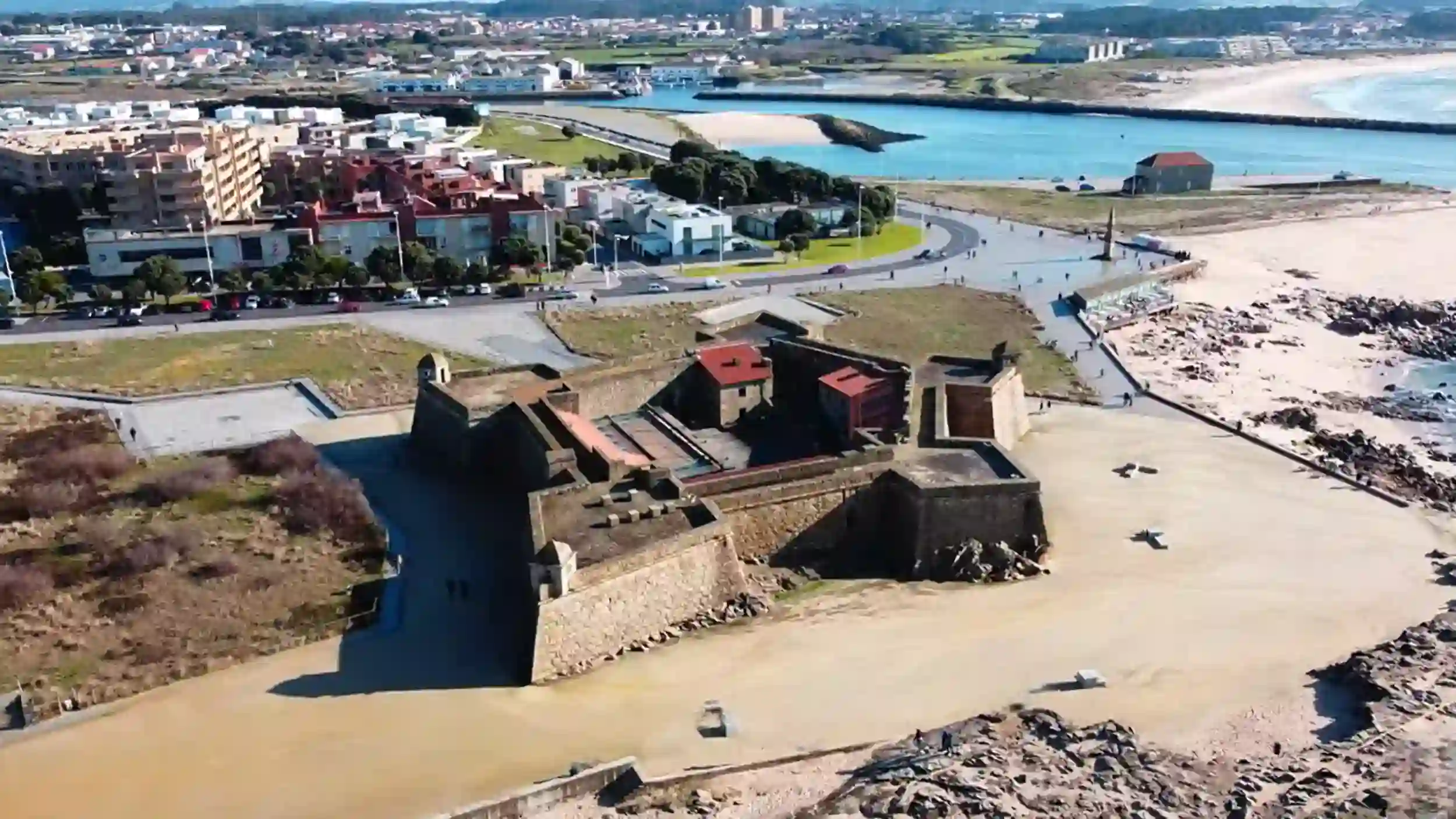
From the hilltop, the older streets naturally converge towards the Rio Ave before opening onto the estuary and Atlantic beyond. On clear days, the coastline, dunes and even offshore surf lines help explain why Vila do Conde developed around this meeting point of river and sea.
More Than a Viewpoint
The hill has been occupied for far longer than the monastery itself.
Long before the Monastery of Santa Clara was founded, a castro occupied this strategic position above the river. That continuity makes the hill one of the oldest and most significant locations in Vila do Conde, with each generation recognising the same geographical advantages. If you’re exploring the town as a whole, Vila do Conde explains how this hill fits into the wider layout of the destination.
🏛️ The Monastery of Santa Clara
The Monastery of Santa Clara is one of the largest and most historically significant religious buildings in northern Portugal. Founded in 1318, it grew over several centuries into a substantial convent complex whose scale is still evident today.
Exploring the Monastery of Santa Clara
The architecture reflects centuries of expansion rather than a single building campaign.
| Feature | What to expect |
|---|---|
| ⛪ Church | Gothic foundations with later additions |
| 🪟 Rose window | West-facing overlooking the town |
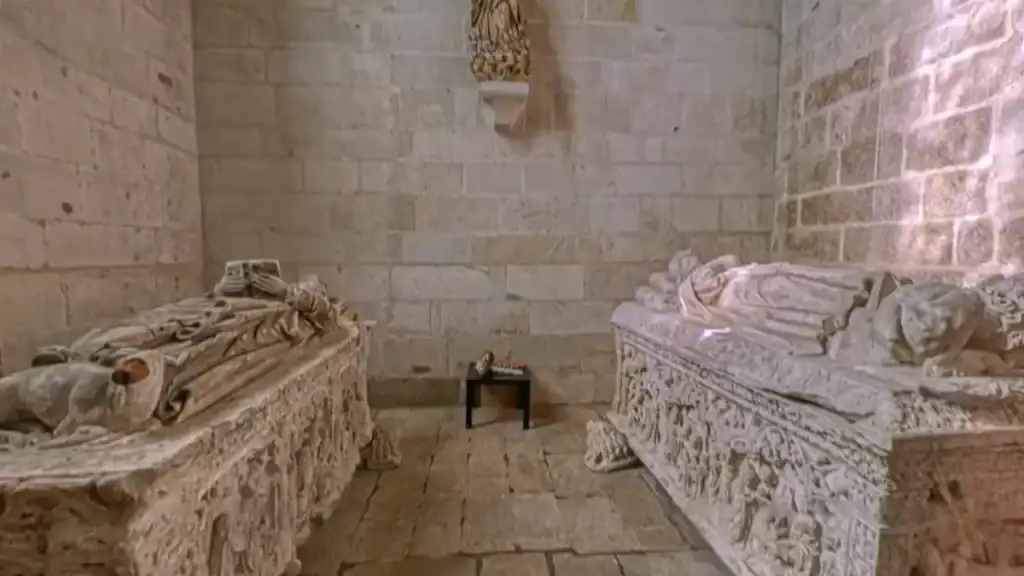
| ⚰️ Founders’ tombs | Historic chapel dating from 1526 |
| 🏛️ Convent complex | One of Portugal’s largest former female convents |
The Monastery of Santa Clara combines Gothic origins with Manueline, Baroque and Rococo additions, making the changing architectural styles easy to recognise as you move through the complex. Inside the church are the tombs of the founders, Afonso Sanches and Teresa Martins, while the adjoining buildings reveal how the monastery expanded over hundreds of years.
Can You Visit the Monastery of Santa Clara?
Access currently varies as restoration and conversion work continues.
Although parts of the interior have limited access, the churchyard, surrounding grounds and hilltop remain open, allowing visitors to appreciate both the architecture and the panoramic setting. Visiting on foot is part of the experience, and the historic centre provides the natural starting point for the short uphill walk.
💧 The Aqueduct
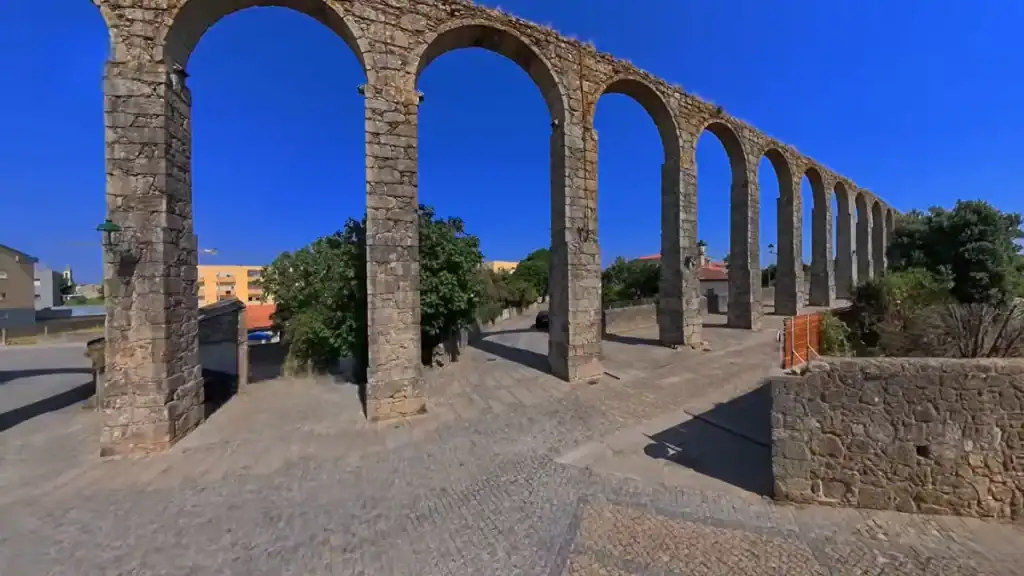
The Monastery of Santa Clara depended on a reliable water supply, yet its elevated position made that difficult for centuries. The solution was one of Portugal’s most remarkable historic aqueducts, built to carry water by gravity from a spring several kilometres away.
How the Aqueduct Supplied the Monastery of Santa Clara
Its engineering is impressive because of its simplicity.
| Feature | What to expect |
|---|---|
| 📏 Length | Approximately 4 kilometres |
| 🏛️ Arches | Traditionally said to number 999 |
| 💦 Water source | Spring at Terroso |
| 📅 Completed | 1714 |
After an earlier attempt failed because the natural gradient was insufficient, construction resumed in 1705 and was completed in 1714. The finished aqueduct carried water continuously to the Monastery of Santa Clara, crossing farmland, streets and residential areas before reaching the convent on the hill.
Why the Aqueduct Still Matters
Although it no longer carries water, the aqueduct remains one of Vila do Conde’s defining landmarks.
Large sections are still visible throughout the town, allowing visitors to follow its route and appreciate the scale of the engineering involved. If you’re interested in seeing how the aqueduct fits into the wider landscape, Vila do Conde in winter shows how the moss-covered arches become even more striking during the quieter months.
🚶 Walking Up From the Town
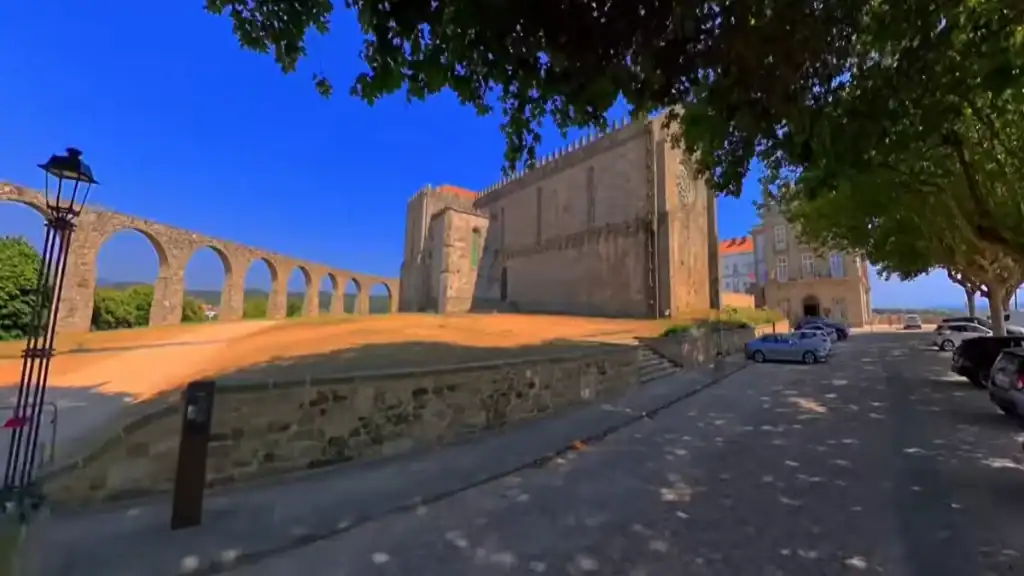
Reaching the Monastery of Santa Clara on foot is straightforward and takes around fifteen minutes from the centre of Vila do Conde. The route climbs steadily rather than steeply, making it an easy walk for most visitors while gradually revealing more of the aqueduct along the way.
The Walk to the Monastery of Santa Clara
The approach is part of the experience.
| Stage | What to expect |
|---|---|
| 🏘️ Historic streets | Quiet residential lanes |
| 🏛️ Aqueduct | Arches appearing beside the route |
| ⛰️ Gentle climb | Around 15 minutes on foot |
| ⛪ Hilltop | Monastery complex comes fully into view |
As you leave the lower town, sections of the aqueduct begin to appear between houses before gradually aligning with the monastery itself. That changing perspective helps explain why both structures were designed as one connected system rather than separate landmarks.
Is the Walk Worth It?
Absolutely. Approaching on foot gives a far better understanding of the relationship between the town, the aqueduct and the hill than arriving directly by car.
The gradual climb also reveals how Vila do Conde developed around this elevated site over many centuries, making the arrival at the monastery feel far more rewarding.
🌄 The View From the Hill
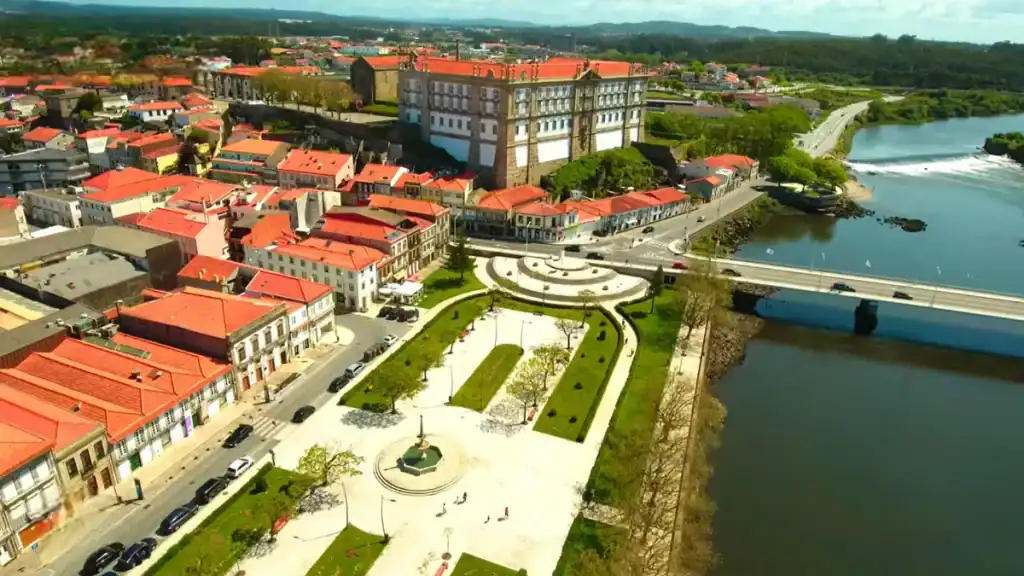
The Monastery of Santa Clara offers the finest viewpoint in Vila do Conde. From the hilltop, the Rio Ave, historic centre and Atlantic coastline come together in a single panorama that explains the town’s geography far better than any street-level walk.
What You Can See from the Monastery of Santa Clara
The panorama changes with both the weather and the light.
| View | What you’ll see |
|---|---|
| 🌊 Rio Ave | The river winding towards its Atlantic mouth |
| ⚓ Harbour | Historic waterfront and shipyard area |
| 🌲 Coastline | Dunes backed by pine forest |
| 🌅 Atlantic | Open sea beyond the estuary |
On clear days, the Atlantic appears as a distinct band beyond the rooftops, while the river naturally draws your eye through the town towards the coast. The aqueduct can also be traced across the residential edge of Vila do Conde, revealing the remarkable distance it travelled to supply the monastery.
When Is the Best Time to Visit the Viewpoint?
Visibility depends entirely on the weather.
Clear skies provide sweeping views across the coast, while lower cloud creates a more intimate perspective focused on the rooftops, river and historic centre below. From the hill, the Rio Ave and waterfront are particularly easy to understand, making it easier to appreciate how Vila do Conde harbour developed where the river meets the Atlantic.