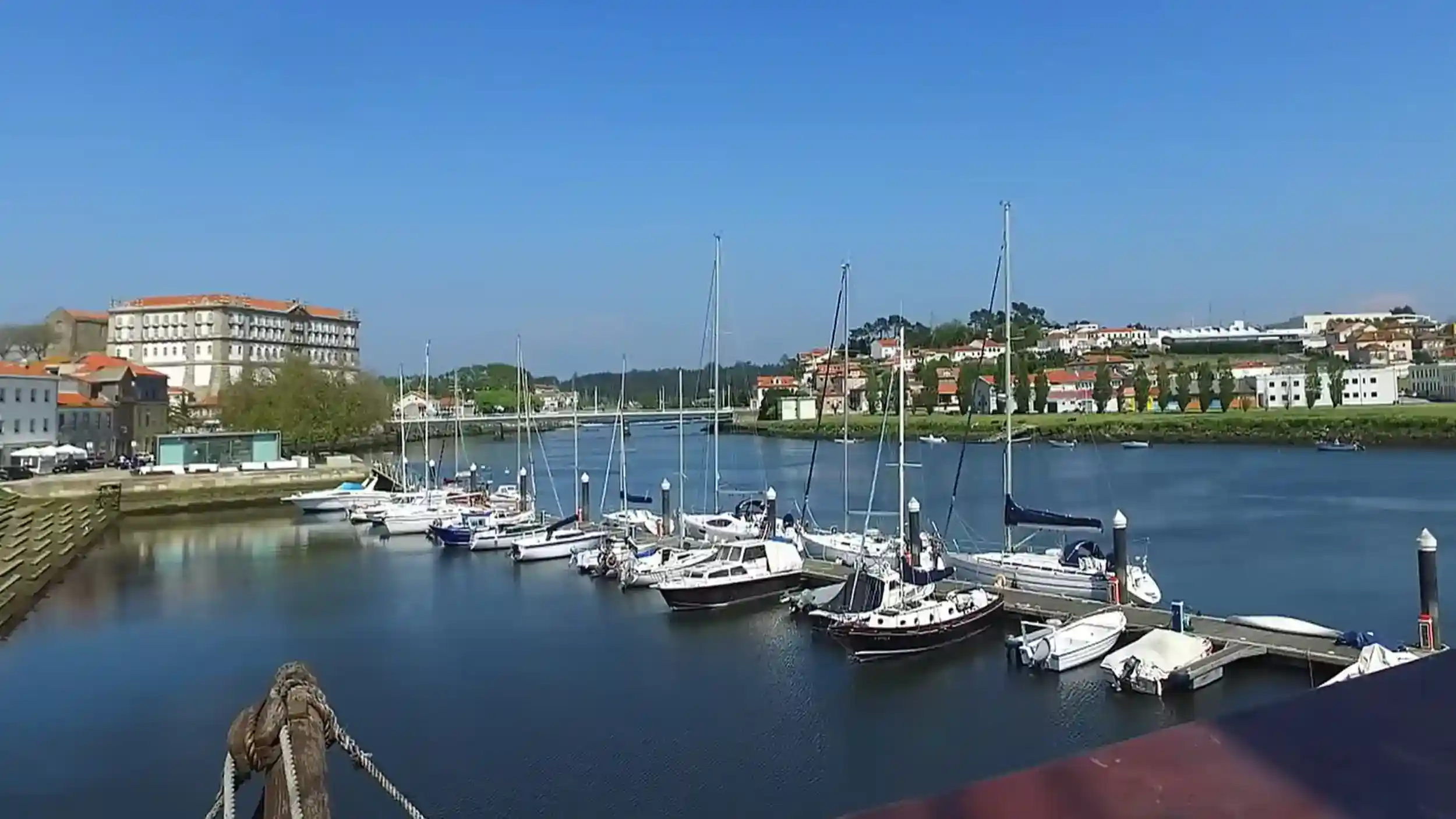
If you’re wondering whether Vila do Conde worth visiting is a question with a simple yes or no answer, it really depends on what you want from the Portuguese coast. This is a working Atlantic town with a long beach, historic waterfront and remarkable hilltop monastery, rather than a destination built around tourism.
Its appeal comes from how easily those different parts fit together. You can walk beside the Rio Ave, explore centuries of maritime history, climb towards Santa Clara and finish beside the Atlantic without needing a tightly planned itinerary.

What Vila do Conde Actually Is
Vila do Conde sits at the mouth of the River Ave, around 30 kilometres north of Porto. It is a small coastal city with a working waterfront, a long beach, and a compact historic core. It is not built around tourism, and that shapes how the place feels on the ground.
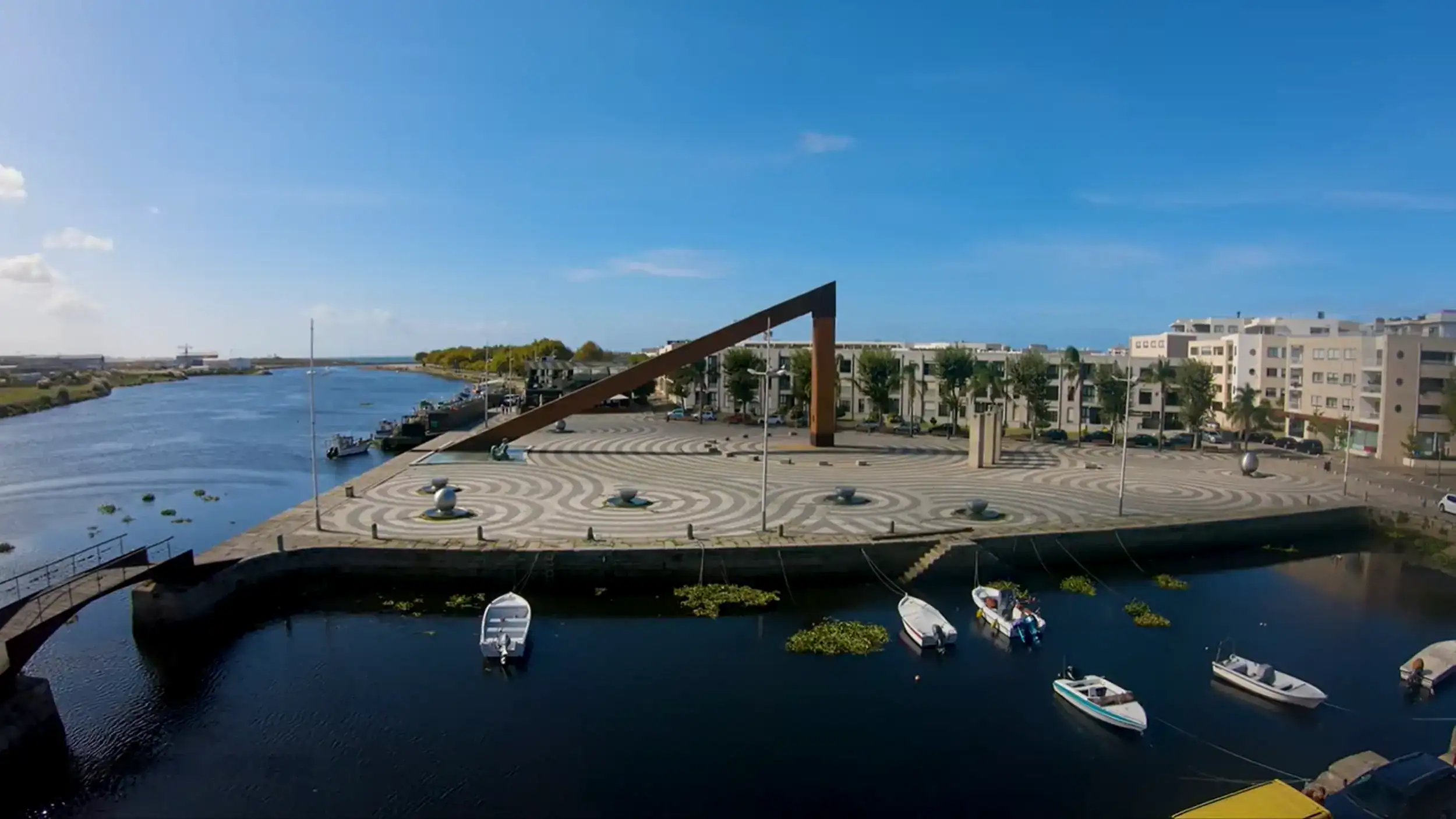
The town splits into two main areas. The lower section sits along the river and contains the historic waterfront. Praça Dom João I is positioned at the edge of the Ave and functions as a reference point for the older settlement. This area connects directly to the town’s maritime history. Vila do Conde was involved in Portuguese seafaring for centuries, producing sailors and ships that operated across the Atlantic.

Who Vila do Conde Suits Best
Vila do Conde suits travellers who enjoy discovering a place on foot rather than moving between a checklist of major attractions. The waterfront, historic streets, monastery hill and beach are close enough to combine naturally, but different enough to make a few hours of exploring feel varied.
Best for Independent, Slow-Paced Exploring
You are more likely to find Vila do Conde worth visiting if you enjoy:
- 🚶 Exploring compact towns on foot
- ⚓ Working waterfronts and maritime character
- 🏛️ Historic buildings without heavy tourism
- 🌊 Long, open Atlantic beaches
- ☕ Places where everyday local life remains visible
There is no need for a complicated itinerary. A simple route through the historic centre can continue towards the river, Santa Clara and eventually the beach, allowing the town to unfold naturally as you walk.
For travellers who prefer atmosphere and observation to organised sightseeing, that simplicity is one of Vila do Conde’s strongest qualities.

Who May Not Find Vila do Conde Worth Visiting?
Vila do Conde will not suit everyone. Travellers looking for a concentrated sightseeing district, dramatic monuments at every turn or a polished resort atmosphere may find the town too understated. Its appeal is spread between the river, historic streets, hill and coastline rather than concentrated around one obvious tourist centre.
What Might Disappoint You?
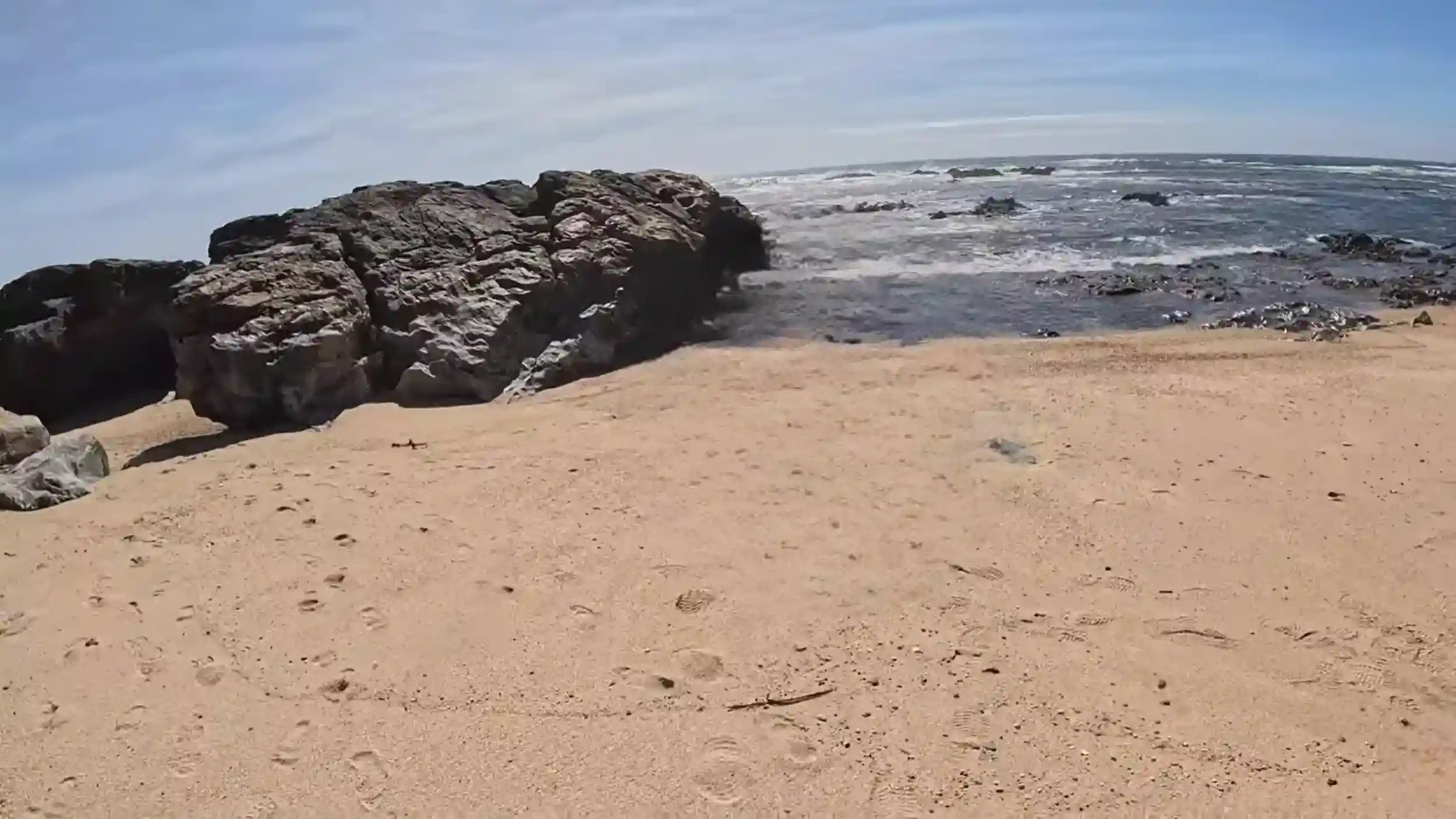
The beach is broad and open rather than enclosed by dramatic cliffs, while the historic centre is relatively compact. There are also few large-scale attractions designed specifically for tourists.
If your priority is primarily sand and sea, it is worth understanding Vila do Conde beach before choosing the town. Its exposed Atlantic setting, scale and conditions create a very different beach experience from the sheltered coves found elsewhere in Portugal.
For some travellers, those limitations are precisely what make Vila do Conde appealing. For others, they are good reasons to choose somewhere else.

Vila do Conde From Porto: Day Trip or Longer Stay?
Vila do Conde is easy to visit from Porto without committing to an overnight stay. The direct metro journey takes around 40 to 45 minutes, and once you arrive, the riverfront, historic centre, Santa Clara and the coast can all be reached on foot.
How Long Do You Need in Vila do Conde?
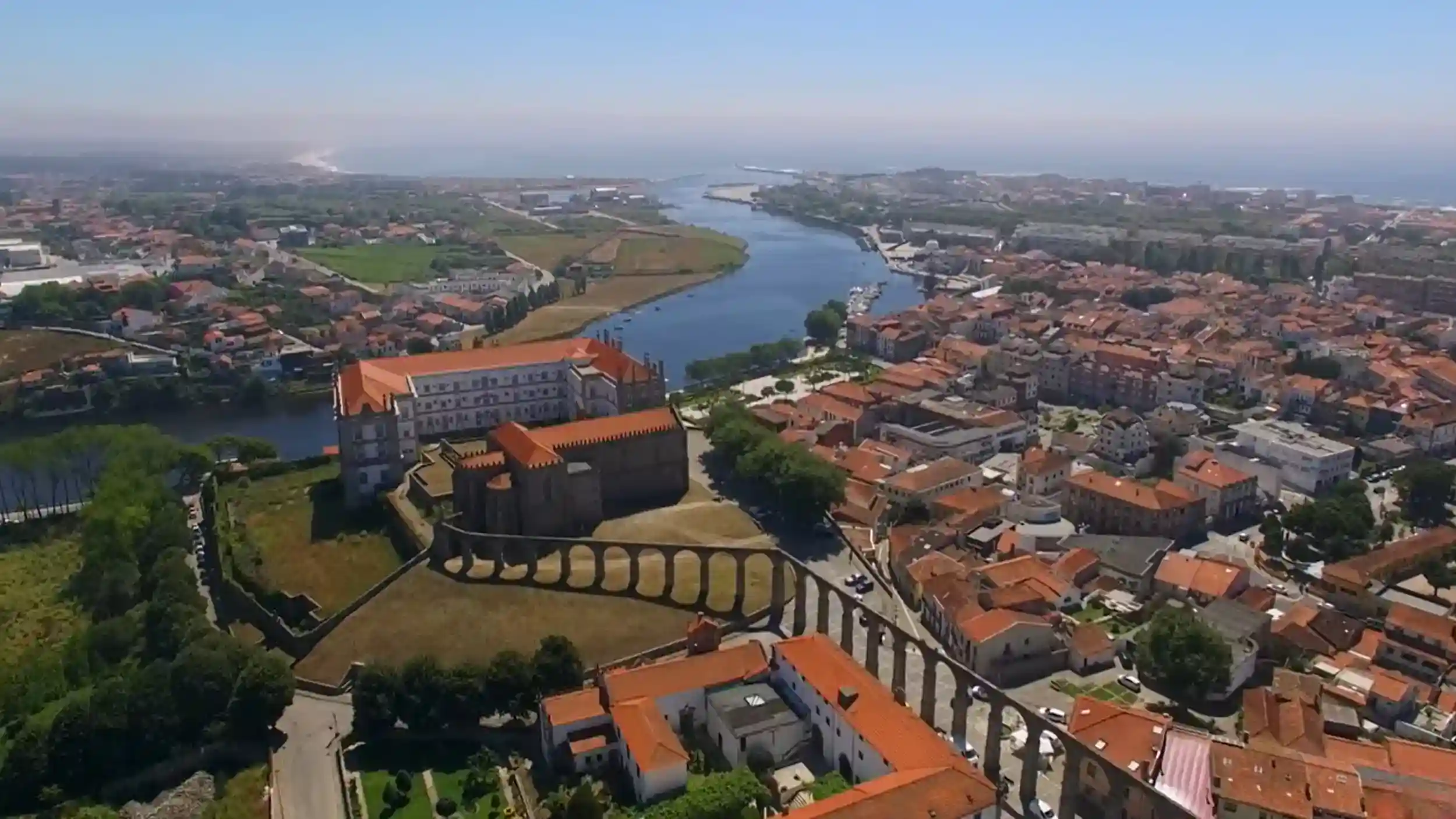
Three to four hours is enough for a useful first visit. That gives you time to explore the waterfront, climb towards the monastery and aqueduct, and continue towards the Atlantic without rushing between sights.
Staying longer changes the experience rather than dramatically increasing the number of things to see. You can explore quieter streets, spend more time beside the river and experience the beach at different times of day. For a fuller picture of how these areas fit together, the main Vila do Conde guide provides the broader overview.
For most Porto-based travellers deciding whether Vila do Conde worth visiting as a day trip, a half day is enough to understand what makes the town distinctive.

So, Is Vila do Conde Worth Visiting?
Yes, Vila do Conde is worth visiting if you value atmosphere, local character and variety over headline attractions. The town combines a working riverfront, maritime history, the Monastery of Santa Clara and an open Atlantic coastline within an area that remains easy to explore on foot.
The Final Verdict
The aqueduct and monastery provide the strongest historical reason to come, but they aren’t really the whole point. What makes the visit work is the progression from river to hill and then towards the sea, with each part revealing a different side of Vila do Conde.
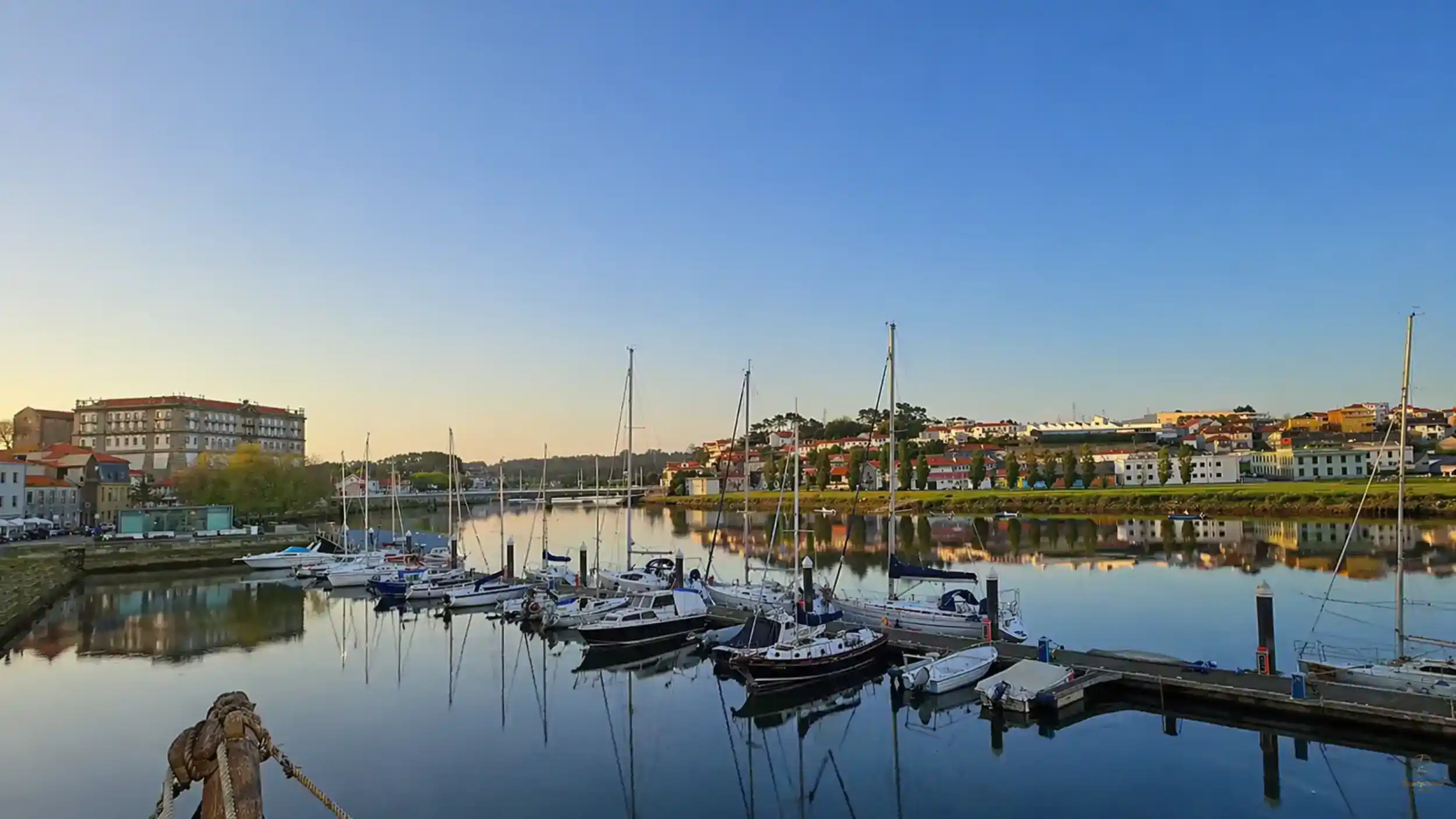
For travellers who particularly enjoy the waterfront, Vila do Conde harbour explores the fort, river mouth and maritime side of the town in greater depth.
Ultimately, whether you find Vila do Conde worth visiting comes down to expectations. Come looking for a spectacular resort or a dense collection of famous sights and it may feel too quiet. Come for an understated Portuguese coastal town that still functions primarily for the people who live there, and that lack of spectacle becomes part of its appeal.