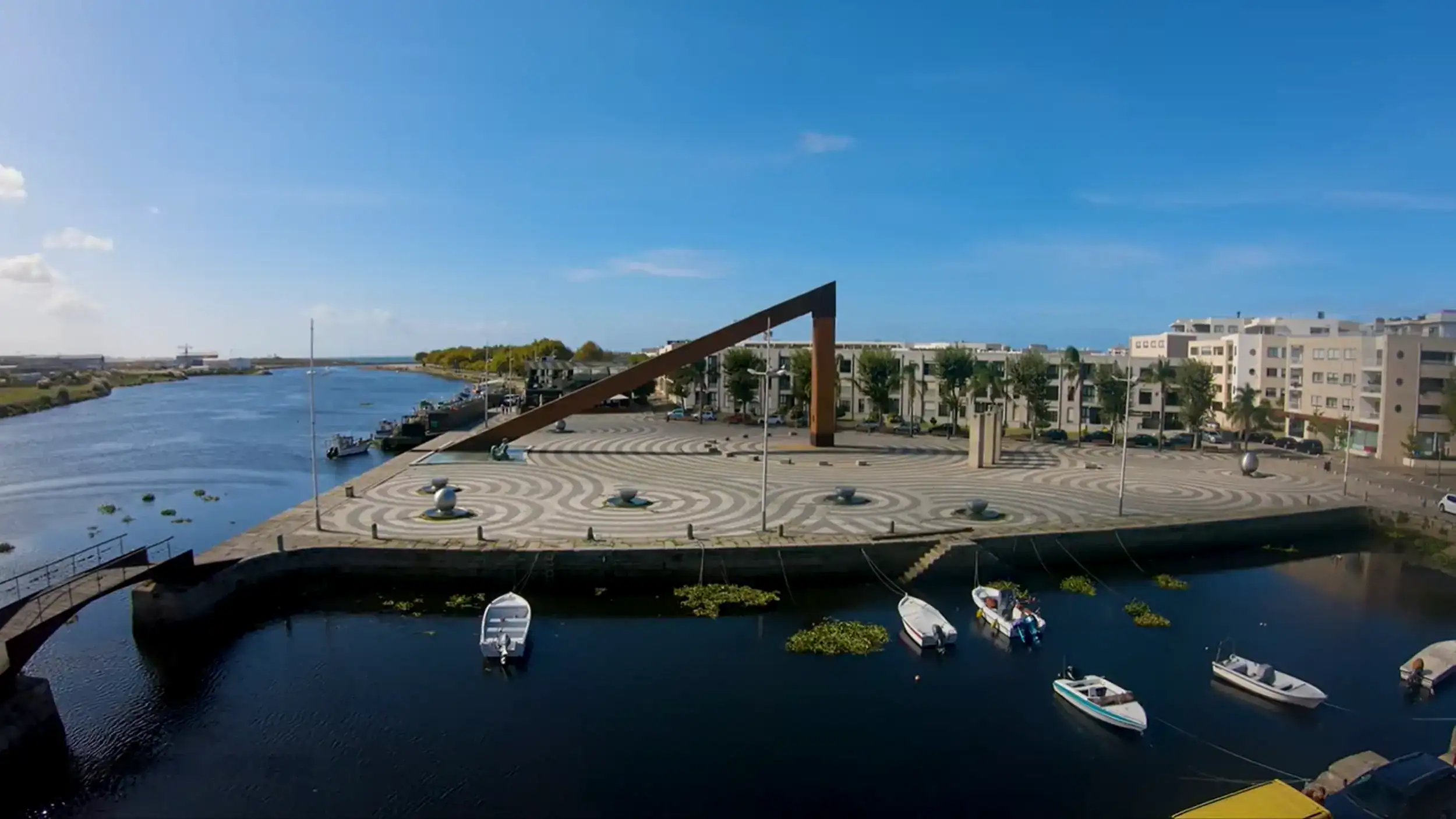
Vila do Conde cycling offers an easy transition from Atlantic coast to rural northern Portugal. Follow the Ave away from the waterfront and the town gradually gives way to quieter roads, farmland and the distinctive vineyards of Vinho Verde country.
The appeal is the contrast. A single ride can take you from Vila do Conde’s riverfront into a landscape of vines and traditional pergolas before bringing you back towards the Atlantic for the return into town.
Vila do Conde Cycling Along the Ave
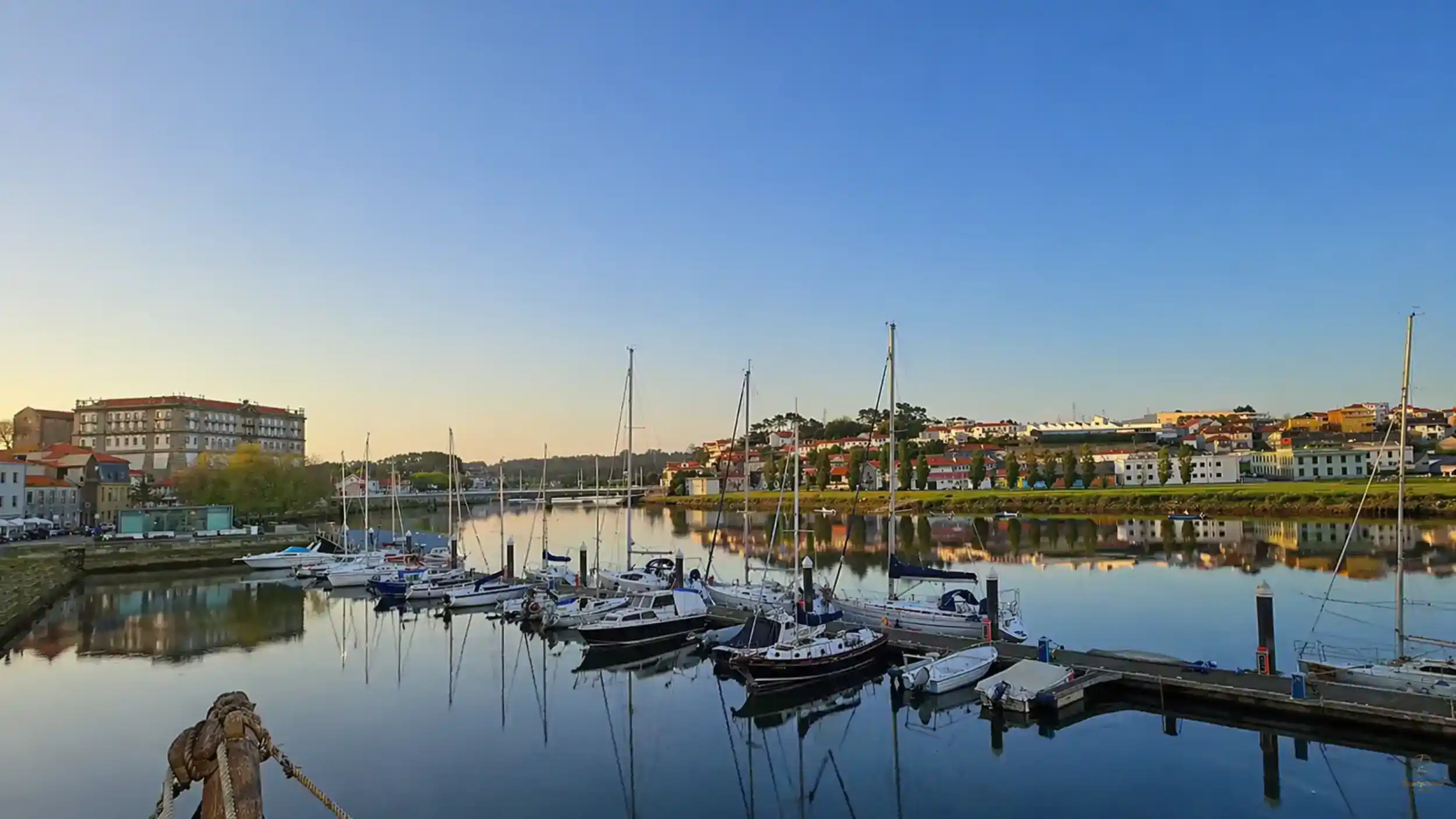
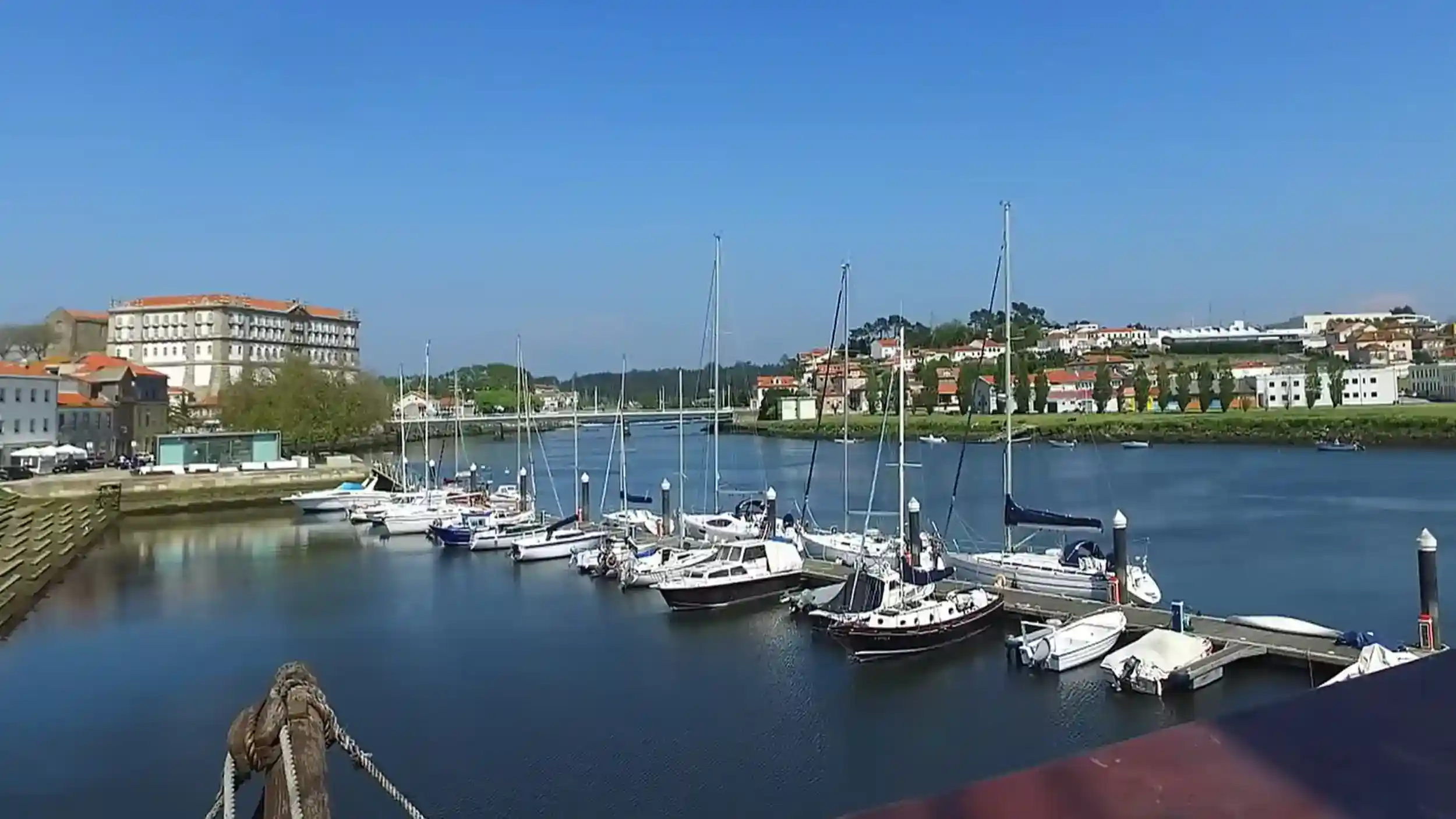
The ride begins beside the River Ave, where Vila do Conde’s waterfront provides a straightforward way out of town. Following the river inland creates a gradual transition from harbour and urban streets to quieter surroundings rather than an abrupt departure into countryside.
Leaving the Waterfront Behind
The first part of the route is useful for getting into the rhythm of the ride. The Ave remains the geographical reference point as buildings begin to thin and the landscape opens up.
For anyone unfamiliar with this part of town, the Vila do Conde harbour gives useful context to the waterfront and river mouth that form the starting point of the journey.
This is one of the strengths of Vila do Conde cycling: you can begin beside the Atlantic-facing waterfront and be heading towards rural northern Portugal without needing a complicated route out of town.
The First Hour Inland
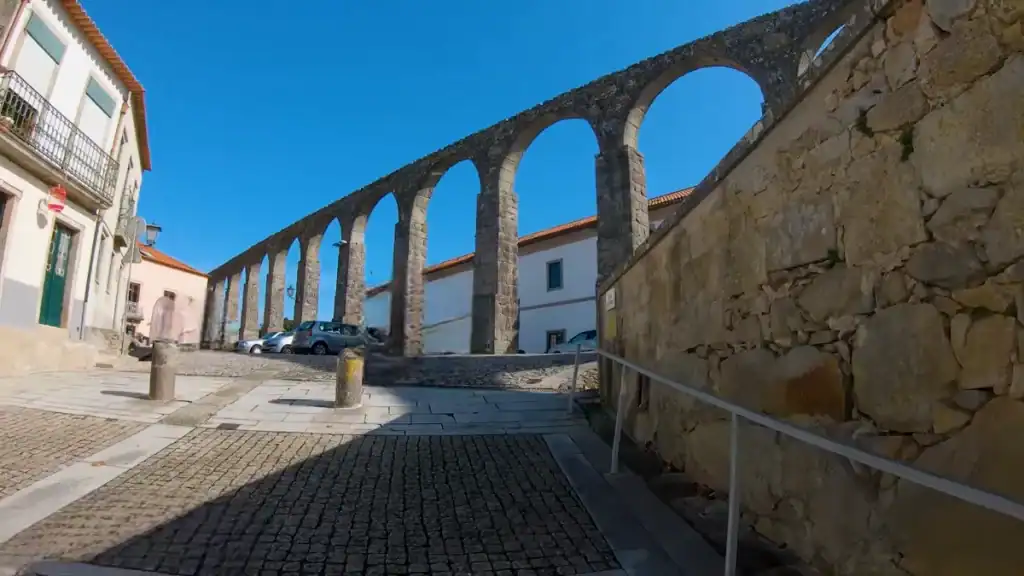
The first hour changes the character of Vila do Conde cycling surprisingly quickly. As the riverfront falls behind, the surroundings become increasingly rural, with smaller settlements, cultivated fields and quieter roads replacing the denser streets around the coast.
When the Countryside Takes Over
This part of the ride is less about reaching a particular attraction and more about watching the landscape change. Houses become more scattered, traffic generally feels less dominant and agricultural land begins to occupy more of the view.
The Atlantic influence hasn’t disappeared, but the scenery now feels distinctly inland. This gradual transition is what makes the route work particularly well by bicycle: the landscape changes slowly enough for you to notice it rather than simply arriving somewhere different.
Cycling Through Vinho Verde Country
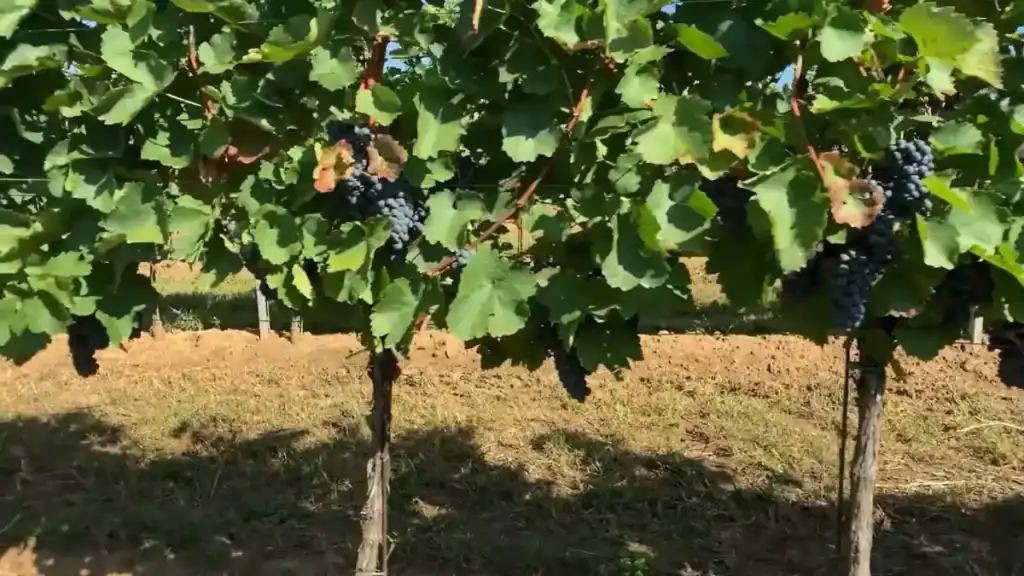
Further inland, the landscape begins to reveal one of northern Portugal’s most distinctive agricultural traditions. Vines appear beside fields, gardens and small properties, often trained high above the ground rather than arranged in the low, regimented rows associated with many European wine regions.
The Vines and the Pergolas
Traditional Vinho Verde vines are frequently trained along tall supports and pergolas, creating green corridors around field boundaries and above paths. From a bicycle, these structures become one of the clearest signs that the coastal landscape around Vila do Conde has given way to wine country.
This middle section gives Vila do Conde cycling much of its variety. The destination isn’t a single vineyard or wine estate. It’s the experience of riding through a working agricultural landscape where vines are integrated into villages, fields and everyday rural life.
Returning to Vila do Conde Along the Coast
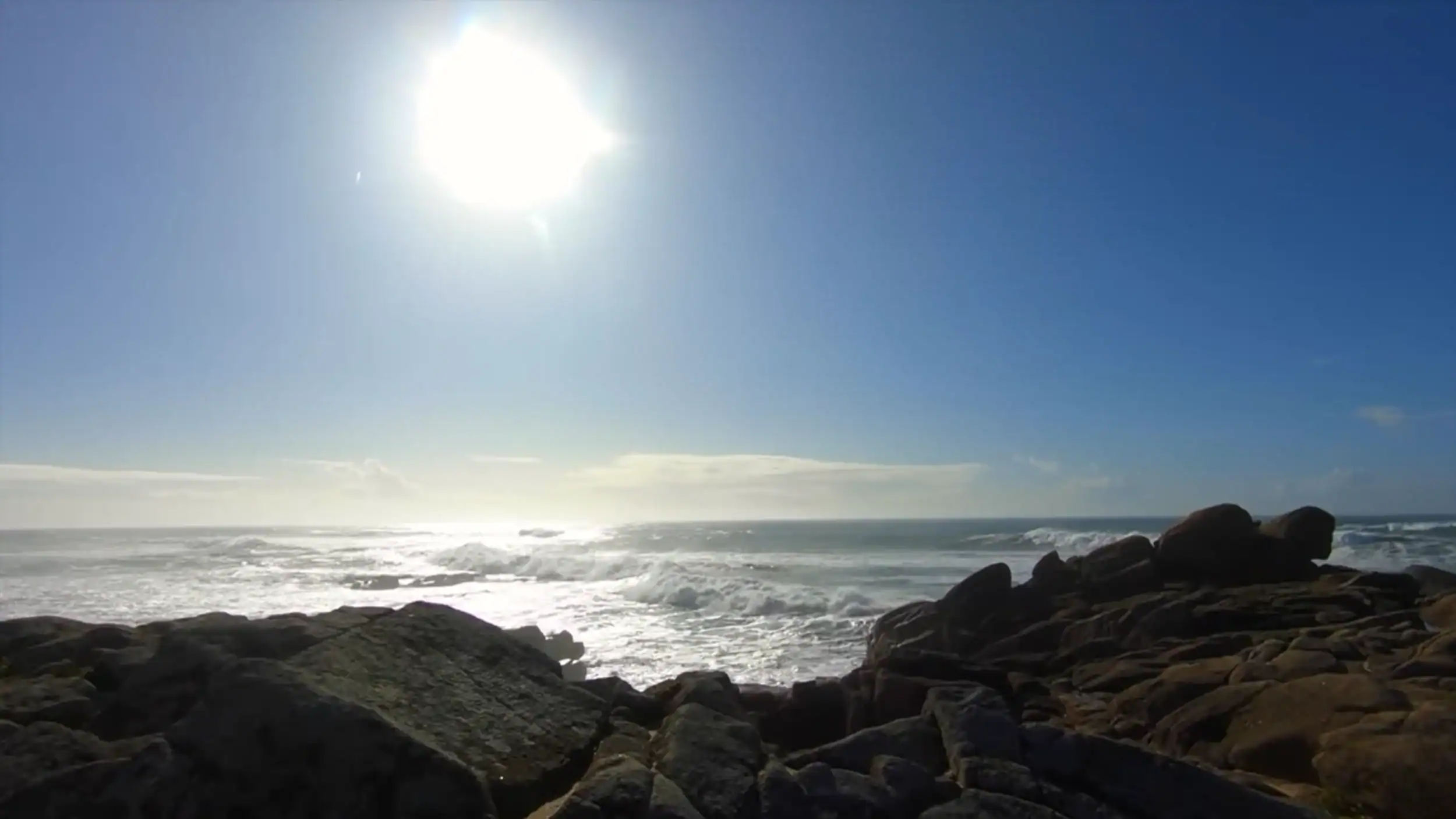
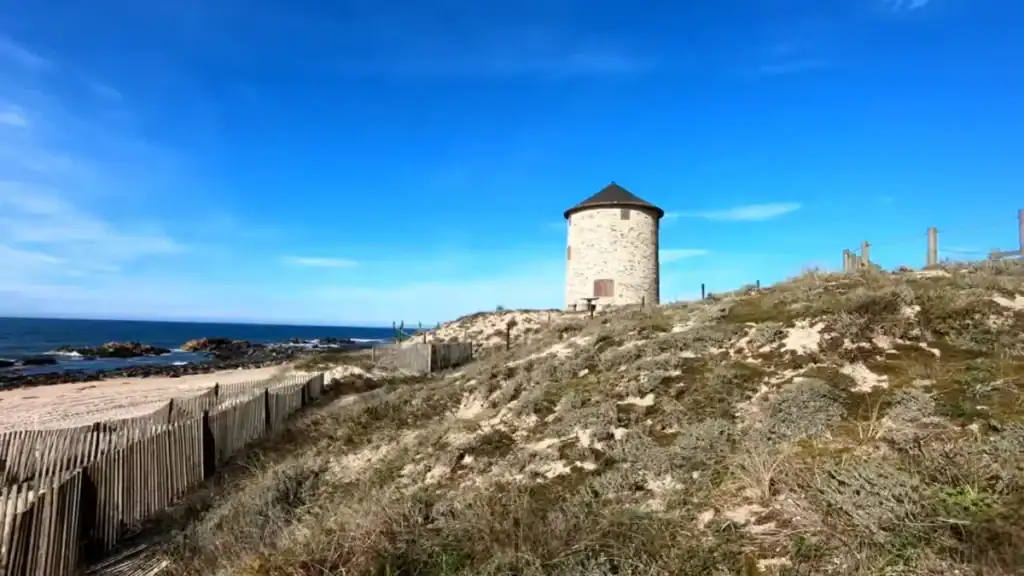
Turning back towards Vila do Conde brings the Atlantic gradually into the ride again. The agricultural landscape begins to recede, the air becomes more exposed and the route eventually reconnects with the long coastal strip north of town.
When the Atlantic Reappears
The return feels very different from the inland ride. Instead of vineyards and enclosed rural lanes, the landscape opens towards dunes, beaches and a much wider horizon.
This is where Vila do Conde cycling becomes a genuinely varied circuit rather than simply an out-and-back ride. The Vila do Conde coastal walk follows the same Atlantic landscape at a slower pace, with the exposed shoreline and long stretches of coast becoming the focus.
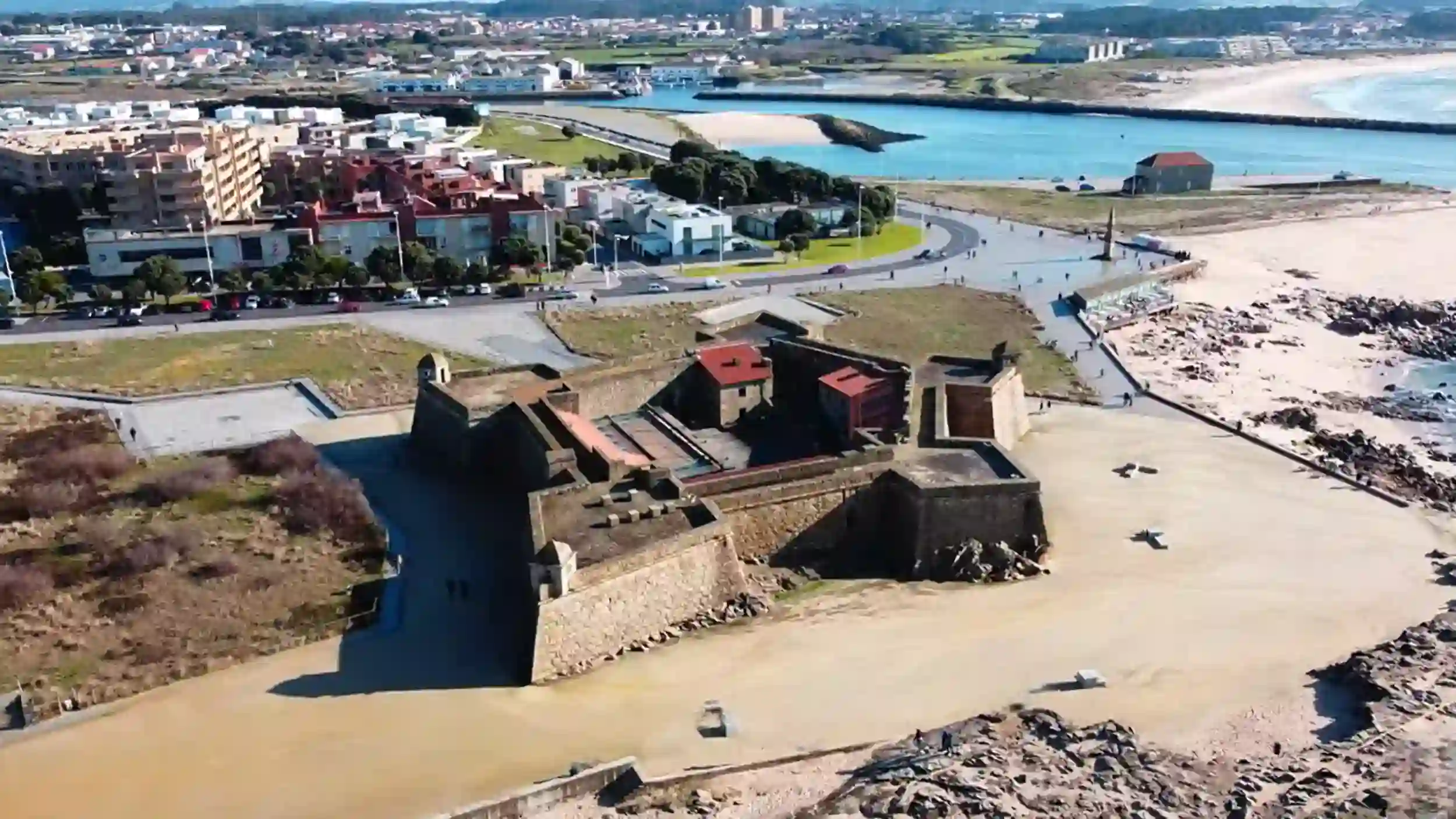
Following the coast south eventually brings the river mouth and town back into view, completing the transition from countryside to Atlantic Vila do Conde.
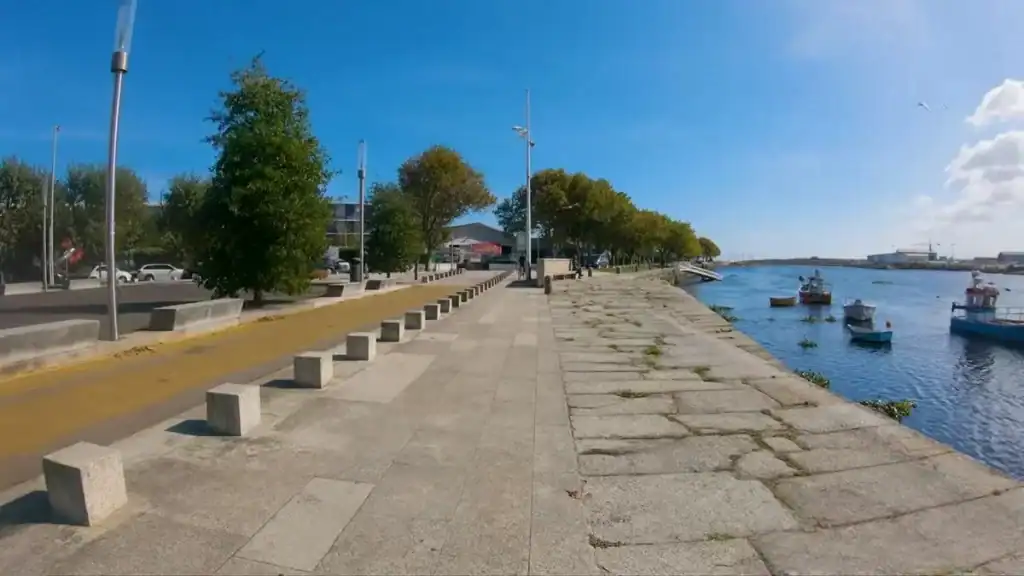
Crossing the Ave Back Into Town
The final stretch brings the route back towards the River Ave, with Vila do Conde gradually reappearing across the water. After the open coast and rural sections, the return to the river provides a clear geographical finish to the ride.
Completing the Vila do Conde Cycling Loop
Crossing the Ave brings the different landscapes of the route together. The Atlantic lies behind you, the river leads back through town and the Monastery of Santa Clara rises above the rooftops, providing an unmistakable landmark as you return.
From here, it’s easy to continue through the Vila do Conde historic centre or simply follow the river back towards the waterfront.
That combination is what makes Vila do Conde cycling particularly rewarding. In a single circuit, the scenery moves from river to countryside, through Vinho Verde vineyards and back along the Atlantic coast, without any one section dominating the ride.