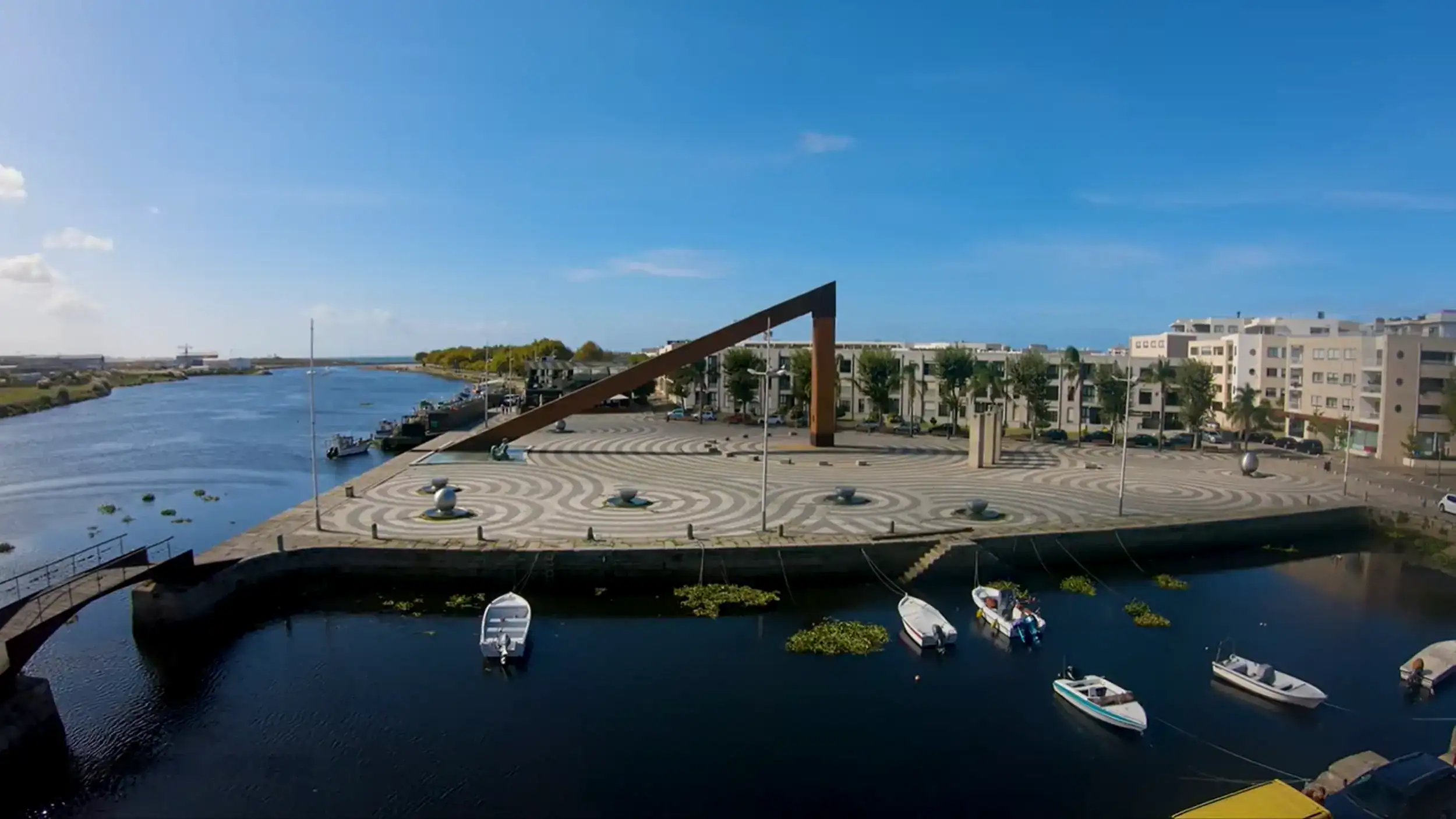
Vila do Conde things to do fit surprisingly well into a single day. The town sits where the River Ave reaches the Atlantic, with the historic centre, harbour, monastery, beaches and fort all close enough to connect comfortably on foot. Most of the main sights lie within about twenty minutes of the quay.
But Vila do Conde changes as the day unfolds. Early morning brings mist and quiet to the river, the historic centre comes to life later in the morning, and the coast works best as the light begins to soften. Planning around that rhythm makes the town feel less like a checklist of sights and more like a day spent moving naturally between river, streets and Atlantic shore.

Early Morning at Vila do Conde Harbour
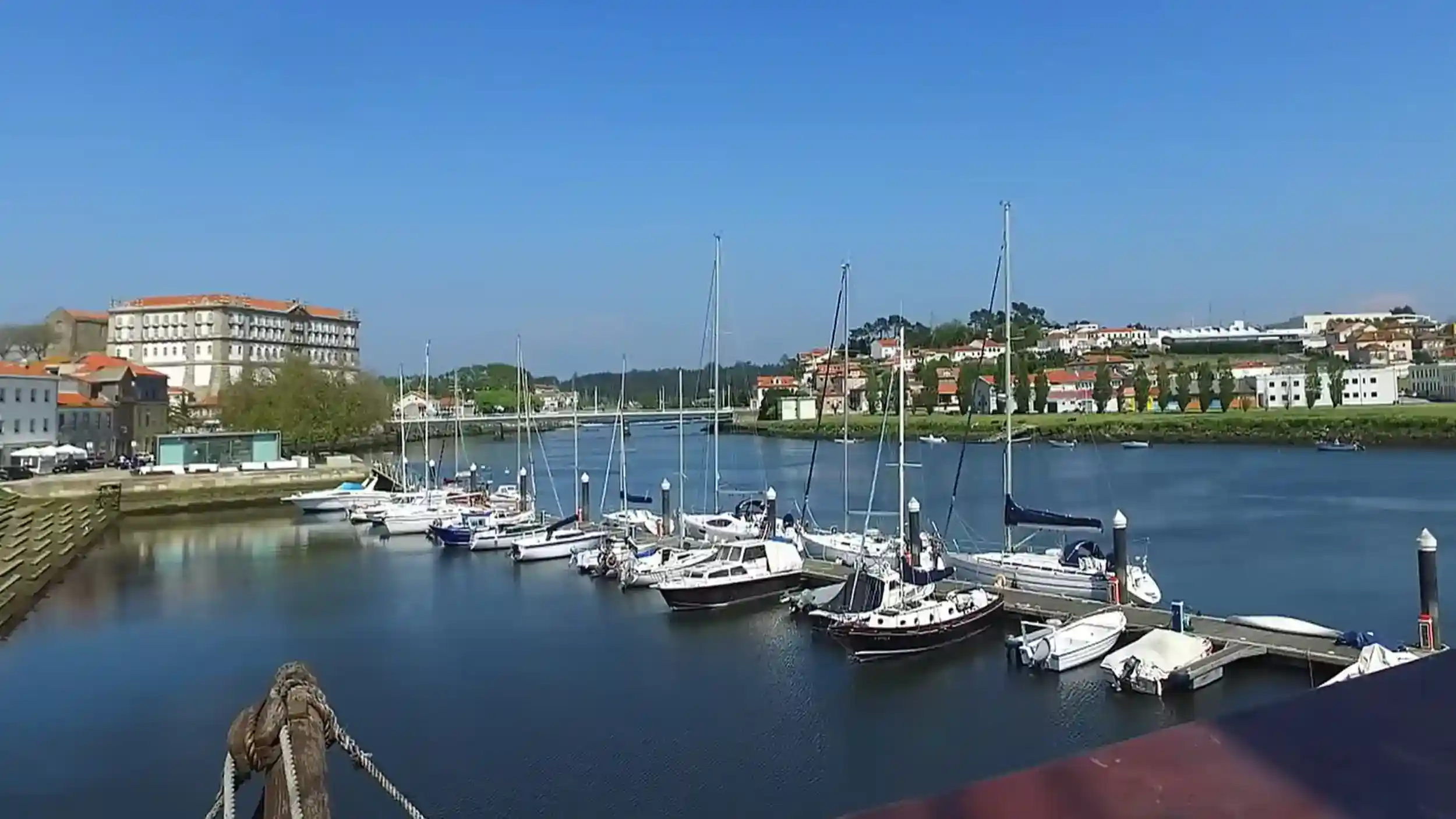
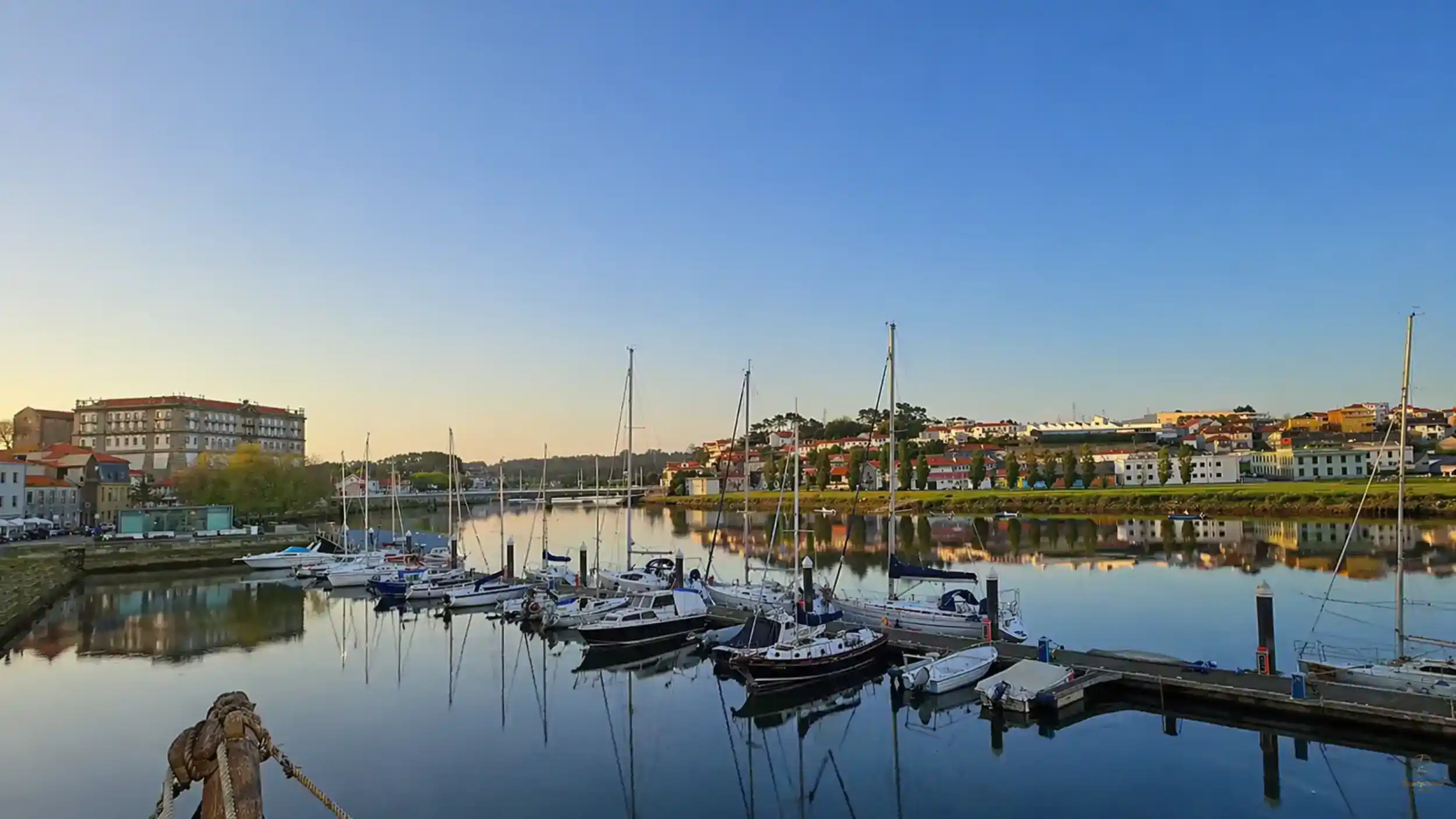
Early morning is when the waterfront feels at its quietest. Before seven, mist can sit low over the Ave, partially hiding the small boats moored along the quay while their masts remain visible above it. Across the river, the first sunlight begins to reach the Convento de Santa Clara while much of the town remains in shadow.
Start the Day Beside the Ave
Most cafés around the river begin opening by around 7:30, making this an easy place to stop for a galão and pastel de nata before exploring further.
Use the quieter early hour to walk south beside the river towards the foz. Later in the day the waterfront becomes busier and the light stronger, so morning gives you a noticeably calmer introduction to this part of town.
The Vila do Conde harbour is worth exploring slowly rather than treating it simply as the starting point for the day’s sightseeing.
The Historic Centre and Naval Museum
By mid-morning, Vila do Conde’s historic centre has come to life. The old streets spread back from the river around Praça Vasco da Gama, with the Igreja Matriz and its bell tower providing an easy landmark as you explore.
Explore the Streets Before the Museum
The centre is compact enough to wander without a fixed route. The historic centre is worth exploring slowly, particularly around the Igreja Matriz, rather than simply walking through on the way to the riverfront.
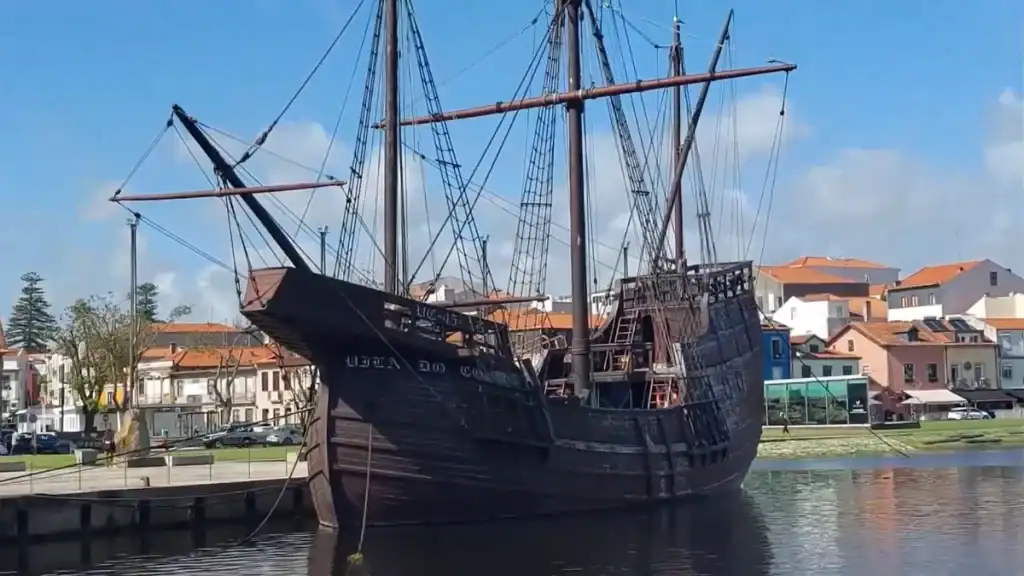
Back beside the Ave, the Alfândega Régia occupies Vila do Conde’s former royal customs house. Its permanent exhibition explores the town’s maritime history, including navigation, customs and the shipbuilding industry that once operated directly outside on the quay.
A full-scale replica of a 16th-century Portuguese nau is moored alongside, and you can walk aboard and explore its decks. Allow around an hour for the museum itself, with additional time if you visit the ship.
Climbing to Santa Clara and the Aqueduct
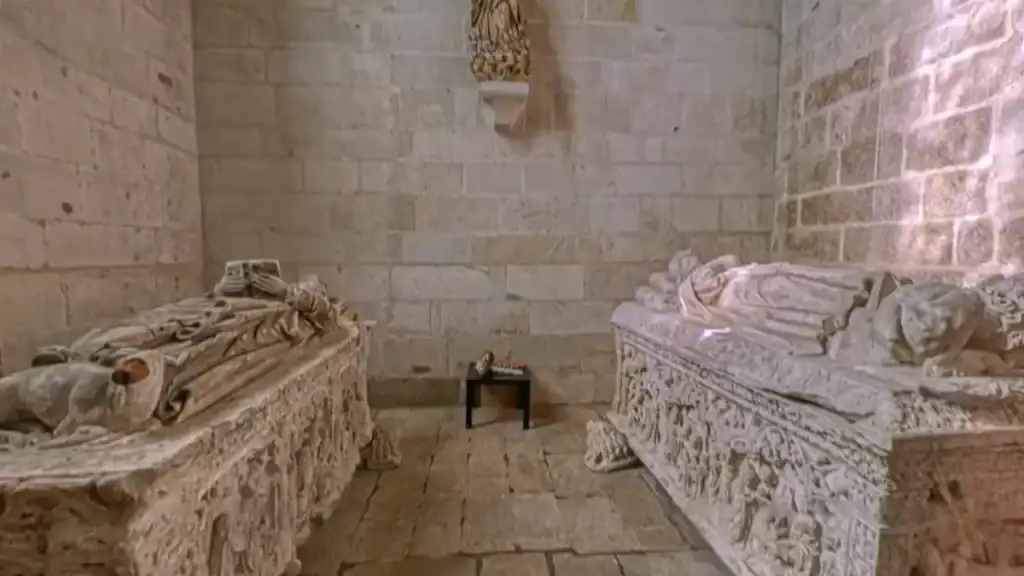
Cross the Ave and Vila do Conde begins to rise towards the Convento de Santa Clara. The walk from the quay takes around fifteen minutes. It isn’t particularly steep, but the elevated position rewards the effort with views across the town, the bend of the river and the Atlantic coastline beyond.
Walk Beneath the Santa Clara Aqueduct
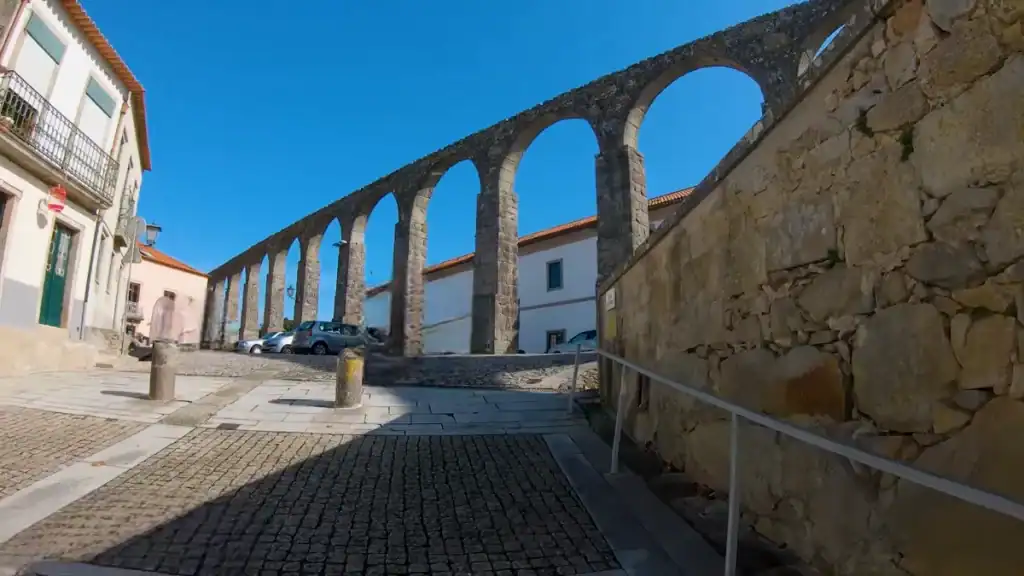
Behind the monastery, the surviving arches of the Santa Clara aqueduct stretch across the landscape. The aqueduct once carried water for around five kilometres from a spring at Terroso, and although substantial sections have disappeared, a long stretch remains intact behind the monastery.
You can walk beneath the granite arches, where the repeated openings create alternating bands of light and shade. The Monastery of Santa Clara guide explores the monastery, aqueduct and hill in more detail.
Beach, Dunes or the River
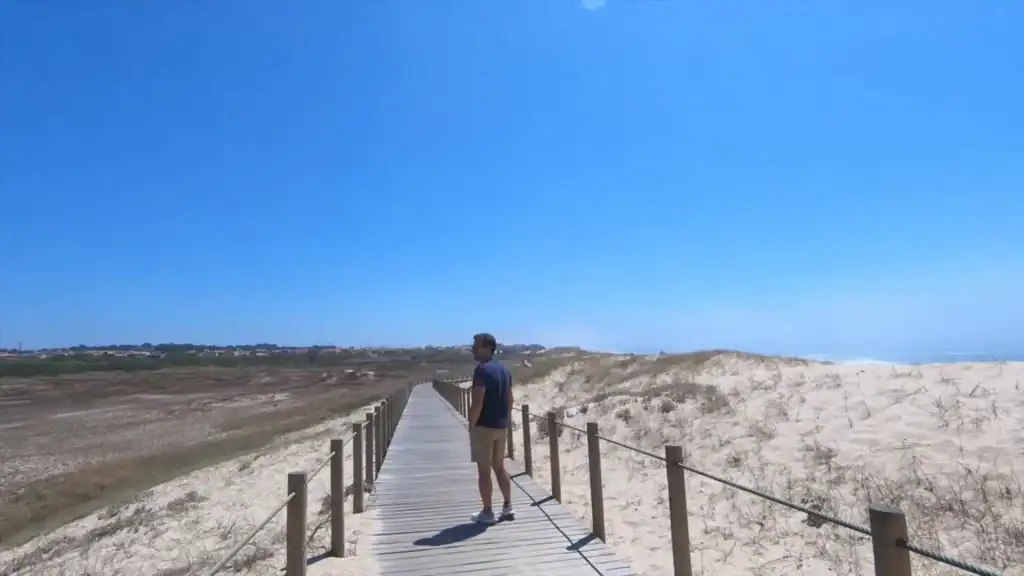
By afternoon, the coast becomes the natural focus. Vila do Conde’s beach begins near the mouth of the Ave and continues north for several kilometres, with broad sand, low dunes and an uninterrupted Atlantic horizon. A paved promenade runs behind the beach if you’d rather avoid walking on the sand.
Choose the Coast or Stay on the Ave
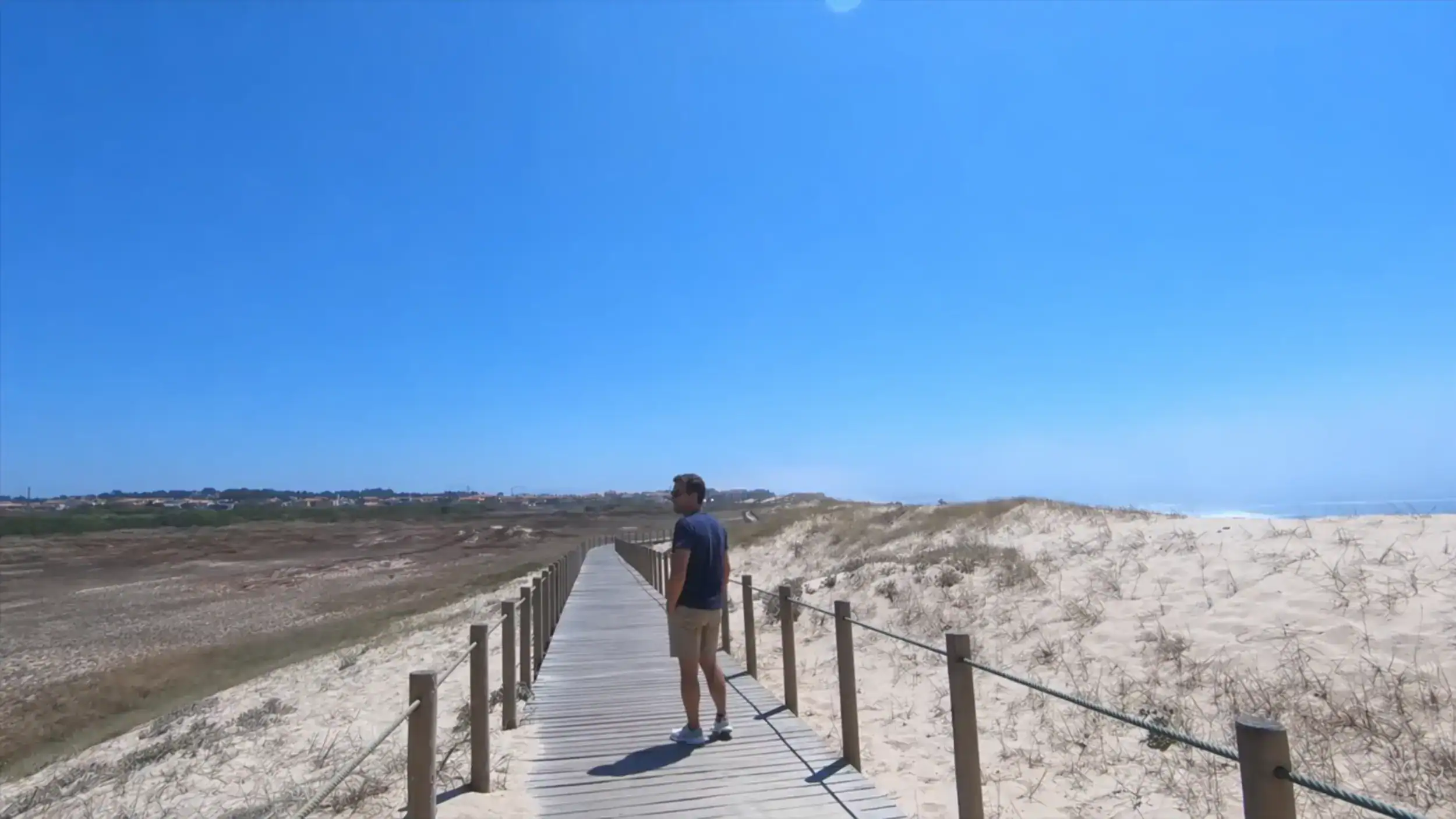
If you want a longer walk, continue beyond the main beach onto the coastal boardwalk, where the route runs through dunes and protected coastal landscape.
Alternatively, stay beside the river. Boat trips travel inland along the Ave from the quay near the nau, although departures depend on passenger numbers, so check timings locally rather than relying on a fixed schedule.
For lunch, the streets behind the riverfront have small restaurants serving grilled fish and Vinho Verde, with sardines a good seasonal choice.
Late Afternoon at the Fort and River Mouth
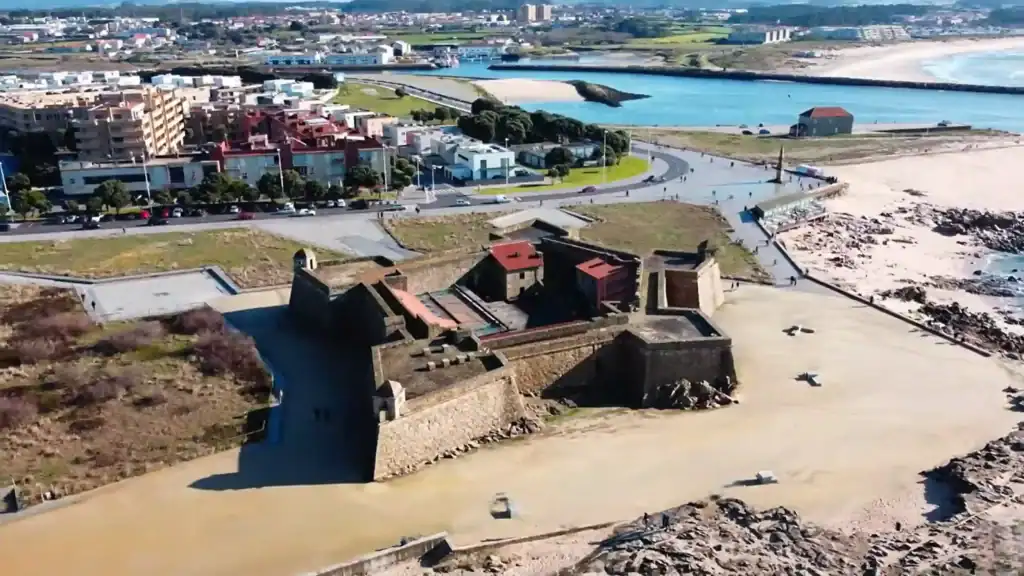
Late afternoon is a good time to return to the water and follow the Ave towards its meeting point with the Atlantic. The Forte de São João Baptista stands on the north bank beside Senhora da Guia beach, around twenty-five minutes on foot from the centre.
Stay for the Last Hour of Light
A short walk beyond the fort brings you to the Capela de Nossa Senhora da Guia, set on a rocky outcrop above the river mouth. Stone steps climb behind the chapel to a viewpoint with the Ave on one side and the open Atlantic on the other.
This is one of the best places to spend the final hour before sunset. The west-facing Atlantic catches the falling sun directly, while the lighthouse at the river mouth begins flashing before the daylight has completely disappeared.
The fort and river mouth are particularly worth exploring at this time of day, when the softer light brings the harbour, beach and Atlantic together.

Evening on the Vila do Conde Esplanade
After sunset, Vila do Conde shifts back towards the river. People begin walking along the esplanade without much need for a destination, with families, older couples and groups of friends joining the traditional evening passeio. Streetlights reflect across the Ave as the waterfront settles into a slower rhythm.
Dinner Beside the River
Restaurants around the old shipyards continue serving into the evening, while the squares behind the waterfront fill their outdoor tables during summer. Arroz de marisco is a good local choice if you want to finish the day with seafood.
There is no particular sight you need to reach at this point. The appeal comes from joining the evening walk, finding somewhere to eat and watching the riverfront change after dark.
Making the Most of a Day in Vila do Conde
Vila do Conde is compact enough to explore comfortably in a day. Most of the places worth seeing sit within twenty minutes of the quay, so you can move between the river, historic centre, monastery and coast without spending much of the day travelling between them.
Plan the Day Around the Light
Timing makes the difference. Visit Santa Clara early when the first light reaches the hill, use the stronger middle part of the day for the historic centre and aqueduct, then head towards the river mouth as the afternoon light begins to soften.
If you’re deciding whether the town deserves more than a day trip, is Vila do Conde worth visiting? looks more closely at who the town suits and whether staying longer adds enough to the experience.
One day covers a surprising amount, but two days allow you to slow the pace, spend longer beside the coast and experience Vila do Conde during its particularly quiet early mornings.