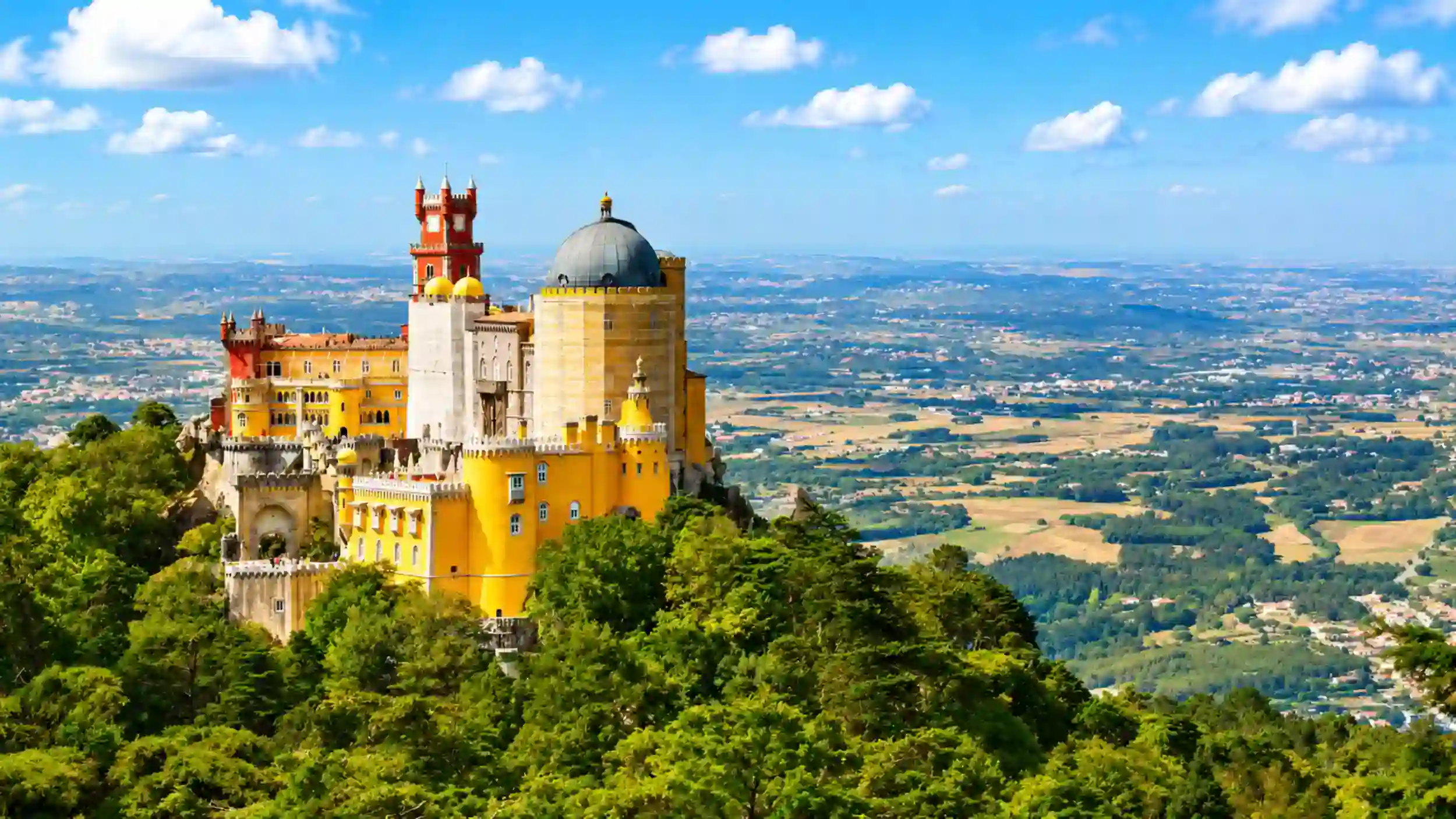
Two days is the best minimum I would allow for Sintra if you want the major palaces without turning the visit into a race. One day can cover a carefully chosen palace route, but a second day creates room for the Atlantic coast. With three or more, the quieter villages, beaches and forested hills start becoming realistic too.
The extra day changed more than the number of places I could reach. The coast and countryside stopped being the things I kept pushing to the edge of the plan and became part of Sintra itself.
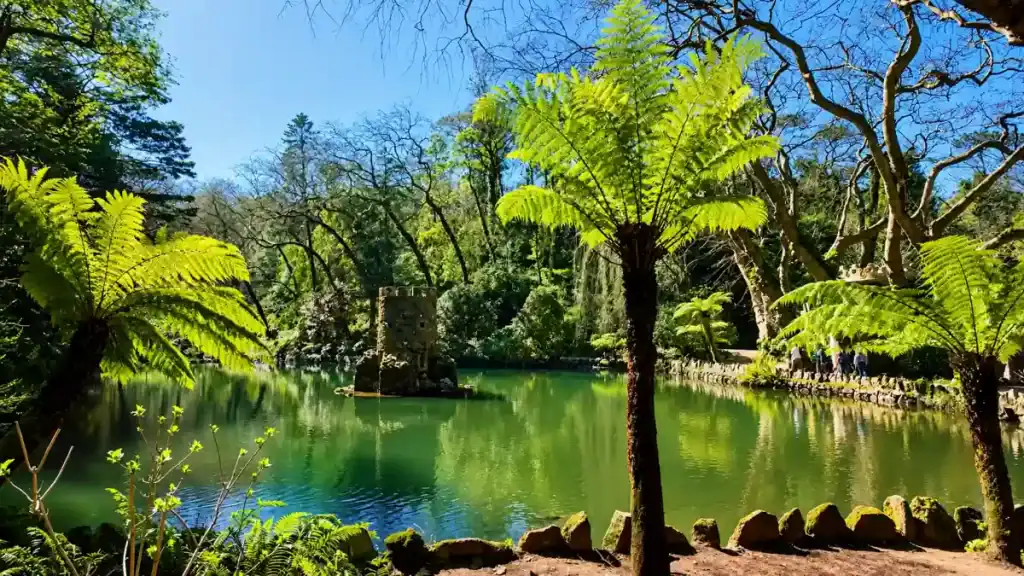
🗺️ I Underestimated How Spread Out Sintra Really Is
I underestimated how spread out Sintra really is because the historic centre initially made the area feel more compact than it was. That impression did not survive the first transfer.
Pena Palace and the Moorish Castle sit high above town, Quinta da Regaleira occupies another part of the hills, and reaching the Atlantic coast means travelling west again. Each move consumes a little more of the day than the map suggests.
📱 Quick answer: one day means choosing; two days covers the palaces and coast far more comfortably; three days gives the wider Sintra region room to breathe.
The First Transfer Was Where My Schedule Started Slipping
Even arriving from Lisbon needed more planning than I first expected. The train journey from Rossio takes around 40 minutes, but from Sintra station I still needed a bus, tuk-tuk or substantial uphill walk to reach Pena Palace.
That gap between arriving in Sintra and reaching the first attraction was where my schedule began slipping. The train had arrived; sightseeing had not. The most common planning mistakes around Sintra often come from underestimating exactly this kind of lost time.
Once I understood which sights combined naturally, deciding how many days I actually needed became much easier.
How Much Time Changes the Trip
- ⏱️ 1 day: choose the palaces or the coast and accept the compromise.
- 🏰 2 days: give one day to the palaces and historic centre, then one to the coast.
- 🌊 3 days: add Colares, Almoçageme, Penedo or another quieter part of the region.
- 🌲 4+ days: make room for walks, beaches and slower exploration.
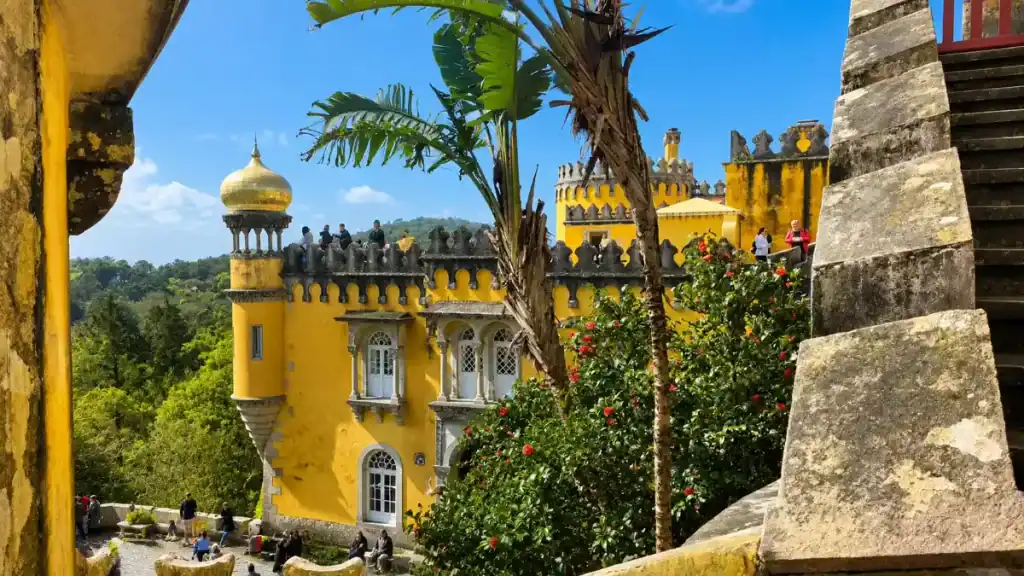
⏱️ With One Day, I Would Make One Clear Choice
With one day in Sintra, I would make one clear choice: the palace district or the coast. I could make either version work, but not without accepting what I was leaving out.
I would either explore the palace district properly or concentrate on the coast. Whenever I tried to imagine combining both, the day became more about rushing between the places around Sintra than enjoying them.
If I Chose the Palaces, I Would Start at Pena
If Pena Palace were my priority, I would start early and allow at least two hours for the palace and grounds before moving on to the Moorish Castle or historic centre.
I would also give Quinta da Regaleira around two hours for the Initiation Well, tunnels and garden paths. Trying to combine all three major attractions in a single day would force me to shorten something.
For the Coast, I Would Ignore the Palaces Completely
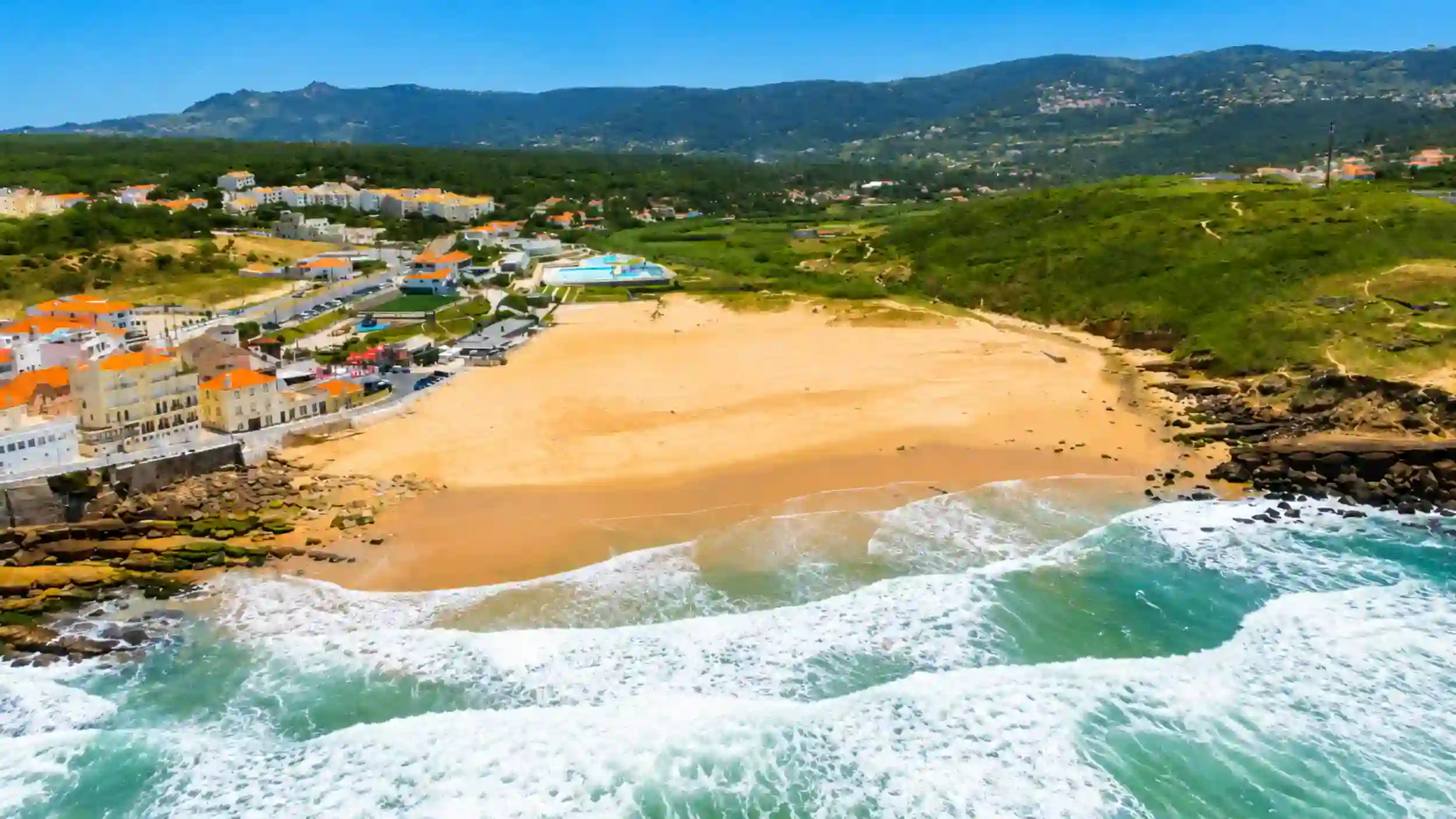
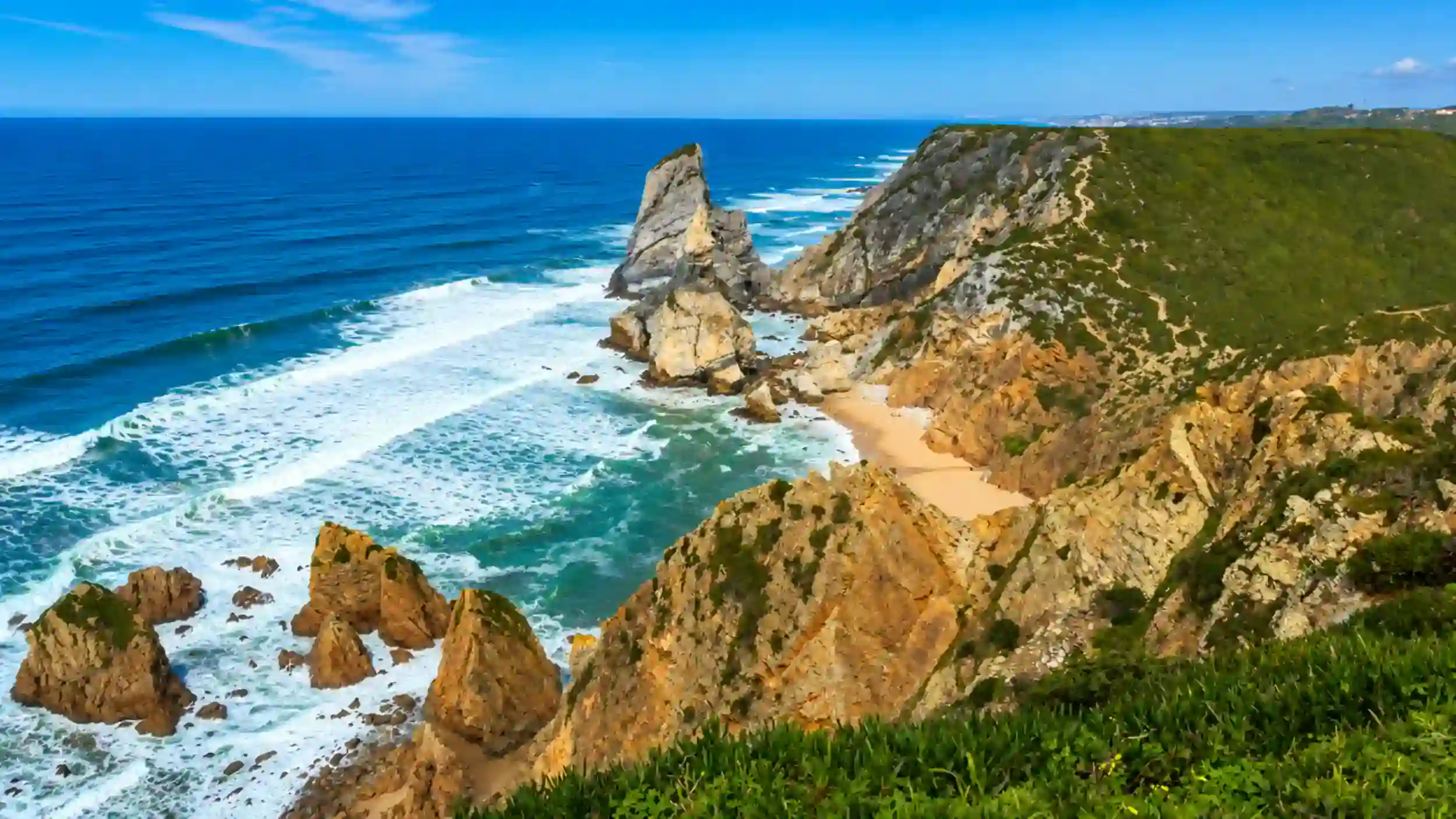
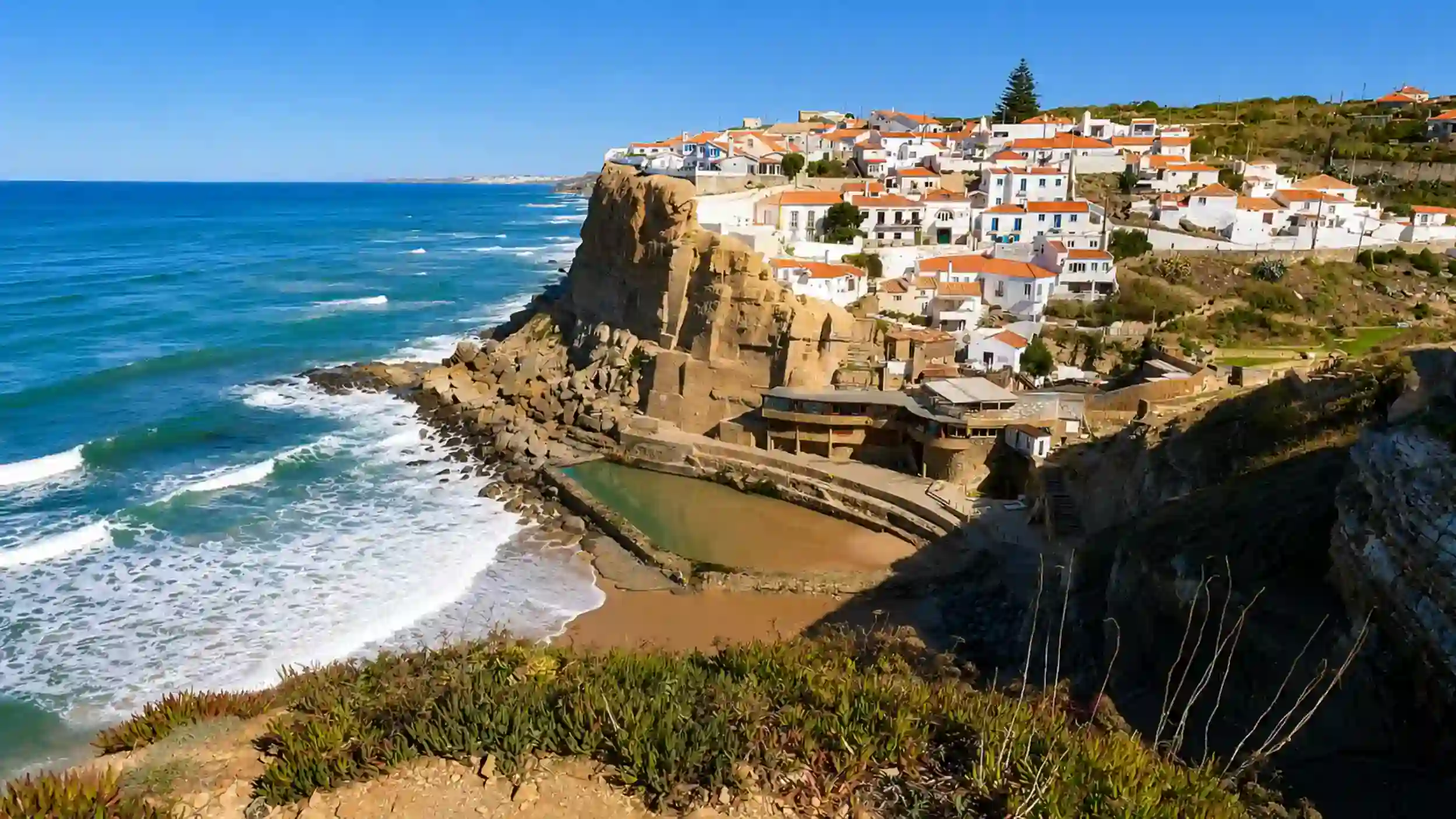
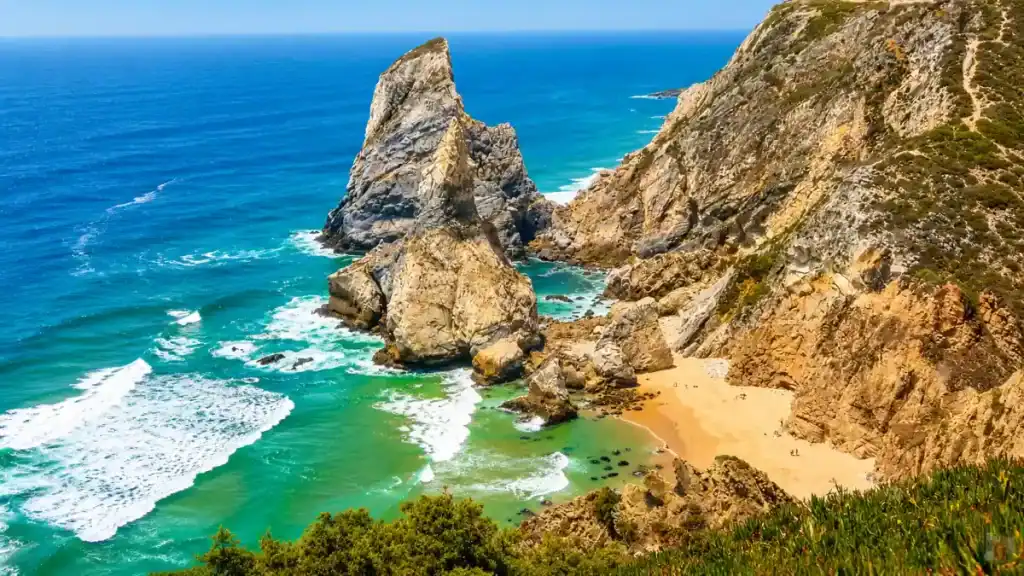
If the coast mattered more to me, I would build the day around Azenhas do Mar, Praia das Maçãs and Cabo da Roca, which formed a much more natural route.
I could combine them without dealing with the palace district at all. For Atlantic scenery rather than architecture, I think that is the stronger one-day version of Sintra.

🏰 Two Days Is Where Sintra Started Making Sense to Me
Two days is where Sintra started making sense to me, and it is the structure I would recommend to most visitors.
It gave me a clean split: one full day for the palaces and historic centre, then another for the coast and smaller places around Sintra.
My First Day Would Stay in the Hills and Old Town
I would start at Pena Palace, when the light is better and the crowds are lighter. The Moorish Castle and palace sit close enough for me to combine them in the same morning.
I would descend to Sintra’s historic centre for lunch, then spend the afternoon at Quinta da Regaleira. That gave me a day I could complete without rushing any of the three.
The Second Day Belongs to the Atlantic
I would use the second day for the coast. The drive from Sintra to Azenhas do Mar takes around 25 minutes, and I found the circuit of Azenhas do Mar, Cabo da Roca and Praia das Maçãs enough to fill the day comfortably. If I were visiting Azenhas do Mar I would also think carefully about the time of day because it shapes both the experience and the light.
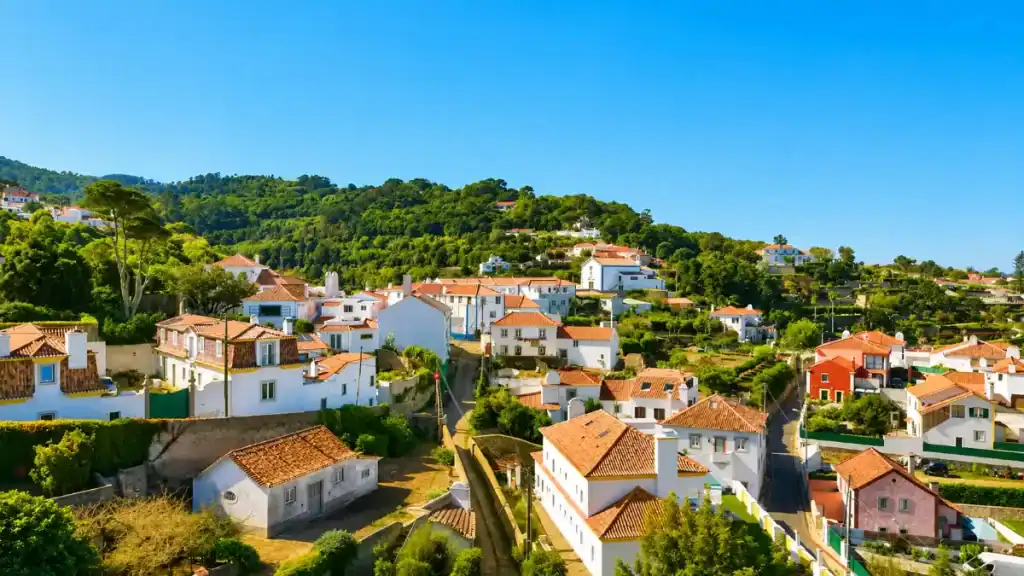
🌊 A Third Day Let Me Go Beyond the Obvious Sintra
A third day let me go beyond the obvious Sintra because most of the difficult trade-offs had disappeared.
I could give the palace district a full day, the coast another, then use the third for smaller villages and landscapes I would otherwise have missed.
This Was the Day I Would Slow Down
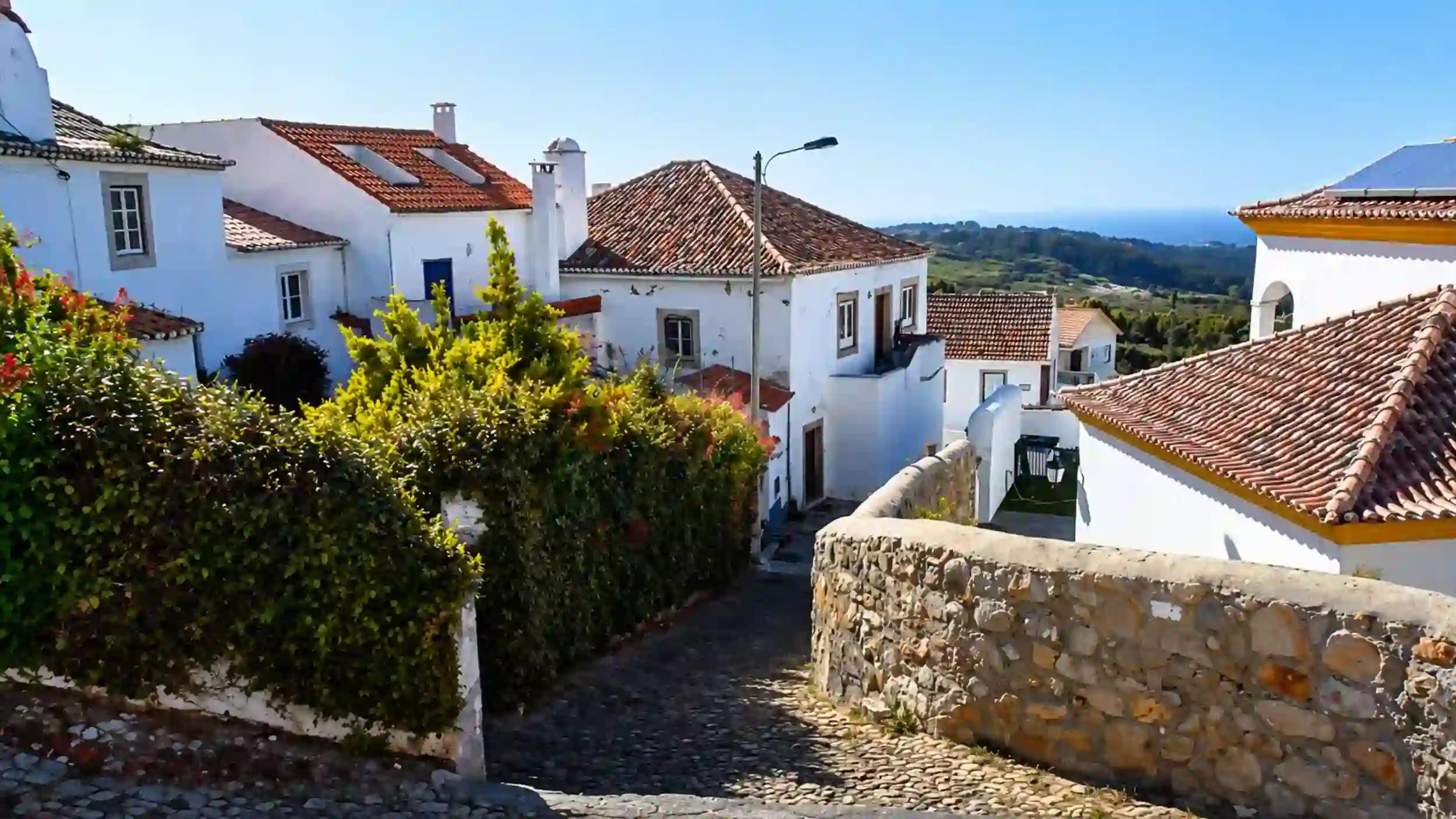
I found Colares well removed from the busiest tourist circuit in the foothills of the Serra de Sintra. Almoçageme took me closer to the Atlantic, while Penedo offered elevated views across the hills and coast.
These were the places around Sintra I found much easier to include once the main palaces were no longer competing for the same day.
I Would Avoid Building Everything Around Peak Summer
I would expect the greatest pressure in July and August, when Pena Palace, the Moorish Castle and Quinta da Regaleira draw their largest crowds.
Personally I would choose spring or the shoulder months for more freedom, with less pressure around the roads, attractions and transport between different parts of Sintra.
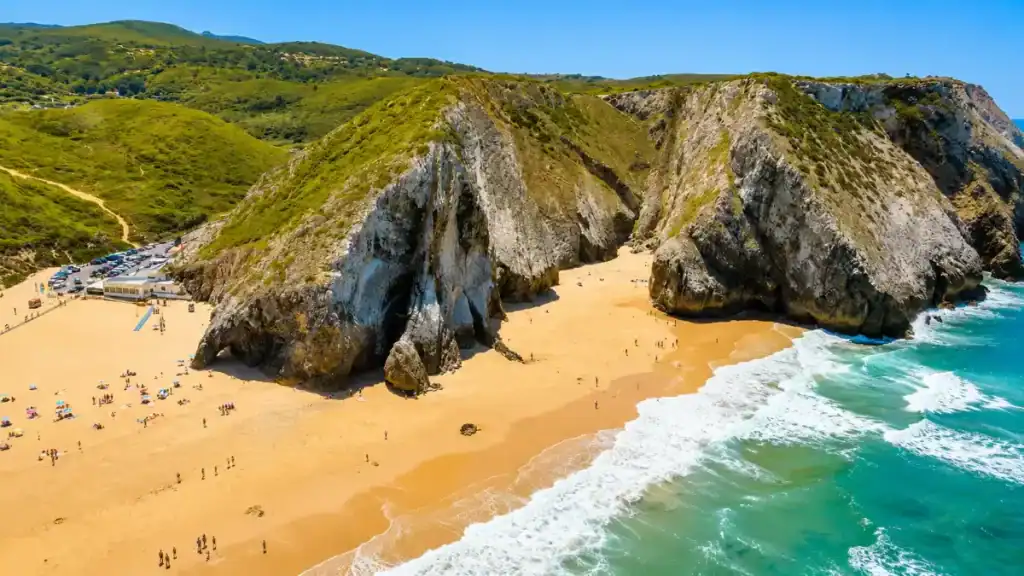
🌲 With Four Days, I Could Stop Treating Sintra Like a Checklist
With four days or more, I could stop treating Sintra like a checklist and start experiencing it as a region rather than a collection of attractions.
I could make time for coastal hiking near Praia da Adraga, longer beach stops, quieter forest walks and the hills around Colares without sacrificing the major sights.
The Sintra-Cascais Natural Park covers a substantial area of coastline, forest and hills, and I realised how little of it a short visit could realistically touch.
With four days or more, I no longer needed to build every day around Pena Palace, Quinta da Regaleira or the historic centre. I could spend longer on the Atlantic coast, follow walking routes through the Sintra forest or simply leave space for places I discovered along the way.
Because I prefer exploring without rushing, that extra time changed the character of the trip completely.
🧭 I Would Build the Days Around Natural Pairings
I would build the days around natural pairings because some combinations stopped the itinerary fighting against the geography.
I would pair Pena Palace with the Moorish Castle, while Quinta da Regaleira combined easily with Sintra’s historic centre. On the coast, Azenhas do Mar and Praia das Maçãs made another logical pairing for me, with Cabo da Roca fitting naturally into either coastal direction.
The Checklist Was the Wrong Way for Me to Plan
Every time I tried to force the palace circuit and Atlantic coast into the same tight schedule, something had to shrink: lunch, time inside an attraction or the coast itself.
The distances looked manageable. Transfers, queues and fixed return times were what made the day feel rushed.
Building a fuller picture of the beautiful places around Sintra helped me decide which ones suited the kind of trip I actually wanted before committing to an itinerary.
🧭 My choice: for most trips, I would choose two days; three would be my preference if time allowed. Sintra is worth more than a day trip from Lisbon if you want the coast or quieter landscapes as well as the palaces. The useful question is not how many attractions can technically be reached, but how many you want enough time to properly experience.