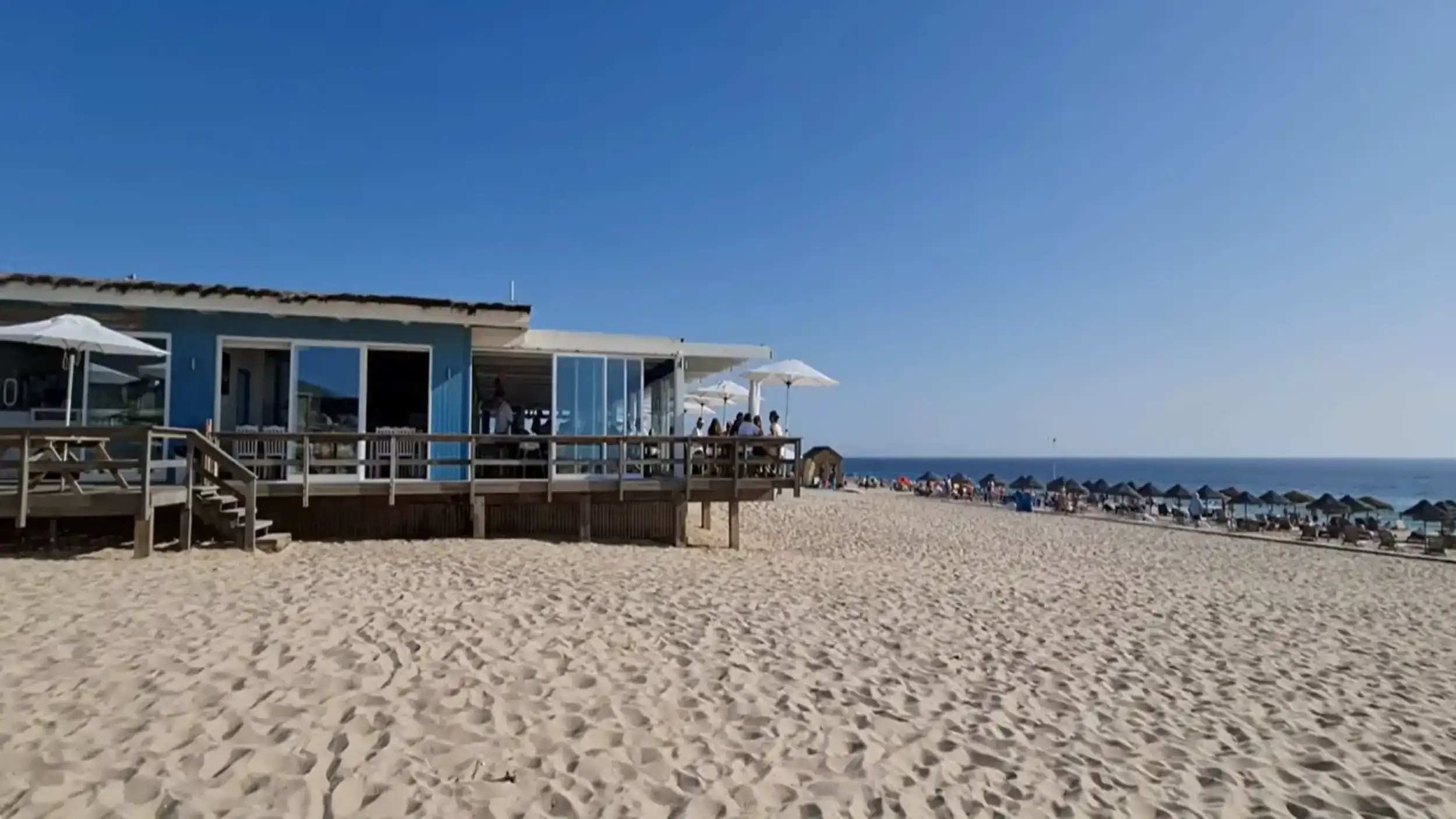
The Comporta Coast stretches for around sixty kilometres between the Sado Estuary and Melides, yet it feels less like a collection of individual destinations than one connected landscape shaped by water, agriculture and the Atlantic.
Although many visitors know Comporta as a single village, the Comporta Coast is actually made up of seven distinct communities linked by rice fields, pine forests, dunes and estuary wetlands. Understanding how these pieces fit together reveals why the region feels so different from anywhere else in Portugal.
🌍 The Geography That Shapes Everything
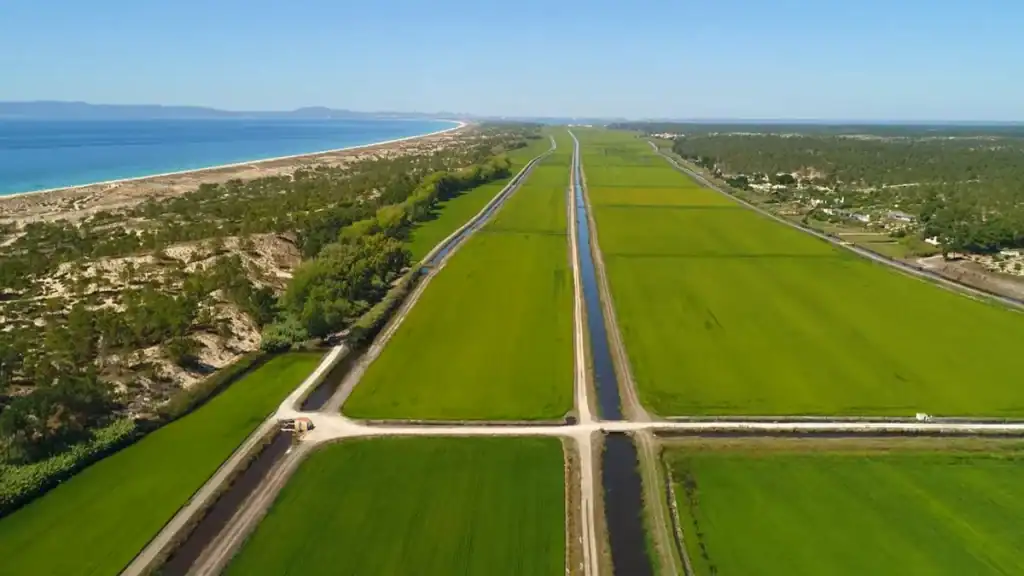
The Comporta Coast is defined by two very different landscapes that run side by side. To the east lies the Sado Estuary, while to the west the Atlantic is separated from the interior by a continuous belt of dunes and pine forest. Between them sits a remarkably flat landscape of rice fields, canals, cork oak woodland and the seven villages that give the region its identity.
Why the Comporta Coast Feels Different
The geography creates an unusual combination of environments within a surprisingly small area.
| Landscape | What it contributes |
|---|---|
| 🌊 Sado Estuary | Wildlife, fishing traditions and wetlands |
| 🌾 Agricultural interior | Rice fields, canals and open countryside |
| 🌲 Dune belt | Protects the coast from development |
| 🏖️ Atlantic beaches | Long stretches of open shoreline |
One of the defining experiences of the Comporta Coast is moving between these environments. A short drive can take you from tranquil estuary mudflats to working rice fields before ending with a walk across the dunes to the Atlantic.
The transition becomes even easier to appreciate after exploring the Comporta Rice Fields, where the relationship between water management, agriculture and the wider landscape becomes much clearer.
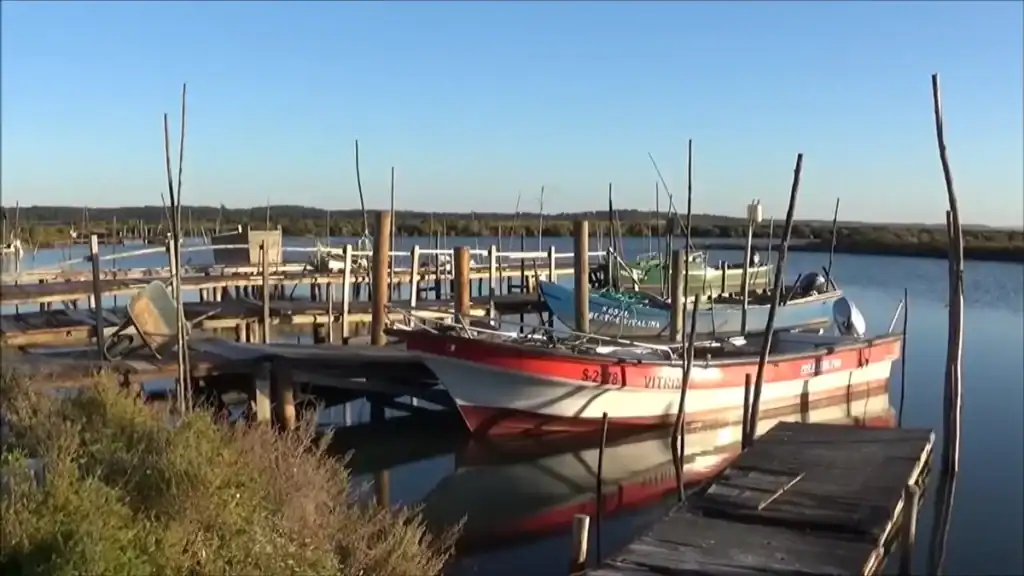
A Landscape Shaped by Water
Although the terrain appears almost completely flat, water dictates nearly everything that happens here.
Flooded paddies reflect the sky through much of the year, irrigation canals control the agricultural cycle and tidal movements continue to influence the eastern edge of the Comporta Coast. These subtle changes help explain why the light, colours and atmosphere can feel completely different from one visit to the next.
🌾 The Rice Fields and What They Reveal
The rice fields are central to understanding the Comporta Coast. They are far more than attractive scenery, forming the agricultural heart of the region and explaining why the villages developed where they did. What appears to be a peaceful rural landscape is, in reality, a carefully engineered system of irrigation, canals and seasonal cultivation that has shaped life here for over a century.
The Comporta Coast Was Built Around Rice
Rice cultivation transformed both the landscape and the communities.
| Feature | Why it matters |
|---|---|
| 🌾 Rice paddies | Created the distinctive agricultural landscape |
| 💧 Irrigation canals | Control water throughout the growing season |
| 👨🌾 Seasonal workers | Helped establish many of today’s villages |
| 🚲 Quiet roads | Make the interior ideal for exploring by bike |
The rice fields are at their most recognisable during summer, when vivid green paddies stretch towards the dunes, before turning rich gold ahead of the autumn harvest. During winter, many flood again, creating broad reflective surfaces that completely change the appearance of the Comporta Coast. Visitors wanting a closer look at this seasonal cycle will find Comporta Rice Fields explores each stage of the year in much greater detail.
More Than Beautiful Scenery
The agricultural landscape also explains the rhythm of everyday life.
Many of today’s communities grew from families who originally arrived to work the fields, making the history of the Comporta Coast inseparable from its farming heritage. Exploring the quieter interior by bicycle often reveals this connection more clearly than driving, as the relationship between paddies, canals, villages and the distant dune belt becomes much easier to appreciate.
🏘️ The Seven Villages
Although the region is commonly referred to simply as “Comporta”, the Comporta Coast is actually made up of seven villages, each with its own relationship to the estuary, rice fields or Atlantic. Together they create a destination that is better explored gradually than experienced from a single base.
Carrasqueira
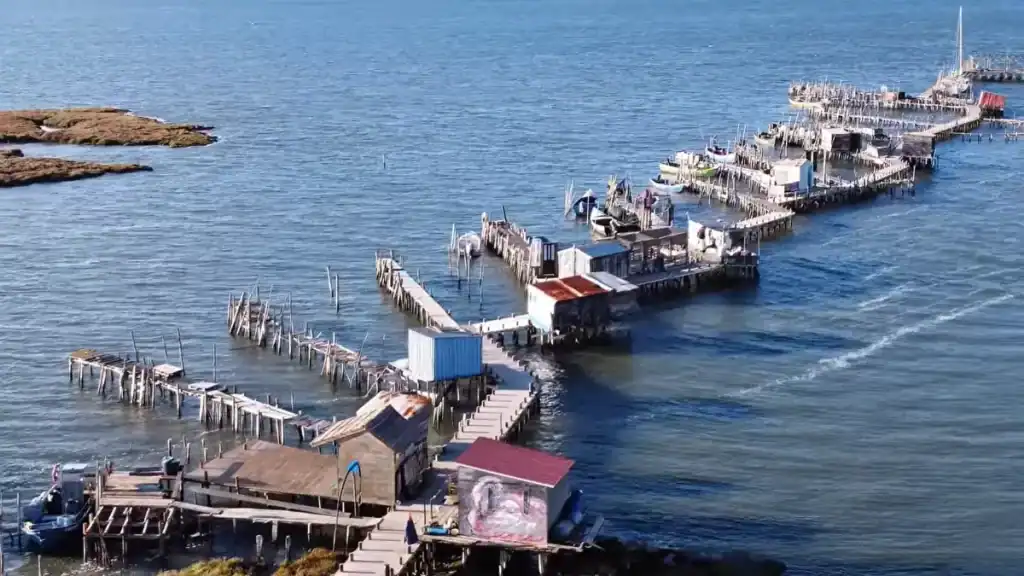
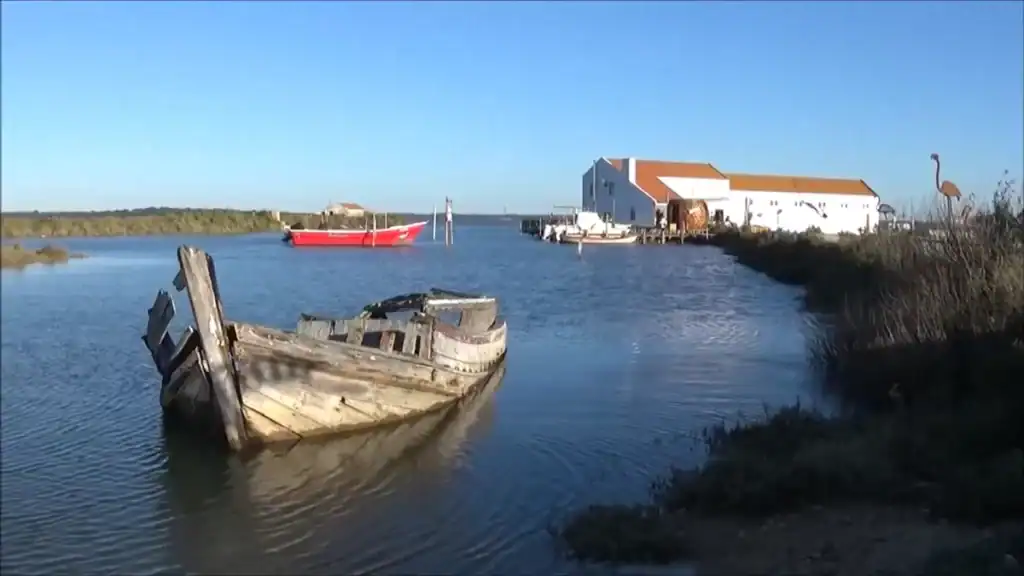
Carrasqueira sits on the eastern edge of the Comporta Coast beside the Sado Estuary rather than the Atlantic. It is best known for its remarkable wooden fishing pier, where generations of local families built an intricate network of walkways above the mudflats to reach their boats regardless of the tide.
The village remains closely connected to traditional fishing, and Carrasqueira Palafitic Pier explains how this extraordinary structure became one of the region’s defining landmarks.
Comporta
Comporta village acts as the informal centre of the coast, although it is much smaller than many first-time visitors expect. Restaurants, boutiques and the Museu do Arroz sit within the village itself, while the beach lies around two kilometres away beyond the rice fields.
That separation often surprises visitors and helps explain why Comporta Village and the beach feel like two distinct destinations despite sharing the same name.
Possanco, Torre and Brejos
These quieter settlements blend naturally into the agricultural landscape.
Rather than functioning as tourist centres, they remain predominantly residential villages surrounded by canals, paddies and farmland, offering a glimpse of everyday life on the Comporta Coast away from the beaches.
Carvalhal, Pego and Melides
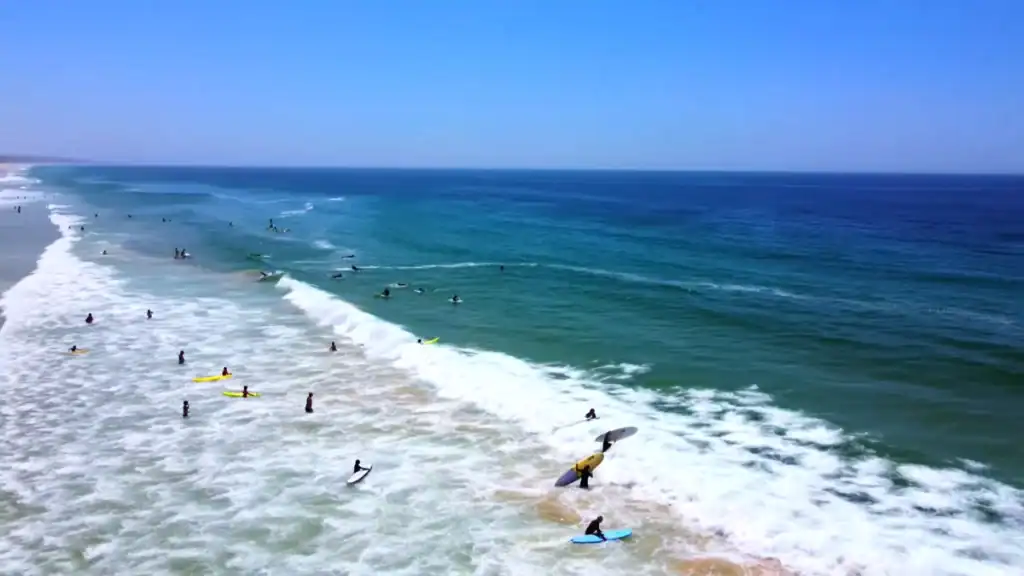
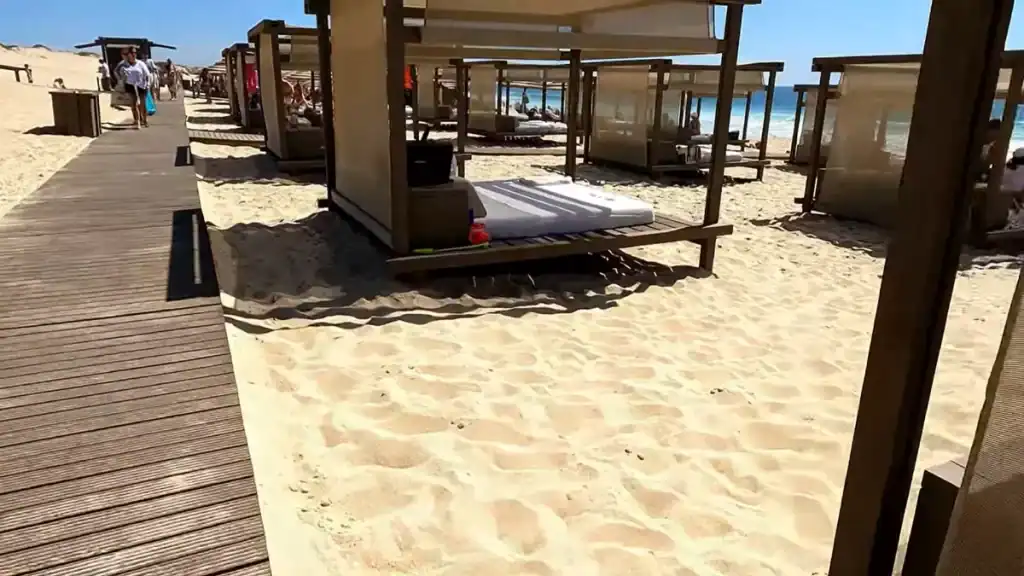
Further south, the atmosphere gradually changes. Carvalhal has developed a reputation for stylish beach restaurants and boutique accommodation, while Pego provides access to some of the coast’s finest beaches.
Melides forms the southern gateway to the Comporta Coast, where the landscape begins to shift beyond the familiar dunes and rice fields. Visitors planning to continue further south will discover a quieter stretch of coastline in Melides, where lagoons, fossil cliffs and Atlantic beaches create a noticeably different character.
🏖️ Comporta Coast Beaches and the Dune Belt
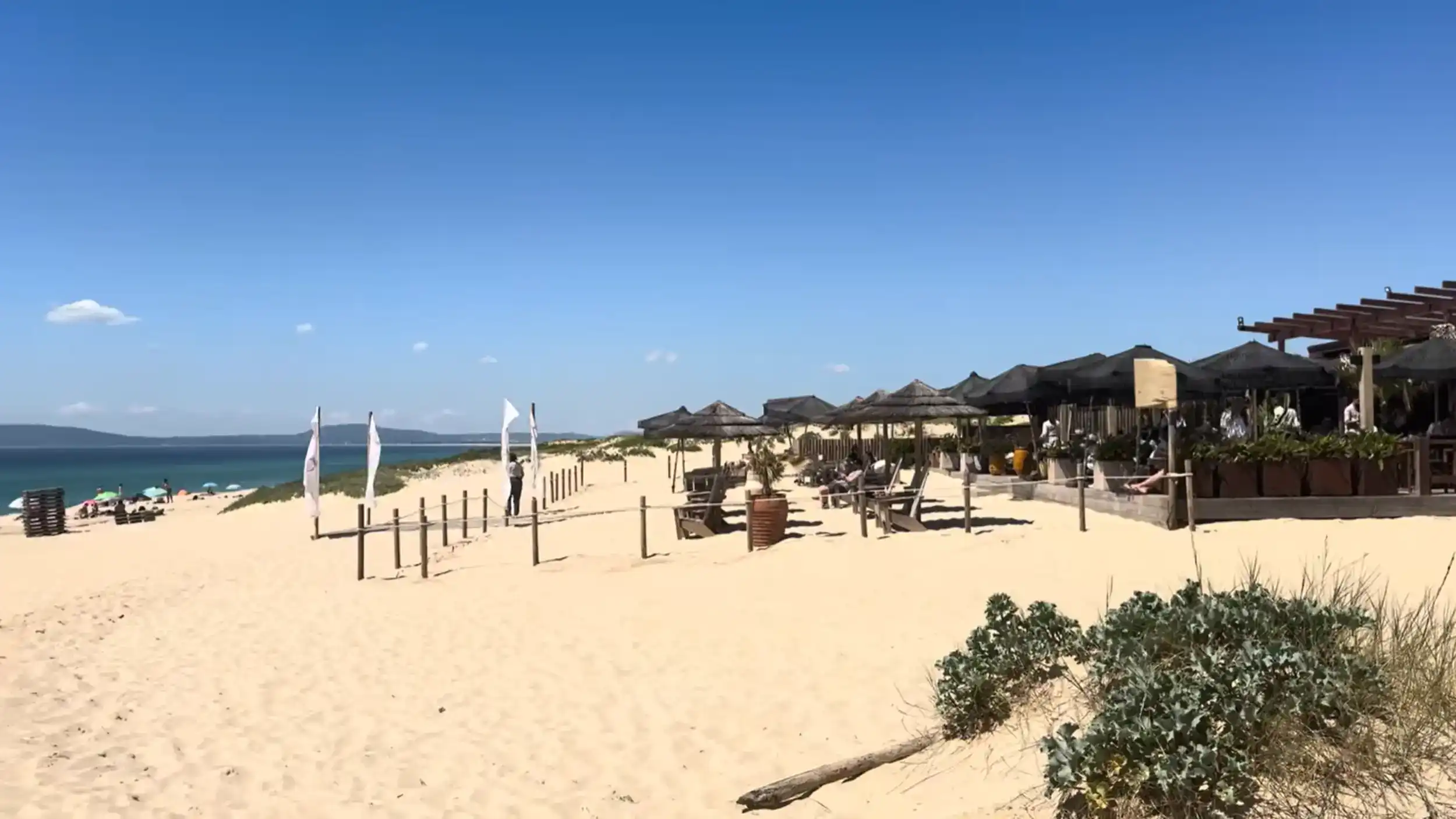
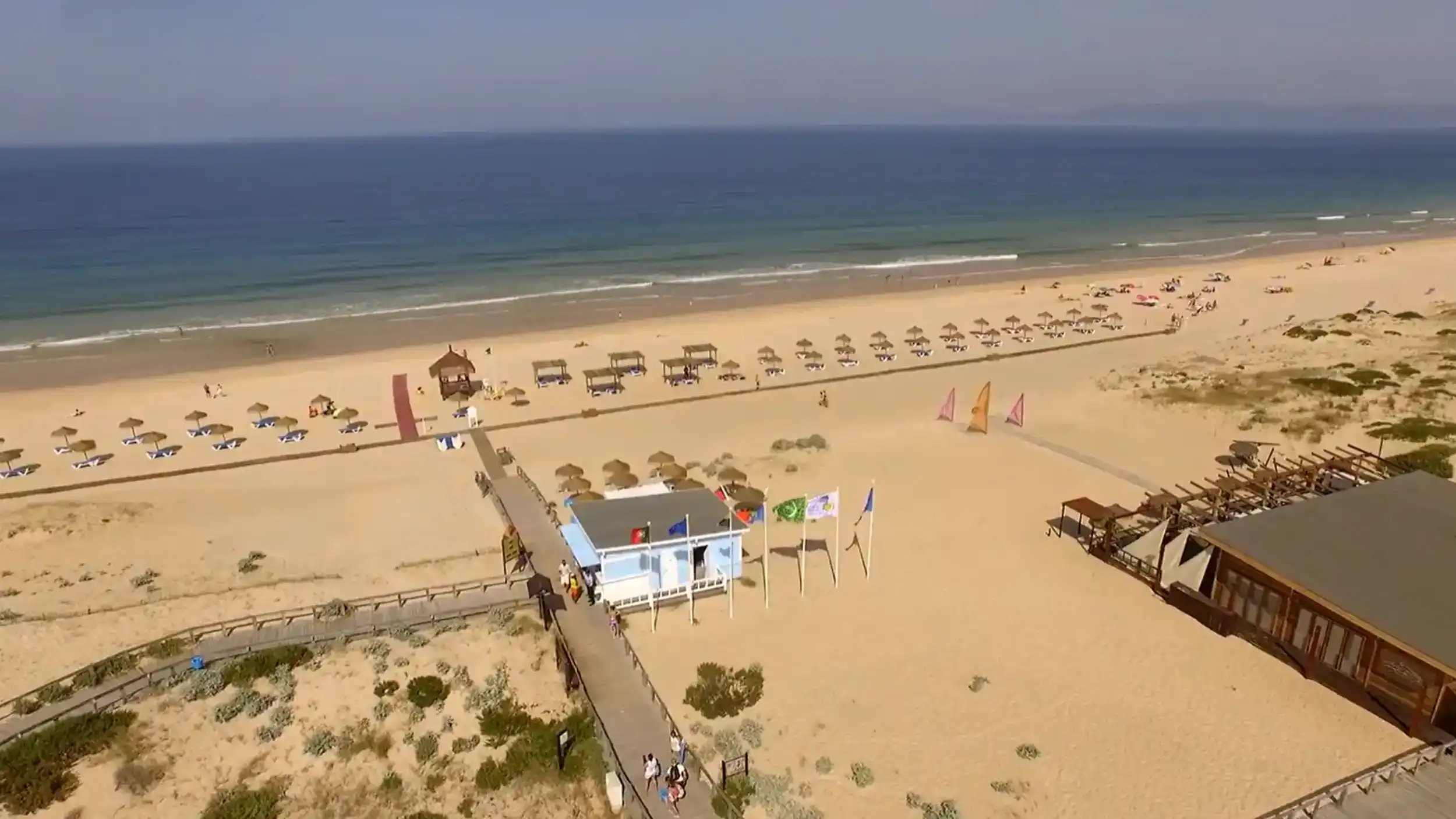
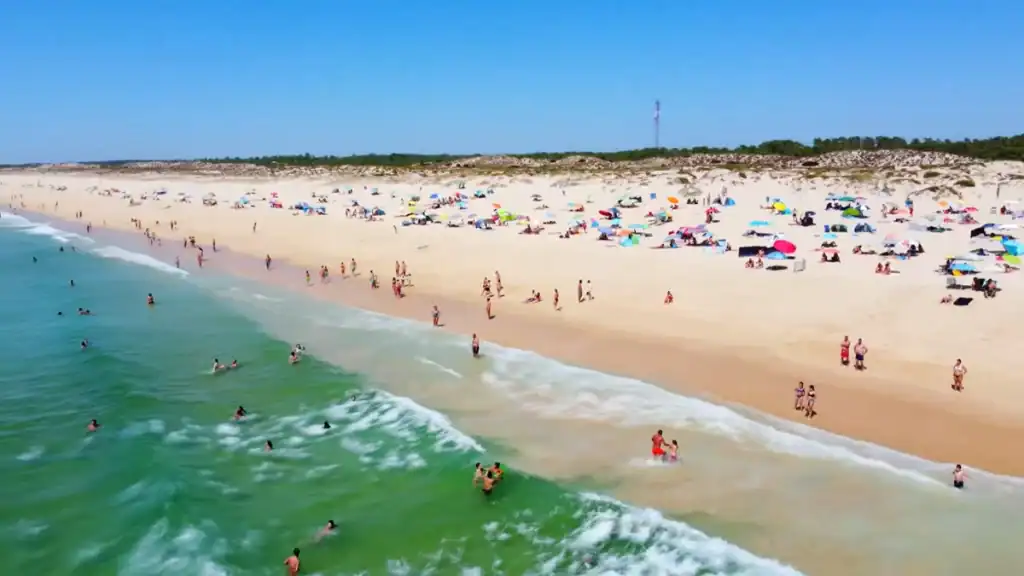
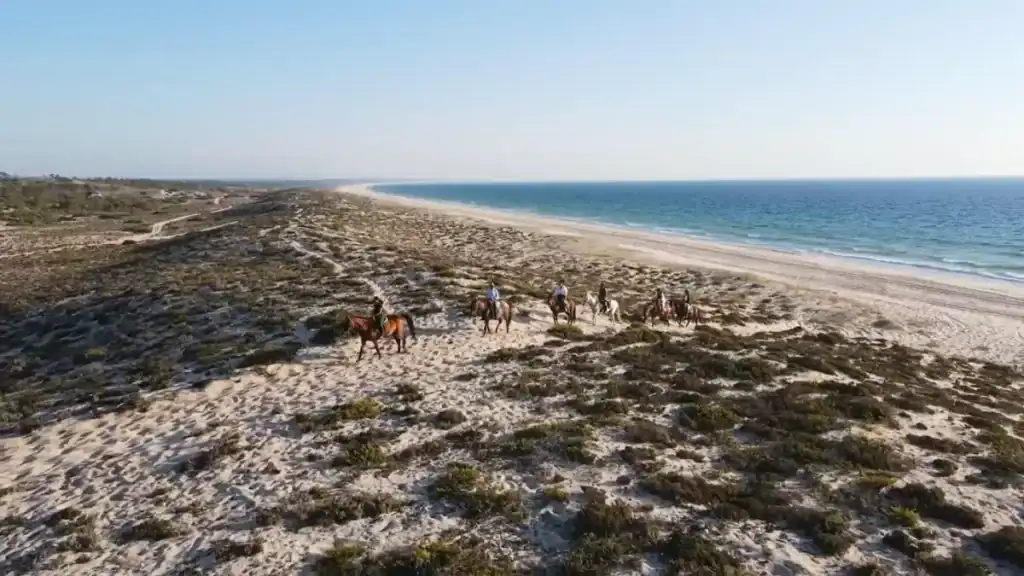
The Atlantic defines the western edge of the Comporta Coast, but it rarely reveals itself immediately. Instead, a broad belt of dunes and pine forest separates the ocean from the villages, creating a sense of anticipation that remains one of the coast’s most distinctive features.
Beaches Along the Comporta Coast
Although they share the same Atlantic shoreline, each beach has its own character.
| Beach area | What to expect |
|---|---|
| 🏖️ Praia da Comporta | Wide beach with easy access and seasonal facilities |
| 🌊 Carvalhal | Popular for surfing and beach restaurants |
| 🌾 Pego | Relaxed atmosphere with broad sandy shoreline |
| 🪨 Melides | Wilder scenery as the coastline begins to change |
Reaching any of these beaches involves crossing the dune belt on foot from the designated parking areas. Once over the crest, the landscape opens into kilometres of pale sand backed only by dunes, with remarkably little development visible along the shoreline. Building restrictions have helped preserve this sense of space across much of the Comporta Coast.
Beyond the Central Beaches
The character of the coastline changes gradually as you travel south.
Near Melides, long sandy beaches begin giving way to more rugged scenery, with cliffs becoming increasingly prominent beyond the lagoon. Travellers looking to explore this quieter stretch will find Praia da Aberta Nova offers one of the least developed and most peaceful beaches on the wider Alentejo coast.
🦩 Wildlife and the Estuary
The eastern side of the Comporta Coast is every bit as important as the Atlantic beaches. The Sado Estuary creates one of Portugal’s richest coastal ecosystems, supporting an extraordinary variety of birds alongside one of Europe’s few resident populations of bottlenose dolphins.
Wildlife on the Comporta Coast
The mix of wetlands, mudflats and rice fields supports wildlife throughout the year.
| Wildlife | Where to look |
|---|---|
| 🐬 Bottlenose dolphins | Sado Estuary boat trips |
| 🦩 Flamingos | Estuary shallows and mudflats |
| 🐦 Spoonbills, herons and egrets | Rice fields and marshes |
| 🦅 Marsh harriers | Wetlands during migration |
The resident bottlenose dolphins are one of the Comporta Coast’s greatest natural attractions, with regular boat trips departing from Setúbal offering reliable opportunities to see them in the wild. Visitors interested in the experience can learn more in Sado Estuary Dolphins, which explains the tours, the resident pod and what to expect on the water.
Birdlife Throughout the Seasons
More than 200 bird species have been recorded across the estuary and surrounding wetlands.
Low tide exposes extensive mudflats that attract spoonbills, curlews, whimbrels and other wading birds, while white storks nest throughout the villages and flamingos are regularly seen feeding in the estuary. These changing wildlife spectacles are one of the reasons the Comporta Coast feels so different from a typical beach destination, rewarding visitors who take time to explore beyond the shoreline.
🚫 What the Comporta Coast Is Not
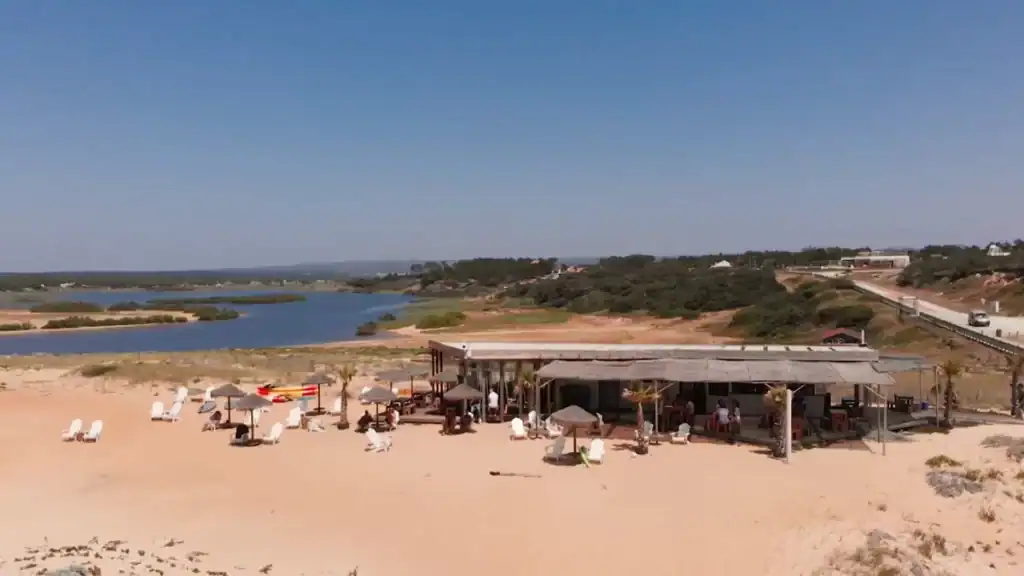
Understanding what the Comporta Coast isn’t is just as useful as knowing what it offers. Visitors expecting a classic Portuguese resort often arrive with the wrong expectations, only to discover that the appeal lies in space, simplicity and the landscape itself rather than a concentration of attractions.
What the Comporta Coast Doesn’t Offer
The region deliberately avoids many features associated with traditional beach destinations.
| Expectation | Reality |
|---|---|
| 🏨 Large resorts | Small villages and low-rise development |
| 🌃 Busy nightlife | Quiet evenings outside peak summer |
| 🚶 Walkable resort centre | Villages spread across a wide area |
| 🚍 Easy public transport | A car is strongly recommended |
The Comporta Coast isn’t built around a single town or beachfront promenade. Its villages are separated by rice fields, pine forests and open countryside, making a car the easiest way to explore everything the region has to offer. Accommodation and beach restaurants can also be more expensive than many visitors expect, reflecting the limited development and growing popularity of the area.
A Different Kind of Coastal Holiday
Rather than dramatic cliffs or famous landmarks, the Comporta Coast is defined by atmosphere.
Those looking for spectacular rock formations or bustling seaside resorts may prefer other parts of Portugal. Travellers who appreciate quiet beaches, changing landscapes and slower journeys through nature often discover that’s exactly what makes the Comporta Coast worth visiting in the first place.
🍂 How the Landscape Changes Through the Year
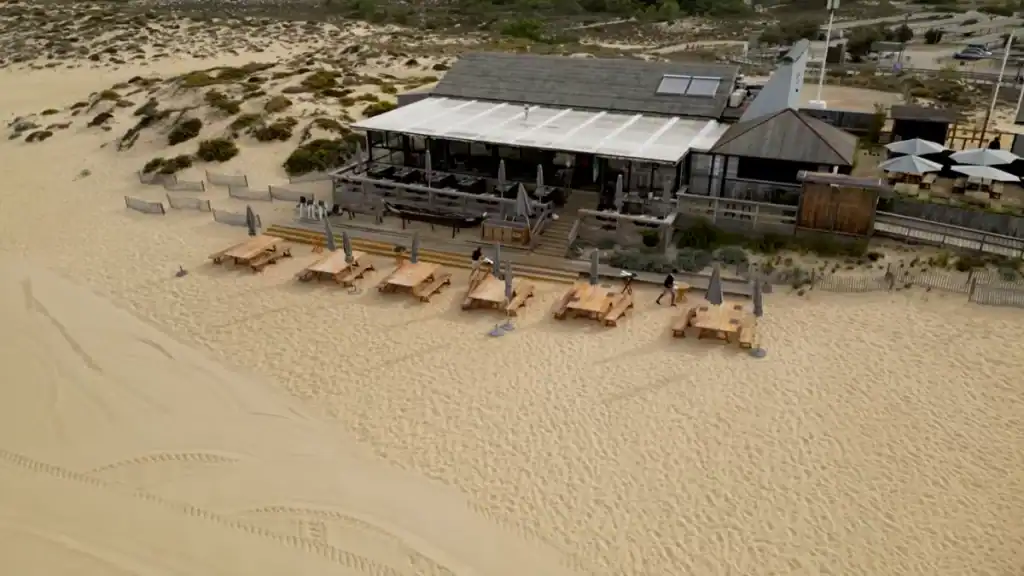
The Comporta Coast rewards repeat visits because it never looks exactly the same twice. The changing seasons affect everything from the colour of the rice fields to the atmosphere on the beaches, the level of wildlife activity and even the character of the villages themselves.
Spring on the Comporta Coast
Spring marks the beginning of a new cycle.
| Season | What to expect |
|---|---|
| 🌱 Spring | Flooded paddies, fresh green growth and increasing birdlife |
| ☀️ Summer | Green rice fields, warm beaches and the busiest period |
| 🌾 Autumn | Golden harvest, softer light and fewer visitors |
| 🌧️ Winter | Quiet beaches, flooded fields and excellent wildlife watching |
As water recedes from the paddies, planting begins and fresh green gradually spreads across the agricultural interior. The beaches remain peaceful, temperatures become increasingly comfortable and birdlife is especially active around the estuary.
Summer, Autumn and Winter
Summer brings the Comporta Coast to life with long days, vibrant green rice fields and warm Atlantic beaches, although July and August also see the largest crowds. Early autumn is often regarded as the finest season, with golden harvest colours, softer light and pleasantly warm sea temperatures.
Winter reveals another side of the Comporta Coast altogether. Many rice fields flood once again, migratory birds arrive in greater numbers and the beaches become almost empty. Visitors interested in how the agricultural landscape changes month by month will find Comporta Rice Fields explores the seasonal cycle in much greater detail.