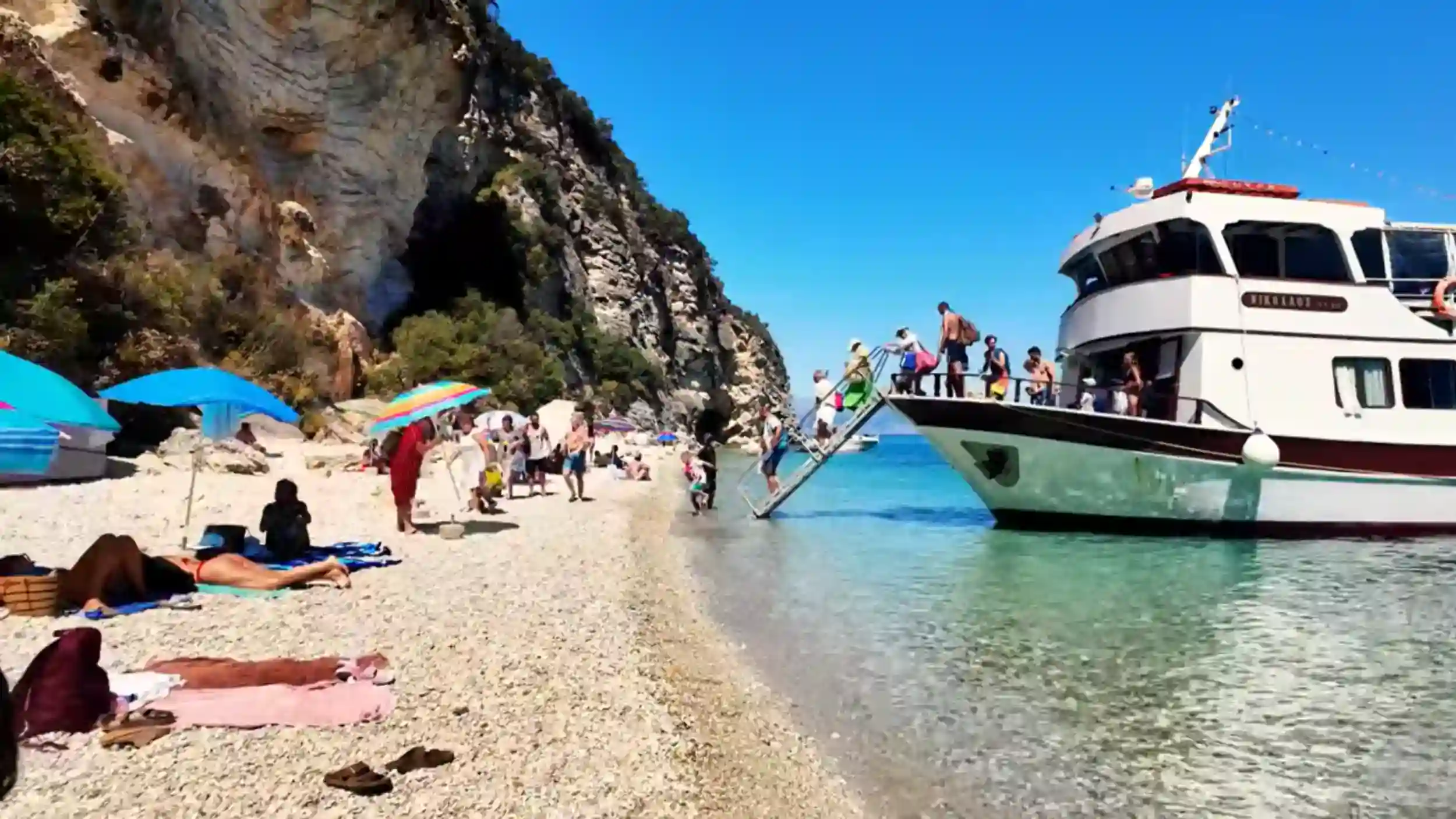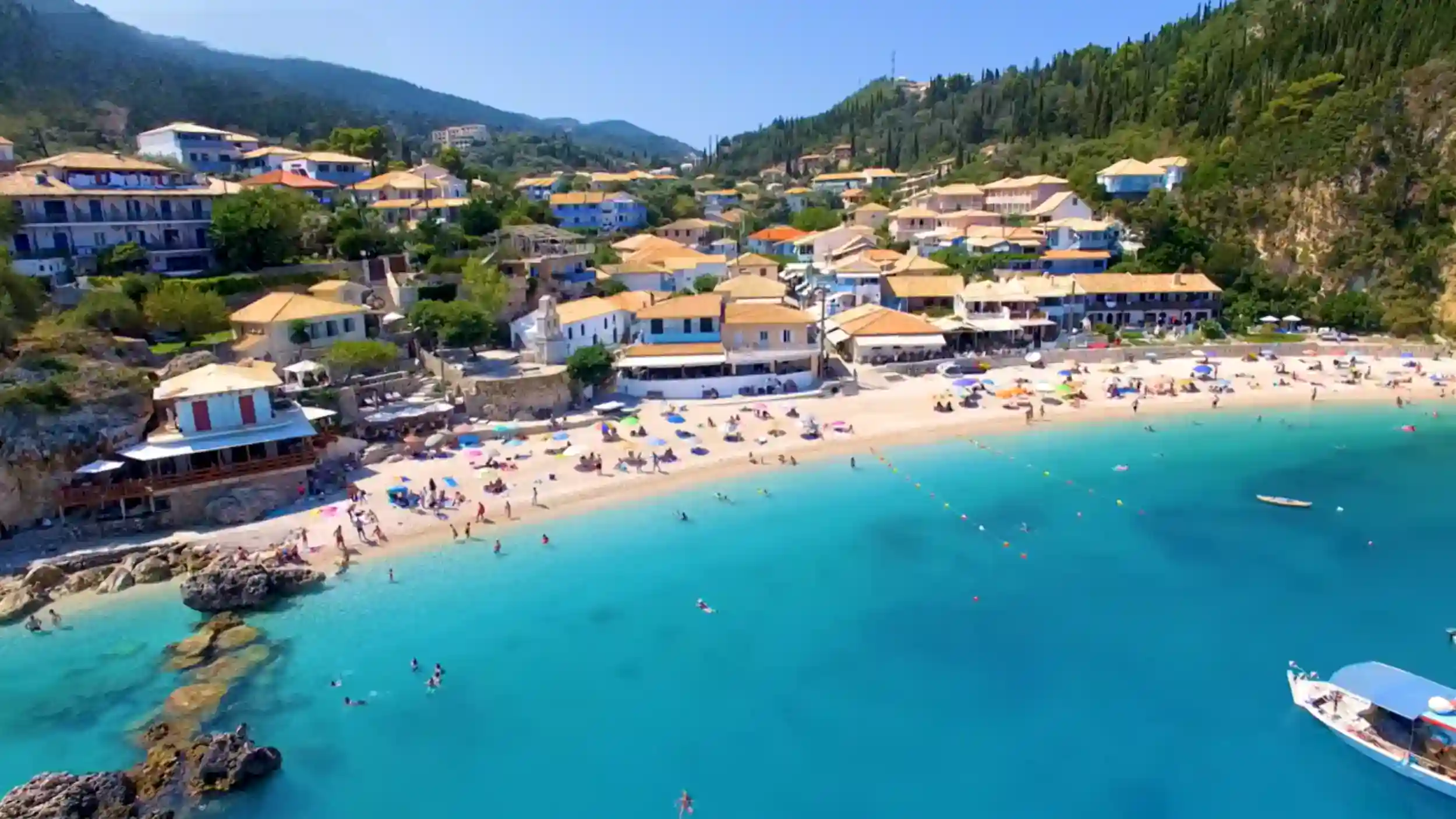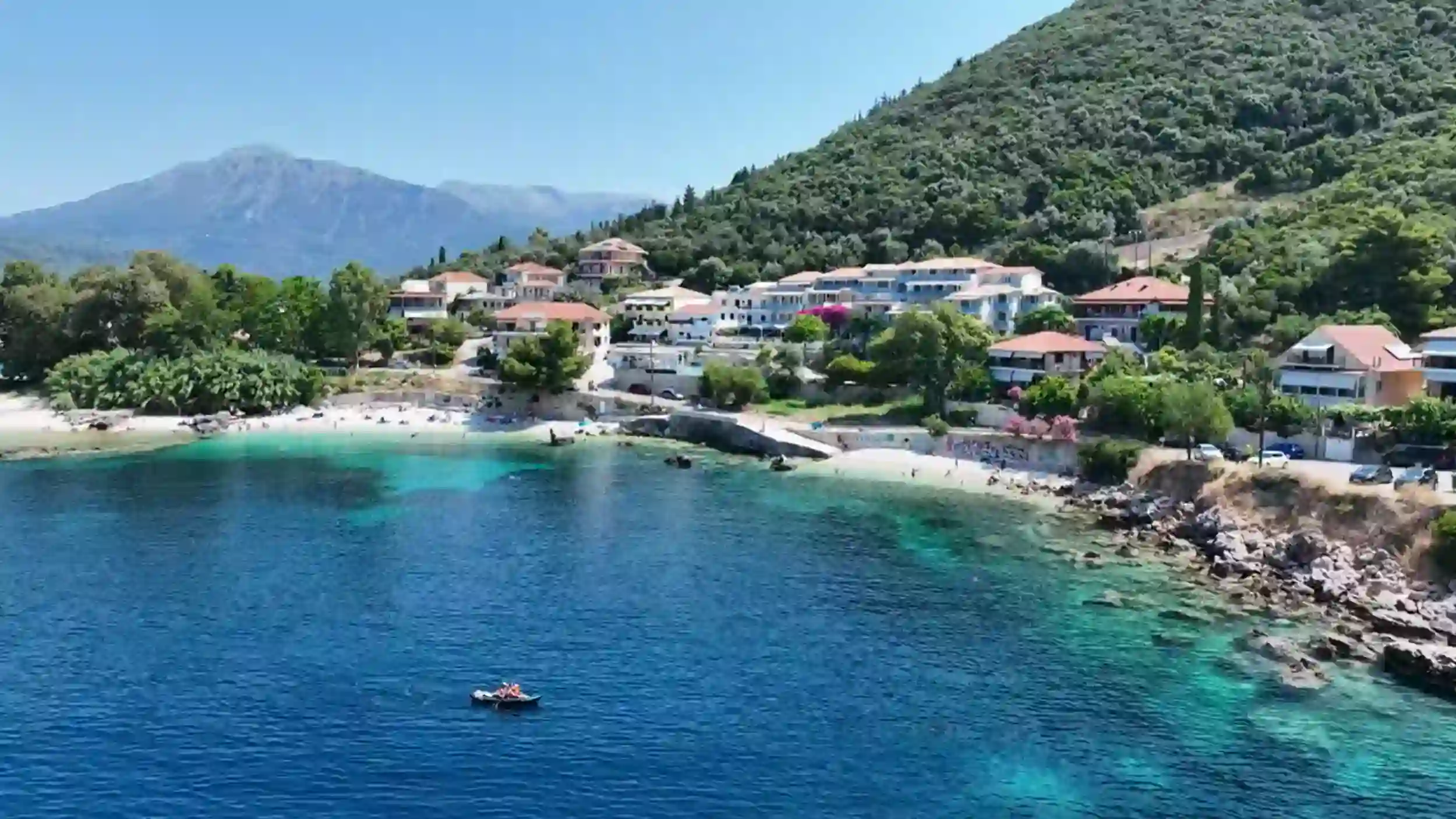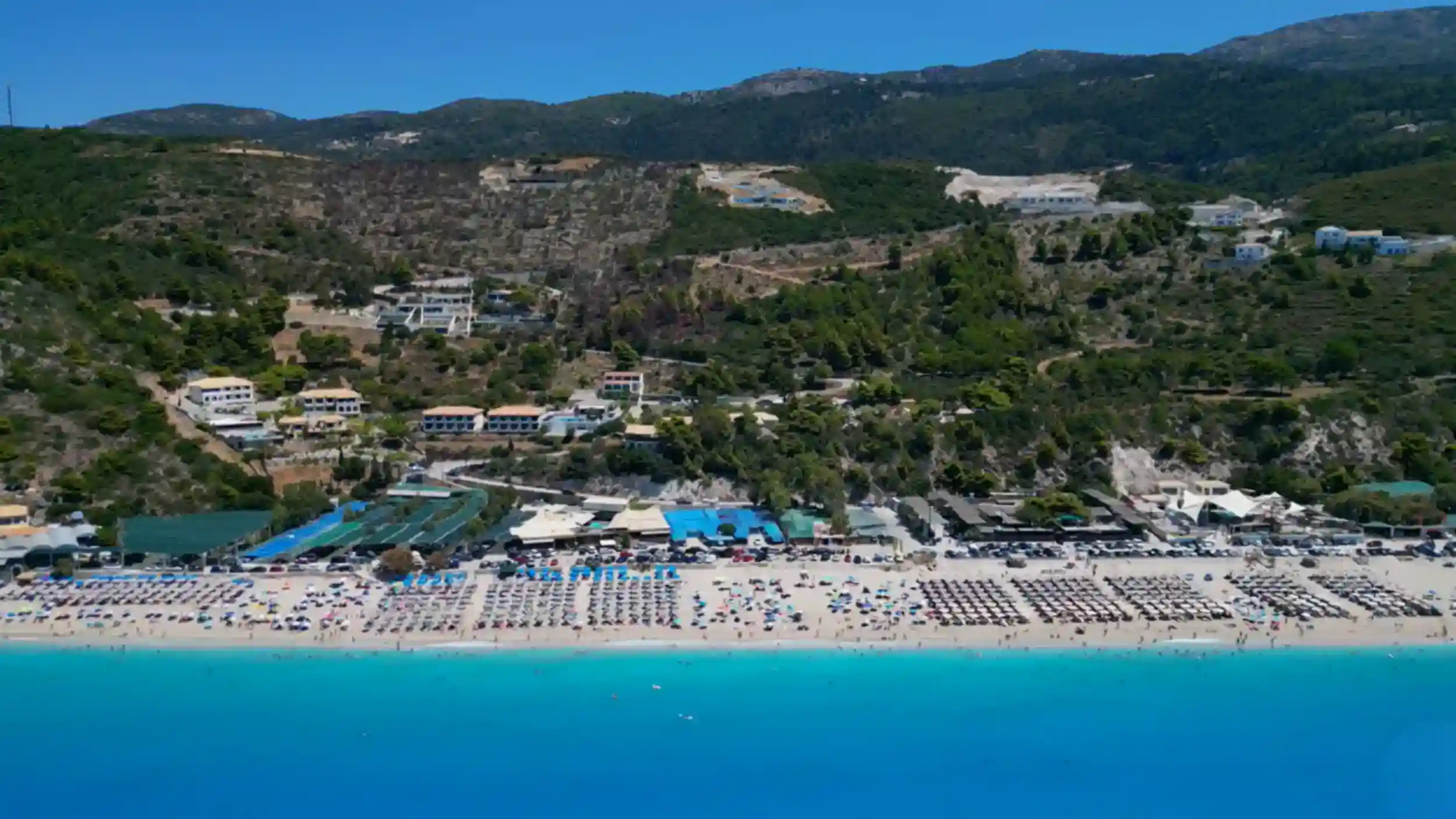
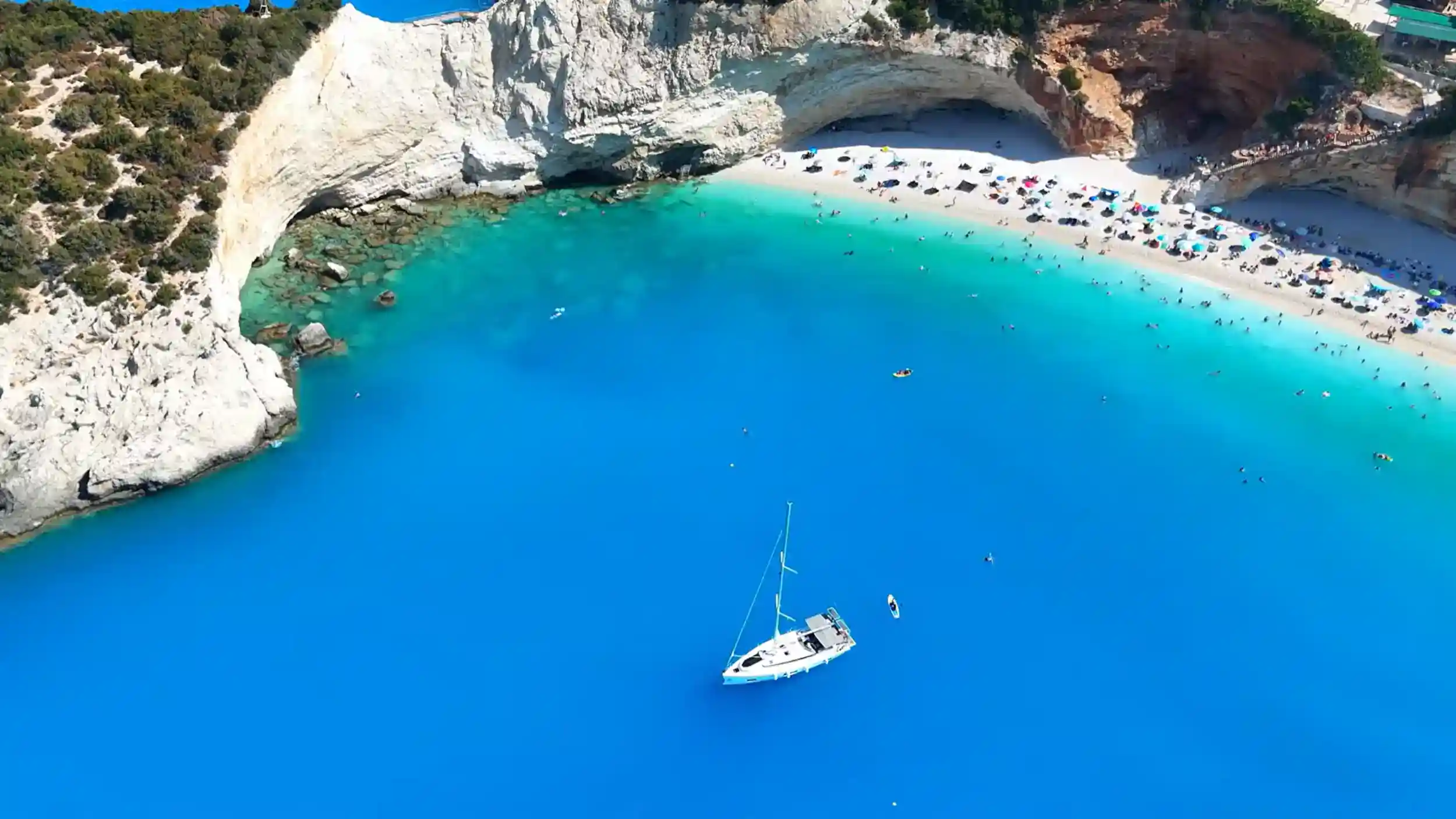
Lefkada beaches felt almost like two different islands to us. The west coast delivered the towering cliffs, turquoise water and dramatic scenery we had pictured before arriving. The east was gentler, with calmer swimming and beaches that were generally much easier to reach.
That difference ended up shaping our beach days. Wind mattered. So did access, driving time and how much effort we wanted to put into reaching the water. We stopped looking for Lefkada’s single best beach and started choosing the coast that suited the day.
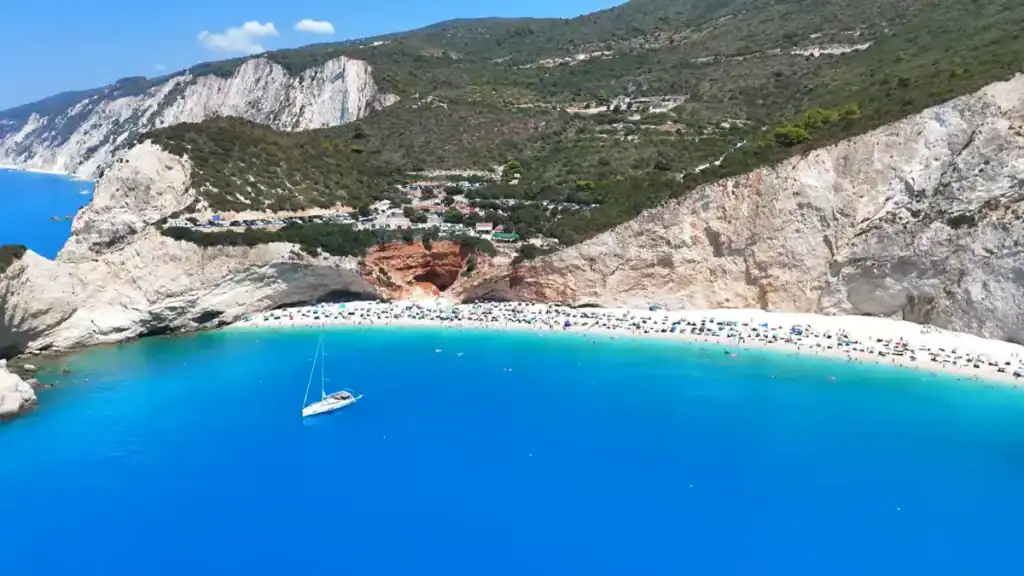
🌊 Lefkada’s West and East Coasts Give You Very Different Beach Days
We initially wondered which coast had the better beaches. After exploring both, that felt like the wrong question.
The exposed west gave us Lefkada at its most spectacular. White limestone cliffs drop towards intensely blue water, but reaching some beaches involves winding roads, steps and more planning. Conditions can also become rougher once the afternoon wind strengthens.
Over on the east, the island itself provides more shelter. The scenery is less dramatic, yet the calmer bays and easier access made this side appealing when we simply wanted to swim without turning the journey into part of the adventure.
🏞️ WHICH COAST WOULD WE CHOOSE?
West: dramatic scenery, famous beaches and bigger beach-day adventures.
East: calmer water, easier access and more relaxed swimming.
Both: our choice if you have enough time.
Once we understood that split, planning became much simpler. Our wider guide to exploring Lefkada Island shows how the beaches fit with the villages, roads and other places we found away from the shoreline.
🏖️ Porto Katsiki or Egremni? We Would Choose for the Experience
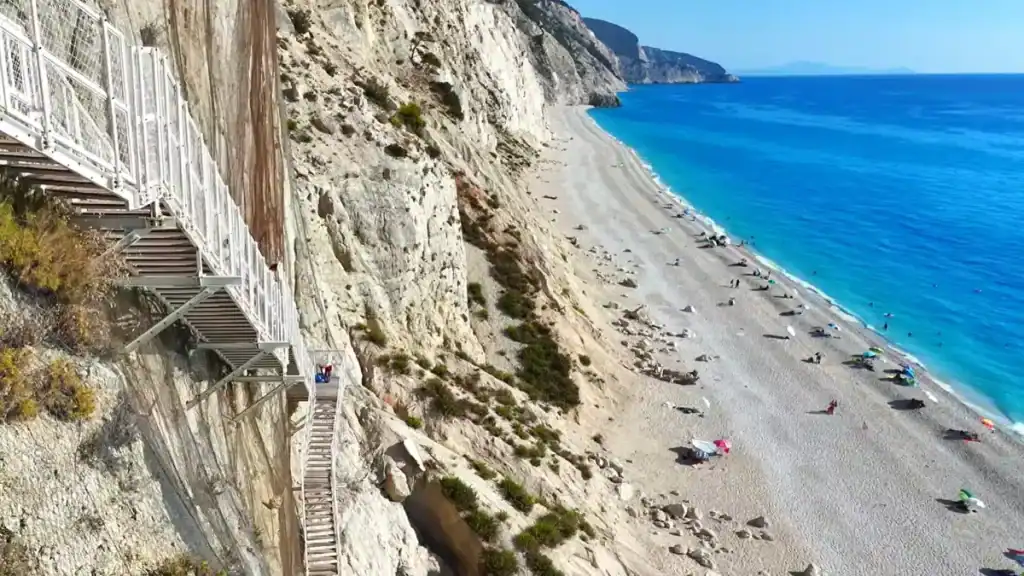
Porto Katsiki and Egremni gave us the version of Lefkada beaches we had imagined before the trip. Both combine brilliant turquoise water with enormous white cliffs, yet they did not feel interchangeable once we reached them.
Porto Katsiki Asks Less of You
If we had time for only one, Porto Katsiki would be the straightforward first choice. The road takes you to the clifftop parking area and the beach is then reached by a staircase of around 100 steps. We found the descent relatively manageable.
The view before you even start walking down is part of the experience. Looking across the bay from above gave us almost as much reason to stop as the beach itself.
Our guide to Porto Katsiki Beach explains what to expect from the steps and when we would arrive.
Egremni Rewards the Extra Effort
Egremni was different. Its staircase has around 350 steps, and we would not underestimate the climb back in hot weather. We also needed to think more carefully about what we carried down for the day.
That extra effort filters some visitors. Once below, we had a much broader sweep of coastline and more room than at the biggest-name stops.
🌊 OUR PICK DEPENDS ON YOUR TRIP
First visit: Porto Katsiki.
More space: Egremni.
Avoiding a demanding climb: Porto Katsiki.
🥾 Some of Our Best Beach Days Needed Less Driving
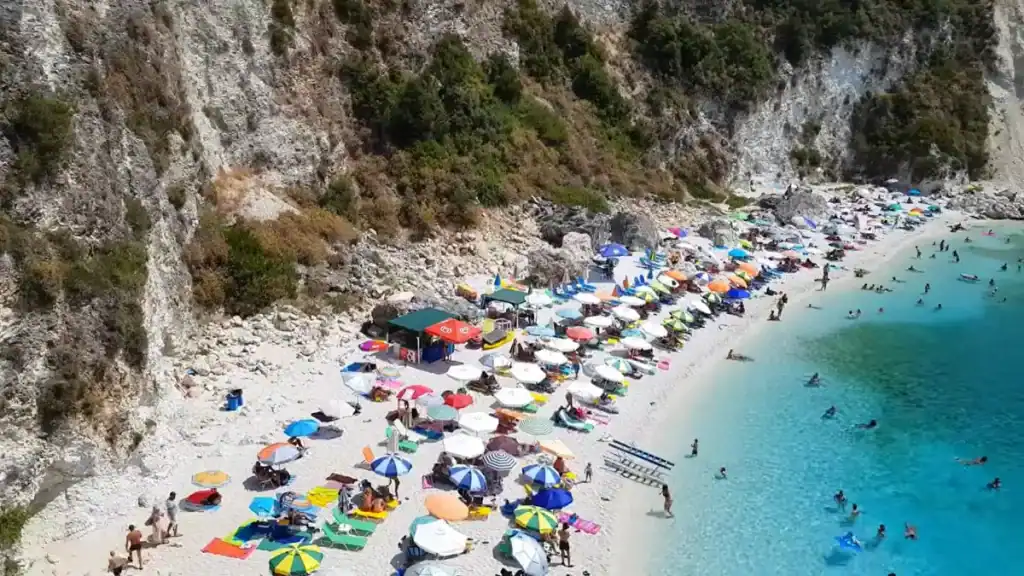
Not every memorable beach required us to tackle another long staircase. Around Agios Nikitas, we found alternatives that still offered excellent swimming and attractive scenery.
Milos particularly changed our thinking. The coastal path from Agios Nikitas added enough effort to separate it from casual visitors, while summer boats offer an easier alternative. It had space for a proper beach day without feeling quite as dominated by its reputation as Lefkada’s headline beaches.
Agiofili Was About the Water
Agiofili gave us something else. Its sheltered bay had exceptionally clear water for swimming and snorkelling. The smooth white pebbles also made us appreciate having water shoes with us.
Our guide to Agiofili Beach covers its access and the practical details we would want to know before returning.
These less obvious days became important. Instead of repeatedly crossing the island to collect famous beaches, we could stay around one part of the coast and actually spend more time beside the sea.
🚗 Kathisma Is the Easy Way to Experience the West Coast
By then, we had become used to west-coast beaches making us work for the reward. Kathisma was the exception.
We could drive there, park close to the beach and walk almost straight onto the shore. Yet we still had the vivid turquoise water and dramatic setting we wanted from this side of Lefkada.
That makes Kathisma one of the easiest west-coast choices for families or anyone who wants to avoid hundreds of steps. Beach bars, tavernas and summer facilities add to the convenience.
🚗 THE TRADE-OFF
Easy access brings more people. In July and August, we would aim to arrive before mid-morning for easier parking and more choice along the shoreline.
Our guide to Kathisma Beach covers the facilities and different sections in more detail.
💨 Wind Became Part of Our Beach-Day Planning
We stopped using the weather forecast simply to decide whether to go to the beach. Instead, we used it to decide which coast to choose.
The exposed west could become choppier as afternoon winds strengthened. Even when swimming remained possible, waves changed how inviting the water felt. The sheltered east gave us a useful alternative.
Vasiliki Is Where Wind Becomes the Attraction
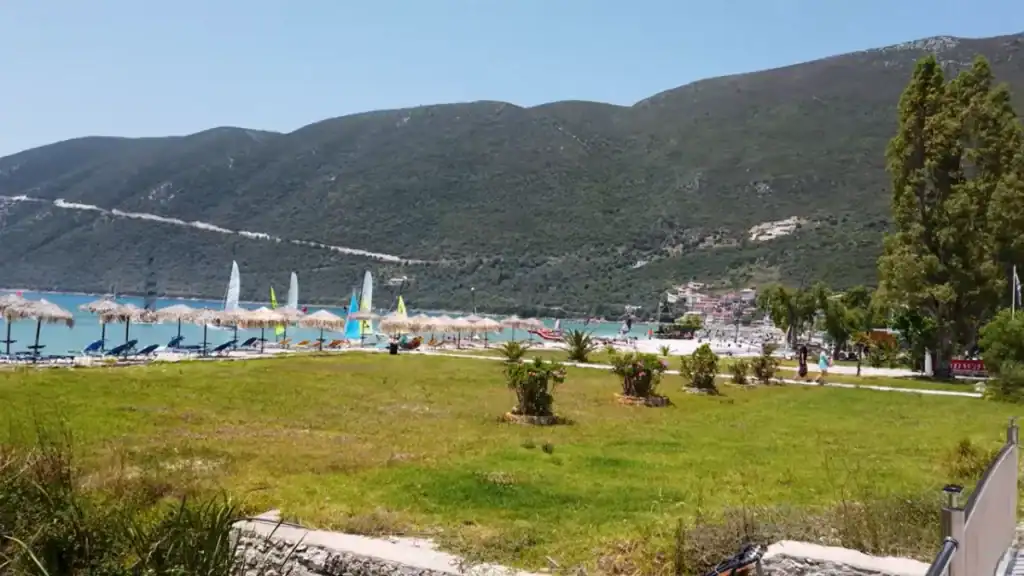
Vasiliki turns that logic around. Its afternoon breeze attracts windsurfers and sailors, making it the obvious Lefkada choice when wind is exactly what you want.
For ordinary swimming, mornings were the safer bet. We could feel how exposed the western shoreline was to the Ionian Sea, and getting there earlier gave us a better chance of calmer water.
🌬️ LET THE CONDITIONS CHOOSE THE COAST
Calm morning? We would head west.
Strong afternoon wind? The east becomes more attractive.
Windsurfing? Vasiliki is the obvious choice.
👣 Quieter Lefkada Beaches Usually Require a Little More Effort
The busiest beaches were not difficult to predict. Porto Katsiki has the famous name and iconic view. Kathisma combines west-coast scenery with unusually easy access.
Milos and Egremni gave us more breathing room. Neither is unknown, but the extra walk or steps help filter the number of casual visitors.
Timing changed the equation again. A beach that can feel crowded in August may be dramatically quieter in May or late September. Even during peak summer, arriving early changed both parking and the amount of space we found around us.
Given the choice, we would seriously consider May or September. Quieter roads and easier parking affect the whole day, not merely how crowded the sand or pebbles feel.
🧭 How Many Lefkada Beach Days Would We Allow?
We would allow at least three beach days if beaches are an important reason for visiting Lefkada. That gives enough time to experience the island’s coastline rather than simply seeing one famous beach.
One day could go to Porto Katsiki or Egremni. Another could be slower around Agios Nikitas, Milos or Kathisma. A third gives you room to explore the calmer east, visit Agiofili or change plans because of wind.
With four or five days, there is less temptation to force a particular beach into unsuitable conditions. That flexibility mattered to us. Lefkada became more enjoyable once every day stopped needing to produce another headline beach.
Our Beach Plan Would Start With the Morning, Not a Fixed List
For the best beach day, we would first check the wind and sea conditions. On a calm morning, the west coast would usually get priority. We would leave early for Porto Katsiki, Egremni or Kathisma, particularly in summer.
If conditions looked less appealing there, we would switch coasts rather than stubbornly follow the itinerary. For an easier day, we would stay around one area instead of spending hours driving between beaches.
🏖️ THE BEACH-DAY RULE WE’D USE AGAIN
Choose the beach for today’s conditions, not because it was next on yesterday’s list.
That was the biggest lesson Lefkada’s beaches gave us. The famous west coast deserves its reputation, but our better days came from matching the beach to the weather, access, crowds and amount of effort we actually wanted to make.